Buyer Fit Snapshot
| Best fit | Wholesale Corrugated Shipping Cartons for Retailers projects where brand print, material claims, artwork control, MOQ, and repeat-order consistency need to be specified before quoting. |
|---|---|
| Quote inputs | Share finished size, material target, print colors, finish, packing count, annual reorder estimate, ship-to region, and any compliance wording. |
| Proofing check | Approve dieline scale, logo placement, barcode or warning zones, color tolerance, closure strength, and carton packing before bulk production. |
| Main risk | Vague material claims, crowded artwork, missing packing details, or unclear freight terms can make a low unit price expensive after revisions. |
Fast answer: Wholesale Corrugated Shipping Cartons for Retailers should be specified like a repeatable production item. The safest quote records material, print method, finish, artwork proof, packing count, and reorder notes in one written spec.
Production checks before approval
Compare the actual filled-product size with the drawing, then confirm tolerance on folds, seals, hang holes, label areas, and retail display edges. Reserve space for logos, QR codes, warning copy, and material claims before decorative graphics fill the panel.
Quote comparison points
Review material grade, print process, finish, sampling route, tooling charges, carton quantity, and freight assumptions side by side. A quote is only useful when the supplier can repeat the same color, closure quality, and packing count on the next order.
Wholesale corrugated shipping cartons for retailers are never just containers. They sit right in the middle of margin control, warehouse speed, and the customer’s first physical impression of the brand. A carton that is too large, too weak, or too expensive for the job can quietly cause trouble everywhere else. The unit price may look fine on paper, then freight climbs, packers slow down, damage claims creep up, and returns start telling the truth. I have seen that pattern enough times to know the carton was often the first bad decision, even if it was blamed last.
It helps to think of the carton as part of a working system instead of a commodity line item. The right wholesale corrugated shipping cartons for retailers can reduce void fill, cut dimensional weight charges, speed up fulfillment, and help the product arrive looking cared for rather than hurried. That last part matters more than buyers usually admit. Crushed corners, sloppy folds, and loose inserts do not just look bad; they signal how the operation handles the order.
Here, I’m going through the carton styles retailers actually use, the specs that deserve real attention, how pricing usually behaves, and the path from sample to production without guesswork. If you already know you need a quote, you can also review Wholesale Programs, compare Custom Shipping Boxes, or browse more Custom Packaging Products for your retail line.
Wholesale corrugated shipping cartons for retailers: the real cost of a bad fit
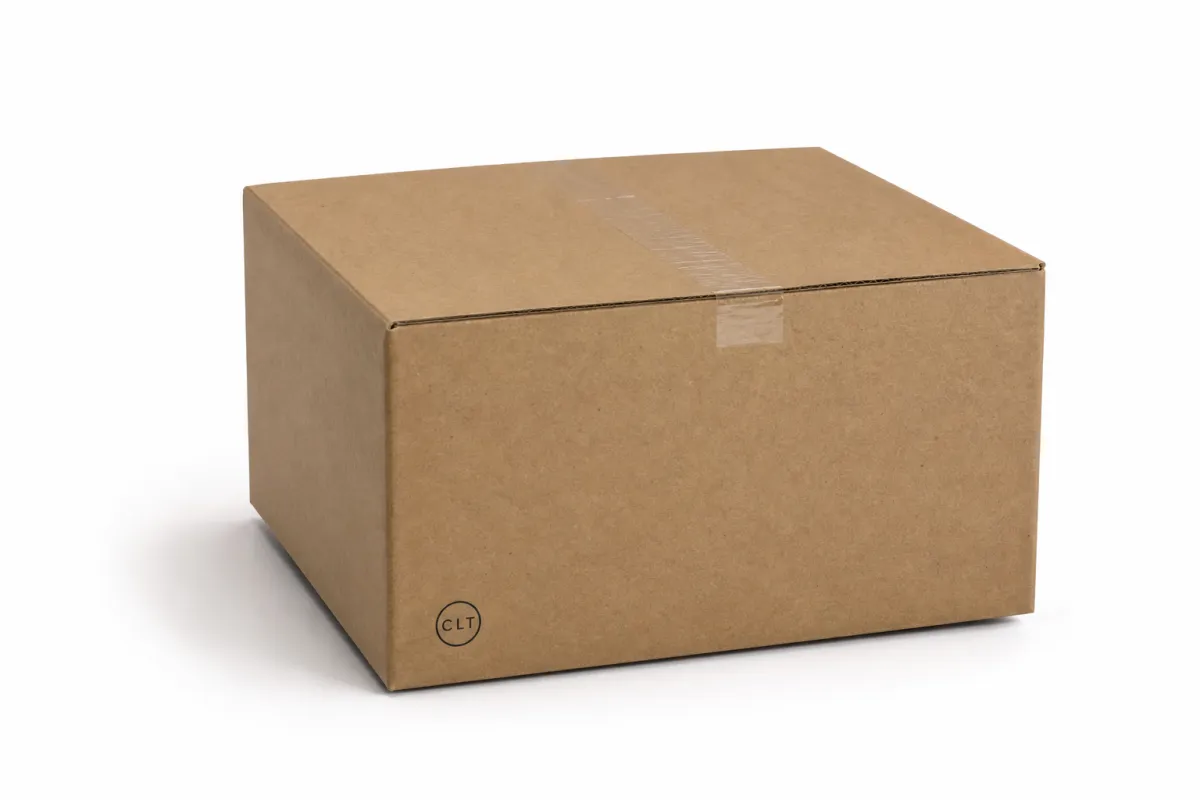
The cost of a poor carton choice is sneaky. A box that looks inexpensive in the quote can turn costly once you add dunnage, repacking time, freight surcharges, and the damage rate on the receiving end. For wholesale corrugated shipping cartons for retailers, the real question is not “What is the unit price?” It is “What does the full carton system cost per order shipped?”
Even a 1 to 2 inch oversize in each direction can force extra void fill and push a parcel into a higher dimensional weight tier. On ecommerce runs, that means money walking out the door for no real benefit. A loose fit lets products move and rub during transit. A tight fit slows packers down and makes them improvise. Neither one helps the operation, and both tend to show up as avoidable cost later.
Wholesale corrugated shipping cartons for retailers need to support the SKU mix rather than fight it. Apparel behaves one way. Candles behave another. Electronics, cosmetics, and home goods all bring different pressure points, stack risks, and pack-out habits. A retailer shipping mixed-SKU kits is solving a different problem than a retailer shipping a single folded garment or a rigid retail box. That difference should show up in the structure, not just in the marketing language.
From a business standpoint, the right carton lowers three costs at once:
- Void fill and other transit packaging extras that eat margin.
- Pack-out mistakes that slow fulfillment and add labor waste.
- Damage claims, returns, and customer complaints that cost far more than the carton itself.
That is why I keep telling buyers to treat wholesale corrugated shipping cartons for retailers as part of the retail packaging system. The carton has to fit the product, fit the warehouse Process, and Fit the brand experience. Miss one of those and the budget usually feels it later, sometimes in a way nobody connected to the original purchase.
“A cheap carton that fails in transit is not a savings. It is a delayed bill.”
There is also a brand effect that gets overlooked because it is less obvious on a spreadsheet. Retailers often spend attention on print and forget structure. A plain brown carton with clean sizing, strong corners, and a tidy opening can feel more premium than a decorated carton that arrives crushed. That is not a romantic idea; it is practical reality. Good wholesale corrugated shipping cartons for retailers should survive transport first, then look good while doing it.
Product details: what wholesale corrugated shipping cartons for retailers actually include
Wholesale corrugated shipping cartons for retailers usually fall into a few common categories, and each one solves a different packing problem. The main styles are RSCs, mailers, die-cut cartons, tuck-top boxes, and retail-ready shipping boxes. You do not need every format under the sun. You need the one that fits the product, the packing method, and the shipping profile.
Common carton types
RSCs are the workhorse. Regular slotted cartons store flat, assemble quickly, and usually give the lowest cost for simple retail shipping. They suit bulkier goods, multi-item orders, and palletized shipments. If the item does not need a polished opening sequence, an RSC often wins on practicality and price.
Mailer boxes stay popular for ecommerce shipping because they close neatly and arrive with a cleaner presentation. They work well for cosmetics, small apparel items, accessories, candles, and subscription kits. Many buyers choose them for wholesale corrugated shipping cartons for retailers because they balance presentation and protection without getting overly complicated.
Die-cut cartons solve the exact-fit problem. They can include locking tabs, dust flaps, tear-open features, and inserts. Fragile goods and retail sets with several pieces often benefit from die-cut design because the structure can remove filler and hold each piece in place instead of asking loose paper to do all the work.
Tuck-top styles and retail-ready shipping boxes show up often in branded programs where shelf appearance matters. If the carton needs to serve as the outer shipper and the cleaner presentation layer, this style deserves a close look. It is not always the cheapest choice, though it is frequently the most practical one for the right product. I have watched teams try to force a plain shipper to do a retail display job, and it usually ends in extra handling or a less polished result.
Board and structure choices
Most wholesale corrugated shipping cartons for retailers use single-wall corrugated board, usually with B-flute or C-flute. B-flute creates a flatter profile and a solid print surface. C-flute gives more cushioning and, in many situations, better stacking performance. Heavier or more fragile products may need double-wall board. The cost rises, yet the carton resists crushing more effectively in transit and in storage.
Flute choice affects more than strength. It changes fold quality, print appearance, and how the carton behaves on a pallet. Retailers often get fixated on the visible side of the box and ignore compression performance. That is backward. A carton that prints beautifully but caves under load is just expensive cardboard with a confidence problem.
For branded retail programs, tear strips, perforations, glue strips, locking tabs, and print-ready panels can all be added. Those details help the carton open cleanly or present better at unboxing. They make sense for subscription boxes, beauty kits, and giftable items where the first impression matters. Keep the feature set honest, though. Too many extras slow packing and increase cost without adding much value. Sometimes a simpler carton is the smarter one, even if it feels a little less fancy on a spec sheet.
Where each style fits best
Apparel usually does well in mailers or lighter RSCs with precise sizing. Cosmetics and candles often need tighter internal space control and stronger package protection. Home goods and kitchen items commonly need better corner resistance and stronger stacking performance. Electronics may demand heavier board, custom inserts, and tighter tolerances. Mixed-SKU retail kits often benefit from die-cut packaging that keeps each component locked in place.
If you need broader sourcing across formats, compare your options with Custom Poly Mailers for soft goods and lighter ecommerce shipping. Not every order belongs in corrugated board. Some shipments do better with a lighter shipping material entirely.
| Carton style | Best use | Typical strength | Practical note |
|---|---|---|---|
| RSC | General retail shipping, bulk orders | Single-wall to double-wall | Lowest cost, easy to store flat |
| Mailer box | Branded ecommerce, small goods | Single-wall | Better presentation and closure |
| Die-cut carton | Exact-fit retail packaging | Single-wall or double-wall | Good for inserts, tabs, and custom shapes |
| Tuck-top / retail-ready | Display-focused shipments | Usually single-wall | Cleaner unboxing, higher print value |
The short version: wholesale corrugated shipping cartons for retailers should match the product’s weight, fragility, and opening experience. That is the actual job. Everything else sits in the category of decoration or convenience.
Specifications to compare before ordering wholesale corrugated shipping cartons
Before you ask for pricing on wholesale corrugated shipping cartons for retailers, get the specifications straight. Otherwise you end up comparing apples to boxes shaped like apples and wondering why one quote looks wildly cheaper. The numbers that matter are the ones that define fit, strength, and printability.
Start with internal dimensions. Not outside dimensions. Internal size determines whether the product, inserts, and padding fit the way they should. A carton can measure correctly on the outside and still be wrong on the inside if board thickness was ignored. That mistake creates one of two problems: the item rattles, or it will not close.
Next, look at board grade and flute type. Single-wall board works well for many retail shipments, especially when the contents are light or already boxed. Double-wall board costs more, but it brings better crush resistance and more confidence on stacked pallets. For wholesale corrugated shipping cartons for retailers that travel through more than one handling stage, stronger board often pays for itself by cutting damage.
Edge crush test and burst strength are not just paperwork. They describe how the carton behaves under load and during handling. If the box will sit in storage or move through a warehouse with heavy stack pressure, those specs matter. If the ship method is parcel and the bigger enemy is impact and vibration, structure and fit matter just as much.
A few other specs deserve attention:
- Print area so branding, barcodes, and handling marks stay readable.
- Panel orientation so logos face the right direction on shelf or on arrival.
- Closure style so the packer does not need tape gymnastics.
- Flat-pack storage size so cartons do not consume warehouse space unnecessarily.
- Pack-out tolerance so the box still works when the product includes a sleeve, insert, or protective wrap.
If you are building a comparison sheet, keep it simple. I usually recommend a side-by-side view with 2 to 3 carton options, each showing internal dimensions, board construction, flute, finish, print coverage, and expected use case. Procurement teams move faster when the tradeoffs are visible at a glance. No one needs a mystery novel hidden inside a spreadsheet.
For standardized testing and packaging best practices, it helps to know where the industry draws the line. Review the basics from the ISTA test library and the broader packaging references at Packaging Institute. For shippers managing recyclability goals, FSC-certified board can also matter, especially when retail buyers ask for documented sourcing. None of that replaces a good spec sheet, but it keeps everyone honest.
ASTM D4169, ISTA procedures, and FSC sourcing are useful reference points, yet they do not choose the box for you. Your product does. A fragile candle in a loose carton still breaks. A heavy beauty set in light board still crushes. Standards help verify the choice, not make it. That distinction matters more than people think.
| Spec | Why it matters | What to ask for |
|---|---|---|
| Internal dimensions | Fit and pack-out speed | Product size with inserts included |
| Flute type | Cushioning and print surface | B-flute, C-flute, or double-wall option |
| ECT / burst strength | Stacking and transit performance | Rated strength matched to shipping method |
| Print area | Branding and compliance marks | Logo panel, barcode zone, handling marks |
| Closures and features | Speed and customer experience | Tear strip, tabs, perforation, or insert |
The best wholesale corrugated shipping cartons for retailers are rarely the fanciest. They are the ones that fit cleanly, stack well, and survive the route without turning your packing team into emergency mechanics.
Wholesale corrugated shipping cartons for retailers pricing, MOQ, and quote basics
Pricing for wholesale corrugated shipping cartons for retailers depends on more than size. Box dimensions matter, yes, but so do board grade, print coverage, die tooling, order volume, and where the cartons ship. Buyers who focus only on the unit number usually miss the part that changes the real cost.
Here is the practical version. Small custom runs cost more per unit because setup gets spread across fewer boxes. Larger runs lower the unit cost, but only if the carton design is right and the inventory actually moves. Stock sizes can look cheaper on paper, but if the fit is poor, you pay through dimensional weight, extra filler, and labor. That is not a bargain. That is bookkeeping theater.
For wholesale corrugated shipping cartons for retailers, most pricing conversations fall into a few rough tiers:
| Order tier | Typical unit range | Best for | Watch-outs |
|---|---|---|---|
| Sample / low volume | $1.20-$3.50 per unit | Testing fit, pilot launches, new SKUs | Higher setup cost per box |
| Entry wholesale quantity | $0.45-$1.10 per unit | Growing ecommerce lines, seasonal runs | MOQ and freight can swing total cost |
| Higher production run | $0.18-$0.65 per unit | Stable retail programs, repeat orders | Storage space and reorder timing matter |
Those ranges are not magic. They shift with print coverage, board strength, and carton style. A plain single-wall mailer can land near the lower end. A custom die-cut carton with branding, inserts, and stronger board will sit higher. Double-wall material pushes pricing up as well, yet it can save money if breakage is a real problem.
The quote itself should show more than a headline price. Ask for setup charges, tooling or plate costs, sample approval fees, freight, and any minimum repeat order commitment. A box that looks cheap before freight can become expensive once you add shipping to multiple warehouse locations. Total landed cost is the only number that matters. Everything else is noise.
MOQ is another place where buyers get tripped up. Some carton styles can start with a relatively low minimum, especially if you are using a stock-size structure with print. Fully custom die-cut runs usually need more volume because tooling and setup are real expenses. If your business is still testing a retail channel, start with a structure that can scale without overcommitting cash and storage space.
A useful rule: if the carton saves at least a few cents in void fill, labor, or damage on every ship, it can justify a higher unit price faster than people expect. For ecommerce shipping, a carton that trims packing time by even 10 to 15 seconds per order creates meaningful savings at scale. That is where wholesale corrugated shipping cartons for retailers begin paying back the buyer.
When you are sourcing other shipping materials too, compare carton costs against the broader packaging mix. Sometimes a lighter mailer or a different insert beats a more expensive box. Sometimes the reverse is true. Good procurement is not loyal to one format. It is loyal to the math, even if the answer is a little less convenient than the first idea.
Process and timeline for wholesale corrugated shipping cartons for retailers
The buying process for wholesale corrugated shipping cartons for retailers should stay straightforward. If it feels chaotic, someone skipped the basics. A proper order usually moves through discovery, spec confirmation, sample creation, approval, production, and delivery. Nothing fancy, just enough discipline to avoid a full run of the wrong box.
- Discovery: Share product dimensions, weight, fragility, ship method, branding needs, and approximate quantity.
- Spec confirmation: Lock the internal size, board grade, flute type, closure style, and print area.
- Sample or prototype: Test the carton with real product, inserts, and packing motion.
- Proof approval: Confirm artwork placement, barcode visibility, and any compliance marks.
- Production: Run the approved cartons and verify consistency before the full shipment leaves.
- Delivery: Schedule freight to the right location and confirm receiving capacity.
The faster you share usable information, the faster the quote comes back. Product size matters, but so do the ship-to destination, quantity, and whether you want branding on one panel or all sides. If you are buying wholesale corrugated shipping cartons for retailers for a launch, include the launch date. If the timeline is seasonal, say that plainly. Packaging schedules do not improve by pretending the calendar is flexible.
Lead times vary. Stock cartons can move quickly because the board and structure already exist. Custom cartons usually take longer because of proofing, sample review, and production scheduling. If new tooling or a fresh die is needed, expect extra time. Artwork revisions add time too, especially when the print area must line up with folds, flaps, or barcode zones.
In practice, sample review is where retailers catch the most expensive mistakes. A box can look correct on a drawing and still feel wrong in the hand. The carton may be too deep, too loose, or too awkward to close with gloves on. You do not want to discover that after 10,000 units are already moving through the warehouse.
“The cheapest packaging delay is the one you catch on the sample table.”
For seasonal buyers, the best move is simple: lock wholesale corrugated shipping cartons for retailers before product arrival, not after. If the cartons are late, the warehouse ends up paying for emergency freight or packing around a temporary substitute. That is avoidable pain. Build the packaging schedule into the launch plan and you stop playing catch-up.
If the carton will be used across multiple warehouse locations, make sure everyone agrees on the same spec revision. One location changing filler thickness or insert style can break consistency. In order fulfillment, consistency is not a nice extra. It is what keeps repeatable packing speed intact. It also keeps training easier, which matters more than the meeting room version of packaging strategy sometimes admits.
Why choose us for wholesale corrugated shipping cartons for retailers
Retailers do not need packaging drama. They need a supplier who can translate product needs into a carton that works, then keep the process moving when a revision shows up. That is the practical advantage of working with Custom Logo Things on wholesale corrugated shipping cartons for retailers: tighter spec control, retail-focused recommendations, and fewer wasted rounds of “let’s try another version.”
We pay attention to the details that affect the floor. That means carton size that supports actual pack-out, board choices that match product weight, and print setups that do not create surprises at production. It also means fewer unnecessary back-and-forth revisions. A supplier should help you make a clean decision, not turn every quote into a project.
There is value in having one place that understands both engineering and branding. You can compare Wholesale Programs for broader purchasing, review Custom Shipping Boxes for structure options, and build out your line with Custom Packaging Products that fit the rest of your retail program. That kind of continuity matters when you are juggling multiple SKUs and multiple launch windows.
Quality control should be visible, not implied. For wholesale corrugated shipping cartons for retailers, the important checks are consistent dimensions, print alignment, board performance, and repeatability on reorders. A retailer can live with a plain box. What they cannot live with is one batch fitting correctly and the next batch drifting just enough to slow down packers and confuse the receiving team.
We also keep the conversation grounded in savings that actually show up. Better wholesale corrugated shipping cartons for retailers cut waste in storage, reduce packing labor, and lower damage claims. That is where the real return lives. Not in the mockup. Not in the pitch deck. On the shipping dock, where the box either earns its keep or gets in the way.
If your line includes softer goods, you may not need corrugated every time. If the product needs a different shipping material, that should be part of the conversation too. A good packaging partner will say so plainly, even if that means fewer board boxes on the order. Honest guidance still has a place in business, and it tends to build longer relationships than overselling ever does.
Most retailers want the same thing: a box that shows up on time, fits the product, and does not create a mess downstream. That is not glamorous. It is better than glamorous. It keeps the operation moving.
Next steps for ordering wholesale corrugated shipping cartons for retailers
If you are ready to move, start with the product, not the box. Measure your top SKUs, include inserts or padding, and note which items create the most damage or packing friction. Then decide whether stock or custom makes more sense. For many retailers, wholesale corrugated shipping cartons for retailers should start with the best-selling items first, not the oddball SKU that ships twice a month.
Use this quick checklist before requesting pricing:
- Product dimensions, weight, and any insert thickness.
- Preferred carton style: RSC, mailer, die-cut, tuck-top, or custom retail-ready.
- Board preference: single-wall or double-wall.
- Expected annual volume and the smallest realistic reorder quantity.
- Print needs, barcode placement, and any compliance copy.
- Ship-to locations and delivery timing.
Ask for a sample and test it with real product. Not a photo. Not a guess. Real product. Then compare at least two board grades before approving full production. That extra step is cheap compared with replacing damaged goods or dealing with a carton that slows down your pack line.
When you send artwork, include the preferred delivery window and destination ZIP codes. That helps make the quote reflect the actual landed cost, not just a theoretical box price. If the order ties to a launch or promotion, say that up front. Wholesale corrugated shipping cartons for retailers should be ordered with enough lead time to avoid emergency freight and last-minute substitutions.
Once the specs are locked, move from planning to quote approval. That is where the work gets real. The right wholesale corrugated shipping cartons for retailers will protect the product, support the budget, and keep the operation clean. If you want a carton that fits the SKU, the workflow, and the timeline, collect the specs, request pricing, and make the decision on facts instead of guesswork. That is the practical path, and it is usually the one that keeps the warehouse calmer.
FAQ
What flute and board strength should wholesale corrugated shipping cartons for retailers use?
Single-wall B-flute or C-flute works for many light to medium retail goods. Use double-wall when products are heavier, fragile, or stacked on pallets for longer periods. Match the board to the product weight and shipping method, not just the box size.
How do I choose the right size for wholesale corrugated shipping cartons for retailers?
Measure the product with any inserts or padding included, then allow a little packing tolerance. Avoid oversized cartons that need too much void fill and raise dimensional weight charges. If you ship multiple SKUs, choose sizes around your best sellers first, not the oddball items.
What is a typical MOQ for wholesale corrugated shipping cartons for retailers?
MOQ varies by carton style, print complexity, and whether the box is stock or custom. Simple stock-style orders can usually start lower than fully custom die-cut runs. Higher quantities usually cut the unit cost, but only if the size actually fits your retail workflow.
How long does production take for wholesale corrugated shipping cartons for retailers?
Stock cartons move faster than custom cartons because there is no tooling or artwork approval loop. Custom orders need time for proofs, sample review, and production scheduling. Ask for lead time in writing and confirm whether freight time is included or separate.
Can wholesale corrugated shipping cartons for retailers be printed with branding?
Yes, most cartons can carry one-color to full-panel branding depending on the structure and print method. Keep branding simple if you want lower cost and faster production. Confirm ink coverage, print placement, and any barcode or compliance markings before approval.


