Buyer Fit Snapshot
| Best fit | Custom Biodegradable Mailers with Logo projects where brand print, material claims, artwork control, MOQ, and repeat-order consistency need to be specified before quoting. |
|---|---|
| Quote inputs | Share finished size, material target, print colors, finish, packing count, annual reorder estimate, ship-to region, and any compliance wording. |
| Proofing check | Approve dieline scale, logo placement, barcode or warning zones, color tolerance, closure strength, and carton packing before bulk production. |
| Main risk | Vague material claims, crowded artwork, missing packing details, or unclear freight terms can make a low unit price expensive after revisions. |
Fast answer: Custom Biodegradable Mailers with Logo: Film, Print, MOQ, and Carton Packing should be specified like a repeatable production item. The safest quote records material, print method, finish, artwork proof, packing count, and reorder notes in one written spec.
Production checks before approval
Compare the actual filled-product size with the drawing, then confirm tolerance on folds, seals, hang holes, label areas, and retail display edges. Reserve space for logos, QR codes, warning copy, and material claims before decorative graphics fill the panel.
Quote comparison points
Review material grade, print process, finish, sampling route, tooling charges, carton quantity, and freight assumptions side by side. A quote is only useful when the supplier can repeat the same color, closure quality, and packing count on the next order.
Custom Biodegradable Mailers With Logo: What to Know
Open a parcel and the packaging speaks first. That is the point. Custom biodegradable mailers with logo do more than move a product from point A to point B. They tell the customer the brand cared enough to make the outer layer look deliberate instead of disposable in the bad way. In ecommerce, those first seconds are not subtle. People judge packaging fast. They judge the brand behind it even faster.
The print is the easy part. The hard part is making sure the mailer is built from the right material, survives the route, and matches the claim on the label. “Biodegradable” sounds reassuring. Plenty of packaging claims do. The useful question is whether the resin, the construction, the seal, and the shipping lane all work together without creating a headache later.
A mailer that looks sustainable but splits in transit is just expensive regret. The better option protects the goods, looks sharp, and holds up in the real world.
Custom biodegradable mailers with logo: what they are and why they stand out
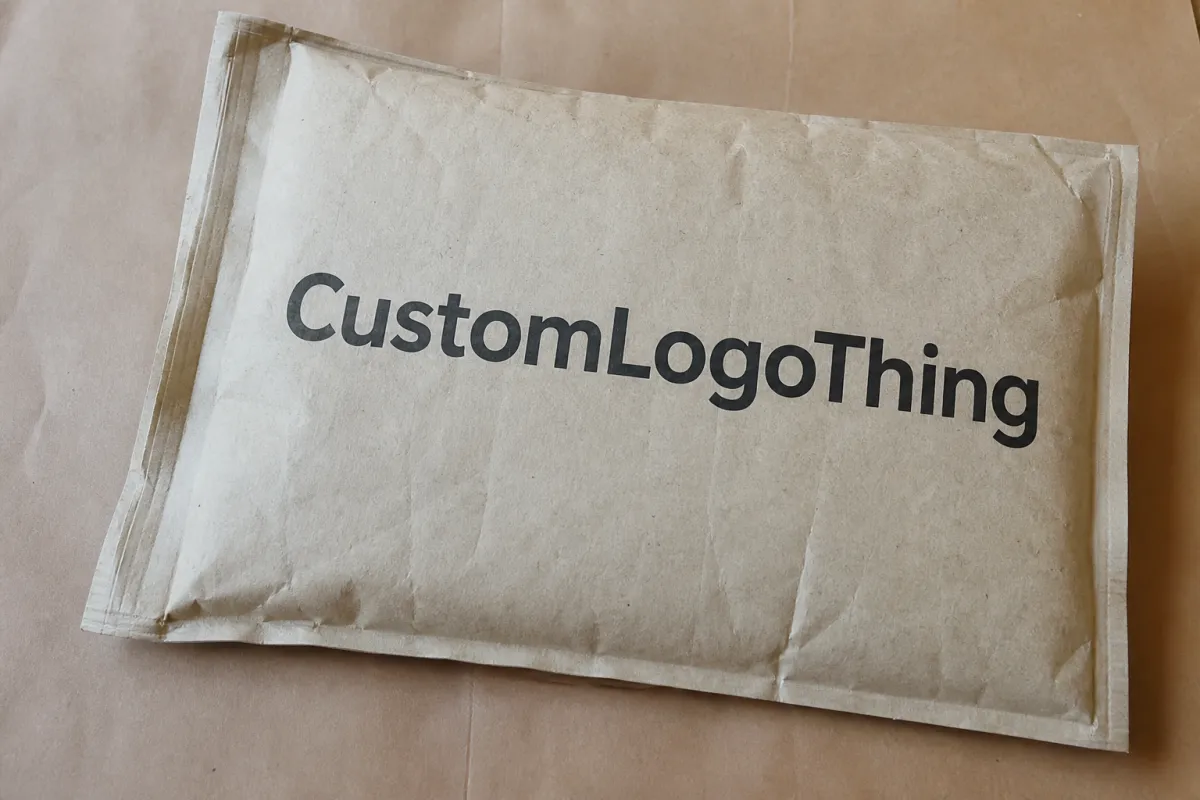
Custom biodegradable mailers with logo are shipping bags made for lightweight products, usually soft goods like apparel, accessories, and subscription items. The outside carries a printed logo, brand message, or pattern. The material is sold as biodegradable, which means it is designed to break down faster than standard plastic mailers under specific conditions. That last part matters. It is not a magic trick. Performance depends on the resin, the film structure, and the environment where the bag ends up.
The reason brands keep buying them is simple. A blank mailer looks generic. A custom one gives the shipment a brand identity before the product is even touched. That matters for companies trying to build a cleaner unboxing, a stronger package branding system, or a more consistent visual line across Custom Printed Boxes, inserts, labels, and shipping bags. The outer mailer stops being background noise and starts doing brand work.
There is also a lot of sloppy language in this category. “Biodegradable” is not the same as “compostable.” Compostable usually means the material is designed for a defined composting environment and backed by a test standard or certification path. Recycled content is different again. It reduces virgin material use, but it does not automatically mean the bag will biodegrade. If a supplier cannot tell you the exact material makeup, the film layers, and the disposal guidance, that is not a mystery worth solving. That is a warning sign.
Those distinctions matter because customers do not dispose of packaging in a vacuum. They toss it based on what the claim suggests. Sustainability teams have to explain the material clearly. Procurement has to compare the bag against other retail packaging and shipping options without getting distracted by marketing language. The right question is not whether the bag sounds eco-friendly. The right question is what it is made from, what it is certified to do, and how it performs once it leaves the warehouse.
For brands that care about presentation, the mailer often gets more attention than people admit. It is handled directly. It gets photographed. It gets seen before the product. A custom mailer can make a small order feel intentional and can reduce the need for extra decorative layers. That helps with both speed and cost. No one needs twelve inserts just to ship a pair of socks.
Product fit still comes first. A tee shipped across town is one thing. A hoodie moving through several hubs is another. Moisture, stack pressure, conveyor friction, and return handling all affect the spec. The smartest buyers start with product size, weight, and the abuse the bag will see. The logo comes after that. Good packaging is boring in the best possible way. It works.
How custom biodegradable mailers with logo are made and how they perform
Most biodegradable mailers are built from a film or blend made to break down faster than conventional polyethylene under the right conditions. Depending on the construction, the bag may feel similar to a standard poly mailer or slightly different in stiffness, texture, and seal behavior. The outer layer needs enough strength to survive shipping. The seal area needs enough bite to stay shut through compression, sorting, and the usual rough handling that happens between warehouse and doorstep.
The logo usually gets applied by flexographic printing, gravure, or another high-volume method depending on the factory and the artwork. A clean one-color mark is easier to produce. Multiple colors or full-coverage graphics add setup time and make registration more finicky. More ink can also change how the bag feels in hand. That is not always bad, but it is worth knowing before someone approves a beautiful proof that turns out to be costly, heavy-looking, and awkward to pack.
Visual finish matters more than people think. High-contrast logos usually read better from a distance, especially on matte or lightly textured films. Dark print on a pale bag feels calm and premium. Bright colors can pop, but they need enough opacity to avoid looking weak or streaky. Thin rules, tiny icons, and cramped copy tend to fall apart once the press gets involved. A design that looks clever on a screen can look fuzzy on a press run. Printing has a way of humbling everyone.
Performance is where the bag earns its keep. A good mailer for apparel or soft goods should resist tearing at the seams, hold a dependable seal, and protect the contents from ordinary moisture exposure. It should survive conveyor belts, stacking in bins, friction from neighboring parcels, and the occasional bad day in transit. Lightweight accessories usually ship fine in a properly specified mailer. Sharp edges, dense items, and unusual shapes need testing. Guessing is not a strategy.
Many packaging teams use transit testing methods associated with the International Safe Transit Association to check drop resistance, vibration, compression, and handling stress. Those tests help separate “looks good” from “actually survives shipping.” If the material is sold as compostable or biodegradable, some buyers also ask for ASTM references and review the U.S. EPA recycling and disposal resources to understand what end-of-life options really exist. Supplier data still matters most, but outside references keep the conversation honest.
Seal quality deserves its own spotlight. A beautiful logo does nothing if the closure pops open in a hot warehouse or during a return. Seal width, adhesive choice, and film thickness all affect whether the bag stays shut. If the mailer needs to handle returns, that adds more pressure. The package may be opened, resealed, and shipped again. The seal is part of the branding story whether the buyer likes it or not. A failed seal is not a tiny defect. It is a customer service problem with a logo on it.
The end-of-life claim also needs precision. “Biodegradable” does not mean the item vanishes in a backyard compost pile after a weekend barbecue. Some materials require industrial composting. Some degrade over a longer period. Some leave fragments if they are discarded badly. Buyers should ask for the resin composition, the test standard, and the disposal instructions. If the answer stays vague, treat the claim with caution. Packaging claims love vague language because vague language is hard to challenge.
Cost, pricing, and MOQ factors to compare before ordering
Pricing for custom biodegradable mailers with logo usually comes down to a small set of variables: size, material thickness, print coverage, number of colors, order quantity, and whether the bag is stock or fully custom. A small mailer for light apparel uses less material than a larger bag for bulkier goods. Add more colors or a full-bleed design and the press work climbs. That shows up in the quote. So do special finishes, unusual film builds, and anything that makes the factory pause and squint at the spec sheet.
MOQ, or minimum order quantity, matters because it changes both unit cost and inventory risk. A lower MOQ lets a smaller brand test custom packaging without stacking boxes of unused bags in the back room. The catch is a higher per-unit price. Bigger runs usually lower the unit cost but lock up more cash in inventory. The right call depends on how fast the product sells, how often the artwork changes, and how many sizes the brand is willing to hold.
Compare pricing by use case, not just by unit number. A simple one-color logo on a standard-size mailer is usually the cheapest path. A full-pattern bag with heavier coverage looks louder and more intentional, but it pushes the cost up. Thicker film does the same thing. Extra material can improve puncture resistance, though it also changes freight weight and raises the raw packaging cost. Every upgrade has a bill attached. Packaging never forgets that part.
| Spec path | Typical use | Illustrative unit cost at 5,000 pcs | What changes the price |
|---|---|---|---|
| Simple one-color logo | Apparel, light accessories, basic branded packaging | $0.18-$0.28 | Bag size, print area, resin thickness, setup |
| Two- to three-color print | Retail packaging with stronger visual impact | $0.24-$0.38 | Color count, registration complexity, ink coverage |
| Full-coverage branded mailer | High-visibility package branding and unboxing | $0.32-$0.52 | Artwork density, press time, film selection, QA |
| Heavier gauge or reinforced build | More demanding shipping lanes or thicker goods | $0.30-$0.48 | Material weight, seal strength, transit protection |
Those numbers are planning ranges, not a promise. Freight, sampling, setup, and quality checks all move the landed cost. Shipping can be the sneaky one. A low quoted unit price can look great right up until the bags arrive late, print off-color, or fail in transit. Then the “cheap” option gets expensive in a hurry because someone has to replace product, deal with returns, and answer angry emails. A bargain that causes customer complaints is not a bargain. It is a delay with a receipt.
Some buyers compare options across the wider packaging system instead of treating the mailer as a lonely line item. That makes sense. If the brand already uses rigid cartons, labels, tissue, or inserts, the mailer may need to coordinate with the whole set. Reviewing Custom Packaging Products as a category can keep the comparison practical. A mailer should support the rest of the shipping experience, not fight with it like it missed the memo.
Unit price and value are not the same thing. A slightly pricier mailer that reduces damage, re-ships, and repack work can save money over time. That is especially true in high-volume ecommerce, where even a small failure rate becomes a real line item. Cheap packaging often turns into expensive operations.
Production steps and timeline: from artwork to delivery
Production usually starts with a packaging brief. The brief should cover bag dimensions, product weight, closure style, artwork placement, and any shipping or handling conditions that matter. Once the supplier has that, artwork setup and proofing come next. Vector logo files help because they keep edges crisp and avoid messy redraws. Brand colors should be confirmed early so the press team knows what they are chasing instead of guessing.
After the first proof, many buyers ask for a sample or prototype. Good move. Screen proofs lie. Film does not. A physical sample reveals contrast issues, logo placement problems, seal behavior, and whether the bag folds the way the team expected. If the sample is close but not right, fix it now. Changing a proof costs less than correcting a finished run. That should not be controversial, but somehow it still is.
Lead time depends on volume and complexity, though a straightforward custom run often lands around 12-20 business days after proof approval. Larger quantities and multiple revision rounds need more time. Rush orders can shorten the schedule, but not every factory will accept them, and rush capacity often changes freight choices too. More colors, more quantity, and more unusual builds stretch the timeline further. Packaging schedules are rarely dramatic. They are just annoyingly honest.
Delays usually come from predictable places:
- Artwork files are low resolution or not in vector format.
- Color references are vague, which slows proof approval.
- The dieline is missing, unclear, or mismatched to the actual size.
- The buyer wants changes after sampling instead of before.
- Internal approval takes longer than planned.
Buyers can keep the job moving by sending complete files, answering proof questions quickly, and deciding early on size, color, and quantity. A plant can only print what it can see clearly. Good suppliers will stop the process if the details are incomplete. That pause is useful. It prevents the wrong bag from getting made and sitting in a warehouse like a very expensive misunderstanding.
Transit time also belongs in the timeline. A run can finish on time and still miss launch if freight is not planned correctly. Receiving, inspection, and internal distribution all take time. That matters a lot for seasonal drops, restocks, and launch dates where packaging must arrive before the orders do. Packaging that shows up after the campaign is not packaging. It is a delay.
For teams working through a bigger supply chain, it helps to line up the mailer timeline with labels, inserts, and any Custom Poly Mailers used for comparison or as a backup spec. Even if the final choice is biodegradable, comparing it against a familiar poly build can make seal strength, print quality, and pricing easier to judge. Benchmarks beat vibes. Every time.
How to choose the right size, seal, and branding details
Size is one of the first decisions to get right because it affects both appearance and performance. A mailer that is too large looks lazy and shifts around in transit. A mailer that is too tight puts stress on seams and closures once the product gets folded, bagged, and compressed. The goal is a fit that feels intentional. Enough room for the product. Not so much room that the package looks like it is carrying air and optimism.
For apparel, the starting point should be folded product dimensions, not the raw garment size. A medium tee, a hoodie, and a bundle pack do not behave the same way in a bag. Soft goods compress better than rigid items, which is one reason they work well in mailers. Even so, the pack-out still matters. Thickness, stacking, and whether the order is machine-handled or packed by hand all influence the right size. Predictable packing makes good packaging easier to choose.
Seal choice matters just as much. Some mailers use peel-and-seal closures. Others are heat-sealed in production. If the package needs to support returns, a resealable or return-friendly design may be worth it. If the shipment is strictly outbound and needs a stronger tamper-resistant closure, a different seal profile makes more sense. The right setup depends on whether the order is a one-way send, a subscription shipment, or a retail package that may come back.
Branding details should stay sharp and restrained. A logo pushed too close to the edge looks cramped. Copy-heavy art often kills the premium feel. White space is not wasted on a mailer. It gives the brand room to breathe. On matte film, a clean logo can feel understated and expensive. On glossier surfaces, contrast matters even more because reflections can make small details harder to read. Pretty artwork that no one can see is not doing its job.
A few practical choices usually separate average from polished:
- Opacity: Higher opacity helps hide contents and keeps the outer look cleaner.
- Sheen: Matte finishes feel calmer and more modern, while a slight gloss can feel brighter and more retail-ready.
- Text density: Less copy usually looks stronger on a shipping bag.
- Logo contrast: Dark-on-light or light-on-dark reads better in motion and on camera.
- Placement: Front-centered or top-left branding stays consistent across pack lines.
Branding and customer experience are tied together. A mailer should not just photograph well in a mockup. It should open cleanly, protect the product, and feel like it belongs to the brand. That is what package branding is actually for. The bag becomes part of the memory of the purchase, and that memory can push repeat orders or quietly kill them. Packaging has a longer memory than most teams assume.
Brands that want a subtle look often do better with a simple logo on a neutral background. That can feel clean and efficient. Brands that want louder presence can use pattern repeats or larger graphics to create stronger shelf impact and more social visibility. Neither approach wins automatically. The right choice is the one that fits the product, the audience, and the rest of the shipping system.
Common mistakes that weaken sustainability claims or shipping performance
The first mistake is vague green language with no backup. Saying a bag is eco-friendly is not enough for a serious buyer, and it is not enough for customers who pay attention either. If the material is biodegradable, compostable, or made with recycled content, the supplier should be able to explain the basis for the claim. Clear documentation builds trust. Vague language does the opposite.
The second mistake is picking a mailer that looks responsible but fails mechanically. If the film tears at the seam, splits on a conveyor, or lets moisture reach the product, the brand pays for replacements and extra labor. Sustainability claims do not excuse bad performance. Bad performance can also make the sustainability story look fake, because it creates waste that never needed to happen.
Poor artwork planning causes its own problems. A logo may look elegant in proof and then lose sharpness in production if the contrast is weak or the design is overloaded. Heavy ink coverage can make the bag feel less natural than expected. Cleaner designs usually photograph better, pack faster, and feel more intentional on arrival. That is one reason shipping materials often look simpler than the brand’s retail packaging. They should.
Sizing mistakes show up more often than teams admit. Oversized bags can reduce SKU complexity, but they waste material and look sloppy. Undersized bags make packing harder and can damage seams or closures. The right size usually saves money because it reduces movement inside the bag and speeds up packing. It also keeps the package from looking like it was chosen by a committee with no ruler.
Storage and handling conditions matter too. Heat, humidity, and warehouse stacking can affect how a mailer feels and performs, especially if the material is more sensitive than standard poly. Bags stored badly may become tacky, brittle, or harder to open cleanly. That is why suppliers should explain how the product should be stored before use, not just how it is manufactured. Packaging lives in warehouses before it ever sees a customer.
Some buyers also ask about chain of custody or sourcing on related packaging components. If the broader packaging system includes paper elements, the Forest Stewardship Council can help verify responsible sourcing. That may not apply to every mailer build, but it matters when the package program includes inserts, tags, or mixed-material presentation pieces alongside the outer shipper.
Here is the rule that holds up in real purchasing work: if the sustainability claim cannot survive basic questions about material, disposal, and transit performance, it is not ready for customers. The bag should do its job first. The brand message comes second. That order matters.
Expert tips and next steps for ordering custom biodegradable mailers with logo
Start with a clear packaging brief. Include product dimensions, packed weight, shipping method, return expectations, and the visual tone you want customers to feel the moment the bag lands. That brief helps the supplier recommend the right gauge, closure style, and print setup. It also avoids the classic mistake of designing around the logo before anyone checks whether the bag can actually hold the product safely. The logo is not the first problem to solve. It is usually the last.
Ask for samples or prototypes before you place a full order. A physical sample tells you more than a spec sheet ever will. Seal feel, film drape, print clarity, and how the bag folds in a carton are all easier to judge in hand. If the sample needs work, make the change early. Tuning a proof costs less than fixing a finished shipment. That part is math, not opinion.
Ask direct questions about material composition, disposal guidance, and testing. If the mailer is described as biodegradable, ask what conditions apply and whether any certification or lab testing backs the claim. Good suppliers should be able to say what the bag is made from, how it is printed, and how it should be handled in transit and after delivery. If the explanation gets slippery, keep pressing. Packaging should not need a translator.
A short approval checklist helps keep the process clean:
- Confirm exact dimensions and quantity.
- Review artwork placement and logo scale.
- Check color references against the proof.
- Approve sample performance for seal and tearing.
- Verify lead time, freight method, and receiving date.
That checklist is useful for reorders too. Packaging programs drift. New team members join. Product lines expand. Somebody “just tweaks” the artwork and suddenly the wrong size gets ordered. A written approval path keeps the same bag from being reordered badly six months later. Boring systems are underrated. They save money.
If the brand is building a broader supply kit, compare the mailer with the rest of the packaging stack. The outer shipper may need to coordinate with inserts, labels, or even Custom Packaging Products already in use across the business. In that case, the mailer should support the system, not fight it. A consistent box, label, and shipper setup usually feels more settled and professional than a collection of random choices.
Before placing the order, confirm the practical details: lead time, minimum quantity, shipping transit, storage instructions, and whether a rush option is worth the extra cost. Then test the mailer in actual packing conditions with the real product, not a dummy sample that weighs less and folds differently. That final check catches the mistakes proofing cannot show. Real product, real packing, real shipping. That is the only test that counts.
For teams that want branded packaging to do more than carry a parcel, custom biodegradable mailers with logo can be a smart fit when the material is honest, the print is clean, and the size matches the product. Choose for performance first, verify the sustainability claim second, and the finished package will feel more credible to the customer who opens it.
Are custom biodegradable mailers with logo actually compostable?
Not always. Biodegradable and compostable are related claims, but they are not the same thing. Do not assume a mailer is compostable unless the supplier gives clear material data, test details, and the intended disposal path. The label needs evidence, not just hopeful wording.
How long does it take to produce custom biodegradable mailers with logo?
Timing depends on artwork readiness, proof approval, sampling, order quantity, and factory schedule. Simple jobs move faster when the dieline, logo files, and size are confirmed early. More complex print jobs or larger runs need more time. Add freight time too, or the mailers may arrive after the launch party has already ended.
What affects the pricing of custom biodegradable mailers with logo the most?
Size, material type, print coverage, and quantity usually move the price the most. Setup, sampling, freight, and rush timing also affect the real landed cost. A lower unit price is not a win if the mailer fails in transit or creates waste through damage and re-shipping.
Can custom biodegradable mailers with logo protect soft goods in transit?
Yes, many apparel and lightweight products ship well in this format if the bag is specified correctly. Check seam strength, puncture resistance, moisture behavior, and fit. Heavier, sharper-edged, or oddly shaped items should be tested before a full run. Packaging surprises are expensive.
What should I ask before ordering custom biodegradable mailers with logo?
Ask about material composition, print method, MOQ, lead time, available sizes, and disposal guidance. Request samples and proofing details, and ask for documentation that supports the sustainability claim. Storage instructions matter too, along with how the mailer should be used for packing and returns.

