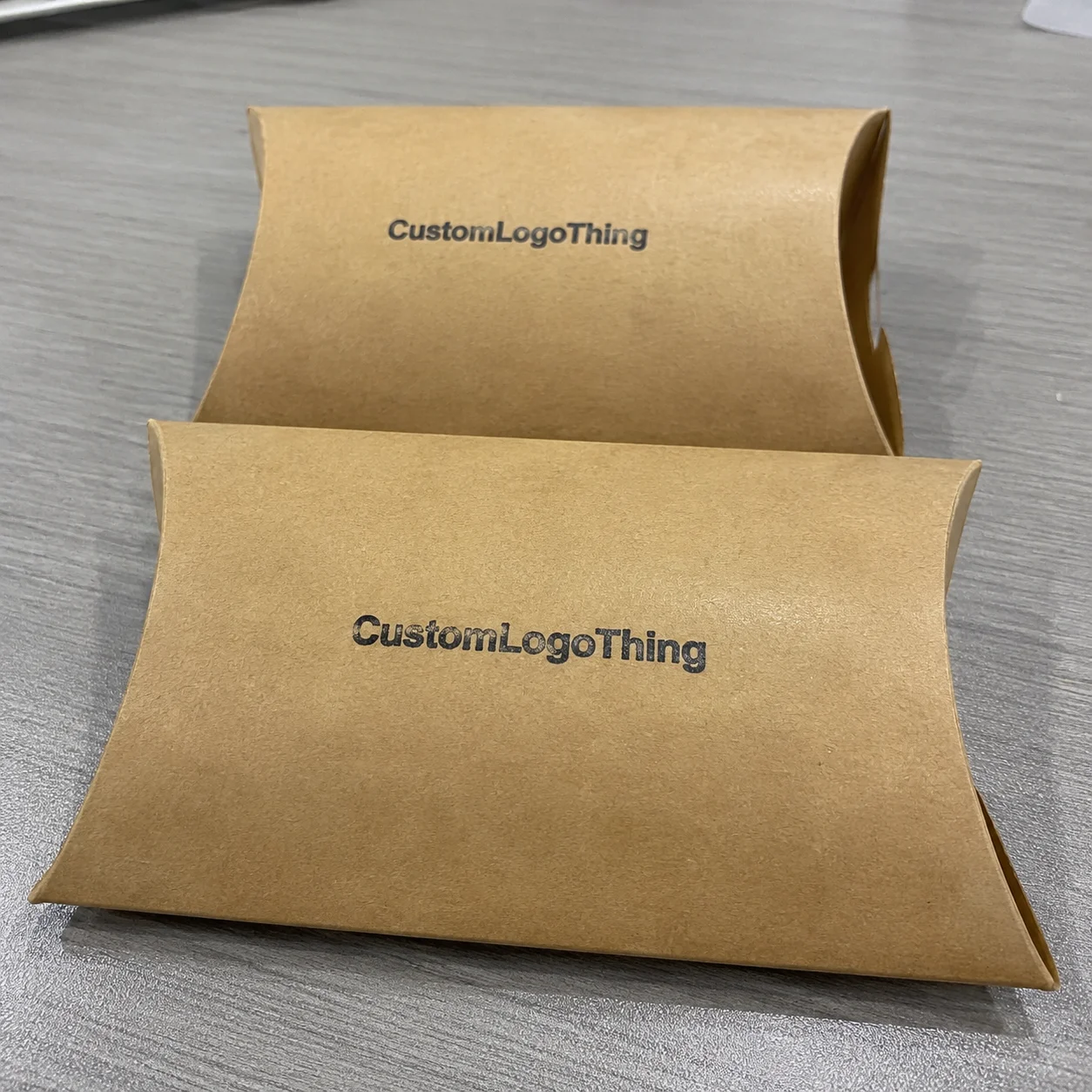
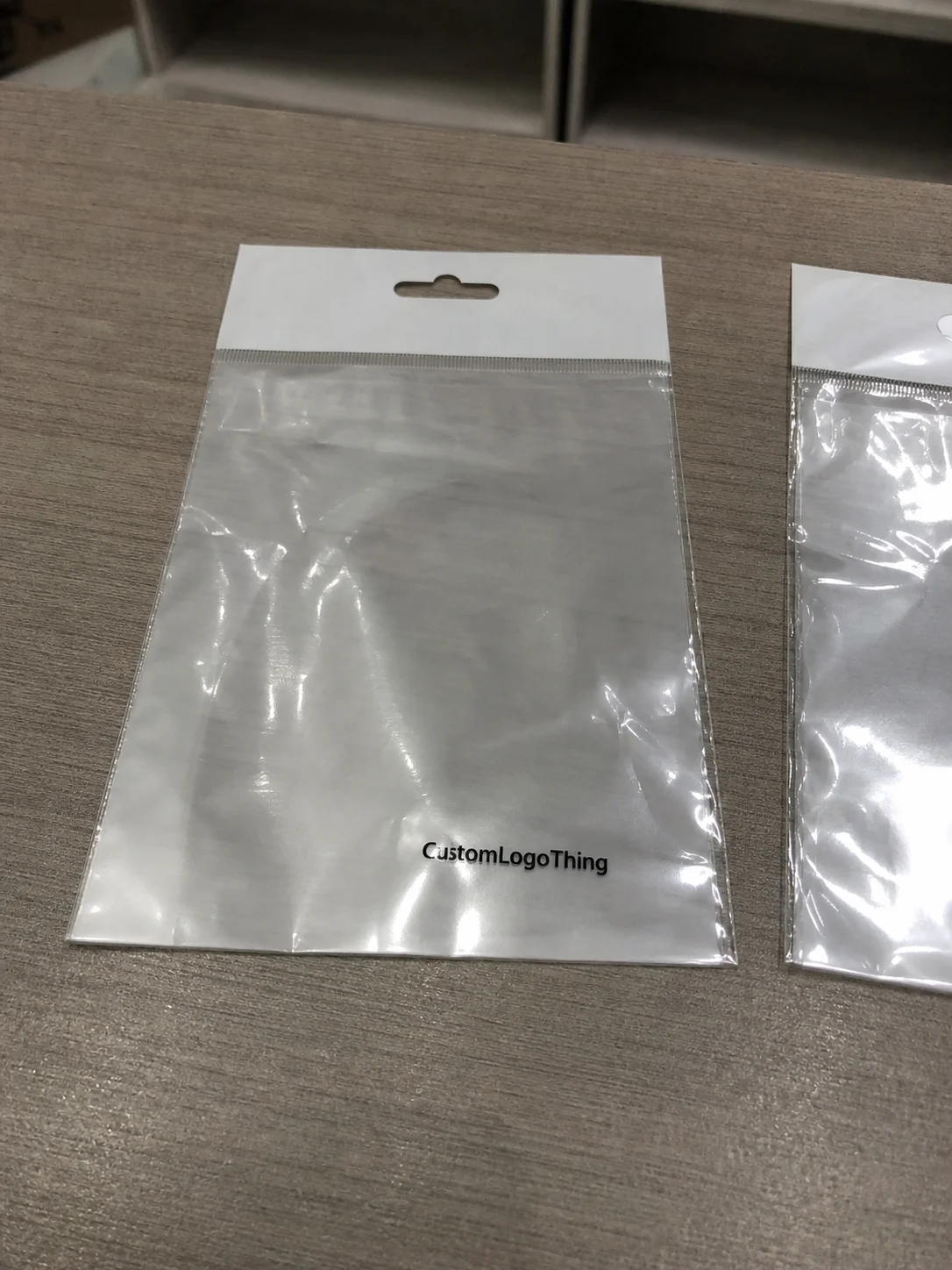
Buyer Fit Snapshot
| Best fit | Custom Biodegradable Poly Mailers Bulk for Growing Brands projects where brand print, material claims, artwork control, MOQ, and repeat-order consistency need to be specified before quoting. |
|---|---|
| Quote inputs | Share finished size, material target, print colors, finish, packing count, annual reorder estimate, ship-to region, and any compliance wording. |
| Proofing check | Approve dieline scale, logo placement, barcode or warning zones, color tolerance, closure strength, and carton packing before bulk production. |
| Main risk | Vague material claims, crowded artwork, missing packing details, or unclear freight terms can make a low unit price expensive after revisions. |
Fast answer: Custom Biodegradable Poly Mailers Bulk for Growing Brands should be specified like a repeatable production item. The safest quote records material, print method, finish, artwork proof, packing count, and reorder notes in one written spec.
Production checks before approval
Compare the actual filled-product size with the drawing, then confirm tolerance on folds, seals, hang holes, label areas, and retail display edges. Reserve space for logos, QR codes, warning copy, and material claims before decorative graphics fill the panel.
Quote comparison points
Review material grade, print process, finish, sampling route, tooling charges, carton quantity, and freight assumptions side by side. A quote is only useful when the supplier can repeat the same color, closure quality, and packing count on the next order.
I watched two apparel brands ship nearly identical monthly volume out of neighboring 3PL stations in Ontario, California—both close to 42,000 parcels a month. One operational change beat their ad optimization gains by a wide margin: switching to custom Biodegradable Poly Mailers bulk built with stronger film structure and clear handling print. Brand A stayed on a thin 1.8 mil generic mailer with no handling language. Brand B moved to a 2.5 mil co-extruded custom format with “DO NOT CUT DEEP” plus tighter size-specific fit. Eight weeks later, Brand B had cut replacement shipments by 17%, mostly from fewer blade cuts and fewer corner punctures.
I’ve spent more than twenty years on packaging floors, from blown film lines in Dongguan to conversion facilities in Guadalajara and contract pack stations in New Jersey. I still remember a founder telling me, dead serious, “We picked mailers by color because they matched our Instagram grid.” Two months later, they were paying for returns they never should’ve had.
The mistake I see repeatedly: teams assume sustainability messaging is the primary driver. It isn’t. custom biodegradable poly mailers bulk should be engineered for transit performance first, then printed with disposal language your compliance team can defend. Get that sequence right and you usually gain freight efficiency, cleaner pack-line flow, and stronger brand presentation at delivery.
Why Custom Biodegradable Poly Mailers Bulk Is a Smart Profit Move
During a factory visit in Shenzhen, I stood beside a high-speed wicket line running 210 bags per minute while reviewing return data and watching an operator verify seal consistency every 30 minutes. One DTC athleisure client had been paying roughly $0.44 in outbound packaging per order using small corrugate cartons and dunnage. After shifting core SKUs to custom biodegradable poly mailers bulk, they dropped packaging cost to $0.19 per order on tees and leggings and trimmed billable weight by 2 to 6 ounces in several carrier zones. At 65,000 monthly orders, those numbers are material.
Honestly, this is where operators either protect margin or slowly bleed it away. Lightweight mailers can reduce billable parcel weight versus cartons in many lanes, especially on products under 1.2 lb packed weight. I regularly see savings between $0.22 and $0.68 per shipment, depending on zone and contract structure. Even a modest $0.30 gain across 30,000 orders equals $9,000 in monthly freight efficiency. That figure comes from transportation invoices, not brand storytelling.
Strongly specified custom biodegradable poly mailers bulk also improve on-pack communication. Handling guidance, return steps, QR support links, and warehouse SKU markers can all be printed directly on the bag, which lowers both mis-packs and customer-service friction. In an Austin review, an ops director shared that “where is my return label?” emails fell 11% after we added dual-seal instructions and a QR return portal block on the back panel.
Best-fit categories include apparel, soft goods, accessories, refill pouches, cosmetics with secondary wrap, and over-bagging cartons for rainy coastal routes. Sharp-corner hardware is different unless puncture resistance and thickness are deliberately over-specced (and yes, I have had that exact argument at 7:15 a.m. in a conference room).
“Bulk” gets used loosely, so define it operationally. In practice, bulk means pallet-level purchasing with planned reorder cadence—not emergency one-off buys. Mid-market ecommerce programs often sit between 10,000 and 100,000 units per size, backed by rolling forecasts and fixed color standards. With custom biodegradable poly mailers bulk, that structure improves print repeatability, reduces stockout risk, and strengthens procurement position on resin allocation.
Transit performance still comes first. Biodegradable behavior depends on disposal conditions, chemistry, and local waste infrastructure. Disposal language should stay specific, realistic, and documented to reduce greenwashing risk. For environmental labeling context, teams can review U.S. EPA packaging and materials guidance at epa.gov.
Custom Biodegradable Poly Mailers Bulk: Material and Build Options
Most custom biodegradable poly mailers bulk programs use one of three material families, each with trade-offs in durability, shelf life, and unit economics. I’ve tested all three in live shipping environments, and none are perfect—just more or less appropriate for your route profile and product mix. If your team is comparing eco-friendly shipping mailers or Compostable Poly Mailers, this is where technical differences turn into operational consequences.
1) Additive-modified polyethylene films
These PE-based films include additive systems intended to accelerate breakdown under defined conditions. Pricing usually lands below certified compostable films, often around $0.12 to $0.28 per unit at 50,000 pieces depending on size and print. Shelf stability tends to be better for longer inventory cycles, though disposal claims need precise wording and supporting documentation. If a supplier cannot provide test references and claim boundaries, that’s a red flag.
2) Compostable blend films
Common blends include PBAT/PLA or starch-based systems, often aligned to industrial compostability targets based on supplier and region. Material cost can run 20% to 60% higher than standard PE structures, and puncture tolerance can drop if specs are too thin. I’ve seen excellent performance at 60–80 microns for apparel and poor outcomes below 50 microns in rough sortation networks.
3) Co-extruded multilayer constructions
Co-extruded structures balance stiffness, seal behavior, and puncture resistance. A typical stack is printable outer layer + structural core + sealant inner layer. On automated pack lines, co-ex custom biodegradable poly mailers bulk often run more consistently because coefficient of friction and film memory can be tuned layer by layer.
Build details decide outcomes. Mono-layer film can work for lighter payloads. Co-extruded film usually performs better on dart impact and tear propagation, especially for heavier garments and bundled kits. I once worked a Midwest subscription account with 1.9 mil mono film and recurring corner bursts. We moved to a 2.4 mil co-ex setup with the same exterior dimensions; transit scan failure rate dropped from 2.8% to 0.9% in one cycle. That single spec change probably saved their support team from collective burnout.
Closure design has a larger effect than many teams expect:
- Permanent hot-melt strip: lower cost, clean packing flow, common for one-way shipments.
- Dual-seal return strip: strong fit for apparel returns; higher cost, better customer usability.
- Tamper-evident tear line: useful for higher-value goods and fraud-reduction workflows.
Humidity exposure can shift adhesive behavior dramatically. Florida Gulf conditions are not Denver conditions, so ask for peel-strength data at elevated RH before final sign-off. I learned this the hard way after seeing “perfect” seals fail in a humid dock queue. Not fun.
At volume, flexographic printing is still the dominant method. Spot-color consistency depends on plate quality, ink viscosity control, and calibration discipline. For highly branded custom biodegradable poly mailers bulk, define Pantone tolerances in writing and require rub-adhesion testing by lot. Designs with reverse-print elements or dense dark fields should run through preproduction proofs to catch scuff visibility before scale production.
Useful finish options include matte or gloss feel, opacity layers for privacy, designated carrier-label zones, QR return blocks, and warehouse-facing SKU coding. Multi-site fulfillment teams gain real efficiency when print zones stay consistent across all bag sizes.
Sustainability copy should stay factual and restrained. Use disposal icons, concise instructions, and certification marks only where verified. Broad biodegradability claims without legal review can create unnecessary exposure, and that exposure gets expensive fast.
What Specifications Matter Most for Custom Biodegradable Poly Mailers Bulk Orders?
Any custom biodegradable poly mailers bulk quote should be approved only after core specifications are locked. I’ve seen approved artwork sit for nine extra days because buyer and factory interpreted flap-length tolerance differently by just 5 mm. Five millimeters. Tiny mismatch, giant headache.
- Width and length (finished dimensions, not flat-roll assumptions)
- Flap size (often 40–60 mm based on closure style)
- Thickness in microns or mil (example: 60 microns = ~2.36 mil)
- Side weld strength and seal width
- Tolerance ranges (commonly ±2 mm dimensions, ±5% thickness)
Size mapping should reflect your real product profile, not a generic chart. A practical working model:
- XS: jewelry pouches, socks, light accessories (e.g., 6x9 in)
- M: 1–2 folded tees (e.g., 10x13 in)
- L: hoodies or denim (e.g., 12x15.5 in)
- XL: bundled kits, multi-item orders (e.g., 14.5x19 in)
Supplier validation should be data-driven, not promise-driven. Request tensile results, seal pull data, puncture metrics, drop simulation outcomes, moisture behavior, and coefficient-of-friction data if you run auto-pack gear. At high conveyor speeds, slip characteristics can materially affect jam rates.
Storage discipline is central for custom biodegradable poly mailers bulk. Recommended baseline: 15–30°C, 40–60% RH where possible, off-floor pallets, FIFO rotation. In one Pennsylvania warehouse audit, adhesive performance degraded after seven months in a mezzanine zone peaking at 36°C; seal complaints rose sharply within three weeks. The ops manager looked at me and said, “We thought summer was our sales problem.” It was storage.
Brand print specs also need written control points:
- Bleed and safe-area rules by size
- Minimum line weight (very thin flexo lines can fill in)
- Barcode quiet zones and scan orientation
- Pantone tolerance limits and proof sign-off workflow
Compliance checks should include restricted-substance screening, regional labeling rules, and retail onboarding documentation. Brands expanding from ecommerce into store channels should align specs early so design stays consistent across mailers, inserts, and related Custom Packaging Products such as shippers and display cartons. For teams buying sustainable packaging supplies, this spec discipline is usually what separates a smooth rollout from a return spike.
Bulk Pricing, MOQ, and Cost Drivers You Can Actually Control
Pricing for custom biodegradable poly mailers bulk usually comes down to six variables: material blend, film thickness, finished dimensions, print color count, print coverage, and volume. Dual-seal strips, tear tape, and matte finishes move the number further.
| Spec Example | Qty | Estimated Unit Cost | Notes |
|---|---|---|---|
| 10x13 in, 2.2 mil, 1 color, permanent seal | 10,000 | $0.21 | Entry pilot level |
| 10x13 in, 2.2 mil, 2 colors, dual-seal return | 50,000 | $0.16 | Common apparel program tier |
| 12x15.5 in, 2.5 mil co-ex, 2 colors, dual-seal | 100,000 | $0.18 | Higher puncture tolerance |
| 14.5x19 in, compostable blend, 3 colors | 50,000 | $0.29 | Material premium applies |
MOQ exists for concrete reasons: plate making, ink setup, line changeovers, startup scrap, and operator time. Smaller runs carry those fixed costs over fewer units. Moving from 10,000 to 50,000 pieces often reduces unit cost by 15% to 30%.
I favor a tiered rollout model: pilot lot for fit and transit proof, mid-tier run for launch, then annual blanket PO pricing with scheduled releases. That structure improves rates and replenishment reliability for custom biodegradable poly mailers bulk.
Common cost traps show up again and again:
- Oversized mailers that raise dimensional-weight exposure
- Heavy ink coverage on all faces when one side is enough
- Decorative upgrades that add cost but no pack-line gain
- Stockouts that trigger emergency air freight
Cost control usually starts with right-sizing, SKU consolidation, and standardized flap lengths. I’ve helped brands cut active mailer SKUs from 11 to 5 and reduce monthly carrying cost by about 18%. Teams running Custom Poly Mailers alongside select Wholesale Programs can strengthen quote position by synchronizing volume across related packaging categories, including Custom Printed Boxes for heavier shipments.
Procurement should request quote-validity window (typically 15–30 days), tooling and plate charges, sampling fees, freight terms (EXW/FOB/DDP), payment milestones, and reorder lead-time assumptions. Put all of it in PO notes so finance and operations stay aligned. If that sounds obsessive, good—obsessive beats expensive.
Production Process and Timeline From Artwork to Delivered Pallets
A dependable custom biodegradable poly mailers bulk workflow has multiple gates. Skip one and rework usually follows. Typical sequence:
- Dieline confirmation by size and flap geometry
- Artwork preflight (fonts outlined, color mode verified)
- Color proof approval and barcode check
- Raw material allocation and extrusion planning
- Blown film production
- Printing and curing
- Bag conversion and sealing
- Inline + final QA
- Carton packing, palletization, dispatch
Lead times shift with job complexity. Repeat runs with existing plates can ship in 12–15 business days after proof approval. First-time custom runs with new plates and tight color expectations commonly take 18–25 business days, plus freight. Retail routing appointments add another scheduling layer, so build that buffer early.
Prepress delays are often underestimated. Checklist: vector artwork (AI/PDF), outlined fonts, Pantone references, barcode verification scans, and legal sign-off on sustainability language. I sat through a client war-room call where one unapproved disposal claim blocked release for six days after the production slot had already been booked. Nobody slept much that week.
QA must be documented. Ask for interval-based print registration checks, seal-strength pull logs, random dimensional audits, and final AQL reports. For transit validation, align with recognized frameworks such as ISTA where relevant to your shipping profile.
Logistics details at bulk scale can break timelines fast. Define cartons per pallet, maximum pallet height (often 1.6 m or 1.8 m), receiving windows, and freight-class assumptions up front. A Phoenix client once hit inbound delays because incoming pallets exceeded dock-level racking specs by 12 cm.
Rush orders can compress some steps and not others. Scheduling, print-queue priority, and freight mode may be expedited. Ink curing, adhesive set windows, and final QA should not be bypassed unless you’re willing to absorb preventable failure risk. Rush surcharges often land in the 8%–20% range, which is why forecast-driven planning is gonna save you money more often than hero-mode emergency buying for custom biodegradable poly mailers bulk.
Why Choose Custom Logo Things for Custom Packaging Programs
Custom Logo Things operates as a manufacturing partner, not a design-only intermediary. That difference matters for custom biodegradable poly mailers bulk, where outcomes depend on specifications, process control, and repeatability run after run.
Teams get structured proof approvals, documented QA checkpoints, and practical support from people who understand freight, fulfillment, and print behavior under real warehouse conditions. That closes the gap between a polished mockup and live production performance. Pretty renderings don’t survive sortation belts—specs do.
Material transparency is another advantage. Brands need clear film-composition disclosure and end-of-life guidance so sustainability language remains claim-safe. Custom Logo Things supports that with practical wording guidance and documentation flow procurement and compliance teams can use immediately.
Scale is where this model compounds value. Brands can start with pilot volume, verify line performance, then ramp to high-volume replenishment while maintaining color consistency and revision control. That keeps branding consistent across ecommerce and retail packaging touchpoints.
Risk controls are concrete and operational: backup planning paths, lot traceability, and issue-resolution protocols tied to replacement or credit actions. Buyers also receive physical samples, transit-test packs, and detailed quote breakdowns showing where each dollar sits in unit cost. That visibility builds confidence before committing to large custom biodegradable poly mailers bulk purchase orders.
Action Plan: How to Place Your Custom Biodegradable Poly Mailers Bulk Order
Faster decisions and fewer revisions usually come from a disciplined sequence. This five-step process has worked well with scaling ecommerce teams. I’ve run this playbook with startups, mid-market operators, and one very stubborn legacy retailer that eventually admitted it worked.
Step 1: Send SKU-level dimensions and monthly forecast
Include unit weight, folded dimensions, and order-mix percentages by SKU. A 30,000-order forecast with a 60/30/10 size split produces better recommendations than a single “average order” estimate.
Step 2: Choose a starter spec set and request samples
Select 2–3 target sizes, film family, thickness, closure format, and print colors. Then run samples on your actual pack line with drop checks and knife-open simulations. That gives the fastest real-world validation for custom biodegradable poly mailers bulk across your route profile.
Step 3: Submit artwork on approved dielines
Work from supplier dielines and lock required print zones for carrier labels, barcodes, and handling marks. Keep quiet zones clear and verify scanner contrast before sign-off.
Step 4: Approve quote and align PO timing
Choose MOQ tier intentionally based on pilot economics versus scale economics. Confirm shipping terms, deposit milestones, and production-slot timing. If campaign dates are fixed, schedule backward from warehouse receiving date, not factory finish date.
Step 5: Run pilot batch and finalize reorder cadence
Track damage rate, replacement cost, customer feedback, and packing speed for 2–4 weeks. Then lock annual cadence with reorder triggers tied to on-hand inventory and transit lead time.
“We thought we needed better ads. We needed better mailers first.” — Ecommerce Operations Manager, 55,000 monthly shipments after converting to custom mailers
Before requesting final pricing, build a one-page procurement brief with four non-negotiables: target landed unit cost, monthly volume by size, destination warehouses, and required in-stock date. That page speeds quoting, cuts revision loops, and helps secure the right custom biodegradable poly mailers bulk program without expensive late-stage changes.
Teams that scale custom biodegradable poly mailers bulk successfully make decisions from test data—fit trials, QA metrics, and freight math—not assumptions. That is how growth-stage brands protect margin while keeping branded packaging quality stable at volume. If this all feels kinda detailed, fair. But here’s the practical takeaway: lock specs, test in your real lanes, and buy on a forecast cadence. Do those three things and results get more predictable, fast.
FAQs
What is the typical MOQ for custom biodegradable poly mailers in bulk?
MOQ depends on size, print coverage, color count, and film type because setup costs (plates, calibration, line prep) must be spread across units. Single-size, low-coverage programs usually qualify for lower MOQs than multi-size heavy-print programs. Request at least two MOQ tiers so you can compare pilot economics against scale savings for custom biodegradable poly mailers bulk.
How long does production take for custom biodegradable poly mailers bulk orders?
First runs usually take longer due to prepress, plate creation, and color approvals. Repeat runs move faster once specs and plates are locked. Build timeline from end to end—production, freight, and receiving appointments—not factory days alone when planning custom biodegradable poly mailers bulk.
Are biodegradable poly mailers durable enough for ecommerce shipping?
They can be, provided thickness, seal strength, and puncture resistance are matched to product weight and route conditions. Ask for seal-pull data and transit simulation results, then run a controlled pilot before full rollout. Properly specified custom biodegradable poly mailers bulk perform well for apparel and other soft goods; for sharp or dense items, increase puncture spec or move to alternate formats.
What affects pricing most on custom biodegradable poly mailers bulk purchases?
Largest cost drivers are film blend, thickness, dimensions, print coverage, and order volume. Over-specifying thickness or carrying too many low-velocity sizes usually increases landed cost. Right-sized assortments plus consolidated forecasting generally improve pricing on custom biodegradable poly mailers bulk.
Can I print certifications and disposal instructions on custom biodegradable poly mailers?
Yes, but every claim should match verified documentation and regional requirements. Use clear disposal icons, concise instructions, and compliance-reviewed language before proof approval. That step is especially important for custom biodegradable poly mailers bulk distributed across multiple markets.