Buyer Fit Snapshot
| Best fit | Custom Biodegradable Produce Sleeves projects where brand print, material claims, artwork control, MOQ, and repeat-order consistency need to be specified before quoting. |
|---|---|
| Quote inputs | Share finished size, material target, print colors, finish, packing count, annual reorder estimate, ship-to region, and any compliance wording. |
| Proofing check | Approve dieline scale, logo placement, barcode or warning zones, color tolerance, closure strength, and carton packing before bulk production. |
| Main risk | Vague material claims, crowded artwork, missing packing details, or unclear freight terms can make a low unit price expensive after revisions. |
Fast answer: Custom Biodegradable Produce Sleeves: Material, Print, Proofing, and Reorder Risk should be specified like a repeatable production item. The safest quote records material, print method, finish, artwork proof, packing count, and reorder notes in one written spec.
Production checks before approval
Compare the actual filled-product size with the drawing, then confirm tolerance on folds, seals, hang holes, label areas, and retail display edges. Reserve space for logos, QR codes, warning copy, and material claims before decorative graphics fill the panel.
Quote comparison points
Review material grade, print process, finish, sampling route, tooling charges, carton quantity, and freight assumptions side by side. A quote is only useful when the supplier can repeat the same color, closure quality, and packing count on the next order.
Custom biodegradable produce sleeves are one of those packaging decisions people underestimate until the first bad run lands on the dock. Then the apples bruise, the cucumbers sweat, the display looks patchy, and everyone suddenly cares a lot about a sleeve they barely discussed. Good custom biodegradable produce sleeves do more than cover a product. They protect it, help it sell, and keep the brand from looking like it chose the cheapest spec in the room.
For produce brands, that sleeve is often the first package a shopper touches and the last piece of product packaging they register before checkout. That is not a tiny detail. I have seen a premium pear line look discount-bin ordinary just because the sleeve was too shiny and too loose. I have also seen a mid-tier cucumber pack feel surprisingly elevated because the print was restrained and the fit was exact. The same logic applies to branded packaging across a wider range: the sleeve should support the rest of the package branding, not argue with it.
The practical reality is less glamorous and more useful. Retailers want cleaner merchandising. Operations want a sleeve that actually runs on equipment. Buyers want less plastic, Better Shelf Appeal, and fewer complaints from stores. Custom biodegradable produce sleeves sit right in the middle of all that, which is why the spec matters more than the slogan. If the material is wrong, the whole story starts wobbling.
Why Custom Biodegradable Produce Sleeves Stand Out
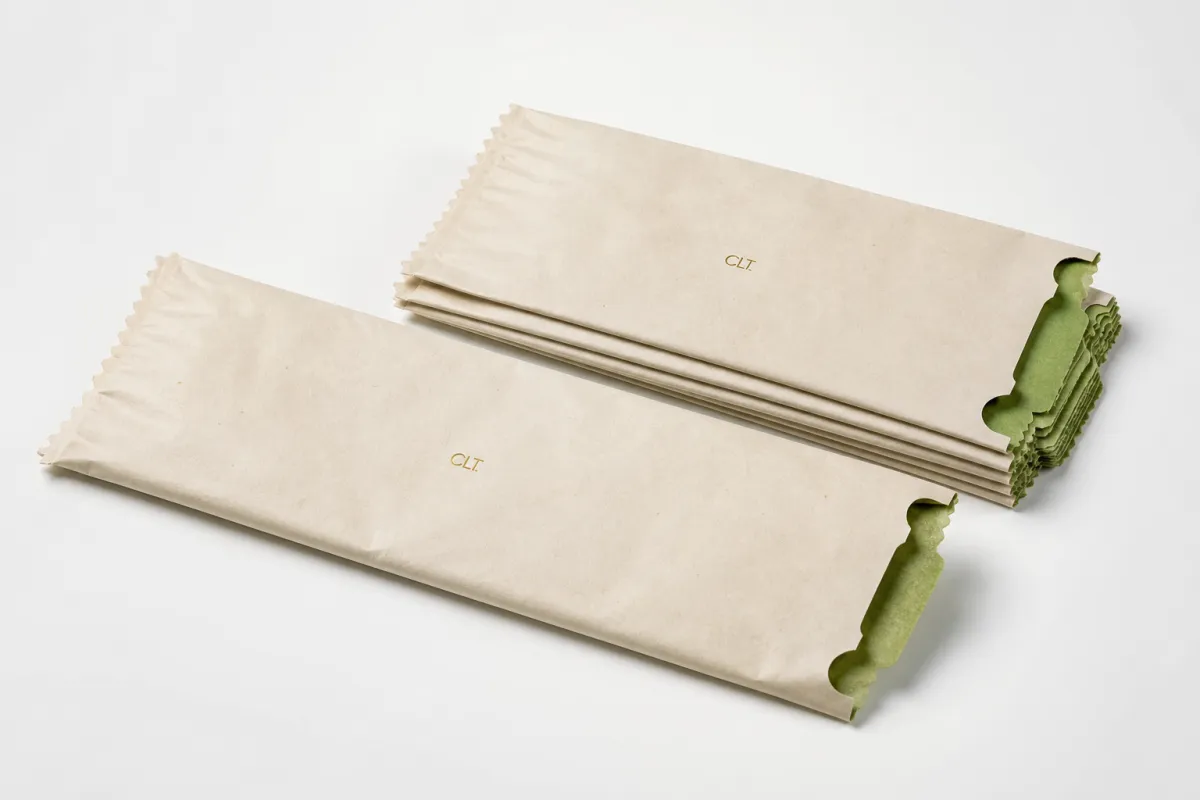
Most produce packaging gets judged in seconds. A shopper sees color, shape, print, and cleanliness long before they read a claim. Custom biodegradable produce sleeves stand out because they have to do a weird mix of jobs at once: look good on shelf, hold up in distribution, and avoid turning into a damp, slippery problem in a chilled display. That is a tougher brief than it sounds.
From a packaging buyer’s point of view, the sleeve is not just a label substitute. It is a small but visible piece of retail packaging that carries a lot of weight. If the line is premium, the sleeve has to support that story. If the line is value-driven, it still has to look intentional rather than generic. Smart packaging design solves a surprising amount of that problem. A clean logo, restrained color, and clear size callout usually work better than cramming every marketing message onto a thin sleeve.
Custom biodegradable produce sleeves also make more sense in fresh produce than in many other categories because moisture is always part of the equation. Apples can sweat. Pears can scuff. Cucumbers can pick up condensation in a cold room. A film or paper-based sleeve has to handle that reality without collapsing or smearing. In practice, the sleeve is not there for a beauty shot. It is there for handling, transport, and presentation.
Brands that compare custom biodegradable produce sleeves to standard plastic wrappers usually see the tradeoff clearly. The biodegradable option may cost more per unit, but it can improve shelf story and reduce pushback from retailers that are trying to cut down on conventional plastic. The better question is not, “Is it greener?” The better question is, “Does it hold up in real produce conditions, and does it help the item sell?”
“A sleeve that looks elegant in a mockup and fails in a humid cold room is not elegant. It is just expensive waste.”
I have watched a whole pallet of pears get repacked because the sleeve looked fine in a sample kit and curled at the edges once it hit condensation. That was a costly lesson, and honestly, it was avoidable. Start with the produce, then the line speed, then the display conditions, then the graphic. That is how custom biodegradable produce sleeves earn their keep.
How Custom Biodegradable Produce Sleeves Work
Strip away the marketing language and the idea is simple. Custom biodegradable produce sleeves are lightweight wraps designed to protect produce, carry branding, and break down more responsibly than standard plastic alternatives. They can be film-based, paper-based, or made from blends sold as biodegradable or compostable. The material choice changes clarity, stiffness, printability, and how the sleeve behaves on a packing line.
One common mistake is assuming all eco claims mean the same thing. They do not. Custom biodegradable produce sleeves may be made from materials that biodegrade under certain conditions, but that does not automatically mean they are compostable in a municipal system. Compostable claims usually need clearer testing and documentation. If a supplier cannot explain the difference without spinning you in circles, keep looking. You are gonna want that answer before artwork is approved, not after.
For buyers, the functional details matter more than the marketing phrase. A good sleeve has enough stretch to fit the produce without tearing, enough ventilation to avoid trapping moisture, and enough tear resistance to survive packing, transport, and shelf handling. If the sleeve is too stiff, it can bunch up. If it is too soft, it may wrinkle or feel flimsy. Custom biodegradable produce sleeves have to find that middle ground, and it is a narrow one.
Paper-based sleeves deserve a separate mention because they are not automatically the cleaner choice. Some need barrier coatings for moisture resistance, and those coatings can complicate recyclability or compostability claims. That does not make them bad. It just means the buyer has to read the spec sheet, not the promise on the mockup. For custom biodegradable produce sleeves, the material structure matters more than the headline.
Supply chains complicate the story. A sleeve that performs well in one environment may fail in another. Cold storage, high humidity, long transit, and rough retail handling all stress the material in different ways. That is why some brands test custom biodegradable produce sleeves against actual route conditions, not just a sample on a desk. If the package cannot survive the ride, the sustainability claim is the least of your problems.
For a reality check, look at the standards side. Produce packaging that travels through distribution should be considered alongside transit testing and material compliance. ISTA shipping standards are useful reference points for how packaging behaves in transit, while broader packaging guidance from The Packaging School can help teams think more clearly about material selection and package performance.
That is also why custom biodegradable produce sleeves should be specified as a system, not just a print job. Material, size, venting, graphics, and disposal claim all need to line up. If one of those pieces is off, the whole package looks sloppy. A great artwork file cannot rescue a sleeve that arrives too tight, too glossy, or too fragile.
Materials, Cost, and MOQ: What Actually Changes the Price
Pricing for custom biodegradable produce sleeves is driven by a handful of variables, and none of them are mysterious once the brief is clear. Material type is the biggest one. A simple biodegradable film costs less than a specialty compostable structure with tighter specs. Sleeve size matters too. Bigger sleeves use more material, so a few extra millimeters can move the price faster than a prettier logo ever will.
Print complexity matters as well. A one-color logo on a natural sleeve is usually cheaper than full-coverage graphics with multiple inks, registration requirements, and tighter color expectations. If the design needs custom messaging, product photography, or retail claims, the cost rises. That is not the supplier being dramatic. That is the math of custom biodegradable produce sleeves.
MOQ is another factor buyers underestimate. Small runs cost more per unit because setup, proofing, and material sourcing have to be spread across fewer pieces. Larger runs lower the unit cost quickly, but they also increase the risk of overbuying if your forecast is shaky. I tell buyers to treat MOQ as a tradeoff, not a trap. You are paying for efficiency one way or another.
Here is a practical pricing view for custom biodegradable produce sleeves at common run sizes. These are planning ranges, not firm quotes, because material markets and labor conditions move around more than people like to admit.
| Spec Level | Typical Use | Approx. Unit Price at 5,000 pcs | Notes |
|---|---|---|---|
| Simple unprinted sleeve | Basic produce protection | $0.05-$0.10 | Lowest setup burden, limited branding |
| One-color branded sleeve | Retail-ready branding | $0.10-$0.18 | Common sweet spot for custom biodegradable produce sleeves |
| Premium custom sleeve | Tighter fit, special material, more print coverage | $0.18-$0.32 | Higher impact, higher proofing and material cost |
Those ranges are not magic numbers. They move with material choice, thickness, print coverage, and supply chain conditions. Still, they are a useful starting point for anyone pricing custom biodegradable produce sleeves against other forms of Custom Printed Boxes or broader custom packaging products. A sleeve is smaller than a box, but that does not mean it is automatically cheaper to engineer. Sometimes the simpler-looking item is the one that needs the most trial and error.
There are hidden cost traps too. Oversized sleeves waste film and look sloppy. Overly strict tolerances raise scrap rates. Unnecessary print coverage can turn a clean retail piece into a noisy one. Constant proof changes can burn time, which is just another kind of cost. The cleanest projects are usually the ones where the buyer knows the dimensions, the pack method, and the brand priority before the first artwork file is opened.
If you are comparing custom biodegradable produce sleeves against other Custom Packaging Products, make the comparison honest. Ask what the sleeve is supposed to do. Protect? Sell? Reduce plastic? Carry a seasonal message? Once that job is clear, the price makes more sense. Without that clarity, every quote looks random and every supplier looks expensive.
Production Process, Timeline, and Lead Time
The production flow for custom biodegradable produce sleeves usually starts with a brief, then moves into size confirmation, artwork setup, proofing, material sourcing, manufacturing, quality control, and shipment. That sounds straightforward because it mostly is. The trouble starts when one of those steps is vague, rushed, or left to assumption.
A decent timeline often looks like this: two to five business days for spec review and artwork prep, a few more days for proofing, then roughly 12 to 18 business days for production once approval is locked. Add freight time after that. If the material has to be sourced specially, or if the claim language needs extra review, the schedule stretches. Custom biodegradable produce sleeves rarely fail on the press. They usually get delayed in approval.
Clean files speed things up. Exact dimensions speed things up. Fast answers on finish and print method speed things up. A supplier that already runs the material you want also saves time. That point matters more than most people admit. If the factory already knows how the stock behaves, you skip a lot of trial-and-error. If they do not, you pay for education. That is not cynicism. That is production.
Late artwork changes, vague dimensions, claims that need verification, and material substitutions after approval slow everything down. The classic nightmare is a buyer approving a sleeve in principle, then realizing the display carton, produce size, or retail requirement changed. Custom biodegradable produce sleeves are not hard to make, but they are sensitive to sloppy handoffs. Sloppy handoffs are the real hazard.
For brands with physical distribution requirements, the most reliable approach is to align the sleeve schedule with the broader packaging design calendar. If you are also changing labels, cartons, or outer shipping packs, keep the timing visible across the whole product packaging plan. That way the sleeve does not land too late to support a launch or too early to be stored and forgotten.
One useful test is to ask whether the sleeve needs a formal proof, a short sample run, or a mockup only. For custom biodegradable produce sleeves, I prefer an actual sample whenever possible. A screen render will not tell you how the material handles moisture, or how the sleeve feels in a merchandiser’s hand, or how the print reads under supermarket lighting. Real samples do.
Step-by-Step Guide to Ordering the Right Sleeve
Start with the produce itself. Measure the item in its packed state, not just in theory. A cucumber bundle, for example, may need more width than the raw item suggests because the sleeve has to slide on without crushing the ends. The same logic applies to apples, pears, and stone fruit. Custom biodegradable produce sleeves should fit the real product, not the ideal one.
Next, decide how the sleeve has to behave. Does it need to stretch? Does it need more venting? Does it need a smooth surface for print, or a more natural look that supports an organic story? That decision affects material choice and thickness. The buyer who knows the handling conditions early usually gets a better result than the buyer who starts with artwork and hopes the rest works itself out.
Set the print strategy before design begins. Logo only? Product name? Harvest or batch information? A retail-facing message that supports shelf storytelling? There is no prize for overprinting. In fact, overprinting often makes custom biodegradable produce sleeves more expensive without improving sell-through. Clean branding usually beats clutter. That is true in retail packaging, and it is true here too.
Here is a straightforward ordering sequence that works:
- Measure the produce and define the pack method.
- Choose one or two material options for custom biodegradable produce sleeves.
- Confirm print area, color count, and claim language.
- Request a sample or proof and test it in real handling conditions.
- Approve the final spec only after fit, clarity, and moisture behavior are checked.
At this stage, it helps to compare the sleeve against the rest of the brand system. If your label, carton, or shipper already uses a certain visual language, the sleeve should speak the same way. That is basic package branding. It does not need to match every line item exactly, but it should feel like it belongs in the same family. If you are buying Custom Packaging Products for the line, keep the sleeve from becoming the odd one out.
For compliance-minded teams, ask for documentation before you sign off. If the supplier says the sleeve is biodegradable or compostable, ask what standard or test basis they are using. If the sleeve includes paper components, ask whether any fiber sourcing claims matter to your brand. Resources from the EPA’s composting guidance can help your team think more clearly about disposal paths, even though local infrastructure still decides what actually happens after use.
Once the proof looks right, commit to a run size that gives you useful data. Do not order so much that you are stuck with a spec you have never validated. Do not order so little that the unit cost becomes silly. Custom biodegradable produce sleeves are worth doing well once, not badly three times.
Common Mistakes That Waste Money or Hurt Shelf Appeal
The most common mistake is choosing a sleeve that looks great on a mockup and fails in a humid room. That happens all the time. The render is clean. The real packaging is damp. Then the sleeve wrinkles, sticks, or tears. Custom biodegradable produce sleeves need to survive the actual environment, not the ideal marketing deck.
Oversizing is another easy way to waste money. An oversized sleeve looks loose and careless, which is bad for premium produce and even worse for a brand trying to signal control. An undersized sleeve causes tearing, bunching, and frustration on the line. Either way, the product looks cheaper than it is. Fit is not a minor detail. It is the thing.
Claim language causes problems too. “Biodegradable” sounds nice, but if the material, certification, or disposal pathway does not support that claim, the sleeve can create compliance trouble. Custom biodegradable produce sleeves should be treated like any other regulated packaging claim: verify first, print second. If you want to reference forest-sourced paper content or certified fiber, make sure the evidence is real. The FSC site is a useful reference for understanding certified forest materials and chain-of-custody basics.
Overdesign is another waste point. A sleeve does not need six inks, a giant back-panel manifesto, and a social mission statement the size of a grocery receipt. Good branding packaging usually works harder when it is simple. That does not mean boring. It means precise. If the sleeve is part of a wider range that includes labels, cartons, and custom printed boxes, keep the visual system tight and use the sleeve to support the shelf story, not drown it.
Then there is the sample trap. Some buyers approve a pretty sample, skip real testing, and then discover the sleeve behaves differently at scale. Material lots vary. Line speed matters. Storage changes things. The supplier is not always wrong when they warn you. Sometimes the buyer just skipped the part where reality shows up. Custom biodegradable produce sleeves deserve a small pilot if the product is sensitive or the launch matters.
Retail teams also get ignored too often. They see the mess first. They know whether the display needs more ventilation, less shine, or a simpler graphic. I have seen strong products lose shelf presence because the sleeve looked too busy next to the rest of the produce set. That is not a sustainability issue. That is a merchandising issue. And yes, it is fixable if someone asks the right store-side questions before launch.
Expert Tips and Next Steps for a Smarter First Order
Start with the smallest practical run that gives you real production data. Not a vanity sample. Not a huge overcommitment. Real data. For custom biodegradable produce sleeves, that usually means enough quantity to test line behavior, retail handling, and shelf life without filling a warehouse with a guess.
Ask for a spec sheet before you approve anything. It should cover material, thickness, size tolerance, print method, estimated lead time, and claim basis. If the supplier cannot provide that clearly, they are asking you to buy blind. That is a bad habit in custom biodegradable produce sleeves, and it is a bad habit in any form of product packaging.
Compare at least two material options if you can. One may be cheaper upfront. The other may perform better in humidity or print cleaner at smaller type sizes. The cheapest sleeve on paper is not always the cheapest in the real supply chain. If a line is sensitive, that extra penny or two can be the difference between a tidy display and a box of rework. I know that sounds fussy, but production is full of tiny numbers that add up fast.
Look at the sleeve as part of the full merchandising picture. If the same brand is buying outer shippers, display cartons, or retail-ready wraps, the sleeve should fit the overall packaging design and shelf strategy. That is how custom biodegradable produce sleeves support the category instead of acting like an isolated purchase order.
Here is the checklist I would use before placing the first order:
- Confirm the exact produce size and packing method.
- Choose the material based on moisture, clarity, and disposal goals.
- Verify the print area and claim language.
- Test the sample in real handling conditions.
- Review the lead time and freight plan.
- Place the order only after fit and finish are confirmed.
If you need a broader packaging lineup, keep the sleeve aligned with the rest of your Custom Packaging Products. A good sleeve should feel like part of a system, not a side quest. That is the difference between decent branded packaging and a line that looks thoughtfully built.
For produce brands that want a cleaner, more credible shelf story, custom biodegradable produce sleeves can be a smart move. They are not magic. They do not fix poor fruit quality, weak merchandising, or sloppy forecasting. What they can do is make the package feel more considered, reduce the visual clutter of conventional plastics, and give the retailer a better story to stand behind. The takeaway is simple: lock the spec, test it in a cold room, and do not approve full production until the sleeve survives the same moisture, handling, and shelf conditions the fruit will face.
What are custom biodegradable produce sleeves made from?
They are usually made from plant-based or biodegradable film materials chosen for packaging performance, printability, and disposal goals. The right option depends on whether you need clarity, stretch, moisture tolerance, or a more rigid retail presentation. In other words, custom biodegradable produce sleeves are material choices first and marketing claims second.
Are custom biodegradable produce sleeves actually compostable?
Not always. Biodegradable and compostable are not interchangeable, so the exact material and certification matter. Ask for documentation before you print claims on the sleeve, because a sloppy claim can cause compliance problems. For custom biodegradable produce sleeves, the paperwork matters as much as the print.
How much do custom biodegradable produce sleeves cost per order?
Pricing depends on size, material, print coverage, and MOQ, so the unit cost can swing a lot between simple and premium specs. Expect lower unit pricing at higher volumes, but do not ignore setup costs and proofing time. That is usually where custom biodegradable produce sleeves get more expensive than buyers expected.
What lead time should I expect for custom biodegradable produce sleeves?
Lead time usually depends on artwork approval, sample sign-off, material availability, and current factory capacity. A clean brief and fast approval cycle can shorten the schedule more than most buyers expect. For straightforward custom biodegradable produce sleeves, the approval stage often matters more than the manufacturing stage.
How do I choose the right size for custom biodegradable produce sleeves?
Measure the produce in its packed state, not just the raw item, because the sleeve has to fit the real bundle or shape. Confirm stretch, venting, and tear resistance before ordering full production so the sleeve does not fail in the line or on shelf. If you get that part right, custom biodegradable produce sleeves do their job without drama, and that really is the point.

