Buyer Fit Snapshot
| Best fit | Custom Blister Packaging Cartons projects where brand print, material claims, artwork control, MOQ, and repeat-order consistency need to be specified before quoting. |
|---|---|
| Quote inputs | Share finished size, material target, print colors, finish, packing count, annual reorder estimate, ship-to region, and any compliance wording. |
| Proofing check | Approve dieline scale, logo placement, barcode or warning zones, color tolerance, closure strength, and carton packing before bulk production. |
| Main risk | Vague material claims, crowded artwork, missing packing details, or unclear freight terms can make a low unit price expensive after revisions. |
Fast answer: Custom Blister Packaging Cartons: Design, Cost & Fit should be specified like a repeatable production item. The safest quote records material, print method, finish, artwork proof, packing count, and reorder notes in one written spec.
Production checks before approval
Compare the actual filled-product size with the drawing, then confirm tolerance on folds, seals, hang holes, label areas, and retail display edges. Reserve space for logos, QR codes, warning copy, and material claims before decorative graphics fill the panel.
Quote comparison points
Review material grade, print process, finish, sampling route, tooling charges, carton quantity, and freight assumptions side by side. A quote is only useful when the supplier can repeat the same color, closure quality, and packing count on the next order.
Custom blister packaging cartons are the kind of packaging most people barely notice until something goes sideways on the shelf. The hang tab catches oddly, the front panel looks too busy, or the product inside feels underdressed compared with the rest of the aisle. Buyers usually see the carton first, the item second, and every little packaging decision after that. That is why custom blister packaging cartons have to do several jobs at once: present the brand clearly, protect the product, and hold up in the rough-and-tumble reality of retail handling.
People often call this just packaging design, but the work is more exact than that. The carton frames the blister, carries the copy, and gives the package enough structure to hang, stack, or ship without looking flimsy. If you are comparing Custom Printed Boxes, blister cards, and full retail packaging systems, the differences are not cosmetic. They affect how the package is produced, merchandised, and costed.
Custom blister packaging cartons sit in a useful middle ground. They give you more graphic space than a plain blister card, more brand presence than a bare thermoformed shell, and less material cost than a rigid box. For products that need real shelf presence without the freight weight or handling burden of a more elaborate package, that tradeoff can make a lot of sense.
The real challenge is figuring out how to spec custom blister packaging cartons so they look polished, fit properly, and still move through production without chewing up time or budget. That starts long before artwork approval. It starts with the product, the retail environment, and the way the pack will actually be handled from line to shelf. I have seen plenty of cartons that looked excellent on a screen and then got awkward in the hand, which is usually where the trouble begins.
Custom Blister Packaging Cartons: What They Are
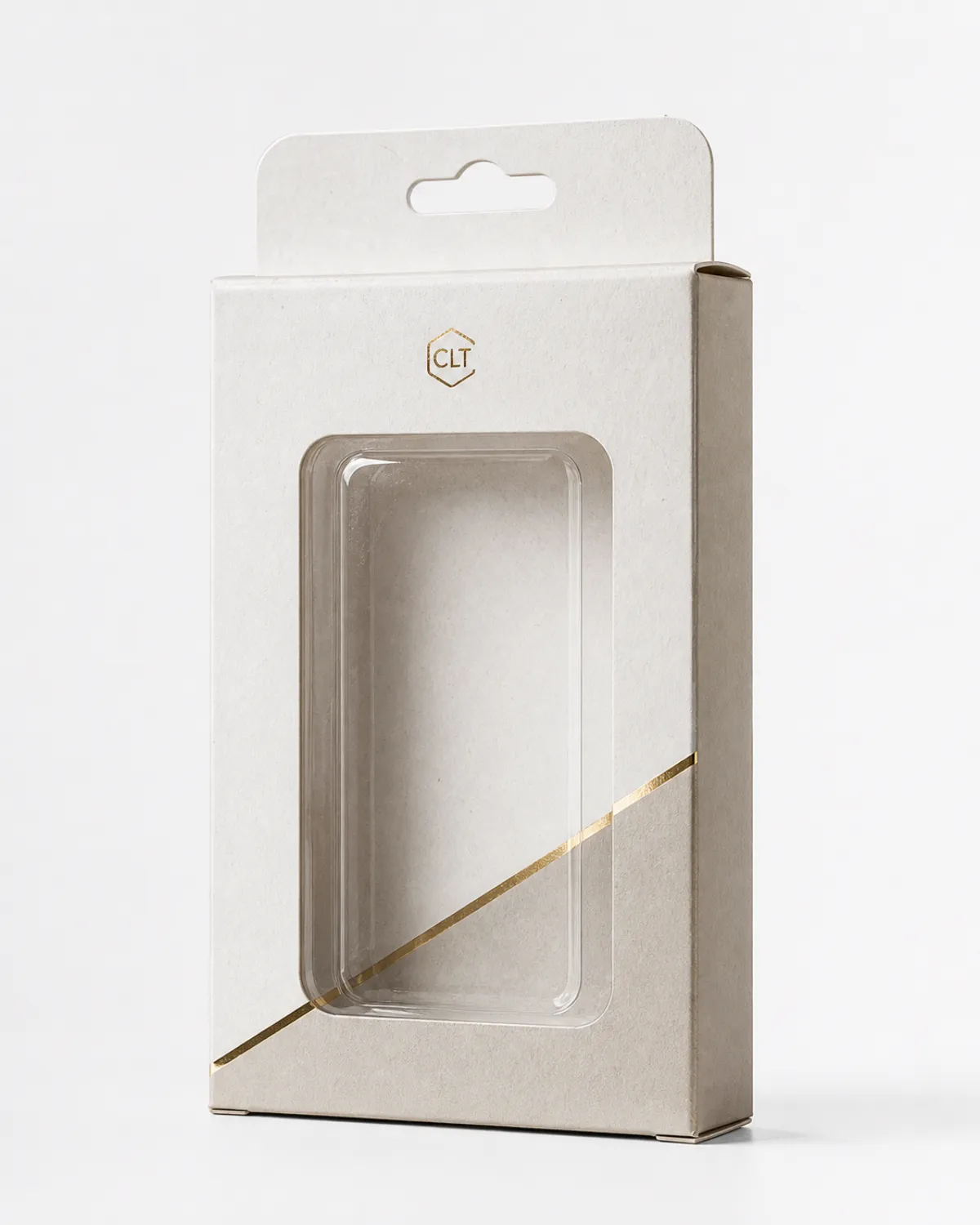
At the simplest level, custom blister packaging cartons are the printed paperboard component that surrounds, supports, or frames a blister-packed product. The blister holds the product. The carton carries the branding, legal text, retail graphics, and structural features that make the package useful on a peg or shelf. In practice, the carton is the part a shopper reads from a few feet away.
The terminology gets mixed up all the time. A blister card is usually the printed card backing that a blister seals to. A blister pack can mean the full package, including the formed plastic and the card. A carton is a separate paperboard structure that may wrap, sleeve, or support the blistered item. If you are ordering custom blister packaging cartons and the supplier thinks you mean a card back, the project starts on shaky ground.
That difference matters because the structure changes how the product is built and displayed. A carton can be a folding paperboard sleeve, a tuck-end box, a glued wrap, or a display-focused shell with a window opening for the product. Custom blister packaging cartons are not decoration laid on top of the packaging. They are part of the working system that holds the pack together and makes it behave the way the retailer expects.
They make the most sense for retail hardware, cosmetics, beauty accessories, electronics add-ons, batteries, small tools, OTC products, and impulse purchases that need more visual authority than a plain pouch or wrapper. They also show up when a brand wants stronger presentation without moving all the way into a rigid carton or a fully custom insert system.
This format is useful when the product needs to hang on a peg, stack neatly in a display, or signal tamper awareness without turning the package into a fortress. That balance is a big reason custom blister packaging cartons keep showing up in product packaging decisions for mid-range retail brands.
The mistake buyers make is treating custom blister packaging cartons like a print job. They are a structural package first, and a graphic surface second. Ignore that order and the rest gets expensive fast.
For brands building out Custom Packaging Products, this format often lands in the sweet spot. It feels more finished than a raw blister card, yet it does not carry the material and freight burden of a rigid box. That tradeoff suits a lot of retail categories, especially when the product needs to look organized and credible without being overbuilt.
How Custom Blister Packaging Cartons Work in Retail
The retail logic is straightforward. The product sits in a formed blister or clamshell-style insert, the carton wraps around it or supports it, and the finished pack is sealed, folded, or assembled for display. With custom blister packaging cartons, the carton becomes the visual front end of the package while the blister handles containment and visibility.
That combination matters because retail packaging lives or dies on first impression. The carton gives you room for a brand mark, value proposition, barcode, warnings, product shots, and the kind of visual hierarchy a clear shell cannot provide on its own. The result feels considered instead of improvised, which matters more than people admit when a shopper is choosing between three similar items.
You will see this format on cosmetics where the brand needs a polished face, tools where the pack has to survive hanging and repeated handling, and accessories where low unit cost still has to coexist with a tidy shelf presentation. Custom blister packaging cartons also work well for products that are small enough to disappear on shelf but valuable enough to justify stronger presentation.
Several structural features show up again and again:
- Hang holes for peg displays and retail hooks.
- Tuck ends for compact shipping and easy assembly.
- Glued sleeves for a cleaner premium look.
- Window cutouts when the product needs visible confirmation.
- Insert styles that reduce movement during transport and shelf handling.
Those features change how the pack behaves on the line. A simple sleeve can run quickly. A pack with inserts, locking tabs, and a hang hole can slow assembly enough that labor becomes part of the cost equation. That is one reason custom blister packaging cartons should be planned with the packing method in mind instead of being added after the structure has already been approved.
There is also a handling angle. Custom blister packaging cartons can reduce scuffing, hide awkward product shapes, and make the package feel more controlled in the customer’s hand. They do not make the product theft-proof. Cardboard is not a security system. They do, though, make the pack less convenient to tamper with and easier to merchandise cleanly.
Production reality matters too. Some projects are hand-loaded, some run on semi-automated equipment, and some need constant checks because the fit is tight and the graphics have to stay aligned. If the cartons look great on screen but do not fold well on the line, the packaging design has failed in the only place that counts.
For brands thinking about broader custom printed boxes or related retail packaging formats, the lesson is direct: structure changes cost, speed, and shelf performance. Custom blister packaging cartons are not a graphic shell you can swap in later. They belong in the production plan from the start.
Key Design Factors for Custom Blister Packaging Cartons
Good custom blister packaging cartons start with the board, not the artwork. Board thickness affects stiffness, corner integrity, print feel, and how well the package survives shipping. For lighter products, a thinner paperboard can be enough. For heavier hardware or products hanging on pegs, flimsy stock is a bad bet. The carton will signal weakness before the product even gets sold.
Common paperboard choices land somewhere around 300gsm to 400gsm for lighter retail items, with heavier structures or premium presentations moving up depending on the pack style. Coated one-side board is common because it prints cleanly and still folds and glues well. Recycled content can work too, as long as the board still holds a crisp fold and the print quality stays consistent.
Then comes print design. The carton needs more than a logo sitting in the middle of the panel. It needs hierarchy: brand first, product name second, key benefits third, legal and barcode information where it belongs. If the eye has to hunt for the main message, the package is already losing. For custom blister packaging cartons, weak information flow usually hurts more than a conservative color choice.
Color blocking matters because the carton sits in a crowded retail environment. Strong contrast helps the product stand out. A clear frame around the blister window helps too. That kind of package branding earns its keep because the carton should guide the eye in one clean pass instead of turning the front panel into a crowded shelf of claims, icons, and promotional clutter.
Fit and tolerance are where the practical headaches begin. Dieline accuracy, flap clearance, overlap around the blister, and allowance for paperboard thickness all affect whether the carton assembles smoothly. A few millimeters can matter a lot. A tight flap may slow the pack line. A loose one may create ugly gaps, weak seams, or shifting product inside the carton.
Finishes are the usual temptation. Matte feels calmer. Gloss can sharpen color. Soft-touch suggests a more upscale product. Foil and spot UV can add focal points that help custom blister packaging cartons stand out. The catch is simple: every finish adds cost, and some of them complicate folding, glue performance, or production speed.
Use special finishes where they do real work. If a foil logo supports brand recognition, that is a solid choice. If you are adding three print effects because the room liked shiny things, the budget will eventually remind everyone who is in charge.
Functional add-ons deserve the same discipline. Tear tabs help access. Euro slots support hanging. Tamper evidence can reassure buyers. Clear windows can expose the product while keeping the outer shape tidy. Each feature has a tradeoff in tooling, assembly, or material efficiency, which means custom blister packaging cartons should be judged by the full structure, not by a mood board.
Sustainability choices are getting more attention, and that attention is overdue. Fewer inks, lighter board, recyclable structures, and FSC-certified paper can all help, but not every green claim survives actual use. An eco-friendly carton that crushes in transit is still waste. If you want a useful starting point for material standards, the FSC site is a practical reference: FSC. For recycled and waste-related guidance, the EPA has useful resources as well: EPA recycling guidance.
Custom blister packaging cartons should be designed around the product, not around a stock layout. If you try to force a standard graphic template onto a shape that was never built for it, the package will look cheap no matter how much you spend on print. Honestly, that is one of the fastest ways to burn through a budget and still end up with packaging that feels off.
Custom Blister Packaging Cartons Cost and Pricing Basics
Pricing for custom blister packaging cartons comes down to the usual drivers: board grade, print colors, finishing, structural complexity, order quantity, and setup time. There is no secret formula hiding behind the quote sheet. More complexity means more press time, more make-ready, more waste, and more labor. Suppliers do not invent those costs. They just pass them through.
For simple folding cartons in modest volumes, buyers often see unit pricing somewhere around $0.18 to $0.45 per piece at 5,000 units, depending on board, ink coverage, and finish. Add special coatings, tight tolerances, or complicated die-cuts and the price can move higher. At smaller quantities, the unit cost rises quickly because setup gets spread across fewer cartons.
That is why setup cost matters. Plates, tooling, proofing, prototypes, and die preparation are fixed expenses. If you order 1,000 cartons, those costs hurt. If you order 20,000, the burden gets spread out. The carton itself may not change much, but the math absolutely does.
MOQ realities follow the same logic. Minimums are usually tied to press efficiency, die-cutting waste, folding or gluing speed, and the supplier’s willingness to stop a machine for a tiny run. If a quote looks unusually low on a custom blister packaging cartons project, check whether the supplier quietly assumed a higher volume, a simpler structure, or no real sample process.
Here is a useful comparison of common options:
| Option | Typical Use | Approx. Cost Range | Tradeoff |
|---|---|---|---|
| Simple printed carton | Light products, basic retail display | $0.18-$0.30 at 5,000+ | Lowest cost, least structural drama |
| Carton with window and tuck ends | Retail packaging that needs visibility | $0.25-$0.38 at 5,000+ | Better shelf presence, slightly more tooling |
| Premium printed carton with finish | Branded packaging for higher-value SKUs | $0.32-$0.55 at 5,000+ | Stronger look, more finishing cost |
| Complex custom structure | Special fit, inserts, or tamper-aware packaging | Quote-based | Best fit, highest setup and labor |
Buyers also forget hidden costs. Prototypes are not free. Freight is not free. Assembly labor is not free. Neither is kitting if your carton needs to arrive with inserts, hang components, or special packing instructions. The landed cost of custom blister packaging cartons is the number that matters, not the prettiest line on a quote.
There are plenty of practical ways to cut spend without damaging the brand. Simplify the finish. Reduce total ink coverage. Keep the die line straightforward. Standardize sizes across related SKUs. Avoid changing structural dimensions just to make the artwork easier. That last one shows up often and causes more trouble than it should.
If you are comparing bids, compare identical specs only. Same board, same finish, same fold style, same print count, same quantity. Otherwise the comparison is fiction. It is packaging theater, and the cartons are the ones paying for it.
For brands sourcing through Custom Packaging Products, the smartest move is to ask for the unit price and the landed cost side by side. If a cheaper supplier needs more manual assembly or adds damage risk, the actual cost may end up higher. That happens often enough to deserve a seat at the table every time.
Process, Timeline, and Lead Time for Custom Blister Packaging Cartons
Most custom blister packaging cartons move through a predictable production path: brief, dieline, artwork, prototype, approval, print, die-cut, finish, pack, and ship. The order sounds simple. The timing rarely is. Every step depends on clean inputs from the buyer, and every late change tends to send the job back through one more round of review.
The biggest delays usually come from three places. First, the product measurements were not final. Second, the artwork changed after the dieline was approved. Third, someone waited too long to approve the sample. Custom blister packaging cartons are not especially forgiving when the structure and graphics keep moving. A small measurement change can ripple through the whole job, which is why teams get burned when they rush the first spec.
Lead times depend on method and complexity. A simple digital prototype can sometimes turn around in a few business days if the measurements are locked. A more involved offset run with finishing, die-cutting, and assembly may take 12 to 18 business days after approval, and sometimes longer if the line is busy or the structure is unusual. Add more complexity and the clock stretches. That is production math, not supplier drama.
Printing method matters too. Digital proofing is faster for small runs and early validation. Offset printing tends to be better for larger volumes and tighter consistency across custom blister packaging cartons, but setup takes longer. Once you add laminations, foil, embossing, or spot UV, the schedule expands again because each process has its own drying, inspection, and handling requirements.
Backward planning makes a real difference. Start from the ship date or the retailer receiving window, then work back through sample approval, print scheduling, and freight. If you start from “we need it soon,” you are not planning. You are hoping.
Even the final pack-out matters. Inspection, carton counting, bundling, and outer case packing can add time, especially when the order has specific retail-ready requirements. A decent supplier should tell you when the dieline is being prepared, when the proof is ready, when the sample ships, when production starts, and when the cartons actually leave the floor. If you have to keep asking, that is a signal.
Buyers who want performance-based validation sometimes ask about standards. That is smart. For distribution testing, ISTA procedures and ASTM methods are worth understanding, especially if the pack will ship through rough channels or to strict retailers. ISTA’s site is a practical reference point: ISTA packaging test standards. A carton that looks good but fails transit testing is an expensive decoration.
The cleanest projects are the ones where the buyer sends complete product dimensions, shelf goals, pack count, and any retail requirements up front. That gives custom blister packaging cartons a real chance to be right on the first pass. Which, frankly, saves everyone from pretending a reprint was part of the plan.
Common Mistakes When Ordering Custom Blister Packaging Cartons
The first mistake is designing artwork before finalizing the blister dimensions. That sounds harmless until the product does not fit the pack, the window lands in the wrong place, or the fold lines cut through a key message. Custom blister packaging cartons need structural decisions first. Graphics come after the geometry is settled.
The second mistake is treating the carton like a poster. A pretty front panel is useful, but if the carton does not assemble cleanly, the visual polish gets wasted. Good packaging design is not a flat art file. It is a working object. If the line crew has to fight every fifth carton, the project is already underperforming.
Material choice causes plenty of grief too. Thin board on a heavy item bends, dents, and looks tired after a short trip through distribution. Overbuilt board on a lightweight product may protect beautifully, but it can also inflate cost and make the pack feel unnecessarily stiff. Custom blister packaging cartons should match the product weight, handling conditions, and display method.
Special finishes are another trap. There is nothing wrong with foil, embossing, or soft-touch. There is something wrong with stacking all of them into one pack and then acting surprised when the budget jumps. Fancy effects are not free, and some of them create production risk if the supplier is not set up for them.
Then there is compliance. Origin labeling, regulatory copy, warnings, barcode placement, and SKU-specific information need to be built into the layout early. If you are producing retail packaging for regulated or semi-regulated goods, this is not the place to improvise. And yes, some of those rules are boring. Boring is better than a rejected shipment.
Skipping a real assembly test is one of the most expensive habits in packaging. The carton may look excellent on screen and still fail in hand because the flaps clash, the blister interferes, or the fold resistance is wrong. A physical prototype for custom blister packaging cartons is not a luxury. It is cheap insurance.
Some brands also forget about merchandising reality. If the pack hangs on a peg, the hole position matters. If the shelf is narrow, the depth matters. If the retailer stacks units front-facing, the front panel proportions matter. Custom blister packaging cartons live or die in the actual store environment, not in the presentation deck.
Finally, do not assume the cheapest quote includes the same level of service or control. Some suppliers price the obvious print and then leave samples, freight, or special packing to the buyer. That is how “cheap” turns into expensive. The carton did not change. The quote just hid the real total.
Expert Tips and Next Steps for Custom Blister Packaging Cartons
Start with the product dimensions and retail display method, not the artwork file. That is the cleanest way to spec custom blister packaging cartons that actually fit. Once you know whether the pack will hang, stack, sleeve, or wrap, the structure gets much easier to define. Everything else flows from there.
Ask for a prototype or sample before you approve the full run. Check fit, clarity, handling, and assembly speed in the real world. If the sample takes too long to assemble or hides too much of the product, fix that before production. A sample that looks slightly off on your desk is usually far more off in a retail environment.
Compare quotes using the same specifications. Same stock. Same finish. Same print method. Same quantity. Same pack-out. That is the only fair way to evaluate pricing on custom blister packaging cartons. If one supplier appears much cheaper, make sure they did not quietly simplify the structure or leave out the sample process.
Build a small approval checklist. It sounds tedious because it is tedious, and that is exactly why it works:
- Dieline matches product measurements.
- Barcode scans cleanly.
- Hang hole or display feature is correct.
- Coating and finish match the brand brief.
- Warnings and compliance text are approved.
- Pack count and shipping format are confirmed.
If the product is new, the line is untested, or the retailer is picky, use a pilot run. That gives you a chance to catch fit issues, assembly problems, and shelf presentation mistakes before you commit to a larger order. For custom blister packaging cartons, a small pilot is often cheaper than one bad full run.
It also helps to think about the carton as part of a broader brand presentation system. If the product family will expand later, lock in dimensions that can scale across SKUs. That is where Custom Packaging Products planning pays off. A coherent format is easier to source, easier to merchandize, and less likely to make the shelf look like a random clearance table.
One more practical note: ask your supplier how they inspect folding, gluing, and print registration. A cleanly printed carton that fails at the glue line is not a win. Custom blister packaging cartons should be judged by how they behave after the ink dries, not just by how they look in the proof.
If you want the short version, here it is. Good custom blister packaging cartons are built from accurate measurements, sensible material choices, realistic cost planning, and honest sample testing. That combination protects your budget and your shelf presence better than any flashy finish ever will. Get those pieces right, and the pack does its job without drama.
FAQ
What are custom blister packaging cartons used for?
They hold and brand blister-packed products for retail display, especially when shelf impact matters. They are common for hardware, cosmetics, electronics accessories, OTC items, and impulse purchases. They help combine product visibility, tamper awareness, and print space in one package.
How much do custom blister packaging cartons cost?
Cost depends on board grade, print complexity, finishes, structural changes, and quantity. Small runs cost more per unit because setup and tooling get spread across fewer cartons. Ask for landed cost, not just unit price, so freight and assembly do not surprise you later.
What is the usual lead time for custom blister packaging cartons?
Simple jobs can move quickly if the dieline is ready and approvals are fast. Complex projects take longer because prototypes, print setup, die-cutting, and finishing all add time. The biggest delays usually come from late artwork changes and slow sample approval.
Do custom blister packaging cartons need a custom dieline?
Yes, if you want a proper fit and clean assembly instead of guesswork. A custom dieline protects against flap interference, bad alignment, and weak shelf presentation. It also makes quotes more accurate because the supplier is pricing a real structure, not a vague idea.
How do I choose the right material and finish for custom blister packaging cartons?
Match the board strength to the product weight and display method first. Choose finishes based on brand position and handling needs, not just because they sound premium. If sustainability matters, verify the actual material and coating choices instead of trusting buzzwords.
Custom blister packaging cartons work best when they are built like a practical retail tool, not a design fantasy. Get the fit right, keep the structure honest, and price the full job instead of the prettiest quote line. If you do that, custom blister packaging cartons can deliver strong shelf impact, controlled cost, and a finish that supports the product instead of fighting it.

