Buyer Fit Snapshot
| Best fit | Custom Box Lamination Options for Durable Packaging projects where brand print, material claims, artwork control, MOQ, and repeat-order consistency need to be specified before quoting. |
|---|---|
| Quote inputs | Share finished size, material target, print colors, finish, packing count, annual reorder estimate, ship-to region, and any compliance wording. |
| Proofing check | Approve dieline scale, logo placement, barcode or warning zones, color tolerance, closure strength, and carton packing before bulk production. |
| Main risk | Vague material claims, crowded artwork, missing packing details, or unclear freight terms can make a low unit price expensive after revisions. |
Fast answer: Custom Box Lamination Options for Durable Packaging should be specified like a repeatable production item. The safest quote records material, print method, finish, artwork proof, packing count, and reorder notes in one written spec.
Production checks before approval
Compare the actual filled-product size with the drawing, then confirm tolerance on folds, seals, hang holes, label areas, and retail display edges. Reserve space for logos, QR codes, warning copy, and material claims before decorative graphics fill the panel.
Quote comparison points
Review material grade, print process, finish, sampling route, tooling charges, carton quantity, and freight assumptions side by side. A quote is only useful when the supplier can repeat the same color, closure quality, and packing count on the next order.
Custom box lamination options matter more than a lot of buyers expect, because a carton can look flawless on a screen proof and still arrive with corner rub, scuffing, or fingerprint marks after a short ride through packing, freight, and retail handling. In real packaging work, the finish is not just decoration; it affects how a box resists wear, how it photographs, how it feels in the hand, and how well the brand story survives daily use. I have watched a sample that looked perfect on a desk get lightly bruised on the first trip through a fulfillment line, and that gap between mockup and reality is exactly why finish selection deserves real attention.
That is why I treat custom box lamination options as a practical balance of protection, presentation, budget, and sustainability goals. A finish that suits luxury cosmetics may not suit apparel, electronics, or subscription product packaging, and the wrong choice can cost more in reprints, damage claims, or weak shelf presence than it saves upfront. If you are building branded packaging or comparing Custom Packaging Products, it helps to judge the finish the same way a warehouse team, a buyer, and a customer would: under pressure, under light, and after repeated handling. That sounds basic, but it is where a lot of projects go sideways.
Custom box lamination options: what they do and why they matter
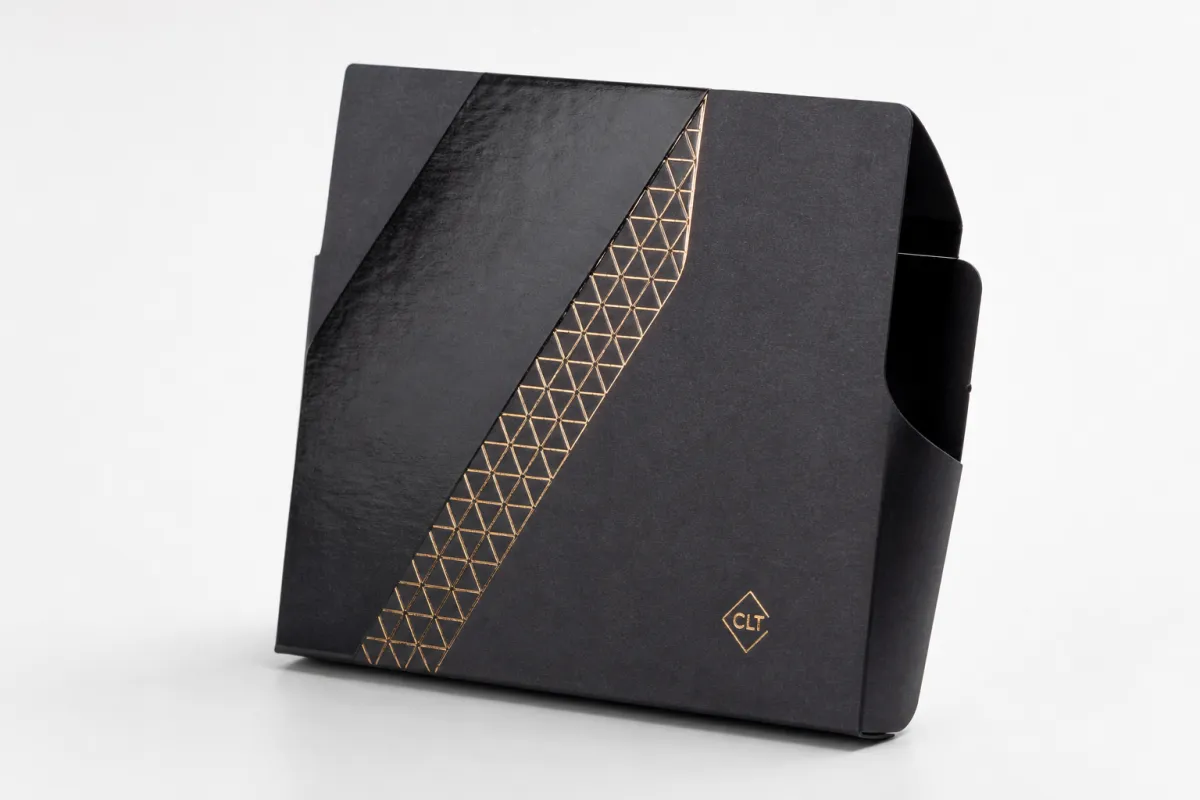
At its simplest, lamination is a protective film or bonded finish applied over printed board. In packaging terms, that film sits on top of the print surface and helps shield it from abrasion, moisture exposure, and the fine scratches that happen when cartons rub against each other in transit. With custom box lamination options, the practical value is easy to see: the box keeps more of its color, the surface stays cleaner, and the pack looks more deliberate from the first touch to the last.
Brands usually choose custom box lamination options for two connected reasons. First, the finish changes the look of the artwork, sometimes dramatically. Gloss can make saturated inks feel richer and sharper, while matte can calm the design and reduce glare. Second, the finish changes durability. A black carton without protection can show scuffs almost immediately, while the same carton with the right lamination can survive far more handling before it starts to look worn.
That matters in retail packaging, but it matters just as much for direct-to-consumer shipping. A box may never sit on a shelf, yet it still needs to arrive looking like the brand cared. I have seen buyers focus so heavily on artwork approval that they forget the surface has to survive machine packing, parcel networks, and the customer opening the package with dry hands, keys in a pocket, or a box cutter nearby. The finish belongs in the protection system, not as an afterthought.
Custom box lamination options also help define the personality of packaging design. A soft-touch surface can feel quiet and luxurious. A gloss laminate can feel brighter, louder, and more promotional. A matte finish can signal restraint, craft, or premium understatement. None of those choices is automatically better. The right one depends on the product, the distribution path, and the message the box has to carry before anyone opens it.
A box that looks beautiful in a PDF still has to survive real handling, and that is where the right finish earns its keep.
For buyers comparing suppliers, the useful question is this: do your custom box lamination options support the brand story without creating avoidable waste or cost? That is the lens I recommend. Start with the handling environment, then the look, then the budget. If you reverse that order, you often end up with packaging that photographs well but performs poorly. In the shop, that mismatch is kinda obvious once you hold the sample.
If you want a wider view of packaging standards and testing language, the ISTA site is a useful reference for distribution testing, while the FSC site is helpful when fiber sourcing is part of the buying brief. Both matter when custom box lamination options are being chosen for a real production run, not just a design presentation.
How custom box lamination options are applied
The usual flow starts with print, then finish, then converting. Artwork is printed on the chosen board, the surface finish is selected, and a film is bonded to the sheet before die cutting, scoring, folding, and gluing. In most carton work, the lamination goes on while the sheet is still flat so the press can protect the entire printable face before the box is formed. That sequence matters because the finish has to survive downstream handling, not just sit well on a sample board. If the film is applied after the sheet has already been stressed, the odds of edge issues go up.
When people talk about custom box lamination options, they usually mean three familiar surface effects. Gloss gives a bright, reflective surface that can make color pop. Matte lowers reflection and gives the carton a softer visual tone. Soft-touch adds a velvety hand-feel that many buyers associate with premium goods, especially in cosmetics, gifting, and specialty retail packaging. Each one changes the way light behaves on the box, and each one changes how the customer perceives the package before they even see the product.
There are also practical differences that matter more than people expect. Dark solids, rich reds, deep blues, and heavy black coverage are notorious for showing scuffs, so custom box lamination options with better abrasion resistance can save a lot of frustration. Fingerprints show more quickly on some finishes than others. Gloss can make color vivid, but it may also make surface marks easier to see under retail lighting. Matte hides a lot of that glare, yet it can also flatten certain brand colors if the artwork depends on a very punchy finish.
Photographic presentation is another part of the decision. If the box will be shot for e-commerce, the finish affects reflections, texture, and edge contrast. A box can look wonderful under studio lighting and still be difficult to photograph if the coating throws hot spots across the logo. That is why experienced buyers ask for real samples instead of relying on a digital mockup. The mockup shows layout. The sample shows behavior.
There is a technical point that often gets missed: not every finish acts the same during converting. Some custom box lamination options respond differently when the carton is creased, folded, or formed around tight corners. If the board is too stiff or the lamination too thick for the structure, the edges can crack or the fold can look stressed. Good production teams test the finish with the actual die line, because a beautiful surface on the wrong board is still the wrong finish. That is one of those shop-floor lessons you only forget once.
For brands that are adding foil, embossing, or fine die cutting, the finish choice becomes even more important. A glossy film can make subtle embossing less noticeable from an angle, while matte often gives raised details more visual room to breathe. In other words, custom box lamination options should be planned alongside the rest of the packaging design, not after the artwork is already locked. If the finish is chosen late, it can force compromise into the whole structure.
Key factors that shape the right lamination choice
The first factor is the product itself. Cosmetics, apparel, electronics, food-adjacent items, and luxury gifts all put different demands on the carton. A skincare box may need a refined tactile feel because the box is part of the brand ritual. An electronics carton may need stronger rub resistance and cleaner legibility because it will be handled more roughly and may travel through multiple fulfillment points. That is why custom box lamination options should start with use case, not surface taste alone.
The second factor is how the package moves. Will it be stacked in a warehouse, shipped parcel by parcel, placed under bright retail lighting, or opened once and discarded? Those conditions shape the best finish. A carton that stays on a boutique shelf for a few weeks may want a different approach than a box that gets packed, shipped, opened, and photographed by every customer. Good custom box lamination options protect the surface against the kind of abuse the box is actually going to see.
The third factor is the visual mood. Gloss can intensify saturated inks and create a high-energy presentation. Matte can support a more restrained, modern look. Soft-touch often feels more intimate, which is why it is common on premium consumer goods. I have seen brands choose a finish because it looked impressive in a sample drawer, only to realize later that the finished carton did not match the product story. A finish should support the brand, not compete with it.
The fourth factor is sustainability. This is where honest conversation matters. Some custom box lamination options may affect how easily a carton can be recycled, depending on the film, the board, and local recycling rules. A buyer may want FSC-certified board, but that does not automatically solve every end-of-life question if the face film is heavy or the construction is complex. If sustainability is a priority, ask the supplier how the entire material stack is built and how it aligns with current recovery practices in your market. The answer should be specific, not hand-wavy.
There is also an operational factor: handling. If the box will be opened and closed repeatedly, or if the customer will keep it as storage, scratch resistance matters more than people think. If the box is a simple shipping shell, maybe the finish only needs to survive one trip. But if the box is part of premium package branding, it may be handled on countertops, in handbags, and in social media videos. That kind of real-life use can expose weak finishes fast.
For buyers comparing suppliers of custom printed boxes, I usually suggest asking one straightforward question: what problem is the lamination solving? If the answer is only "it looks nice," keep digging. The best custom box lamination options solve at least two problems at once, usually protection plus presentation, and sometimes protection plus photography, or presentation plus tactile appeal.
Step-by-step guide to choosing the right finish
Start with the use case. Who opens the box? Where does it travel? How much handling does it get? Does the package need to feel premium, rugged, or understated? Those questions sound simple, but they prevent a lot of bad choices. Once the use case is clear, custom box lamination options become much easier to sort, because the finish is being judged against a real job instead of a mood board.
Next, narrow the field to two or three candidates. If the brand wants a softer look, compare matte and soft-touch. If the goal is vivid shelf impact, compare gloss and a satin-like matte alternative. Then compare those finishes on the same artwork, not on different designs. That keeps the conversation grounded. It is hard to assess custom box lamination options fairly if one sample has dense black coverage and another uses mostly white space.
- Define the product and shipping environment.
- Pick two or three finish candidates.
- Review physical samples under the same light source.
- Check fingerprints, corner wear, and color appearance.
- Confirm how the finish affects die cutting, folding, and any embossing.
- Approve the finish only after the sample passes practical use checks.
Physical samples are worth the time. Screen color, paper texture, and finish sheen are hard to judge accurately on a monitor. A gloss sample can reflect a room differently than expected. A soft-touch sample can feel much richer than the mockup suggested. With custom box lamination options, touch is part of the brand message, so you want to experience the actual material stack whenever possible.
One useful trick is to test samples under three lighting conditions: daylight, warehouse white light, and warmer retail lighting. That sounds excessive until you see how a matte black carton shifts under each source. Gloss may look sharp in one setting and too reflective in another. Soft-touch may feel elegant but show edge burnishing more quickly if the artwork wraps around tight corners. This is the kind of detail that separates a safe choice from a smart one.
If the finish is going onto a complicated structure, such as a tuck-end carton with windows, insert trays, or multiple score lines, ask the supplier how the lamination behaves during converting. Some custom box lamination options are friendlier to deep scores and tight folds than others. When the structure is complex, the finish can affect not just appearance, but the reliability of the final box. A clean sample that cracks at the fold is not a clean solution.
Finally, lock the finish only after you have checked three things: brand color, handling performance, and the feel in hand. If all three line up, you are probably in good shape. If one of them misses, keep comparing. Good custom box lamination options are not chosen by guesswork. They are chosen by matching the package to the way the box will actually live in the market.
Custom box lamination options: cost and pricing drivers
Price usually comes down to five things: film type, board size, sheet coverage, quantity, and setup complexity. The more surface area covered, the more material and handling are involved. The more specialized the film, the more likely the cost moves upward. With custom box lamination options, the cheapest-looking finish on paper is not always the cheapest in practice once waste, rework, or transit damage enter the picture.
For medium production runs, standard gloss or matte lamination often adds only a few cents per box, while specialty surfaces such as soft-touch or anti-scratch films can push the number higher. As a practical working range, a small-to-mid folding carton run might see standard lamination add roughly $0.03-$0.08 per unit, while specialty finishes can move into the $0.08-$0.20+ per unit range depending on box size, artwork coverage, and the printer's setup. Those are not fixed prices, but they are useful planning numbers when comparing custom box lamination options. Different plants will quote differently, and board availability can nudge the number too.
Quantity matters a lot. A 1,000-piece order carries more make-ready cost per carton than a 10,000-piece order because the setup work is spread across fewer units. That is why minimum order quantity, or MOQ, comes up early in pricing conversations. If your brand is testing a new retail line, the per-box cost may look higher than expected at first, but the number often improves when the run scales. That is normal in packaging production.
Finish choice can also affect downstream labor. A surface that scuffs easily may require more careful packing, more protective wrap, or more replacements if the cartons are being shipped to distributors. That hidden cost should be part of the quote review. I have seen buyers save a fraction of a cent on the finish and then spend far more replacing damaged cartons after arrival. Good custom box lamination options should be measured against the total cost of ownership, not just the press bill.
Here is a simple comparison that helps teams talk through the trade-offs:
| Finish | Visual effect | Relative cost impact | Best use | Practical note |
|---|---|---|---|---|
| Gloss | Bright, reflective, high color pop | Low to moderate | Retail packaging, vivid branded packaging | Can show fingerprints and scratches more easily on dark solids |
| Matte | Soft, low reflection, refined | Low to moderate | Premium product packaging, understated design | Often better for reducing glare in photography |
| Soft-touch | Velvety, tactile, upscale | Moderate to high | Luxury goods, cosmetics, gifting | Excellent feel, but usually costs more than standard films |
| Anti-scratch matte | Muted, durable, clean surface | Moderate | High-handling boxes, dark artwork | Useful when scuff resistance matters as much as appearance |
The table is only a starting point, of course. A supplier may quote differently based on board grade, die-line complexity, and whether the carton includes extras like windows, foil, or embossing. Still, it gives a useful picture of how custom box lamination options tend to behave in the real market. The cheapest finish is not always the best value, and the most expensive finish is not always necessary.
If you are already reviewing structural styles through Custom Packaging Products, it helps to pair the structure conversation with finish pricing early. A rigid setup box, a folding carton, and a mailer may each call for different custom box lamination options, and the cost difference can be meaningful enough to affect the whole line plan.
Production process and timeline for custom box lamination options
The production sequence usually begins with artwork review and material selection. Once the board and finish are confirmed, the supplier prepares proofs for approval. After that, the printed sheet receives the lamination, and the job moves into cutting, scoring, folding, and final inspection. Good custom box lamination options are not just about the finish itself; they depend on every step before and after the film is applied. If one stage slips, the surface can show it later.
Timeline depends on three things above all else: proof approval speed, material availability, and finish complexity. Standard glossy or matte film on a straightforward carton often moves faster than specialty films or heavy-coverage jobs. A practical expectation for many production runs is about 12-15 business days after proof approval for standard laminated cartons, while specialty surfaces, larger quantities, or sourcing delays can push that to 15-25 business days or more. That range is not universal, but it is a fair planning benchmark for custom box lamination options.
Rush work can shorten the calendar, but it usually narrows the room for testing and increases the chance that some detail gets overlooked. If the carton has tight registration, mixed finishes, or complex folds, I would rather have a clean schedule than a rushed one. The best-looking custom box lamination options are usually the result of calm production, not panic. A production team needs time to check color, adhesion, trimming accuracy, and the way the finish behaves at the score lines.
Communication matters during this stage. Small changes in gloss level, texture, or board thickness can ripple through the job. If the customer asks for a last-minute artwork edit, that might affect the die line. If the finish changes, it might affect drying or curing time. If the box structure changes, it might alter how the lamination folds. That is why experienced buyers keep one person responsible for final signoff. It reduces confusion and keeps custom box lamination options aligned with the actual production plan.
Some teams also like to check finished samples against distribution expectations. For ship-tested packaging, it is common to think in terms of corner impact, abrasion, stacking pressure, and repeated handling. That is where standard references like ISTA testing language can help frame the conversation. Even if the carton is not formally qualified under a test protocol, the mindset is useful: if the finish cannot survive the route, it is the wrong finish.
Another reason timeline matters is inventory planning. If your launch date is fixed, your lamination choice should fit the calendar as well as the design. A simple finish that hits the date is usually better than a specialty surface that forces a launch delay. In practice, the best custom box lamination options are the ones that meet the visual brief and keep the schedule intact.
Common mistakes to avoid with box lamination
The first mistake is choosing a finish based only on a sample card or a tiny proof. A small swatch cannot fully show how a finish behaves across a full box panel, especially when the artwork has large dark areas, bold edges, or metallic accents. Custom box lamination options need to be judged on the actual box size, because scale changes how reflections and scratches read visually. What feels subtle on a swatch can look much louder once it wraps a full carton.
The second mistake is ignoring fingerprints and rub marks. This happens a lot with darker cartons. A buyer sees a smooth, clean sample in the office, then later discovers the finish catches every fingerprint once the boxes are being packed. That problem is especially common on retail packaging that gets handled by multiple people. If the box will sit under lights, be touched often, or be photographed, test the finish for visible marks before you approve it.
The third mistake is mismatching the finish to the job. A delicate-looking soft-touch surface may be perfect for a gift box, but not ideal for a heavy-duty shipping carton that needs to survive rough handling. On the other hand, a glossy surface may feel too loud for a restrained cosmetic brand. Good custom box lamination options respect the product and the channel. They do not force the wrong mood onto the wrong box.
The fourth mistake is forgetting the structure. Lamination interacts with die cutting, folding, and scoring. A thick film on a deeply creased panel can crack at the fold line or create a slightly stiff edge. If the carton includes embossed areas, windows, or sharp die cuts, ask the supplier how the finish will behave once the box is formed. These details are small on paper, but they matter on the production floor.
The fifth mistake is skipping the sustainability review. Some custom box lamination options can make recycling less straightforward, especially where the film is heavy or the local recovery stream is picky about mixed materials. That does not mean laminated cartons are automatically a poor choice. It just means the buyer should understand the trade-off and make a deliberate decision. If the brand is leaning hard on eco messaging, the whole material stack should support that story.
Here is another practical issue: many teams focus on the front panel and forget the side panels and flaps. If the finish looks great on the face but chips at the fold, the package still feels cheap when the customer opens it. That is why I always advise checking corners, edges, and closure points. The best custom box lamination options hold up where hands actually touch the box.
Expert tips and next steps for your packaging project
Before you ask for quotes, build a short checklist. Include the product type, shipping method, shelf environment, target price range, artwork coverage, and sustainability goals. That one sheet makes it much easier for a supplier to recommend suitable custom box lamination options instead of guessing. It also cuts down on back-and-forth once the project is underway.
My second recommendation is to compare at least two finishes under the same lighting with the same artwork. People often think they can decide from memory, but memory is unreliable when texture and reflection are involved. A matte finish may feel cleaner in a photo and softer in the hand, while gloss may look stronger under retail lights. You only see those differences clearly when the samples sit side by side.
Third, ask for samples before locking in the final spec. Not every supplier will send the same type of sample, and not every sample reflects the exact board or print run you plan to order, but even a close sample tells you a lot. It helps you judge color, touch, and surface resistance more honestly than a digital proof ever can. That is especially true for custom box lamination options that rely on feel as much as appearance.
It also helps to confirm MOQ and production timeline early. If the finish is special, or if the board is sourced from a particular mill, the schedule may need extra breathing room. Ask directly whether the quoted timeline includes proofing, finishing, converting, and final inspection. That simple question prevents a lot of last-minute surprises. In packaging, surprises are expensive.
If the box is part of the brand experience, the finish should be chosen with the same care as the artwork, because customers notice both.
For teams building a new line of branded packaging, this is also the right time to think about structure, print coverage, and add-ons together. A clean carton with a restrained matte finish may work better than a louder gloss box if the product itself is already visually busy. A more tactile soft-touch carton may be the better fit if the brand wants the package to feel like an object worth keeping. The finish should support the message, not fight it.
And if the project includes Custom Printed Boxes for retail, gifting, or subscription use, keep the finish discussion close to the structural conversation. A strong design can still fail if the surface wears too quickly or if the tactile feel does not match the product. That is why I keep coming back to the same advice: compare, sample, test, and then choose the custom box lamination options that fit performance, appearance, and budget in that order. That order keeps the conversation honest.
If you are ready to move forward, gather your box specs, request sample finishes, and review the results under real light before you commit. The right custom box lamination options can make a plain carton feel much more polished, but the real win is durability you can trust through shipping, display, and customer handling. Pick the finish that protects the print, supports the brand, and keeps the package looking like it was built to do the job.
FAQ
What are the best custom box lamination options for retail packaging?
Gloss works well when you want bold color and strong shelf presence. Matte suits brands that want a softer, more refined look with less glare. Soft-touch is often chosen for premium products when tactile feel matters as much as appearance. The best custom box lamination options for retail packaging depend on the product, lighting, and how much handling the box will see.
Is matte or gloss better for custom box lamination options?
Matte reduces reflections and can hide fingerprints more easily, which is useful on darker cartons and photographed packaging. Gloss usually makes colors look richer and more vibrant under display lighting. The better choice depends on whether you value a calm premium look or a bright high-impact one. That is why many buyers compare both custom box lamination options with the same artwork before deciding.
How do custom box lamination options affect unit cost?
Specialty films and extra handling usually raise the unit price. Larger order quantities often reduce the per-box cost because setup is spread across more pieces. Complex artwork coverage, box size, and rush timing can all change the final quote. In many production runs, standard finishes stay in the lower cost tier, while premium custom box lamination options like soft-touch sit higher.
What lead time should I expect for laminated custom boxes?
Lead time depends on proof approval, material availability, and how complex the finish is. Standard finishes usually move faster than specialty surfaces that need more handling or sourcing. Build in extra time if you need samples, color matching, or a rush production slot. A practical planning range for many custom box lamination options is about 12-15 business days after proof approval for standard work, with specialty jobs often taking longer.
Are custom box lamination options recyclable?
That depends on the substrate, the film used, and local recycling rules. Some laminated boxes are harder to recycle than uncoated cartons, especially with heavier film coverage. If sustainability is a priority, ask about the full material stack before approving the job. The recyclability of custom box lamination options should be confirmed case by case rather than assumed.

