Custom Box Sleeves for Candle Brands Quote Guide
A candle sleeve can sell the scent before anyone lifts the lid. I have seen brands win the first five seconds on a shelf simply because the sleeve gave the jar a more finished, deliberate look. That is why a custom box sleeves for candle brands Supplier Quote Checklist matters so much: the clearer your specs, the closer the quote gets to real production instead of a padded guess. For many candle brands, a sleeve delivers most of the shelf presence of a full carton with less board, less ink, and less inventory risk. That is not a marketing flourish. It is just how the numbers work.
Most buyers start with a visual problem. The jar looks plain, the label feels too small, and the shelf is crowded with similar silhouettes. A sleeve fixes that quickly. It also suits seasonal launches, scent families, and limited editions without forcing a full packaging redesign every time the artwork changes. For brands comparing packaging formats, sleeves usually sit in a practical middle ground between basic product packaging and expensive custom printed boxes. The Custom Box Sleeves for candle brands supplier quote checklist below is built for that reality.
Why custom box sleeves for candle brands beat bulky cartons
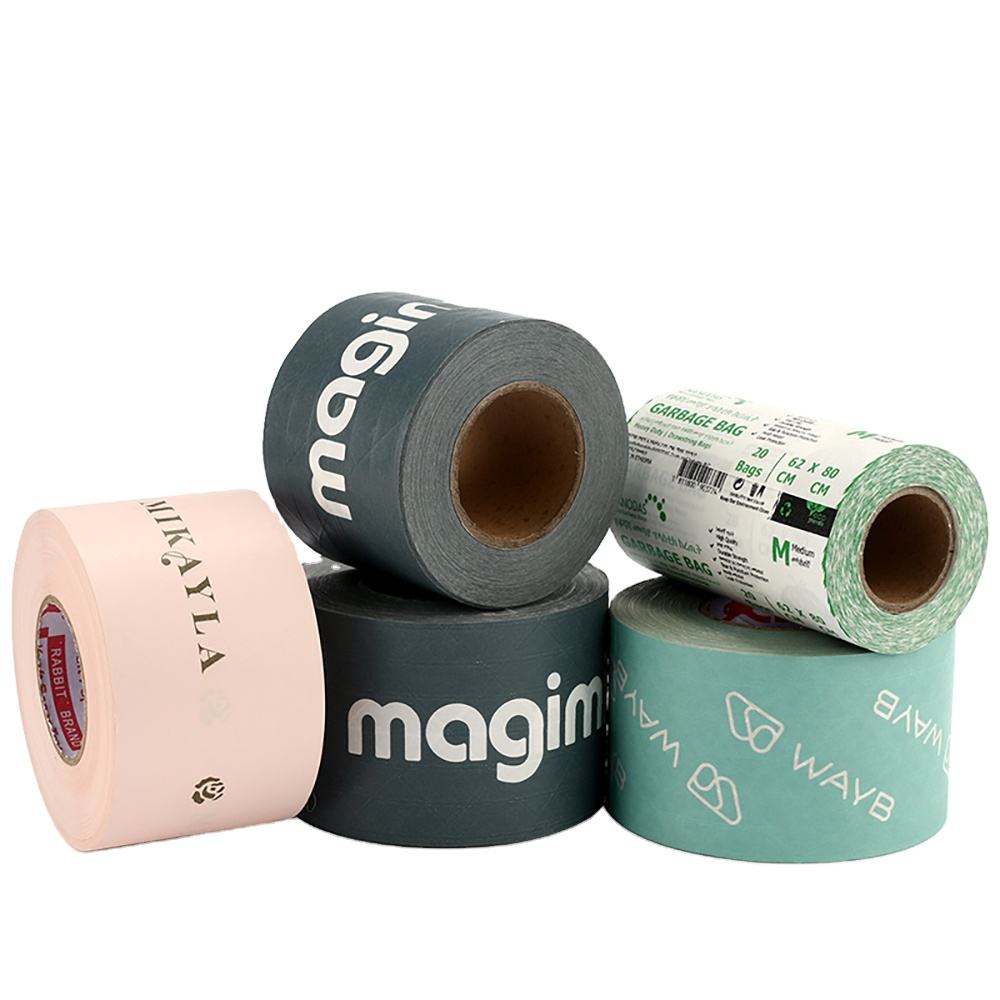
From a packaging buyer's point of view, sleeves earn their place by doing one job very well: they make a candle look finished. A plain jar or tin can sit inside a sleeve and suddenly feel like retail packaging instead of an afterthought. That is why the Custom Box Sleeves for candle brands supplier quote checklist starts with shelf impact, not theory. Buyers want to know whether the sleeve will improve presentation, reduce waste, and keep the line flexible enough for future launches.
There is also a straightforward cost advantage. A sleeve often uses less paperboard than a full box, and that matters when you are launching several scent collections at once. Less board means less freight weight, less storage volume, and less dead inventory if one fragrance underperforms. For a brand that leans on seasonal drops, the custom box sleeves for candle brands supplier quote checklist is a practical way to keep packaging fresh without locking yourself into bulky cartons you may not need.
Sleeves make the most sense in a few very specific situations:
- Seasonal candles that change artwork every quarter
- Scent families that share the same jar size but need different graphics
- Gift sets where the sleeve is the visible branded face
- Limited editions that need fast packaging design updates
- Retail displays where the front panel does most of the selling
That flexibility is why so many brands use sleeves alongside other custom packaging. They do not replace every format, but they do reduce the number of structures you need to manage. If you want to compare sleeve programs against other options, our Custom Packaging Products page is a useful place to start. For a closer look at how format choice changes the buying outcome, scan a few of our Case Studies. The pattern usually stays the same: cleaner specs, quicker quote, fewer revisions.
One mistake shows up over and over. Brands treat a sleeve like a decorative sticker. It is not. It still needs die-line accuracy, stock choice, print limits, and a clear plan for assembly. A good custom box sleeves for candle brands supplier quote checklist makes the supplier's job easier and your quote tighter. That is the whole point.
In my own quoting reviews, the slowest projects are rarely the most complex. They are usually the ones where the buyer assumed the supplier could read between the lines. A sleeve brief should not ask anyone to guess whether it wraps a carton, a jar, or both. You do not wanna leave that kind of detail floating around.
Custom box sleeves for candle brands supplier quote checklist: what to send
The custom box sleeves for candle brands supplier quote checklist begins with dimensions. Not brand mood. Not Instagram references. Finished size. Give the outer width, depth, and height of the sleeve, plus the exact insert or carton it needs to wrap. If the sleeve is meant to sit over a plain inner carton, say that plainly. If it is wrapping a jar, tin, or glass vessel directly, include the jar diameter, label height, and any lid overhang.
One missing dimension can widen the quote range fast. A sleeve that wraps a 3.25-inch jar is not the same as one that wraps a 4-ounce tin, even if the artwork is identical. When the supplier has to guess, the quote gets padded. That is how buyers end up paying for uncertainty. A clean custom box sleeves for candle brands supplier quote checklist removes that problem before it starts.
Send these basics in the first email or RFQ:
- Finished sleeve dimensions with units noted clearly
- Board thickness or target stock range, if you have one
- Print sides needed: outside only, inside and outside, or limited panels
- Finish preferences: matte, gloss, soft-touch, foil, emboss, spot UV
- Quantity by SKU and total annual forecast, if known
- Ship-to address and whether freight should be quoted separately
Artwork readiness matters just as much. A supplier can usually work from vector files, but the quote gets cleaner if you tell them whether the files are final or still in progress. Include PMS values if you need exact brand color control, or CMYK if the design is built for process printing. If you want spot colors, special inks, or a sleeve that wraps an existing plain carton, say so in plain language. The custom box sleeves for candle brands supplier quote checklist should also state whether the artwork needs a full dieline or if you already have one from a previous run.
There is one more detail buyers often forget: packing method. Are you hand-inserting sleeves? Using a manual packing table? Running a line with a folder-gluer or wrap station? That changes how the supplier thinks about tolerances and delivery format. It also affects whether the sleeve should be shipped flat, pre-glued, or nested. A custom box sleeves for candle brands supplier quote checklist that includes production context saves days of back-and-forth.
"Please quote this as a sleeve over the existing carton, not as a full new box." That one sentence prevents half the confusion I see in supplier inboxes.
For buyers who want a sourcing benchmark, the structure and material standards on FSC are worth checking if certified paper is part of your brief. For candles that ship as finished retail units rather than display samples, transit testing under ISTA methods can help you decide how much compression or vibration resistance the pack should handle. That kind of detail is practical, not flashy. Packaging should be practical.
What not to leave out
Do not send a quote request that says "need sleeve for candle, maybe 5,000 pieces." That is not a brief. That is a stress test for your supplier. The custom box sleeves for candle brands supplier quote checklist works because it gives enough detail for an accurate price, but not so much noise that the vendor has to decode your creative process.
If you do not have every detail yet, send what you know and label the gaps. A decent supplier can quote around a few unknowns if the rest is solid. What they cannot do is quote accurately when the dieline, quantity, and finish all float around. That is how rework happens, and rework is expensive in custom printed boxes and sleeve programs alike.
One more small thing: a "close enough" dimension is not close enough. Sleeve fit can swing from crisp to sloppy with a few millimeters, especially on glass jars and square tins. I have seen gorgeous artwork get buried under a sleeve that shifted because the fit was never tested on the actual vessel. Kinda defeats the whole point.
Materials, structure, and print specs that matter
The sleeve stock matters more than most people expect. A candle sleeve is often the first thing the shopper touches, so the material has to match the brand story. For clean, premium color and sharp type, SBS or C1S board is common. For earthy, natural positioning, kraft makes sense. For a smoother surface and better print hold, coated stocks are usually safer. The custom box sleeves for candle brands supplier quote checklist should always include the material if you already know it, because stock choice moves both cost and appearance.
Here is the simple version:
- SBS/C1S board - best for bright graphics, clean whites, and sharper retail presentation
- Kraft board - good for organic, minimalist, or natural candle branding
- Coated stock - smoother print, more consistent color, better scuff resistance
Structure matters too. An open-ended sleeve is the easiest and most common format. A glued sleeve adds rigidity. A friction-fit sleeve can feel more premium but needs tighter tolerances. Thumb notches, lock tabs, and small retention features help with retail handling, especially if the sleeve slides over a carton and needs to stay in place during display. The custom box sleeves for candle brands supplier quote checklist should mention whether the sleeve must stay secure in transit or only look good on shelf.
Print and finish are where costs move quickly. Matte lamination gives a softer, more controlled look. Soft-touch adds a velvety feel, but it usually raises unit cost and can slow production a bit. Foil, emboss, and spot UV improve shelf presence, but they also add setup steps and make the job more sensitive to registration. For candle brands, scratch resistance matters more than many designers admit. Jars rub in transit. Tins scuff. Flat-packed sleeves get handled a lot. A sleeve that looks gorgeous in a proof but scuffs after one warehouse cycle is not doing its job.
If you want repeatability, ask for a color target, not just "close enough." Pantone references are still the easiest way to keep a logo color stable across reorders. For critical brand colors, I would rather see a supplier quote around an agreed delta than a vague promise. That level of detail belongs in the custom box sleeves for candle brands supplier quote checklist because it keeps reprints from drifting.
Durability is not only for shipping cartons. Retail packaging has to survive shelf rubbing, carton pressure, and the occasional rough handoff from warehouse to store. If the sleeve wraps glass, think about edge crush, corner cracking, and friction at the seams. If the sleeve sits over a plain box, ask whether the box finish underneath will show through. The wrong stock can make the whole product packaging system look cheaper than it is.
In practice, the best sleeve spec is the one that balances three things: print quality, structural fit, and lead time. A heavier stock looks nice until it starts cracking on tight folds. A laminated premium finish looks expensive until your budget says otherwise. That is why the custom box sleeves for candle brands supplier quote checklist should force each choice into the open early.
Cost, pricing, MOQ, and quote drivers
Price is where vague quotes go to hide. If the supplier gives you one number without explaining the inputs, you do not have a quote. You have a number. The custom box sleeves for candle brands supplier quote checklist should make it easy to compare apples to apples, because the real price drivers are boring but measurable: board grade, print coverage, finishing, cut complexity, and quantity.
These are the main cost drivers:
- Board grade - premium SBS typically costs more than plain kraft or basic coated stock
- Ink coverage - heavy solids, floods, and dark backgrounds use more ink and more control
- Finishing complexity - foil, emboss, soft-touch, and spot UV all add steps
- Cut shape - simple rectangular sleeves are cheaper than custom cutouts or tabs
- Quantity - setup cost spreads out as volume rises
Most sleeve programs have a sharp price drop once you move from low-volume sampling territory into real production. Smaller runs cost more per unit because setup, waste, and finishing time get spread across fewer pieces. Larger runs lower the unit price, but only if you can actually use the inventory. That is the tradeoff. A smart custom box sleeves for candle brands supplier quote checklist should ask for at least two or three quantity tiers so you can see the breakpoints.
Here is a practical pricing frame for common candle sleeve programs. These are not promises. They are the kind of ranges buyers usually see when the specs are comparable and the artwork is already solid.
| Option | Typical Use | Approx. Unit Price at 5,000 | Approx. Unit Price at 10,000 | Tradeoff |
|---|---|---|---|---|
| Basic SBS sleeve | Clean retail look, bright color, standard candle jars | $0.18-$0.28 | $0.11-$0.18 | Best balance of cost and print quality |
| Kraft sleeve | Natural, earthy, minimalist candle lines | $0.20-$0.32 | $0.13-$0.21 | Good brand fit, but dark inks and coating can raise cost |
| Premium laminated sleeve | Gift-ready lines, higher-end retail packaging | $0.32-$0.65 | $0.20-$0.40 | Strong shelf impact, more finishing cost |
| Foil or emboss sleeve | Limited editions, seasonal launches, premium sets | $0.45-$0.85 | $0.28-$0.55 | Best visual punch, but setup is less forgiving |
That table only works if the quote assumptions are identical. Same dimensions. Same finish. Same shipping terms. Same pack count. Same proofing standard. Otherwise the numbers are fake-comparable. A custom box sleeves for candle brands supplier quote checklist should insist on unit price, setup fee, sampling cost, and freight assumption in the same line item so nobody hides a surprise in the footnotes.
MOQ is another place where buyers get tripped up. A lower MOQ sounds friendly, but the unit cost often climbs fast. A supplier still has to make plates, cut dies, and run the press. If you order too little, those fixed costs get squeezed into a tiny batch. If you order too much, you carry inventory risk. The right MOQ depends on scent turnover, forecast confidence, and whether the sleeve artwork will stay active for more than one season. That is exactly why the custom box sleeves for candle brands supplier quote checklist should ask about reorder pricing too. A first-run price is not enough.
"I do not need the cheapest quote. I need the quote that survives production." That is usually the right mindset for sleeve programs.
One more thing: if the supplier only quotes ex-works and you need landed cost, ask them to separate packing, freight, and duties. The cheapest unit price can become the worst total cost once shipping and rework enter the picture. That happens more often than people like to admit.
There is also a hidden pricing risk that does not show up until the second order. If the first quote assumes a clean, one-time setup but the reorder needs a revised dieline or a color correction, the budget shifts again. A careful checklist should ask whether the quoted tooling and proofing fees are reusable on the next run. That kind of clarity saves a lot of awkward emails later.
Process, timeline, lead time, and production steps
A clean project follows a predictable path. Brief. Dieline. Proof. Sample. Approval. Print. Die cut. Finish. Pack. Ship. That sequence sounds basic, but it is where most delays come from. A custom box sleeves for candle brands supplier quote checklist is only useful if the buyer also knows how the job moves after the quote is accepted.
The usual timeline for a straightforward sleeve is something like this:
- Dieline and spec check: 1-2 business days
- Digital proof: 1-3 business days
- Physical sample: 3-7 business days, depending on the structure
- Print and conversion: 7-15 business days for standard jobs
- Foil, emboss, or special finish: add a few days, sometimes more
- Packing and freight booking: 1-3 business days before dispatch
Those are normal ranges, not promises. The job can move faster with simple artwork and a confirmed dieline. It can also slow down fast if the brand keeps changing the sleeve size after sampling starts. Late artwork is another classic delay. So is color matching. So is a revision to the fit after someone finally tests the sleeve on the actual jar. The custom box sleeves for candle brands supplier quote checklist should not stop at quoting. It should also set expectations for approval timing.
If your candle line has multiple SKUs, tell the supplier whether each scent uses a separate sleeve or whether the structure stays the same and only the graphics change. That answer affects press setup, packing flow, and repeat order consistency. A single sleeve structure across a scent family is simpler and usually cheaper. A different structure for each fragrance is possible, but it multiplies tooling and slows everything down.
Here is the part that saves the most pain: ask for a sample before mass production if the project has any risk at all. Sample approval is not busywork. It is the moment you catch friction issues, corner cracking, color mismatch, and fit errors while they are still cheap to fix. A good custom box sleeves for candle brands supplier quote checklist should ask for sample timing, not just production timing. Those are not the same thing.
For brands shipping retail-ready goods, transit tests can be worth the small extra cost. ISTA-style testing is not glamorous, but neither is opening a box of damaged sleeves. Ask whether the supplier has experience with compression, drop, or vibration testing for similar product packaging. If the candles are sold in glass, or shipped in display cartons, that question matters even more. The goal is not academic compliance. The goal is fewer claims and fewer returns.
One practical habit helps more than people expect: set a reproof buffer before the final approval date. If you think artwork might change, build that time into the schedule now. A custom box sleeves for candle brands supplier quote checklist with a realistic buffer is worth more than a fast quote that misses the launch date.
And if a supplier promises a turnaround that sounds too good to be true, ask what happens if the sample comes back with a fit issue. That is usually where the calendar starts to wobble. Honest schedule risk is better than a pretty promise that collapses on day four.
Why choose us for candle sleeve supply
Most suppliers can give you a number. Fewer can give you a number tied to usable specs. That is the difference. We focus on clean quoting, straightforward production feedback, and repeatable results across candle SKUs. If your brand is building out retail packaging, the best supplier is the one that answers clearly before the order is placed, not the one that sounds impressive and then adds cost later. That is exactly where a strong custom box sleeves for candle brands supplier quote checklist pays off.
Here is what buyers usually value most in a sleeve supplier:
- Fast review of size, stock, and finish assumptions
- Clear MOQ guidance with visible price breaks
- Artwork feedback that focuses on printability, not just aesthetics
- Repeat-order consistency across scent collections
- Sample approval before mass production
We also understand the practical side of candle branding. Some brands need one sleeve structure across six scents. Others need a premium version for gift sets and a simpler version for everyday retail. Some need a natural kraft look to fit a cleaner ingredient story. Others need glossy, high-contrast graphics to stand out on a crowded shelf. That is normal. The point is to match the sleeve to the brand story without making the project harder than it needs to be.
If you want help turning a rough concept into production-ready specs, use our Contact Us page and send the basic dimensions, target quantity, and finish ideas. If you are still comparing formats, our Custom Packaging Products page gives a quick view of related options beyond sleeves. For a better sense of how spec details change the final result, the Case Studies page is the most useful place to look. A good custom box sleeves for candle brands supplier quote checklist and a supplier who reads it carefully solve most of the pricing confusion before it starts.
We keep the quote process practical: no guesswork, no vague "starting at" language without context, and no pretending a finish upgrade will not change the budget. That is the kind of clarity candle brands need when they are trying to launch, reorder, or expand into retail packaging with less friction.
I always trust the supplier more when they push back on a sloppy spec and explain why. It is a small thing, but it tells you they care about the final run, not just the first invoice. That sort of honesty is worth paying attention to.
Next steps: build the quote packet and compare suppliers
The fastest way to get a reliable quote is to build one clean packet and send it to multiple suppliers. Not five pages of chaos. One spec sheet. The custom box sleeves for candle brands supplier quote checklist should include the exact details a buyer would want back in the quote: size, quantity, stock, print coverage, finish, ship-to address, and whether the order is for retail display, gifting, or internal packing.
Use this simple packet structure:
- Finished sleeve dimensions with a clearly labeled dieline or carton size
- Quantity by SKU and the forecasted reorder volume
- Material preference and any must-have finish requirements
- Artwork files, logo assets, and color references
- Delivery deadline and whether freight should be included
- Packing expectations, including flat pack or pre-assembled
Then send the same packet to two or three suppliers. That is the only honest way to compare price, MOQ, and Lead Time without getting fooled by different assumptions. If one quote is wildly lower, check whether the stock is thinner, the finish is simpler, or the freight has been left out. A custom box sleeves for candle brands supplier quote checklist exists to expose those differences before purchase orders go out.
When the quotes come back, compare these items line by line:
- Unit price by quantity tier
- Setup fee and whether it is one-time or recurring
- Proofing terms and sample charges
- Freight assumption and delivery terms
- Remake policy if the first run misses the approved spec
Do not ignore remake policy. That is one of the quietest cost risks in custom printed boxes and sleeve programs. If the supplier will not stand behind the approved spec, the quote is cheap for a reason. That is not a bargain. It is a liability with a nice font.
If you want a quote that is actually useful, send the custom box sleeves for candle brands supplier quote checklist with no missing dimensions, no hidden finish requests, and no vague quantity range. Say what the sleeve wraps, how many pieces you need, what finish matters, and when you need it on the dock. Simple. Clear. Easy to price. That is the kind of brief that gets a real answer.
And if you are ready to move, send the custom box sleeves for candle brands supplier quote checklist now instead of spending another week debating whether the foil should be gold or champagne. The sooner the specs are set, the sooner the quote is real.
Frequently Asked Questions
What should be on a custom box sleeves for candle brands supplier quote checklist?
Include finished dimensions, quantity, board choice, print coverage, finish, and delivery address so the supplier can quote without assumptions. Add jar or carton compatibility details, artwork files, and whether the sleeve is for retail display, gifting, or shipping protection. A strong custom box sleeves for candle brands supplier quote checklist should also ask for setup cost, unit price, proofing terms, and freight assumptions in the same quote.
What sleeve material works best for custom box sleeves for candle brands?
SBS works well for clean print, premium branding, and bright colors; kraft fits natural or earthy candle lines; coated stocks add smoother color and better scuff resistance. The best choice depends on your brand look, handling conditions, and whether the sleeve needs to survive retail display or only light internal packing. If the candle ships in glass, pick a stock and finish that resists rubbing and keeps the panel edges looking sharp. That decision belongs in the custom box sleeves for candle brands supplier quote checklist, not after the quote is locked.
How does MOQ change pricing for candle box sleeves?
Smaller runs cost more per unit because die cutting, setup, and finishing are spread across fewer sleeves. Higher MOQs usually lower unit cost, but only if you can actually use the inventory before the artwork or scent line changes. Ask suppliers to show the price break at each quantity tier so you can decide whether the savings are worth the inventory risk. That kind of comparison is exactly why the custom box sleeves for candle brands supplier quote checklist matters.
How long is the usual lead time for custom candle box sleeves?
Lead time depends on proof approval, quantity, board availability, and finish complexity, so simple sleeves move faster than foil or embossed versions. Sampling and artwork revisions are the biggest schedule risks, not the print run itself. Always request a ship date after approval and confirm whether freight time is included or separate. A realistic custom box sleeves for candle brands supplier quote checklist should ask for both sample timing and production timing.
Can one sleeve design work for multiple candle SKUs?
Yes, if the structure and sleeve size stay the same and only the artwork changes for each scent or collection. This approach lowers tooling changes, makes reorders easier, and keeps the brand system consistent across launches. If the jar sizes vary, ask the supplier whether one sleeve can be adjusted with inserts or whether each SKU needs its own dieline. That question belongs in the custom box sleeves for candle brands supplier quote checklist before you commit to artwork.
Custom sleeves are not complicated once the specs are clean. The real work is getting the brief right, comparing like with like, and refusing to accept fuzzy numbers. If you do that, the custom box sleeves for candle brands supplier quote checklist becomes a practical buying tool instead of a sales form. And that is how you get better pricing, fewer surprises, and packaging that actually supports the candle brand instead of fighting it.
The cleanest takeaway is simple: send one accurate spec packet, ask suppliers to quote the same assumptions, and confirm sample timing before you approve production. That little discipline is what turns a candle sleeve from a guess into a reliable piece of retail packaging.

