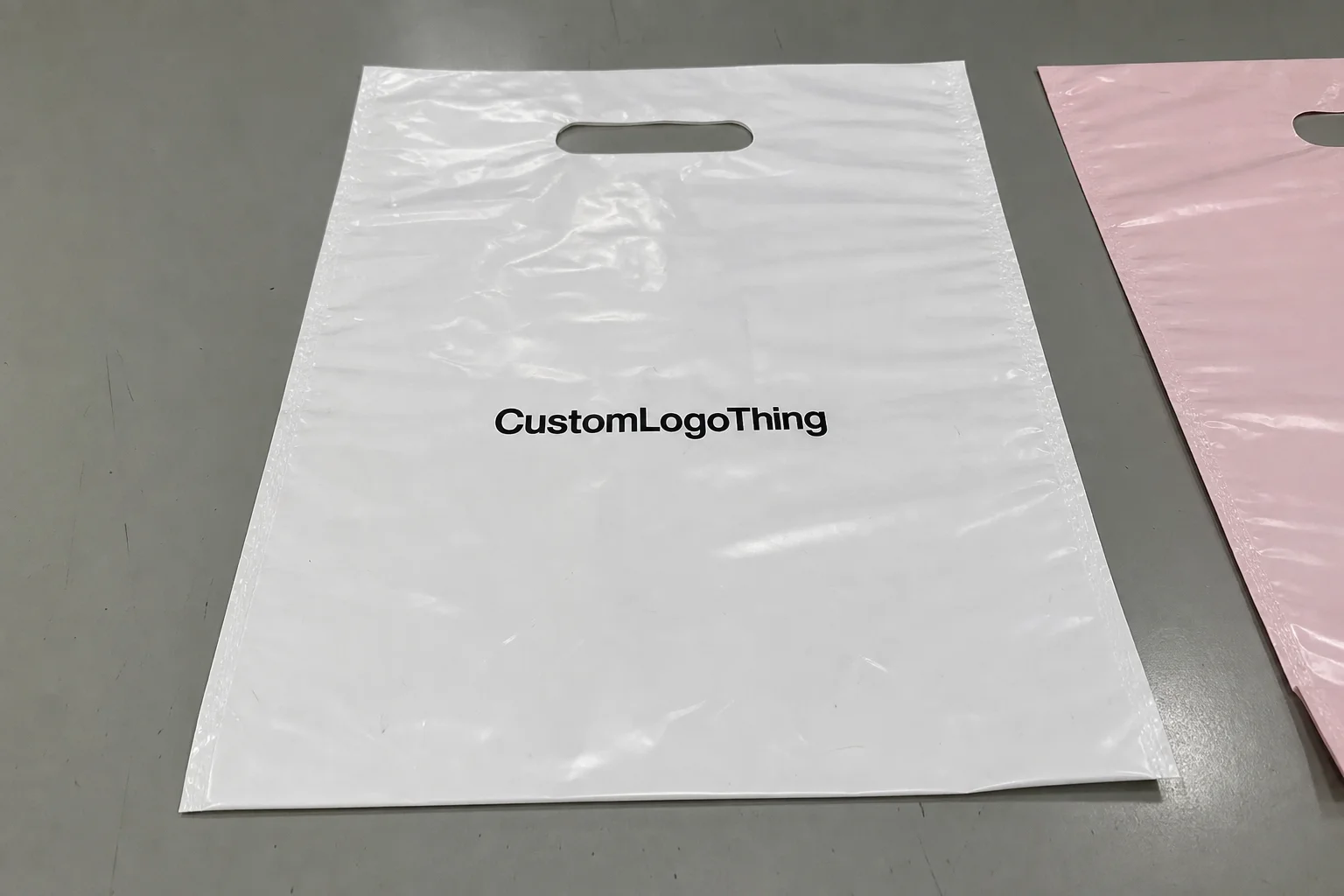
Buyer Fit Snapshot
| Best fit | Printed Padded Mailers Sample Kits Supplier Quote Checklist projects where brand print, material claims, artwork control, MOQ, and repeat-order consistency need to be specified before quoting. |
|---|---|
| Quote inputs | Share finished size, material target, print colors, finish, packing count, annual reorder estimate, ship-to region, and any compliance wording. |
| Proofing check | Approve dieline scale, logo placement, barcode or warning zones, color tolerance, closure strength, and carton packing before bulk production. |
| Main risk | Vague material claims, crowded artwork, missing packing details, or unclear freight terms can make a low unit price expensive after revisions. |
Fast answer: Printed Padded Mailers Sample Kits Supplier Quote Checklist should be specified like a repeatable production item. The safest quote records material, print method, finish, artwork proof, packing count, and reorder notes in one written spec.
Production checks before approval
Compare the actual filled-product size with the drawing, then confirm tolerance on folds, seals, hang holes, label areas, and retail display edges. Reserve space for logos, QR codes, warning copy, and material claims before decorative graphics fill the panel.
Quote comparison points
Review material grade, print process, finish, sampling route, tooling charges, carton quantity, and freight assumptions side by side. A quote is only useful when the supplier can repeat the same color, closure quality, and packing count on the next order.
Printed Padded Mailers for Sample Kits Supplier Quote Checklist
The outer mailer is usually the first branded surface a buyer touches, which means Printed Padded Mailers for sample kits supplier quote checklist decisions shape both the first impression and the condition of what sits inside. A dented corner, a weak seam, or a generic off-the-shelf envelope can make a carefully built sample kit feel sloppy before the recipient even opens it.
That matters because sample kits usually carry more than one item. Labels, literature, sachets, swatches, cards, small hardware parts, cosmetic packets, and light fragile components all behave differently in transit. The mailer has to protect the contents, hold its shape, and still present the brand cleanly after sorting, stacking, and last-mile handling. If the kit includes a printed insert card, 350gsm C1S artboard is a common spec for a crisp, flat presentation piece that resists curl better than lighter stock.
Teams often budget carefully for inserts and product samples, then treat the outer mailer as something they will sort out later. That is where mismatched sizing, thin padding, weak closures, and quote comparisons that ignore freight or finishing details start creeping in. A solid quote checklist keeps every supplier on the same terms, so the buyer can compare real options instead of chasing the lowest headline price.
Buying advice: Ask every supplier to quote the same size, same print coverage, same padding level, and the same freight assumption. If those four items do not match, the lowest quote is usually the least useful quote.
Printed Padded Mailers for Sample Kits: The First Impression Buyers Keep
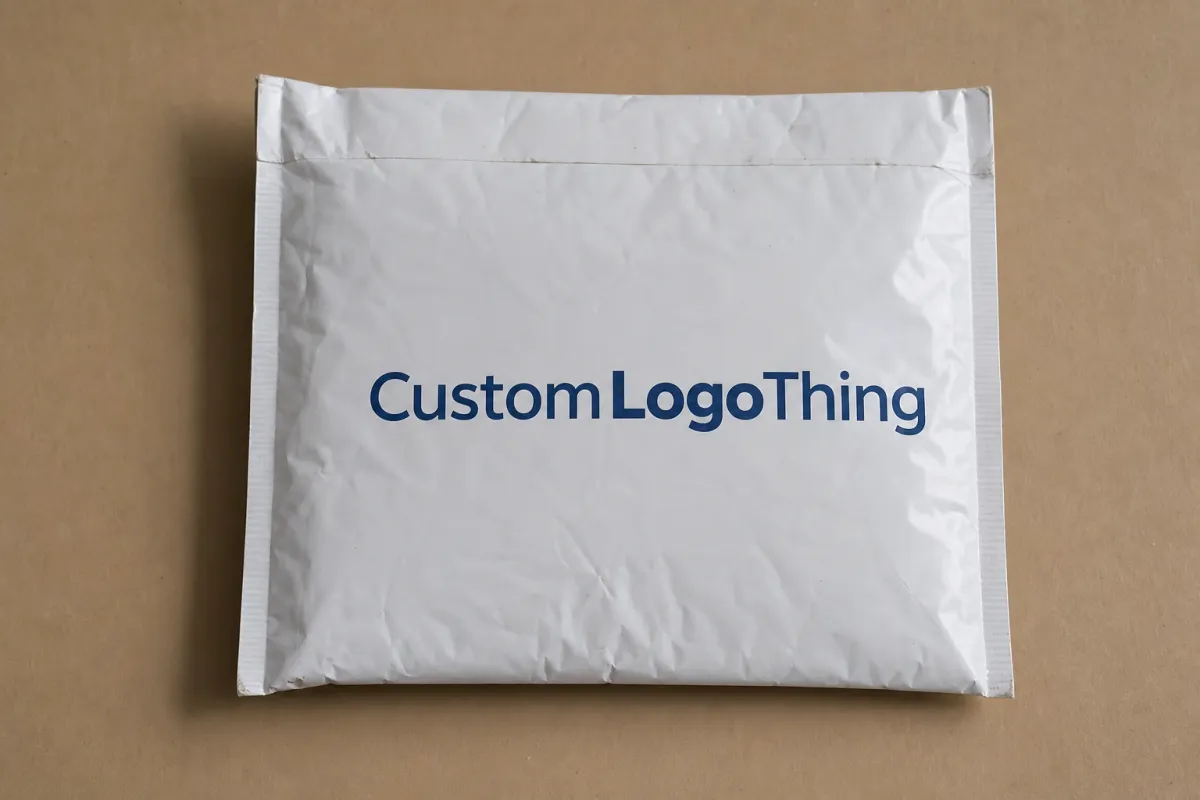
From a packaging buyer's point of view, the mailer is not just a shipping vessel. It is the outside of the presentation. If the recipient sees a clean printed surface, a crisp closure, and a mailer that still looks upright after transit, the kit feels deliberate. If the outside looks crushed or plain while the inserts were carefully designed, the whole package loses some of its impact.
That first impression carries extra weight with sample kits because the recipient is usually evaluating more than one thing at once. They are judging the product, the brand, and the level of operational care behind both. A printed padded mailer helps connect those pieces. It gives the buyer a branded cue before the contents are visible, and it can also protect the kit from rubbing, corner damage, scuffing, and moisture exposure during standard parcel handling.
In practice, the biggest failure point is not always the mailer construction itself. It is the mismatch between the contents and the outer pack. A flat swatch set may ride well in a slim padded envelope, while a fragrance kit with small glass vials may need a stronger seal and more internal void fill. A hardware sample with sharp edges can puncture a light lining if the spec is too thin. When the outer mailer is treated as an afterthought, the result is usually one of three problems: a bad fit, too little protection, or a quote that looked low because the supplier was not pricing the real job.
For printed padded mailers, the brand surface and the protective function have to work together. That balance is why the mailer deserves the same attention as the insert tray, the printed card, or the sample item itself. If the program is being built for field reps, trade show follow-up, subscription trial kits, or direct outreach, the mailer often becomes the one piece the recipient handles before anything else. That one touch can shape how the rest of the kit is read.
When a team starts with a printed Padded Mailers for Sample Kits supplier quote checklist, the goal is simple: define the structure before price starts to distort the decision. Once the size, material, print, and closure are clear, the buyer can compare suppliers on quality and service instead of guessing what each quote actually includes.
Printed Padded Mailers for Sample Kits Supplier Quote Checklist: Styles, Prints, and Closure Options
There are three common construction paths for sample kit mailers, and each one behaves differently in the hand and in transit. The right choice depends on the contents, the brand look, and how much protection the mailing route demands.
Kraft-faced padded mailers are a familiar choice when the buyer wants a paper-forward appearance and a surface that takes simple branding well. They tend to present a natural, sturdy look, and they can work well for kits that need a cleaner recycled-paper story. A typical kraft face may sit in the 60-80gsm range, paired with a paper bubble or fiber pad that adds light cushioning without making the mailer bulky. Poly-faced padded mailers offer better moisture resistance and a smoother print face, which helps logos and graphics stay sharp after handling. These usually use a 50-60 micron film face and are a better fit when the shipping lane includes humidity, warehouse stacking, or frequent scuffing. Hybrid builds combine paper and film layers in ways that try to balance print quality, durability, and cost.
Print options matter more than many procurement teams expect. A one-color logo on a kraft surface behaves very differently from full-coverage graphics on a poly face. Some suppliers can print on the inside of the mailer as well, which is useful when the outside is kept restrained but the brand wants a stronger unboxing effect. Variable data printing can be useful for campaign kits, regional launches, or serial numbering, but it needs to be quoted clearly so the supplier knows whether each unit is identical or partially personalized. If the insert card is part of the kit, 350gsm C1S artboard is a common choice because it keeps type sharp and resists curl better than lighter stock.
Closure design is another detail that changes performance. Peel-and-seal strips are common because they are fast on the packing line and easy to understand. Tamper-evident seals help when the kit contains confidential literature, premium product samples, or items that should not be opened and reclosed without visible evidence. Reinforced seams and stronger adhesives can matter when the package may be handled by multiple carriers or stored in warm conditions before shipment. For repeated outbound mailings, buyers often ask for adhesive performance at around 35-45C storage conditions so the seal does not soften too early.
The sample contents should guide the structure. A flat swatch kit wants a mailer that lies cleanly and folds without bulk. A fragrance sampler or skincare kit with bottles may need a sturdier shell and more precise fill size so the contents do not shift. A plated hardware sample with edges or weight concentration can demand more resistance at the seams, corners, and closure flap. There is no universal best mailer; there is only the best fit for the product mix and route.
| Mailer Style | Best Use | Print Surface | Moisture Resistance | Typical MOQ | Indicative Unit Cost at 5,000 |
|---|---|---|---|---|---|
| Kraft-faced padded mailer | Swatch kits, literature kits, lightweight samples | Good for one-color or simple graphics | Moderate | 2,500-5,000 | $0.18-$0.34 |
| Poly-faced padded mailer | Cosmetic kits, moisture-sensitive samples, branded outbound mail | Very good for crisp logos and richer coverage | High | 3,000-5,000 | $0.22-$0.46 |
| Hybrid padded mailer | Programs needing a balance of appearance, strength, and cost | Good, depending on face stock and coating | Moderate to high | 5,000+ | $0.24-$0.52 |
| Reinforced custom build | Heavier or more fragile sample kits | Depends on the outer layer and finish | High | Often 10,000+ | $0.32-$0.70 |
Those numbers are directional, not universal. Size, finish, quantity, print coverage, and padding grade all move the price. A compact, one-color mailer in a standard size can sometimes start around $0.15-$0.24 per unit at 5,000 pieces, while a larger format with full-bleed print or heavier cushioning usually lands higher. Still, the table gives a buyer a useful starting point before requests go out. A polished quote should tell you not only what the mailer costs, but why that cost sits where it does.
For buyers who want to compare paper-forward builds or ask what the outer face can do for a brand presentation, a useful benchmark is the FSC site, especially when the program calls for certified paper sourcing. Certification is not the same thing as recyclability, and it does not automatically make a mailer better for every use, but it is a practical reference point when sustainability claims matter in the sales conversation.
Printed Padded Mailers for Sample Kits Supplier Quote Checklist: Specifications to Confirm Before You Request a Quote
A supplier can only quote well if the spec is clear. That sounds obvious, yet many sample kit inquiries leave out the details that change tooling, print setup, or material choice. The result is a price that looks attractive until the real order needs a revision, a reproof, or a freight correction.
Start with the finished size. A padded mailer should be sized to the usable internal space, not just the outer dimensions printed on a generic product sheet. Ask whether the mailer includes enough room for the contents plus any insert card, sample labels, or return material. If the kit has a rigid piece or a fragile item that should not rub against the seam, that extra clearance matters. A 120 x 180 mm sample bundle may fit neatly in a 160 x 220 mm mailer, but a bottle set with cardboard dividers usually needs more depth than the flat outer dimension suggests.
Next, spell out the material build. Suppliers need to know the paper weight, film gauge, padding type, seam style, and intended handling environment. A mailer meant for parcel carriers is not the same as one used for light local distribution. If the kit may sit in a warehouse, ride in a hot van, or pass through humid regions, the face stock and adhesive need to be chosen with those conditions in mind. For foam or bubble-lined builds, ask for the liner thickness in millimeters or the bubble gauge rather than accepting a vague "heavy duty" label.
Print requirements should be equally specific. A good request includes color count, artwork placement, bleed area, proofing needs, and the finish the buyer wants the logo to present. Matte and gloss do not behave the same on paper or poly faces. Natural kraft can look premium and honest, but it will not make the same kind of visual impact as a high-coverage white background. If the design includes a full-wrap pattern, the supplier needs to know whether registration has to be tight at the seam or whether a small shift is acceptable. If the graphics sit near the closure flap, confirm the safe print area so the artwork does not disappear into the seal zone.
Performance questions deserve a place on the checklist too. If the sample contents have edges, pressure points, or a little weight, ask about puncture resistance and edge crush behavior. If the kit will be shipped through a standard parcel network, ask how the mailer performs under repeated compression and handling. If the project has to support a transit-test requirement, make that known up front. A credible supplier should be able to discuss testing methods aligned with industry practice, including parcel testing frameworks from ISTA where relevant.
For teams assembling a one-page supplier brief, the following fields usually make quoting cleaner:
- Finished mailer size and target internal clearance
- Mailer style, including kraft, poly, hybrid, or reinforced build
- Face stock, padding type, and seam type
- Print method, color count, and artwork location
- Finish preference, such as matte, gloss, or natural
- Quantity by tier, not just one order size
- Ship-to location and whether freight should be included
- Proof requirements and timing expectations
- Any insert card or instruction sheet spec, such as 350gsm C1S artboard
When that information is grouped on one page, every supplier starts with the same data. That makes the quotes more useful internally, because purchasing, marketing, and operations can review them against the same assumptions instead of arguing over what was or was not included.
If you are building the kit from a broader packaging program, it can help to line up the outer mailer with the rest of the system through Custom Packaging Products. Matching the outer pack to the insert, label set, and product presentation makes the whole job easier to buy and easier to repeat.
Pricing, MOQ, and Quote Factors That Change the Unit Cost
There is no honest way to price a custom mailer without talking about the variables that push the number up or down. Size is usually the first one. A larger mailer uses more face stock, more padding, and more material in the closure area. That alone can move the unit cost more than a buyer expects if they are comparing a compact sample envelope to a more generous kit carrier.
Material grade is the second driver. Premium face stock, heavier padding, stronger film layers, and reinforced seams cost more than basic stock. If the mailer needs a richer visual finish, better moisture resistance, or a surface that tolerates handling without scuffing, the price will reflect that. Full-coverage graphics add print time and often increase spoilage risk, especially on complex seam layouts where registration has to stay tight.
Minimum order quantity changes by print method and build. Simpler runs with standard size tooling can sometimes start lower, especially if the supplier already has a suitable base structure. Custom dimensions, special finishes, or higher print coverage often require a larger run because setup time has to be spread across more units. A buyer who only asks for one quantity may miss a better break at a slightly higher volume, so tiered pricing is worth requesting every time.
Freight deserves more attention than it often gets. Two quotes can have the same unit cost and still land very differently once shipping, carton counts, palletization, and split shipments are added. A buyer should ask for landed cost, not just per-unit cost. If the program is going to multiple locations or needs staggered deliveries, that should be visible in the quote so no one gets surprised later.
There are also the smaller charges that can distort comparison. Plate charges, setup fees, art revisions, sample charges, reruns, and rush fees all matter. If the kit is part of a recurring campaign, ask whether the supplier can hold the print files for the next release and whether repeat orders will carry the same setup structure. Those are the details that separate a workable commercial relationship from a one-off quote.
Ask for price breaks at several volumes. A good ladder might include 2,500, 5,000, 10,000, and 25,000 units. That gives the buyer a sense of where the best production sweet spot sits. On a basic printed padded mailer, the jump from 2,500 to 5,000 pieces may shave a few cents per unit, while a move from 10,000 to 25,000 can unlock a different print method or a better material price. Sometimes the increase from one tier to the next is small enough that ordering a little more is smarter than placing a second order later. Other times the jump is too large, and it is better to keep the run lean. The point is to see the curve before the purchase order is locked.
A practical printed Padded Mailers for Sample Kits supplier quote checklist should also ask whether the supplier has included the right kind of proof. A digital proof is fast, but it may not reveal how a large logo crosses a seam or how a darker ink reads on kraft. If the launch is high visibility, a physical sample can be worth the extra time and cost. For a standard run, a digital proof is often enough if the art is simple and the print area stays clear of folds and closures.
One useful way to frame the buying decision is simple: the cheapest quote is not always the best quote, and the most expensive quote is not always the safest one. The right number is the one that matches the contents, the branding, the shipping route, and the order volume without forcing hidden compromises.
Process, Timeline, and Production Steps From Artwork to Delivery
Most sample kit mailer projects follow a familiar sequence. First comes the spec review, where the supplier checks the size, construction, and print requirements. Then comes the quote. After that, artwork is reviewed, a proof is issued, the buyer approves it, and production begins. Once the mailers are made, quality inspection, packing, and freight booking follow in order.
The schedule depends on how clean the front end is. If the artwork is final, the dimensions are confirmed, and the material is in stock, the job moves faster. If the buyer is still changing copy, shifting the mailer size, or debating finish options, every change can add time. A single revision can create a new proof cycle. Multiple revisions can push the order back by days or even weeks.
For many printed padded mailers, a typical production window after proof approval is often 12-15 business days for a standard run. Larger quantities, special finishes, or more complex print coverage can move that into the 15-25 business day range. Add freight time on top of that. A domestic parcel shipment may be quick, while pallet freight or multi-stop distribution adds more planning. If the mailers need to arrive before a launch date, the supplier should separate proof time, production time, and transit time so the team can see the full schedule.
Buyers should ask for three confirmations at each stage:
- What exactly is being approved
- When the approval is due
- When production will start after approval
That sounds simple, but it prevents the common trap where a buyer thinks the supplier is already printing while the factory is still waiting on a final sign-off. Clarity at this stage protects both sides.
If the kits will move through parcel networks and need a transit check, ask whether the supplier has experience with distribution testing aligned to common industry methods. If the route is rough, or if the contents are premium, that question deserves a direct answer. A mailer can look good on a bench and still fail under repeated compression or corner abuse if the build is too light for the route.
Sample kit programs also require coordination with the product schedule. The mailer cannot arrive late if the inserts are already packed. At the same time, it should not arrive so early that storage becomes a problem or that the print run ages before the launch. A dependable supplier helps the buyer map that timing so the packaging, the samples, and the outbound mailing window all line up.
Some teams also want sustainability information in the workflow, especially when the sample kit supports a retail or B2B brand that reports on material sourcing. That is where a supplier should be ready to explain paper content, poly content, and any available certification claims clearly and without overstatement. A clean spec sheet and a clean timeline usually go together.
Why Choose Custom Logo Things for Sample Kit Mailers
Custom Logo Things is a practical partner for buyers who want the mailer to fit the contents, present the brand clearly, and quote in a way that is easy to review internally. That matters because sample kits are not just about shipping protection. They are about presentation, consistency, and the buyer's ability to make a confident comparison without sorting through vague assumptions.
For teams evaluating options through our Custom Packaging Products, the goal is not to oversell a fancy structure that the job does not need. The goal is to match the mailer to the sample kit, then explain why that structure makes sense. A strong supplier should be willing to talk about print coverage, closure behavior, padding level, and freight implications in plain terms. That sort of discussion saves time and usually leads to a better finished result.
Technical guidance matters most when the order has a few moving parts. Maybe the outer mailer has to protect a light fragile item, but the brand still wants a clean printed face. Maybe the kit needs a natural paper look but also has to hold up in shipment. Maybe the buyer wants one style for both domestic and export use. A good quoting partner does more than return a number. It flags weak points before production starts and helps narrow the build to what can actually be manufactured efficiently.
For moisture-sensitive or more brand-forward programs, our Custom Poly Mailers can be a useful reference point when comparing surfaces and print behavior. Poly-faced construction is not the answer for every kit, but it is often worth comparing when the contents need better resistance to scuffing or exposure during transit.
If a buyer wants to move quickly, the fastest path is usually a clear request paired with the right contacts and files. That is why the simplest next step is often to Contact Us with a finished size, sample count, artwork summary, target ship date, and whether you want the quote to show unit cost, freight, or landed cost. The more complete the brief, the cleaner the quote.
What tends to set a useful supplier apart is consistency. When the second order looks like the first order, the brand benefits. When the third reorder lands with the same print clarity, the same fit, and the same closure behavior, operations can trust the program. That kind of repeatability matters more than a flashy sales pitch.
Actionable Next Steps for a Clean Supplier Comparison
Before you request quotes, pause long enough to define the kit. Measure the finished sample pack, confirm the mailer style, decide how much padding the contents really need, and identify whether the print should be simple, full-coverage, or partially variable. Those decisions turn a vague inquiry into a usable spec.
Then send the same information to every supplier. If one supplier quotes a stronger seam, another quotes a larger size, and a third includes freight while the others do not, the numbers will not be comparable. Equal inputs are the only fair basis for a decision. That is the heart of a good supplier comparison.
It also helps to ask for the proof format, the approval deadline, the production start date, and the estimated delivery window in the same conversation. A quote that leaves out timing is only half a quote. For sample kits, timing can be as important as price because the outer mailer has to arrive in sync with the inner product, not after it.
Here is a short working checklist that keeps the buying process clean:
- Measure the sample kit and confirm the usable internal space
- Choose the mailer style and padding level based on the contents
- Define the print method, color count, and finish
- Request volume tiers so the pricing curve is visible
- Ask for freight, proof, setup, and rerun charges in writing
- Confirm the approval timeline and production lead time
- Ask whether the build suits the shipping route and handling conditions
- Check whether any insert card or instruction sheet needs 350gsm C1S artboard
If the program supports a premium launch or a recurring sales kit, test-pack a few units before sign-off. Put the actual contents inside, close the mailer, shake it gently, and look for movement, pinch points, seam stress, and any places where the print might be scuffed in transit. That small check often catches the issue a drawing does not reveal.
For buyers who need a practical, defensible purchasing process, a printed padded mailers for sample kits supplier quote checklist is one of the easiest ways to cut noise, compare real value, and keep the brand presentation intact from the warehouse to the recipient's desk.
What should a printed padded mailers for sample kits supplier quote checklist include?
It should include the finished mailer size, usable internal space, closure type, print method, color count, padding level, target quantity, ship-to destination, freight expectations, and proof approval needs. If any one of those pieces is missing, the quote can be hard to compare against another supplier's number. If the kit includes an insert card, note that separately too, since a 350gsm C1S artboard insert changes both print quality and packing thickness.
How do I compare printed padded mailer quotes for sample kits fairly?
Compare the same size, same construction, and same print coverage on every quote. Ask whether tooling, setup, artwork changes, proofs, and freight are included. Then review landed cost instead of only the per-unit price, because the invoice total is usually what matters to purchasing. If one quote is based on a 2,500-piece run and another is based on 5,000 pieces, the lower number may not actually be the better value.
What MOQ is typical for printed padded mailers for sample kits?
MOQ changes with size, material, and print method, so there is no single fixed number. Simpler styles and standard dimensions may start around 2,500 to 5,000 pieces, while custom sizes, heavier print coverage, and specialty finishes usually require larger runs. It is smart to ask for several volume tiers so you can see where the best cost break sits.
How long does production usually take after I approve the proof?
Lead time depends on print method, material availability, order complexity, and how quickly artwork is finalized. A straightforward run is often 12-15 business days after proof approval, while more complex jobs can take 15-25 business days or longer. Freight time still needs to be added, so ask the supplier to separate proof time, production time, and shipping time.
Can printed padded mailers protect fragile items inside sample kits?
Yes, if the mailer size and padding level match the contents. Light fragile items may still need inserts, dividers, or extra inner support. Test packing is the safest way to check movement, crushing, and closure strength. For heavier or highly breakable samples, a secondary carton may be the better call, especially if the contents include glass, ceramic, or sharply edged metal parts.