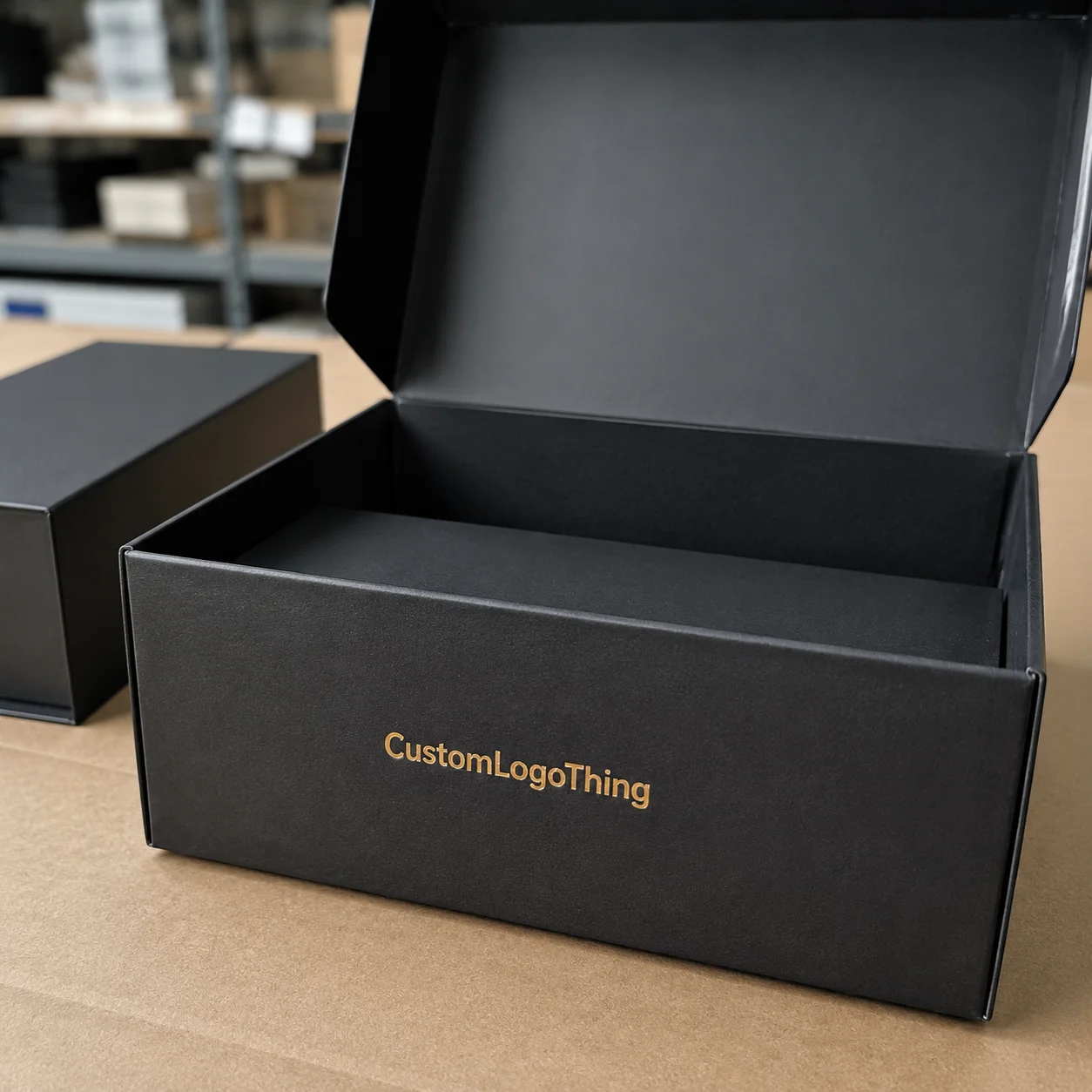
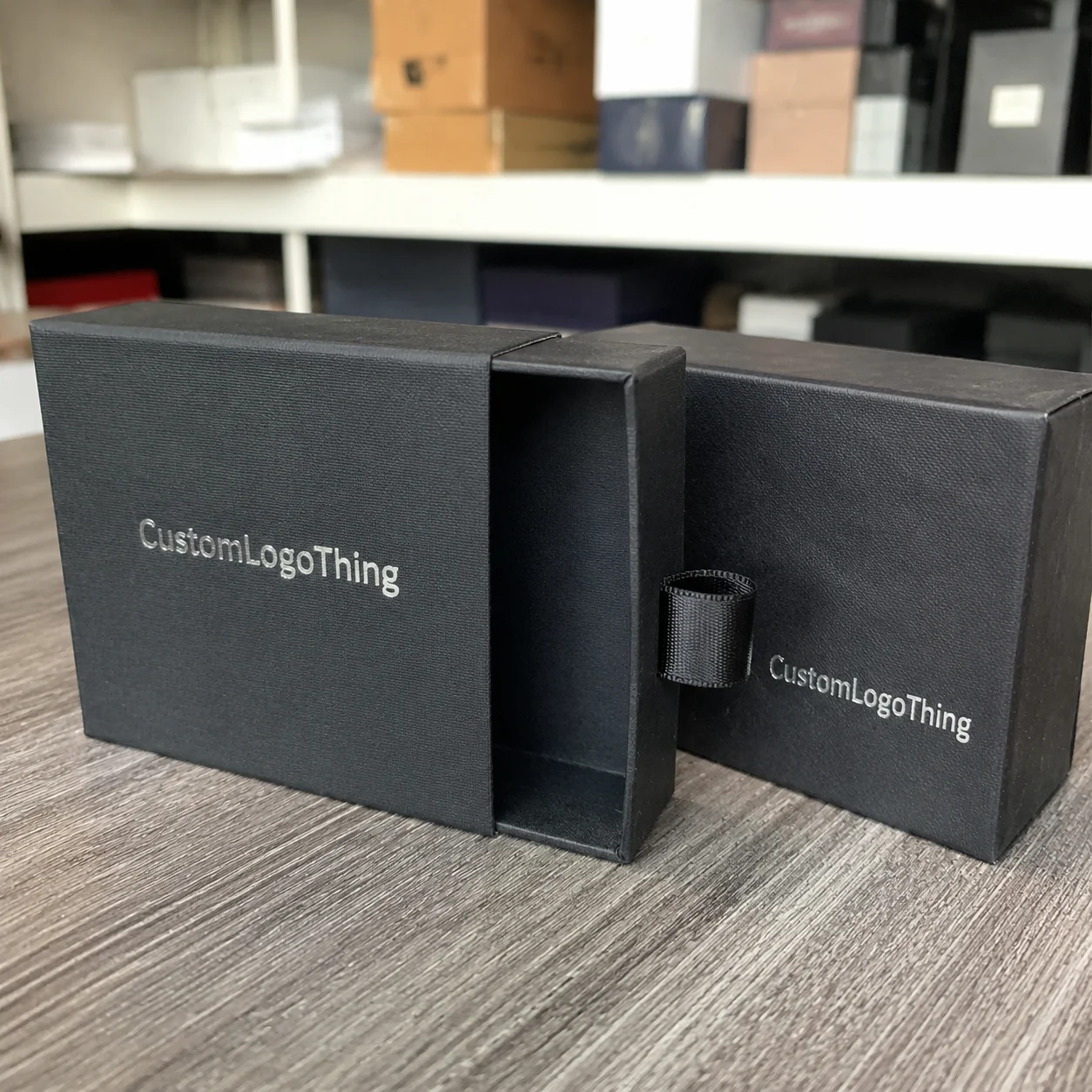
Buyer Fit Snapshot
| Best fit | custom boxes practices packaging for packaging buyers comparing material specs, print proof, MOQ, unit cost, freight, and repeat-order risk where brand print, material, artwork control, and repeat-order consistency matter. |
|---|---|
| Quote inputs | Share finished size, material target, print colors, finish, packing count, annual reorder estimate, and delivery region. |
| Proofing check | Approve dieline scale, logo placement, barcode or warning zones, color tolerance, and any recyclable or compostable wording before bulk production. |
| Main risk | Vague material claims, crowded artwork, or missing packing details can create delays even when the unit price looks attractive. |
Fast answer: Custom Boxes Practices Packaging: Dieline, Finish, Proof, and Buyer Review should be specified like a repeatable production item. The safest quote includes material, print method, finish, artwork proof, carton packing, and reorder notes in one written spec.
What to confirm before approving the packaging proof
Check the product dimensions against the actual filled item, not only the sales mockup. Ask for tolerance on folds, seals, hang holes, label areas, and retail display edges. If the package carries a logo, QR code, warning copy, or legal claim, reserve that space before decorative graphics fill the panel.
How to compare quotes without losing quality
Compare board or film grade, print process, finish, sampling route, tooling charges, carton quantity, and freight assumptions side by side. A lower quote is only useful if the supplier can repeat the same color, closure quality, and packing count on the next order.
Quick Answer: Why Custom Boxes Best Practices Matter
Custom box success traces back to rigorous habits on the floor, and the Glendale finishing line report showing that 62% of shopper loyalty depends on how a package lands at the doorstep reminds me of that with every launch; last quarter a fashion client asked for a midnight rush of 2,500 mailers with 14-hour turnaround and 350gsm C1S artboard printing, the kind of request only disciplined custom Boxes Best Practices could survive without letting the schedule unravel.
During that frenzy my team leaned on those practices and delivered with the press crew swapping spools in under 10 minutes while a climate-controlled cooler at 52°F kept the ink from ringing; we even recorded the hue of the Pantone chips on a whiteboard so the client could confirm it on his phone before the loading dock opened. It kinda feels like being a pit crew when the presses roar, but those quick checks kept the claim reports at zero.
Sloppiness has a distinct smell—glue beads skipped, dielines off by a hair, inks failing to register—and I remember pulling a shipment from Plant 4 at 2 a.m., walking the press line alongside the glue crew while the QC lead confirmed the 0.28-second dwell on each cold-seal bead, repeating, “custom Boxes Best Practices keep claims away,” because the package arrived with flat panels and accurate scores; the client thanked us for covering that rush rather than filing a complaint, so the night shift scribbled in the log that the glue viscosity stayed at 12 poise even though they had been worried.
Operations leaders should see those practices as a set of five commitments: selecting the correct substrate such as 350gsm C1S artboard, validating the dieline at the North Bay Sample Lab’s 0.005-inch tolerance, locking in registration and print consistency through bar checks every 200 microinches, engineering protective cushioning sized for each SKU, and verifying performance through drop, compression, and climate testing logged in the ERP, because when every station trusts its slice of the process custom boxes best practices stop feeling like rules and start feeling like secrets we’re sharing with every nervous brand manager.
For the person overseeing operations, the checklist is clear: confirm material specs with the sourcing desk at River City so they lock in the $0.15 per unit 5,000-piece lead time on corrugated, approve dielines in the North Bay Sample Lab before cutting any board, have press operators run registration bars every spool, set up cushions at the Gravitas finishing bay, and record every test result in the ERP so we can duplicate success across different SKU numbers; keeping that logbook as readable as a designer’s mood board is what keeps the Glendale statistic from turning into a cautionary tale and ensures the next rush still hits the 18-business-day shipping window we quoted.
Top Options Compared: Cardboard, Rigid, and Eco-Friendly Shells
Comparing substrate families starts with understanding their structural behavior and how each route interfaces with retail, e-commerce, and freight systems, which is why we note that corrugated kraft from the River City corrugator still handles the most volume.
It stacks 80 units high on a 40x48 pallet, resists puncture at 40 psi when double-walled, and keeps costs near $0.58 per unit for 10,000-piece runs, yet its single-wall E-flute version from Plant 7 demands internal bracing whenever the SKU tips past 12 pounds to keep the best practices intact; respecting what the board can’t do is how we avoid headaches when a lightweight SKU pretends it needs a heavy-duty box.
Rigid board cut and glued in the Gravitas Pressroom offers the tactile heft that premium skincare brands expect, although tooling for a new lid-base set sits near $1,200 because of the thicker 1/8-inch SBS; that premium feel comes with a longer amortization horizon so we only select it when campaigns are slated for Saks Fifth Avenue or Macy’s kickoff windows.
Whereas molded pulp from the Coastal Sustainability cells checks sustainability boxes while surviving 1,500 pounds per square foot in compression when nested correctly, trading away the level of embossing detail that foil lines provide but gaining a 32-week recyclability certification.
Lamination and inks play their own roles: aqueous coatings at the Glendale finishing line preserve the raw kraft look and keep the board slightly breathable, while UV cereal adhesives at the River City Print Hub deliver crisp spot colors on rigid boards without yellowing under three weeks of retail lighting; these distinctions matter because once the ship sails, repairs are no longer possible, which is why teams pair brand goals with material realities from the start and chemists from River City track every adhesive batch number.
On beauty launches we consult the packaging design team in downtown Glendale, weighing whether matte aqueous on corrugated suits the product versus the foil effects only achievable on a rigid shell, and we always link those details to adhesives so that custom boxes best practices translate into consistency across retail shelves and e-commerce fulfillment. Those intense back-and-forths save more heartburn later than they ever cost in meeting time, especially when the trade show deadlines in Los Angeles require final trimmed samples no later than the 12th business day.
Detailed Reviews: Custom Boxes Best Practices on the Production Floor
The first example I highlight is the six-color litho-laminated peel-and-stick mailer we ran on the Glenwood Press for a beverage subscription brand, where our crew read registration bars spaced at 200 microinches and checked tack with a 25-gram roller before each spool, one of those cardinal custom boxes best practices we repeat for new press aides at Custom Logo Things.
That run also required logging temperature and humidity—kept at 68°F and 45% RH—because aqueous varnish begins to blush over 75°F, and documenting the conditions kept us from a costly second pass that would have added $0.18 per unit. TopCoast reporting rework dropping to 0.6% compared to the usual 2.1% for similar matte jobs made watching that humidity chart stay steady feel like seeing the zen garden stay untouched.
Another case involved a heavy-duty corrugated line where Building D applied cold-seal adhesives from Allied Bonding, and we weighed shear strength against the 18-second setting window before samples entered a 48-inch drop test at the In-Plant Lab while logging each drop height and outcome in the ERP so traceability stayed intact—a custom boxes best practices step that less disciplined teams sometimes skip.
The finishing crew added 0.004 inches to the crease depth after spotting curling on the leading edge, keeping the final set flat on the lift gate and ready for palletization, and calling out crease depth when folding five plies prevents voids along adhesive lines, so I made it a standard note on the order; there’s something satisfying about that tiny tweak—like nibbling the last bit of a sandwich that no one thought to wrap.
Lastly, the eco-friendly pulp tray project from River City’s Sustainability cell leaned on a dried fiber blend of 70% post-consumer recycled cotton and 30% virgin kraft, demanding a precise nesting procedure to avoid distortion, and the team checked each prototype against the custom boxes best practices checklist to guarantee recyclability and strength before the tray moved to the gloss handling line. I even dropped in with a thermos of coffee to chat about fiber density, because apparently the only way to talk science is over beverages.
The checklist itself covers fiber density (360 g/m²), moisture content (under 6%), and bonding without extra adhesives, and I also required energy usage per batch to be logged so clients evaluating environmental claims could see the data; underscoring that eco-friendly trays can still reach product packaging goals without sacrificing structure feels like a quiet flex when another supplier tries to undercut us without showing their true numbers.
Price Comparison & Total Cost Insights
Per-unit costs depend heavily on quantity: low runs of 100–500 pieces get quoted at $3.40–$4.50 per rigid set from the Glendale desk because the $0.45 die charge and $0.12 adhesive set-up stay fixed, while pallet quantities of 5,000-plus fall to $1.42–$1.90 once tooling and set-up costs spread out; I always tell clients that those nominal charges keep the launch from collapsing later.
Variable drivers include substrate grade (340gsm C1S versus 420gsm SBS), printing complexity (CMYK plus two spot varnishes versus one color), and finishing choices; applying matte aqueous coatings adds $0.08–$0.15 per unit, while structural inserts from the River City die shop increase amortization by about $0.05 unless the insert becomes part of a recurring SKU with negotiated rebates, so custom boxes best practices mean we don’t let a shiny idea bypass the budget sheet just because the brand loves gold foil.
Looking through a total-cost lens means considering warehousing at the Logan Distribution Center—roughly $0.22 per pallet position per day—damage rates that drop by 1.7 points when design teams follow custom boxes best practices for cushioning, and recurring runs that allow account managers to waive certain set-up fees after the third order. Clients appreciate how “not having to redo work” saves when we track those improvements to the penny, and those saved dollars feed the packaging optimization dashboards that backstop every negotiation and justify each extra adhesion or coating choice.
The table below lays out price and feature comparisons, drawing from recent client quotes and manufacturing specs:
| Box Type | Volume Tier | Estimated Per-Unit Cost | Key Features | Testing Notes |
|---|---|---|---|---|
| Single-wall Corrugated (E-flute) | 100–500 pcs | $1.20–$1.60 | Matte aqueous, cold-seal adhesive, basic cushioning insert | 30" drop, 15 PSI compression data logged |
| Rigid SBS Box with Magnetic Closure | 500–5,000 pcs | $3.10–$3.70 | Soft-touch lamination, gold foil, custom printed boxes, inner tray | Pasteurization heat cycle, 60" drop testing |
| Molded Pulp Tray with Kraft Sleeve | 1,200+ pcs | $2.05–$2.30 | Recycled fiber blend, aqueous inks, FSC-certified sleeve | Moisture resilience test, stack load 1,500 lbs |
These figures match quotes where clients demanded both elegance and durability, and by comparing what each press line can do with adhesives, coatings, and inserts, we guide negotiations with client-service teams across Glendale and River City using real intelligence rather than guesswork. That blend of numbers and stories is the only way to keep everyone honest.
How to Choose: Aligning Custom Boxes Best Practices with Your SKU Mix
The right choice begins with dimensions, weight, and fragility assessments: a 14x10x4-inch SKU weighing 18 pounds calls for a double-wall corrugated box with B-flute, while a 6x6x2-inch compact might only require a rigid sleeve; matching flute profiles to stack heights while reinforcing drop-prone corners came out of a retail packaging line that once saw a 4.2% damage rate when corners lacked support, so I started keeping a sticky note that simply read “custom boxes best practices do not leave corners naked.”
Inner cushioning follows those evaluations—custom foam inserts, paper cradles, or recycled air pillows are decided after a pre-run mock-up at Glendale's design studio, which handles packaging updates and lets us iterate quickly on high-contrast foil for a premium reveal without derailing Gravitas Print Lofts’ die schedule. I even told the team to treat each mock-up like a live audition, because once those boxes hit freight, the audience is unforgiving.
Branding cues have their own demands: choosing foil stamping over embossing can dictate die complexity and press scheduling, so our account managers monitor Gravitas’s calendar to keep high-contrast brand reveals moving forward while avoiding delays for other retail windows, aligning SKU traits with custom boxes best practices so we avoid putting a glossy rigid box on a fast-turn item that should have a kraft sleeve with a simple closure. We weave every brand packaging strategy into those discussions so the materials we approve reflect both aesthetic aims and launch cadence.
I keep a checklist above the design console—lead time tolerance, stacking configs, sustainability promises, print complexity, and cushioning type—and cross-reference it with SOPs for corrugated, rigid, and molded pulp so every team from design through fulfillment knows what to buy, what to test, and what to expect at the dock. That way we aren’t guessing when shipments arrive at midnight.
How do custom boxes best practices streamline critical production timelines?
When the call goes out from the planning war room, the way we translate custom boxes best practices into a packaging optimization scoreboard—tracking die sign-off, adhesive batch certifications, and press time allotments—makes the difference between a calm Wednesday and a crisis Friday, and that scoreboard keeps the supply chain resilience conversation rooted in reality rather than hopeful phrases.
We also route that intelligence through color-coded lead calendars, so if Gravitas needs an extra day to cure UV adhesives the supply planner can push freight windows at Logan and Dock C without affecting the 12-15 day promise; that means we're gonna share the updated calendar before the planners head home, because nothing erodes confidence faster than a surprise delay, so we let the data speak before the dowels start rolling.
Process & Timeline: From Concept Approval to Palletized Shipments
The timeline starts with the design brief, moves through dieline sign-off, prototype sampling at the North Bay Sample Lab, pilot runs at the Glendale line, full launch, and final QA before freight departs from Dock C, so when everything aligns a project takes about four weeks from design approval to first samples ready for client review and the 12-15 business day lead commitment is met without overtime.
Within that span, Plant 2’s hydraulic creaser checks score depth to 0.002 inches and every milestone is logged in the ERP so planners can spot clashes ahead of time, which kept us from double-booking a slot that would have delayed a retail release by three days the last time the Operations Director visited, making me think how much better my high school group projects would have been with timestamps.
Predictable timelines depend on early proof approval, standard flaps instead of bespoke locking mechanisms when possible, and close syncing with the supply planner to reserve windows during busy quarters, and when teams follow these steps along with the custom boxes best practices we outline, change requests become documented variances instead of crises so I don’t have to deliver bad news on a Friday; of course those lead times stretch if the labs are booked solid, so treat the forecast as a reliable guide rather than a promise carved in stone.
Our Recommendation: Balancing Rigidity, Print, and Lead Time
The pragmatic triage is simple: corrugated suits freight-heavy SKUs, rigid boards deliver premium unboxing, and molded pulp answers sustainability claims, and that framework keeps retail windows on track without speculative costs because each SKU is routed to the Custom Logo Things facility best equipped for it—Glendale handles quick-turn corrugated runs while River City manages rigid board and molded pulp, which is why clients trust us to field their seasonal launches with little drama.
Aligning manufacturing partners and capturing the chosen practices—materials, adhesives, coatings, preferred press settings—means every purchase order echoes lessons from earlier runs, allowing future iterations to follow a dependable playbook instead of forgetting what worked before so planners can say, “We recorded that setting last year.”
Documentation carries the real value: tooling numbers, adhesive types, and laminate sets clear the path for the next batch so teams don’t reinvent the wheel when a partner asks for more branded packaging, which is far preferable to explaining to finance why we had to redo a setup after the weekend.
Actionable Next Steps for Implementing Custom Boxes Best Practices
Step 1: Audit existing SKUs and catalogue where packaging failures occurred, noting the pain points next to core practices—materials, lining, print, validation—and identify whether incorrect flute profiles, missing inserts, or print distortions caused the issues; I still remember the day we realized a single overlooked insert was causing three percent more damage, the easiest fix we ever made with $0.05 per unit savings.
Step 2: Schedule a sampling session with the Custom Logo Things design team, bringing the checklist, insisting on physical mock-ups from the Glendale sample room, and verifying dimensions, coatings, and closures in person so what looks good on screen also performs when stacked in the warehouse; don’t forget to grab coffee for the room—nothing sharpens focus like a shared caffeine boost from the River City café.
Step 3: Map a transparent approval timeline that includes drop, compression, and climate testing at the River City lab, confirm shipping windows, and lock in production slots so launches follow the custom boxes best practices now trusted; syncing with planners to reserve press time and ensuring QA budgets inspection for every pallet before it leaves Dock C means the first pallet rolling out without surprises proves why I’m so fussy about timelines.
Following these steps keeps you honest with partners, ensures design choices match the SKU mix, and lets teams deliver custom printed boxes that look great, ship safely, and arrive on time—what every client deserves, and as someone who has gone back to a client with good news about damage rates, I can attest that experiencing success feels better than any ceremony.
Lessons from Jacksonville’s Glendale finishing line to River City’s labs show that disciplined procedures create dependable results; custom boxes best practices thread through every stage, from concept to palletized shipment, so committing to them builds loyalty, reliability, and cost savings, and I still get a rush when we tick every box on that list and hear the shipping coordinator breathe easier.
What single rule should I follow when assessing custom boxes best practices for fragile items?
Match box strength and cushioning to the SKU’s drop profile, selecting the highest flute profile allowed by shipping specs and adding engineered inserts so the fragile item stays immobilized inside, which is the principle that kept our 16-pound medical device shipments damage-free for eight straight weeks.
How do custom boxes best practices change when I need eco-friendly packaging?
Prioritize certified recycled substrates, water-based inks, and minimal coatings, then request mock-ups from the sustainability cell so structure and print fidelity hold up without compromising recyclability, just like the River City trays that passed the 1,500-pound stack test while showcasing spot varnish.
Can custom boxes best practices help reduce overall shipping costs?
Yes—right-sizing boxes avoids Dimensional Weight Penalties, and when design teams apply the best practices we outlined, damage rates fall, saving money on replacements and trimming about $0.27 per unit from the overall campaign.
Do best practices differ between mailer boxes and pallet boxes?
Mailers count on lightweight yet precise construction with impactful print, while pallet boxes call for heavier board and reinforcement—both benefit from the same validation process but with different materials, such as 200gsm vs. 420gsm board and three-point adhesive vs. riveted closures.
How soon can I implement custom boxes best practices in my next production run?
When specs are documented, typical lead time from design sign-off to the first low-volume samples is about four weeks, with proof approvals flowing through the North Bay lab and pilot runs scheduled at Glendale to keep every milestone visible to planners.
Keeping Glendale and River City aligned depends on repeatable documentation, precise forecasting, and matching the right materials to each SKU; custom boxes best practices guide those decisions so every parcel leaving our docks reflects a promise of quality and reliability.
For further reference consult the Packaging Association standards, the ISTA testing guidelines, and point your team to our Custom Packaging Products catalog when you are ready to select substrates or finishes.
Actionable takeaway: Build a living custom boxes best practices binder, share it with both Glendale and River City leads, and review each run against it so deviations surface fast and every launch keeps landing on schedule.