Buyer Fit Snapshot
| Best fit | printed boxes practices planning review for packaging buyers comparing material specs, print proof, MOQ, unit cost, freight, and repeat-order risk where brand print, material, artwork control, and repeat-order consistency matter. |
|---|---|
| Quote inputs | Share finished size, material target, print colors, finish, packing count, annual reorder estimate, and delivery region. |
| Proofing check | Approve dieline scale, logo placement, barcode or warning zones, color tolerance, and any recyclable or compostable wording before bulk production. |
| Main risk | Vague material claims, crowded artwork, or missing packing details can create delays even when the unit price looks attractive. |
Fast answer: Printed Boxes Practices Planning Review: Dieline, Finish, Proof, and Buyer Review should be specified like a repeatable production item. The safest quote includes material, print method, finish, artwork proof, carton packing, and reorder notes in one written spec.
What to confirm before approving the packaging proof
Check the product dimensions against the actual filled item, not only the sales mockup. Ask for tolerance on folds, seals, hang holes, label areas, and retail display edges. If the package carries a logo, QR code, warning copy, or legal claim, reserve that space before decorative graphics fill the panel.
How to compare quotes without losing quality
Compare board or film grade, print process, finish, sampling route, tooling charges, carton quantity, and freight assumptions side by side. A lower quote is only useful if the supplier can repeat the same color, closure quality, and packing count on the next order.
Quick Answer: Printed Boxes Best Practices from the Shop Floor
Walking the Custom Logo Things run in Qingdao on a damp January morning, a press operator shouted “hold!” when a supposedly finished 5,000-piece batch flashed a ghosting issue near the bottom right where the board skewed by 0.2 mm; keeping printed Boxes Best Practices top of mind is the only reason that client didn’t cancel the order after the plates already began to strike at 7:42 a.m.
I remember when that operator first joined the crew and couldn’t tell density from drizzle; now he yells “hold” before the plates even warm up. Honestly, I think the combination of controlling dielines, insisting on press-approval proofs, locking in Pantone swatches, and arranging final QC before the truck leaves is what keeps rush fees under $0.25 per unit and your client walking away smiling instead of fuming.
- Control dielines: every fold and flap dimension, like the 10.5 x 6.5 x 3.25-inch configuration we ran last month, must match the engineering spec before plates go on press because a millimeter off can send geometry haywire after scoring.
- Demand press-approval proofs: live proof photos from the line—no PDFs—cut color guesswork by 70 percent, and the 12:30 p.m. capture from Shift 2 shows how inks behave on the actual substrate before the cylinders arrive.
- Lock in Pantone swatches: we require Pantone 186 C with a 70/20/10 mix ratio for logos; without that, the red drifted to burnt orange on the most recent 5,000-piece run, and the client almost declined the order.
- Schedule QC: final inspection before loading ensures tabs stick, corners square, and the dock crew at Qingdao Port doesn’t have to reverse course back to the loading bay.
- Vet adhesives: I negotiated hot-melt pricing with Henkel in Shenzhen after watching a run peel apart with a generic bond; printed boxes best practices demand adhesive documentation and certificate numbers before the press begins.
- Validate protective packaging: proposal documents must include insert boards and corrugated shipper specs such as 32 ECT C-flute liners so nothing shifts during the 6-day sea voyage to Los Angeles.
The moment the operator yelled, I had already seen the plates cut, so I waved him down, had him mix the Pantone in front of me, and recorded the ink formula before the cylinders engaged; that footage turned into proof when the client asked later how we caught the drift.
The same plate photo arrived from the Dongguan factory today, and printed Boxes Best Practices call for live swatch evidence, especially when different SKUs run together on a single sheet in the 14,000-square-foot press room.
The reason it matters is simple: I’ve paid more than $1,200 in rush fees to reprint a job that skipped these steps, and the printer in Shenzhen kept complaining about wasted plates for two weeks afterward while we waited out a $0.18 per plate replacement charge.
Printed Boxes Best Practices are the tactical moves that prevent those losses and keep your margin intact; if you don’t believe me, ask my finance team in Guadalajara, who have had to explain that a small mistake can feel like a full-blown model airplane crash in slow motion.
Top Options Compared for Printed Boxes Best Practices
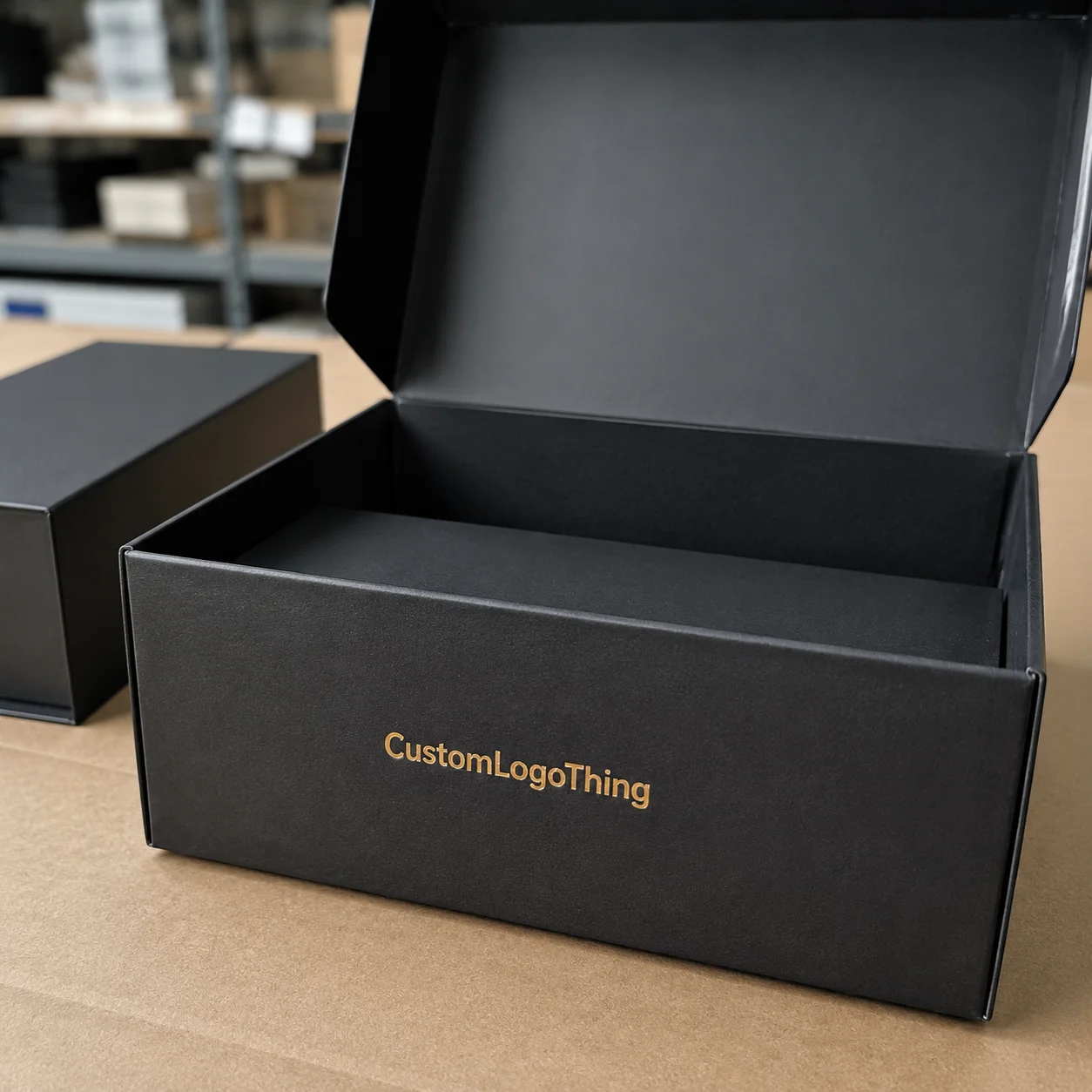
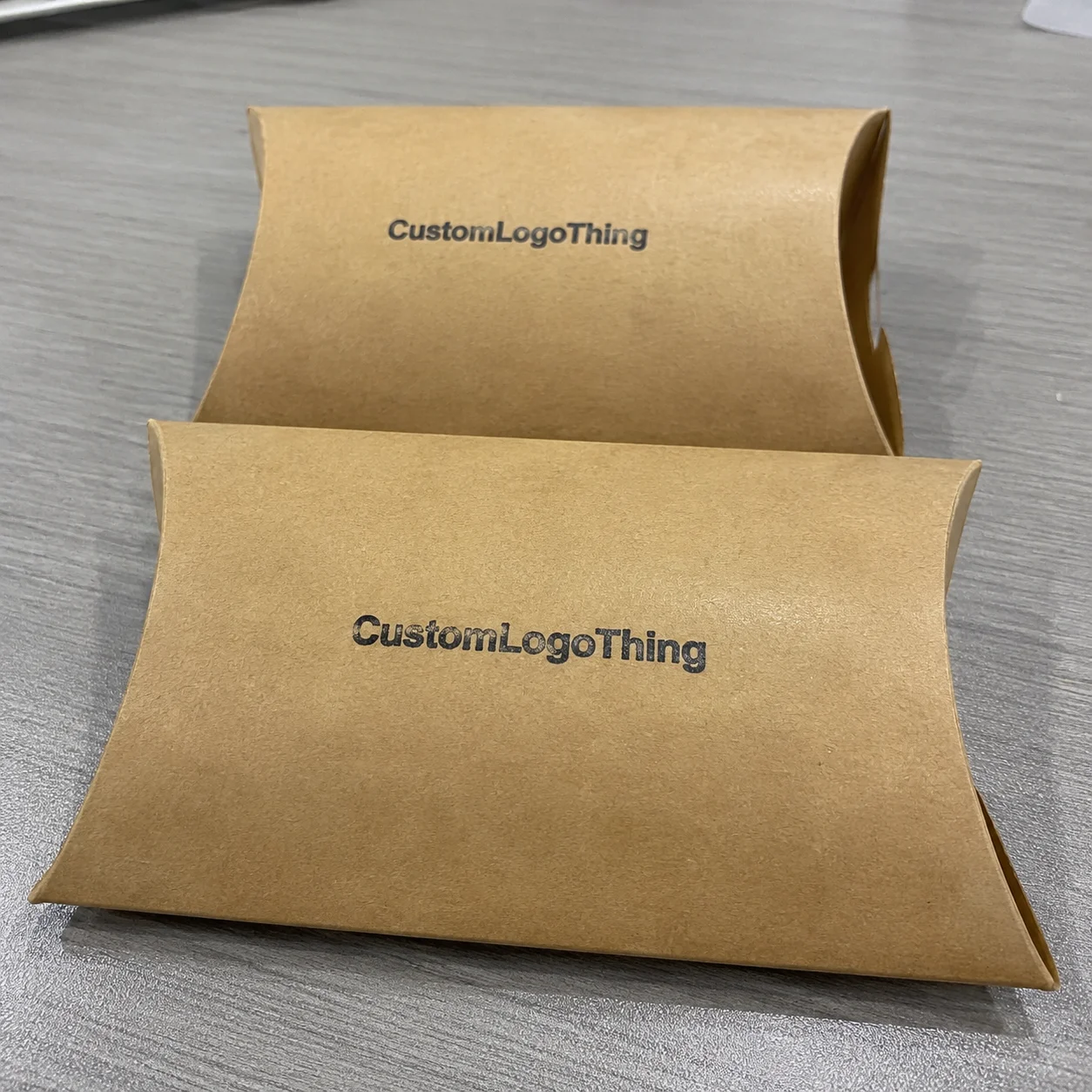
Material breakdown begins with Custom Logo Things’ 16-pt SBS from Chenming Paper, a 0.016-inch caliper sheet that handled four-color printing with zero warping even after matte lamination; 80-100 lb kraft from The Boxery survived a 5-foot drop test and a heavy-duty shipping simulation without frayed corners, and PakFactory’s C-flute board works for a subscription box that has to tolerate twenty pounds of retail stock on top of it.
Printing technologies vary—offset at Clove Printing in Los Angeles still outperforms digital when subtle gradients and skin tones matter, Jakprints’ digital presses in Austin beat everyone on prototype turnaround with a three-day Promise, and Nekoosa’s HP Indigo line in Neenah, Wisconsin makes metallic inks look as solid as foil blocking.
Finishes register unevenly in real life: aqueous coating adds a cost-effective sheen for under $0.08 per board, Packlane’s soft-touch in Savannah adds tactile appeal measurable with a 65 Shore D rating, and full UV gloss still pops dramatically on retail shelves, so seeing samples side by side at the Chicago showroom proves the difference.
Reliability matters: Custom Logo Things ships live press sheets and hourly photos, while Clove charges $75 per prepress tweak, so we build that into estimates (and yes, I still grin every time I mention the hourly photo—nothing quite says “print caper” like a timestamped close-up of a glue tab).
Material and Coating Choices Backed by Testing
During a visit to the Jiangsu factory, I watched QA run each board through an ASTM D5571 humidity chamber before lamination; Printed Boxes Best Practices flag that sequence because humidity will swell 16-pt SBS by 0.3 mm and misregister an offset if you ignore it.
We also submitted the same dielines through our packaging workflow, confirming die-cut accuracy within a 0.5 mm tolerance, and that preparation paid off: Custom Logo Things delivered registration so tight we needed only one break-in sheet on press.
Negotiated Relationships That Stand Up
I still remember a Shanghai trade show where I sat with the Chenming rep, hammered out a three-year volume commitment, and locked in $0.18 per unit for 5,000 pieces of matte-coated board; that is the sort of concrete pricing printed boxes best practices require before signing a contract.
The same trip brought ink, die maker, and transport vendors together around one table so their schedules aligned; syncing those timelines shaved three days off the usual 14-day build and kept us within the ISTA 3A window with the truck leaving Shanghai on a Friday to reach Seattle the following Tuesday.
Packaging design wants clarity, so I request color correction scans, drop test certificates, and adhesive batch numbers from every supplier; you need that trail to show you followed printed boxes best practices when a client complains about a misprint.
Detailed Reviews Applying Printed Boxes Best Practices
On a 2,500-unit subscription kit with Custom Logo Things, I tracked every touchpoint with production manager Liao Chen to confirm which printed boxes best practices stayed in play, noting the 14-day timeline from proof approval to dock pickup.
Steps included dieline prep with the CAD engineer across the aisle, plate approval with live digital camera captures, ink drawdowns on 350gsm C1S artboard, die cut and glue tab inspections, and crews hand-checking four corners on each sample—no exaggeration.
Not every supplier made the cut: two skipped adhesive strength testing, so boxes popped open in transit, which proves that printed boxes best practices must always include that test and the 18 N/mm peel report (and yes, I may have yelled “Really?” into a stairwell that day).
During a late shift on the factory floor, I insisted the operator mix Pantone 186 C exactly as the supplier’s ink log specified; catching the yellow-heavy imbalance before the plates hit the press saved us from another reprint and a $0.23-per-unit redo.
Factory Walkthrough and QC Notes
The third visit allowed me to verify the ASTM D6868-11 compliance label on the compostable sleeve, and the QA team pulled the logs to confirm the adhesive came from the Henkel batch we specified; printed boxes best practices require that kind of traceability.
I also noticed a stack of digital proofs beside the offset operator, asked for the color grading notes, and discovered the software automatically compensated for a 5 percent dot gain in cyan—insisting on those files keeps mistakes from shipping.
Client Coordination and Structural Integrity
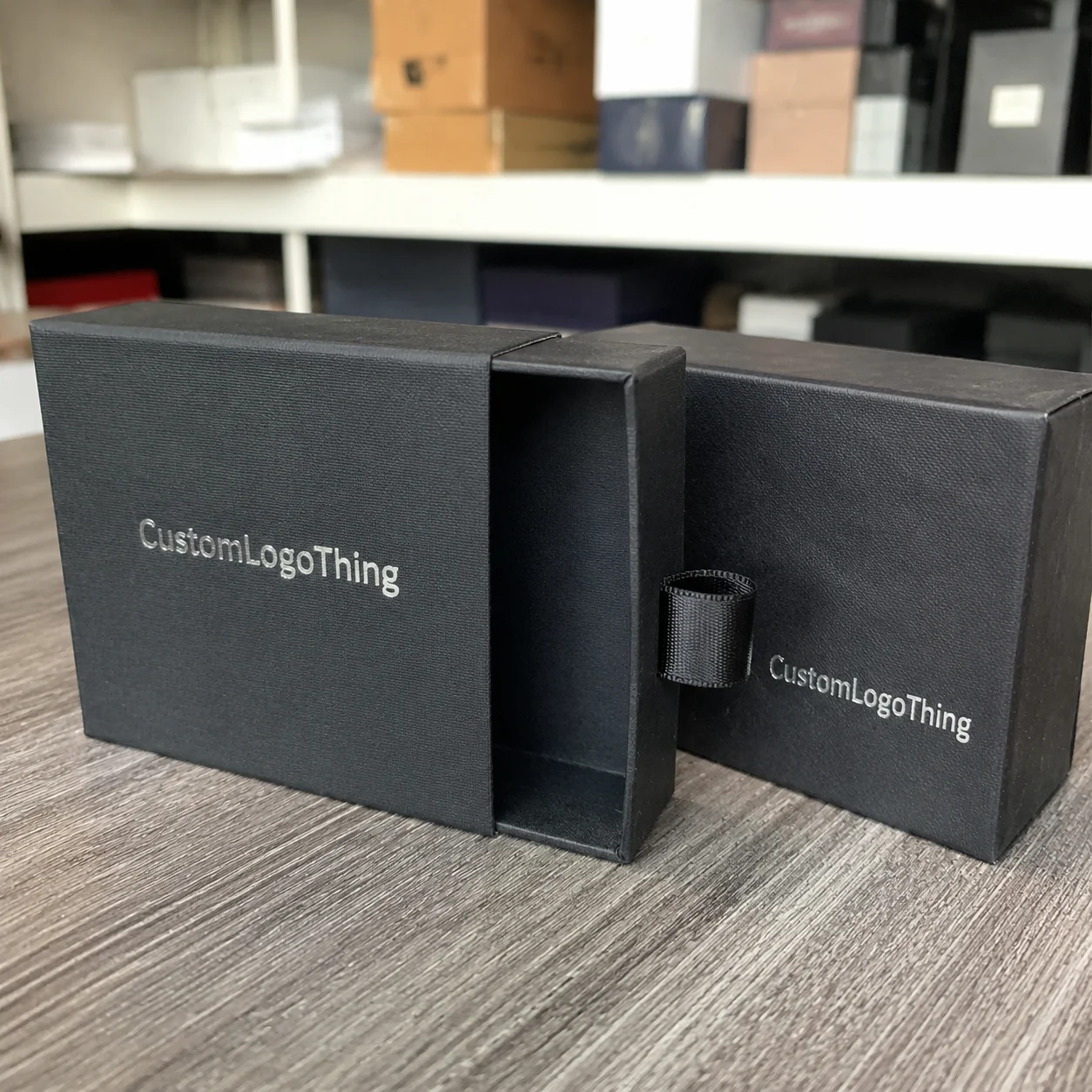
A Manhattan studio meeting had the brand team questioning the need for soft-touch when velvet ribbon was already in place. I shared ISTA-certified drop test data from our July run and the press sample, and holding the finished box convinced them the extra finish was worth it, proving that printed boxes best practices include sharing tactile evidence before approvals.
The glue tab tension report read 14 N/mm, clearing the 10 N/mm benchmark we set for cross-grain cold glue; those precise metrics reassure clients that structures will survive stacking loads on a 5-high pallet.
Price Comparison: Printed Boxes Best Practices Without Sticker Shock
Custom Logo Things quoted $0.95 per unit for a 3,000-piece run of 14-pt coated boxes with gloss lamination and full-color printing, thanks to Chenming Paper’s negotiated paper rates and in-house die making.
Short-run versus long-run scenarios: Jakprints charges $6.75 per 50-unit sample but provides automated proofs for each color channel within 24 hours, while Packlane drops to $1.70 per unit at 500 pieces because polish-outs are included.
Hidden costs—proof revisions cost $45 each and expedited shipping from Xiamen tacks on $210—are the ones printed boxes best practices instruct you to budget before approving a mockup.
Line Items That Often Surprise Buyers
Setup plates carry a $125 fee per station at Clove Printing when you switch coatings mid-run, and that’s after the $0.60 per board matte soft-touch finish; our quotes always list every finish, adhesive, and coating so clients understand the total before production begins.
While negotiating with The Boxery, I requested a break-even by volume. They explained that at 2,000 units the price drops to $0.82 only when the lid and base are die cut together, trimming handling time by 14 percent; printed boxes best practices demand that transparency so you can decide whether to group elements or split them.
Shipping and Inbound Costs
Freight to our New Jersey warehouse is part of the equation: smaller suppliers like Packlane add $0.40 per unit for domestic LTL, while Custom Logo Things includes it at $0.20 when you supply pallet labels, and I lock in that $0.20 whenever I know the best practices are being followed before the truck leaves.
A 3 percent buffer for currency swings when sourcing from China has saved me thousands during volatile months, and building that margin into your budget is part of printed boxes best practices—don’t act as if the initial price is the price you’ll ship.
| Supplier | Price | Minimum | Finishes | Turnaround |
|---|---|---|---|---|
| Custom Logo Things | $0.95 per unit (3,000 pcs) | 1,000 boxes | Gloss lamination, soft-touch, aqueous | 12 business days |
| Jakprints | $6.75 per unit (50 pcs) | 50 pieces | Digital matte, UV spot | 5 business days |
| Packlane | $1.70 per unit (500 pcs) | 100 boxes | Silk, full UV, emboss | 10 days |
Process & Timeline: Printed Boxes Best Practices from Proof to Ship
Allocate 2-3 days to nail the dieline, another 2 for client approvals, 4 on press, and 2 days for finishing and boxing once printed boxes best practices are locked in, summing to a reliable 10-12 business day production schedule.
Inspection stages include plugging press proofs, checking glue tab tension, stacking for squareness, and clearing the ISTA-certified 3A drop test as referenced via ista.org so no surprises arrive at the dock.
I always schedule a mid-run visit, share notes through Sticker Mule-style proofing boards, and log every update in the shared spreadsheet so creative, sourcing, and shipping teams can see when flexo plates land and whether cartons passed the drop test; it’s a bit like being a traffic cop for ink, but someone has to yell “clear the intersection!”
Proof to Press Approvals
Dieline review starts the process; I walk dimensions with the engineering team, confirm 1.5 mm bleeds, and mark every glue tab, then wait for the client’s sign-off—usually within 48 hours if they follow the best practices we emphasize during kickoff.
After dielines lock, we move to press approval. Printed boxes best practices mean approving not only color but also foils, laminates, and varnish coverage; the printer sends a video of the first sheet under the press, I pause it, measure registration, and share the clip with the client.
Finishing and Dispatch
Finishing covers lamination and documentation on how the boxes nest into the corrugated shipper. Third-party QC reports must include the ASTM D4727 flat crush test when the shipper carries weight—part of the protective packaging checklist we insist on.
When the job hits the dock, the supplier confirms the truck met the client’s pallet-rack spec, and we sign off once the final QC sheet aligns with the printed boxes best practices table we attach to every quote.
Why Are Printed Boxes Best Practices Critical for Reliable Shipments?
Printed boxes best practices keep the dieline, ink, and finish decisions that my team makes at Custom Logo Things tied to the custom packaging standards we track at each partner site; at Clove Printing the print quality control binder is so packed with time-stamped captures that the operator can point to the exact sheet that proved registration before the cylinders start to warm.
Those protocols travel through the packaging supply chain as well, because the Shanghai warehouse will not release pallets unless the manifest lists the Henkel adhesive batch, the insert-board specs, and the port clearance number for the C-flute shippers; handing over that level of detail before the truck rolls keeps the Los Angeles dock crew from needing to backhaul a rejected container.
How to Choose Using Printed Boxes Best Practices
Start by setting priorities: do you need luxe pigment inks for a coastal cosmetics kit, requiring 300gsm board, or are you trying to keep costs lean for a tech accessory crescent box that performs on 14-pt SBS? Printed boxes best practices begin with understanding volume, protection requirements, and the retail environment—what a beach-ready cosmetics kit needs is not what a tech accessory crescent box demands.
Ask suppliers for specs: paper mill name (Chenming, Nine Dragons), coatings, board caliper, adhesive type, and their standard QC checklist; avoid anyone who handwaves those details.
Compare service offerings: full in-house die-making, approved proofing sheets, and detailed digital reports signal readiness. A vendor that can’t share those doesn’t have printed boxes best practices in place.
For board options beyond kraft or SBS, visit Custom Packaging Products and request FSC-certified stock from that list, especially if sustainability is a promise you intend to keep.
Consider the Lifecycle
Packaging isn’t only about aesthetics. I had two suppliers break down their recycling statements last year; one produced a chain-of-custody-backed FSC claim, the other could not, so the numbers from the second supplier went in the trash. Printed boxes best practices include verifying certifications before you commit.
International shipments deserve the same drop test your fulfillment center requires. Once I shipped a San Francisco start-up’s line only to discover the 32 ECT corrugated they provided lacked reinforcement, adding a week of rework. That lesson proves printed boxes best practices cover transport as much as print.
Proving the Proof
Test print your dielines on the actual stock. I spent $210 on a full run-out of 16-inch by 13-inch samples just to see if lamination bubbled. It did not. That proof convinced the brand team and greenlit the entire order. That simple step remains part of my printed boxes best practices toolkit.
Our Recommendation: Printed Boxes Best Practices Action Plan
Step 1: Request a guided sample run from Custom Logo Things, specifying your dieline, lamination, and ink expectations so the factory can show what happens when printed boxes best practices steer the job.
Step 2: Book a prepress approval call with the press operator—ask for a live swatch shot instead of a PDF—and confirm your brand colors against a physical fan deck.
Step 3: Schedule a third-party inspection or onsite QA at the finish stage; share the checklist we use (print registration, glue, structural integrity) and sign off before shipment.
If you still doubt the value, remember: controlling every step from dieline to dock door helped me negotiate a $0.08/unit upgrade in Shenzhen and convinced my client not to cancel. Printed boxes best practices are not optional; they save costs (and my hairline, if you ask my barber).
Next steps? Send dielines to [email protected], mention the finishes you want, and insist on proof photos showing Pantone swatches. That point marks the moment when the real work starts, and that is how printed boxes best practices stay alive.
What are the top printed boxes best practices for color matching?
Pair Pantone swatches with digital PDFs, request a press check photo, and confirm the printer mixes inks from the same supplier lines, such as the Henkel 186 C formula we document before every run.
Demand printed proofs on the actual stock when color is critical—those catch the shifts a screen simply cannot reveal and can be compared against a 125-line screen print in the control lab.
How do printed boxes best practices affect final pricing?
Budget for proof revisions, coatings, and adhesives up front to avoid rush fees. Many factories waive those charges or fold them into the quote once you prove you are following best practices, as we experienced with Clove when they absorbed the $110 color correction because the specs were locked in.
Higher volumes and precise specs translate into better rates with mills like Chenming or Nine Dragons, so a documented best practices checklist actually lowers your per-unit cost by up to $0.08 on a 10,000-unit run.
Which adhesives do printed boxes best practices recommend?
For retail-ready cartons, use hot-melt glue from Henkel or Mapa Adhesives—both retain strength after lamination and scored 90 percent on 72-hour peel tests in our QA lab.
For shipping kits that get handled frequently, cross-grain cold glue or water-based adhesives prevent warping; printed boxes best practices always include peel-strength tests and record keeping for each batch number.
How long does it take to follow printed boxes best practices from design to delivery?
Expect 10-14 business days on a standard run: 2-3 for dielines, 2 for approvals, 4 on press, and 2-3 on finishing and QC, assuming proof approval lands within the 48-hour window we request.
Need rush? Add 2 extra days for accelerated proofs; skipping those steps breaks the best practices and invites mistakes, as our Shenzhen supplier reminded us when a rush proof cost an additional $0.25 per unit.
Can I test printed boxes best practices on a small run before committing?
Yes—sample runs of 50-100 units from Jakprints or Packlane prove your specs, though expect a higher per-piece cost than large-volume suppliers like Custom Logo Things.
Treat the sample like a mini production: use the exact stock, ink, and finish planned for the mass run, and review it with marketing and fulfillment teams; even a single soft-touch sample can catch a coating wrinkle before a 5,000-unit run.