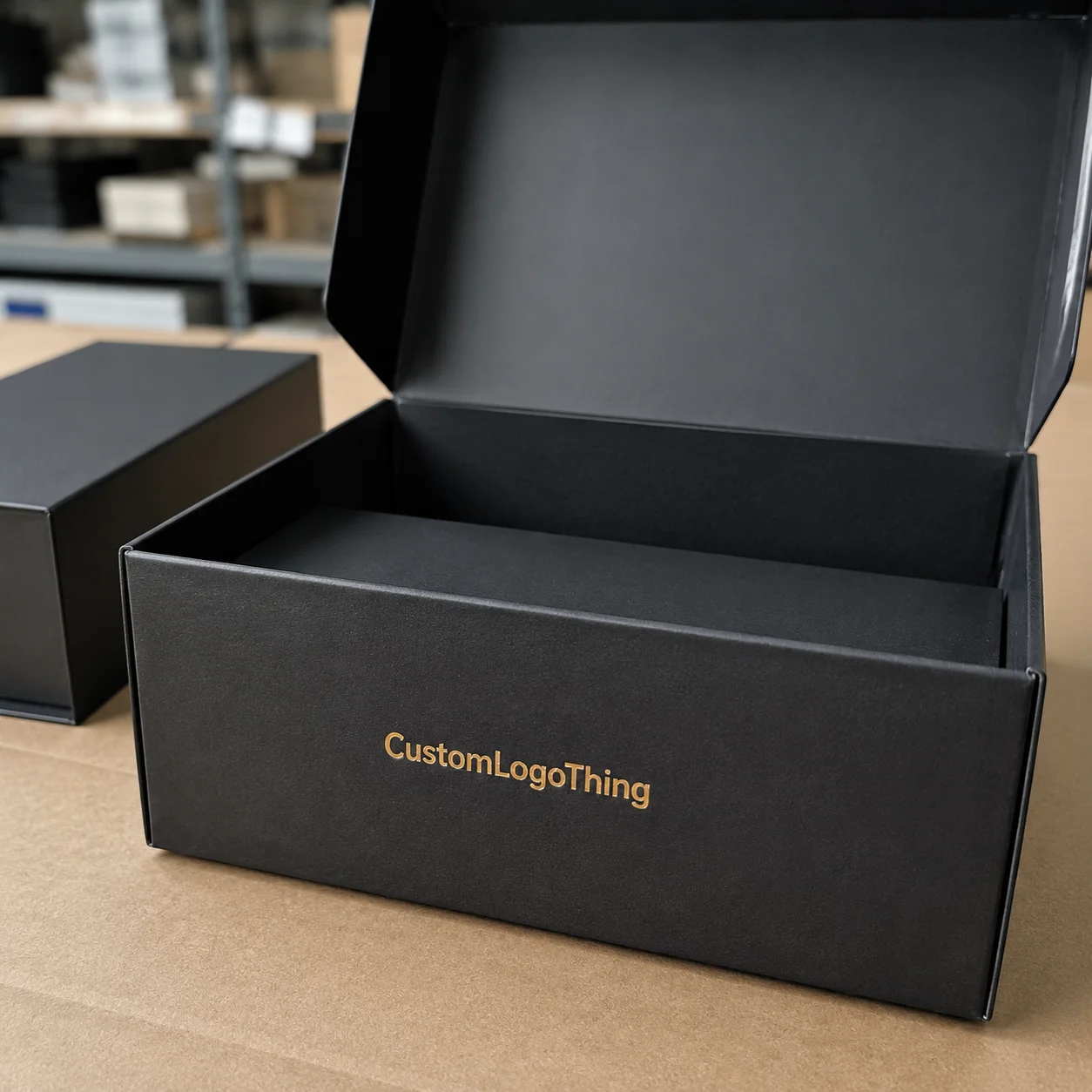
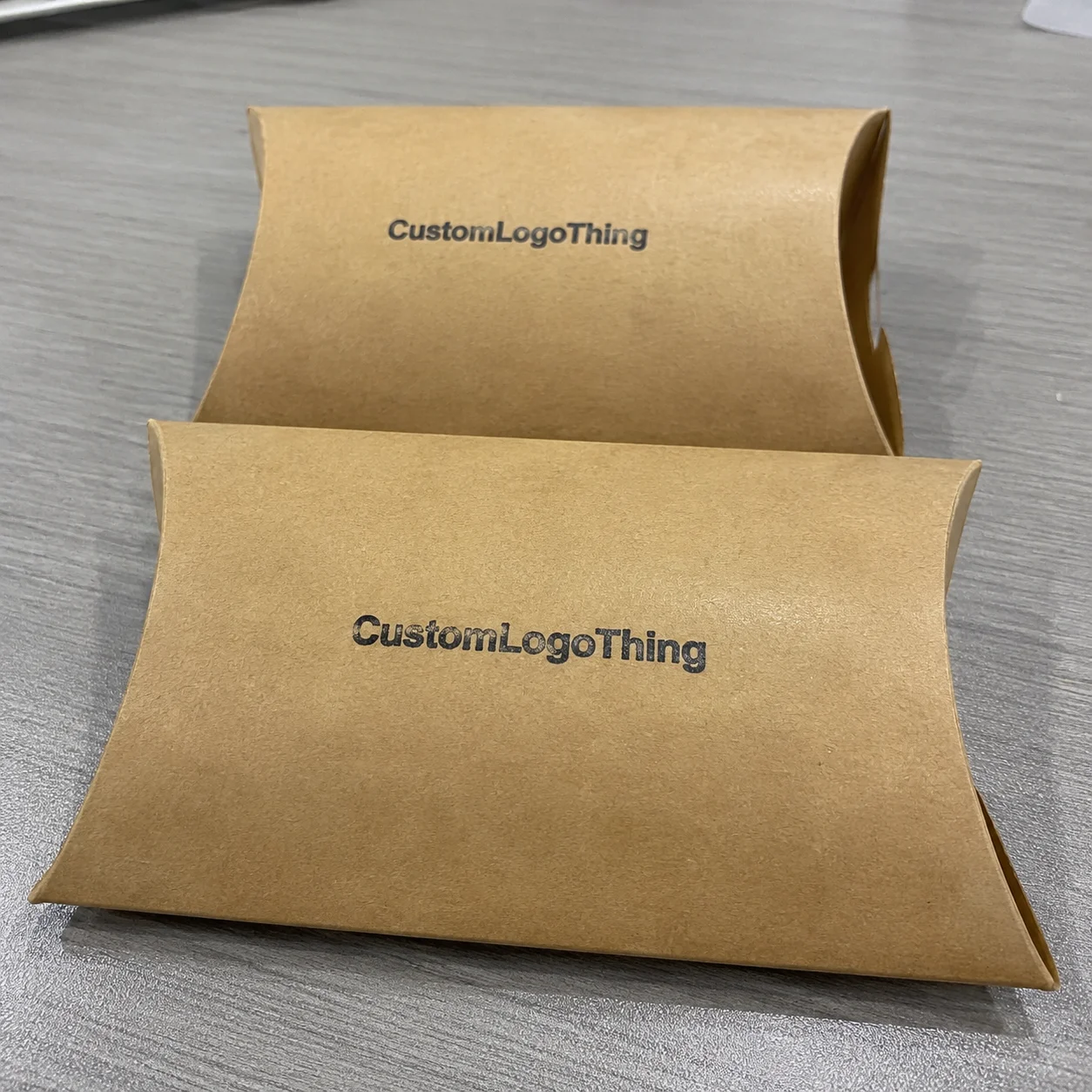
Buying custom boxes in usa looks straightforward until the first sample comes back wrong. The box is a few millimeters too tight, the finish reads dull, the barcode sits too close to a fold, or the board choice works in theory and fails in transit. That is usually how packaging problems show up: not as one dramatic mistake, but as a stack of small ones.
Domestic production matters for more than the ZIP code on the invoice. It usually means faster proofing, easier file corrections, shorter feedback loops, and fewer handoffs between design, prepress, and production. That matters whether you are ordering Custom Printed Boxes for a launch or locking in retail packaging for a recurring run that cannot slip.
Buyers usually start with one of a few core formats: folding cartons for lightweight retail goods, mailer boxes for direct-to-consumer shipping, corrugated shippers for protection, inserts for stabilization, and display packaging for shelf presence. Each one solves a different problem. Mixing them up is an expensive habit.
Custom boxes in USA: what buyers need to know first
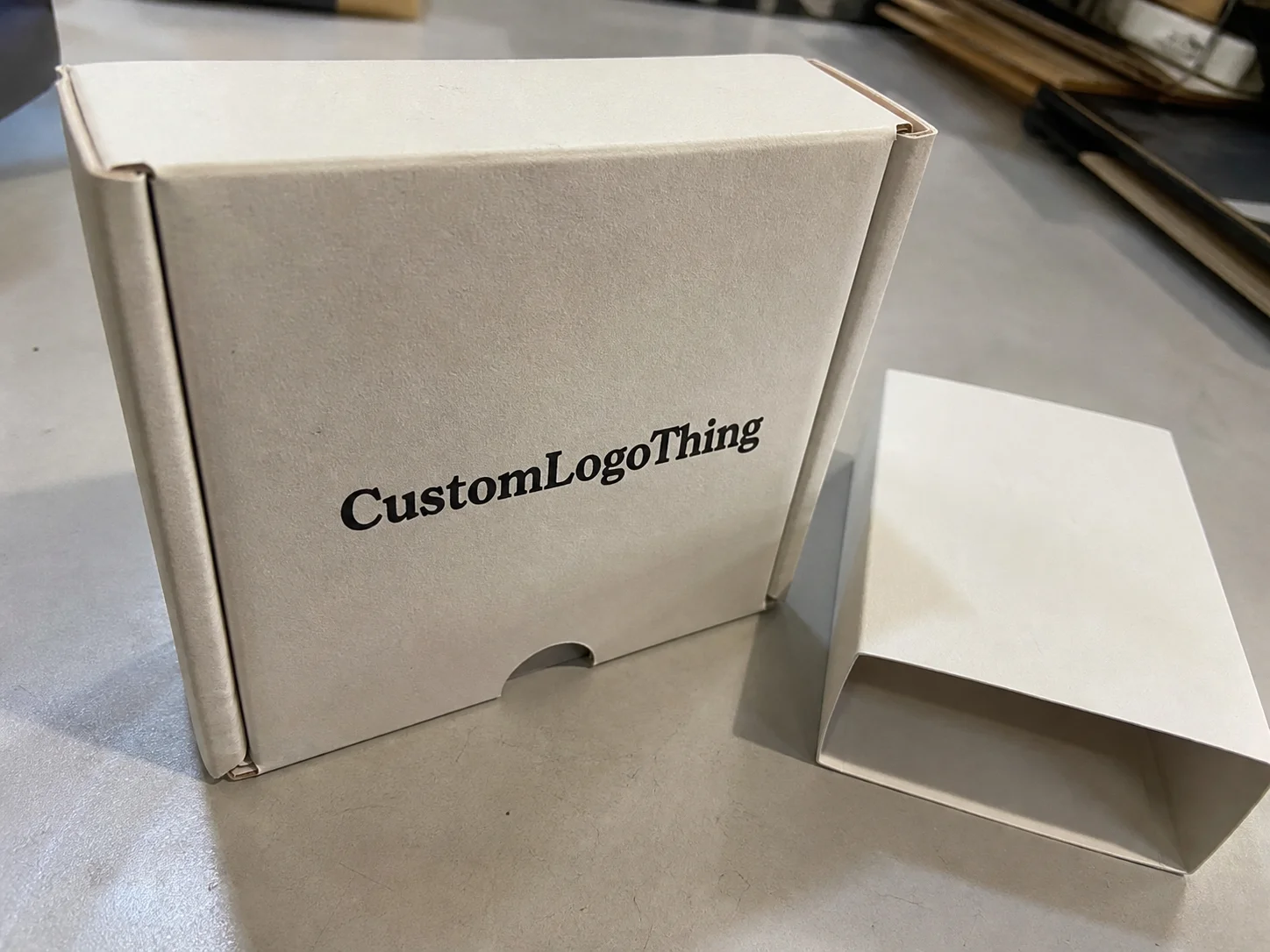
custom boxes in usa can mean a fully custom structure, a stock style with custom print, or a sizing change on an existing carton. Those are three different jobs. They should not get the same quote, the same lead time, or the same expectations.
The real value of U.S.-based production is communication speed. If a dieline needs a tweak, a barcode needs repositioning, or a sample exposes a fit issue, the fix usually moves faster when the supplier, designer, and production team are in the same time zone. That is not glamorous. It is just practical.
Most packaging decisions sit between three pressures: appearance, protection, and cost. Push too hard toward looks and the box may ship badly. Push too hard toward protection and the packaging starts looking like a generic transit carton. Push too hard toward low cost and the result often damages margin somewhere else, usually in freight, returns, or weak shelf performance.
Good packaging specs keep those tradeoffs visible. A proper brief includes the product dimensions, product weight, fill method, print coverage, closure type, and how the box will be used. A carton built for a retail shelf does not automatically work for parcel shipping. A mailer that survives shipping may be too plain for a premium unboxing experience. That difference matters.
For shipping performance, many teams look to ISTA test methods as a reference point for transit stress. For material sourcing and recyclability claims, FSC and recycled-content guidance help keep the discussion specific. The point is not to turn packaging into paperwork. It is to make the decisions measurable instead of vague.
A box is never just a box. If the internal dimensions, board grade, and finish do not match the product, the cost usually shows up later in returns, freight damage, or slow shelf conversion.
That is why Custom Packaging Products make more sense when they are specified around the actual product, shipping path, and display environment. A box that works on a shelf is not automatically right for ecommerce. A corrugated shipper is not automatically the answer for cosmetics, supplements, or other products that need cleaner presentation and tighter brand control.
How the production process and timeline actually work
The process usually starts with a brief: product dimensions, product weight, quantity, artwork status, target delivery date, and the box style you want. If the product is fragile, oddly shaped, or packed with inserts, that needs to be called out early. Late changes in packaging almost always cost more than early ones.
From there, the supplier confirms or builds a dieline. That file is the structural map of the box. It defines folds, flaps, glue areas, bleed zones, and closure behavior. If the dieline is wrong, everything else is built on a bad foundation. If it changes after artwork is already laid out, the design often needs to be rebuilt. That is avoidable work, and it is rarely cheap.
Proofing comes next. A digital proof checks layout, copy, barcode placement, and general alignment. A blank structural sample checks fit, closure, and internal clearance. A production sample is the higher-confidence option when finish, color, or print quality matters enough to justify the extra time. Skipping those steps can save a few days and cost you a run.
Lead time depends on the spec. A simple order using an existing structure and final artwork can move in roughly 10-15 business days after approval. Custom structures, special coatings, foil, embossing, or strict color matching can push that to 15-25 business days or longer. Those are practical ranges, not promises. Paper availability, press load, and finishing capacity all affect the schedule.
Sampling affects the timeline in a very direct way:
- Blank structural samples are best when fit and closure are the main questions.
- Digital proofs help verify copy, color breaks, and barcode placement.
- Production samples are worth the delay when the box has to look and feel right, not just measure right.
There are a few production constraints buyers underestimate. Coated boards can scuff more easily during packing. Heavy ink coverage can slow drying and finishing. Tight registration gets harder on smaller cartons with a lot of detail. None of that is mysterious. It is just the practical side of making boxes at scale.
If the artwork is still changing while the spec is being quoted, expect the timeline to slip. Packaging moves faster when the brief is complete and the approvals are clean. That sounds obvious because it is. The tricky part is getting everyone to act like it before the order is already in motion.
Cost, pricing, and MOQ: what moves the quote
Pricing for custom boxes in usa is driven by size, board grade, print coverage, number of colors, finish, and whether custom tooling is required. Bigger boxes use more material. Heavier board costs more. A full-coverage print run takes more setup and more press time than a simple one-color layout. Specialty finishes, such as soft-touch lamination, foil stamping, or spot UV, add labor and cost fast.
MOQ, or minimum order quantity, exists because setup cost has to be spread across a run. Smaller orders can absolutely be done, but the unit price climbs because prepress, tooling, and machine setup are divided across fewer boxes. A 500-unit order usually looks expensive next to a 5,000-unit order, even if the box itself is unchanged.
First-time buyers often miss the items that never show up in the headline unit price. Tooling, plates, die cutting, proofing, freight, and rush fees can all change the real total. If one quote includes delivery and another leaves it out, the lower number may be the worse deal. Compare the landed cost, not the marketing version of the price.
| Option | Typical Use | Approx. Unit Range | What Drives the Cost |
|---|---|---|---|
| Short-run digital folding cartons | Launches, samples, limited editions | $0.65-$1.40 | Lower quantity, fast setup, lighter board |
| Offset-printed retail cartons | Ongoing retail packaging runs | $0.18-$0.45 at scale | Higher volume, better economy, more setup |
| Corrugated mailer boxes | E-commerce and direct-to-consumer shipping | $0.55-$1.25 | Board grade, size, print coverage, inserts |
| Specialty display packaging | Counter displays and shelf-ready promotions | $0.90-$2.50 | Structural complexity, windows, finishing, assembly |
Those numbers are starting points, not fixed market prices. A small carton with heavy ink coverage can cost more than a larger plain one. A simple mailer with a custom insert can move up quickly once the structure gets more involved. The cleanest comparison uses the same dimensions, same print spec, same quantity, and same delivery terms.
If you are buying Branded Packaging On a budget, be honest about the tradeoff you can actually live with. Sometimes the right answer is a simpler print method and better board quality. Other times it is a premium finish on a smaller quantity because the box sits on a shelf and has to sell the product before anyone opens it.
Materials, print methods, and structural choices
Material choice should start with the job, not the aesthetic. Lightweight paperboard works well for cosmetics, supplements, small electronics, and other retail items that need a clean face and decent stiffness. Corrugated board is the better Fit for Shipping protection, stacking, and higher compression needs. SBS and CCNB-style boards can help when you want a smoother surface or better rigidity, but the final call still depends on product weight, shipping path, and shelf handling.
Print method affects both appearance and economics. Digital printing is usually the best option for low quantities, short timelines, or variable content. Offset printing gives stronger image quality and better unit economics at higher volume. Flexographic printing is common on corrugated work where throughput and durability matter more than photo-level detail. None of these is universally best. The right choice depends on the order size and the artwork.
Structural choices carry as much weight as print. A tuck-top carton is easy to assemble and works well for lighter retail packaging. An auto-lock bottom improves load-bearing performance. Mailer styles create a more premium unboxing feel for ecommerce. Inserts keep bottles, jars, and devices from shifting. Window cutouts add visibility, but they also force the designer to think about product placement, dust, and what the customer sees first.
Here is the simplest way to match structure to the use case:
- Light retail item: folding carton with a tuck end and clean front panel.
- Shipping-heavy item: corrugated mailer or shipper with locking bottom and internal support.
- Visual merchandising: display box, tray, or windowed carton that prioritizes shelf presence.
- Fragile product: stronger board, custom insert, and transit testing before approval.
For buyers comparing custom printed boxes, the smart move is usually to choose the lightest structure that still performs. Overbuilt packaging adds cost and often wastes material. Underbuilt packaging shows up later as breakage, dents, or a stack of small customer complaints. The middle ground is not flashy, but it is the part that holds up in real use.
If sustainability is part of the brief, ask for the actual substrate and finishing stack. FSC-certified board, recycled-content board, and recyclable structures are all different things. A coated box with a plastic lamination is not the same as a recyclable carton with water-based ink. Specific claims are safer than broad green language that can be hard to defend later.
Step-by-step ordering: from dieline to final approval
The ordering process moves faster when you hand over the right inputs the first time. A supplier usually needs product dimensions, product weight, the packaging style you want, quantity, target delivery date, print coverage, and the artwork files. If the product is fragile or has an unusual shape, include that early. It changes the structure, and it may change the insert.
The dieline is the technical map for the box. It shows folds, cuts, glue areas, and safe printing zones. If it changes after the artwork is placed, the layout may need to be rebuilt. That is one reason dieline confirmation matters so much in packaging design. It prevents expensive rework that should never have existed.
Proofing should be treated like a gate, not a formality. Read the copy line by line. Check barcode size and placement. Confirm color mode. Make sure logos and text are not sitting too close to folds or seams. If the box has a window, embossing, or a special closure, inspect that area first. Those details cause more production headaches than the front panel does.
A practical approval checklist looks like this:
- Approve the spec sheet, including dimensions and board grade.
- Review the dieline and confirm all folds and closures.
- Check the proof for copy, color, bleed, and barcodes.
- Approve a sample if fit, finish, or transit performance matters.
- Verify the ship-to address, pallet requirements, and delivery timing.
Buyers who move through those steps cleanly usually get fewer surprises. They also get fewer expensive revisions. That is the point where custom boxes in usa become easier to manage. The work is structured, not improvised.
Common mistakes that trigger waste, damage, and delays
The first mistake is measuring the product the wrong way. External dimensions are not enough. What matters is usable pack size, clearance for inserts, and any room needed for closure. If the product fits tightly in the sample but not in production, a small variance can crush corners, warp lids, or keep the box from closing correctly.
The second mistake is leaving artwork details vague. Bleed, safe zones, barcode placement, and minimum font size all affect print quality. Tiny type can disappear. Dark graphics can shift if the file is built sloppily. A layout that looks fine on a screen can fail in print if the file setup is careless.
The third mistake is choosing the material by unit price alone. Cheaper board can work on a light retail carton, but it may fail under stacking or moisture stress. If the box ships long distances or sits in a warehouse, compression strength and environmental exposure matter. They are not optional details.
The fourth mistake is approving a box only on a screen. Screens do not tell you how a flap feels, whether a closure catches, or how a finish reflects light. If the box matters commercially, test it physically before sign-off. For transit-sensitive packaging, a quick check with the actual product inside is worth more than one more email thread.
Packaging teams also create problems when they treat every SKU as identical. A mailer used for one product may not fit another product with the same outer size if the interior geometry changes. A premium coating that works on one design can make another design look muddy. Standardization helps, but every product still needs its own review.
EPA sustainable materials guidance can also be useful when buyers are trying to reduce waste or improve material selection. If your packaging strategy includes recyclability or source reduction goals, the references at EPA sustainable materials guidance help frame the discussion in concrete terms rather than slogans.
Next steps before you request samples or a quote
Before you request pricing for custom boxes in usa, gather the basic facts in one place. You need product dimensions, product weight, the target box style, quantity, print coverage, finish preference, shipping method, and any retail or compliance requirements. That brief is the difference between a useful quote and a vague one.
If the product is fragile, heavy, or visually sensitive, ask for a sample or proof. Tight-tolerance packaging should almost never be approved without a physical check. Premium finishes, unusual closures, and products that rely on a polished unboxing experience deserve that extra step.
When you compare quotes, line them up against the same assumptions. Are the dielines included? Is proofing included? Is freight included? Are tooling costs separate? A supplier that looks slightly higher may actually be cheaper once the full landed cost is counted.
For brands building long-term branded packaging, consistency matters as much as price. A clear specification protects color, fit, and shelf presentation from one run to the next. That matters for launches, seasonal updates, and recurring replenishment orders that need to look like they came from the same system, not three different ones.
Send a complete brief, not a rough guess. The cleaner the spec, the faster the quote, the better the sample, and the more reliable the production plan. Buyers tend to underestimate that part. It is usually where the better results start.
When the spec is right, custom boxes in usa stop being a sourcing headache and start doing their actual job: protecting the product, supporting the brand, and arriving on time.
What details do I need to order custom boxes in USA?
Have the product dimensions, product weight, box style, quantity, artwork files, and target delivery date ready before requesting a quote. If the product is fragile or heavy, include packing method, insert needs, and shipping conditions so the supplier can recommend the right structure.
How long does it usually take to produce custom boxes in USA?
Simple runs can move quickly once artwork and specs are approved, but custom structures, specialty finishes, and sample approvals add time. Ask for the lead time on the exact spec, not a general estimate, because material availability and press schedule can change the timeline.
Why do custom boxes in USA quotes vary so much?
Price changes with size, board grade, print coverage, finish complexity, quantity, and whether tooling or setup charges are included. Freight, rush fees, and sample costs can also change the total, so compare full landed cost instead of only the unit price.
Can I order a low MOQ for custom boxes in USA?
Yes, but smaller runs usually cost more per box because setup, proofing, and production prep are spread across fewer units. If you need a low MOQ, ask which print method and structure will give you the best balance of cost and presentation.
What should I check before approving a sample or proof?
Confirm dimensions, closure fit, print placement, barcode readability, and any finish details that affect the final look or function. If the box protects a product in transit, test it with the actual product inside before signing off on production.