Custom Postal Boxes: Request the Right Fit for Shipping
Custom postal boxes solve a practical problem: the product needs to ship securely, look intentional, and pack fast without wasting space. When the size is wrong, the issues show up immediately in damaged corners, extra void fill, slower packing, and a carton that feels low-value before it reaches the customer.
The main advantage is control. You size the box around the packed product, choose the board grade for the shipping route, and decide how much print and finishing the carton needs. That keeps the packaging aligned with the job instead of forcing a generic mailer to do too much.
For subscription kits, cosmetics, apparel, accessories, and light retail goods, this format also helps keep the pack-out repeatable. The same lid closure, insert placement, and print layout make the operation easier to train and easier to scale.
If you are comparing formats, start with Custom Packaging Products as a reference point for the box styles that can be built into a mail-ready structure.
Custom Postal Boxes: What They Are and Why They Fit So Well
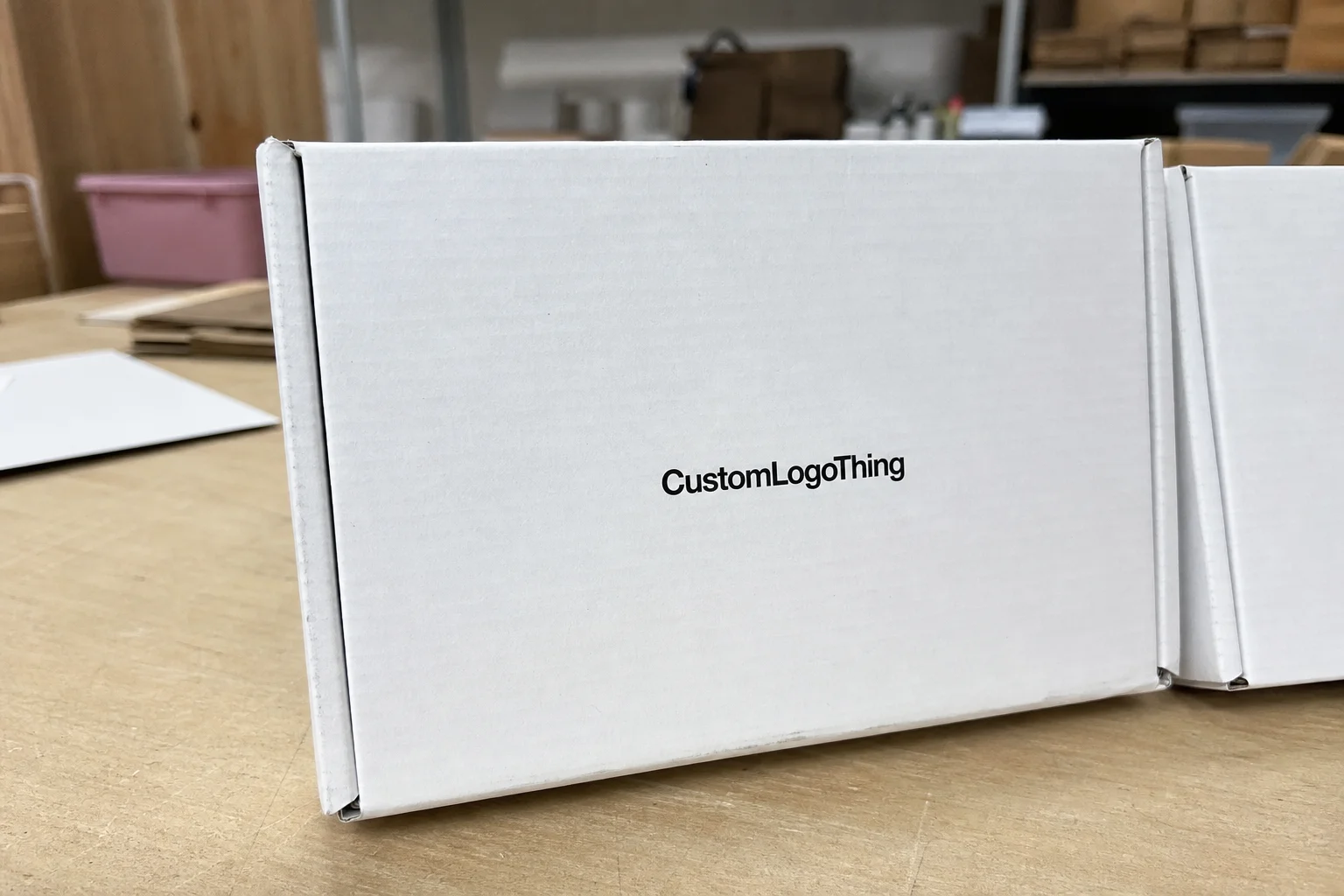
Custom postal boxes are mail-ready corrugated boxes or folding cartons built around the actual product size, not a generic warehouse dimension. The goal is to leave just enough room for loading and closure without creating movement inside the carton.
That matters because fit affects both protection and presentation. A properly sized carton holds the item in place, reduces the need for void fill, and gives the printed surfaces a cleaner finished look. It also makes the box more consistent from one order to the next, which matters once volume picks up.
These boxes are commonly used for ecommerce accessories, sample programs, cosmetic sets, apparel, and lightweight retail packaging. They are also useful when the outer carton needs to carry part of the brand story through print, inside messaging, or a more deliberate unboxing sequence.
The operational benefit is just as important as the visual one. Smaller, tighter cartons usually reduce shipping waste, simplify warehouse packing, and lower the chance of product movement during transit. When the spec is right, the box is easier to build, easier to seal, and less likely to require corrective packing on the line.
How Postal Mailer Boxes Work in Real Shipping Conditions
A mailer-style box is typically scored, folded, and locked into a rigid carton that ships flat and assembles quickly. That flat-pack format saves storage space and makes the structure practical for ecommerce operations that need speed and consistency.
Board choice changes how the carton performs. Lighter constructions can be fine for apparel or cosmetics, but heavier corrugated grades improve edge strength and crush resistance when the product is denser, the route is rougher, or the carton may be stacked in transit. If the finished profile needs to stay slim, E-flute is often a good balance. If strength matters more, a heavier flute or thicker board may be the better call.
Closure style also affects the pack-out. Tuck-in flaps, locking tabs, and pressure-fit designs all feel different in production. A simple tuck is fast, while locking tabs can hold the lid more securely and reduce the chance of the box opening before final sealing. That should be reviewed before artwork is approved, not after.
Custom dimensions improve both fit and structure. They reduce product movement, help inserts seat properly, and allow printed panels to line up more predictably once the box is folded. For brands using Custom Printed Boxes, that consistency affects the finished look as much as the shipping performance.
These cartons work best for moderate-weight products, direct-to-consumer shipments, and retail packaging that needs more polish than a plain shipper. They are less forgiving when the product is heavy, fragile, or irregularly shaped, so the structure needs to be chosen deliberately.
A box that is close enough often costs more than a proper custom fit. Extra void fill, slower packing, and a higher damage rate can erase any small savings from the wrong size.
Key Specs That Decide Fit, Strength, and Appearance
Dimensions are the first decision, but they need to be taken from the packed product, not the bare item. Measure length, width, and height after sleeves, wrap, and any insert or protective layer are included. Then add only the clearance needed for easy loading and closure pressure.
Board grade comes next. A lighter mailer can work for low-risk shipments, but heavier board is a better fit for dense items, sharp edges, or anything that will see more parcel handling. If the wrong grade is chosen, the failure usually shows up as rounded corners, panel bowing, or crushed edges after transit. For high-risk programs, it is better to tie the spec to real test criteria such as ISTA transit testing instead of relying on a tabletop sample alone.
Print and finishing should be treated as part of the packaging spec, not an afterthought. A one-color logo on kraft board is a very different job from a fully printed retail carton with inside graphics, coating, and premium finishing. Soft-touch lamination creates a premium hand feel, but it adds cost and can make recycling more complicated. Simpler water-based coatings are often the more economical choice when the program is volume-driven.
Inserts are another key factor. Some products can ship without one, but multi-item kits, bottles, or fragile parts usually need a tray, divider, or custom protector to keep everything in place. Once an insert is required, the box dimensions need to be built around it, not just the product.
Shipping requirements matter as well. Final dimensions should fit the service level being used, barcode placement must remain visible and scannable, and any label area should stay clear of folds and artwork. If the project includes sustainability requirements, confirm the board source and certification claims before production starts. If FSC sourcing is part of the brief, verify the material supports FSC certification from the beginning.
Useful measurement checklist:
- Product dimensions after sleeves, wrap, and inserts are included
- Clearance needed for loading and closure pressure
- Board thickness and flute choice
- Print area, fold lines, and side-panel visibility
- Barcode, label, and handling-mark placement
Cost, Pricing, MOQ, and Quote Factors to Compare
Pricing usually comes down to size, board grade, print coverage, quantity, and tooling. A small one-color run with a standard dieline is not comparable to a fully printed carton with a new cut pattern and insert, so the quote should show those differences clearly.
Minimum order quantity matters because setup, prepress, and changeover costs get spread across fewer units at low volume. As a rough planning guide, a compact lightly printed mailer at 1,000 pieces may land around $0.65 to $1.20 per unit, while a 5,000-piece run may move closer to $0.18 to $0.45 depending on size, board, and finish. These are directional numbers, not universal pricing.
More print and more structure improve branding, but they add cost. A simple exterior logo on kraft board will usually be cheaper than Custom Printed Boxes with inside print, premium coating, and a custom insert. The right choice depends on whether the carton is mostly for shipment, mostly for presentation, or asked to do both.
Freight and storage are part of the landed cost too. A larger box may look economical at the unit level and still become expensive if it consumes pallet space or raises inbound freight. For that reason, every supplier should quote the same dimensions, material, print coverage, finish, and insert requirement. If the specs are different, the pricing comparison is not useful.
| Option | Best For | Typical Spec | Relative Cost | Notes |
|---|---|---|---|---|
| Standard mailer size | Simple products with flexible fit | Generic dieline, limited print | Low | Fast to buy, but often wastes space |
| Custom postal boxes | Branded ecommerce and retail shipping | Exact dimensions, custom print, optional insert | Medium | Usually the best balance of fit and presentation |
| Premium printed mailer | High-touch unboxing programs | Full-color print, coating, inside graphics | Higher | Strong branding impact, but more setup and finish cost |
| Heavy-duty corrugated shipper | Heavier items or rough transit | Thicker board, stronger flutes, reinforced design | Higher | Best when protection matters more than trim appearance |
If you are comparing proposals, ask each supplier to quote the same dimensions, board grade, print coverage, finish, and insert requirement. That is the cleanest way to tell whether a lower number is actually better or just built on a weaker spec.
Process and Timeline: From Dieline to Finished Shipment
The production path is straightforward when the spec is clean. It starts with product measurements, moves to a dieline review, then to artwork approval, proofing or sampling, and finally manufacturing. If any of those steps are vague, the schedule stretches.
Late artwork changes are a common cause of delay. Uncertain measurements do the same thing, especially when the product includes a sleeve, insert, or irregular shape. Special coatings, tight registration, or premium finishes can also add review time. That is normal and should be planned for up front.
For simpler cartons, lead time can be short once proof approval is complete. More involved jobs often need a sample run first, especially when the fit is tight or the product is fragile. A realistic planning window for many packaging programs is 12 to 20 business days from proof approval to shipment, but the exact schedule depends on quantity, finishing, and factory workload.
Sampling is worth it when the structure is new or the presentation matters on first delivery. A sample shows whether the item slides, whether the lid presses too hard, and whether the print still aligns once the carton is folded. That check costs far less than finding a problem after production.
Quality control should cover more than the artwork proof. A proper review checks dieline accuracy, score depth, glue line, panel squareness, color match, and closure tension. If an insert is part of the structure, it should be tested with the real product, not a substitute.
To keep the project moving, lock the dimensions first, finalize the artwork second, and confirm the quantity last. Changing the size after design approval can trigger a new dieline, a new proof, and sometimes new tooling, which adds time and cost.
Common Mistakes Buyers Make with Mailer Box Specs
The most common mistake is measuring only the product and forgetting everything around it. Inserts, sleeves, protective wrap, and closure thickness all affect the final fit. A box that looks correct on a spreadsheet can still fail on the packing table.
Another mistake is choosing the lightest board just to save a few cents. That often backfires. Corners crush, panels bow, and the carton stacks poorly in transit. A weak box can cost more in returns, replacements, and damage claims than it saved in unit price.
Artwork mistakes often show up late. Important copy can disappear across folds, logos can land too close to edges, and a design that looks balanced flat can feel awkward once assembled. Good packaging design accounts for the folded structure, not just the art file.
Skipping sample validation is risky when the product is fragile, oddly shaped, or made of multiple parts. A repeat order may not need a sample, but a new structure usually does. Checking fit early is cheaper than correcting a bad launch.
One more trap is judging the project by unit price alone. A cheaper quote can become the expensive option if it slows packing, requires extra void fill, or creates a higher damage rate. The right box is the one that works in your actual process.
- Measure the packed product, not just the bare item
- Test with the real insert, sleeve, or wrap
- Check fold lines against the artwork layout
- Verify the box closes without forcing the contents
- Compare landed cost, not only unit price
Expert Tips for Better Packaging Decisions and Next Steps
Start with a small product audit. Measure the item, decide whether it needs an insert, and define the priority: protection, presentation, or pack-out speed. That one decision usually drives most of the structure.
Then compare two or three box formats before placing the order. A small change in tuck style, board grade, or closure can change how the package behaves on the line and how it feels in the customer’s hands. The best spec is the one that survives production without slowing everyone down.
Ask for a sample or prototype if the design is new. Test it with the actual product, actual packing workflow, and real carrier handling. That is where the weaknesses show up. A carton that looks polished in a rendering can still be difficult to assemble or too tight once the insert is added.
Build a spec sheet that includes dimensions, material preference, print area, quantity target, and shipping requirements. If you already know you need recycled board, FSC sourcing, or a specific finish, put that in writing up front rather than treating it as a later add-on.
For most buyers, the safest sequence is simple: define the product, define the protection level, define the brand finish, then request the quote. If those three pieces stay aligned, custom postal boxes stop being a guessing exercise and become a controlled packaging decision. Use Custom Packaging Products as the benchmark for the mailer format you want in production, not just the box size on paper.
What size should custom postal boxes be for my product?
Measure the product after it is fully packed, including inserts, sleeves, or protective wrap. Leave enough clearance for easy loading, but not so much that the item shifts in transit. If the product is fragile, size the box around both protection and fit testing rather than product dimensions alone.
Are custom postal boxes better than standard mailer boxes?
Custom sizing usually reduces void space and helps the box feel more secure and professional. A tailored structure can also improve stacking, shipping efficiency, and the unboxing experience. Standard boxes can work for simple products, but custom dimensions are better when fit and presentation matter.
What affects the price of custom postal boxes the most?
Quantity, board grade, print coverage, and overall box size are usually the biggest cost drivers. Special finishes, inserts, and new tooling can raise the quote if the design is more complex. The best comparison is a quote built from the same spec sheet across all vendors.
How long does the process usually take?
The timeline depends on artwork approval, sample needs, and whether the structure is simple or specialized. A clean spec and ready artwork shorten the schedule because fewer revisions are needed. Any change to size, print, or finish after proofing can extend the lead time.
What should I ask before ordering custom postal boxes?
Ask about board options, quantity thresholds, sample availability, and what the final quote includes. Confirm how the box ships flat, how it assembles, and whether the design supports your packing workflow. Request a clear proof or dieline review so the final box matches your product and brand requirements.