Why canvas totes outperform flimsy promo bags
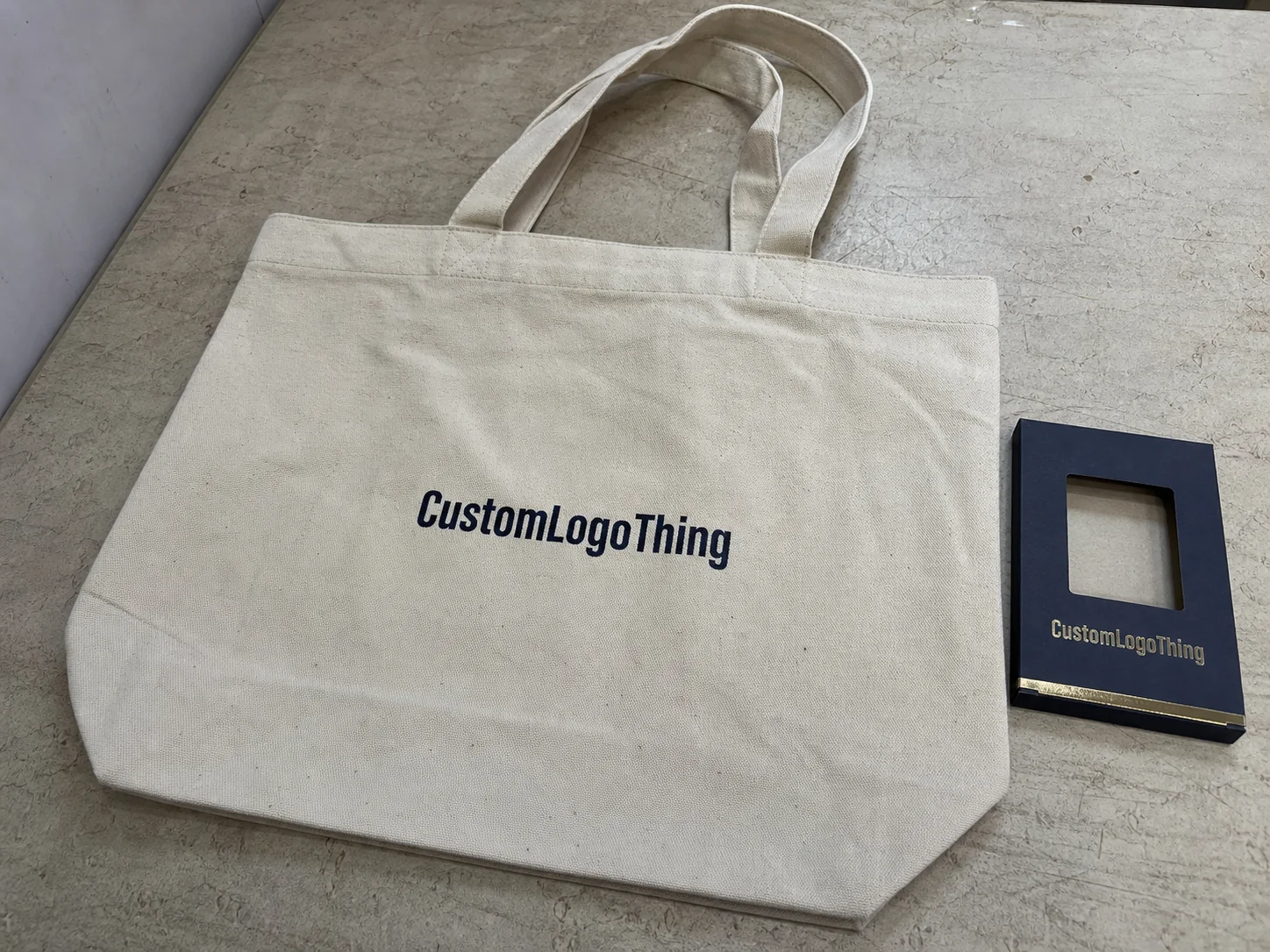
Custom Canvas Tote bags are usually chosen for the same reason a buyer upgrades from a thin mailer to a corrugated carton: the item has to do real work and still reflect well on the brand. If a tote is carrying groceries, event swag, or a retail purchase, it should hold its shape, survive repeated handling, and still look intentional after the first week of use. A bag that stretches out, twists at the handles, or pills almost immediately sends the wrong message.
In packaging terms, canvas is a woven cotton or cotton-blend fabric with enough body to support stitching, printing, and repeated load-bearing use. That structure matters. A plain nonwoven bag can be fine for a one-time giveaway, but canvas has more presence on a counter, more usable print area, and a longer service life once it leaves the store. For brand packaging, that extra life is the whole point.
The tradeoff is cost. Canvas is more expensive than basic nonwoven polypropylene, so the decision should be based on use case, not habit. If the tote supports retail packaging, employee kits, or an event where the bag itself becomes part of the souvenir, the higher unit price can make sense quickly. If it only needs to move a lightweight handout from one table to another, a simpler format may be the smarter buy.
That is why Canvas Tote Bags custom should be evaluated like any other packaging purchase. Look at the carry load, the number of uses you expect, the visibility of the logo, and the impression you want at the point of handoff. If those factors matter, canvas starts to look less like a premium extra and more like the correct spec.
How the bag structure and print process work
The structure of the bag drives how it performs long before artwork is added. Fabric weight is usually the first spec buyers should ask about, because an 8 oz canvas tote and a 12 oz canvas tote feel very different in hand. The heavier option sits more upright, resists sagging, and generally reads as more premium. Handle length matters too, especially if the bag needs to be carried over the shoulder. Gusset depth affects volume, and reinforcement at the stress points controls how the bag behaves once loaded.
Seam style is another detail that gets overlooked. A flat-fell seam, reinforced stitch line, or boxed corner can make a bag feel far more finished than a simple edge stitch. For custom canvas tote bags, these small construction choices are not cosmetic. They change durability, load distribution, and the way the bag hangs when empty. In practice, that changes how the customer perceives the whole brand.
Decoration method should be matched to the art and the budget. Screen printing remains the workhorse for clean logos and strong spot colors. Heat transfer can help with more detailed graphics, but it needs the right film and application control. Embroidery adds texture and a premium feel, though it can be heavier on the fabric and less suitable for very fine detail. Woven labels work well as a subtle brand mark on higher-end tote programs, especially when the goal is packaging presentation rather than loud promotional messaging.
Artwork and fabric texture have to work together. A coarse weave will soften very fine lines, and large solid areas of ink can show more of the fabric grain than a buyer expects. Dark bags often need an underbase for color accuracy, while lighter bags may allow more direct ink laydown. Cure time matters too, because a rushed cure can hurt wash resistance and make the print feel less durable than it should.
Proofing is not just a formality. A digital mockup is useful, but a physical sample or production proof tells you much more about how the bag will actually feel. The first approved sample often sets the visual standard for the whole run. If the sample is too loose, too stiff, or too glossy in the print, that needs to be corrected before bulk production starts.
For buyers who want a broader view of construction and finishing terms, the packaging industry resources at Packaging & Processing technologies from PMMI and the transit testing standards at ISTA are useful references. They are not tote-specific guides, but they explain why structure, test planning, and shipping performance matter in branded packaging.
Cost, pricing, and MOQ factors buyers should compare
Pricing for canvas Tote Bags Custom is driven by a handful of variables that buyers can actually control. Fabric weight is a major one. Bag dimensions, handle construction, and whether the tote has a gusset also move the number. So do print colors, decoration method, and order quantity. A simple one-color design on a standard tote can be priced very differently from a multi-color, multi-location print with heavier fabric and reinforced handles.
MOQ means minimum order quantity. Smaller runs usually cost more per unit because setup, screen prep, and labor are spread across fewer bags. A run of 250 pieces can carry a much higher unit cost than 2,500 pieces, even if the design is identical. That is not a markup trick. It is the math of production. Setup time is real, and decoration equipment does not care whether the order is small or large.
There are clear places to save money without weakening the bag. One-color prints are usually cheaper than full-color art. Standard sizes are more economical than custom dimensions. Simpler handles and a single imprint location also help. What buyers should not cut is fabric weight, stitch quality, or ink quality. Those savings can turn into complaints very quickly if the tote feels floppy or the logo cracks after a few uses.
Good quotes should separate the blank bag cost, the decoration cost, shipping, and any setup or sampling fees. That breakdown shows the real landed cost and keeps a low headline quote from hiding expensive add-ons. A slightly higher initial price can still be the better purchase if the tote is being used for retail merchandising, premium event kits, or repeated daily carry.
Ballpark pricing helps set expectations. For a small run of Printed Canvas Totes, buyers often see unit prices land somewhere in the low single digits before freight, with the total rising quickly once heavier fabric, multiple colors, embroidery, or short timelines enter the job. Larger simple orders can come in much lower per unit, but only if the spec stays disciplined. The cheapest quote is not always the cheapest order after freight, proofing, and rework risk are counted.
| Spec choice | Typical effect on cost | Typical effect on performance |
|---|---|---|
| 8 oz canvas, one-color screen print | Lower to moderate | Good for giveaways and lighter carry loads |
| 10 to 12 oz canvas, two-color print | Moderate | Better shape, stronger feel, stronger retail presentation |
| Heavier canvas, embroidery or woven label | Higher | Premium look, better shelf appeal, more brand value |
| Small run with custom specs | Highest unit cost | Useful for testing, launches, or limited editions |
Production steps and timeline from proof to delivery
The standard workflow starts with artwork review and spec confirmation. From there, the supplier prepares a digital proof or a sample, then moves into decoration setup, bulk production, inspection, packing, and shipment. Each step sounds simple on paper, but the handoff between them is where delays usually happen.
Missing vector art is a common slowdown. So is artwork that contains unclear color references or a logo supplied only as a low-resolution image. Last-minute changes are another problem, especially if the buyer decides to move the imprint, change the tote size, or add a second location after proof approval. Those changes can reset setup and push the order back several days.
Production time depends on both stock availability and decoration complexity. A simple one-color run can move faster than a design with multiple print locations or fine detail that requires extra calibration. For custom canvas tote bags, a realistic schedule often falls somewhere around 12 to 20 business days after proof approval, though that depends on the supplier’s stock position and the season. Peak periods can add time.
Shipping is separate from production, and buyers should treat it that way in planning. A tote order that leaves the facility on time can still miss the event date if freight takes longer than expected. If the bags are traveling a long distance or need palletized freight, transit timing matters as much as print speed. For shipping-heavy projects, it can be worth checking whether the packaging plan aligns with transit expectations and test standards like those published by ISTA.
One practical rule helps more than any sales promise: plan backward from the date the bags must be in hand. Leave time for artwork review, proof approval, production, freight, and one buffer for corrections. That is how canvas tote bags custom stay on schedule instead of becoming a late scramble.
Step-by-step buying checklist for a better order
Start with the end use. A tote for retail packaging has different priorities than one for a conference swag kit, an internal employee welcome pack, or a resale item. Retail use usually calls for a cleaner finish and stronger presentation. Event use may prioritize low unit cost and a bold logo. Resale programs often need the highest attention to material feel and print quality because the customer is judging the bag as a product, not as a freebie.
Choose dimensions based on what the tote will actually carry. Bottle height, brochure size, rigid box footprint, and handle drop all affect the right spec. A tote that looks standard on paper can still be awkward in use if the opening is too narrow or the gusset is too shallow. In packaging design, fit is not optional.
Match the decoration method to the artwork. A strong logo lockup, clean typography, and a simple icon usually screen print well. If the design includes fine gradients, photographic detail, or a lot of small copy, the supplier may recommend a different method or a simplified artwork file. That is not a compromise in every case. Often it is just the correct production choice.
Before approval, ask for a spec sheet that covers size, color, handle length, print placement, ink or thread color, and packaging requirements. That document keeps everyone quoting the same item. It also makes future reorder work easier if the tote program becomes recurring.
Check the proof carefully. Spelling, logo clear space, and the exact placement relative to seams and handles should all be verified. If the order is for a bigger run, ask whether a pre-production sample is available before bulk production starts. That extra checkpoint can save a lot of frustration later, especially for custom canvas tote bags with precise branding rules.
Finally, keep the order record together. When the next reorder comes up, you want the same bag size, the same print location, and the same build quality without rebuilding the spec from scratch. That is especially useful for branded packaging programs that repeat across seasons or store locations.
Common mistakes that create weak bags or weak branding
The most common mistake is chasing the lowest price without checking the construction. Thin fabric, loose stitching, and weak handles can make a tote feel disposable even if the imprint looks fine. Once that happens, the bag stops supporting the brand message and starts working against it.
Another mistake is approving artwork only from a screen view. A logo that looks crisp on a laptop can soften on woven canvas, especially if the print method is not suited to fine detail. That is true for custom canvas tote bags, and it is one reason real proofing matters more than a polished mockup.
Overcomplicated designs also create trouble. Too many colors, tiny text, and thin lines can all become hard to reproduce cleanly on fabric. If the decoration process is screen printing, keep the artwork honest about what the process can actually hold. In some cases, simplifying the logo makes the tote look more expensive, not less.
Handle and seam quality are easy to ignore until the bag is in use. Those are usually the first failure points under repeated load. If the tote is going to carry books, groceries, or boxed product, make sure the stitch pattern and reinforcement are appropriate for that abuse. A nice print cannot rescue a weak build.
Quote confusion causes a different kind of failure. Some buyers compare prices without confirming whether setup, proofing, freight, and packaging are included. That leads to a false bargain. A clearer quote is easier to compare and much less likely to surprise anyone later.
A tote can only carry the brand as far as the build allows. If the fabric and stitching are weak, the logo has to work too hard.
Expert tips for better value, durability, and presentation
Start by deciding what feeling you want the customer to notice first. Do you want the bag to feel soft and retail-ready, structured and premium, or light and practical? That one choice helps narrow the fabric weight, handle style, and decoration method faster than a vague request for “something nice.”
A clean logo lockup usually performs better than a crowded layout. One strong mark printed with good ink coverage tends to read more confidently than three small graphics competing for attention. That matters because custom canvas tote bags are often seen at arm’s length, in motion, or half-full. Simplicity travels well.
For higher-end programs, small enhancements can lift the presentation a lot. Contrast stitching, woven labels, heavier canvas, or a neatly finished interior can make the bag feel like a real retail item rather than a throwaway promo piece. If the tote is meant for resale, these details often justify the price difference immediately.
Ask for samples or production photos before placing a larger order. You want to judge stitch consistency, print opacity, handle attachment, and overall finish with your own eyes. Photos are not perfect, but they reveal a lot more than a glossy mockup. If the sample looks flimsy, it probably is.
If the tote will be reused often, think in terms of load stress rather than appearance alone. A bag that looks great empty may still fail under books, packaged food, or hard-edged merchandise. That is where packaging design and product packaging meet the practical side of retail. The best bag is the one that still feels good after the fifth use.
If the broader packaging program also includes paper inserts, tags, or printed collateral inside the tote, keep those pieces aligned. Clean typography, consistent paper stock, and matched finish help the whole set feel deliberate instead of assembled from separate purchases. That consistency can matter more than a slightly lower tote price.
Next steps for comparing quotes and placing the order
Gather the basics before you request pricing: target size, artwork files, quantity, preferred decoration method, and any delivery deadline. If that information is incomplete, quotes will vary too much to compare fairly. The more precise the brief, the easier it is to see who is pricing the same build.
Ask each supplier for the same details. Material weight, stitch construction, print method, MOQ, production timeline, and freight handling should all be listed. If one quote seems much lower, check what is missing. Sometimes the difference is real. Sometimes the quote is simply incomplete.
Compare samples or photos side by side. Price alone does not tell you whether the tote feels sturdy, whether the imprint sits cleanly, or whether the finish supports your brand. For canvas tote bags custom, the bag itself is the message as much as the logo on it.
Once you choose the order path, approve the proof quickly and keep the change list tight. Production can only start cleanly when the specs are locked. If the program will repeat, save the approved spec now so the next order can be reordered without rework.
In the end, the right tote is the one built for the right carry load, branding goal, and delivery window. If you line those up carefully, custom canvas tote bags can deliver real value instead of acting like another promotional item that disappears into a closet.
What makes custom canvas tote bags better than basic promo bags?
They usually offer better durability, a more premium feel, and a larger print area for branding. The longer reuse cycle gives the logo more impressions over time, especially in retail and everyday carry settings. They are a better fit when presentation matters as much as function.
How much do canvas tote bags custom usually cost?
Pricing depends on fabric weight, bag size, decoration method, print colors, and order quantity. Smaller runs carry a higher unit cost because setup is spread across fewer bags. Freight, setup, and sampling can also affect the real landed cost. For simple printed runs, buyers often see low single-digit pricing per bag before shipping, while heavier builds, embroidery, or short lead times can push the number higher.
What is the typical production timeline for canvas tote bags?
Timeline depends on artwork readiness, proof approval, decoration complexity, and stock availability. Simple runs usually move faster than multi-color or highly detailed projects. Shipping time should be added separately so the delivery date is realistic.
What artwork works best on a canvas tote?
Bold logos, clean typography, and simplified graphics usually print more clearly on woven fabric. Fine detail can soften depending on the print method and the texture of the canvas. Vector files are preferred because they reproduce more cleanly at production size.
What should I check before approving an order?
Confirm size, handle length, color, imprint placement, and decoration method. Check spelling, logo scale, and whether the quote includes setup and freight. Make sure the approved sample or proof matches the intended use before production begins.


