Buyer Fit Snapshot
| Best fit | Custom Cardboard Cartons with Logo projects where brand print, material claims, artwork control, MOQ, and repeat-order consistency need to be specified before quoting. |
|---|---|
| Quote inputs | Share finished size, material target, print colors, finish, packing count, annual reorder estimate, ship-to region, and any compliance wording. |
| Proofing check | Approve dieline scale, logo placement, barcode or warning zones, color tolerance, closure strength, and carton packing before bulk production. |
| Main risk | Vague material claims, crowded artwork, missing packing details, or unclear freight terms can make a low unit price expensive after revisions. |
Fast answer: Custom Cardboard Cartons with Logo: Board, Finish, Dieline, and Unit Cost should be specified like a repeatable production item. The safest quote records material, print method, finish, artwork proof, packing count, and reorder notes in one written spec.
Production checks before approval
Compare the actual filled-product size with the drawing, then confirm tolerance on folds, seals, hang holes, label areas, and retail display edges. Reserve space for logos, QR codes, warning copy, and material claims before decorative graphics fill the panel.
Quote comparison points
Review material grade, print process, finish, sampling route, tooling charges, carton quantity, and freight assumptions side by side. A quote is only useful when the supplier can repeat the same color, closure quality, and packing count on the next order.
Two cartons can hold the same product and still tell two very different stories. Put one in plain brown stock and the other in custom cardboard Cartons with Logo, and the brand impression changes before the flap is even lifted, because the package has already done part of the selling for you. I have watched that happen more times than I can count: a buyer handles a plain shipper, then handles a carton with a clean mark, a clear panel hierarchy, and a board choice that feels intentional, and the second one just reads as more trustworthy.
That is why custom cardboard cartons with logo matter so much in product packaging, retail packaging, and branded packaging. They are not just containers; they are a practical piece of package branding that protects the product, supports the sale, and sets the tone for everything that follows. In real production work, a carton may be printed, labeled, die-cut, stitched, glued, folded, and packed in ways that suit the product, the shipping method, and the shelf it will eventually sit on. A good carton earns its keep twice: once in the supply chain and once in the customer’s hands.
From a packaging buyer’s point of view, the carton often has three jobs at once: it has to survive transit, it has to look credible, and it has to do that work within a budget that still leaves room for margin. That is why custom cardboard cartons with logo deserve more thought than a quick artwork upload. Logo placement matters because the carton is handled, stacked, scanned, shipped, and displayed by people who may never speak to a sales rep or visit a website. The box becomes the first brand touchpoint, and if that touchpoint feels weak, the whole line can feel a little less finished.
Most buyers end up asking the same three questions. How are custom cardboard cartons with logo actually made? What Drives the Cost? And how do you avoid the kind of print or structural mistakes that turn a promising package into a weak one? Those are the right questions, and the answers are usually more practical than glamorous. The details matter here, and honestly, a lot of the best results come from basic discipline rather than fancy tricks.
Custom Cardboard Cartons with Logo: The Branding Signal People Notice First
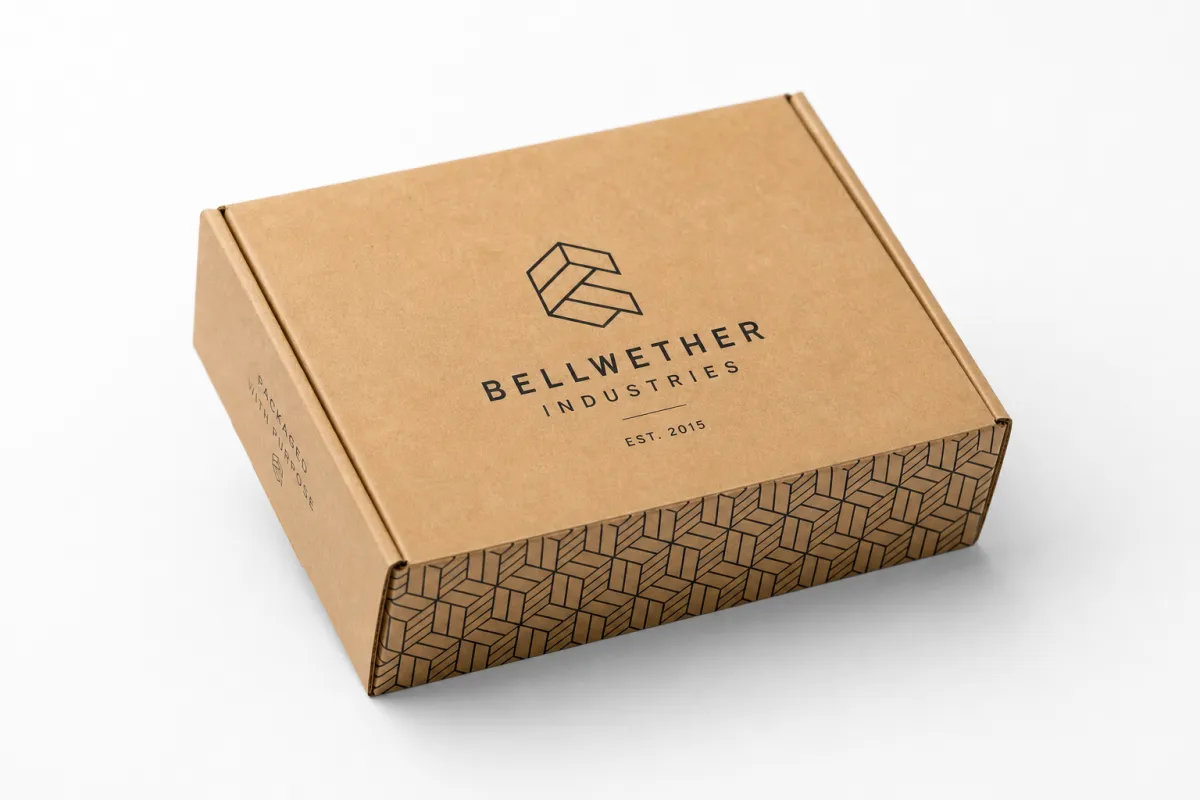
If you have ever seen two otherwise identical products on a counter, you know how quickly people judge packaging. A plain carton suggests utility. Custom cardboard cartons with logo suggest intent. That difference matters because buyers make quick assumptions about quality, care, and consistency before they ever test the contents. The logo is doing work before the product has a chance to speak for itself.
In practice, custom cardboard cartons with logo carry the same kind of weight that a well-finished label or a clean folding carton carries in premium retail packaging. The structure does not have to be fancy. It just needs to look deliberate. A simple one-color print on kraft stock can feel honest and sturdy. A full-color carton with a crisp logo can feel polished and retail-ready. Either way, the carton is communicating, and if the message is muddled, people notice faster than brands usually expect.
That is one reason logo placement is not a minor design choice. On a carton that gets handled by warehouse teams, parcel carriers, store staff, and customers, the most visible panel should usually carry the brand mark in a way that reads quickly from a short distance. A logo that looks nice on a screen but disappears in a cluttered shelf bay is not doing the job. The same is true for tiny text, thin lines, or a crowded layout. Good custom cardboard cartons with logo design respects real-world viewing distance, lighting, and handling. That is the difference between artwork that looks polished in a mockup and Packaging That Actually performs.
What are these cartons, exactly? In practical terms, they are corrugated or paperboard containers printed, labeled, or converted with a brand mark, product details, and a structure suited to the product. Some are plain shipping cartons with a logo and shipping marks. Others are custom printed boxes that do a better job of presentation and retail readiness. Many buyers want both performance and appearance, which is why custom cardboard cartons with logo sit at the intersection of product protection and branding. The carton has to carry load, resist scuffing, and still read like it belongs to the brand.
The best projects usually start with a simple brief: product weight, dimensions, shipping method, and brand goals. Once those are clear, the package design can do the heavy lifting without guessing. That is where many buyers get better results. They stop asking, "How can we decorate a box?" and start asking, "What should the carton accomplish in the supply chain?" That shift alone can save time, money, and a fair bit of frustration.
For a brand that ships direct to consumers, the carton may be the only physical impression the buyer gets before opening the product. For a retail brand, it may be the first thing a store associate sees when they place goods on a shelf or stockroom cart. For both, custom cardboard cartons with logo work as a quiet but constant reminder of who made the product and why it deserves attention.
A carton does not need to shout to be effective. It needs to read clearly, hold up in transit, and look like the brand meant for it to be there.
That is the real branding value: consistency. When customers see the same logo treatment across the carton, the secondary packaging, and the product itself, trust builds faster. A logo on the carton is not a decoration. It is a signal that the brand understands details, and in packaging, details are not decorative flourishes. They are part of the promise.
How Custom Cardboard Cartons with Logo Are Made: Process and Timeline
The production path for custom cardboard cartons with logo usually starts with the dieline, which is the flat layout that defines folds, flaps, score lines, glue areas, and print boundaries. A good dieline keeps artwork honest. It also prevents the common mistake of placing a logo too close to a fold or a message in a panel that gets lost after assembly. If you have ever seen a carton where the brand mark lands right on a crease, you know how odd that can feel once it is made up.
After the dieline, the carton style gets confirmed. That can mean a mailer box, a tuck-end carton, a shipping carton, or a shelf-ready format, depending on the product and the channel. Then the artwork is prepared, often with separate layers for print, varnish, die cuts, and barcode placement. For custom cardboard cartons with logo, this is where prepress discipline pays off, because a clean file reduces back-and-forth and helps the printer catch issues before they turn into waste. I have seen perfectly good artwork slowed down by a missing bleed or a barcode sitting inside the wrong safe area; neither issue is dramatic, but both can gum up the schedule.
The next step is selecting the print method. Short-run and mid-run jobs may use digital printing, while larger quantities often move to flexographic or lithographic setups depending on the board and finish. Each method behaves differently. Digital can be efficient for variable content and smaller orders. Flexo is strong for cartons that need efficient repeat production and simpler graphics. Litho-lam can deliver sharper presentation on certain retail cartons, though it adds complexity and cost. The right choice for custom cardboard cartons with logo depends on quantity, surface, color count, and the look the brand needs.
Sample review matters more than many buyers expect. A digital proof can show layout and copy placement, but it cannot fully replace a press sample when color matching or material behavior is critical. Some cartons look flatter on uncoated board than they do on coated stock. Some inks settle differently on recycled board. That is why a sample or mockup is worth the extra time when the logo is central to the purchase. It is a small delay that can prevent a larger, more expensive disappointment later.
Lead time is shaped by a few predictable drivers:
- Artwork readiness - clean vector files and final copy speed things up.
- Proof approvals - every round of revisions adds time.
- Structural complexity - custom sizes and tooling take longer than stock conversions.
- Print complexity - more colors, coatings, or specialty finishes mean more setup.
- Quantity - bigger runs often need more press time and longer finishing windows.
For first-time buyers, custom cardboard cartons with logo often take longer because dimensions, print method, and fit still need to be confirmed. A reorder is usually faster once those details are locked. In many packaging programs, the second run is smoother than the first because the spec sheet already exists, the artwork is approved, and the supplier knows what to expect. That is one of those boring little advantages that turns into real operational value over time.
A realistic timeline for many carton projects is often 12-15 business days from final proof approval for simpler production runs, though more complex work can take longer. If the carton needs custom tooling, special coating, or a new size, the schedule can stretch further. Buyers who plan around artwork and structural approval usually have fewer surprises than buyers who assume production starts the same day the brief is sent. The calendar has a way of humbling rushed packaging plans.
For brands building out a full packaging system, it helps to coordinate cartons with other items in the line. A good place to start is with Custom Packaging Products when you need to compare formats, or with Custom Shipping Boxes if transit strength is the primary concern. The carton should fit the role, not the other way around.
There is also an environmental angle to plan for. If the brand wants responsible sourcing, ask about FSC-certified board and whether the mill or converter can support chain-of-custody documentation. For shipping performance, organizations such as ISTA publish useful distribution test frameworks, and those tests can be very helpful when custom cardboard cartons with logo need to survive parcel vibration, drops, and compression without losing their appearance.
Custom Cardboard Cartons with Logo: Cost, Pricing, and MOQ Factors
Cost is where the conversation gets real. Buyers may love the look of custom cardboard cartons with logo, but the final quote depends on a handful of practical variables that have very little to do with the romance of packaging and everything to do with materials, setup, and efficiency.
The biggest price drivers are easy to name: board type, carton size, print coverage, number of colors, finishes, and order quantity. A small carton in plain kraft with one-color branding will usually cost much less than a full-color custom printed box with coating on every exterior panel. The more the carton resembles a retail presentation piece, the more the labor and setup tend to climb. Even small design decisions, like whether the logo sits in one color or uses a second ink pass, can shift the budget more than people expect.
Minimum order quantity, or MOQ, is one of the most important factors. Smaller orders usually carry a higher per-carton price because setup time, press time, and die costs are spread across fewer pieces. A run of 500 may look attractive from a cash-flow point of view, but a run of 5,000 often drops the unit cost sharply. That does not mean every brand should chase the largest quantity available. It means the buyer should compare tiers carefully before committing to custom cardboard cartons with logo. A lower MOQ can be the right move for a launch, while a larger run can make more sense once the carton has been tested in the field.
Here is a practical way to think about price bands for typical carton programs. These are broad planning ranges, not guarantees, because board grade, region, freight, and finish change the math quickly.
| Order Range | Typical Unit Cost Drivers | What Usually Changes | Best Fit |
|---|---|---|---|
| 250-500 units | High setup spread, shorter runs, limited finishes | Higher per-unit cost, fewer decoration options | Launches, samples, pilot programs |
| 1,000-2,500 units | Moderate setup spread, standard print, common board grades | Better balance between cost and flexibility | Small brands, seasonal product runs |
| 5,000+ units | Lower setup spread, better press efficiency, more stable specs | Lower unit cost, stronger case for custom finishing | Established SKUs, repeat programs |
For planning purposes, a simple one-color carton may fall into a very different budget than a fully printed presentation carton. A buyer might see a rough range such as $0.18-$0.28 per unit for a large, simple run, while a more decorated carton could move meaningfully higher depending on print coverage and material. The important thing is not the exact figure on a blog page. It is understanding why the price shifts so you can compare quotes fairly. If two suppliers quote different numbers, ask what is actually included before assuming one is cheaper in the real sense.
Design choices can add cost in subtle ways. Full-bleed graphics use more ink and often demand tighter registration. Inside printing means more press work. Embossing, foil, soft-touch coating, and spot UV can make custom cardboard cartons with logo feel premium, but each of those details adds process steps and more room for variation. Even the difference between white-lined board and premium kraft can change the visual effect and the price structure. That does not make embellishment bad; it just means the budget should match the ambition.
There is a tradeoff worth respecting. A carton that looks expensive but fails in transit is a bad buy. A carton that protects the product but looks weak in retail may also be a poor choice. The better path is to decide which part of the package needs the most support. If the carton will be stacked in a warehouse and only seen briefly, strength may matter more than decoration. If it is part of a direct-to-consumer unboxing moment, presentation may matter more. Custom cardboard cartons with logo should reflect that priority instead of trying to do everything equally well and ending up a little undercooked in all directions.
When you request quotes, ask for multiple quantity tiers. Ask whether tooling is included, whether samples are extra, whether freight is separate, and whether artwork changes after proofing are chargeable. Compare structural efficiency too. Sometimes a carton that uses slightly less board, or ships in a better master case count, saves real money across the year. That is the kind of cost thinking seasoned packaging buyers use, and it is often where the margin protection lives.
If sustainability is part of the buying standard, make sure the board and coatings align with the claim. The EPA sustainable materials guidance is a useful reference point for thinking about waste reduction, recovery, and responsible material choices. That does not mean every carton needs to be identical in composition. It does mean custom cardboard cartons with logo should be specified with a realistic end-of-life story, not just a marketing line that sounds nice on the sales sheet.
Choosing the Right Structure and Print Specs for Custom Cardboard Cartons with Logo
Structure comes first. If the carton is wrong, the logo is only decorating a problem. That is why custom cardboard cartons with logo need a format that fits the product, the shipping path, and the display context before the graphics are finalized. A clever-looking box that crushes in transit is still a bad box.
Mailers are a strong fit for ecommerce because they combine a tidy presentation with usable panel space for branding. Tuck-end cartons are common in retail because they pack efficiently and display well on shelves. Shipping cartons focus more on crush resistance and logistics. Shelf-ready cartons bridge the gap between distribution and merchandising. Each one has its place, and the right one depends on what the package must do after it leaves the converter.
The product itself should guide the specification. A light cosmetic item does not need the same board strength as a dense hardware kit. A fragile glass part needs different internal support than a textile item. Stackability matters too. If the carton will sit on a pallet or in a warehouse rack, compressive strength becomes part of the design brief. The logo is important, but not more important than the carton surviving the trip, and that tradeoff should be clear from the first round of sampling.
Here is a simple comparison that buyers often find useful when evaluating custom cardboard cartons with logo:
| Carton Style | Typical Strength Profile | Branding Surface | Best Use Case |
|---|---|---|---|
| Mailer box | Moderate, good for parcel shipping | Large exterior panels | DTC, subscription, gift sets |
| Tuck-end carton | Light to moderate | Excellent retail-facing panels | Retail packaging, light products |
| Shipping carton | Higher, optimized for transit | Limited but effective logo placement | Warehouse and parcel distribution |
| Shelf-ready carton | Moderate to high | Designed for quick retail display | Store replenishment and merchandising |
Board grade and flute profile matter as much as style. Single-wall corrugated board may be enough for lighter goods, while heavier or more fragile products may need stronger construction. In some cases, E-flute gives a cleaner print face for custom cardboard cartons with logo while still offering decent structure. In other cases, B-flute or a different corrugation profile may be better for stacking and impact resistance. The print face and the board behavior need to work together, because a beautiful print on the wrong substrate is still the wrong answer.
Coatings also change the result. A gloss coating can make colors pop, but it can also expose scuffing more easily under rough handling. Matte or aqueous coatings often feel more subtle and can hide minor marks better. Soft-touch looks refined, though it is not always the best choice for every use. If the carton is handled often, the coating should be chosen for durability as much as appearance. That is one of the lessons experienced packaging buyers learn early, and it tends to stick once a few cartons come back with corner rub or print wear.
Artwork preparation needs a little discipline. Logos should be supplied in vector format whenever possible. Text should sit inside safe zones. Image resolution should be high enough for the print method and viewing distance. Pantone references should be handled carefully if exact color matching matters. A logo that is clean on a screen may not survive scaling if it was built from a low-resolution asset. With custom cardboard cartons with logo, the artwork should be adapted to the material, not the other way around. That sounds basic, but it is one of the easiest places to trip up.
One practical tip: size the logo for the real shelf, not just the design file. If the carton is seen across a room, the mark needs to read at distance. If the carton is part of an unboxing experience, the logo should feel balanced with the product name and supporting copy. In both cases, restraint often works better than crowding every surface. A package with breathing room tends to feel more premium than one with too many messages fighting for attention.
Good packaging design also respects the manufacturing limits of the substrate. Recycled kraft, for example, has natural variation. That variation can be attractive, but it can also affect ink appearance. That is why custom cardboard cartons with logo on kraft stock often look best with bolder type, stronger contrast, and simpler graphics. Delicate lines and faint colors can disappear in the fiber pattern. Knowing that ahead of time saves rework later and helps the final carton feel intentional rather than compromised.
Step-by-Step Guide to Ordering Custom Cardboard Cartons with Logo
The cleanest orders start with a short, accurate brief. Before you ask for custom cardboard cartons with logo, define the product dimensions, weight, fragility, shipping method, and target presentation. If the carton has to double as a display unit, say so early. If the priority is parcel durability, say that too. The more the supplier understands the use case, the better the spec will be, and the less time you will spend correcting assumptions later.
Step 1: Measure the product and any inserts or internal supports. Account for the actual packed dimensions, not just the item by itself. A box that fits the bare product may be too tight once tissue, foam, or dividers are added. A few millimeters can make a surprising difference once the carton is folded and the product is inside.
Step 2: Choose the carton format. This is where you decide whether the package is a mailer, a folding carton, a shipping box, or a shelf-ready design. Custom cardboard cartons with logo perform best when the structure matches the route the product takes through warehouse, transit, and retail. If you already know the carton will be handled a lot, build for that reality from the start.
Step 3: Prepare artwork carefully. Provide a high-resolution logo file, copy hierarchy, product claims, barcode placement, and any regulatory text. If the brand uses a strict identity system, include color references and approved typefaces. If the carton is part of a family of custom printed boxes, keep the formatting consistent so the line looks unified. A scattered visual system tends to make even good packaging feel less trustworthy.
Step 4: Review the proof with a packaging eye, not just a marketing eye. Check fold lines, glue flaps, text spacing, and color expectations. Make sure the logo does not disappear near a seam or wrap around a corner in a way that weakens recognition. This is also the moment to check whether the carton will be easy to assemble on the line. If packing crews are going to use it every day, comfort and speed matter a lot.
Step 5: Confirm quantities, pack-out method, and delivery timing. Ask how the cartons will be bundled, how many fit in a master case, and whether palletization is included. For custom cardboard cartons with logo, the delivery method matters because damaged or poorly packed cartons can undo all the work that went into the print. I have seen more than one clean production run get annoyed into trouble by bad pallet stacking, which is a shame because it is so avoidable.
It also helps to keep your internal approval process tight. One slow review can push the entire schedule. If multiple people need to sign off, set a deadline and a single owner. Otherwise the proof sits in inboxes while production windows close. The easiest projects are rarely the ones with the biggest design budgets; they are the ones with the clearest decisions.
Before full production, ask for a sample whenever the carton is critical to the brand or the fit. A physical sample shows how the board feels, how the logo reads, and how the structure folds under real hands. For custom cardboard cartons with logo, a sample can reveal issues that a PDF will never show, including slight misalignment, weak creases, or a color that looks too muddy on the actual board. That sample step is one of the most practical forms of insurance in packaging.
Brands that want a more consistent system should document the final spec in one place and reuse it. A master spec sheet saves time on reorder, protects the approved size, and keeps everyone from reinventing the carton every season. That kind of discipline is especially useful for product packaging programs with multiple SKUs or recurring launches. Once the spec is locked, the carton stops being a recurring question and starts becoming a dependable part of the operation.
Common Mistakes to Avoid with Custom Cardboard Cartons with Logo
The most common mistake is designing from the brand outward instead of the product outward. A carton can look elegant on a mood board and still fail in real use if the board is too light, the fit is sloppy, or the package crushes in transit. Custom cardboard cartons with logo should begin with protection, then move to presentation. If those two priorities are reversed, the carton often looks better than it behaves.
Another frequent issue is over-detailing the artwork. A logo with thin strokes, tiny copy, and multiple color breaks may look good on screen but struggle on textured corrugated board. If the carton surface has any tooth at all, fine detail can soften. That is why bold marks and cleaner layouts often outperform intricate design on kraft or recycled stock. Simple does not mean dull. Often it means readable, and readable packaging usually does the job better.
Approval delays cause more trouble than people expect. A team may spend weeks perfecting the carton concept, then lose more time waiting for sign-off on one proof. The production calendar does not wait. If a launch depends on custom cardboard cartons with logo, build approval time into the plan and leave room for one revision cycle. That buffer can save the schedule and reduce the temptation to rush a bad file into print.
Finish mismatch is another trap. A digital mockup may show a bright, crisp logo, but the actual substrate can absorb ink differently or shift the visual tone. Likewise, a glossy finish that looks exciting online may reflect glare under store lighting. Buyers who treat the carton as a real material sample, not a digital image, usually avoid disappointment. The material matters. The press method matters. The finish matters. It all matters together, and that is why proofing should include more than a casual glance.
Color inconsistency is especially damaging for package branding. If the carton, label, and secondary packaging all use slightly different versions of the same brand color, the line starts to feel less intentional. Customers may not name the problem, but they feel it. For custom cardboard cartons with logo, consistency across the packaging family is part of the trust signal. It tells people the brand pays attention in the same way, every time.
It is also easy to underestimate handling. A carton may look great in the design room and then scuff, dent, or rub off during real logistics. If the product moves through multiple handoffs, ask how the print and coating will age under friction. Parcel networks can be rough. That is not a design flaw; it is a planning reality. The carton should be specified with that reality in mind so it still looks presentable after the trip.
For products that must pass transit testing, it is wise to think in terms of distribution performance, not just appearance. Testing frameworks from ASTM and ISTA help packaging teams evaluate compression, drop, and vibration more objectively. That is especially useful when custom cardboard cartons with logo will be used for e-commerce, club channels, or wholesale distribution where handling is less controlled than in a boutique retail setting. A carton that survives the route with the branding intact is doing its job.
One more mistake worth mentioning: changing the logo placement too often. A brand may tweak the carton for every campaign and unintentionally erode recognition. Unless there is a strong packaging reason to change it, keep the core placement stable. Familiarity is a powerful part of branding, and stability makes reorders easier too. You can always evolve the line later, but the basic visual anchor should stay steady.
Expert Tips for Better Custom Cardboard Cartons with Logo Results
The first rule is simple: design around the material, not against it. Recycled board, kraft stock, coated paperboard, and corrugated textures each behave differently. Custom cardboard cartons with logo look better when the artwork respects those behaviors. On rougher stock, use stronger contrast and larger type. On smoother board, you can be more precise with fine detail, but the layout still needs breathing room. If the surface has character, let the art work with it instead of trying to overpower it.
Hierarchy matters more than many teams realize. A carton that tries to say everything usually says too much. The best custom cardboard cartons with logo often use one strong logo, one product name, and one short supporting message. That is enough for most surfaces. If there is regulatory copy, place it where it belongs and keep the main visual panel clean. The eye should know where to land first. That calm visual order is one of the simplest ways to make a carton feel more expensive without spending more on decoration.
Requesting a pre-production sample is worth the time when the color match is sensitive or the panel layout is complicated. Even a good digital proof cannot fully show how the board will behave in hand. A sample lets you check fold memory, glue alignment, panel tension, and print clarity. For custom cardboard cartons with logo, those are not small details. They shape the finished perception, and they tell you whether the carton is ready for a real run or still needs a tweak.
Keep a master spec sheet for every carton. Include dimensions, board grade, flute profile, print method, coating, approved logo version, and a photo of the confirmed sample. That record saves time on every reorder and reduces the risk of someone using an old file or a slightly wrong size. It also helps if you are managing several Custom Packaging Products across different channels. A clean spec sheet is not glamorous, but it keeps programs from drifting.
Test the carton in real handling conditions. Stack it. Tape it. Drop it from a sensible height if the use case requires parcel shipping. Move it through the same kind of vibration or compression it will meet in transit. Then look at the logo again. Sometimes a design that feels strong on the table looks weak after handling. That is a better lesson than finding out after the shipment leaves. A quick physical test is a lot cheaper than a returned order.
Think carefully about the unboxing experience too. If the carton opens from the top, what does the customer see first? If it is a retail carton, what panel faces out when stacked? If it ships inside a master case, is the outer surface still branded or is branding reserved for the customer-facing inner carton? Those choices shape how custom cardboard cartons with logo support both logistics and presentation. The best packaging is usually doing two jobs at once without making either of them feel forced.
From a buyer’s point of view, the most successful projects are the ones that are boring in the right places. The carton fits. The print reads cleanly. The stock holds up. The reorder is easy. The package does not need to be dramatic to be effective. It needs to be dependable, and dependable packaging creates room for the brand to look smart. That kind of quiet reliability is often what customers end up trusting most.
If the program includes other printed components, keep the visual system consistent. A carton, insert card, sleeve, and shipper do not need to match perfectly, but they should clearly belong to the same family. That is how custom cardboard cartons with logo support package branding without turning the whole line into visual noise. Consistency makes the whole system feel designed rather than assembled from unrelated parts.
Next Steps for Ordering Custom Cardboard Cartons with Logo
The fastest way to move forward is to build a clean brief. List the product dimensions, target quantity, carton style, board preference, print method if you know it, and the logo files you already have. With that information, custom cardboard cartons with logo can be quoted and reviewed without a lot of guesswork. That simple preparation makes the rest of the process a lot less messy.
Then gather a few visual references. Three is usually enough. Choose examples that show the kind of look you want and mark what you like about each one: the logo scale, the material feel, the amount of copy, or the way the carton opens. That gives the supplier a practical target instead of a vague direction. It also helps everyone talk about the same thing instead of describing the same idea in five different ways.
Ask for a sample or spec confirmation before you approve full production, especially if the package is tied to a launch date or a retail plan. Ask for quotes at more than one quantity level too. A 1,000-piece run and a 5,000-piece run can tell you a lot about cost efficiency and whether custom cardboard cartons with logo make sense at the scale you expect to sell. If the numbers feel close, use the sample and the spec quality to make the final call, not just the unit price.
Set an internal approval deadline and keep it realistic. Artwork review, legal checks, and supply chain sign-off can all take longer than expected. If you leave no buffer, a late file can ripple into print delays, freight changes, and missed inventory dates. Clear process discipline matters just as much as print quality. A carton can only be as good as the schedule behind it.
Use the final carton spec as your baseline for the next reorder. Keep the same logo placement unless you have a real packaging reason to change it. That protects consistency, speeds production, and makes your packaging line easier to manage. In many programs, the value of custom cardboard cartons with logo grows over time because the approved spec becomes a reusable brand asset, not just a one-off purchase. That is where packaging starts earning its keep in a measurable way.
Done well, the carton becomes part of the product experience, part of the logistics system, and part of the brand memory all at once. That is the real strength of custom cardboard cartons with logo: they carry the product, they carry the message, and they keep doing both long after the first shipment goes out. If you want the cleanest result, start with the product requirements, lock the structure, and let the logo sit on top of a carton that is already built to perform.
FAQs
What are custom cardboard cartons with logo used for?
They are used to protect products, present a stronger brand image, and make the package easier to recognize during shipping, retail display, or unboxing. Custom cardboard cartons with logo work well for ecommerce, subscription packaging, retail goods, and any product where the carton itself becomes part of the customer experience.
How do I choose the right material for custom cardboard cartons with logo?
Start with the product weight, fragility, and shipping conditions, then choose a board grade and structure that match those needs. If the carton will be handled frequently or stacked, prioritize strength first and decoration second, then build the logo layout around that material. That approach usually gives better results for custom cardboard cartons with logo.
What affects the price of custom cardboard cartons with logo?
Quantity, board type, print coverage, number of colors, coatings, and any special finishing are the main drivers. Smaller orders usually cost more per unit because setup and production time are divided across fewer cartons, which is why custom cardboard cartons with logo often get more economical as volume rises.
How long does it take to produce custom cardboard cartons with logo?
Lead time depends on artwork readiness, proof approval, carton complexity, and whether the order needs a custom size or tooling. Repeat orders are usually faster once the spec is approved, while first-time runs often take longer because of sampling and review for custom cardboard cartons with logo.
What files do I need to order custom cardboard cartons with logo?
A high-resolution logo file, carton dimensions, print instructions, and any text or regulatory content that must appear on the box. If possible, provide vector artwork and a clear spec sheet so the printer can place the branding correctly and avoid delays on custom cardboard cartons with logo.

