Custom Carton Inserts for cosmetics brands supplier quote checklist sounds plain, and that is exactly the point. Plain is useful when a serum bottle needs to stay still inside a premium carton instead of knocking around, scratching a finish, or arriving with a pump that feels loose the moment the customer lifts the lid. Most cosmetic damage is not dramatic. It starts with a little movement, a small rub mark, a cracked compact, or that subtle disappointment when the package opens and the product does not feel as polished as the branding promised.
The Custom Carton Inserts for cosmetics brands supplier quote checklist gives you a practical way to compare suppliers before money moves and production starts. It keeps the conversation centered on fit, structure, print, and lead time, which is a much better place to spend your attention than the usual mess of incomplete quotes and hidden assumptions. If you are building branded packaging, custom printed boxes, or retail packaging that has to survive transit and still look refined on arrival, this checklist keeps the project grounded.
A useful quote is not the lowest one. It is the one that actually matches the product, the carton, and the timeline without anyone guessing at the missing pieces.
Custom Carton Inserts for Cosmetics Brands Supplier Quote Checklist: Why Loose Space Costs Money
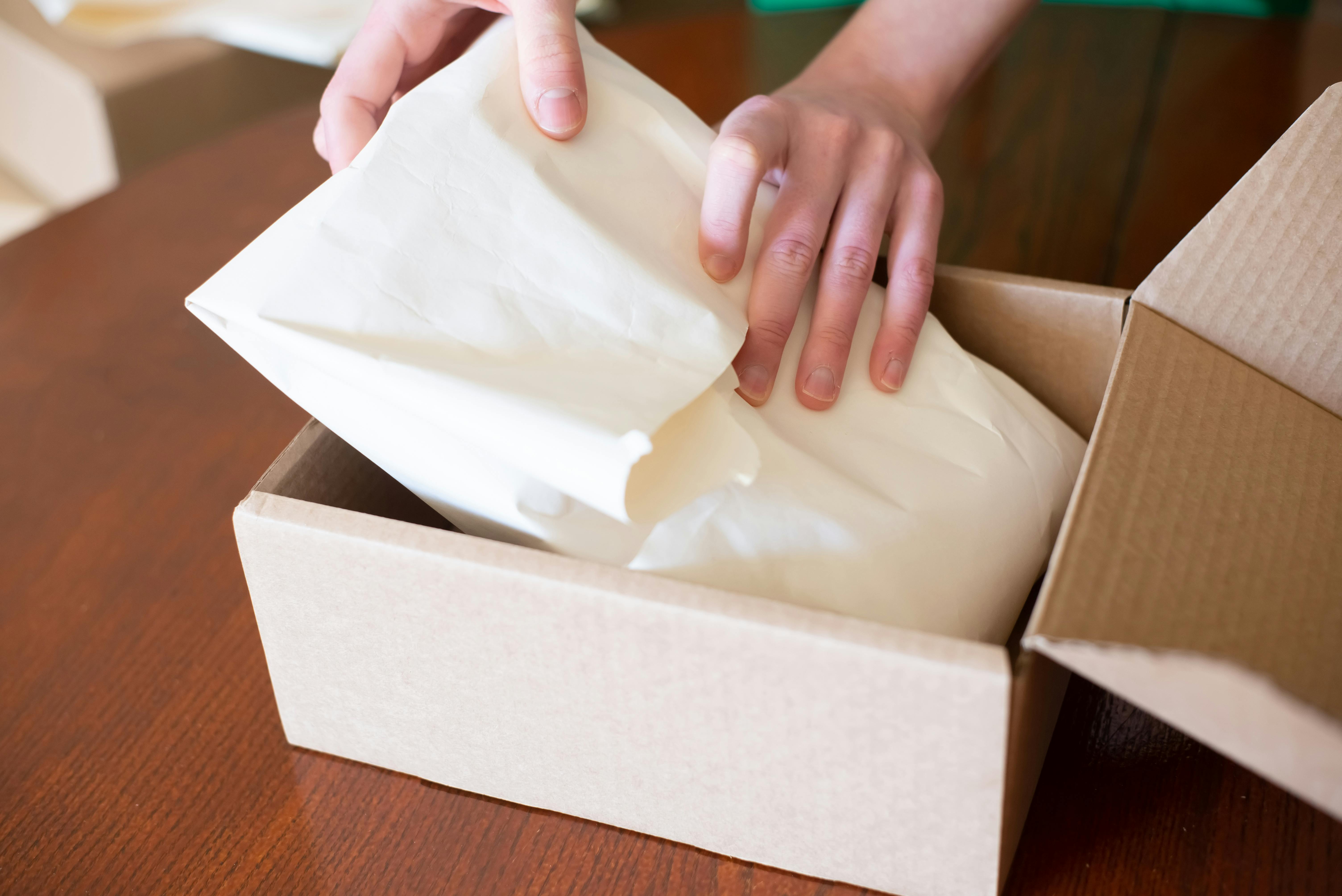
The most common packaging mistake is still the simplest one: too much empty space. A carton can look perfect in a render and behave badly once a product is loaded, shipped, handled, and opened a few times on a packing line. If the cavity is loose by even 1 to 2 mm, a lipstick can tilt, a glass bottle can start rubbing, and a pump can press against the insert until the finish shows wear. That is how scuffs, dents, and avoidable complaints start piling up.
The Custom Carton Inserts for cosmetics brands supplier quote checklist is not a design exercise. It is a sourcing tool that forces clear answers on fit, structure, and finish before a run is approved. Loose inserts create cost in more than one place at once: they raise returns, they weaken the premium unboxing feel, and they make transit damage more likely. A beautiful outer carton cannot rescue a sloppy internal fit.
Cosmetics are especially unforgiving. Compacts chip. Serum droppers shift and crack. Lip gloss caps mark the board. Palette corners crush. Even when the product survives, a rattling insert or a carton that sounds empty can make the whole package feel cheaper than the brand actually is. That is a packaging and brand perception issue, not just a shipping problem.
From a buyer's perspective, the math is straightforward. A small return rate, a few replacement shipments, and a batch of rejected samples can add up fast if the insert spec is loose. A tighter spec pays for itself quickly. That is why the Custom Carton Inserts for cosmetics brands supplier quote checklist should come before artwork approval. Fit first. Decoration second.
A cosmetic insert should hold the product still, protect the finish, and make the carton feel deliberate. If it misses one of those jobs, the quote was never really comparable.
I have seen projects stall because the carton looked good on the sample table but failed after a week of real handling. The sample passed because everyone was careful. The production line was not so gentle, and it did not need to be. Once you watch a premium bottle slide just enough to polish the board edge, you stop treating insert clearance like a small detail.
People also forget that damage often starts before the first parcel leaves the warehouse. Samples get handled. Retail units get packed, unpacked, and repacked. Displays get assembled. A structure that looks fine in a controlled sample test can still fail once operators move faster than the specification writer expected. The custom carton inserts for cosmetics brands supplier quote checklist closes that gap early, while the cost of fixing it is still low.
A good starting question is simple: should the insert stop movement entirely, or only reduce it? Those are not the same thing. For fragile cosmetics, "reduce it" usually leaves too much room for interpretation. Clear cavity control, defined wall clearance, and a tolerance range the supplier is prepared to stand behind are what keep premium packaging from turning into expensive guesswork.
Custom Carton Inserts for Cosmetics Brands Supplier Quote Checklist: Formats and Fit Options
Cosmetic inserts usually fall into four main families: paperboard, corrugated, molded pulp, and foam. Each one solves a different problem, and the custom carton inserts for cosmetics brands supplier quote checklist should force the supplier to explain why a format is being recommended, not just which format they happen to stock.
Paperboard is the cleanest choice for lightweight cosmetics, premium retail packaging, and any carton where the insert is visible and part of the presentation. It works well for lipsticks, small jars, single serum bottles, and compact gift sets. It is easy to print, which helps when the insert is part of the branded packaging story rather than a hidden structural piece.
Corrugated makes more sense when the insert must absorb extra handling, support a heavier item, or travel through more than one distribution point. Glass bottles, multi-item bundles, and launch kits that pass through several facilities often benefit from the added cushioning and sturdier structure. Corrugated is less refined in appearance than paperboard, but that tradeoff matters less than product damage.
Molded pulp is useful when a protective shape is needed and a lower-plastic profile matters to the brand. It works well for certain bottles, jars, and trays, especially where sustainability claims matter and the product shape can be captured by a molded cavity. It is not always the prettiest option, and it can weigh more than paperboard, yet it has a real place in cosmetic product packaging.
Foam remains the high-protection option. It can be effective for luxury sets, fragile glass, and products with irregular shapes. The tradeoff is cost, a weaker environmental story, and less flexibility for print. It belongs in the discussion when the protection requirement is clear enough to justify those limits.
| Insert format | Best use | Typical MOQ | Typical unit price | Main tradeoff |
|---|---|---|---|---|
| Paperboard | Lipsticks, compacts, jars, premium retail cartons | 3,000-10,000 pcs | $0.12-$0.35 | Less cushioning than corrugated or foam |
| Corrugated | Glass bottles, heavier sets, shipping protection | 2,000-8,000 pcs | $0.18-$0.45 | Bulkier look, less refined if visible |
| Molded pulp | Protective trays, sustainable packaging programs | 5,000-20,000 pcs | $0.22-$0.60 | Tooling and sampling take longer |
| Foam | Delicate, high-value, or unusual shapes | 1,000-5,000 pcs | $0.30-$0.90 | Less friendly sustainability profile |
For multi-SKU kits, a multi-cavity insert usually makes more sense than several separate trays. One insert can hold a serum, a cream jar, and a mini applicator without slowing packing too much. For a hero item, a single-item tray can look cleaner and feel more premium. The right answer depends on whether the project is being driven by shelf presentation, shipping protection, or both.
Two more choices belong early in the process. First, visible or hidden insert. If the insert is visible when the carton opens, print quality and surface finish matter a great deal. If it stays buried, plain board is often the smarter call. Second, one-piece or multi-part. A one-piece insert can be easier to assemble, while a multi-part structure can give tighter control for complex sets, especially in custom carton inserts for cosmetics brands where each SKU has different dimensions.
The custom carton inserts for cosmetics brands supplier quote checklist should also ask about die-cut complexity. A simple fold-and-lock paperboard design is usually cheaper than a deeply nested tray with multiple cavities and retention flaps. That sounds obvious, yet quotes still get compared without accounting for the labor difference between one structure and another.
For broader context on packaging materials and sustainability claims, the FSC site is a useful reference point: FSC. If the insert is part of a shipping program rather than only a retail display piece, ask how the design relates to transit testing and handling. A packaging structure needs to suit the real route, not just the sales pitch.
Specification Checklist: Measurements, Materials, and Print
This is the point where quotes stop being vague and start being genuinely useful. The custom carton inserts for cosmetics brands supplier quote checklist should demand exact measurements, because "approximately the right size" is not a specification. Suppliers need the product dimensions, the carton inner dimensions, the cavity depth, the wall clearance, and any headspace limit you can define. If those numbers are missing, the supplier will fill in the blanks, and the result may not be the one you expected.
A simple data pack keeps everyone honest. List the product name, SKU, shape, fill volume, closure type, outer carton size, and whether the insert holds one item or several. For bottles, include shoulder diameter, base diameter, and overall height. For palettes, note thickness, hinge direction, and whether the product opens from the side or top. For jars, confirm lid diameter and any label wrap that affects fit.
- Product dimensions: overall length, width, height, and any irregular features.
- Carton inner size: the usable space after board thickness is applied.
- Cavity depth: enough to hold the product without forcing the cap or lid.
- Wall clearance: enough to avoid rubbing, but not so much that the product rattles.
- Headspace limits: especially important for dropper bottles and pump products.
- Acceptance tolerance: define what variation is okay before production begins.
Material choices matter just as much. Ask for the board grade, thickness, recycled content, finish, and any barrier requirement. A lightweight paperboard insert may be enough for a compact, while a heavier board or corrugated board may be needed for a glass serum bottle. If oil, fragrance, or moisture can migrate from the product, say so up front. A beautiful insert that warps after one humid week is just expensive paper.
Surface finish belongs in the quote as well. Do you want a matte look, uncoated board, or a coated finish that matches the outer carton? Should the insert be plain, or should it carry a logo, product name, or short instruction line? For visible inserts, print method matters. Flexographic printing, offset printing, and digital printing each bring different cost structures and color limits. The custom carton inserts for cosmetics brands supplier quote checklist should name the method being quoted so the numbers are actually comparable.
Branding details belong here too. If the insert sits beside premium retail packaging, color consistency matters. If the outer carton uses custom printed boxes with a soft-touch feel, a plain rough insert can look unfinished the moment the customer opens it. If the insert is hidden, there is no reason to overpay for decoration nobody will see. That is one of those packaging choices people make on instinct and regret later.
For sourcing and compliance, ask whether the supplier can provide FSC-certified board, and whether they can document chain-of-custody if needed. If your product ships as a parcel, it is worth asking whether the insert design is aligned with a relevant ISTA test profile. The standards body is here: ISTA. For sustainability reporting and packaging waste concerns, the EPA has useful background on materials and recycling behavior: EPA.
A clean spec sheet reduces back-and-forth more reliably than any polished brand deck ever will. That is not a criticism. It is just how production works. The more complete the custom carton inserts for cosmetics brands supplier quote checklist is, the faster the supplier can quote accurately and the less likely you are to get stuck in revision loops.
If the supplier asks for the same measurements twice, the spec sheet was not complete enough. Send the numbers clearly the first time and save the loop.
Pricing, MOQ, and Quote Inputs for Custom Carton Inserts
The real cost of custom carton inserts is shaped by structure, not just size. The custom carton inserts for cosmetics brands supplier quote checklist should push the supplier to break down the key price drivers: material choice, number of cavities, die complexity, print coverage, finishing, and packing method. A quote that lands as one flat number with no explanation is not giving you much to work with.
Here is the practical version. A simple paperboard insert for a standard cosmetic carton can often sit in the roughly $0.12-$0.35 per unit range at mid-size quantities, while a more complex insert with several cavities, print coverage, or heavier board can move into the $0.20-$0.50 range. Molded pulp and foam can reach higher numbers depending on tooling, density, and cavity shape. These are planning ranges, not fixed promises, and that distinction matters.
MOQ follows the same logic. Simple paperboard inserts usually start lower because the tooling is simpler and the production setup is cleaner. Corrugated inserts can also be practical at moderate quantities. Molded pulp often needs a higher MOQ because tooling and setup need volume to make sense. If a supplier offers a very low MOQ on a highly customized structure, ask what is being left out. The missing cost usually appears later as a surcharge.
Order complexity can move the unit price quickly. If one run is split across multiple SKUs, each SKU may need its own dieline, its own fit check, and sometimes its own tooling adjustment. If the outer carton is not standardized, the insert has to be rebuilt for every size. That increases prepress time and makes the quote look more tangled than it otherwise would. The custom carton inserts for cosmetics brands supplier quote checklist should have each SKU quoted line by line so you can see exactly where the cost sits.
These are the quote inputs I would request every time:
- Product dimensions and carton inner size for each SKU.
- Quantity by SKU and by total order.
- Artwork files in editable format if printing is required.
- Material and finish preference such as plain board, coated board, or natural kraft.
- Destination for shipping and any freight restrictions.
- Sample request if a physical prototype is needed.
- Target production date and any launch deadline.
Ask for tiered pricing. You want to know what happens at 1,000, 3,000, 5,000, and 10,000 units, not only the middle number. That tells you whether the supplier is pricing for an actual production run or just tossing out a rough estimate. It also shows where the unit cost drops enough to justify a larger buy. That kind of detail is useful when buyers compare custom carton inserts for cosmetics brands across multiple vendors.
The cheapest quote is often the one that left out the most: no sample cost, no shipping, no special material, no print matching, no tolerance discussion. That is not a bargain. That is a future change order. The strongest version of the custom carton inserts for cosmetics brands supplier quote checklist keeps that sort of surprise out of the project.
Process and Timeline: Sample, Proof, and Production Steps
A supplier can quote quickly and still run a messy process. The custom carton inserts for cosmetics brands supplier quote checklist should define a clear workflow from inquiry to shipment. If the supplier cannot explain the steps, you are not buying speed. You are buying uncertainty with better wording.
A solid process usually follows this path:
- Brief review: supplier checks dimensions, material needs, and print requirements.
- Structural suggestion: the supplier recommends a format, cavity style, or board grade.
- Dieline or structural layout: the insert layout is drawn to fit the carton and product.
- Proof: artwork or layout is reviewed for size, placement, and any print issues.
- Sample or prototype: a fit sample confirms retention and assembly behavior.
- Approval: the buyer signs off on the final version.
- Production and packing: the run is made, checked, and prepared for shipment.
Timing is usually manageable if the specs are complete. Brief review can take 1 business day. Dieline work may take 1 to 3 business days. Proofing is often another 1 to 2 days. A physical sample can add 5 to 10 business days, sometimes longer if a special material has to be sourced. Production often lands in the 10 to 20 business day range after approval, depending on quantity, structure, and finishing.
What slows everything down? Missing dimensions. Vague artwork files. Repeated revisions. Special coatings that are not stocked. Unusual board grades. A launch date that was never realistic in the first place. The custom carton inserts for cosmetics brands supplier quote checklist does not solve bad planning, but it does expose it early enough to keep the damage manageable.
Seasonal launches and promotional bundles deserve extra caution. If the insert has to land before a retailer cutoff, ask for the supplier's realistic schedule, not the optimistic one. One missed approval can add a week. One sample change can add another. That matters more than most buyers want to admit.
If your program includes shipping validation, ask whether the supplier has experience with ISTA-based test expectations and whether the structure is being designed for parcel handling or only shelf presentation. That distinction changes a lot. A tray that looks polished in a showroom may still be too light for e-commerce shipments.
Fast turnaround is nice. A clean process is better. Every time a supplier has to guess, the buyer pays for it later.
The better suppliers do not just quote the custom carton inserts for cosmetics brands supplier quote checklist quickly. They ask the right questions, flag risk early, and keep the sampling loop short. That is how you get a better result without spending two weeks pretending the first version was good enough.
Why Choose Us for Custom Carton Inserts for Cosmetics Brands
Here is the part that matters most to a buyer: you are not paying for cardboard alone. You are paying for fit checking, clear communication, predictable sampling, and fewer surprises in production. That is where a supplier earns the order. The custom carton inserts for cosmetics brands supplier quote checklist only works if the supplier knows how to read it and respond like a professional.
We focus on the practical side of cosmetic packaging. That means cavity alignment that truly matches the product, clean edges that do not snag during packing, retention that holds the item without damaging the finish, and print that looks intentional if the insert is visible. Those details sound small until they decide whether the final retail packaging feels premium or simply assembled.
For brands managing multiple SKUs, standardizing one insert system across product lines can save real money. One board grade. One general cavity approach. Fewer variations on the packing line. That kind of packaging design discipline is quiet, but it works. It reduces mistakes. It also helps when you are ordering custom printed boxes and want the insert to follow the same brand logic instead of feeling like a separate decision made at the last minute.
We also take sample-first thinking seriously. Guessing on fit is how brands waste time and money. A prototype may feel like an extra step, but it is often the least expensive step in the whole project. If the insert needs revision, it is far better to learn that before a full run than after the cartons are boxed and scheduled for dispatch.
If you want to see how this approach fits into a broader packaging program, our Custom Packaging Products page shows the other pieces that can sit around the insert. If you want examples of what careful planning looks like in real projects, the Case Studies page is more useful than a generic sales pitch. And if you are ready to compare a live quote, Contact Us with your dimensions, quantity, and artwork files.
The custom carton inserts for cosmetics brands supplier quote checklist also works as a quality-control tool. It helps catch issues before they turn into delays. That matters for branded packaging, package branding, and any launch where the outer carton and the insert need to work together instead of competing with each other.
One last point. A cheap quote with fuzzy fit is not cheap. It becomes expensive later, spread across replacements, complaints, and rushed reprints. The supplier who understands custom carton inserts for cosmetics brands is the one who protects your margin without making the process feel like a scavenger hunt.
Next Steps: Send the Right Files and Compare Quotes
If you want pricing you can actually use, gather the right files first. The custom carton inserts for cosmetics brands supplier quote checklist should go out with product dimensions, carton size, quantity, artwork files, finish preferences, and shipping destination. If you have multiple SKUs, list each one separately. If you need a sample, say so at the start. If the product is fragile or expensive, do not skip the prototype. That just invites trouble.
Then ask every supplier for the same quote format. Same structure. Same quantities. Same material. Same destination. Same sample terms. That is the only fair way to compare prices. Otherwise, you are looking at three different numbers that are not actually describing the same job.
Here is the simple action plan:
- Build the custom carton inserts for cosmetics brands supplier quote checklist with exact measurements.
- Send it to your shortlisted suppliers at the same time.
- Request a sample or prototype for any fragile or high-value product.
- Compare price, MOQ, lead time, and sample cost line by line.
- Pick the supplier that gives the best fit and the cleanest process, not just the lowest number.
If you want the shortest version of the rule, here it is: the best Quote for Custom carton inserts for cosmetics brands is the one that matches the product, the schedule, and the budget without guessing. That is what a real custom carton inserts for cosmetics brands supplier quote checklist should deliver.
What should I include in a supplier quote for custom carton inserts for cosmetics brands?
Include product dimensions, carton inner size, quantity, and whether the insert holds one item or multiple SKUs. Add material preference, print requirements, finish, and any moisture or oil resistance needs. If you want a cleaner comparison, send the same custom carton inserts for cosmetics brands supplier quote checklist to every vendor and keep the format identical.
Which material is best for cosmetic carton inserts with fragile products?
Paperboard is usually best for lightweight items, standard retail cartons, and clean presentation. Corrugated works better when the product needs extra cushioning or shipping protection. Molded pulp can be a good option for brands that want a more protective, lower-plastic profile. The right choice depends on whether the custom carton inserts for cosmetics brands supplier quote checklist is focused on shelf appeal, shipping protection, or both.
What MOQ should I expect for custom carton inserts for cosmetics?
Simple paperboard inserts usually start lower than molded or heavily finished versions. Complex die-cut structures, multiple cavities, or printed inserts often need a higher MOQ to stay cost-effective. Ask for tiered pricing so you can see where unit cost drops at larger quantities. That is a core part of any useful custom carton inserts for cosmetics brands supplier quote checklist.
How long does the process usually take for a cosmetic insert order?
Dieline and proofing are usually the fastest part if your measurements are complete. Sampling can add several days, especially if the fit needs to be adjusted after the first prototype. Production lead time depends on quantity, structure, and finishing, so ask for a stage-by-stage timeline. The better your custom carton inserts for cosmetics brands supplier quote checklist, the fewer surprises in the schedule.
Can custom carton inserts for cosmetics brands include printing or branding?
Yes, most paperboard inserts can be printed with logos, product names, or simple brand messages. Keep the artwork practical: inserts are for fit and protection first, decoration second. If the insert will sit next to premium packaging, confirm color matching and finish compatibility before approval. That is where the custom carton inserts for cosmetics brands supplier quote checklist helps prevent mismatched package branding later.
Before you send a request for quote, lock the spec pack: product dimensions, carton inner size, quantity, material, finish, print needs, tolerance, and timeline. Compare only like for like, and do not approve a run until the sample holds the product still without scuffing the finish. That one step saves more money than any clever pricing trick ever will.

