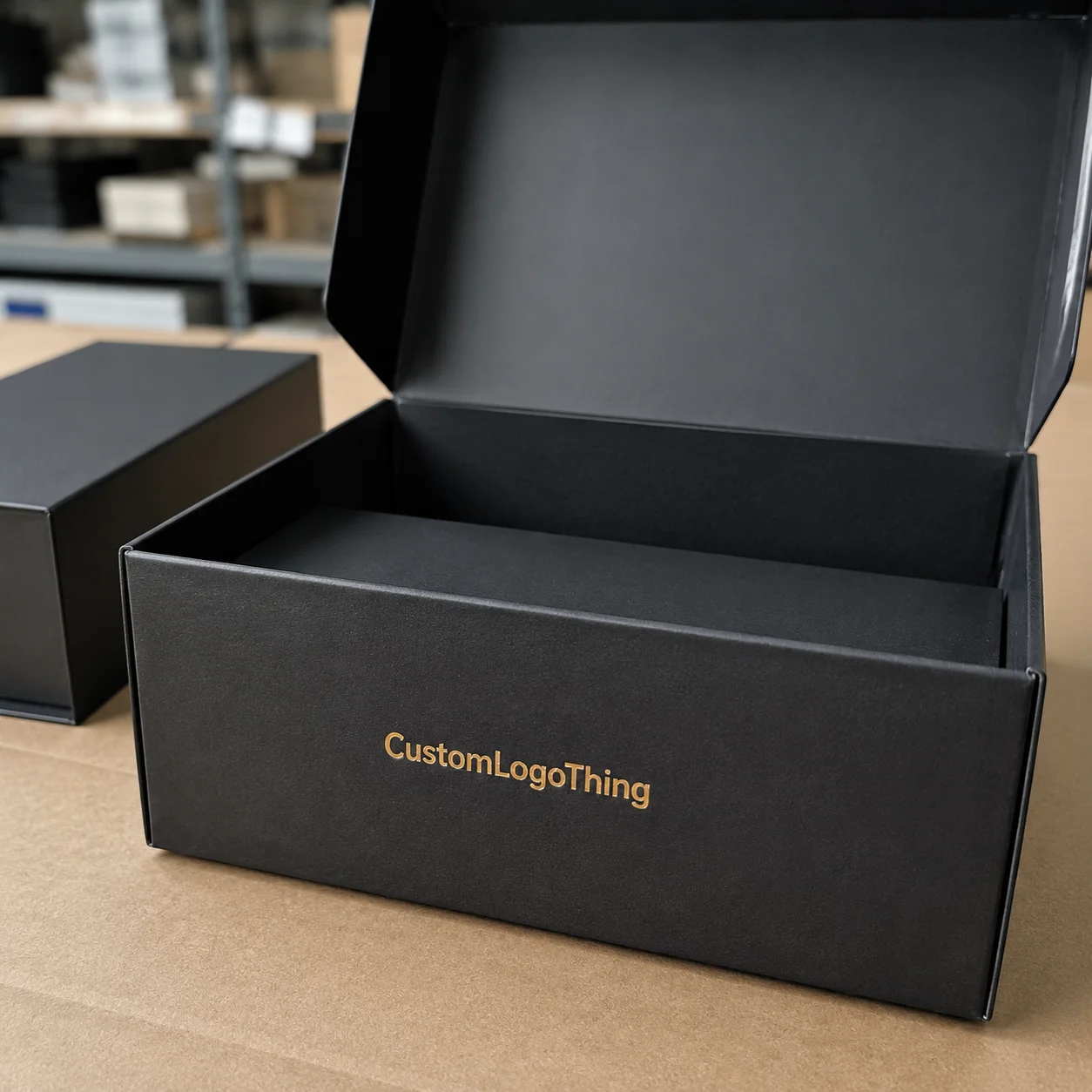
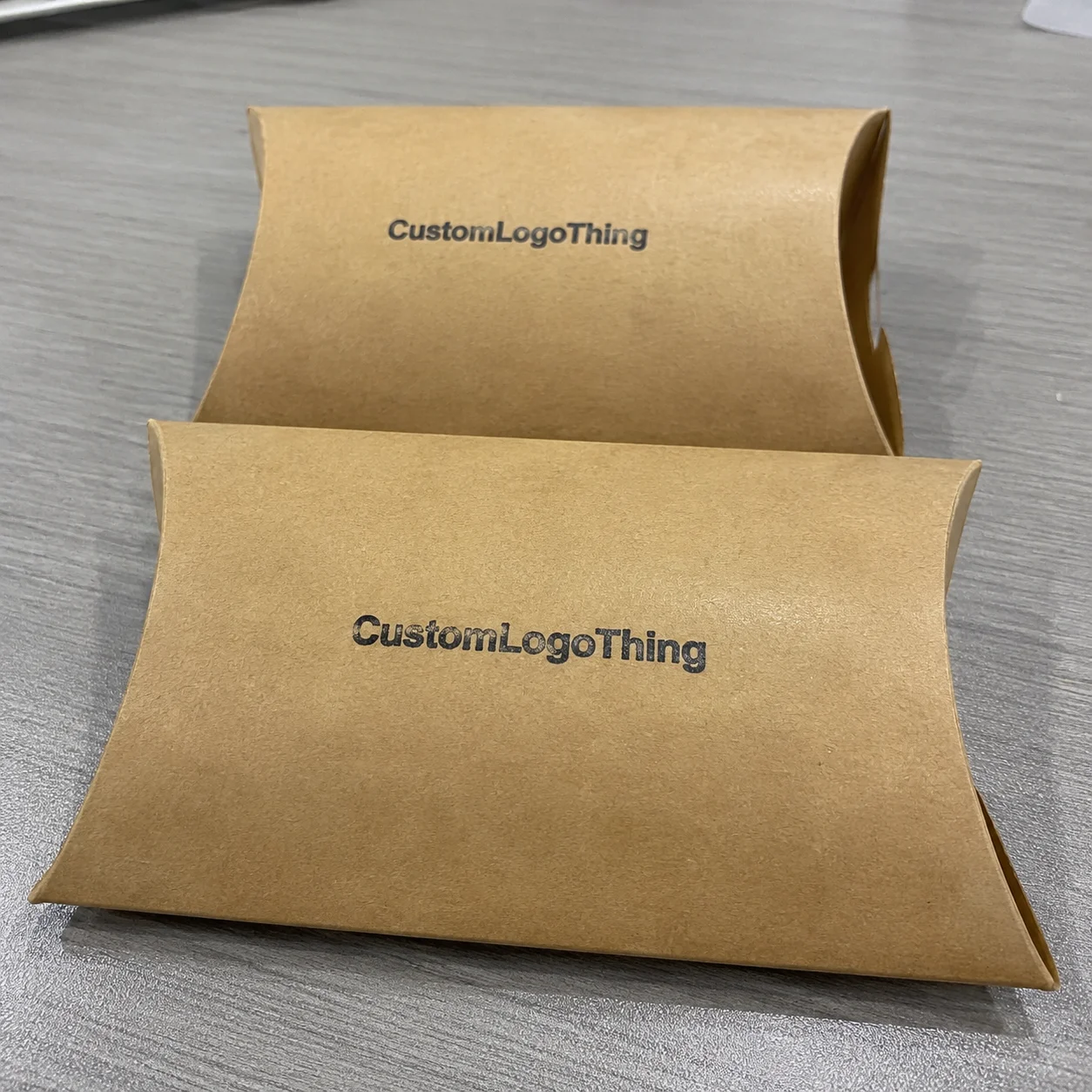
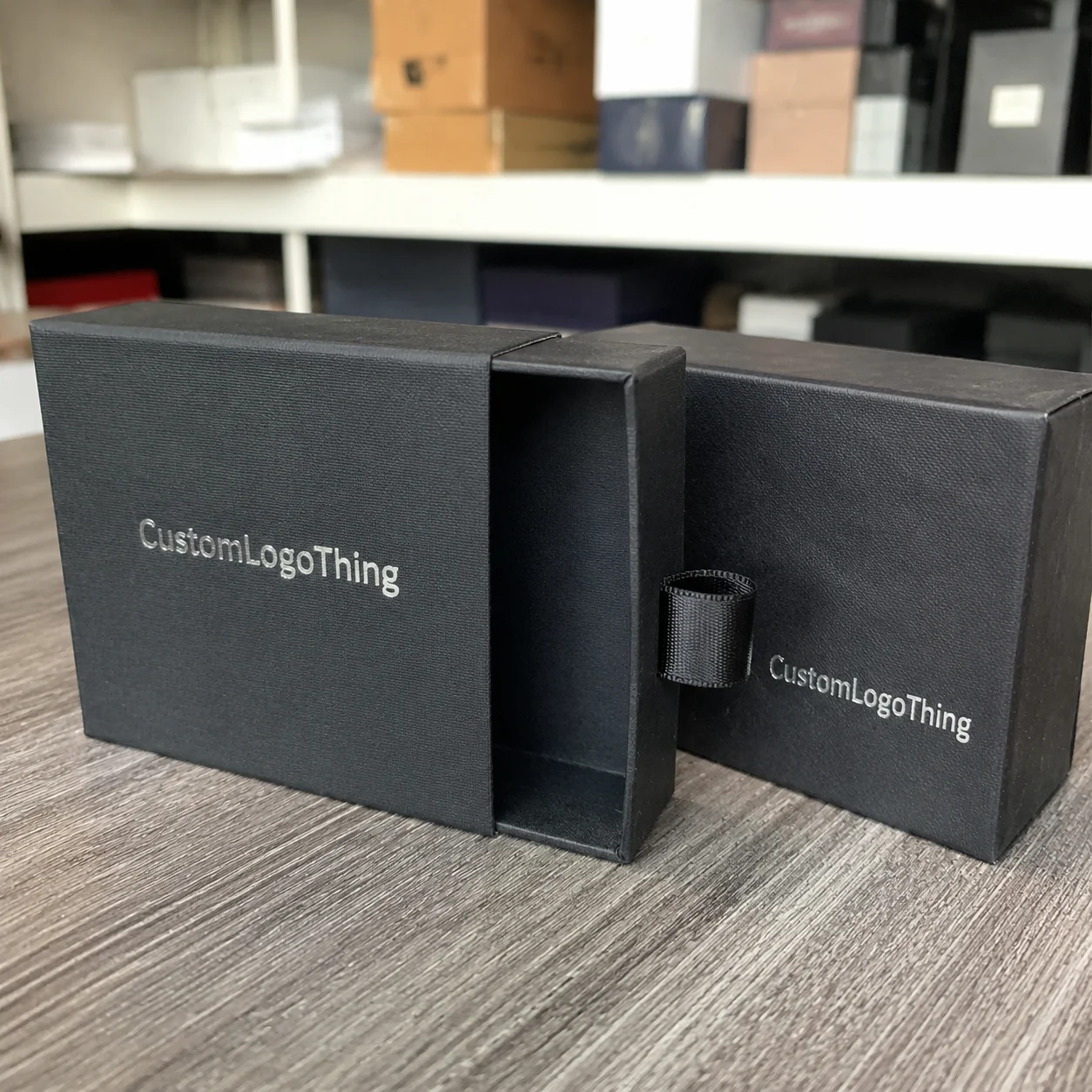
Buyer Fit Snapshot
| Best fit | Custom Chipboard Boxes Wholesale Pricing projects where brand print, material claims, artwork control, MOQ, and repeat-order consistency need to be specified before quoting. |
|---|---|
| Quote inputs | Share finished size, material target, print colors, finish, packing count, annual reorder estimate, ship-to region, and any compliance wording. |
| Proofing check | Approve dieline scale, logo placement, barcode or warning zones, color tolerance, closure strength, and carton packing before bulk production. |
| Main risk | Vague material claims, crowded artwork, missing packing details, or unclear freight terms can make a low unit price expensive after revisions. |
Fast answer: Custom Chipboard Boxes Wholesale Pricing: Structure, Print Proof, Packing, and Reorder Risk should be specified like a repeatable production item. The safest quote records material, print method, finish, artwork proof, packing count, and reorder notes in one written spec.
Production checks before approval
Compare the actual filled-product size with the drawing, then confirm tolerance on folds, seals, hang holes, label areas, and retail display edges. Reserve space for logos, QR codes, warning copy, and material claims before decorative graphics fill the panel.
Quote comparison points
Review material grade, print process, finish, sampling route, tooling charges, carton quantity, and freight assumptions side by side. A quote is only useful when the supplier can repeat the same color, closure quality, and packing count on the next order.
Walk any converting floor long enough and you learn a simple truth: two chipboard cartons that look nearly identical on a pallet can land at very different numbers once board caliper, print coverage, inserts, and finishing are spelled out. That is exactly why custom chipboard Boxes Wholesale Pricing deserves a real breakdown instead of a guess. I remember standing beside a stack of freshly converted cartons in a facility outside Chicago, thinking, “These look basically the same,” only to hear the plant manager explain why one version cost nearly 18% more after a tiny change to the fold style and a metallic accent that looked harmless on the mockup. That was the moment the penny dropped for me: custom chipboard boxes wholesale pricing is never just about the box sitting there quietly on the table; it is about everything the box forces the factory to do to make that quiet little object real, from the 350gsm C1S artboard on the press sheet to the final bundle count on the pallet.
I’ve watched buyers approve a “basic” box at one budget level, then watch that figure move fast after they add a foil mark, a tighter fold tolerance, and a window cutout that forces a new die line. Honestly, I think this is where a lot of packaging frustration comes from: the sample looks simple, the spreadsheet looks simple, and then the production file shows up and acts like a tax return. If you are trying to budget honestly for product packaging, custom chipboard boxes wholesale pricing becomes much easier to manage once you know which specifications move the needle and which ones barely change the quote, especially when one supplier is quoting a 16pt folding carton and another is pricing a 24pt SBS structure with matte aqueous coating.
I’ve seen this happen in small cosmetic runs, in subscription box programs, and in retail packaging orders where the sales sample looked simple but the production file told a different story. Most people do not get burned by the box itself; they get surprised by the details around the box. That is why custom chipboard boxes wholesale pricing is better treated like a formula than a flat menu item. The formula is straightforward once you know the inputs: material grade, structure, size, print method, finishing, quantity, and how much handwork the job requires, with real-world factory locations like Dongguan, Shenzhen, or Chicago changing freight, labor, and lead-time assumptions in measurable ways.
Why Custom Chipboard Boxes Wholesale Pricing Often Surprises Buyers
The biggest pricing shock usually starts with the board. A 16-point SBS carton, a 24-point chipboard sleeve, and a rigid-style wrapped piece are not cousins on the same shelf; they are different manufacturing routes with different material consumption, cutting pressure, and handling time. In custom chipboard boxes wholesale pricing, board caliper alone can swing the quote because heavier board means more raw material, more cutting resistance, and sometimes more finicky folding on the converting line. I still remember a run where the operators on a Bobst die cutter had to slow down just enough to avoid cracking on the score, and the whole room got that slightly annoyed, coffee-fueled silence that tells you everyone knows the schedule just got longer, especially when the board stock was a 400gsm uncoated sheet shipped in from a mill outside Milwaukee.
Then comes print coverage. A one-color logo on a white exterior is a different animal from a full-bleed CMYK wrap with inside print, registration marks, and a spot UV panel. I remember a meeting at a Midwest cosmetics co-packer where the buyer expected a modest bump for adding metallic foil, but the final number moved more because the foil area crossed a glue zone and forced a different finishing sequence. That is the kind of detail that makes custom chipboard boxes wholesale pricing feel unpredictable from the outside, even though the factory sees the logic immediately. Honestly, I think this is one of the biggest disconnects between brand teams and production teams: a designer sees a beautiful surface, while the press operator sees a dozen steps, three alignment checks, and one very stubborn adhesive path, all of which can add 6 to 9 percent to the quote on a 5,000-piece run.
Small structural changes also matter more than most buyers expect. Add a window cutout and you introduce a die change and more scrap. Tighten a tolerance by just a fraction of a millimeter and you may slow the line because operators need more inspection and more careful folding. Include a custom insert, and the job can move from a simple fold-and-glue carton to a multi-step assembly. In practical terms, custom chipboard boxes wholesale pricing reflects how hard the box is to make, not just how nice it looks, whether the line is running in Guangzhou with manual gluing stations or in a suburban Illinois plant with semi-automatic carton folders.
“The same-looking box can hide a very different production story once the board weight, finish, and glue pattern are locked in.”
That is the factory-floor reality I wish more brand teams saw earlier. I have stood beside a Kraus die cutter while operators slowed a run because a knife line was too close to a score, and I have watched a finishing room rework a stack of cartons because the matte lamination interfered with a window patch adhesive. Those moments are not rare. They are the reason custom chipboard boxes wholesale pricing should always be quoted from a full spec sheet, not a vague description, especially when the job is being produced in a facility that handles 20,000 to 50,000 cartons per day and every extra pass costs labor minutes.
If you are comparing suppliers, ask whether the quote includes the actual board grade, the print method, the finish, the die cost, and the packing method. If it does not, the number is not truly comparable. A quote that looks lower on paper can be more expensive in practice if it excludes tooling, freight, or assembly. That is why a solid custom chipboard boxes wholesale pricing discussion starts with clarity, not with the lowest line item, and why a supplier quoting from Los Angeles to New Jersey should spell out whether truck freight, pallet wrap, and export cartons are part of the base price.
Custom Chipboard Boxes Wholesale Pricing: What You’re Actually Buying
Chipboard boxes are paperboard-based packaging used for retail, cosmetic, food, and promotional products, and they show up everywhere from lip balm cartons to craft kit sleeves to secondary packaging for supplements. The term sounds broad because it is broad, but the production realities are specific. In most programs, you are buying a structure that is printed, cut, creased, folded, and either glued or left open depending on the application. That is why custom chipboard boxes wholesale pricing is tied to both the structure and the finishing path, with a typical folding carton using 18pt or 24pt board and a premium sleeve often built from 350gsm to 400gsm C1S artboard.
It helps to separate chipboard from other common packaging types. Corrugated boxes are built for shipping strength, with flutes and a lot more crush resistance. Folding cartons are lightweight retail-ready cartons that often use paperboard in the 14-point to 24-point range. Rigid setup boxes use thicker board and wrapped paper, usually for premium presentation. Chipboard can sit in the folding carton range, but some custom programs borrow rigid-style presentation cues. When buyers understand that difference, custom chipboard boxes wholesale pricing starts to make sense because they can see what labor and material class they are paying for, whether the work is being converted in Dongguan, Toronto, or a plant in the Dallas–Fort Worth corridor.
Common structures include tuck-end cartons, sleeves, auto-bottom cartons, reverse tuck cartons, collapsible boxes, and custom printed boxes with inserts or partitions. For example, a tuck-end carton for a skincare serum may need only a simple die line and a clean CMYK exterior, while a branded packaging sleeve for a gift set may need an inner tray, matte lamination, and an embossed logo. In both cases, custom chipboard boxes wholesale pricing depends on how many operations the box requires before it is ready to fill, and on whether the factory is using water-based glue or hot-melt adhesive in the final closure.
I’ve had clients assume “chipboard” meant one standard material, but in the field I’ve seen everything from lightweight 12-point stock to much heavier folded board that behaves almost like a thin rigid setup. The material choice affects scoring, folding memory, and even how the carton sits on a retail shelf. If the box needs to travel through an automatic packing line, that compatibility matters. If it needs to support a premium fragrance bottle without bowing at the corners, that matters too. And every one of those decisions feeds back into custom chipboard boxes wholesale pricing, especially on runs above 10,000 pieces where a 2mm width change can alter the sheet yield.
Print and finish options are where branding gets interesting. CMYK covers full-color artwork well. PMS spot colors help when brand accuracy matters, especially for package branding and repeat programs. Matte lamination gives a softer retail look, gloss can make color pop, soft-touch adds a velvety feel, and embossing or debossing adds physical dimension. Spot UV creates contrast on logos or pattern areas. Foil stamping adds premium shine. None of these options are free, and each one touches custom chipboard boxes wholesale pricing in a slightly different way, from the foil die cost to the extra pass required at a finishing house in Shenzhen or Pune.
For brands balancing retail packaging appearance with strict margins, the trick is not to chase every effect at once. I’ve seen stronger results from a well-built carton with one clean brand treatment than from a crowded design with three finishes that all compete for attention. Good packaging design should sell the product, protect it, and move through production without drama. That balance is where custom chipboard boxes wholesale pricing becomes a useful planning tool instead of a guessing game, and where a 350gsm C1S carton with aqueous coating can outperform a heavier-looking but overfinished alternative.
| Packaging Type | Typical Material | Use Case | Relative Cost Pressure |
|---|---|---|---|
| Folding chipboard carton | 14pt–24pt paperboard | Cosmetics, retail accessories, supplements | Moderate |
| Chipboard sleeve | Light to medium board | Gift sets, bars, promotional kits | Lower to moderate |
| Rigid-style wrapped box | Thicker board with wrap paper | Premium presentation, luxury gifting | High |
| Carton with insert | Paperboard plus molded or folded insert | Bottles, jars, multi-piece kits | Moderate to high |
That table is a practical way to think about custom printed boxes because the structure dictates not only appearance but also production effort. If you are comparing Custom Packaging Products, the first question should be whether your product truly needs a premium presentation structure or whether a well-designed folding carton will do the job at a better landed cost. The answer often changes the quote more than a small artwork revision ever could, particularly when one supplier is manufacturing in Chicago and another is shipping cartons from a factory in Guangdong.
Specifications That Shape Custom Chipboard Boxes Wholesale Pricing
Board thickness and caliper sit near the top of the pricing stack. A heavier board usually costs more because the raw material itself is costlier, but that is only part of the story. Thicker board can also require deeper scoring, more careful folding, and sometimes slower machine speeds to avoid cracking. On a busy line, even a few percentage points of reduced efficiency can show up in custom chipboard boxes wholesale pricing because labor and machine time are part of the job cost, not afterthoughts, especially when the substrate is a 24pt SBS sheet or a 400gsm C1S artboard sourced from mills in the Midwest or eastern China.
Size has a direct material effect too. Bigger footprints use more sheet area, which means fewer boxes per press sheet and more waste at trim. A compact cosmetic carton may nest efficiently, while a tall sleeve or wide set box can disrupt layout efficiency and raise unit cost faster than expected. I once reviewed a fragrance carton program where increasing the width by just 4 millimeters pushed the imposition from six-up to four-up, and that small design tweak changed custom chipboard boxes wholesale pricing enough to matter on a 20,000-piece order. The funny part was that everyone in the room stared at a ruler like it had personally offended them, while the estimate in a Shanghai plant moved from $0.21 per unit to $0.26 per unit almost immediately.
Print complexity is another major driver. One-color black on white stock is straightforward. Full-color artwork with gradients, reverses, and tight registration requires more setup and more quality checking. If the interior is printed too, that adds another layer of press work. If the design uses heavy ink coverage on both sides, drying and scuff resistance become more important. All of that affects custom chipboard boxes wholesale pricing because every additional pass or inspection step adds time and material risk, whether the job is on an offset press in Shenzhen or a digital line in Chicago.
Here are the add-ons I see move pricing fastest:
- Die-cut windows that require an extra cut line and sometimes a clear patch.
- Inserts and partitions for product separation or bottle retention.
- Foil stamping for metallic logos or accents.
- Embossing and debossing for tactile brand detail.
- Spot UV for gloss contrast on a matte surface.
- Aqueous coating or varnish for scuff resistance and print protection.
- Special adhesives when the structure needs stronger bond performance.
Each of those details can be sensible. None of them are inherently bad. But every one of them changes the path through the plant and, by extension, custom chipboard boxes wholesale pricing. I’ve sat through more than one supplier negotiation where the buyer wanted three premium features inside a budget built for one. The better move is to rank the features: what must happen, what would be nice, and what can be added on a later production run. That discipline can keep a 5,000-piece order in the $0.24 to $0.38 range instead of drifting higher because the spec sheet got crowded.
Artwork readiness matters more than many teams expect. If files arrive with missing bleed, low-resolution images, unconfirmed Pantone references, or a dieline that does not match the product dimensions, production stops until the file is corrected. That does not just slow the schedule; it can add proofing cost and rework cost. A clean file package helps keep custom chipboard boxes wholesale pricing stable because the factory is not forced to absorb preventable back-and-forth, especially when proofs are being reviewed by teams in New York, Los Angeles, and a manufacturing office in Dongguan at the same time.
Packaging testing can matter too, especially for retail packaging that must survive distribution. Some brands ask for drop testing based on ISTA methods, while others want material references aligned with ASTM standards. Not every carton needs formal lab work, but when a product is fragile or premium, testing can prevent a much bigger loss later. That sort of discipline also keeps custom chipboard boxes wholesale pricing grounded in reality rather than wishful thinking, since a failed transit test can cost far more than a slightly upgraded board spec.
From a sourcing standpoint, FSC-certified paperboard can be a smart choice when a buyer wants documented fiber responsibility. The FSC framework does not magically lower cost, but it can support brand claims and retailer requirements. For some clients, that certification is worth the premium because it aligns with their package branding and market position. Again, custom chipboard boxes wholesale pricing should reflect the value of the spec, not just the appearance of the box, and that value can be especially relevant for national retail programs distributed from California to Pennsylvania.
Custom Chipboard Boxes Wholesale Pricing: MOQ, Volume Breaks, and Unit Cost
MOQ, or minimum order quantity, is where wholesale reality becomes visible. Most factories cannot set up a press, load a die, calibrate color, and run a short batch without spreading those fixed costs over enough units. That is why smaller runs almost always carry a higher per-box rate. In custom chipboard boxes wholesale pricing, the first few thousand units usually absorb a larger share of setup, make-ready, and tooling costs than buyers expect, whether the cartons are being made in a Chicago-area converter or a packaging plant in southern China.
For planning purposes, ask for pricing at 1,000, 3,000, 5,000, and 10,000 units, plus the related tooling and freight estimates. That spread tells you where the price breaks live. A quote at 1,000 pieces might show $0.62 per unit, while 5,000 pieces could fall to $0.28 per unit and 10,000 pieces might come down further depending on board and finish. Those are example ranges, not promises, because custom chipboard boxes wholesale pricing always depends on the exact structure and print method, and a simple reverse tuck box can price very differently from a carton with a window patch and embossed logo.
Here is the basic cost logic I use with buyers on the factory side:
- Setup costs are fixed or semi-fixed, including die install, press make-ready, and color adjustment.
- Material cost rises with size, board thickness, and ink coverage.
- Labor cost rises with handwork, folding complexity, and inspection demands.
- Tooling and finishing add separate charges when special dies or extra operations are required.
Once you understand that structure, custom chipboard boxes wholesale pricing becomes easier to compare across suppliers. A low number may be missing something important, and a higher number may actually be more complete. That is why I always tell clients to compare on a landed basis whenever possible. Include the cost of the box, the die, the sample, the freight, and any assembly. Only then can the quote be judged honestly, whether it is shipping from Oakland, California, or from a factory district in Foshan.
Hidden costs often appear in places buyers do not think to ask about. New dies cost money. Color matching can require extra press time. Folding and gluing may be charged separately if the design is complex. Palletization, export cartons, and route-ready packing can also show up as line items. Even the way the boxes are bundled for warehouse handling can affect custom chipboard boxes wholesale pricing because packing labor is still labor, and a standard 100-count bundle can cost differently than a custom tray-packed order with shrink wrap and corner protection.
Here is a practical comparison of how unit price often moves as volume increases. These are directional examples, not a universal rate card, but they help frame expectations when discussing Wholesale Programs.
| Order Quantity | Typical Setup Impact | Relative Unit Cost | Buyer Takeaway |
|---|---|---|---|
| 1,000 units | Setup cost spread thinly | Highest | Best for launches, samples, or limited runs |
| 3,000 units | Better cost absorption | Moderate | Often a useful balance for test markets |
| 5,000 units | More efficient press usage | Lower | Common sweet spot for repeat packaging |
| 10,000 units | Strong amortization of setup and tooling | Lowest in many cases | Best when demand is stable and storage is ready |
I’ve had buyers tell me they wanted the lowest unit price, then admit they could only store 3,000 finished cartons. That matters. A warehouse aisle filled with packaging inventory can turn a good unit rate into a cashflow problem. The smarter approach is to find the best balance between MOQ, shelf life of the artwork, and actual consumption rate. That is where custom chipboard boxes wholesale pricing is not just about the box; it is about the business behind the box, especially for brands operating from small fulfillment centers in Phoenix or Newark.
One more thing most people miss: repeatability has value. If your specs are locked, your art is stable, and your product size does not change, reorders can be smoother and sometimes better priced because the factory is not rebuilding the job from scratch. Stable packaging design supports stable pricing. That is especially true for brands that run seasonal promotions or maintain a steady retail packaging format across multiple channels, from DTC shipments to big-box retail distribution.
From Quote to Delivery: Process and Timeline for Custom Chipboard Boxes Wholesale Pricing
The standard workflow is not mysterious, but it does need discipline. It usually starts with a request for dimensions, product weight, artwork, finish preferences, and quantity. A quote follows. Then the dieline is approved, the artwork is confirmed, proofs are reviewed, printing begins, finishing is applied, the cartons are converted, packed, and shipped. Every one of those steps touches custom chipboard boxes wholesale pricing because delays or revisions can create extra labor and extra calendar time, particularly when the production line is booked two to three weeks in advance.
Speed improves when buyers send print-ready files, exact product dimensions, and clear finish instructions from the start. I have seen a job move from quote to production without drama because the client supplied the bottle sample, a flat layout, and a PMS target that had already been used on previous branded packaging. I have also seen a job stall for a week because nobody could agree on whether the inner panel should be printed in CMYK or left unprinted. Those decisions matter to custom chipboard boxes wholesale pricing and to lead time, especially when approval comes from multiple stakeholders across New York, Dallas, and London.
Delays usually come from a short list of preventable issues: redesign after quoting, unconfirmed colors, artwork without bleed, structural changes after proof approval, or a product sample that differs from the data sheet. The factory can work fast, but it cannot print around uncertainty. When a buyer wants dependable timing, the fastest path is to lock the structure early and keep the revisions to a minimum. That approach protects custom chipboard boxes wholesale pricing and keeps the schedule under control, with typical production timelines of 12 to 15 business days from proof approval for standard folding cartons and 18 to 25 business days for more complex finishes.
Quality control is not just a buzz phrase. On a good run, I expect board inspection at receiving, press checks at the start of print, fold tests after finishing, and carton count verification before shipment. If the box is going into a retail chain or through fulfillment centers, these checks are not optional in practice, even when they are not specified in the PO. Good production control supports the reliability that buyers expect from custom chipboard boxes wholesale pricing, and it matters whether the job is being packed in Shenzhen, Chicago, or a contract packer in Ohio.
Lead times vary, and I do not like pretending otherwise. Sampling might take 3 to 5 business days depending on the structure. Production can run in a couple of weeks or more, depending on print complexity, die availability, and current queue. Freight time depends on origin, destination, and whether the shipment moves by air, ocean, or truck. That is why I prefer honest ranges instead of vague promises. If someone gives you a quote on custom chipboard boxes wholesale pricing without asking about schedule, they are not really quoting the whole job.
Why Buyers Choose Our Custom Chipboard Boxes Wholesale Pricing
At Custom Logo Things, we speak factory language because we understand what actually happens on the line, not just what looks nice in a mockup. I’ve spent enough years around converting rooms, gluing stations, and pallet wrap stations to know that good quotes come from good specifications and honest production planning. Our approach to custom chipboard boxes wholesale pricing is built around the realities of material sourcing, die-cut accuracy, folding consistency, and finish control, with production partners in regions like Guangdong, Illinois, and California depending on the job size and schedule.
Buyers stay with a supplier when the cartons arrive ready to use. That means consistent creases, accurate dimensions, clean print, and finishes that hold up in transit and on shelf. A carton that arrives slightly oversized can jam a line. A carton that cracks on the score line can undermine the whole presentation. We build for the operational side of packaging as much as the visual side, and that shows up clearly in custom chipboard boxes wholesale pricing, whether the format is a 16pt reverse tuck carton or a 24pt sleeve with a matte finish.
Transparent quoting also matters. We keep specifications clear, including board type, thickness, print coverage, finish choices, and any tooling or assembly charges that apply. For repeat programs, that clarity helps teams forecast packaging cost more accurately from quarter to quarter. For custom printed boxes used in retail packaging, it also helps marketing and operations teams stay aligned instead of arguing over surprise charges later. That kind of trust is one reason buyers come back to us for custom chipboard boxes wholesale pricing, especially when they need an itemized quote with unit price, tooling, and freight separated clearly.
I remember one client in personal care who needed a carton for a serum bottle with a fragile glass dropper. Their first supplier had quoted a simple tuck box, but the bottle slid in the prototype. We adjusted the insert, tightened the fit, and shifted to a slightly heavier board so the box stood properly on shelf. The final carton looked cleaner and ran better on the packing table. That is the kind of practical support that makes custom chipboard boxes wholesale pricing useful rather than theoretical, and it is the difference between a carton that looks nice in a PDF and one that performs on a real packing line in Indianapolis or Atlanta.
We also support samples when fit matters, and fit matters more often than buyers think. A sample can tell you whether the board feels right, whether the closure holds, whether the print matches the brand color, and whether the package will survive the actual handling pattern in your facility. If a customer service team, a co-packer, or a fulfillment center is involved, that sample can save money by catching problems before the run. That is a real advantage in custom chipboard boxes wholesale pricing, particularly when sample approval happens before a 10,000-piece order is released to production.
Our production teams work with controlled processes for cutting, scoring, gluing, and packing, which keeps variation down from job to job. That matters for brands that need repeatable package branding across multiple product lines. It also matters when a buyer is comparing cost against service; a cheap quote that produces inconsistent cartons is not really cheap. In my experience, dependable conversion is one of the most valuable parts of custom chipboard boxes wholesale pricing, because consistency reduces waste, rework, and customer complaints in measurable ways.
How to Get the Best Custom Chipboard Boxes Wholesale Pricing on Your Next Order
The cleanest way to improve your number is to prepare your inputs before requesting quotes. Gather the finished box dimensions, the product weight, the target quantity, the artwork files, and the finish preferences. If you know the product diameter, height, and orientation, include that too. Precise information helps the supplier build a quote that reflects the real job, and that is the first step toward better custom chipboard boxes wholesale pricing, whether you are asking a factory in Dongguan or a converter in the Midwest.
Request two or three material and finish options. For example, ask for one version with matte lamination, one with gloss, and one with soft-touch if the brand can support the premium. On the material side, compare board weights or structural options if the packaging can be simplified without hurting shelf impact. That kind of comparison shows where the savings are real and where they would hurt performance. It is one of the smartest ways to manage custom chipboard boxes wholesale pricing, and it can reveal that a 350gsm C1S artboard carton with aqueous coating is enough where a heavier wrapped board would be overbuilt.
Confirm whether the quote includes tooling, freight, sampling, and assembly. Those details can change the final spend more than a buyer expects, especially on smaller runs. If the supplier is giving you a unit price only, ask for a full landed estimate so you can compare it against other offers fairly. A quote that excludes shipping may look attractive until the pallet invoice arrives, and that is not a fun surprise when you are trying to plan custom chipboard boxes wholesale pricing, especially on shipments moving from Los Angeles to Austin or from Shenzhen to Savannah.
Whenever structural fit is critical, send a product sample. I have seen a perfectly nice carton fail because the bottle shoulder caught on the fold, and I have seen a soap sleeve look great but arrive too loose on the shelf. Physical samples reduce guesswork, especially for products with unusual shapes or fragile surfaces. That practical step can save a lot of back-and-forth and keep custom chipboard boxes wholesale pricing on track, with fewer proof revisions and a better chance of staying inside the original budget.
If your team is evaluating broader packaging design needs, it can also help to review the full lineup of Custom Packaging Products so the structure, finish, and branding approach match the actual product strategy. If you are planning recurring orders, reviewing Wholesale Programs early can help you understand volume breakpoints, reorder planning, and how the pricing behaves over time. That is the best way to turn custom chipboard boxes wholesale pricing into a predictable part of your packaging budget rather than a one-time scramble, particularly for brands planning quarterly production cycles.
Strong buyers ask for specifics up front. They know what their product weighs, how it ships, where it sits on shelf, and what the box must do in the first ten seconds a shopper touches it. That clarity produces better packaging, fewer revisions, and a cleaner quote. If you want reliable custom chipboard boxes wholesale pricing, bring the facts first and let the factory build from there, whether the facility is in Chicago, Shenzhen, or a regional plant in North Carolina.
For brands ready to move, the next step is simple: request a formal quote, send the product dimensions and artwork, and ask for a production review before approval. That process gives you a clearer view of timing, material options, and exact cost. If you want practical numbers instead of vague estimates, reach out and we can walk through custom chipboard boxes wholesale pricing based on your actual box, your actual finish, and your actual order size, with pricing that can start near $0.15 per unit for 5,000 pieces on a simple setup and move upward when foil, inserts, or specialty finishes enter the spec.
FAQ
What affects custom chipboard boxes wholesale pricing the most?
Board thickness, box size, print coverage, finishing, and order quantity usually have the biggest impact on custom chipboard boxes wholesale pricing. Structural add-ons like windows, inserts, and special coatings can raise the unit cost quickly, especially when they add extra die work or hand assembly, and a carton built from 24pt board with foil stamping will almost always price above a plain 16pt CMYK sleeve.
Is there a minimum order for custom chipboard boxes wholesale pricing?
Yes, most wholesale programs use a minimum order quantity because setup and tooling costs need to be spread across the run. Smaller orders are possible, but the per-box price is usually higher, which is why custom chipboard boxes wholesale pricing tends to improve as volume increases, often dropping noticeably at 3,000, 5,000, and 10,000 pieces.
How can I lower custom chipboard boxes wholesale pricing without hurting quality?
Use efficient box dimensions, keep print to one side if possible, and avoid unnecessary special finishes. Ordering higher quantities and keeping artwork production-ready also helps reduce costs, which makes custom chipboard boxes wholesale pricing easier to manage without giving up a solid presentation, especially if you choose a standard tuck-end format instead of a more labor-heavy structure.
How long does production usually take after approving the quote?
Timing depends on the structure, print complexity, and current factory schedule. Fast approvals, final artwork, and no structural changes are the biggest factors in keeping the job moving, so custom chipboard boxes wholesale pricing and lead time both benefit when specifications are locked early; standard cartons typically move from proof approval to completion in 12 to 15 business days, while complex jobs may take longer.
Can I get a sample before placing a wholesale order?
Yes, samples are useful for checking size, board feel, print quality, and fit with your product. A sample is especially important if the box must run on a specific retail or fulfillment workflow, and it often saves money by preventing avoidable changes to custom chipboard boxes wholesale pricing later in the process, especially when the product has a tight fit or a fragile surface finish.