Buyer Fit Snapshot
| Best fit | Custom Chipboard Boxes Wholesale Pricing Explained projects where brand print, material claims, artwork control, MOQ, and repeat-order consistency need to be specified before quoting. |
|---|---|
| Quote inputs | Share finished size, material target, print colors, finish, packing count, annual reorder estimate, ship-to region, and any compliance wording. |
| Proofing check | Approve dieline scale, logo placement, barcode or warning zones, color tolerance, closure strength, and carton packing before bulk production. |
| Main risk | Vague material claims, crowded artwork, missing packing details, or unclear freight terms can make a low unit price expensive after revisions. |
Fast answer: Custom Chipboard Boxes Wholesale Pricing Explained should be specified like a repeatable production item. The safest quote records material, print method, finish, artwork proof, packing count, and reorder notes in one written spec.
Production checks before approval
Compare the actual filled-product size with the drawing, then confirm tolerance on folds, seals, hang holes, label areas, and retail display edges. Reserve space for logos, QR codes, warning copy, and material claims before decorative graphics fill the panel.
Quote comparison points
Review material grade, print process, finish, sampling route, tooling charges, carton quantity, and freight assumptions side by side. A quote is only useful when the supplier can repeat the same color, closure quality, and packing count on the next order.
Custom chipboard boxes wholesale pricing looks straightforward at first glance, then the spec sheet starts telling the real story. A carton that seems identical on paper can move into a different price range once the dimensions change, the board gets heavier, or the finish asks for extra work on press and on the converting line. Buyers comparing custom chipboard boxes wholesale pricing usually find that artwork matters, yet structure and material choices carry far more weight than most first drafts suggest.
Good packaging decisions start with the product itself, the way it will move through your operation, and the kind of handling it will see before it reaches the customer. Retail packaging, subscription kits, cosmetics cartons, and food sleeves all ask different things of a box. Some need crisp shelf presentation. Some need enough strength to survive fulfillment. Some need a clean, economical fold pattern that keeps assembly moving without slowing the line. A carton only earns its keep when the structure, printing method, and quantity fit the actual job instead of a mockup alone.
Brands comparing custom chipboard boxes wholesale pricing with other packaging formats usually want the same thing: a package that spends money where it helps, and nowhere else. The right box protects the product, supports the brand, and keeps production sane without overbuilding the structure or loading the job with unnecessary decoration. That is where wholesale planning begins to show its value.
Why Custom Chipboard Boxes Wholesale Pricing Makes Sense
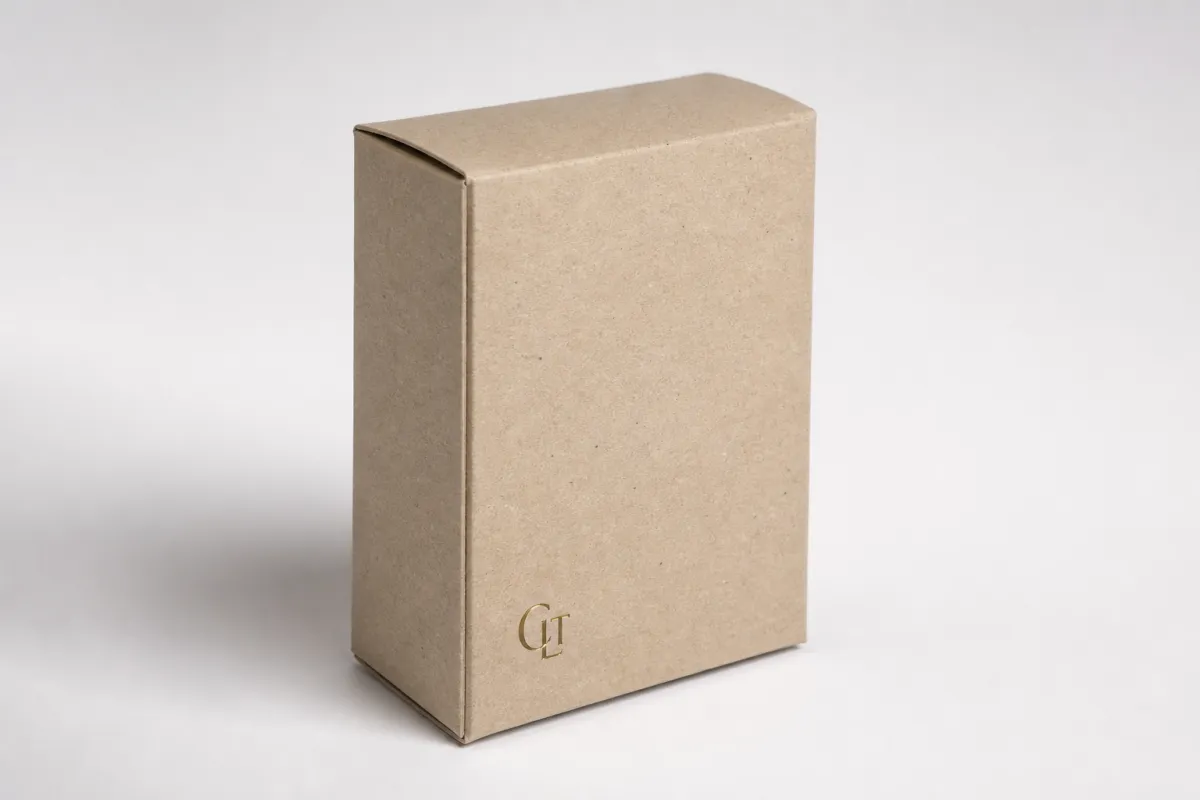
For a brand reviewing custom chipboard boxes wholesale pricing, the largest changes usually come from dimensions, board grade, and finishing rather than artwork alone. Two cartons can share the same print file and still land in very different price bands because one uses a heavier sheet, one needs tighter die control, and one calls for a specialty coating. That kind of spread is normal in packaging work. Box size affects how efficiently the sheet is used, board caliper affects stiffness and feel, and the finish adds steps that take time on the line before the shipment leaves the plant.
Chipboard makes sense in wholesale packaging because it keeps a strong balance between print quality, weight, and unit cost. It works well for retail packaging, cosmetics, sleeves for small electronics, folded cartons for food accessories, and subscription kits that need a polished appearance without the cost of a rigid presentation box. A well-built carton provides enough structure to protect the contents, folds flat for storage, and ships efficiently in volume. That combination is a major reason custom chipboard boxes wholesale pricing often compares well against more complex formats when the product does not call for a heavy set-up style box.
Scale changes the economics in a real way. A larger order spreads setup, proofing, cutting, and press preparation across more units, which lowers the per-box figure in a measurable way. It also tends to tighten consistency. Once the die-line is approved and the press is set, a repeat run usually delivers steadier color, cleaner scores, and fewer packing surprises. For a buyer managing replenishment, that consistency matters because it keeps ordering predictable and makes custom printed boxes easier to budget across the year.
There is a practical difference between a box that looks inexpensive and a box that actually keeps cost under control. A thin carton with weak folding scores may save a little on paper, then create costs later when it crushes during packing or scuffs before it reaches the shelf. A slightly stronger board can improve stackability, reduce damage, and keep the retail face looking cleaner through handling. That is the point where custom chipboard boxes wholesale pricing stops being a hunt for the lowest number and starts becoming a business decision with some discipline behind it.
Teams comparing packaging options usually benefit from looking at the whole system instead of one line item. If a carton has to move quickly through fulfillment, fit neatly into a retail planogram, and still make a strong first impression, wholesale chipboard packaging often lands in the right middle ground. It is not a luxury presentation piece. It is practical branded packaging with enough room for strong design and careful cost control.
Product Details: What Chipboard Boxes Are Made To Do
Chipboard is a paperboard packaging material built for folded carton work where print quality, light weight, and structural reliability all matter at once. It is different from corrugated board, which is built more for shipping strength, and different from rigid set-up board, which is meant to create a heavier presentation feel. Chipboard is the workhorse in the carton world. It gives enough stiffness for retail display, yet still prints cleanly, cuts well, scores predictably, and folds with efficiency. That is why it comes up so often in custom chipboard boxes wholesale pricing conversations for consumer products that need a polished face without overspending on the structure.
Several box styles show up often in this category, and each one behaves a little differently on the production floor and at the point of sale. A tuck end carton is usually the simplest and most economical. A reverse tuck can help when the opening direction matters during assembly or display. An auto-bottom or snap-lock bottom adds speed and security for heavier products. Sleeves work well when the outer wrap needs to create a premium surface around an inner tray or a secondary package. Two-piece chipboard sets are less common than standard folding cartons, yet they can be the right choice for certain Premium Product Packaging jobs where presentation carries more weight than flat-storage efficiency.
Printing and surface treatments shape the final result just as much as the structure does. Offset printing remains standard for many wholesale runs because it gives strong color control and dependable detail at larger quantities. Digital printing fits shorter runs, sample batches, and test launches with a different kind of flexibility. On the finishing side, aqueous coating, matte varnish, gloss coating, soft-touch lamination, foil stamping, and embossing each change how the box feels in hand and how it stands out on shelf. A solid packaging brief should address both the visual goals and the handling requirements, since the right finish can help with protection as much as appearance.
If you need a broader look at box types and production capabilities, our Custom Packaging Products page is a useful place to start. Comparing styles before you lock in a structure helps when the same item may need one carton for retail packaging and a different carton for shipping or kit assembly.
From a buyer’s point of view, the product details should always match the actual use case. A fragile item may need a stronger closure or an insert. A high-turn retail item may need a fold pattern that speeds assembly. A seasonal promotion may need a finish that catches light on shelf without becoming difficult to reproduce on reorder. That is where custom printed boxes begin to function as a business tool instead of a decorative afterthought.
Brands balancing shelf impact and budget usually get the best results by matching the structure to the product and the channel. A narrow cosmetic carton does not need the same board build as a boxed gift set. A dry food accessory does not need the same surface treatment as a premium subscription item. When the material choices follow that logic, custom chipboard boxes wholesale pricing stays tied to performance instead of drifting upward through unnecessary upgrades.
Specifications That Affect Performance and Shelf Appeal
The specs that matter most are usually the ones buyers can confirm without guesswork: finished size, board caliper, print coverage, coating type, closure style, and any insert or window requirement. Once those inputs are clear, the quote becomes far easier to compare. When they are vague, pricing starts drifting. A carton with a tight inside fit requires better die control. A carton with full-bleed graphics needs more print coverage and a cleaner setup. A carton with a window needs extra tooling and sometimes a different lamination path. Each choice changes the cost, which is why custom chipboard boxes wholesale pricing should always be reviewed alongside a complete spec sheet.
Tighter tolerances matter most when the product moves through assembly lines or standardized retail planograms. A box that is slightly loose may look fine in a sample photo, then shift during packing or lean once stacked. A box that is too tight creates friction, slows assembly, and can scuff the product. In real production, the right tolerance is the one that supports fast handling without wasting board. That balance is one reason experienced buyers keep carton dimensions close to the actual product profile instead of rounding too generously.
Board grade carries the same kind of weight. A lighter sheet may be enough for a small dry item or a secondary sleeve, while heavier board is often worth the extra cost when the carton must hold shape, resist corner crush, or survive multiple touches before purchase. Overbuilding a carton for a light product can add cost without improving the result. The most common mistake is paying for structure the item never uses, and that mistake shows up quickly in custom chipboard boxes wholesale pricing.
Surface treatment affects performance as well as appearance. A matte coating can reduce glare and hide small handling marks. Gloss can deepen color saturation, though it can also show fingerprints more quickly. Soft-touch lamination creates a richer tactile feel, although it increases cost and is not necessary for every retail packaging project. If the box has to move from line packing to shelf display without looking tired, the coating choice should reflect the full journey, not just the first impression.
Brand teams often ask for foil or embossing when the package needs more visual weight. Those tools are useful, but they work best when they serve a purpose. A small foil accent on a logo can elevate package branding without turning the carton into a costly special project. A large foil flood, by contrast, can push custom chipboard boxes wholesale pricing up quickly because it adds processing steps and tighter quality control.
| Spec Choice | Typical Use | Performance Impact | Cost Impact |
|---|---|---|---|
| 14pt chipboard | Light retail items, sleeves, secondary cartons | Good print surface, lighter feel | Lower |
| 16pt chipboard | General product packaging, cosmetics, small kits | Balanced stiffness and fold quality | Moderate |
| 18pt chipboard | Heavier retail products, premium cartons, added protection | Better rigidity and stackability | Higher |
| Soft-touch lamination | Premium branded packaging | Rich feel, better shelf presence | Higher |
| Aqueous coating | General retail use, efficient production | Basic scuff resistance, efficient finish | Lower to moderate |
A useful rule holds up well here: spend where the box touches the product or the customer, not where it only looks expensive on a screen. If the package has to stack well, ship well, and still present a clean face after handling, the structural choices are doing real work. That is where custom chipboard boxes wholesale pricing starts to earn its place.
Custom Chipboard Boxes Wholesale Pricing: Cost, MOQ, and Quote Details
In custom chipboard boxes wholesale pricing, size is the first lever. Larger cartons use more board, and board utilization affects how many pieces can be cut from each sheet. Print coverage comes next, because a full-color wrapped design takes more press time and tighter color control than a simple one-color layout. After that, the finish starts to matter: aqueous coating tends to stay lighter on cost, while soft-touch, foil, and embossing add steps and can slow the line. Structural complexity matters too. A standard tuck end is simpler to manufacture than a carton with special locking features, windows, or unusual die-cut geometry.
MOQ, or minimum order quantity, exists because setup costs have to be recovered before the first usable carton comes off the line. That includes tooling, plate or file preparation, press setup, die cutting, folding, and quality checks. On a smaller run, those fixed costs are spread across fewer units, which pushes unit price up. On a larger run, the same setup cost is divided across more boxes, and custom chipboard boxes wholesale pricing usually becomes more attractive. For digital or short-run work, a 500 to 1,000 piece minimum may be realistic. For offset production, 3,000 to 5,000 pieces is a common starting point, though the exact threshold still depends on the box style and finish.
When the quote lands, it should separate the parts that matter. A buyer should see the board spec, print sides, coating, special effects, quantity, tooling, proofing, and freight. If the quote only shows a single lump sum, it becomes difficult to compare offers with confidence. Apples-to-apples pricing is the only pricing that helps. That matters even more for custom chipboard boxes wholesale pricing, because two vendors may quote the same carton shape while working from very different assumptions about finish or shipping.
“The lowest unit price is not the same thing as the lowest total cost if the box has to be reworked, damaged in transit, or slowed down on the packing line.”
That is the reason I ask buyers to define priorities before they ask for numbers. If shelf appearance matters most, a premium finish can be worth the spend. If the product ships in high volume, a simpler coating and a more standard structure often make better sense. If the box has to support package branding but the budget is tight, the better move is usually to simplify the shape and invest in cleaner print. With custom chipboard boxes wholesale pricing, the budget usually goes further once the artwork, dimensions, and structural choices are settled before quoting begins.
The table below shows how price often moves by style. These are directional ranges, not promises, and the final number still depends on size, board grade, ink coverage, freight terms, and whether the artwork is ready to print without extra cleanup.
| Box Style | Typical Wholesale Use | Approximate Unit Range at 5,000 Pieces | Why It Moves the Price |
|---|---|---|---|
| Tuck End | Standard retail cartons | $0.16-$0.32 | Simple structure, fast converting |
| Reverse Tuck | Cosmetics, small product packaging | $0.17-$0.34 | Very similar to tuck end, with closure differences |
| Auto-Bottom | Heavier items, quicker assembly | $0.22-$0.40 | Additional gluing and bottom formation |
| Sleeve | Gift sets, branded packaging wraps | $0.20-$0.36 | Die-cutting and fit precision matter |
| Two-Piece | Premium presentation cartons | $0.45-$1.20+ | More material, more handling, more labor |
If you want to keep custom chipboard boxes wholesale pricing under control, the most effective moves are usually the most practical ones: standardize dimensions, keep the print plan efficient, choose one coating instead of several, and avoid unusual cuts unless they truly help the product. Those decisions often save more than squeezing a tiny paper discount. They also make reorders easier, which matters if the box becomes a steady part of your catalog.
Process and Timeline: From Quote to Production Steps
The process begins with a clear inquiry. Good quoting depends on the product size, the box style, the target quantity, the artwork status, and the ship-to destination. When that information is complete, the estimate comes back faster and with fewer revisions. When the brief is thin, the conversation stretches out. That delay can affect custom chipboard boxes wholesale pricing because every missing detail opens the door to a revised spec, a revised schedule, or a revised freight assumption.
Once the estimate is approved, the next step is artwork prep and dieline review. This is where the box gets checked against the real fold pattern, the glue area, the closure style, and any special cutouts. A clean dieline is one of the best ways to protect both appearance and budget. It helps avoid misaligned copy, weak folds, and unclear panels later in production. Fast sign-off at this stage keeps custom chipboard boxes wholesale pricing from creeping upward because the job does not need rework.
After proof approval, production moves through printing, finishing, cutting, folding, and inspection. Typical lead times vary, though a straightforward run often lands around 12 to 15 business days after final approval. Specialty coatings, inserts, or custom structures can extend that window. Freight planning belongs in the schedule too. A carton that is ready on the factory floor is not finished until it reaches the receiving dock, and that handoff needs to be built into the timeline if the packaging supports a launch date or a seasonal replenishment window.
- Specification review: confirm size, stock, quantity, finish, and delivery timing.
- Estimate preparation: align the quote with the exact structure and print plan.
- Artwork and dieline check: verify folds, panels, and safe areas before proofing.
- Proof approval: sign off on layout, color expectations, and structural notes.
- Production and finishing: print, coat, cut, fold, glue, and inspect.
- Shipment: coordinate freight so the cartons arrive when the line needs them.
Teams that move quickly on approvals tend to get the smoothest results. That is not because the plant is rushing; it is because the box has already been solved on paper before production starts. A clear file, an approved sample if needed, and a realistic ship date do more for custom chipboard boxes wholesale pricing than almost any last-minute negotiation.
There is a standards side to this process as well. Buyers shipping into demanding channels often think about distribution testing through the lens of ISTA methods, and packaging professionals who want a broad industry baseline can use packaging.org for a solid overview of packaging topics. If the board needs responsible sourcing, FSC-certified paperboard is worth asking for; the Forest Stewardship Council explains its certification framework clearly at fsc.org. That kind of sourcing and testing discipline supports better product packaging decisions and fewer surprises after launch.
Why Choose Us for Wholesale Packaging That Performs
Most buyers do not want noise from a packaging partner. They want consistency, direct communication, and a team that understands the material well enough to avoid expensive mistakes before a run starts. That matters in custom chipboard boxes wholesale pricing because the quote only means something if the carton can actually be produced the way it was priced. Experience with board behavior, score depth, glue areas, and folding sequences helps catch issues while the job is still on the screen instead of after a pallet has been made.
There is real value in working with a partner who respects the production side of packaging design. A pretty mockup is not enough if the box opens wrong, stacks poorly, or needs a special hand-finishing step that never made it into the estimate. The strongest wholesale packaging support is practical. It balances budget discipline with real-world performance, and it treats the box as part of the operation, not just part of the brand story.
Repeat orders benefit from that approach. Once the structure, color expectations, and finish choices are stable, reorders become easier to plan and easier to compare. That means fewer surprises on the packing line and fewer calls when the next shipment arrives. Custom chipboard boxes wholesale pricing also improves on repeat runs because the setup work is already understood, the print expectations are already locked, and the buyer is not rebuilding the job every time the product comes back into stock.
For teams building a larger packaging program, our Wholesale Programs page explains how repeat ordering and volume planning can be handled with less friction. That kind of structure helps brands that need the same carton across multiple seasons or product lines, especially when the packaging serves both retail packaging and fulfillment needs.
If you are comparing suppliers, look for evidence that they can talk about board caliper, print finish, tolerances, and production windows without hiding behind vague claims. That is usually the sign that the partner understands the material in a practical way. I have seen buyers save far more money by avoiding one bad production run than by shaving a few cents off the unit quote. That is the honest side of custom chipboard boxes wholesale pricing.
Next Steps: Send the Right Details for Accurate Pricing
The quickest route to better custom chipboard boxes wholesale pricing is straightforward: send complete specs up front and confirm what matters most before anyone starts quoting. At minimum, gather the product dimensions, estimated product weight, box style, finish preference, quantity, artwork files, and target ship date. If the product is fragile, oddly shaped, or headed into a premium retail launch, ask for a sample, dieline, or structural mockup before you lock the order.
It also helps to compare quotes that are truly aligned to the same spec. A lower number on a different structure is not a fair comparison. A quote that uses lighter board or a different coating may look attractive until the cartons arrive and the line has to work around the change. If you want the cleanest read on value, compare the same size, same stock, same print coverage, and same finish. That is where custom chipboard boxes wholesale pricing becomes clear instead of muddy.
Here is the short version of what buyers should send:
- Exact carton dimensions and the product it will hold
- Preferred box style, such as tuck end, sleeve, or auto-bottom
- Board grade or thickness target, if known
- Print sides, coatings, foil, embossing, or window needs
- Quantity, freight destination, and required delivery window
- Artwork status and whether a dieline is already approved
That information helps the estimate reflect the real job, which is the whole point. It also keeps the conversation grounded in product packaging performance instead of guesswork. If you lead with the right details, custom chipboard boxes wholesale pricing usually becomes easier to control, easier to compare, and easier to defend when the order reaches purchasing.
For brands that want packaging to work as hard as the product inside, custom chipboard cartons remain one of the most practical choices in the market. They print well, they pack efficiently, and they give you enough room to shape the shelf story without drifting into unnecessary cost. Better results start with the specs, honest structure choices, and a clear view of custom chipboard boxes wholesale pricing as a business decision rather than a one-line quote.
Frequently Asked Questions
What affects custom chipboard boxes wholesale pricing the most?
The biggest drivers are box size, board thickness, print coverage, coating, finishing, and total order quantity. Complex structures and special effects usually raise unit cost more than simple artwork changes. For most buyers, that means the fastest way to control custom chipboard boxes wholesale pricing is to simplify the structure before asking for a quote.
What is the usual MOQ for custom chipboard boxes wholesale pricing?
MOQ depends on the box style, board spec, and print method, so it is best confirmed during quoting. Higher quantities usually improve unit pricing because setup and production costs are spread across more boxes. In many cases, custom chipboard boxes wholesale pricing becomes far more efficient once the run moves from short-run territory into a true wholesale volume.
How do I get the most accurate quote for custom chipboard boxes wholesale pricing?
Share exact dimensions, product weight, box style, quantity, coating, and artwork files. Include any deadlines, shipping needs, or special inserts so the quote reflects the full job. A complete brief gives vendors the best shot at precise custom chipboard boxes wholesale pricing without hidden additions later. If the brief is fuzzy, the quote is gonna be fuzzy too.
Which features increase the unit cost the fastest?
Soft-touch coatings, foil, embossing, complex die-cut shapes, and multi-step finishing can raise pricing quickly. Oversized boxes and tight tolerances can also add cost because they require more material and setup control. If the goal is to keep custom chipboard boxes wholesale pricing in a manageable range, these are the first items to review.
How long does production take after approval?
Production time depends on order size, finishing, and whether proofs or samples are needed first. Fast approvals and complete files usually shorten the schedule, while custom structural changes can add time. For many standard jobs, custom chipboard boxes wholesale pricing is easiest to finalize when the team has already planned the schedule around a realistic approval window.

