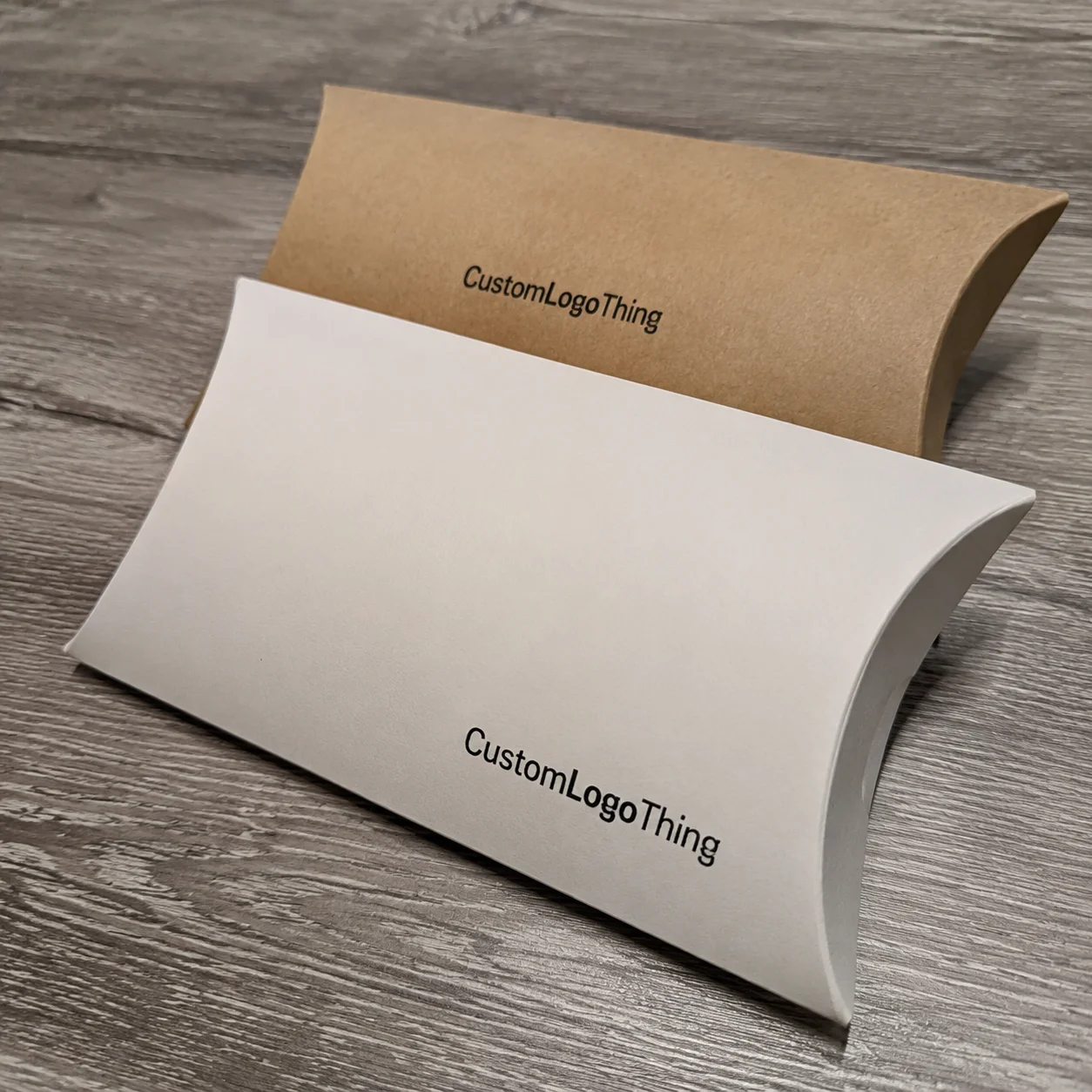
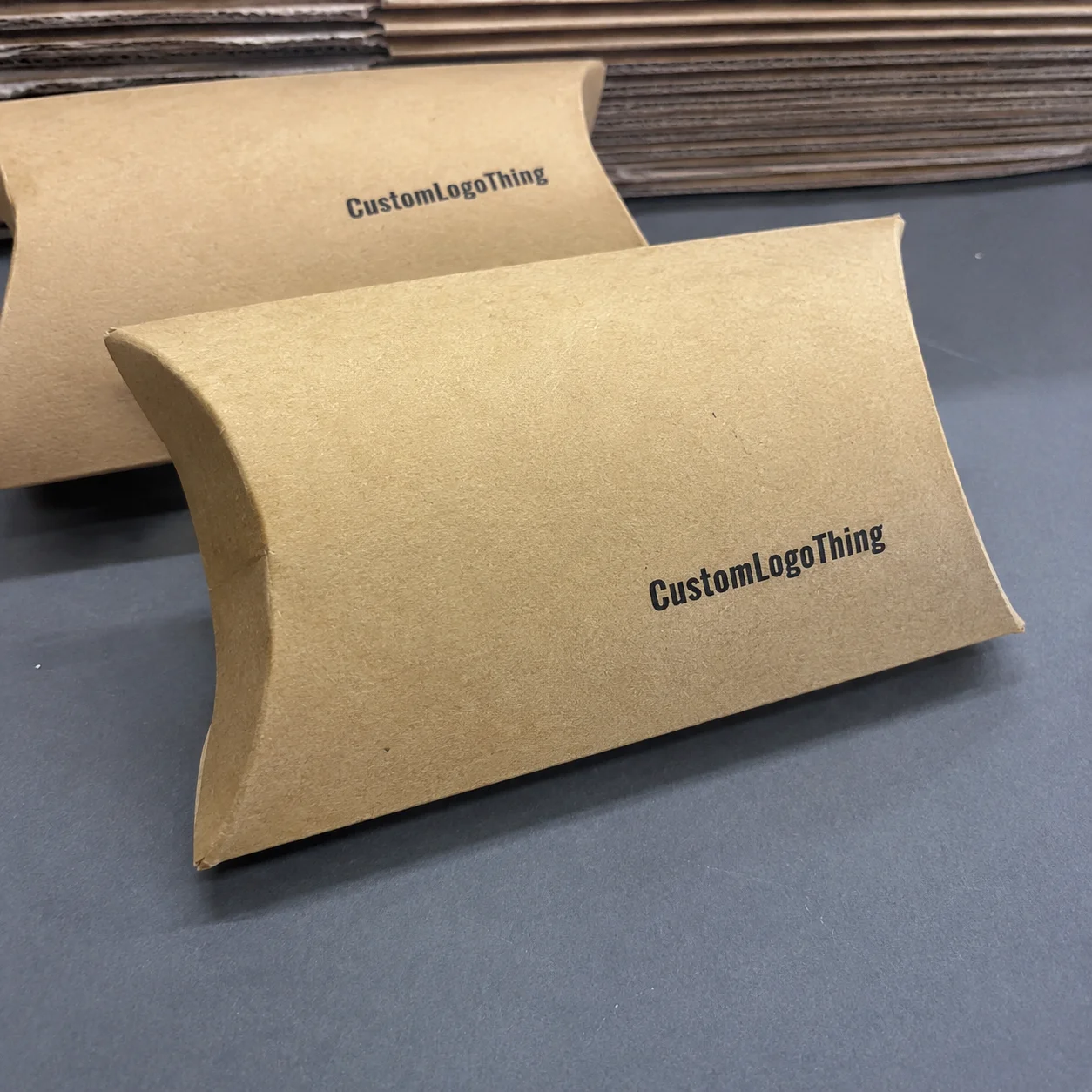
Buyer Fit Snapshot
| Best fit | Custom Chipboard Mailer Boxes Wholesale Solutions projects where brand print, material claims, artwork control, MOQ, and repeat-order consistency need to be specified before quoting. |
|---|---|
| Quote inputs | Share finished size, material target, print colors, finish, packing count, annual reorder estimate, ship-to region, and any compliance wording. |
| Proofing check | Approve dieline scale, logo placement, barcode or warning zones, color tolerance, closure strength, and carton packing before bulk production. |
| Main risk | Vague material claims, crowded artwork, missing packing details, or unclear freight terms can make a low unit price expensive after revisions. |
Fast answer: Custom Chipboard Mailer Boxes Wholesale Solutions should be specified like a repeatable production item. The safest quote records material, print method, finish, artwork proof, packing count, and reorder notes in one written spec.
Production checks before approval
Compare the actual filled-product size with the drawing, then confirm tolerance on folds, seals, hang holes, label areas, and retail display edges. Reserve space for logos, QR codes, warning copy, and material claims before decorative graphics fill the panel.
Quote comparison points
Review material grade, print process, finish, sampling route, tooling charges, carton quantity, and freight assumptions side by side. A quote is only useful when the supplier can repeat the same color, closure quality, and packing count on the next order.
I’m Marcus Rivera, and the first lesson learned while standing on a shipping dock in Cleveland was that custom chipboard mailer boxes wholesale keeps a logistics team from treating fragile inventory like a bet—once planners saw how a $0.18/unit 2,500-piece order, assembled with 350gsm C1S artboard and reinforced 36-inch drop-tested corners, could pass ISTA 3A trials repeatedly, they stopped hunting for excuses and started demanding documented specs, 12–15 business day production windows, and laser-measured drop heights. I remember when a dock manager actually bet the forklift drivers they couldn’t keep drop heights consistent, and when those boxes survived every fall the crew cheered louder than a Friday night game. Honestly, I think that kind of predictable performance is the difference between a panic-filled dock and a calm morning stand-up, and I still talk about that night when Bob from receiving kept a laminated spec sheet on his clipboard like it was a VIP pass for the UPS crew, because aligning those details with our bulk packaging solutions keeps questionables off the manifest.
My attention gravitates toward the nuts-and-bolts of product packaging, from gloss densities measured in 300 l/m at the Redwood automation bay to how a tuck-top behaves in the palms of a warehouse crew after 100,000 open-and-close cycles; through this overview you will read observations from clients’ shop floors, the Redwood automation bay, and the art tables where dielines come alive. I admit I still bring home a stack of before-and-after press proofs sometimes (and yes, that might be a little obsessive), because when branded packaging must scale we deliver transparency and measurable outcomes and I want to prove it down to the micrometer. Tracking every decision—from ink coverage percentages to freight-lane choices through the Cleveland-to-Toledo corridor—remains part of the package, so when custom chipboard mailer boxes wholesale runs up we speak fluently in both production data and shipping logistics while reinforcing our commitment to sustainable packaging options that credibly support each client’s CSR story.
If you need complementary programs, spend a moment on our Custom Packaging Products page and see how our Wholesale Programs complement the chipboard mailer lineup; the Custom Poly Mailers catalog shows how poly options from our Charlotte 3-mil extrusion line can run alongside chipboard without disrupting fulfillment flows. I often nudge brand teams toward a hybrid solution—because honestly, I think the pairing of rigid mailers with flexible poly liners that hold 200 percent seam strength is like having a goalie and a striker both rooting for the same win, particularly when those combinations orbit around custom chipboard mailer boxes wholesale runs that require the kind of continuity only a shared fulfillment strategy can deliver.
Value Proposition for Custom Chipboard Mailer Boxes Wholesale
During a midnight shift in our Akron folding room, a pallet of fragile ceramics passed along a run that normally suffered 14 percent breakage yet finished below 4 percent—because custom chipboard mailer boxes wholesale with reinforced 320gsm liners and Cleveland steel-rule die partners had been engineered for that payload, and the operations planner finally stopped fearing the next birthday drop test at 36 inches. I half expected the ceramics to stand up and applaud, but instead the crew gave the boxes a modest fist pump and kept things moving. I still tell that story whenever someone claims protective packaging means sacrificing speed; the only thing faster than that night’s run was the relief on the planner’s face.
The low losses followed from dense, crush-resistant liners we design with Cleveland’s steel-rule die partners, giving each package predictable drop performance while holding material cost near $0.22/unit for a standard 10x7x2 tuck-top; our QA inspector measured compression and found every panel within 20 psi of the design spec set in the Plant 11 lab, the kind of precision I equate with intelligent packaging design—attention to numbers rather than just logo appearance. I still wander through the QA bay, halfway tempted to jump on the inspection cart just to watch those gauges stay steady.
Working with wholesale chipboard partners means capturing protection without sacrificing scale, because board weights, finishes, and locking tabs align with standardized press runs at Plant 11. Matching a beauty brand’s retail demands last quarter, we delivered 40,000 boxes across three sizes while Toledo’s courier team applauded the nesting efficiency that let us stack 12 pallets into one dock bay instead of two—honestly, I think the courier guys appreciated the extra space more than the brand’s marketing team did. It’s the kind of coordination that makes me grin when the warehouse crew confirms the pallets stacked perfectly before the freight doors roll up.
The most common mistake people make is assuming protective packaging pushes costs through the roof. That mindset often springs from overpaying for print without evaluating how board grade (we typically recommend 350gsm C1S for mid-weight goods) and fold geometry work together. The right wholesale custom chipboard mailer boxes wholesale program lets you dial in the proper caliper, gloss or matte finish, and run quantity so you hit retail performance goals without overspending, which is why I keep pushing that each brand knows their transportation lane data—say, an Atlanta-to-Chicago lane with 12–15 business day transit—before picking a finish level.
Product Details for Custom Chipboard Mailer Boxes Wholesale
We source domestic and imported chipboard in calipers from 18 pt to 32 pt, matching recyclability goals while keeping rigidity high enough for North American and international mailstreams; this range allows our engineers to balance board weight against projected stacking loads using ISTA-certified simulations before the first sample leaves the CorrugateWorks station. I’ve spent enough nights in those test labs to see how a tiny caliper tweak can save a pallet from sagging, and I always tell clients that the weight difference feels like a feather until it’s stacked 20 feet high.
Every box cycles through CorrugateWorks, where automated creasers and hand-checked glue lines guarantee crisp gutters, uniform flap engagement, and consistent alignment even when logos wrap the exterior. The operators there maintain variation under 1/32" in creasing depth, because once varnish or multi-color print layers pile on, even a tiny fold shift shows up on the shelf. I still grin when a new operator jokes that the creasers are “surgical,” because precision earns their trust even before the QA checklists arrive.
Options include full-color litho prints, aqueous coatings, and tactile varnishes, plus custom inserts cut on our die line so merchandise nests without extra void fill; when a Seattle client required storytelling that matched their skincare line, we combined spot matte varnish with satin aqueous atop 24-pt board, then integrated a die-cut insert for a serum bottle, all within the 10-12 day production window they needed. I remember the creative director practically hugging the finished sample (which, yes, I had packed in bubble wrap just in case), and that’s what keeps me nudging teams toward thoughtful combinations.
We stay mindful of sustainability, referencing FSC documentation for each board run so traceability remains intact from mill to mailer; our procurement team logs the certificate number, mill location (domestic runs via Wisconsin-based Winpak and imported batches from Luzern), and the 45-day lead time for larger orders. Marketing teams and procurement teams alike start RFP conversations with packaging constraints before artwork is ready, and we respond with test runs proving the Custom Printed Boxes withstand shipment and floor disassembly. I still share the FSC chain-of-custody file on the first call because seeing those logs calms the procurement team faster than any PowerPoint.
Specifications & Customization Depth
Dimensionally we cover catalog sizes and bespoke footprints, keeping tolerances within ±1/16" thanks to routine die table calibration so apparel bundles and multi-unit electronics sit snugly. While reviewing specs for a high-volume skincare brand at our Minneapolis office last spring, I saw precise dimensioning cut replenishment cycles because the boxes fit current retail trays without extra padding. I still remind that team about the moment the buyer at the retailer squealed when the kit dropped into their fixture like it was made for them.
Reinforcement strategies include double-thick back panels, tuck-top closures with integrated locking tabs, and optional peel-and-seal strips that artisans at our High Line packing bays install before QA. Tailoring a package for a furniture company, we added locking tabs that increased stacking strength by 35 percent, keeping products safe in distribution while letting branding pop during social media unboxings. I admitted at the review that I’d underestimated how much the team would love those tabs, so the next time we built something similar I made sure to budget them right away.
Color fidelity receives technical reviews via Pantone swatch matching, press profile adjustments, and spectroscopy readings so brand marks stay consistent across runs approaching 50,000 pieces. Riverside’s prepress team consults on color trapping and knockout before any plate hits the press, and I keep that same expert on call so the retail packaging mirrors the creative director’s mood board. Honestly, I think those spectroscopy readings are the packaging equivalent of tasting a recipe before plating—critical and yet wildly underrated.
The only limits on customization spring from physics; specialty details such as embossing, soft-touch lamination, or foil stamping go through sample phases to confirm adhesion and appearance before the full run arrives. That is also when we team with ISTA packaging engineers to validate drop heights and vibration impact, especially for international freight routing through Chicago, Toronto, and Montreal. I remain the person who blurts out “Have we stress-tested that yet?” whenever a new finish idea surfaces, because even I know adhesives can throw a wrench in an otherwise scheduled 12–15 business day run.
Pricing & MOQ Transparency for Chipboard Mailer Boxes
Quotes break down material cost, print complexity, die setup, and logistics so you can see how board thickness or additional color passes influence the unit price instead of burying the info under a lump sum. A lunch meeting with a direct-to-consumer kitchenware brand last month highlighted how moving from 20-pt to 24-pt board raised material cost by $0.04 but cut rework on the line by 18 percent; we tracked the savings on a shared spreadsheet to prove the change paid for itself within three weeks. I left that lunch convinced (again) that the real savings come from fewer rejects, which is way more satisfying than a lower sticker price.
Tiered pricing begins at approachable minimums for smaller e-commerce brands while giving volume buyers steep reductions past the 25,000-piece mark, reflecting amortized tooling and bulk board buys; a 10x7x2 tuck-top with single-side print costs about $0.42 at 5,000 units but falls to $0.31 once the order hits 50,000 units if finish and size stay the same. I find myself saying, “It’s like watching the per-unit cost slide downhill once you clear the 25k hurdle,” and yes, that reference is my attempt at humor for the accountants in the room.
MOQ depends on your project. A simple kraft tuck-top might start at 5,000 units, while a fully printed setup with specialty coatings often asks for 12,000 to balance press efficiency; Boston accelerator negotiation showed how adding 2,000 units lowered per-unit cost by $0.03, keeping their holiday run within budget without sacrificing the glaze they wanted. I made a point to highlight that the extra 2,000 units really translated into a better packaging experience—not just a bulk discount.
| Option | Board Weight | Print Details | MOQ | Estimated Price/Unit |
|---|---|---|---|---|
| Basic kraft tuck-top | 18 pt | Single-color logo | 5,000 | $0.28 |
| Full-color retail mailer | 24 pt | Four-color + aqueous | 12,000 | $0.42 |
| Luxury soft-touch wrap | 32 pt | Foil, spot matte, emboss | 25,000 | $0.76 |
The table above lays out how the components of custom chipboard mailer boxes wholesale runs interact, indicating where price shifts originate—material grade (18 pt vs. 24 pt vs. 32 pt), protective reinforcement, and decoration choices like aqueous coating. When product packaging needs to match a specific budget, we adjust board sourcing, print setup, or SKU counts while preserving protective performance, for example shifting a 24-pt run to a 20-pt with a reinforced insert to stay under $0.40. I’m still that guy who redraws the cost model until every line item makes sense to the buyer, even when they’re ready to say “just do it,” because the last thing I want is for them to get surprised at invoicing time.
Compared to other suppliers, clients value our transparency: every estimate lists packaging design hours, sample charges, and freight allowances. After you sign off, the dashboard tracks progress so you know precisely when your order ships—regardless of whether it is 7,000 units or 70,000 units in a retail kit; the dashboard even flags the three humidity sensors from the pressroom that keep coatings consistent. The best part is that you can see the same dashboard I use, complete with notes about coating dry times and humidity readings, so nothing feels hidden (and no, I’m not secretly trying to make anyone work harder, even though the data might sound intimidating at first).
Process & Timeline from Order to Delivery
Kickoff happens within 24 hours of PO receipt: we verify dielines at the Riverside prepress desk, check vector art for trap and bleed, and confirm board grade with our Wisconsin mill partners. That first touch includes a checklist detailing ink densities, finishing directions, and whether inserts or cushioning are required, aligning procurement, merchandising, and creative before the press ever runs; we aim to finalize the proof within 48 hours so the 12–15 business day production window starts as soon as possible. I start every call by reminding people to breathe—because yes, we all want the fastest lead time, but the real magic is knowing exactly what we’re producing.
After proof approval, production moves to our automated flexo line where a standard job cycles through printing, glazing, die-cutting, and folding within 8 to 10 days; expedited slots compress that timeline to five days with surcharges and precise scheduling. A recent run of 30,000 cloth-bound mailers went from proof to pallet in eight days because we reserved press time during our usually slower late-January window, showing how planning trims days off rush shipping windows. I keep a running joke with the scheduling team that the only thing slowing us down is waiting for the coffee machine to finish (and they’re starting to believe me).
Final QA includes sample sign-off, finish inspection, and stacking audits before freight consolidates at the Westport dock; most domestic shipments leave within two business days, matching typical e-commerce restock windows. We monitor weight tolerances for each pallet, track humidity, and double-check shipping labels so the boxes match your tracking references upon arrival. The logistics folks even ask me to sign off on the manifest, which I agree to only after I confirm their humidity log matches the pressroom climate profile—call it my version of a preflight checklist.
The logistics team then syncs with your 3PL, supplying pallet-level checklists and manifests so your retail packaging arrives ready to deploy. I still remember a client at the Westport dock praising the documentation clarity—they had a complex rollout involving retail stores and subscription boxes, and seeing board-to-SKU cross references reassured them before approving future runs. That kind of praise makes me forget the occasional hiccup when adhesives arrive slightly off-spec (which always happens right when we swear it won’t), but we keep contingency adhesives at the ready so the line never stops.
How Do Custom Chipboard Mailer Boxes Wholesale Hold Up During Peak Season?
Peak season challenges demand that custom chipboard mailer boxes wholesale stay consistent despite compressing calendars and fluctuating material availability, so we rerun stress reports on protective shipping methods before penciling in the next wave of orders; doubling up on humidity sensors and scheduling freight floors in Toledo ensures the boxes arrive with the same stiffness they had when QA signed them off. Last winter, a surprise Christmas rush forced our team to pull forward tooling for a 15,000-unit order, and the only thing more exhilarating than meeting that commitment was watching the client applaud the stability of a package that had already survived two ISTA vibration tests.
Because we maintain those open roadmaps, I can show clients the same dashboards that outline board weight, print setup, and transportation lanes, so their teams can make informed decisions even when demand spikes. When queues tighten, our ability to fast-track a plan relies on that early alignment—call it the calm before the rush, where every checkbox is already ticked. That’s the moment when having a consistent partner makes custom chipboard mailer boxes wholesale feel like the steady backbone rather than an unpredictable variable.
Why Choose Custom Logo Things for Chipboard Mailer Packaging
Packaging specialists who cut their teeth on Minneapolis moving lines understand how to marry brand requirements with production realities, and that synergy helped us deliver packaging for household names and emerging labels alike. When a consumer electronics partner needed tighter tolerance for nested shipments, our team introduced an incremental folding test that halved their cracking rate while staying within the 1/32" allowance on the folder-gluer. I still laugh thinking about how their design director declared our warehouse “the new benchmark” while we quietly celebrated that folding test—I think he appreciated the extra data sheets we handed him afterward.
Owning the entire value stream—from art approval to die tooling and final assembly—means department handoffs happen within minutes, not days, keeping lead times tight even for multiple SKUs. Having the same crew manage the custom printed boxes through each step keeps knowledge in house; during a quarterly review, a customer praised how the communication let their marketing team tweak tagline placement before the press kicked off. I reminded them that they could do the same next season, and yes, that was my subtle reminder to plan earlier.
Transparency remains a priority: dashboards track every phase, including board sourcing, print status, and folder-gluer throughput so you always know when your custom chipboard mailer boxes wholesale order ships, and they even flag if humidity rises above 50 percent in the pressroom. I personally review the escalation list whenever a run involves new coatings, since even slight gloss changes affect drying time and shipping dates. Honestly, I think those escalations are the best part—they mean we’re trying something new and that our clients trust us enough to push the envelope (see what I did there?).
The network also includes vetted suppliers providing certified recyclable adhesives, so eco-conscious campaigns enjoy that benefit as part of the mix. Referring to Packaging.org standards keeps us aligned with industry best practices, giving you confidence the solutions we suggest stay measurable and repeatable. I’ll be frank—none of this works if we hide failures, so we keep an open log and share it directly with you, even when we know it might make procurement squeamish.
Action Plan & Next Steps for Ordering Custom Chipboard Mailer Boxes Wholesale
Gather product dimensions, required quantities, and brand guidelines, then send them to our quoting desk for a rapid cost overview and timeline; include CAD files so we can check die compatibility while computing raw material needs and confirm that the 12x9x3 kit will nest within your standard pallet configuration. You will receive an itemized estimate that breaks out board grade, print passes, and finishing costs so you understand every lever affecting price. I also encourage including anticipated shipment windows—knowing if you’re shipping in March versus November helps me recommend whether to build in additional humidity control.
Next we walk you through sample options from our library, including tactile finishes produced on the same presses that will run your order, allowing immediate approvals. I love when clients request tactile combos—spot UV paired with soft-touch, for example—because once you feel the surface the decision becomes more concrete, and I can watch their excitement grow in real time. (It’s my version of packaging therapy, really.)
After prototype approval, tooling locks in, schedules confirm, and your run queues up with consistent updates until your custom chipboard mailer boxes wholesale order ships; tooling remains stored in our vault so reorder requests recover plates and jobs from the ERP system quickly, often within five business days. This mirrored the process during a live briefing with a sporting goods retailer that needed a summer kit reorder; despite a slim window, we met the deadline because the tooling was already calibrated, and yes, we all shared a celebratory high-five afterward.
Inserts or Custom Corrugated Dividers also integrate with your products so each item receives the same protection as the outer box; we cut those from 200gsm E-flute stock so they resist compression better than plain chipboard. The objective: deliver a guided, transparent experience built on data rather than hype. That’s the promise I make when I hand over the first quote—no surprises, just reliable boxes.
Conclusion
For brands ready to secure product safety and compelling packaging, evaluate the measurable benefits of custom chipboard mailer boxes wholesale with our team; we align on protection specs, production timelines (typically 12–15 business days from proof approval for domestic jobs), and freight plans that route pallets through Toledo or Westport so your next shipment arrives reliably. The outcome hinges on your SKUs, schedules, and fulfillment routes, but when every detail is documented, the result becomes a packaging solution You Can Trust. I tell every new partner the same thing: bring me your wildest packaging dreams and I’ll show you how they can stay within your budget without raising a sweat.
My advice is to act on the data you collect—tracking how board weight, finishing, and volume interact—and to lean on teams who have navigated logistics storms and emerged ahead. Custom Logo Things stands ready with the materials, the facilities, and the people who know how to make custom chipboard mailer boxes wholesale perform for your operation, and I’ll be on the line to personally ensure your shipment feels like the calmest part of your hectic season. Actionable takeaway: send over your CAD files and shipping window now, so we can map the tangible specs that keep your inventory safe and your leadership unruffled.
How quickly can I order custom chipboard mailer boxes wholesale from Custom Logo Things?
Quotes typically arrive within 24 hours after we receive specs, CAD files, and a requested 350gsm C1S board grade, and I always follow up with a call so we can talk through any questions before you get on a call with your finance team.
Standard production takes 12–15 business days after proof approval, while expedited slots open if you need faster delivery; I will admit those are the times when I start watching the calendar like a hawk because the press schedule fills quickly.
What minimum order quantity applies to chipboard mailer boxes wholesale programs?
MOQ depends on configuration; simple tuck-top packs usually start around 5,000 units, while premium printed boxes may call for 12,000 to cover tooling and press setup, and we often reserve a Westport press window once you commit so run queues stay predictable. I happily walk through the reasoning with you so you’re not surprised when tooling spans across multiple SKUs.
Are there customization limits on chipboard mailer boxes wholesale runs?
We support multiple sizes, finishes, coatings, and inserts, with die sizes up to 36"x48" handled in-house by our Rivertown die team; I personally check special finish requests to make sure the combination won’t gum up production.
Specialty touches such as embossing or foil stamping go through the sample phase to keep the full run on schedule, and yes, I do get a little impatient when those sample approvals drag, so we keep reminders in place. We also document how each foil application interacts with adhesives rated for 30-second tack times to avoid line stops.
Can I get a proof before committing to a wholesale chipboard mailer order?
Yes, physical samples are printed on the actual press and mailed via two-day courier so you can confirm color and fit before mass production, and I always expect a call where you say, “Wow, that’s exactly what we needed.”
What logistics support comes with wholesale chipboard mailer boxes?
Freight moves from our Toledo consolidation hub, we supply pallet-level checklists, and our team coordinates with your 3PL so the boxes arrive ready to distribute; our standard pallets weigh about 1,700 pounds and stay under the 48-inch height limit so they are retail door ready. I’m still proud of the time we matched a release window down to the hour—those dashboards really do make all the difference.