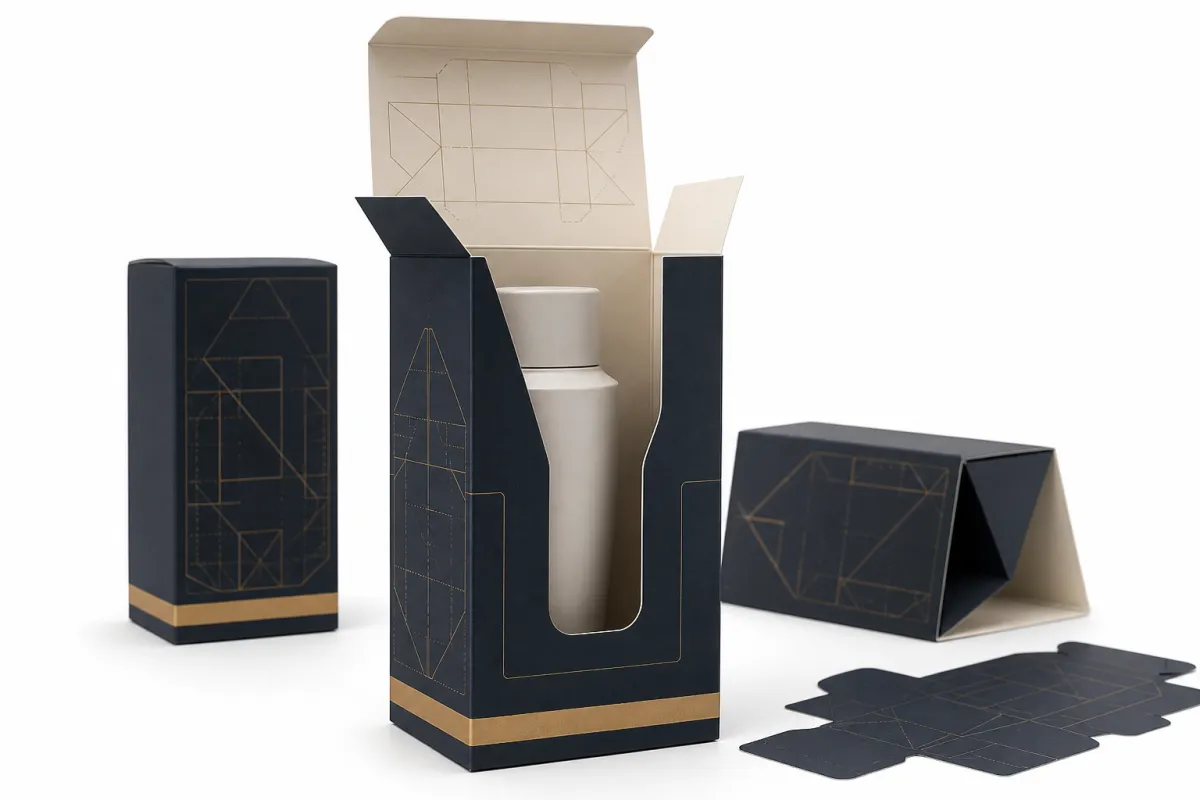
Buyer Fit Snapshot
| Best fit | custom chocolate bar wrappers wholesale buyer review for packaging buyers comparing material specs, print proof, MOQ, unit cost, freight, and repeat-order risk where brand print, material, artwork control, and repeat-order consistency matter. |
|---|---|
| Quote inputs | Share finished size, material target, print colors, finish, packing count, annual reorder estimate, and delivery region. |
| Proofing check | Approve dieline scale, logo placement, barcode or warning zones, color tolerance, and any recyclable or compostable wording before bulk production. |
| Main risk | Vague material claims, crowded artwork, or missing packing details can create delays even when the unit price looks attractive. |
Fast answer: Custom Chocolate Bar Wrappers Wholesale Buyer Review: MOQ, Samples, Lead Time, and Quote Checks should be specified like a repeatable production item. The safest quote includes material, print method, finish, artwork proof, carton packing, and reorder notes in one written spec.
What to confirm before approving the packaging proof
Check dimensions, folds, seals, label areas, and retail display edges against the actual filled product before bulk approval.
How to compare quotes without losing quality
Compare board or film grade, print process, finish, sampling route, tooling charges, carton quantity, and freight assumptions side by side.
Why Custom Chocolate Bar Wrappers Matter for Wholesale Buyers
The global chocolate market reached $230.3 billion in 2023 and is projected to keep growing through 2030. For wholesale buyers, that growth means more competition on shelf, in gift boxes, and in subscription shipments. A wrapper is not just decoration; it supports recognition, communicates quality, and helps a bar stand out in a crowded category.
Consumer packaging research continues to show that buyers form quality judgments fast, often before reading ingredients or tasting the product. In our own packaging reviews, the strongest-performing chocolate brands almost always had one thing in common: clear hierarchy, consistent branding, and a wrapper that matched the price point. A premium bar with flimsy packaging creates a mismatch that can hurt repeat sales.
For businesses sourcing Custom Chocolate Bar Wrappers Wholesale complete sourcing guide options, consistency matters across every channel. Retail shelves, hotel amenities, wedding favors, and corporate gifts all need the same visual standard. If a customer buys a bar at a boutique retailer and reorders online later, packaging continuity helps build trust.
Bulk production also improves unit economics. In 2026, many suppliers still price short runs significantly higher than mid-volume orders, while larger wholesale runs can lower per-unit costs by 40% or more. That makes custom branding easier to justify for growing chocolate makers, private-label brands, and seasonal gift programs.
We have also seen a shift in buyer behavior: retailers and corporate clients are asking for more detailed sustainability data before approving packaging vendors. That means a custom Chocolate Bar Wrappers Wholesale complete sourcing guide should cover not only design and pricing, but also material compliance, recyclability, and proof of food-contact safety. Brands that prepare this information early move through procurement faster.
Materials and Finishes for Wholesale Chocolate Bar Wrappers
Material selection has a direct effect on shelf life, print quality, feel, and cost. For a Custom Chocolate Bar Wrappers wholesale complete sourcing guide, this is one of the most important decisions because the wrong substrate can cause scuffing, weak barrier performance, or poor wrapability.
Foil laminations remain a popular option for premium chocolate packaging because they improve barrier protection against moisture, oxygen, and light. That matters for chocolate quality and appearance, especially for bars shipped through fluctuating temperatures. Common foil choices include:
- Gold foil laminations for premium gifting and classic luxury positioning.
- Silver foil laminations for minimalist, modern, or high-end dark chocolate lines.
- Custom colored or specialty foil effects such as black, copper, rose gold, and holographic finishes for seasonal or limited-edition products.
Paperboard wrapper stocks typically range from 60 lb to 120 lb cover weight. For most standard bar sizes, 80 lb cover still offers a strong balance of printability, fold performance, and cost control. Heavier stocks can improve stiffness and feel, but they may also increase material cost and make folding more demanding on automated equipment.
Finish choice also affects how the wrapper performs in transit and on shelf. Matte coatings reduce glare and can look more refined, while gloss coatings support vivid color and better abrasion resistance. Soft-touch coatings remain popular in 2026 because they create a tactile premium effect, especially for direct-to-consumer brands and luxury gifting. That said, soft-touch coatings should be tested carefully with barcodes and fine text, since some finishes reduce scannability if the artwork is not set up properly.
"We switched from standard matte to soft-touch matte on a holiday chocolate line, and the customer feedback was immediate. Buyers described the bars as more premium before they even tasted them."
Sustainable packaging has moved from a marketing advantage to a purchasing requirement for many wholesale accounts. Recycled-content paper, FSC-certified stocks, and compostable film structures are now widely requested. Compostable and recyclable options may carry a 10-25% premium depending on the structure and certification path, but they can help brands qualify for retailer sustainability programs.
If you are comparing package structures, review our custom packaging solutions and sustainable packaging options for more material guidance.
Design Best Practices for Chocolate Bar Packaging
Strong design in a Custom Chocolate Bar wrappers wholesale complete sourcing guide is not just about visual appeal. It is also about print accuracy, wrapping behavior, and regulatory fit. Small setup mistakes can lead to major production delays or costly reprints.
Color management should be planned early. CMYK is standard for most production runs, but metallic effects, fluorescent tones, and deep brand colors often need proofing on the exact stock and finish you plan to use. A design that looks accurate on a monitor can shift noticeably once printed on foil-laminated material. Request press-ready proofs and, for larger runs, a physical sample before final approval.
Bleed and safe zones are critical for wrapped food packaging. Chocolate bar wrappers are folded, tensioned, and trimmed during conversion, so 3 mm bleed on all sides is a practical minimum. Keep logos, type, and ingredient information safely inside the trim area so they do not shift into folds or seams.
Label compliance should be built into the first layout, not added at the end. Nutritional panels, ingredient statements, allergen warnings, barcode placement, and net weight declarations all need room. For U.S. packaging, FDA formatting rules apply; for cross-border distribution, local rules can differ. This is one area where a Custom Chocolate Bar wrappers wholesale complete sourcing guide saves real money because compliance mistakes often show up only after proofing.
Tamper-evident features are also gaining attention. Perforation lines, sealed overwraps, and shrink-compatible layouts can strengthen consumer confidence and reduce damage in distribution. These features add a little complexity, but they can be worthwhile for premium retail and gift programs.
In packaging reviews, the wrappers that tested best were the ones designed with the actual folding path in mind, not just the front-facing artwork.
Wholesale Pricing, MOQs, and Cost-Saving Strategies
Pricing in a custom chocolate bar wrappers wholesale complete sourcing guide depends on size, substrate, print method, finish, and order volume. Buyers Should Expect a wide range because the difference between a simple paper wrapper and a premium foil-laminated structure can be substantial.
In 2026, many suppliers quote low-volume starter runs at a premium, while mid-volume and large-volume production remains much more efficient. Typical MOQs for standard designs often begin at 1,000 to 2,500 units, while custom sizes or specialty finishes may require 5,000 units or more. Digital print options have lowered barriers for smaller brands, but the unit price is still higher than conventional long-run production.
Approximate pricing for a standard 4" x 5" chocolate bar wrapper:
- 500 units: $0.85 - $1.20 per unit
- 1,000 units: $0.45 - $0.75 per unit
- 2,500 units: $0.28 - $0.42 per unit
- 5,000 units: $0.20 - $0.30 per unit
- 10,000+ units: $0.15 - $0.24 per unit
These ranges assume standard foil-laminated materials, one or two print colors, and common finishing. Specialty effects, Custom Die Cuts, and premium coatings can raise costs by 20-50%.
Setup fees still matter. Even with more digital workflows in 2026, many printing methods require pre-press work, file preparation, and color calibration. Depending on complexity, setup charges can range from $75 to $250 per color, with additional fees for custom tooling or specialty finishing. A complex multi-color, soft-touch, foil-stamped project can therefore cost much more on the first run than on reorders.
There are several ways to reduce cost without sacrificing brand quality:
- Use one wrapper size across multiple bar flavors.
- Limit the number of ink colors where possible.
- Choose a standard material instead of a fully custom structure.
- Place larger orders before peak season to avoid rush premiums.
To compare programs and volume tiers, see our wholesale pricing structure.
The Production Process and Timeline for Wholesale Orders
Production for a custom wrapper usually moves through artwork review, proofing, pre-press, printing, finishing, inspection, and shipping. A reliable custom chocolate bar wrappers wholesale complete sourcing guide should help buyers plan for every step.
Artwork approval typically takes 3 to 7 business days, depending on how complete the files are and how many revisions are needed. If ingredient copy, barcode placement, or die-line adjustments are missing, that stage can stretch longer. Buyers who submit print-ready files usually move faster than those who need design cleanup.
Pre-press work often takes 1 to 3 business days for standard projects. More complex finishes, such as foil stamping or layered coatings, may require extra calibration and testing.
For most wholesale orders, production lead time is now 10 to 15 business days after final approval. Larger or more complex jobs can take longer, especially if specialty materials are being sourced. Shipping time then adds a few more days depending on the destination and freight method.
In our experience, the orders that stay on schedule are the ones approved with complete artwork, final copy, and a realistic ship date from day one.
Rush orders remain available from some suppliers, but they usually carry a premium of 25-50%. The exact surcharge depends on current production load and whether your supplier must re-sequence a print run.
For related packaging workflows, review our custom packaging products page to see supporting options that can ship alongside wrapper orders.
How to Choose the Right Wholesale Supplier
Supplier selection affects quality, responsiveness, and long-term cost. A custom chocolate bar wrappers wholesale complete sourcing guide should help buyers compare more than just price.
Start by asking what equipment the supplier uses. Digital printing can be ideal for smaller runs and frequent artwork changes. Offset and flexographic printing are still better for high-volume orders that need efficient unit pricing. The right choice depends on your order size, finish requirements, and how often you expect to reorder.
Food-contact compliance is essential. Ask for current documentation for materials that touch the product or sit inside the food packaging structure. Suppliers should be able to provide proof of compliance, quality management certificates, and material traceability information. If your brand markets sustainability claims, request FSC documentation or equivalent sourcing proof.
Responsiveness also matters. A supplier that asks detailed questions about bar size, folding method, storage, and application is usually more reliable than one that simply sends a low quote. Communication quality often predicts how the project will go once production starts.
Portfolio review should focus on consistency, not just attractive visuals. Look at registration accuracy, fold alignment, finish uniformity, and whether the supplier can show examples from multiple runs. Samples from older projects are especially useful because they reveal whether quality stays stable over time.
If possible, ask whether the supplier supports small test runs before a full reorder. That is one of the best ways to verify fit, color, and wrapping performance before you commit to larger volume.
Common Mistakes When Ordering Chocolate Wrappers Wholesale
Many expensive packaging problems are avoidable. In fifteen years of packaging consulting, the biggest mistakes I have seen are rarely design failures; they are planning failures.
Underestimating lead times is the most common issue. Seasonal chocolate programs often need planning 4 to 6 months in advance, especially if the wrapper has custom finishes or compliance review. Waiting too long can force rush charges or missed sales windows.
Skipping physical samples is another costly mistake. A digital proof does not show how a wrapper folds, how the barcode scans after application, or how text behaves near the edge of the seam. Sample approval is one of the best ways to reduce risk, especially for first-time buyers.
Ignoring wrapper tolerances can create misaligned artwork and poor shelf presentation. Chocolate bars are wrapped under tension, and some stock types behave differently in humidity or across wrapping equipment. Always confirm dimensional requirements with your supplier before finalizing artwork.
Overlooking storage conditions can damage the order before it is even used. Foil-laminated wrappers should be stored in a cool, dry area away from direct heat and excessive humidity. If the product sits in a warehouse too long under poor conditions, the wrapper can curl, delaminate, or lose print quality.
Paper, film, and foil all respond differently to heat and humidity. A wrapper that looks perfect in proof can behave very differently in a warehouse or retail back room.
Failing to plan for reprints is also common. Small artwork mistakes become expensive at scale, so it is smart to build a modest buffer into both quantity and budget. That is one of the simplest protections in any custom chocolate bar wrappers wholesale complete sourcing guide.
Frequently Asked Questions
What is the typical minimum order quantity for custom chocolate bar wrappers wholesale?
Most suppliers require 1,000 to 5,000 units per design, depending on wrapper size, print method, and finish. Basic standard-size wrappers can sometimes start at 1,000 units, while custom sizes and specialty materials may require higher minimums. Digital print programs may offer 500-unit entry points, but unit pricing is usually much higher at that level.
How long does it take to produce and deliver wholesale chocolate wrappers?
Standard lead time from final artwork approval to delivery is usually 3 to 5 weeks. Artwork review and proofing often take 3 to 7 business days, while production may take 10 to 15 business days. Shipping adds more time depending on location and freight method. Rush service may be available, but pricing usually increases.
What file formats are required for custom chocolate wrapper printing?
Most suppliers prefer print-ready PDF files with embedded fonts. Artwork should be built in CMYK with a minimum resolution of 300 DPI. Include 3 mm bleed and keep critical text and logos inside the safe zone. Some suppliers may also request AI, PSD, or INDD files for editing during pre-press.
Are eco-friendly chocolate wrapper options available for wholesale orders?
Yes. Recycled-content paper, FSC-certified stocks, and compostable or recyclable film structures are widely available. Water-based inks can also support sustainability goals. These options often cost 10-25% more than standard materials and may require additional testing or certification documentation.
What certifications should wholesale chocolate wrapper suppliers have?
Food-contact compliance documentation is essential for wrappers used around edible products. Many buyers also look for ISO 9001 quality management certification and FSC documentation for paper sourcing. For regulated markets, ask the supplier to provide current certificates and supporting test records, not just a marketing summary.
For additional guidance on packaging regulations and industry standards, consult the Institute of Packaging Professionals and the EPA's Sustainable Materials Management guidelines.


