A clothing label lives a harder life than its size suggests. The sewer handles it, the packer checks it, the retailer reads it, the buyer notices it, the wearer feels it, and the wash cycle audits it again and again. A custom clothing label maker should do more than place a logo on fabric. The real job is converting brand identity, garment construction, compliance text, comfort requirements, and production limits into a label that still looks intentional after months of wear.
That is where many label projects either sharpen or unravel. A label can make a low-cost garment feel considered. It can also make a premium piece feel careless if the edge scratches, the logo muddies, or the fold hides the size.
What a Custom Clothing Label Maker Actually Helps You Build
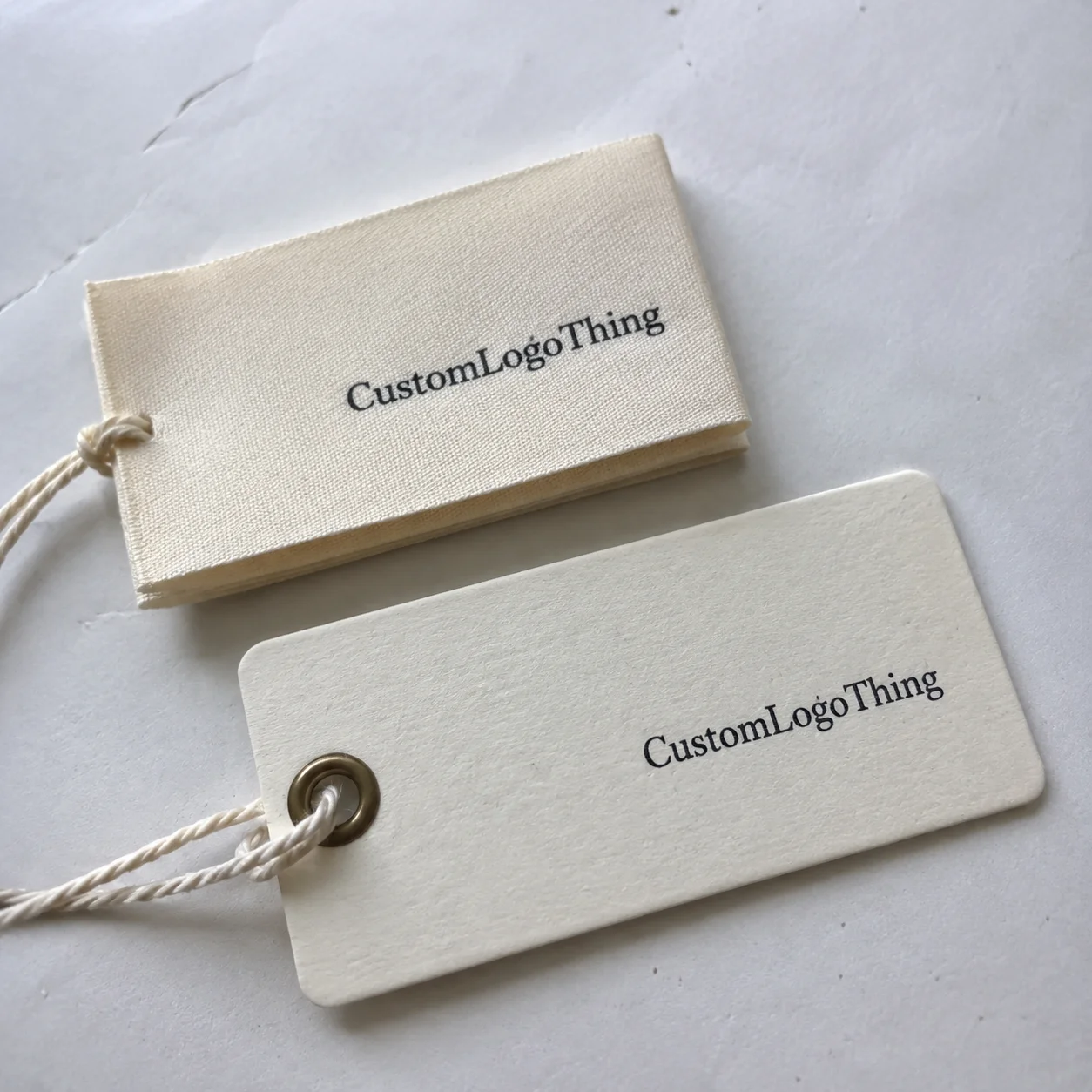
Good labels do two jobs at once. They identify the brand visually, and they give the wearer useful information without distorting the seam, fading too quickly, or irritating the skin. Simple in theory. Less simple when the choice is between a 25 mm center-fold woven neck label, a 40 mm printed satin care label, and a heat transfer label for a lightweight performance tee.
Each label type has a natural place. Woven labels use thread to form the artwork and usually feel more premium for neck labels, hem tags, and exterior brand marks. Printed satin labels are useful for care instructions, size runs, multi-language layouts, and soft interior labels. Cotton labels offer a matte, natural hand. Polyester and nylon handle wash durability and fine text well. Heat transfer labels sit directly on the garment surface with no sewn edge, while leather and faux leather patches suit denim, caps, bags, and outerwear.
The common misunderstanding: an online mockup generator is not the same as a manufacturer. A mockup can show proportion and rough layout. It may not warn you that a 4-point serif font will close up in woven thread, that a straight-cut satin label may fray without heat-sealed edges, or that a dense patch could pucker a lightweight knit. A capable label partner should push on material, fold style, attachment method, safe margins, and process limits before anything reaches production.
Labels also sit inside a larger brand system. The neck label should not argue with the tone of your Custom Labels & Tags, hangtags, poly mailers, folding cartons, or retail packaging. If the packaging is restrained and tactile, the garment label needs the same discipline. If the brand is bold and utility-driven, a fragile-looking label sends the wrong signal.
How Clothing Labels Are Made From Artwork to Finished Roll
The production path is practical: artwork review, material selection, digitizing or plate setup, proofing, optional sampling, production, cutting, folding, inspection, and packing. The smooth orders start with clean files and confirmed specs. The slow ones usually begin with a fuzzy logo, missing dimensions, or a fold instruction nobody checked before approval.
For woven labels, threads create the design rather than ink sitting on top. That gives damask woven labels their dense, premium surface, but thread has limits. Hairline strokes, tiny letters, tight gradients, and detailed icons often need simplification. A practical minimum for readable woven text is roughly 1.5 mm to 2 mm letter height, depending on thread count, contrast, and typeface. Narrow scripts and delicate serifs are risky at that scale.
Printed labels behave differently. Ink is applied to satin, cotton, polyester, or nylon, which makes printing better for care instructions, fiber content, size charts, ingredient-style copy blocks, and regulatory text. A printed satin care label can often hold 5 to 6 point type if the artwork is clean and the print method is appropriate. Wash resistance then depends on the ink system, fabric, curing, abrasion, and laundering conditions.
Finishing decides how the label behaves during sewing. Straight-cut labels are common for heat press applications or patches. End-fold labels tuck the cut edges under before sewing, leaving a cleaner exterior presentation. Center-fold labels are common in neck seams. Loop-fold labels work at hems and side seams because the label can show from both sides. Manhattan fold and mitre fold styles add structure for more specific sewing needs. Some labels ship loose in bundles; others are packed on rolls for automated or semi-automated application.
Artwork should be prepared for production, not just presentation. Vector files such as AI, EPS, SVG, or a clean production PDF are preferred. Include Pantone or thread references, keep safe margins around edges, avoid fragile strokes, and confirm whether the background color is part of the label or simply the garment showing through. Consistency matters if the same logo appears on labels, hangtags, cartons, mailers, and other branded packaging.
Material, Size, Fold, and Attachment Choices That Matter
Material choice determines both appearance and feel. Damask woven labels are smooth and detailed for premium brand marks. Satin is soft and bright, making it common for neck labels and care labels. Cotton feels natural and matte, which suits organic basics, handmade goods, and softer lifestyle apparel. Polyester and nylon are durable, practical, and cost-effective for wash care labels. TPU and heat transfer films are often used in performancewear because they remove the sewn label edge. Faux leather and genuine leather patches bring weight and texture to denim, caps, bags, and outerwear.
Size should never be chosen from a screen alone. A 50 mm wide label may look balanced in a PDF and oversized on a thin ribbed tank. A 20 mm label may look subtle, then become unreadable once folded into a seam. Allow for stitch allowance, fold allowance, readable text height, and garment weight. A neck label touching skin needs a softer hand than an exterior patch on 14 oz denim.
Fold style follows the application. Center-fold labels suit neck seams because the fold edge sits cleanly at the top and the cut edges are captured in the seam. End-fold labels work well for exterior branding where the sewn sides need to look tidy. Loop-fold labels are useful at hems, cuffs, and side seams. Straight-cut labels suit heat transfers, adhesive-backed temporary labels, and patches.
Attachment method can make or break the finished result. Sewing is the most common option, but stitch type, thread color, seam placement, and tension affect the look. Heat pressing requires compatible fabric, pressure, temperature, and dwell time; a typical heat transfer window may fall around 130°C to 160°C for 8 to 15 seconds, though the film and garment decide the final setting. Adhesive backing is usually for positioning or temporary use, not long-term garment durability. Leather patches may need rivets, bartacks, heavy topstitching, or a backing that keeps the patch stable without making the garment feel rigid.
Practical rule: if the label touches skin, prioritize comfort. If it sits outside the garment, prioritize structure and abrasion resistance. If it carries care or legal details, prioritize readability and wash durability.
Cost and Pricing Factors Behind Custom Clothing Labels
Label pricing is driven by material, size, production method, color count, fold type, backing, quantity, sampling needs, packing format, and shipping. A small two-color woven neck label is a different cost problem than a debossed leather patch or a long printed satin care label with six language blocks. Delivery deadline matters too, especially if finished goods need to move by air instead of standard freight.
Minimum order quantity, usually called MOQ, is the lowest quantity that makes production practical. Some printed labels and heat transfers can start around 100 to 300 pieces, depending on setup. Woven labels often become more efficient around 500 to 1,000 pieces and far more economical at 5,000 pieces or more. Specialty patches, metallic thread, custom dies, and unusual materials may require higher minimums because setup time and waste increase.
Setup costs are not imaginary fees. Woven labels may require loom setup or digitizing. Printed labels may require screens, plates, or print setup. Leather patches may need cutting dies, debossing plates, or tooling. Unit cost drops as quantity rises because setup spreads across more pieces. A $60 setup charge spread across 300 labels adds $0.20 each before production cost; spread across 3,000 labels, it adds $0.02 each.
| Label Type | Typical Use | Common Quantity Range | Relative Cost Notes |
|---|---|---|---|
| Woven damask label | Neck label, hem tag, brand mark | 500 to 10,000+ | Efficient at volume; tiny text and many colors can raise cost |
| Printed satin label | Care label, size label, soft neck label | 100 to 10,000+ | Often cost-effective for small text and care copy |
| Heat transfer label | Tagless neck print, performancewear | 100 to 5,000+ | Cost depends on film, color count, and application testing |
| Leather or faux leather patch | Denim, caps, bags, outerwear | 300 to 5,000+ | Higher unit cost due to material, cutting, and debossing setup |
For planning, simple printed labels may land around $0.08 to $0.25 per piece at mid-level quantities. Woven labels may sit around $0.12 to $0.40 depending on size, density, color count, and fold. Leather patches can run higher, often $0.45 to $1.50 or more per piece depending on material thickness, backing, shape, and finish. These ranges are not quotes. They are guardrails. A proper quote from a custom clothing label maker should list the exact specs so comparisons are fair.
Before asking for pricing, prepare the basics: label dimensions, quantity, artwork, material preference, fold style, attachment method, shipping destination, and deadline. If the apparel line also uses custom printed boxes, tissue, stickers, or other Custom Packaging Products, mention that context. A supplier can make better recommendations when the label is treated as part of the full customer experience rather than an isolated trim item.
Process, Timeline, and Lead Time From Proof to Delivery
A typical order starts with artwork and specifications, then moves to quote, digital proof, optional physical sample, production approval, inspection, packing, and shipping. Clean files can make proofing fast, sometimes within 1 to 3 business days. Physical samples, specialty materials, higher quantities, and complex finishing add time because there are more variables to control.
For many standard woven and printed label programs, production may take about 7 to 15 business days after proof approval. Sampling can add another 5 to 10 business days, depending on material and factory schedule. International shipping, customs review, holidays, and peak-season congestion can stretch the calendar further. Avoid building a launch plan around the most optimistic date on the sheet.
Several issues slow orders down. Unclear dimensions. Missing fold instructions. Low-resolution logos. Late color changes. Unconfirmed care symbols. A buyer may think, “It is only a label,” but every revision still needs to be checked against material, equipment, cutting, folding, and packing.
Build buffer time before a product launch, photo shoot, retailer delivery window, or cut-and-sew production slot. If garments are waiting at a sewing contractor and labels arrive five days late, the delay can cost more than the labels. Rush production may be possible for simple printed labels, but woven labels, leather patches, and sampled programs should be planned earlier.
Quality checks should match the risk of the order. Apparel labels may be reviewed for wash durability, rub resistance, edge fray, colorfastness, legibility, fold accuracy, and packing count. Packaging and shipping programs may reference standards from groups such as ISTA for distribution testing, while paper-based branded packaging may involve forest-sourcing discussions tied to FSC certification. Not every label order needs formal lab testing, but retailer programs and higher-volume launches deserve more than a quick visual check.
Step-by-Step Guide to Ordering Labels Without Rework
- Identify the label location. Decide whether the label goes in the neck, side seam, hem, waistband, sleeve, pocket, or outside patch area. Confirm whether it touches skin, sits visibly outside, or carries care information.
- Define the label purpose. A brand mark, size tab, care label, country-of-origin label, collection label, and exterior decoration all have different material and readability needs.
- Measure the garment space. Include stitch allowance, fold allowance, seam depth, and readable text height. For a center-fold neck label, remember that only half the flat label height may show after folding.
- Prepare clean artwork. Send vector files when possible. Separate the logo, care copy, fiber content, size runs, colorway variations, and any retailer-required language so the proof is not built from guesswork.
- Review the proof slowly. Check spelling, care symbols, fiber percentages, country of origin, size markings, material, fold style, finished dimensions, and fold direction before approving production.
The proof deserves patience. It is not decoration; it is the production map. If “Machine wash cold” becomes “Machine was cold,” or a fold line hides the size, the mistake may repeat across 2,000 labels. A useful proof shows flat size, finished size, fold direction, material, colors, and backing in one place. That small discipline prevents expensive arguments later.
A strong supplier will ask questions that may feel tedious but save money: Is this label sewn into a seam or topstitched? Is the garment washed after sewing? Will the label be applied before dyeing? Does the care copy need multiple languages? Will the same label be reordered across several size runs? Those answers change the right material, fold, and printing method.
Common Mistakes That Make Labels Look Cheap or Feel Wrong
Tiny text in woven labels is the classic mistake. Thread is not ink. If the letters are too small, counters close up, strokes blur, and the finished label looks muddy. Bold, simple shapes usually work better. Dense care copy belongs on printed satin, nylon, or polyester labels.
Another mistake is choosing by appearance alone. A shiny satin label may look right on screen but feel scratchy if the edge is stiff. A heavy woven label can pucker a lightweight tee. A leather patch can overpower a soft fleece if the backing is too rigid. The label has to behave like part of the garment, not like packaging attached after the fact.
Color matching deserves more respect than it gets. Screen color is only a starting point because monitors, lighting, thread dye lots, ink absorption, and base material all shift the result. Pantone references, thread charts, lab dips, or approved physical samples are safer. For brand-critical colors across labels, hangtags, retail packaging, and Custom Printed Boxes, one approved color target should guide the program.
Layout errors create rework too. Logos placed too close to cut edges may disappear into the seam. Fold styles can hide information if artwork is not built around them. A care label may be readable flat, then awkward once stacked with a size tab and origin label. A 2 mm to 3 mm safe margin can make a visible difference on small labels.
Compliance oversights are less glamorous, but they carry risk. Care labels, fiber content, origin information, and size markings may be required depending on product type and selling market. Retailers can have their own rules for placement, language, barcode systems, and packaging design. A supplier can help format the information, but brand owners should verify the legal wording for each market.
Next Steps Before You Request a Label Quote
Before requesting a quote, gather the details that let the supplier price the label you actually need. Send the garment type, label location, finished label size, material preference, quantity, artwork file, fold style, backing requirement, care copy, target delivery date, and shipping destination. If one item is undecided, say so. Guessing creates bad quotes, and bad quotes create surprises after proofing.
- Garment type: tee, hoodie, denim, cap, bag, swimwear, uniform, intimates, children’s clothing, or outerwear.
- Label location: neck seam, side seam, hem, waistband, sleeve, pocket, or exterior patch area.
- Technical specs: flat size, finished size, fold style, material, color references, backing, and packing format.
- Production details: quantity, size variations, care copy, fiber content, origin text, deadline, and shipping destination.
If the line includes several fabrics, compare a few label options before locking the system. A label that feels right on a heavyweight hoodie may feel bulky on a thin modal tee. Denim may call for a patch, while children’s clothing may need an ultra-soft printed label with rounded corners and no stiff edge. Consistency does not always mean using the exact same label across every garment.
Create a simple label specification sheet for reorders. Include artwork version, approved dimensions, material, color references, fold type, supplier notes, and photos of the finished label on the garment. That document keeps future seasons, factories, colorways, and size runs aligned. It also helps if branded packaging later expands into hangtags, belly bands, mailers, or display-ready retail packaging.
Ask for technical guidance early if the design uses very small type, metallic effects, unusual folds, strict wash testing, heat transfer application, or retailer compliance requirements. The best label programs are rarely the fanciest. They are the ones that can be produced, attached, worn, washed, inspected, and reordered without drama. A custom clothing label maker earns its value by turning a good-looking logo into a real garment component that performs on the sewing table, in the store, and after the laundry cycle.
Frequently Asked Questions
What files should I send to a custom clothing label maker?
Send vector artwork such as AI, EPS, SVG, or a production-ready PDF whenever possible. Include label dimensions, color references, fold style, material preference, quantity, and any care or size text. If you only have a PNG or JPG, ask whether the artwork needs to be redrawn before proofing, because low-resolution artwork can create blurry edges and unreliable small type.
Is a woven label or printed clothing label better for my brand?
Choose woven labels for premium brand marks, neck labels, hem tags, and designs with bold shapes. Choose printed labels for care instructions, small text, detailed graphics, soft satin labels, or simpler reorder programs. The garment fabric and wearer comfort should decide the final choice, not just the look on a screen.
How much do custom garment labels usually cost?
Cost depends on material, size, quantity, colors, fold style, backing, setup, sampling, and shipping. Higher quantities usually reduce unit cost because setup and production time are spread across more labels. A proper quote should list the specs clearly so you can compare one custom apparel label maker against another without confusing material or finishing differences.
How long does it take to make custom clothing labels?
Timeline depends on proof approval, sampling needs, production method, quantity, material availability, and shipping method. Simple printed labels are often faster than woven labels, leather patches, or specialty finishes. Build extra time into launches, retail deliveries, and cut-and-sew schedules so you are not forced into last-minute substitutions.
Can a custom apparel label maker help with care label requirements?
A label supplier can help format care symbols, fiber content, size details, and origin information onto a readable label. Brand owners should verify the legal wording for their selling market, especially for retailer or international requirements. Printed satin, nylon, or polyester labels are common choices when care details must stay legible through repeated washing.