Buyer Fit Snapshot
| Best fit | Custom Compostable Bags for Retail projects where brand print, material claims, artwork control, MOQ, and repeat-order consistency need to be specified before quoting. |
|---|---|
| Quote inputs | Share finished size, material target, print colors, finish, packing count, annual reorder estimate, ship-to region, and any compliance wording. |
| Proofing check | Approve dieline scale, logo placement, barcode or warning zones, color tolerance, closure strength, and carton packing before bulk production. |
| Main risk | Vague material claims, crowded artwork, missing packing details, or unclear freight terms can make a low unit price expensive after revisions. |
Fast answer: Custom Compostable Bags for Retail: Film, Print, MOQ, and Carton Packing should be specified like a repeatable production item. The safest quote records material, print method, finish, artwork proof, packing count, and reorder notes in one written spec.
Production checks before approval
Compare the actual filled-product size with the drawing, then confirm tolerance on folds, seals, hang holes, label areas, and retail display edges. Reserve space for logos, QR codes, warning copy, and material claims before decorative graphics fill the panel.
Quote comparison points
Review material grade, print process, finish, sampling route, tooling charges, carton quantity, and freight assumptions side by side. A quote is only useful when the supplier can repeat the same color, closure quality, and packing count on the next order.
Custom compostable Bags for Retail look simple from a distance. A logo goes on the film, the bags land at the register, and the customer carries the purchase out the door. Real life is messier. The line is moving, the cashier is trying to keep pace, and the bag has to hold up when one more item gets dropped in than anyone planned for. That is the moment that tells you whether the spec was thoughtful or just optimistic.
For a packaging buyer, custom compostable bags for retail only make sense if they protect the purchase, support the brand, and fit the store's workflow without creating new headaches for staff. A bag is part of the shopping experience, part of the package branding, and part of the impression a customer carries away with them. If it fails in any one of those roles, the whole program feels a little off.
The tradeoff is familiar. Compostability has to sit next to strength, price, and supply consistency, and those three do not always move in the same direction. The right specification depends on the items being carried, how long the bags sit in storage, and what disposal infrastructure actually exists in the market. Miss those details and the budget starts growing teeth.
Custom Compostable Bags for Retail: What They Are and Why Stores Switch
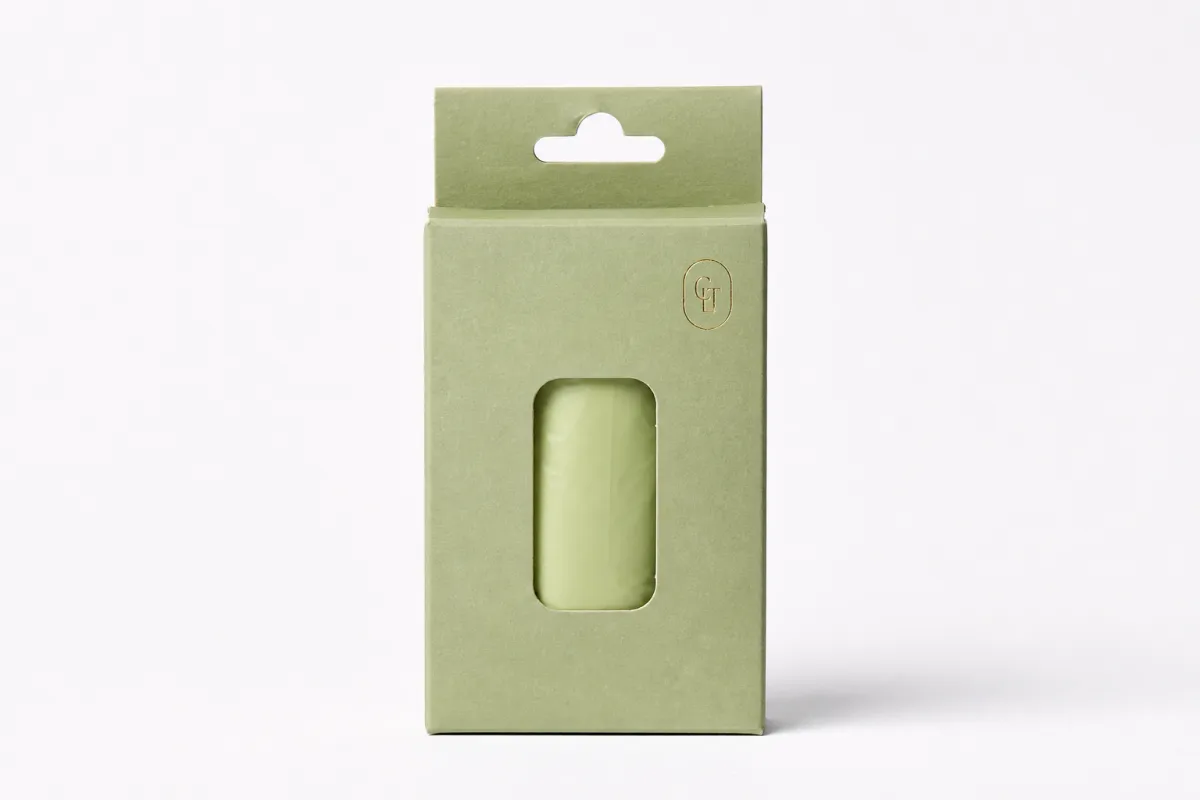
Custom compostable bags for retail are Carry Bags Made from certified compostable material systems, often bio-based or blended resin structures, then printed with store branding and sized for the way people really shop at checkout. A good bag is not just a green surface with a logo. It is built around the weight, handle style, and bagging habits of the store using it. In the best cases, it feels like it belongs to the store instead of being tacked on afterward.
Stores usually switch for a practical reason first: the bag feels more deliberate. The sustainability angle matters, of course, but buyers also notice the cleaner presentation, the more polished retail packaging, and the way the bag fits into the rest of the brand without feeling like a leftover supply item. Custom compostable bags for retail belong in the same conversation as custom printed boxes and other branded packaging pieces. They work best as part of a system, not as a single isolated gesture.
One detail gets skipped often. Compostable does not mean stronger, cheaper, or easier to source. It means the material breaks down under specific composting conditions, usually industrial ones, and that claim needs the right paperwork behind it. If the bag says compostable, the resin, converter, and finished product all have to match the claim. Otherwise the bag becomes a slogan with a handle, which is not much help at the register.
"A bag that looks eco-friendly but splits at the register is not a sustainability win. It is a refund waiting to happen."
Retailers also switch because custom compostable bags for retail help the store look more intentional from the customer's point of view. That matters at the checkout counter, where the bag is visible to the shopper, the cashier, and often the whole line behind them. A tidy logo, a sensible handle, and a material that does not read as a cheap promo item all affect how the brand is understood in a few quick seconds. Those seconds are short, but they are not meaningless.
Customer expectation adds another layer. Shoppers now expect eco-friendly packaging to show up in everyday retail touchpoints, not just on websites or shelf signage. A bag is visible, tactile, and impossible to ignore. If the goal is a better carbon footprint story or a more current package branding system, the bag is a logical place to begin. Visible still needs to mean verified, though. That part gets kinda ignored until somebody asks the hard question.
If the store sells apparel, cosmetics, bakery goods, produce, gifts, or carryout items, custom compostable bags for retail can fit the brand story well. The use case matters more than the category. A boutique folding tees has different needs than a grocery counter handling wet produce or a cafe packing warm food. One bag spec will not cover every scenario, no matter how convenient that would be.
How Custom Compostable Bags for Retail Work in Real Use
Custom compostable bags for retail are usually made from compostable resin blends such as PLA-based structures, starch blends, or other certified compostable formulations, then converted into film, sealed, cut, and printed for retail use. The production path looks familiar if you have bought flexible packaging before, but the material behaves differently from standard polyethylene. That difference shows up in print behavior, seal windows, noise, stiffness, and the feel of the bag in the customer's hand.
Most shoppers will never think about the chemistry. They notice whether the handle digs in, whether the bag tears near the gusset, and whether it feels flimsy after being filled with two glass jars and a candle. Handle strength, tear resistance, and moisture tolerance are the performance metrics that matter. If the film is too light, the bag sags and flops. If it is too heavy, the cost climbs and the eco story starts to feel expensive. The math stays honest either way.
Printing on custom compostable bags for retail is usually manageable, though not every design suits the material. Bold logos and high-contrast layouts tend to perform better than dense artwork or photo-heavy compositions. Some ink systems need testing for adhesion, rub resistance, and clarity after sealing. If the design depends on tiny copy, soft gradients, or broad ink coverage, a printed sample is worth asking for before anyone pretends the proof tells the whole story. A nice-looking PDF is not the same thing as a finished bag.
Composting claims need context too. Many custom compostable bags for retail are built for industrial composting, not a backyard pile behind a shed. That distinction matters because the bag's end-of-life path depends on actual collection systems. The EPA's recycling and materials guidance is a useful reminder that access varies by region and disposal behavior is far from uniform: EPA recycling guidance. If the customer cannot realistically compost the bag where they live, the claim needs to be framed carefully and honestly.
The store environment changes the spec more than most people expect. A bakery bag may need different seal behavior than a boutique apparel bag. Produce bags face condensation. Cosmetic bags may need sharper print and a more premium finish. Takeout bags need heat tolerance and sturdier handles. In custom compostable bags for retail, the use case is the blueprint, not a footnote. Start with the reality on the floor, not the fantasy in the sales deck.
- Apparel: lighter gauge, clean print, and carry comfort matter more than stiffness.
- Produce: better moisture tolerance and enough strength for condensation and shifting weight.
- Cosmetics: premium print visibility and a cleaner surface finish support the brand.
- Takeout or bakery: stronger seals, more heat awareness, and a sturdier handle build.
Key Factors That Decide Performance, Appearance, and Shelf Life
Material choice comes first. PLA blends, starch-based blends, and other certified compostable structures all behave differently under stress, and the buyer who treats them as interchangeable usually pays for that mistake later. For custom compostable bags for retail, the material has to match the load, the store climate, and the disposal standard being claimed. A bag can look perfect in a sample photo and still turn soft or unstable if the wrong resin blend was selected.
Thickness matters more than most people want to admit. A slightly heavier gauge can save a weak bag experience and reduce tear complaints, but extra thickness also raises cost and can make the bag feel less refined. For light retail carryout, specs often land in the 20-30 micron range. General retail often sits closer to 35-50 microns. Heavier goods can push higher depending on the resin system and handle style. Those ranges are guides, not guarantees, and that is exactly how they should be treated.
Shelf life stays quiet until it turns into a problem. Heat, humidity, and sunlight can affect compostable films before the bags ever reach the sales floor. Many converters recommend storing custom compostable bags for retail in cool, dry conditions and using them within a defined window, often around 6-12 months after delivery depending on the blend. A hot stockroom near a sunny window is not a kind environment for this material, and it will let you know about it sooner than you want.
Appearance belongs in the spec, not in the "nice to have" bucket. Matte versus glossy, print contrast, window cutouts, logo placement, and the amount of open space all change how premium the bag reads. Compostable films do not always support the same visual treatment as standard retail packaging, so a design that feels balanced on screen may need adjustment on film. A layout that looks elegant on a laptop can suddenly feel crowded once it is wrapped around an actual product.
Compliance is where the paperwork has to match the promise. Ask for the exact certification tied to your market and the finished bag, not just the resin. In the U.S., that may mean ASTM D6400 or BPI-backed documentation; in Europe, EN 13432 is often part of the conversation; in other markets, local standards may apply. If your team is comparing eco-friendly packaging systems across bags, inserts, and even Custom Packaging Products for other retail touchpoints, the claims need to stay consistent. Nothing looks more careless than a carbon footprint story that changes each time the customer touches a different package.
Industry standards help keep the conversation grounded. For freight and handling, ISTA testing standards are useful when you want to think about how a packaged item survives transit, stacking, or rough handling before it reaches a store shelf. That does not replace bag testing, but it does keep the process from drifting into wishful thinking. Real handling conditions are a lot less polished than the mockups.
Cost, Pricing, and MOQ for Custom Compostable Bags for Retail
Pricing for custom compostable bags for retail is driven by size, material blend, print colors, seal style, certification requirements, and order volume. Every one of those levers affects setup, waste, and production speed. If the goal is a lower unit price, the usual tradeoff is higher volume, simpler print, or less flexibility on timing. Packaging rarely gives a discount for sentiment.
MOQ matters because setup work does not shrink just because the order is small. Even a modest run needs artwork review, print setup, film conversion, sealing, and quality control. Spread those costs over 500 bags and the unit price looks harsh. Spread them over 10,000 bags and the math starts to behave. Custom compostable bags for retail often reward scale, which is why a retailer with repeat demand usually gets a better result than a one-off promotional run.
| Order Type | Typical Unit Range | Setup Burden | Best For |
|---|---|---|---|
| Sample / Prototype Run | $0.80-$2.50 each | High | Artwork checks, size validation, fit testing |
| Short Production Run | $0.35-$0.75 each | Moderate to high | Small retailers, seasonal launches, limited editions |
| Mid-Volume Order | $0.18-$0.38 each | Moderate | Most retail programs with repeat usage |
| Higher-Volume Order | $0.12-$0.24 each | Lower per unit | Multi-store chains, steady replenishment programs |
Those are working ranges, not promises. A bag with heavier ink coverage, a special handle, tighter certification requirements, or a larger print area will cost more. Rush timing, freight upgrades, and extra proof rounds also add up. If someone quotes custom compostable bags for retail at a suspiciously low price, the first question should be what is missing from the number. There is usually something missing.
Compared with standard plastic or paper alternatives, custom compostable bags for retail can cost more per unit. That premium is easier to justify when the bag supports the brand story, improves customer perception, or aligns with a retailer's sustainability policy. Sometimes it is a tougher call. If the bag is mostly hidden inside a larger packaging program, the value may be lower than if it is a visible front-of-house touchpoint. Pricing needs to be judged against the actual retail experience, not a spreadsheet fantasy.
These costs tend to get overlooked:
- Plate or setup charges: needed for print preparation on many runs.
- Proof revisions: artwork changes can add time and money fast.
- Certification paperwork: legitimate compostability claims require documentation.
- Testing samples: essential if the bag has to carry a real load.
- Freight and duties: especially if the bags are shipping long distance.
- Rush fees: because the calendar always collects interest.
The cheapest quote is often the least useful quote. If one supplier offers a lower number but cannot show finished-bag certification, size consistency, or realistic lead times, the number is only a distraction. In custom compostable bags for retail, the real cost includes failures, reprints, and customer complaints. Those are not line items anyone enjoys, but they count.
Process and Timeline: From Artwork to Production Steps
The cleanest custom compostable bags for retail projects follow a simple path: brief, size spec, material selection, artwork prep, proofing, sample approval, production, and freight. It looks tidy because the sequence is tidy on paper. Delays usually appear at the handoff points, where someone says "close enough" and the package says "not actually." That is where projects tend to get sticky.
Most timeline problems come from missing details, not factory drama. If the claim language on the bag needs legal review, the schedule slows down. If the artwork has small type that needs reworking for print readability, the schedule slows down. If the sample has the wrong handle or weight class, the schedule slows down again. The calendar usually reveals the truth long before the shipment does.
For first-time custom compostable bags for retail, a realistic timeline is usually longer than a reorder because proofing and testing take real time. Simple reorders can move faster, especially when the spec is locked and the supplier already has the tooling. New projects need more patience. Twelve to 18 business days after proof approval is a lot more credible than a promise that sounds impressive and misses the truck.
Shipping method matters just as much as production time. Air freight can save a launch date and eat margin. Ocean freight can be cheaper and far more annoying if the store opening is close. If the bags need to survive sorting, stacking, or route movement before they reach the sales floor, it helps to think through handling the way a packaging tester would. That is one reason transit standards from groups like ISTA matter. They keep everyone honest about what "good enough" actually means.
If the bag is part of a larger packaging system, line it up with the rest of the retail program. A branded bag that fights with shelf labels, inserts, or Custom Packaging Products creates friction nobody needs. Good package branding feels like one voice, not six people talking over each other.
The discipline that saves the most money is simple: lock the spec before production. Every late change has a price. New artwork after plates? Cost. Different size after sampling? Cost. More print coverage after proof? Cost. Custom compostable bags for retail reward clear decisions because the material and print windows are less forgiving than many buyers expect. In other words, decide first, then print.
- Brief: define bag use, load weight, and destination market.
- Spec: choose size, handle, thickness, and certification target.
- Artwork: prepare logo files, claims, and color targets.
- Proof: review layout, spelling, placement, and claims.
- Sample: test fill, carry, and store conditions.
- Production: approve only after the sample behaves correctly.
- Delivery: confirm freight timing and receiving details.
Step-by-Step Guide to Spec the Right Bag for Your Store
Start with the product, not the bag. Measure the heaviest item, the widest item, and the typical basket mix before choosing size or gauge. Custom compostable bags for retail fail most often because someone guessed the load instead of measuring it. Guessing is cheap. Replacing a bad bag run is not. I have seen that mistake more than once, and it always costs more than it should.
Then decide the use case. A checkout bag, e-commerce carryout bag, bakery bag, produce bag, and promo bag are not interchangeable just because they all have handles and a logo. A retailer trying to force one format across every store touchpoint usually ends up with a compromise that does nothing especially well. The tidy compromise in a meeting is often the awkward one in real use.
Build the artwork brief next. Include logo placement, claim language, PMS targets if color matters, and the minimum contrast needed for readability. If the design is too busy, custom compostable bags for retail can start looking less premium, not more. A cleaner layout usually does a better job supporting retail packaging and brand recall. The bag does not need every inch of film to feel intentional.
Request samples or a test run, then treat them like working packaging. Fill the bag with the real items. Carry it. Stack it. Store it in a warm room for a while. Check whether the handles stretch, whether the print scuffs, whether the bag stays flat, and whether the film looks cloudy after handling. If the bag needs to survive a rush, it should be tested under the kind of rush it will actually face.
If the bag sits inside a broader eco-friendly packaging strategy, compare it against the rest of the system. Does it align with the store's paper assets? Does it support the carbon footprint story? Does it read consistently with the website, shelf labeling, and custom printed boxes used elsewhere in the brand? Consistency builds trust faster than a long sustainability paragraph nobody reads.
Lock the commercial details after the bag has proven itself. MOQ, pricing tiers, payment terms, lead time, and delivery address should all be clear before production is approved. If those pieces are still moving around, the run is not ready. A practical filter helps:
- Good sign: the supplier can explain the material, certification, and lead time without hand-waving.
- Good sign: the sample matches the actual gauge and handle style you will order.
- Good sign: the quote includes setup, freight, and proofing assumptions.
- Bad sign: the supplier only talks about sustainability and avoids performance specs.
For buyers comparing custom compostable bags for retail across multiple stores, narrow the field to two or three suppliers and ask each one to test the same criteria. Same dimensions. Same print coverage. Same carry load. Same questions about compostability documentation. That is how you make a real comparison instead of collecting quotes that do not mean the same thing.
Common Mistakes, Expert Tips, and Next Steps
Do not buy based on the compostable label alone. Some custom compostable bags for retail look eco-friendly but fail on strength, storage life, or the reality of local disposal systems. The label is only one part of the story. If the bag cannot hold up at checkout or cannot be matched to the actual composting stream, the claim starts working against the store.
Do not overprint the bag. A crowded layout can make a sustainable package look cheap instead of premium. Simple branding usually reads better on compostable film than a heavy, ink-soaked design. That is true whether the bag is part of retail packaging, a promotional kit, or a broader package branding system. White space is not wasted space. It gives the design room to breathe.
Do not skip testing. The cheapest way to learn a bag is wrong is to let customers discover it first. A sample can look fine in the hand and still crack apart once it is filled with the actual product mix. That is a bad day for the store and a bad day for the brand. Custom compostable bags for retail deserve the same discipline as any other product packaging touchpoint.
"Ask for the sample that matches the actual gauge, print coverage, and handle style you plan to order. 'Close enough' is how people end up with inventory they do not trust."
One expert habit saves time: request documentation before you request a bigger rerun. Ask for the material certificate, finished-bag certification, print method details, and storage guidance in writing. If the supplier is serious, that information should not turn into a scavenger hunt. If the answers stay vague, the answer is already there.
Another practical move is to keep the design honest. Custom compostable bags for retail do not need to carry every marketing claim the brand team has ever wanted to print. If the bag is meant to support eco-friendly packaging, let it do that job cleanly. Use the bag to reinforce the story, not replace it. The strongest packaging design often knows what to leave out.
The next step for a chain buyer is boring but effective: shortlist two or three suppliers, compare certification proof, request a quote with MOQ and lead time, and test one retail SKU before scaling. If the first SKU passes, expand. If it fails, the problem is caught early and at a smaller cost. That is how custom compostable bags for retail should be evaluated: as a controlled rollout, not a leap of faith.
If the supplier also handles other retail packaging or supports Custom Packaging Products, that can make life easier because the artwork, timing, and brand language stay coordinated. Less friction. Fewer surprises. Fewer moments where the bag says one thing and the box says another.
For the right store, custom compostable bags for retail are a smart piece of branded packaging. For the wrong spec, they are only a cost line with a nicer story. The difference is not magic. It is testing, paperwork, fit, and a realistic budget. Get those pieces right and custom compostable bags for retail do what they should: hold the product, support the brand, and leave the customer with a better impression than the bag itself had any right to create.
Are custom compostable bags for retail strong enough for heavier products?
Yes, if the material blend and thickness are chosen for the actual load, not just the lowest price. Ask for weight limits, handle testing, and real samples filled with your heaviest product mix. If the bag will carry glass, liquids, or dense items, use a stronger spec and expect a higher unit cost.
What certifications should I ask for on custom compostable bags for retail?
Ask for the exact certification tied to your market, such as industrial compostability documentation and test reports. Make sure the claim on the bag matches the paperwork from the material supplier and the finished bag converter. If a supplier cannot explain where the bag can be composted, that is a red flag.
How do I compare pricing for custom compostable bags for retail?
Compare more than the unit price. Look at MOQ, setup charges, shipping, proofing, and certification costs. Ask for pricing at two or three volume tiers so you can see where the break points are. The cheapest quote is not always the cheapest bag once failures, reprints, and waste are counted.
How long does production usually take for custom compostable bags for retail?
Timing depends on artwork approval, sample sign-off, plant schedule, and freight method. First-time projects usually take longer than reorders because the proofing and testing stage is real work, not fluff. If a supplier promises speed but skips sample approval, expect problems later.
Can I print full-color branding on custom compostable bags for retail?
Usually yes, but the print method and film surface will limit how sharp or saturated the colors look. Simple, high-contrast branding tends to perform better than dense photo-style artwork. Always review a printed sample before approving the full run.
Practical takeaway: measure the real load, confirm the exact compostability standard for your market, test a sample under store conditions, and only then lock MOQ and production. That sequence keeps custom compostable bags for retail grounded in performance instead of guesswork, which is where the best outcomes usually come from.

