Buyer Fit Snapshot
| Best fit | Custom Corrugated Cartons Bulk Order projects where brand print, material claims, artwork control, MOQ, and repeat-order consistency need to be specified before quoting. |
|---|---|
| Quote inputs | Share finished size, material target, print colors, finish, packing count, annual reorder estimate, ship-to region, and any compliance wording. |
| Proofing check | Approve dieline scale, logo placement, barcode or warning zones, color tolerance, closure strength, and carton packing before bulk production. |
| Main risk | Vague material claims, crowded artwork, missing packing details, or unclear freight terms can make a low unit price expensive after revisions. |
Fast answer: Custom Corrugated Cartons Bulk Order: Pricing and Lead Time should be specified like a repeatable production item. The safest quote records material, print method, finish, artwork proof, packing count, and reorder notes in one written spec.
Production checks before approval
Compare the actual filled-product size with the drawing, then confirm tolerance on folds, seals, hang holes, label areas, and retail display edges. Reserve space for logos, QR codes, warning copy, and material claims before decorative graphics fill the panel.
Quote comparison points
Review material grade, print process, finish, sampling route, tooling charges, carton quantity, and freight assumptions side by side. A quote is only useful when the supplier can repeat the same color, closure quality, and packing count on the next order.
A Custom Corrugated Cartons bulk order can lower costs for the wrong reason or the right one. Cheap quotes that ignore fit, strength, and freight usually reveal their true price in the warehouse: damaged product, extra void fill, surprise dimensional weight charges, and pack stations that slow down because the carton does not match the SKU. The better version reduces unit cost, keeps the line moving, and gives every shipment a consistent presentation that supports the brand as well as the box.
Why Bulk Corrugated Cartons Cut Hidden Costs
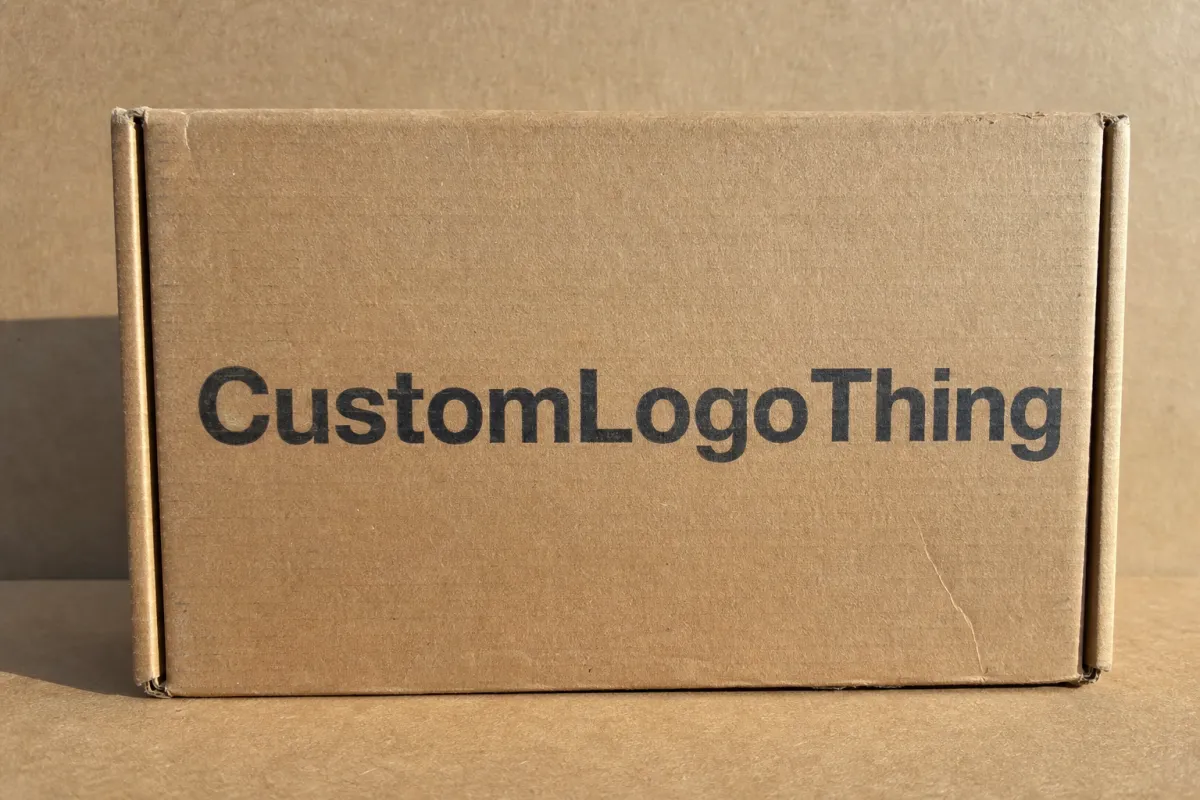
For a packaging buyer, the carton is not just a container. It is a cost-control tool, a damage-prevention layer, and often the first physical contact a customer has with the brand. One undersized box can force operators to add filler, double-box a product, or ship a package that shifts in transit. That adds labor. It also adds claims. If the carton is too large, freight dimensional weight rises and the shipping bill starts punishing the order before it leaves the dock.
That is the practical case for bulk buying. Unit price savings matter, but the larger gain usually comes from consistency. Fewer size changes mean fewer interruptions on the line. Fewer stockouts mean fewer rush buys at the worst possible moment. Better carton standardization means warehouses can forecast pallet counts, storage space, and reorder points with less guesswork. In a busy operation, that can matter more than shaving a few cents off a box.
Custom corrugated packaging also supports branding and operations at the same time. A printed shipper, mailer, or retail-ready carton can carry product names, handling marks, fulfillment instructions, and a clean visual identity across stores, distribution centers, and direct-to-consumer shipments. That consistency reduces ambiguity for staff and presents the product more professionally to the customer. For growing brands, the box becomes part of package branding instead of a generic cost center.
The businesses that gain the most are usually the ones shipping the same SKUs again and again:
- E-commerce brands that need repeatable pack-out and fewer damage issues.
- Subscription box programs that depend on a predictable unboxing experience.
- Retail replenishment teams that want cartons sized for shelf, backroom, and display flow.
- Manufacturers shipping the same components, kits, or replacement parts in volume.
If you want a broader view of carton formats before you request samples, the product range on Custom Packaging Products is a useful place to compare structures side by side. For buyers planning a larger rollout, Wholesale Programs usually make the economics easier to read because quantity, storage, and reorder cadence are part of the conversation from the start.
A carton that looks inexpensive on paper can become the most expensive item in the program if it slows packing or increases damage.
That is the practical reason bulk corrugated orders deserve a serious review. The best programs are not the fanciest. They are the ones that fit the product, travel well, print cleanly, and stay in stock.
What a Custom Corrugated Cartons Bulk Order Includes
A Custom Corrugated Cartons bulk order is usually a package of decisions, not a single product. At minimum, it includes board grade, flute type, box style, print method, finish, and any inserts or dividers needed for the product to arrive intact. Buyers sometimes focus only on outside dimensions, then discover the real cost driver is the structure inside the box or the amount of ink coverage on the outside panel.
Several common carton structures show up again and again, and each one behaves differently in production and shipping:
- Regular slotted cartons (RSC) are the workhorse option for shipping and storage. They are efficient to produce and stack well.
- Mailer boxes are popular for e-commerce and presentation-driven deliveries because they close cleanly and often look better on arrival.
- Die-cut cartons offer tighter fit and more custom presentation, but tooling and setup usually raise the minimums.
- Display-ready or retail packaging formats work best when the carton needs to move from warehouse to shelf with minimal handling.
Board and structure choices matter here. Single-wall corrugated, especially in E flute, B flute, or C flute configurations, covers a large share of shipping and retail packaging needs. E flute is thinner and often preferred for sharper print and tighter presentation. B flute brings a stronger wall profile for puncture resistance and light cushioning. C flute is a common middle ground for shipping strength. Double-wall is worth considering if the product is heavy, stacked high, or exposed to rough freight handling. The point is not to overspec the board. The point is to match protection to the trip the carton will actually take.
Graphic customization is separate from structural customization, and buyers should treat them differently. Structural customization changes the dieline, closure style, insert layout, or carton depth. Graphic customization changes the branding and instruction layer: logos, product messaging, handling marks, QR codes, interior print, and sometimes a full-wrap visual treatment. One affects tooling and fit. The other affects print prep and color control. Both affect price.
The best bulk orders solve recurring problems. A generic box might work for one shipment, then fail for the next because the product shifted, the shelf space changed, or the packer needed extra filler. A custom box removes that friction. It also gives the team a standard way to pack, label, and present the product every time.
| Carton style | Best use | Typical MOQ range | Relative unit cost | Practical note |
|---|---|---|---|---|
| RSC shipping carton | General shipping, storage, repeat SKUs | 500-2,500 units | Low | Efficient for volume and easy to warehouse |
| Printed mailer box | E-commerce presentation and subscription shipments | 1,000-5,000 units | Low to medium | Good balance of branding and pack speed |
| Die-cut carton with insert | Fragile product, premium unboxing, tight fit | 2,500-10,000 units | Medium to high | Tooling and setup raise the entry cost |
| Double-wall shipper | Heavy loads, stacked pallets, rough transit | 1,000-5,000 units | High | Worth it only when compression strength matters |
If you need to compare shipping-focused formats, Custom Shipping Boxes can help narrow the option that matches your transit risk and fulfillment flow. The right structure saves more than the wrong one ever can, even if the wrong one looks cheaper at first glance.
Specifications That Matter Before You Approve Artwork
Artwork approval is where many packaging projects drift off course. Buyers are shown a proof, focus on the logo, and assume the carton is ready. In practice, the most expensive mistakes are usually structural, not visual. If the carton is 2 to 3 mm off in depth, the product may rattle. If the insert is too tight, the pack line slows down. If the print file ignores bleed or safe zones, the final box can look cramped even if the PDF looked fine on screen.
Fit starts with the inside dimensions
Always confirm inside length, width, and depth first. Outside dimensions are not enough because board thickness changes the usable cavity. If the product includes a wrap, sleeve, bottle neck, foam insert, or divider, account for that thickness before signoff. A carton for a rigid cosmetic set does not need the same tolerance as a carton for a soft-goods bundle, and a high-value electronics shipment needs a different fit strategy again.
Buyers should also ask how production tolerances are handled. Even on a well-run line, a carton can vary slightly from the nominal spec. For standard shipping cartons, a small tolerance may be acceptable. For premium product packaging or die-cut inserts, tighter control is usually worth the extra review.
Board strength and flute choice affect real shipping risk
Single-wall corrugated is often enough for lighter products, short-haul freight, and lower stacking loads. E flute prints cleanly and supports finer graphics. B flute offers better crush resistance than E and is often chosen where puncture resistance matters. C flute sits in the middle and is widely used for shipping cartons that need more structural support. Double-wall construction becomes the better choice when compression, stacking, or rough handling are the bigger concern than print finesse.
For technical buyers, edge crush test ratings and compression targets matter more than marketing language. ASTM guidance is relevant here, and many teams also use ISTA transport testing to simulate the trip before committing to a full run. If you want a neutral reference point, the International Safe Transit Association details common test methods at ista.org. That is useful if your carton must survive drop, vibration, or distribution-chain abuse rather than just a short local delivery.
Print limits can change the design
Corrugated printing is forgiving in some ways and unforgiving in others. Fine lines can fill in. Small type can break apart on rougher board. Full-bleed artwork may need wider safe zones than a buyer expects. Spot colors usually reproduce cleanly, but exact color matching depends on substrate, ink system, board color, and surface finish. A kraft carton with dark print behaves differently from a white-lined carton with a smooth coating.
That is why design teams should confirm line thickness, image resolution, bleed, and color targets before the production run begins. A logo that looks elegant on a laptop screen may need simplification on corrugated. The best packaging design is not the most decorated. It is the version that prints clearly, packs efficiently, and still looks intentional at scale.
Handle shipping and warehousing as part of the spec
Carton compression resistance, pallet pattern, bundle count, and carton weight are not small details. They affect freight cost, warehouse handling, and how many units fit in the storage area. A slightly larger carton can change pallet count enough to create a real freight difference. For high-volume programs, that can mean the difference between a clean monthly replenishment and an inventory headache that keeps showing up on the operations report.
For sustainability conversations, buyers usually ask two questions. First, how much recycled content is in the board? Second, can the structure use less material without weakening the box? Those questions are valid. Structural efficiency matters. A carton that removes unnecessary headspace may use less corrugated, lower freight by volume, and reduce the need for extra filler. FSC-certified board can also support procurement goals for sourced fiber when the supply chain requires it.
For packaging professionals who want a standard reference point on carton structure and corrugated basics, packaging.org remains a solid industry resource. It is not a sales pitch; it is a practical way to compare material and format choices against current packaging standards.
Before approval, a simple pre-press checklist helps prevent avoidable delays:
- Confirm inside dimensions, outside dimensions, and insert thickness.
- Lock the board grade, flute type, and finish.
- Review the dieline, bleeds, and safe zones.
- Validate the print method and color expectations.
- Confirm pallet count, bundle count, and ship-to location.
That checklist sounds basic. It is also the fastest way to avoid a carton that fits the artwork but not the product.
Pricing, MOQ, and Unit Cost Tradeoffs
Pricing for corrugated cartons is driven by a handful of variables: size, board grade, print coverage, number of colors, finish, tooling, and quantity. The bigger the run, the more those fixed costs spread out. That is why a higher MOQ often lowers the unit price, even if the total purchase order grows. Buyers sometimes see the larger order as a risk. In reality, it can be the safer choice if the cartons are a repeatable need and storage is manageable.
For planning purposes, these ranges are common in bulk corrugated work, though exact numbers depend on the spec, region, and freight lane:
- Plain RSC cartons: often in the low tens of cents per unit at higher volumes.
- Single-color printed mailers: often in the mid tens to around a dollar, depending on size and board.
- Custom die-cut cartons with stronger graphics: often in the high tens of cents to low dollars.
- Double-wall or specialty structures: usually priced higher because the material and performance requirements rise with them.
The real question is not whether a quote is cheap. The real question is whether the landed cost makes sense. That includes freight, sampling, warehousing, damage rate, and the labor time spent packing or reworking cartons. A box that saves $0.06 per unit but adds 20 seconds of labor on each pack-out is not saving money. It is moving cost from procurement to operations.
Here is a simple way to compare quotes with more discipline:
| Cost factor | What to ask | Why it matters |
|---|---|---|
| Unit price | What is the price at my target quantity? | Shows the base carton cost |
| Tooling/setup | Is there a plate, die, or setup fee? | Changes first-order spend |
| Freight | Is shipping included or quoted separately? | Can shift landed cost materially |
| Sampling | Are prototypes or proofs included? | Reduces fit and print risk |
| Inventory handling | How much space and storage do the cartons require? | Affects carrying cost over time |
MOQ matters too. A simple, standard-size run may start lower than a fully printed die-cut carton, especially if tooling is minimal. The more custom the structure, the more the MOQ tends to rise. That does not make the project expensive by default. It simply means the production economics need to match the forecast.
There are practical ways to lower cost without harming performance:
- Standardize carton sizes across more than one SKU.
- Simplify to fewer print colors where the design can support it.
- Review flute choice so you are paying for the strength you actually need.
- Reduce unnecessary void space and excess panel size.
- Consolidate similar products into one carton family.
If you are evaluating broader sourcing strategy or planning a repeat run, the context on Wholesale Programs helps because bulk quantity and reorder timing are part of the price conversation, not afterthoughts.
Ask for a line-item quote every time. You want to see the carton cost, print cost, tooling, freight, and any extra services separately. That transparency makes it easier to compare suppliers on real terms instead of guessing why one number is lower than another.
Process and Lead Time: From Quote to Delivery
Lead time is often the deciding factor in a packaging purchase, but it is rarely just about production speed. The actual timeline starts with the brief. If the dimensions are incomplete, the artwork is still moving, or the team has not decided whether the box needs an insert, the order slows before it reaches the press. In most corrugated programs, delay enters through indecision, not the factory floor.
The order flow usually looks like this:
- Inquiry and brief.
- Quote based on dimensions, board, print, and quantity.
- Dieline or spec confirmation.
- Artwork review and proofing.
- Sample, prototype, or digital proof approval.
- Production scheduling.
- Manufacturing and quality checks.
- Freight booking and shipment.
Plain bulk cartons usually move faster than printed or die-cut cartons because there are fewer pre-production steps. Printed cartons need artwork review. Die-cut cartons may need tooling. If the order includes a finish, window, insert, or special closure, the schedule can stretch. That is not a problem if the timeline is planned honestly. It becomes a problem only when the buyer expects a standard box to behave like a stock item.
Typical planning windows vary, but these ranges are useful:
- Plain corrugated cartons: often faster once dimensions are approved.
- Printed cartons: often require extra time for proofing and color review.
- Die-cut formats: usually need the longest setup window because tooling and sampling matter.
Order size also influences timing. Large runs can take longer to produce and ship, but they may also move more efficiently per unit once the line is set. Board supply matters too. If the chosen substrate is in steady availability, the project is easier to schedule. If it depends on a specific liner, finish, or specialty board, the buyer should allow a wider buffer.
International freight can extend the calendar, especially if customs paperwork, ocean transit, or port congestion enters the picture. Domestic manufacturing is often simpler to coordinate, but not always cheaper. That tradeoff should be tested with both price and timeline in the same quote.
The most useful ask is a milestone-based timeline. That means the supplier tells you when the dieline is due, when proof approval is needed, when production starts, and when freight booking happens. That structure gives the buyer more control, especially if several stakeholders need to sign off before the order can move.
For first-time projects, add buffer. For repeat runs, lead time usually shortens because the structure, print file, and quality expectations are already approved. That is one reason standardized programs outperform one-off packaging buys over time.
Why Choose Us for Branding-Ready Cartons
Custom Logo Things is built for buyers who want cartons to do more than ship product. The expectation is simple: the box should protect the item, present the brand clearly, and arrive on time without forcing the team to babysit the order. That means the production conversation has to stay grounded in measurable details: registration, board sourcing, dimensional accuracy, finish consistency, and the fit of the carton to the product and the shipment method.
A good packaging partner thinks like both a manufacturer and a branding team. On the manufacturing side, the priorities are compression performance, glue integrity, print repeatability, and clean die cuts. On the branding side, the priorities are visual consistency, logo placement, and a carton that looks intentional when it reaches the customer. Those goals are not in conflict if the spec is set properly. They are only in conflict when the project starts with style and forgets structure.
That is especially true for custom printed boxes and other branded packaging programs that need to scale across channels. A box for a direct-to-consumer order may need stronger visual identity. A box for retail packaging may need a different print layout, barcode placement, or shelf-facing panel. A box for warehouse replenishment may prioritize speed and stackability. The right supplier should understand those distinctions before the first run begins.
Quality control matters more in bulk work because a small defect becomes a large problem quickly. The checks that matter most are not flashy:
- Dimensional accuracy against the approved spec.
- Print registration and color consistency across the run.
- Glue integrity and fold performance.
- Finish consistency, especially on coated or printed surfaces.
- Compression and stacking behavior for palletized shipments.
We also help buyers avoid the common mistakes that burn time and budget. The big ones are easy to spot after the fact: approving artwork on the wrong dieline, over-specifying board strength, ignoring freight volume, or underestimating how many units the program really needs to stay in stock. A seasoned order review catches those issues before they become expensive.
Need a broader view of carton and box options before committing to a spec? The FAQ page can answer common sourcing questions, while the broader catalog on Custom Packaging Products makes it easier to compare structure, print, and use case before requesting a quote.
There is a simple business result behind all of this: fewer surprises, cleaner presentation, and a packaging system that supports the brand at scale. That is the real value of a supplier who treats the carton as part of the product experience, not an afterthought.
Next Steps for Ordering Bulk Corrugated Cartons
If you are planning a custom corrugated cartons bulk order, start with the facts that shape the quote. Gather inside dimensions, product weight, desired board grade, print coverage, monthly volume, and the shipping method you actually use. If the carton needs to solve a current problem, name that problem clearly: breakage, slow packing, poor shelf presentation, too much void fill, or a freight bill that keeps climbing.
A sample or proof step is worth asking for before you commit to the full run, especially for first-time orders. Structural samples tell you whether the fit is correct. Digital proofs show artwork placement and panel layout. Physical samples are better when the product is fragile, premium, or unusually shaped. A carton can look perfect in a file and still fail in the hand.
Compare quotes using the same inputs. That sounds obvious, but it is where many buyers lose clarity. One supplier may quote a lighter board, another may include freight, and a third may have different assumptions about print coverage or tooling. If the comparisons are not aligned, the lowest number is usually the least meaningful.
It also helps to plan reorder timing now instead of waiting for stock to tighten. Bulk packaging programs work best when the reorder point is set early enough to avoid emergency buying. A packaging shortage can disrupt shipping, production, and customer service all at once. That is not just inconvenient. It is costly.
For many teams, the right purchase decision comes down to three checks: fit, pricing clarity, and lead time control. If the carton fits the product, the quote is transparent, and the delivery window matches the launch or replenishment schedule, the order is on solid ground. If any one of those pieces is fuzzy, the project needs another review before money changes hands.
That is the practical case for a custom corrugated cartons bulk order: better fit, clearer pricing, and more control over lead time. Before you place the run, lock the inside dimensions, confirm the board and flute, and insist on a sample or proof that matches the final spec. Those three steps do more to protect margin and brand consistency than a low unit price ever will.
What is the usual MOQ for a custom corrugated cartons bulk order?
MOQ depends on size, print complexity, and whether tooling is required. Simpler unprinted or standard-size runs often have lower minimums than fully printed die-cut boxes. Ask for the MOQ alongside the quote so you can compare total spend, not just unit price.
How do I get an accurate quote for custom corrugated cartons bulk order pricing?
Provide inside dimensions, product weight, board preference, print coverage, and expected annual or monthly volume. Include shipping method and destination because freight can change landed cost significantly. Request a line-item quote so you can see where material, setup, and freight costs are coming from.
What affects lead time on printed corrugated cartons?
Artwork approval is usually the biggest variable, especially if multiple stakeholders review proofs. Tooling, sample approval, and board availability can add time before production starts. Repeat orders are typically faster when specs and dielines are already locked.
Can I get samples before placing a bulk order?
Yes, many buyers request structural samples, plain prototypes, or digital proofs first. Samples help confirm fit, stacking behavior, and print placement before full production. A sample step is especially useful when the carton protects fragile or high-value product.
How can I lower unit cost without weakening the carton?
Standardize box sizes across more than one SKU when possible. Reduce unnecessary print coverage or simplify to fewer colors if the design allows it. Review flute and board grade with the supplier so you are paying for the strength you actually need.

