Buyer Fit Snapshot
| Best fit | Custom Drawer Style Boxes Wholesale projects where brand print, material claims, artwork control, MOQ, and repeat-order consistency need to be specified before quoting. |
|---|---|
| Quote inputs | Share finished size, material target, print colors, finish, packing count, annual reorder estimate, ship-to region, and any compliance wording. |
| Proofing check | Approve dieline scale, logo placement, barcode or warning zones, color tolerance, closure strength, and carton packing before bulk production. |
| Main risk | Vague material claims, crowded artwork, missing packing details, or unclear freight terms can make a low unit price expensive after revisions. |
Fast answer: Custom Drawer Style Boxes Wholesale: Specs, Pricing, MOQ should be specified like a repeatable production item. The safest quote records material, print method, finish, artwork proof, packing count, and reorder notes in one written spec.
Production checks before approval
Compare the actual filled-product size with the drawing, then confirm tolerance on folds, seals, hang holes, label areas, and retail display edges. Reserve space for logos, QR codes, warning copy, and material claims before decorative graphics fill the panel.
Quote comparison points
Review material grade, print process, finish, sampling route, tooling charges, carton quantity, and freight assumptions side by side. A quote is only useful when the supplier can repeat the same color, closure quality, and packing count on the next order.
Custom Drawer Style Boxes Wholesale: What Actually Sells
I’ve stood on enough packing lines in Shenzhen and Dongguan to know this: a drawer box looks simple until you put 2,000 units on a table and half of them slide like a bargain kitchen drawer with one leg shorter than the others. That’s why brands come to me for custom drawer style boxes wholesale instead of guessing their way through product packaging. They want consistency, better shelf presence, and a box that feels intentional when the customer opens it, whether the run is 500 pieces or 50,000.
The first thing I tell buyers is blunt. custom drawer style boxes wholesale is not a creative mood board exercise. It is a purchasing decision with real numbers behind it: 1.5mm rigid board versus 350gsm C1S artboard, ribbon pull versus thumb notch, and how much value the box adds to the actual product. If the tray sticks or the sleeve flops around, the unboxing feels cheap. No amount of gold foil fixes sloppy structure. Trust me, I’ve watched people try in Guangzhou, and it never gets less awkward.
Why do brands keep choosing this format? Jewelry. Cosmetics. Candles. Gift sets. Supplements. Small electronics. I’ve seen all of them in our Shenzhen facility, and the pattern is always the same. Drawer packaging gives you a clean reveal, easier product staging, and more controlled branded packaging than a basic tuck box. For retail packaging, that matters because the customer notices the motion before they notice the print, especially on shelves in Hong Kong and Singapore where premium presentation gets only a few seconds to do its job.
One client selling skincare sets told me the box was the selling point, not the jar inside. Honestly, I thought that was marketing fluff until we ran samples with a 1.5mm rigid board tray, 157gsm art paper wrap, and a matte lamination finish. The product looked like an $18 premium set instead of a $9 drugstore item. That is the difference custom drawer style boxes wholesale can make when the structure is right and the print registration stays within 1 mm.
Another thing people get wrong: they think drawer boxes are “just boxes.” Wrong. The tray depth, the inner cavity, the pull mechanism, and the finish all affect perceived value. In package branding, a clean slide action tells the customer someone cared enough to engineer the thing. That signal is worth real money. The funny part? It’s also the part people try to cheap out on first, usually by swapping a 2 mm ribbon for a 0.8 mm ribbon or removing the internal dust flap to save a few cents.
Client note: “We switched from folding cartons to drawer boxes and our gift set return rate dropped because the product stopped arriving rattled in transit.”
For brands ordering custom drawer style boxes wholesale, the sales angle is simple. Better unboxing. Stronger shelf presence. Easier premium positioning. And usually better repeatability across larger runs, which is what wholesale buyers actually care about once the Instagram fluff wears off. A 5,000-piece repeat order from the same Shanghai supplier should look nearly identical to the first, not like a cousin of it.
If you already know your product dimensions and target quantity, you’re ahead of half the people who ask for a quote with “something nice” and no specs. Those requests waste time. The better path is to treat custom drawer style boxes wholesale like a production buy: define the product, define the fit, define the finish, then price it properly. A buyer who knows the exact cavity size, say 86 mm x 86 mm x 42 mm, gets a much better quote than someone who says “small and elegant.”
For buyers building a broader packaging program, I usually point them to our Custom Packaging Products and Wholesale Programs pages because drawer boxes often sit inside a larger product packaging lineup. One SKU doesn’t live alone forever. Eventually the brand needs shipping cartons, inserts, and display packaging too, especially if the products are moving out of Shenzhen into warehouses in Los Angeles, Toronto, or Dubai.
Custom Drawer Style Boxes Wholesale: Product Details That Matter
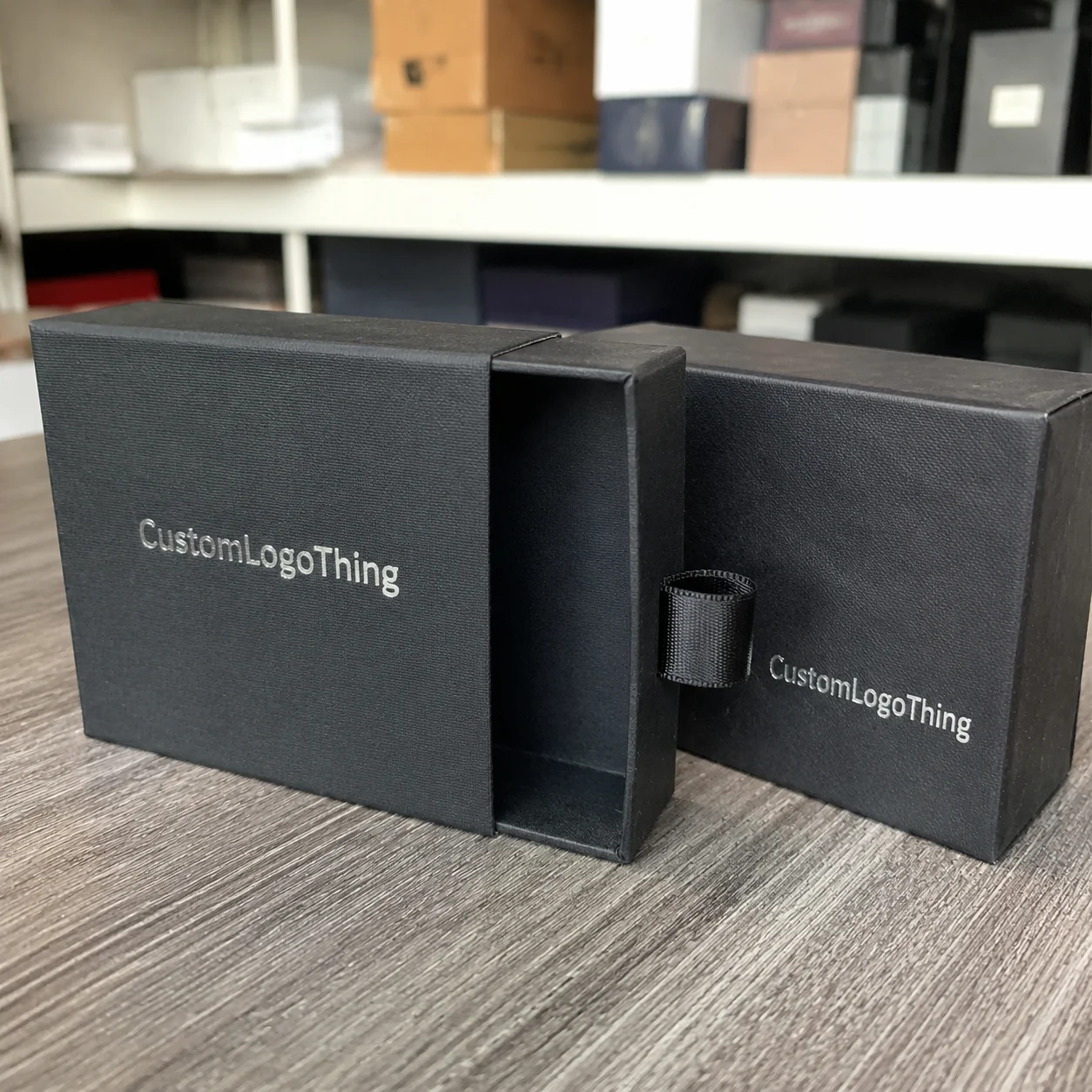
A drawer box has five parts that actually matter in production: the outer sleeve, the inner tray, the finger notch, the pull ribbon or pull tab, and the insert. People love talking about finish first. I don’t. I ask about structure first, because structure decides whether custom drawer style boxes wholesale works for the product or turns into a headache on the line. On a busy run in Dongguan, structure is what saves you from rework at 11:30 p.m.
The outer sleeve is what the customer sees. The inner tray carries the product. The finger notch helps the drawer open. Ribbon pulls can feel elegant, but they also add assembly labor and one more thing to misalign. Inserts keep the product from moving around. If a candle insert is off by just 2 mm, the wax jar rattles. I’ve seen that problem on a night shift when a buyer insisted the sample “looked fine” and then complained after the bulk run. It was not fine. It was expensive. And yes, everyone on the floor had opinions after that, including the shift lead from Foshan.
Material choice matters just as much as layout. For custom drawer style boxes wholesale, common options include rigid chipboard, SBS paperboard, kraft wrap, and specialty paper stocks. Rigid 1200gsm to 1500gsm chipboard is typical for premium gift packaging. SBS at 350gsm can work for lighter retail items, but if the product weighs 300 grams or more, the structure needs more backbone. Otherwise the box feels soft in the hand, and premium price tags start looking silly.
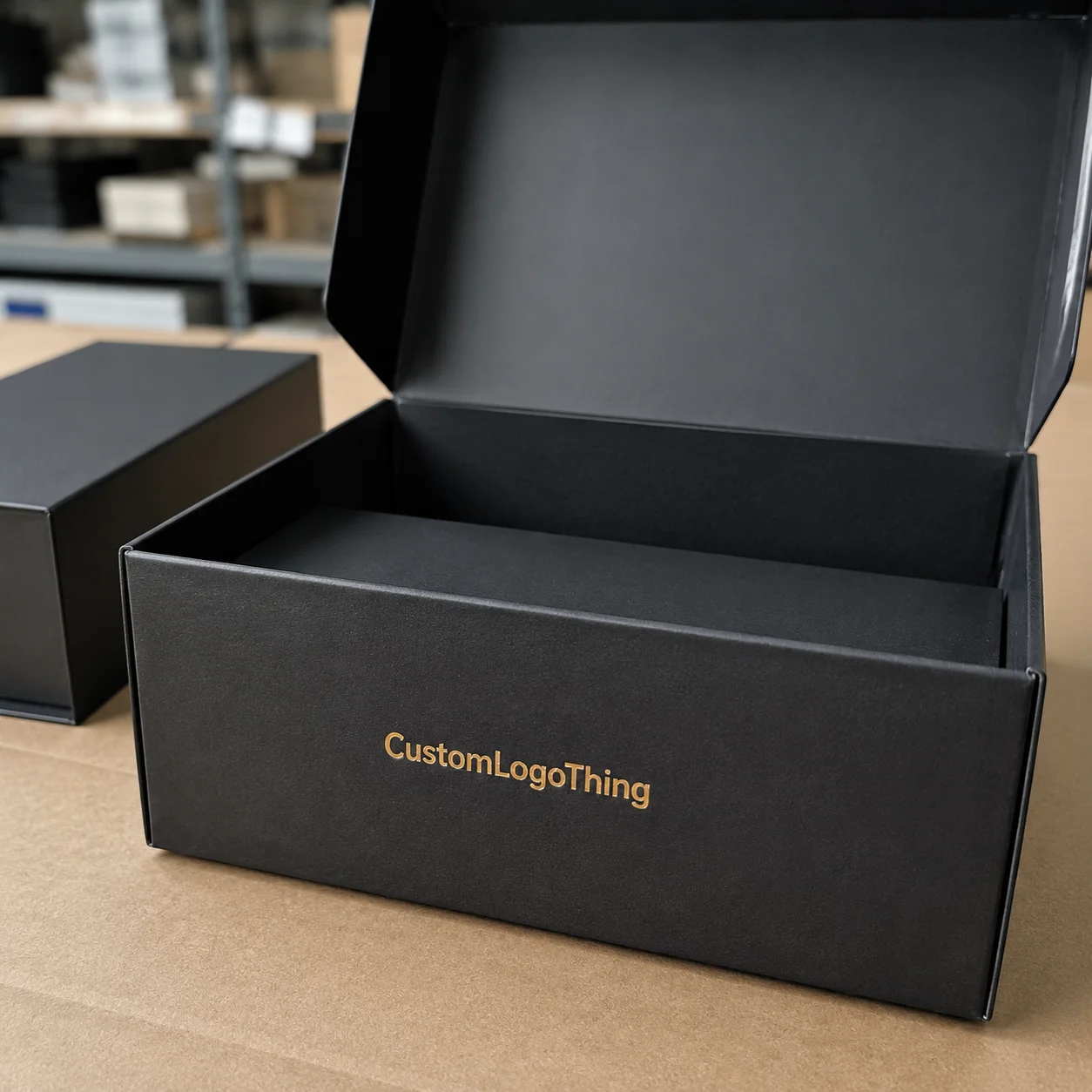
Finishing is where the brand voice comes through. Soft-touch lamination feels velvety and quiet. Matte lamination feels controlled. Gloss has more pop but shows fingerprints faster. Foil stamping adds shine, and embossing gives texture you can feel with your thumb. Spot UV is useful when you want contrast on a logo or pattern. Printed interiors are underrated. I’ve watched buyers spend money on the outside and leave the inside blank, which is odd because the inside is what customers stare at during the reveal. It’s like buying a nice coat and leaving the lining made of shrug.
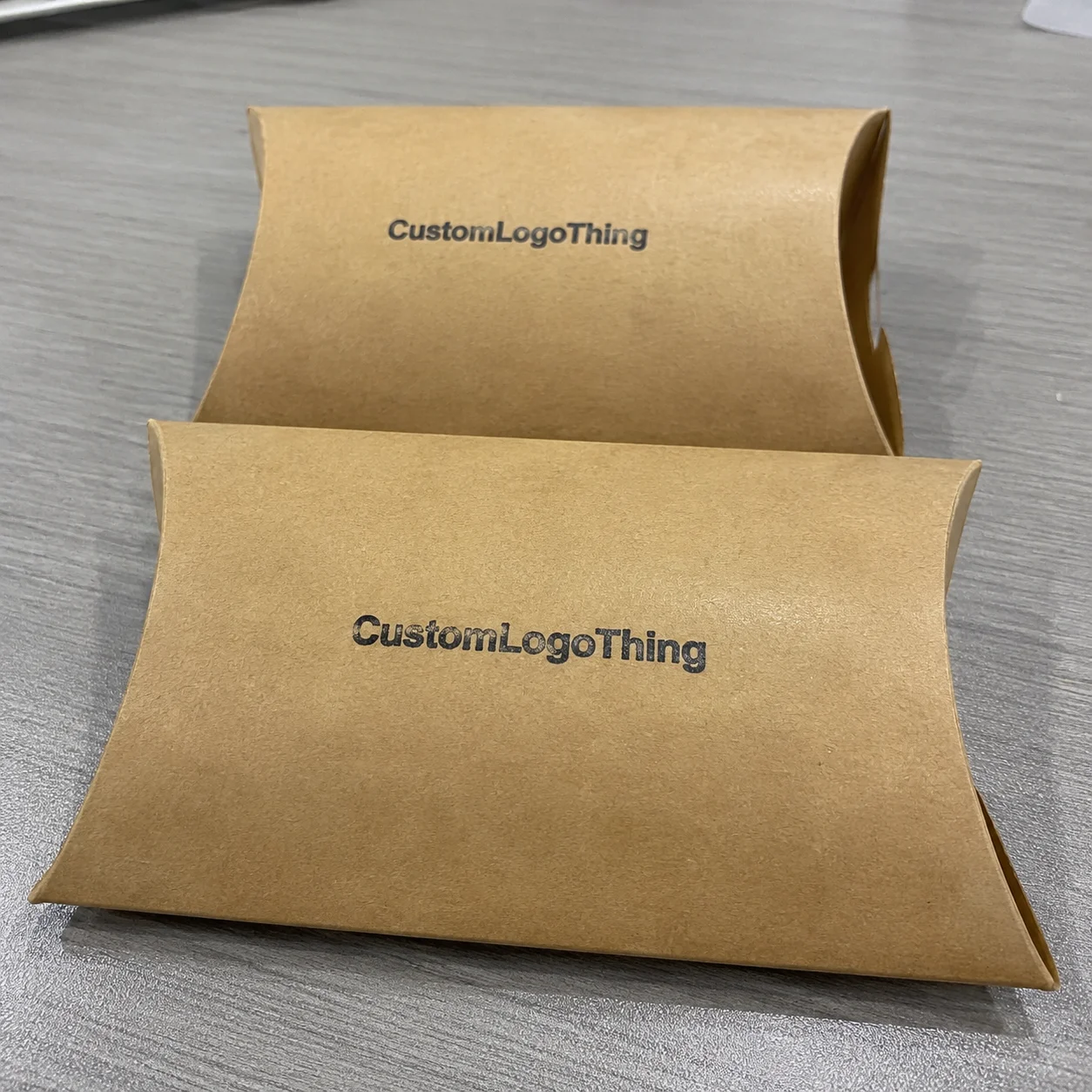
For heavier products, rigid construction is usually the correct answer. For lighter retail items, a folding drawer format can reduce cost. That said, not every product benefits from a full rigid setup. A small supplement jar or silk accessory set might do fine in a folding drawer style if the insert fit is precise and the print quality is clean. A 120gsm kraft liner and 350gsm C1S artboard can be enough for lightweight kits shipped in cartons under 8 kg.
When should you choose custom drawer style boxes wholesale instead of Magnetic Closure Boxes? Choose drawers when the slide reveal matters, when you want easier repeated access, or when stacking and staging on shelves matter. Choose magnetic closure boxes when the lid-open presentation matters more than the sliding motion. Magnetic boxes cost more in hardware-style feel, but they’re not automatically better. I’ve had luxury buyers in London switch back to drawers because the pull action made their unboxing videos cleaner and their storage footprint smaller by nearly 15% on one launch.
For simple comparison, here’s how I frame the options when a buyer is trying to decide:
| Box Type | Best For | Typical Feel | Relative Cost | Notes |
|---|---|---|---|---|
| Custom drawer style boxes wholesale | Jewelry, skincare, gifts, candles | Premium, tactile, controlled reveal | Medium to high | Great for repeatable branded packaging |
| Magnetic closure boxes | Luxury kits, high-end retail | Formal, sturdy, lid-open experience | High | More material and assembly cost |
| Standard folding cartons | Lightweight retail items | Practical, economical | Low | Best for tight budgets and shipping efficiency |
That table is why custom drawer style boxes wholesale keeps showing up in premium product packaging. It gives a strong look without the same structural expense as a magnetic setup, and it feels more distinctive than a plain folding carton. If the product needs retail packaging that carries the brand story, drawers do the job well, especially for 30 mL serum vials, 200 g candle jars, and compact gift kits sold through boutiques in Paris and Seoul.
One more practical point: the slide fit matters more than decoration. If the tray moves too freely, the box feels loose. If it binds, customers think it’s defective. In our factory, I’ve had operators adjust tray width by 0.5 mm because a printed wrap added thickness. That tiny change saved an entire production lot from scraping the sleeve edges. That is what good packaging design looks like in real life, not on a screen in a sales office in Yiwu.
If your brand is comparing custom printed boxes, ask whether the supplier has actually built drawer structures before. Some can print anything. Fewer can make a drawer box that opens cleanly on every unit across 5,000 pieces. There’s a difference. A big one. Ask for a sample with the tray loaded to 90% of the final product weight, because that tells you more than a glossy rendering ever will.
Specifications for Custom Drawer Style Boxes Wholesale Orders
Before anyone gives you a real price for custom drawer style boxes wholesale, they need the specs. Not vibes. Specs. I need dimensions, product weight, insert type, print coverage, and finish. If any one of those is missing, the quote can swing by $0.12 to $0.40 per unit depending on board and labor. That sounds small until you’re buying 10,000 units. Then it becomes a real line item, and suddenly everybody is acting surprised in a spreadsheet they helped create.
The first thing to measure is the internal cavity size. Don’t give me the outside dimension of the product and hope I guess the rest. Measure the longest side, width, and height with any label, sleeve, or cap included. Then add just enough clearance for the insert and slide action. A tight fit is good. A jammed drawer is not. For a 72 mm perfume bottle, I usually want at least 1.5 mm of clearance on each side and 2 mm of headroom above the cap.
For fragile or premium products, I usually recommend a sample fit test before full production. It sounds basic because it is basic. Yet I still see buyers approve drawings without ever placing the product inside the sample. Then they’re surprised when the lid crushes the insert or the product sits 4 mm too high. That’s not a manufacturing mystery. That’s a missing check. In a Guangzhou sample room, that missing check can cost you a whole week.
Artwork requirements are straightforward if you’ve done packaging before. You need the dieline, bleed, vector logos, and color references in CMYK or Pantone. For custom drawer style boxes wholesale, most factories want editable AI, PDF, or EPS files. Raster logos sent at 72 dpi are a classic mistake. They print blurry. Then everyone pretends not to notice. I notice. My eye goes straight to it like it has a vendetta, especially when the logo sits on a 10 mm side panel.
Structural options can change the whole quote. Single-wall drawer formats are cheaper. Rigid board thickness increases the cost, but also the perceived value. Custom inserts can be EVA foam, molded pulp, paperboard, or flocked card depending on the product and budget. Pull tabs come in ribbon, cotton, or thumb-cut styles. Reinforced corners help the outer sleeve survive shipping, especially on larger wholesale runs that move from Ningbo to warehouses in California.
There’s also the question of print coverage. Full-wrap exterior, printed interior, and edge printing all add labor. If you want a clean logo on a kraft sleeve with no interior print, that is simpler and cheaper. If you want metallic foil, debossing, and an inside message, prepare for more setup and more time. That’s not a scare tactic. It’s how press work happens. A two-color exterior on 350gsm C1S artboard can stay cost-efficient, while a full-color inside-and-out finish adds both setup and waste.
Shipping and storage matter too. If the box ships flat, it saves space. If it ships assembled, the carton count and master carton size change quickly. I’ve seen a buyer forget this and discover that the “cheap” box took up 22% more warehouse space than their previous packaging. Warehouse rent is not abstract. It is paid in dollars, monthly, no exceptions. Nobody from accounting ever calls that “creative.” A freight forwarder in Shanghai will notice that extra cubic volume immediately.
For compliance, buyers should talk about shipping durability standards if the product is going into distribution. You do not need to turn every drawer box into a military crate, but you should understand basic transit testing. ISTA guidelines are useful for package performance testing, and ASTM references help when you need material or test consistency. If your product needs documented environmental responsibility, FSC-certified paper is worth asking for. You can check resources at ISTA, FSC, and packaging resources from the Packaging Association.
Here’s a clean spec checklist I use before quoting custom drawer style boxes wholesale:
- Product dimensions: exact length, width, and height in mm.
- Product weight: total unit weight, especially for glass, metal, or ceramic items.
- Material: rigid board, SBS, kraft, or specialty stock.
- Finish: matte, gloss, soft-touch, foil, embossing, spot UV, or uncoated.
- Insert: paperboard, EVA, pulp, foam, or none.
- Artwork: dieline file, logo source files, and color references.
- Quantity: target MOQ and preferred tier pricing.
- Shipping plan: air, ocean, or courier sample delivery.
Those eight items are enough to get a useful quote and avoid the usual back-and-forth. Smart buyers know that smart spec choices reduce waste, lower rework costs, and keep custom drawer style boxes wholesale pricing stable across revisions. A clean spec sheet sent on Monday can save three days of email by Thursday.
Pricing, MOQ, and What Changes the Quote
Let’s talk numbers, because that’s what actually drives a purchasing decision. The price for custom drawer style boxes wholesale depends on size, board thickness, print complexity, finish, insert style, and quantity. No mystery. No magic. Just manufacturing math from facilities in Shenzhen, Dongguan, and sometimes Xiamen, depending on the source of the board and the finish line.
For a basic rigid drawer box in a common size, you might see pricing around $0.95 to $1.60 per unit at higher quantities, depending on materials and finish. Add soft-touch lamination, foil stamping, and a custom insert, and that number can move to $1.80 to $3.20 per unit. Small runs cost more. Premium finishes cost more. That’s not the supplier being greedy. That’s the supplier paying for setup, labor, and material waste. A 5,000-piece run with 350gsm wrap and a paperboard insert will always price differently than a 500-piece sample project.
I once sat through a quote negotiation where a buyer kept asking why the same drawer box was $0.27 cheaper at 20,000 pieces than at 5,000. I had to explain that press setup, die cutting, wrapping, and insert tooling don’t care about optimism. They care about yield. When volume goes up, unit cost goes down. That is how wholesale works. Not glamorous, but deeply reliable. The pattern is even clearer when the production line is in Dongguan and the freight is moving through Yantian Port.
The MOQ for custom drawer style boxes wholesale usually depends on structure and decoration. Rigid drawer boxes often start around 500 to 1,000 pieces per size and design because setup costs are higher. Simpler folding drawer formats can sometimes start lower, especially if the print is straightforward. If a factory offers 100-piece MOQ on a fully rigid, foil-stamped drawer box, I’d ask a few more questions. Probably with coffee in hand, and probably before I sign anything.
Sample costs are a separate line item. A structural sample might run $40 to $120 depending on complexity. A printed sample could be $80 to $180 if custom tooling or hand assembly is involved. If someone says sampling is free, read the fine print. Freight, setup, and modifications may still be billed elsewhere. I prefer suppliers who say the real number upfront. Fewer surprises. Less drama. A buyer in Sydney who gets a real sample quote on day one usually closes faster than one chasing “free” revisions for a week.
Tooling and special charges can appear too. Foil dies, embossing plates, custom cutters, and specialty pull hardware may add one-time costs. That’s normal. What buyers should avoid is a quote that looks too clean. If there’s no mention of insert tooling, artwork review, or upgraded paper stock, ask again. That’s where hidden charges like to live. A die line adjustment on a 90 mm sleeve can cost less than a rushed reprint after approval, but only if you catch it early.
Freight matters just as much as unit price. Ocean shipping can make sense for larger custom drawer style boxes wholesale orders, but it adds transit time. Air freight is faster and more expensive. Courier works well for samples and emergency replenishment. I’ve seen buyers fixate on a $0.08 unit savings and then pay $640 more in shipping because they chose the wrong carton size. That is the sort of math that ruins a budget spreadsheet and then everyone acts personally betrayed by pallets.
To make the comparison clearer, here’s a simple pricing framework I use with buyers:
| Order Type | Typical MOQ | Estimated Unit Range | Common Extras | Best Use |
|---|---|---|---|---|
| Basic folding drawer style | 300-500 pieces | $0.45-$0.95 | Simple print, light insert | Light retail items |
| Standard rigid drawer box | 500-1,000 pieces | $0.95-$1.80 | Matte or gloss lamination | Cosmetics, candles, gifts |
| Premium rigid drawer box | 1,000+ pieces | $1.80-$3.20 | Foil, embossing, custom insert | Luxury sets, jewelry, launch kits |
Those ranges are not a promise. They depend on board choice, finish, and freight. But they give buyers a realistic starting point for custom drawer style boxes wholesale. If your quote is way outside those bands, ask for the spec breakdown before you panic. A quote from a factory in Shenzhen should show board weight, paper stock, finish, insert, and carton count clearly.
Common quote traps? Sure. Hidden artwork fees. Sample fees not credited back. Insert changes treated as a new project. Paper stock “upgraded” without notice. If you want a clean wholesale purchase, confirm whether the quote includes inserts and shipping. Otherwise, your landed cost will creep upward while everyone smiles in email. This happens more often than buyers admit, especially on first orders of 3,000 to 5,000 units.
Brands buying custom printed boxes for product packaging need to think in tiers. I usually suggest asking for pricing at 1,000, 3,000, and 5,000 pieces. That shows where the real break point is. Often the 5,000-piece run is only a little more expensive in cash flow but much better in unit economics. That’s where wholesale programs start making sense. If the difference between 3,000 and 5,000 is only $180 total, the larger order may be the smarter move for a brand with steady monthly sales.
Production Process and Timeline for Wholesale Drawer Boxes
The production path for custom drawer style boxes wholesale is pretty standard once you know the steps: inquiry, quote, dieline confirmation, artwork review, sample production, mass production, QC, and shipping. The part that slows everything down is usually the buyer, not the machine. I say that with affection, mostly. A factory in Dongguan can cut and wrap faster than a product team can finish debating one shade of navy.
For sampling, a structural sample can take 3 to 7 business days. Printed samples can take 7 to 12 business days, depending on finish and complexity. Mass production often runs 12 to 20 business days after proof approval for a normal order, but that stretches if you’re adding foil, embossing, or a custom insert that needs die cutting and hand assembly. For a standard 5,000-piece run with matte lamination, I usually tell buyers to expect 12-15 business days from proof approval.
I’ve seen a launch get pushed back ten days because the client spent four days debating whether the inside sleeve should be Pantone 7541 or 7542. Pretty? Yes. Necessary? No. Approval delays matter more than press speed. That’s the part people dislike hearing, which is exactly why they need to hear it. A production line in Guangzhou can’t move until the artwork file is signed off.
Quality control is where good suppliers separate themselves from noisy salespeople. For custom drawer style boxes wholesale, I check slide function, color matching, glue strength, edge wrap alignment, and insert fit. If a sleeve corner lifts by 1 mm, that’s a defect. If the tray scrapes the inside of the sleeve, that’s a repeat problem. If the logo shifts across the front panel, the brand will notice. I also look for consistent wrap tension and no white edge show on corners wider than 0.3 mm.
One factory visit still sticks with me. We were checking a run of candle boxes, and the inner tray was too shallow by 3 mm. On paper it looked minor. On the line, the candle lids rubbed the top edge and caused scuffing. The fix cost a few hours of recalibration, which was far cheaper than 8,000 rejected boxes. That’s why testing matters. A 3 mm error in a 42 mm cavity is not “close enough.” It is a defect waiting to happen.
Shipping options affect arrival time and landed cost. Air freight is faster, often 5 to 10 days door to door, depending on route and customs. Ocean freight can take 20 to 35 days or more. Courier is fastest for samples but terrible for bulk economics. For wholesale buyers, the right choice depends on launch date, inventory buffer, and warehouse capacity. A 20-foot container from Shenzhen to Los Angeles will behave very differently from a courier shipment to Melbourne.
Here’s the simple planning rule I use: if your retailer needs product in hand by a fixed date, build in buffer time for sample approval, bulk production, and at least one transit delay. That means starting earlier than you think you need to. I know. Everybody hates that advice until a port delay or holiday closure shows up, usually when the calendar is already screaming at you. Golden Week in China has a talent for exposing every optimistic timeline.
For brands ordering custom drawer style boxes wholesale, I also recommend checking master carton counts and packing method before production starts. If the boxes are pre-assembled, carton size gets big fast. If they’re shipped flat, storage is easier but final assembly time goes up. That tradeoff affects labor and warehouse fees. Choose the one that fits your operation, not the one that sounds better in a sales call. A pre-assembled carton count of 50 units versus 100 units can change both freight and warehouse handling.
Production transparency is a trust issue. Ask for photos at sample stage, a packing photo before shipment, and a tracking number once the freight is booked. Good suppliers do this because they care about repeat business. Bad suppliers avoid specifics. I prefer the first kind, and frankly my patience for the second kind is about as thin as a bad paper wrap. If your supplier cannot confirm the QC checklist in writing, that is a warning sign.
Why Choose Us for Custom Drawer Style Boxes Wholesale
I’ve spent 12 years in custom printing and packaging, and I can tell you this with zero hesitation: buyers do better when they work with someone who knows the factory floor, not just the sales script. That is the real reason people come to us for custom drawer style boxes wholesale. They want answers that survive contact with production, whether the boxes are being made in Shenzhen, Dongguan, or a partner plant outside Guangzhou.
We’ve visited enough board mills, printing lines, and assembly stations to know where the weak points show up. Adhesive failure. Poor wrap tension. Inconsistent board thickness. Weak pull ribbons that fray after one use. Those problems cost money later, so we catch them early. I’ve personally rejected sample runs where the adhesive looked fine but failed at the corner fold after humidity exposure. Cheap on paper. Expensive in the warehouse. A 75% humidity test can expose a bad wrap in minutes.
Direct control over materials and QC matters. If the chipboard shifts by 0.2 mm, the tray fit changes. If the paper wrap is too thin, the corners show white. If the foil stamp pressure is uneven, the logo looks patchy. When you order custom drawer style boxes wholesale, you need a supplier who can catch those things before they become customer complaints. That is especially true for 1,000-unit launches, where one bad production batch can hurt a whole quarter.
One negotiation in particular still makes me smile. A paper supplier wanted to push a lower-grade wrap stock because “most clients won’t notice.” They’re wrong, by the way. We tested both stocks side by side under soft-touch lamination and the cheaper paper showed edge cracking after folding. I walked away from the cheap stock. The client saved money on rework and kept the premium feel they paid for. That’s what honest sourcing looks like, whether the stock is sourced in Foshan or imported through Shanghai.
We also understand repeatability. The real value in custom drawer style boxes wholesale is not one perfect sample. It’s 10,000 boxes that look and feel the same. Brands scaling product packaging need stable color, consistent slide fit, and reliable insert alignment across multiple runs. That is hard to do if the supplier is guessing. It is much easier if the supplier has done the work, measured the tolerances, and built the process around them. A repeat order in month three should not become a redesign.
Our quoting is transparent because hidden costs annoy everybody. If the project needs a custom insert, I say so. If the finish adds $0.18 per unit, I say so. If the timeline needs an extra five days for embossing plate approval, I say so. Customers do not need poetry. They need a usable quote and a realistic schedule. A quote that lists 350gsm C1S artboard, EVA insert, matte lamination, and ribbon pull is more useful than a vague “premium box” line item.
For brands comparing suppliers, this is where our Wholesale Programs and Custom Packaging Products pages fit in naturally. You can start with drawer boxes and build the rest of the branded packaging program from there. Same supplier. Fewer handoffs. Fewer mistakes. That matters when your packaging schedule is tied to a retailer launch in Chicago or a trade show in Dubai.
And yes, we can help with custom printed boxes, retail packaging, and package branding beyond drawer styles. But if you’re specifically buying custom drawer style boxes wholesale, the priority is fit, finish, and volume repeatability. Pretty matters. Structure matters more. A great sample in Shanghai means little if the 5,000-piece order fails slide testing in the final carton.
How to Order Custom Drawer Style Boxes Wholesale the Smart Way
The smartest way to order custom drawer style boxes wholesale is to gather the right information before asking for a quote. Start with exact product dimensions, unit weight, target quantity, logo files, and your preferred finish. If you already know the insert type, include that too. That cuts days off the back-and-forth and gets you a quote that means something. A 58 mm x 58 mm x 24 mm box needs a different structure than a 120 mm x 80 mm accessory set.
Ask for at least two or three quantity tiers. For example: 1,000, 3,000, and 5,000 pieces. That shows the real unit cost curve. Sometimes the 3,000-piece order is the best balance of cash and inventory. Sometimes the 5,000-piece run drops your price enough to justify the extra stock. You will not know until you see the break points. If the quote on 5,000 pieces lands at $0.15 per unit, that’s the kind of number that changes a buy plan quickly.
If the product is fragile, heavy, or expensive, order a physical sample before mass production. I know some buyers try to skip it to save $80. Bad trade. A sample lets you check the slide action, color accuracy, and insert fit before you commit to a wholesale run. That one box can save you from a pile of rejects, and I’m not exaggerating for effect. A failed run of 8,000 units can cost more than a full sample round and then some.
Confirm lead time in writing. Confirm shipping method in writing. Confirm approval deadlines in writing. Those three things prevent most problems. I’ve watched orders get delayed because someone assumed air freight was included, or assumed the art review would happen in two days, or assumed the supplier would hold production while the buyer was on vacation. Assumptions are expensive. They have a talent for becoming invoices. A clean timeline should say something like 3-7 business days for sampling and 12-15 business days from proof approval for the bulk run.
Here’s the sequence I recommend for custom drawer style boxes wholesale:
- Prepare product measurements in mm.
- Send logo files and brand colors.
- Choose material and finish.
- Request pricing at multiple quantities.
- Approve the dieline and sample.
- Lock the production schedule.
- Review packing and freight details.
If you want to make the process even cleaner, tell the supplier your budget range. Not a fantasy number. A real one. If the target is $1.10 per unit landed, say that. It helps the factory suggest the right board, finish, and insert style instead of pitching something gorgeous and impractical. That is how you buy product packaging without wasting time, especially if your distributor needs margin left after freight from Shenzhen or Ningbo.
I’ll be straight with you. Custom drawer style boxes wholesale is best handled by buyers who know what they want or are willing to make a few quick decisions. The more precise your specs, the better the pricing and the better the final box. If you send dimensions, artwork, desired quantity, and insert type today, you’re already 80% of the way there. A project that starts with facts usually ends with fewer revisions.
So here’s your next move: measure the product, gather the logo files, decide on the finish, and request a quote with quantity tiers for custom drawer style boxes wholesale. That’s the shortest path to a real decision, not a pile of pretty renderings and polite emails. If the order is going to a launch in New York or a subscription box warehouse in Texas, specificity now saves money later.
FAQ
What is the minimum order for custom drawer style boxes wholesale?
MOQ depends on size, material, and print complexity. Rigid drawer boxes usually have a higher MOQ than simple folding styles because setup costs are higher. Ask for tiered quantities so you can see how unit cost changes across 500, 1,000, and 3,000 pieces. For a premium rigid build in Shenzhen, 500 pieces is a more realistic starting point than 100 pieces.
How much do custom drawer style boxes wholesale usually cost per unit?
Price depends on dimensions, paperboard thickness, finish, inserts, and quantity. Simple, larger runs cost less per unit than small runs with premium finishes. Request quotes with and without inserts so you can compare the true landed cost, not just the box price. A 5,000-piece order might land near $0.15 per unit for a simple folded format, while a rigid premium box can sit much higher depending on foil, lamination, and board stock.
Can I get a sample before placing a wholesale order?
Yes, and you should if the product needs precise fit or premium presentation. Samples let you check slide action, print color, and insert fit before bulk production. Confirm whether sample fees are refundable or credited toward the final order. A typical sample timeline is 3 to 7 business days for structure only and 7 to 12 business days for a printed sample from our Shenzhen team.
What files do I need for custom drawer style boxes wholesale artwork?
Send the dieline, editable vector artwork, and brand colors in CMYK or Pantone references. High-resolution logos and clear text are essential to avoid blurry printing. Ask the supplier which file formats they prefer before design starts. AI, PDF, or EPS files usually work best, and a 300 dpi image minimum is safer than anything lower.
How long does production take for custom drawer style boxes wholesale?
Timing depends on sample approval, quantity, and finishing complexity. Approval delays often extend the schedule more than the actual print run. Ask for a production calendar with sample, bulk, QC, and shipping milestones so you can plan launches and replenishment properly. For a standard order, 12-15 business days from proof approval is a realistic bulk timeline, while ocean freight can add 20 to 35 days after production.
If you’re ready to buy custom drawer style boxes wholesale, send your dimensions, logo files, finish preference, and target quantity tiers. That gives us what we need to quote accurately and build a box that looks premium without turning into a production headache. Simple. Practical. No nonsense. If your project is moving out of Shenzhen, Guangzhou, or Dongguan, those details are what keep the schedule honest.