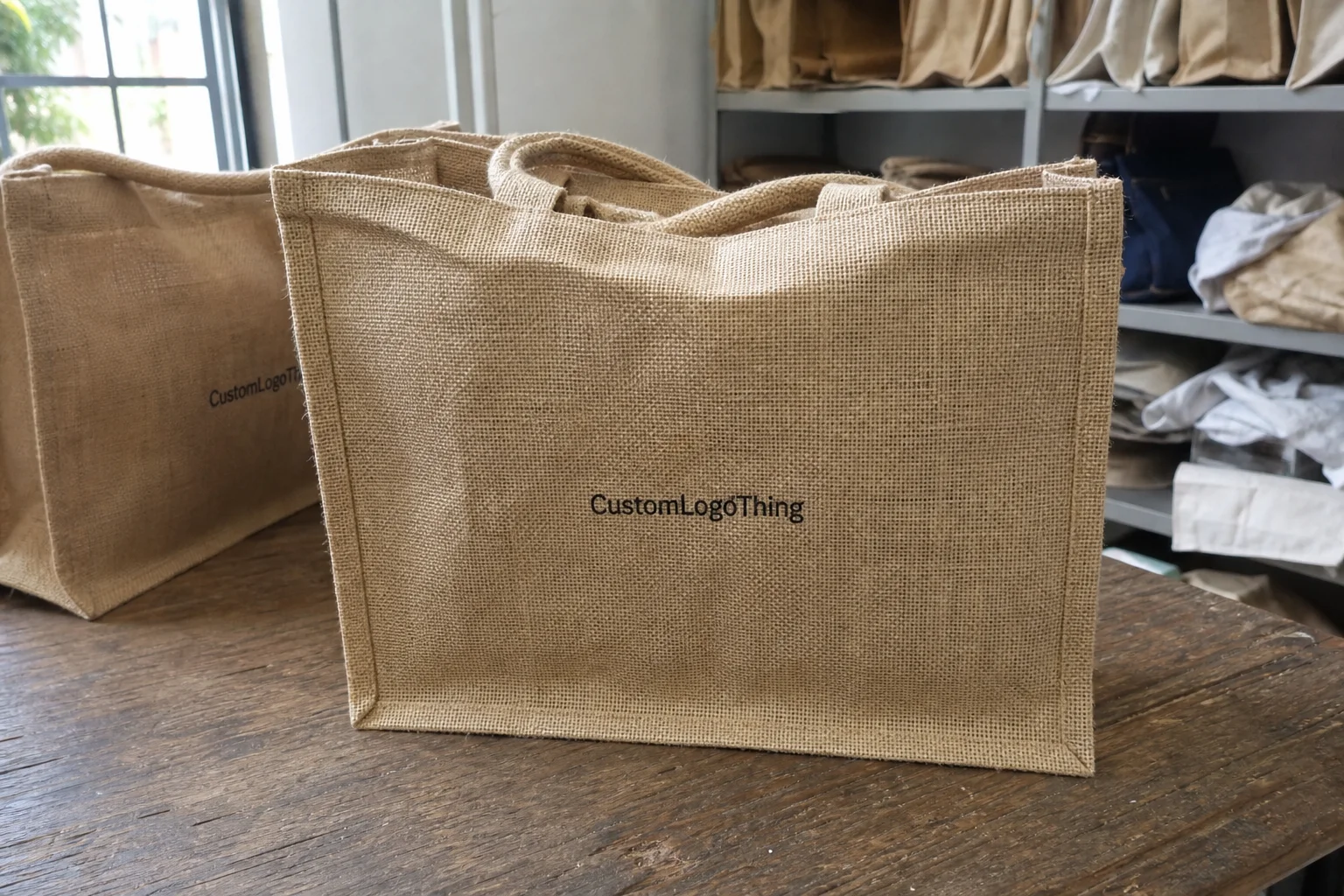
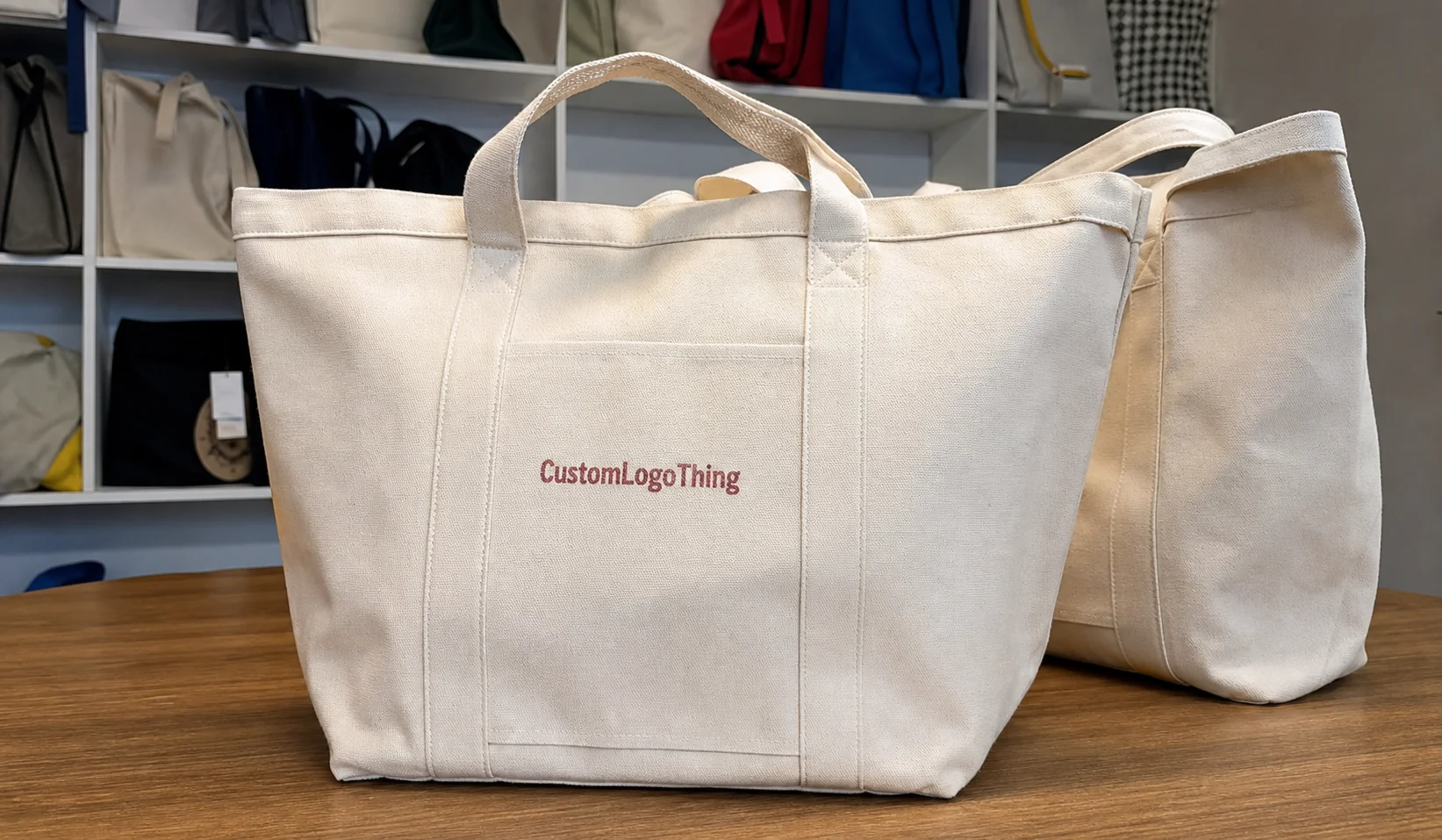
Buyer Fit Snapshot
| Best fit | Custom Fabric Drawstring Bags Wholesale projects where brand print, material claims, artwork control, MOQ, and repeat-order consistency need to be specified before quoting. |
|---|---|
| Quote inputs | Share finished size, material target, print colors, finish, packing count, annual reorder estimate, ship-to region, and any compliance wording. |
| Proofing check | Approve dieline scale, logo placement, barcode or warning zones, color tolerance, closure strength, and carton packing before bulk production. |
| Main risk | Vague material claims, crowded artwork, missing packing details, or unclear freight terms can make a low unit price expensive after revisions. |
Fast answer: Custom Fabric Drawstring Bags Wholesale: Specs, Pricing should be specified like a repeatable production item. The safest quote records material, print method, finish, artwork proof, packing count, and reorder notes in one written spec.
Production checks before approval
Compare the actual filled-product size with the drawing, then confirm tolerance on folds, seals, hang holes, label areas, and retail display edges. Reserve space for logos, QR codes, warning copy, and material claims before decorative graphics fill the panel.
Quote comparison points
Review material grade, print process, finish, sampling route, tooling charges, carton quantity, and freight assumptions side by side. A quote is only useful when the supplier can repeat the same color, closure quality, and packing count on the next order.
Custom Fabric Drawstring Bags wholesale orders can look straightforward right up until the freight invoice lands. I remember sitting with a brand team that thought their “tiny little pouch project” would be easy, and then the shipping quote arrived and everybody got very quiet. I’ve watched a 2,000-piece launch move from molded trays to custom fabric drawstring bags wholesale and cut cube space enough to change the freight class. That is not marketing fluff. That is a pallet count, a carton count, and a real savings line on a purchase order. On a 40-foot container moving through Los Angeles or Long Beach, even a 10 percent reduction in packed volume can change landed cost enough to matter on a mid-size run. Also, a small victory for the packaging nerds among us. We deserve nice things too.
In my experience, buyers keep coming back to Custom Fabric Drawstring bags wholesale because the format does three jobs at once: it protects the product, presents the brand, and stays useful after the first purchase. A rigid box can look beautiful, but a reusable fabric pouch gets tucked into a handbag, a gym kit, or a jewelry drawer. That extra lifespan matters when your goal is brand recall, not just first impression. A survey cited by the Promotional Products Association International has long shown that useful branded items tend to be kept longer than novelty items, and pouches are a textbook example. A cotton bag in a 5 x 7 inch size may sit on a vanity for months, while a printed sleeve is often gone in seconds. Honestly, I think that’s the part people underestimate most. A pouch can keep working long after the unboxing moment has passed and the confetti has been vacuumed up.
Custom Logo Things works with companies that need packaging to perform under pressure. Whether the order is 500 units for a pop-up event or 50,000 units split across retail locations, custom fabric drawstring bags wholesale gives buyers control over cost, consistency, and presentation without overcomplicating the packaging line. For example, a 500-piece run in muslin can be ideal for a weekend launch in Austin, while a 50,000-piece canvas program shipping into Chicago, Dallas, and Atlanta needs tighter spec control and carton planning. And yes, I do mean without the usual headaches that make a simple packaging decision feel like a three-act play.
Why custom fabric drawstring bags wholesale make sense
The business case is straightforward. Fabric bags are light, compressible, and reusable. Compared with rigid packaging, they usually ship more efficiently because they stack flat before filling and add very little weight to the final package. A 100-piece carton of 6 x 8 inch cotton pouches can weigh under 12 pounds before inserts, while the same count of rigid folding cartons often weighs far more and occupies a larger cube. On a large order, that can influence everything from carton selection to freight charges. I’ve seen a brand manager choose custom fabric drawstring bags wholesale after realizing the switch would save enough cube space to fit 18 percent more units per master carton. Eighteen percent is not a rounding error. It is the sort of number procurement teams actually smile at.
The branding side carries real weight too. A pouch is not just a container. It is branded packaging that stays visible after the sale. A customer may throw away tissue paper, but they keep a cotton or canvas pouch if the size is useful. That creates repeated exposure without paying again for the impression. If your business sells jewelry, supplements, candles, cosmetics, or gift items, custom fabric drawstring bags wholesale can extend the life of your package branding in a way that printed sleeves rarely do. A 3.5 x 4.5 inch muslin pouch for rings and earrings, for instance, often gets reused as travel storage, which means the logo keeps moving from drawer to handbag to overnight case.
Buyers often underrate the reuse factor because they focus only on the opening moment. That misses the larger story. A well-sized pouch becomes part of the customer’s routine. I once visited a wellness client’s fulfillment room in Nashville where their sample pouches were being reused by customers as travel pouches for earbuds and tablets. Those bags were doing marketing work months after delivery. That was the moment I stopped calling pouches “just packaging” in front of serious clients. They hate that phrase, understandably.
Wholesale buying matters because unit economics improve when you standardize. If you operate across multiple SKUs or locations, a single bag specification can reduce packaging design variation and simplify procurement. That is one reason buyers search for custom fabric drawstring bags wholesale instead of buying stock bags piecemeal. They want the same logo placement, the same color, and the same size every time. Consistency is not glamorous, but it is how retail packaging stays dependable. It is the unsexy hero of the supply chain, which frankly sounds about right for packaging.
There is a second reason. Custom orders let you control presentation without drifting into expensive formats like custom printed boxes for every low-value item. A pouch can do the job at a lower material cost, especially when the product inside already has enough structure or protection. For accessories, gifts, and promotional kits, custom fabric drawstring bags wholesale often lands in the sweet spot between utility and appearance. A linen-look pouch with a one-color logo can feel premium at a far lower cost than a rigid box wrapped in specialty paperboard.
One supplier negotiation stands out. A cosmetics brand in Toronto wanted to switch from laminated cartons to fabric pouches for a seasonal kit. The bag itself cost less than the previous box set, but the real win came from faster packing and fewer damaged corners in transit. Their pack line moved from 220 kits per hour to 310 kits per hour after the new pouch spec was approved. The packaging team didn’t ask for “cheap.” They asked for measurable. That is the right mindset for custom fabric drawstring bags wholesale. I wish more teams would say that out loud before the first quote lands on their desk.
Custom fabric drawstring bags wholesale: materials and uses
Material choice changes everything: handfeel, print quality, durability, and how premium the bag looks when it lands on a shelf or in a gift box. For custom fabric drawstring bags wholesale, the most common materials are cotton, canvas, muslin, polyester, linen-like blends, and jute-style fabrics. A typical cotton pouch might use 120gsm to 150gsm fabric, while a heavier canvas option can move up to 250gsm or more. Each has a different use case, and none is right for every product. I’ve had clients fall in love with a texture first and a budget second, which is, frankly, not a plan. It’s a feeling.
Cotton is the all-around option. It feels natural, takes print well, and works for everything from jewelry pouches to apparel accessories. Canvas has more structure and a heavier hand, which makes it better when the bag needs to feel substantial. Muslin is lighter, softer, and usually the most economical. It is a common choice when the job is packaging first, display second. For custom fabric drawstring bags wholesale, muslin is often the price-conscious buyer’s starting point, especially for 5 x 7 inch, 6 x 8 inch, and 8 x 10 inch pouch sizes.
Polyester is useful when color consistency matters. It tends to hold bright prints more predictably and can be a better fit for logos with stronger contrast. A linen-like blend can deliver a textured look without the cost of true linen, while jute-style fabric gives a rustic, natural appearance. That last option pairs well with eco-positioned brands, though I always remind clients that “natural-looking” does not automatically mean lower cost or easier printing. If only nature had a pricing sheet, right? In practice, a jute-style pouch sourced through factories in Yiwu or Guangzhou may still need careful testing to avoid loose fiber shedding or uneven print edges.
Drawstring choice matters too. Cotton cord feels soft and fits natural-fiber packaging well. Satin ribbon looks more gift-oriented and works nicely for beauty kits or wedding favors. Polyester cord is practical and durable. Rope-style closures bring a slightly more rugged look and are common in heavier pouches or utility kits. On a 10,000-piece run, switching from basic cord to satin ribbon may add a few cents per unit, but it also changes the whole presentation. With custom fabric drawstring bags wholesale, the closure often decides whether the final product reads as premium, promotional, or practical.
The most common end uses are easy to spot on a production floor. Apparel brands use them for accessories and small add-ons. Cosmetics companies use them for sampler sets and travel items. Jewelry clients use smaller pouches for rings, chains, and watches. Wellness brands use them for supplement kits, eye masks, and promotional inserts. Event teams use custom fabric drawstring bags wholesale for wedding favors, conference gifts, and launch kits. Subscription businesses like them because they add perceived value without requiring a complicated pack-out. I’ve even seen one brand use them as a “secondary gift” inside the main box, which was clever enough to make me briefly forgive the chaos of their original packaging brief.
“We thought the pouch was just presentation,” one client told me after a trade show run in Las Vegas. “It turned into the thing people kept.” That was for a 1,200-unit order of custom fabric drawstring bags wholesale, and the repeat visibility was obvious in post-event customer photos.
Functional considerations should not be an afterthought. A breathable cotton or muslin bag is better for products that should not trap moisture. A polyester pouch can be easier to keep visually consistent when you need repeated logo placement across 10,000 units. If the bag is part of product Packaging for Food-contact or wellness items, check local compliance requirements and ask whether any inner lining or barrier layer is needed. I also suggest looking at standards from industry bodies such as the Packaging School / packaging.org resources when your team is building a packaging specification file. It saves embarrassment later, which is worth its weight in fewer phone calls.
| Material | Feel | Best use | Typical print behavior |
|---|---|---|---|
| Muslin | Light, soft | Samples, giveaways, lightweight retail packaging | Good for simple logos and one- to two-color art |
| Cotton | Natural, balanced | Jewelry, cosmetics, wellness kits | Strong for screen printing and woven labels |
| Canvas | Thicker, premium | Apparel accessories, gift sets, heavier items | Handles bold print and embroidery well |
| Polyester | Smooth, consistent | Promotions, color-specific branding, repeat SKUs | Good color stability and crisp logos |
| Jute-style fabric | Textured, rustic | Eco-positioned gift packaging | Works best with large, simple marks |
Specifications that affect performance and branding
Size is where many orders go wrong. A pouch that is 2 inches too narrow can wrinkle the product and make the brand look underprepared. A pouch that is too large feels wasteful and can increase cost without adding value. For custom fabric drawstring bags wholesale, I always push buyers to start with the product dimensions, then add enough room for insertion, closure, and a little visual breathing space. That extra breathing space matters more than people think. A tight bag has a surprisingly unflattering personality.
Common pouch sizes range from tiny 3 x 4 inch bags for rings and charms to larger 12 x 16 inch formats for apparel, gift sets, and wellness bundles. If the item has sharp edges or multiple pieces, add extra width and height. If you are packaging a perfume sample kit, you may need a taller shape so the bottle necks do not crowd the closure. In my experience, the best custom fabric drawstring bags wholesale orders are the ones where the buyer sends actual product dimensions, not just a guess. Guessing is how you end up with a pouch that fits “almost” and nobody enjoys almost. A 6 x 9 inch pouch for a candle set may be perfect on paper and still fail if the jar lid catches the drawstring channel by 4 mm.
Print methods and logo treatment
Screen printing is still the workhorse for many custom fabric drawstring bags wholesale projects. It is economical for simple art, especially one or two colors, and it reproduces solid blocks of ink cleanly on cotton and canvas. Heat transfer can handle more detailed artwork, though the finish feels different and may suit promotional items more than luxury packaging. Embroidery adds texture and a more premium impression, but it takes longer and usually raises cost. Woven labels are a strong choice if you want subtle branding without covering a large print area. For a 1,000-piece run, screen printing can keep the price near the bottom of the range, while embroidery often makes more sense only if the bag is part of a premium kit or gift set.
What buyers should prepare before requesting a quote is straightforward: vector logo files, exact print colors, and placement preferences. If your logo is in Pantone format, send the references. If you want center front, bottom corner, or side placement, say so clearly. Too many projects slow down because a marketing team says “make it prominent,” while operations wants “small and subtle.” For custom fabric drawstring bags wholesale, vague instructions become expensive revisions. I’ve had more than one client learn that the hard way, usually right when the schedule is already under pressure. A clear brief with one exact logo location and one approved PMS color can save two or three revision cycles, especially when production is planned in Shenzhen or Dongguan.
Construction details that matter
Stitching is not a detail to ignore. Reinforced seams, straight top hems, and stress-point stitching at the drawstring channel all improve bag life. If the bag will hold heavier contents, ask whether the side seams are single-needle or double-needle, and whether bar-tacking is used at tension points. Gussets can improve capacity. Lining can improve structure. These decisions affect both retail packaging appearance and long-term use. A 250gsm canvas pouch with double-needle seams will behave very differently from a thin muslin bag with a single-stitched channel, even if both measure 8 x 10 inches.
Color consistency is another point where experienced buyers save time. Polyester usually offers tighter color repeat, while natural fibers may vary slightly from lot to lot. That does not automatically mean lower quality. It means you should set expectations based on the material. For custom fabric drawstring bags wholesale, I always recommend approving a pre-production sample if the brand color is critical or if the pouch will sit next to other package branding elements like custom printed boxes or printed inserts. One odd shade can make a whole program feel off, and yes, people will notice. They always do. A soft black pouch in batch one may read as charcoal in batch two if the fiber content shifts by even a small percentage.
Compliance can matter more than teams expect. If the pouch is used around food, herbal products, or personal care samples, ask whether the fabric, ink, or inner finish needs to meet specific regulatory expectations. Packaging specs should also reflect shipping tests if the bag is part of a retail-ready bundle. Standards such as ISTA matter when you want to know whether the package can survive drop, vibration, and compression tests. You can review the testing framework at ISTA if your internal team wants a reference point before release. A 15-inch drop from a warehouse conveyor in New Jersey is enough to expose a weak seam if the spec is loose.
Pricing, MOQ, and what drives cost
Numbers tell the truth faster than adjectives. The price of custom fabric drawstring bags wholesale depends on five main inputs: material, size, printing complexity, order volume, and finishing details. A simple muslin pouch with one-color print will not price the same as a canvas bag with embroidery, a woven label, and custom packaging insert cards. I’d love to say otherwise, but pricing rarely cares about optimism. For a reference point, a 5,000-piece muslin order might land around $0.15 per unit for a basic one-color print, while a 5,000-piece canvas order with embroidery can move closer to $0.45 to $0.80 per unit depending on stitch count and bag size.
MOQ, or minimum order quantity, is the other major factor. A supplier may offer 500 units for a straightforward one-color cotton bag, but the same supplier might require 1,000 or 3,000 units for embroidery or multiple print colors. That is not arbitrary. It reflects setup time, labor, and material sourcing. For custom fabric drawstring bags wholesale, higher volume usually lowers unit cost because setup gets spread across more pieces. A 10,000-piece order is often priced very differently from a 1,000-piece test run, even when the bag dimensions are identical.
Pricing works best when buyers ask for specific quantity breaks. A quote at 1,000, 3,000, and 5,000 units tells you much more than a single number. It also helps you compare suppliers apples-to-apples. I’ve seen buyers get misled by a low headline price that excluded freight, sampling, or artwork adjustment. That is not a good deal. That is unfinished math, and unfinished math has a way of becoming someone else’s emergency. Ask for a delivered quote to New York, Dallas, or Vancouver if those are your destination markets, because freight can swing the total by hundreds or even thousands of dollars.
| Order profile | Common MOQ tendency | Cost drivers | Best fit |
|---|---|---|---|
| Simple muslin, one-color print | Lower MOQ possible | Fabric weight, print setup, bag size | Events, giveaways, entry-level retail packaging |
| Cotton or canvas, two-color print | Moderate MOQ | Color count, stitch specs, labeling | Apparel accessories, gift bundles |
| Embroidered or label-heavy pouch | Higher MOQ common | Setup time, thread count, finishing labor | Premium branded packaging |
| Mixed sizes in one project | Usually higher or split MOQ | Separate sizing, separate setup, pack-out complexity | Multi-SKU programs |
Hidden costs deserve attention. Sampling can add a small but real line item. Custom tooling may be required for labels or certain closures. Freight can move the total more than buyers expect, especially if the bags are bulky even though they are light. Rush fees are common if artwork changes late or if the due date gets pulled forward. Some custom fabric drawstring bags wholesale orders also need separate packaging inserts, polybags, or carton labels, and those should be quoted up front. If the pouches must be packed into master cartons of 200 units each, the carton spec itself should be part of the price request.
Exact pricing depends on spec, so I will not pretend there is one universal number. Still, buyers should expect that muslin at scale will usually sit below canvas with embroidery, and polyester with high-color printing can land somewhere in the middle depending on order size. If you are comparing offers on custom fabric drawstring bags wholesale, make sure each quote includes the same bag dimensions, same print locations, same bag color, same closure type, and same delivery terms. One missing line item can make the cheapest quote look like a trap dressed up as a bargain.
One factory-floor lesson I learned the hard way: even a 5 mm change in seam allowance can affect machine speed and yield on a long run. That sounds tiny. It is not. Small changes are where wholesale margins live or die, especially in custom fabric drawstring bags wholesale programs built for repeat purchasing. In a plant in Dongguan, a 5 mm adjustment can mean the difference between a smooth 8-hour production shift and a line that backs up at the stitch station.
Process, sampling, and production timeline
The process should be orderly. First comes the inquiry, then spec confirmation, then a mockup or digital proof, then sample approval, then mass production, then quality check, then shipping. That is the sequence I trust because it protects both sides. When a buyer skips the proof stage, the risk usually shows up later as a delayed delivery or a bag that looks “close” rather than correct. For custom fabric drawstring bags wholesale, close is not enough when the logo is the point. A 1-inch logo shift on a 10,000-piece order can be a small production error and a major brand complaint.
Typical timing depends on the complexity of the order. A straightforward run can move from proof approval to production in roughly 12 to 15 business days, though embroidery, color matching, or unusual materials can extend that. Sampling often adds 5 to 7 business days, and shipping time depends on the freight method and destination. If the artwork is not final, add more time. If the project needs several revisions, add more time again. That is the reality of custom fabric drawstring bags wholesale, not the brochure version. And if someone tells you otherwise, I’d ask them what they’re leaving out. For ocean freight from Ningbo to Los Angeles, add roughly 18 to 28 days in transit; for air freight, the runway may be faster, but the bill certainly is not.
When should buyers request samples? Before final approval, always, if the order is large or the logo placement is critical. A pre-production sample lets you check fabric handfeel, color tone, drawstring tension, and stitching quality. I once reviewed a sample for a skincare brand where the pouch was 1 inch too shallow. On paper, it seemed minor. On the table, it looked cramped. We corrected the size before the 20,000-unit run, and that saved a costly rework. That kind of “small” correction is exactly why samples exist. A sample in hand is better than discovering the issue after 4,000 units are already packed in master cartons.
Artwork readiness affects timeline more than many buyers realize. Vector files in AI, EPS, or editable PDF format reduce delays. If you only have a low-resolution JPEG, the proofing back-and-forth can drag on for days. Pantone references help when color fidelity matters, especially if the bag has to coordinate with other product packaging. If your project includes custom fabric drawstring bags wholesale alongside custom printed boxes or inserts, align all artwork before production starts so the package branding feels intentional. A misaligned brand palette can be obvious even when the logo itself is technically correct.
Quality checks should happen at multiple stages. During production, check print alignment and stitch consistency. At final inspection, check quantity, dimensions, and closure function. If possible, inspect a random sample from the carton stack, not just the top layer. Packaging failures often hide in the middle of the batch. For clients shipping internationally, I also recommend asking about cartoning standards and whether the goods will be packed to reduce scuffing during transit. The EPA has useful material-sourcing and waste-reduction context for brands balancing packaging choices; their general resources at epa.gov can help internal sustainability teams frame the discussion. A team in Seattle or Boston may care as much about recycled content as they do about the final stitch line, and both concerns belong in the same spec sheet.
Why choose us for custom fabric drawstring bags wholesale
Custom Logo Things focuses on specification accuracy first. That sounds plain, but it is exactly what wholesale buyers need. If the size, fabric, print method, and delivery expectations are clear on the front end, the order moves faster and the end result looks better. Our approach to custom fabric drawstring bags wholesale is built around material choice, print clarity, and reliable fulfillment rather than flashy claims. A 6,000-piece run with a clearly approved proof is a far better experience than a 2,000-piece rush job built on assumptions.
We treat the quote as a working document, not a guess. That means transparent line items, clear MOQ language, and proofing support before production starts. If a buyer wants a cotton pouch with one-color screen printing, we say so. If the project needs embroidery, multiple colors, or a specialty closure, we say so. That level of clarity matters because a supplier relationship should reduce friction, not create it. I’ve seen too many projects go sideways because everybody assumed somebody else had confirmed the specs. Spoiler: nobody had. A quote that names the material, the unit price, and the lead time is much more useful than a quote that just says “bag,” which is nearly content-free.
Quality control is built into the process. We check stitch lines, size tolerance, print alignment, and closure function. We also review whether the pouch dimensions actually suit the contents. I’ve seen too many fabric bags pass a visual check and still fail at usage because the product drags against the seam. Good wholesale packaging does not just look correct. It behaves correctly. For a jewelry pouch leaving a factory in Shenzhen, the difference between a 95 mm opening and a 100 mm opening can determine whether a necklace slips in cleanly or snags every time.
There is a practical difference between working with a manufacturer and working through multiple layers of resellers. A direct packaging partner shortens communication loops and reduces the chance of spec drift. When a client is ordering custom fabric drawstring bags wholesale, that control matters. A 3 mm logo shift can be a small issue in theory and a big problem in a retail display. Sometimes the “small issue” is the one that gets photographed by a customer and posted online. Of course it is.
If your packaging program includes multiple formats, we can also coordinate fabric pouches with other product packaging elements such as Custom Packaging Products and broader procurement through our Wholesale Programs. That helps when a brand wants one supplier conversation covering pouches, inserts, and related branded packaging rather than managing separate vendors for each component. A single sourcing file can save several days of back-and-forth, especially if the campaign launches across multiple regions like California, Texas, and Florida.
My honest opinion? The best wholesale packaging partners do not oversell. They ask for dimensions, use case, deadline, and artwork file quality. They then price the job accurately. That is exactly how custom fabric drawstring bags wholesale should work. Anything else is just a fancy way to waste everyone’s afternoon.
Next steps for ordering custom fabric drawstring bags wholesale
If you want an accurate quote, prepare five things before you reach out: target size, preferred material, logo files, quantity by size, and delivery date. If you already know the print method, include that too. The more concrete the request, the faster the estimate. For custom fabric drawstring bags wholesale, a complete brief usually saves at least one round of clarification. A 3,000-piece order with one size and one logo location can often be quoted faster than a mixed-size request with half-finished artwork.
Reference photos help more than people expect. If you have a sample pouch, a competitor’s bag, or even a rough sketch, send it. Add notes about what you like and do not like. Do you want a premium cotton look, a more economical muslin build, or a polished polyester finish? Do you need a center logo, a lower-corner mark, or a woven label? Specifics make pricing and proofing cleaner. And yes, “make it nice” is not a specification, no matter how often people try to use it as one. If you can point to a 4 x 6 inch sample from a previous launch, that is much better than a mood board with no measurements.
Confirm sample needs before the order is launched. If the project is important enough to launch under a campaign date, it is important enough to approve a sample. That one decision can prevent a reprint or a missed delivery. In large custom fabric drawstring bags wholesale orders, a sample is not a luxury. It is risk control. A 7-day sample cycle is far cheaper than absorbing 20,000 misprinted units because the logo was approved too quickly.
Once the quote is approved, the next steps are usually proof sign-off, deposit or payment confirmation, and production scheduling. After that, the factory moves into cutting, printing, sewing, inspection, and carton packing. Shipping is then booked based on the agreed method. I recommend confirming whether the freight timeline is part of the production timeline or separate, because those are not the same thing and confusion there causes avoidable frustration. I’ve seen a whole launch nearly derail because someone assumed “production complete” meant “delivered.” It did not. That was a fun phone call. By fun, I mean not fun at all. If the factory is in Guangzhou and the destination is Phoenix, the difference between domestic air and ocean freight should be spelled out in writing before the deposit clears.
Buyers sometimes ask whether they should spend more on fabric bags or choose a cheaper wrapper. My answer is simple: compare the total package experience, not just the unit price. If the pouch supports reuse, strengthens package branding, and reduces shipping waste, it can outperform other formats on value. That is especially true when the alternative is a more expensive rigid carton for a small item. For the right product, custom fabric drawstring bags wholesale is a practical decision, not a decorative one. A 12 x 16 inch canvas bag can make sense for apparel accessories in a way a printed sleeve never will.
If you are ready to move from rough idea to specification, send the size, artwork, and quantity range. We can work from there and narrow down material, print method, and delivery timing. The best custom fabric drawstring bags wholesale orders start with facts, not assumptions, and they end with a pouch that does its job every time it leaves the box.
Frequently Asked Questions
What are custom fabric drawstring bags wholesale used for?
Custom fabric drawstring bags wholesale are used for jewelry, cosmetics, wellness kits, event favors, apparel accessories, gift sets, and promotional packaging. They protect products, present branding clearly, and often get reused by customers, which extends brand visibility beyond the first purchase.
What is the typical MOQ for custom fabric drawstring bags wholesale?
MOQ depends on material, size, and print method. A simple one-color muslin pouch may allow a lower starting point, while embroidery, multiple colors, or special closures often require a higher minimum. Ask by specification rather than by category, because custom fabric drawstring bags wholesale limits can vary widely from one supplier to another. For example, 500 pieces may be possible for a basic muslin order, while 1,000 to 3,000 pieces is more common for premium canvas builds.
How do I choose the right material for custom fabric drawstring bags wholesale?
Choose cotton or canvas if you want a more premium and durable feel. Choose muslin if cost and weight matter most. Choose polyester when color consistency and crisp print reproduction are priorities. For custom fabric drawstring bags wholesale, the material should match the product weight, the customer experience, and the branding goal. A 120gsm cotton pouch is often ideal for small accessories, while a 250gsm canvas option may be better for heavier kits.
What artwork files do I need for custom fabric drawstring bags wholesale?
Vector files such as AI, EPS, or editable PDF are best for logos and clean print reproduction. High-resolution PNG files can work for simple artwork, but vector files usually reduce proofing delays. Include Pantone references or brand color standards if color matching matters in your custom fabric drawstring bags wholesale project. If the logo will be printed in one color on a 6 x 8 inch pouch, clear vector art will usually speed up approval by several days.
How long does production usually take for custom fabric drawstring bags wholesale?
Timeline depends on sampling needs, order size, print complexity, and freight method. A straightforward order may move from proof approval to production in about 12 to 15 business days, while sampling can add 5 to 7 business days before that. Shipping time is separate, so always confirm the freight schedule for custom fabric drawstring bags wholesale orders. A domestic air shipment may arrive in 3 to 5 business days, while ocean freight from East Asia to the U.S. West Coast can take several weeks.
Can I order mixed sizes in one custom fabric drawstring bags wholesale project?
Yes, but mixed sizes can affect pricing and production planning. Different sizes may require separate setup or separate line items in the quote. Share each size and quantity clearly so the factory can price the custom fabric drawstring bags wholesale order accurately and avoid delays later. If you need 5 x 7 inch, 8 x 10 inch, and 10 x 14 inch bags in one program, expect the quote to reflect the separate cutting and packing steps.