Buyer Fit Snapshot
| Best fit | Custom Foil Stamping on Boxes Price projects where brand print, material claims, artwork control, MOQ, and repeat-order consistency need to be specified before quoting. |
|---|---|
| Quote inputs | Share finished size, material target, print colors, finish, packing count, annual reorder estimate, ship-to region, and any compliance wording. |
| Proofing check | Approve dieline scale, logo placement, barcode or warning zones, color tolerance, closure strength, and carton packing before bulk production. |
| Main risk | Vague material claims, crowded artwork, missing packing details, or unclear freight terms can make a low unit price expensive after revisions. |
Fast answer: Custom Foil Stamping on Boxes Price: Cost Factors Explained should be specified like a repeatable production item. The safest quote records material, print method, finish, artwork proof, packing count, and reorder notes in one written spec.
Production checks before approval
Compare the actual filled-product size with the drawing, then confirm tolerance on folds, seals, hang holes, label areas, and retail display edges. Reserve space for logos, QR codes, warning copy, and material claims before decorative graphics fill the panel.
Quote comparison points
Review material grade, print process, finish, sampling route, tooling charges, carton quantity, and freight assumptions side by side. A quote is only useful when the supplier can repeat the same color, closure quality, and packing count on the next order.
Custom Foil Stamping on Boxes Price: Cost Factors Explained
Two boxes can share the same structure, the same board, and the same dimensions, then land in very different price brackets once one gets foil and the other does not. That is usually the first surprise for buyers. The custom foil stamping on boxes price is not just a decoration line item. It reflects tooling, setup, material compatibility, quantity, and whether the design is simple enough to run cleanly on press.
A small foil mark on a lid, a logo, or a border often does more for perceived value than another ink color ever will. Shoppers react fast. They see light, contrast, and finish before they read the copy. A gold foil logo on matte black stock can make a rigid box look premium before anyone opens it. That is not magic. It is packaging behavior.
Buyers ask about cost first for a reason. If you are comparing Custom Printed Boxes, you need to know what actually moves the number: die cost, setup time, board selection, foil type, print coverage, and order volume. You do not need fluff. You need the pricing mechanics and the tradeoffs that come with them.
That is the point here. Real cost drivers. Real production limits. Real ways to keep the quote honest.
Why Foil Stamping Can Raise Box Value Fast
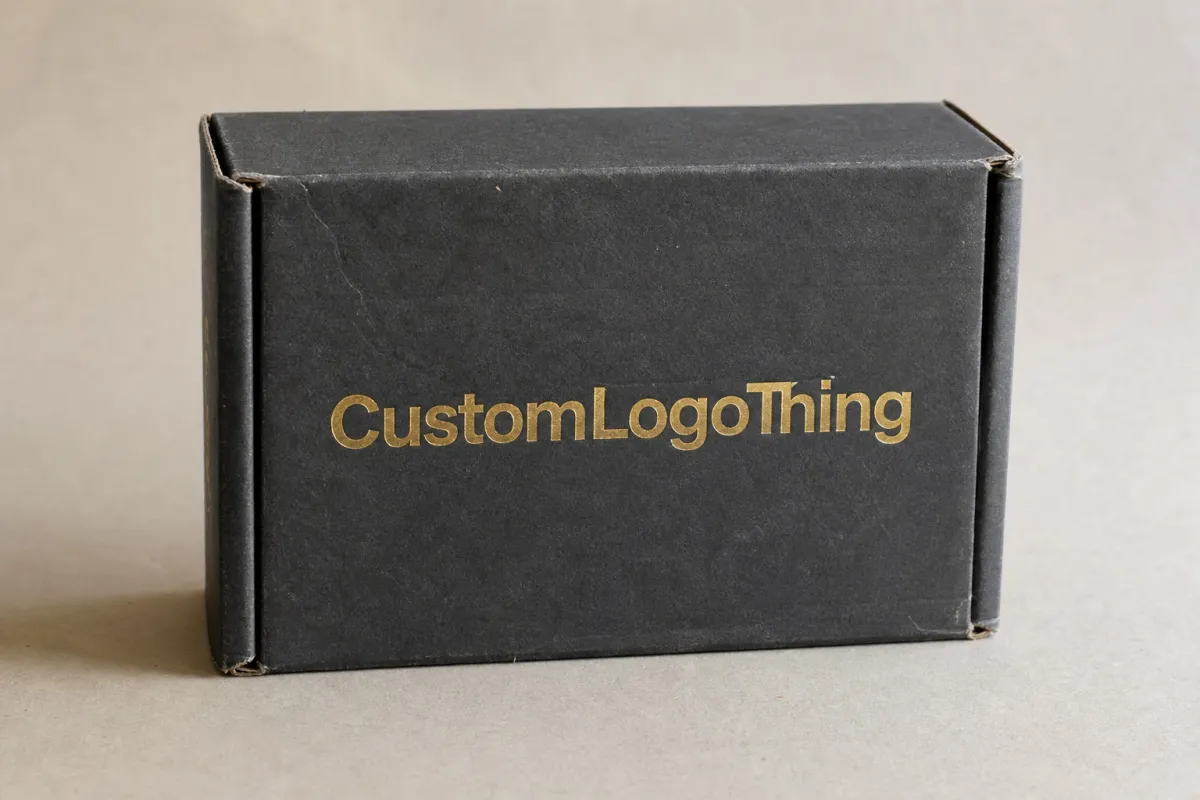
Foil stamping works because it changes contrast. Plain print can look good. Foil adds a reflective edge that catches light, especially on dark or muted substrates. That shift does a lot of heavy lifting for package branding. A logo in metallic gold on a rigid gift box reads premium immediately. A silver foil name on a cosmetic carton feels cleaner and more deliberate. The box is still a box, but buyers stop treating it like one.
From a packaging buyer's point of view, the real question is not whether foil looks good. It does. The question is whether the visual lift justifies the setup cost and the per-unit premium. For launch items, seasonal collections, subscription sets, and higher-margin retail packaging, the answer often lands on yes. For commodity products or thin-margin lines, not always. Pretty does not pay freight.
Foil does not need to cover the whole package to work. In many cases, a logo, a product name, or a small top-panel accent creates more shelf impact than wrapping the box in decoration. Buyers usually get better results by reserving foil for the part customers see first. On a lid-and-base box, that is usually the top panel. On folding cartons, it is usually the front panel and the main brand mark.
The effect gets stronger in photography and e-commerce. Metallic areas reflect studio light in ways flat ink cannot match. That matters for product pages, social content, and unboxing clips. If the box has to sell before the product is opened, foil can carry a lot of the visual burden. That is why premium brands use it on cosmetic cartons, fragrance boxes, electronics packaging, chocolates, and gift sets.
A sharp foil stamp does not need much space. One clean logo mark on the right stock can do more than a crowded layout trying to do everything at once.
Foil also plays well with other finishes. Soft-touch lamination makes foil feel richer. Embossing adds depth. Matte board gives metallic areas more punch. These combinations show up often in custom packaging because they help a product stand apart on shelf and in photos. Yes, they also change the quote. Of course they do.
What Custom Foil Stamping on Boxes Actually Includes
Foil stamping is a production process, not just a shiny effect. The job starts with artwork preparation and ends with a finished box that has been pressed under heat and pressure so the foil transfers from carrier film to the substrate. The setup is more involved than a standard print pass, which is why the custom foil stamping on boxes price includes more than a material charge.
The usual workflow looks like this:
- Artwork is checked for foil-safe lines, spacing, and registration.
- A metal die is made from the approved design.
- The correct foil color or finish is selected.
- The box surface is tested or confirmed for compatibility.
- Heat and pressure transfer the foil onto the target area.
- Finished pieces are inspected for clarity, coverage, and alignment.
Foil can be applied to logos, borders, product names, limited graphics, monograms, and pattern details. It can also be used on interior flaps or hidden areas, though that usually raises labor and setup complexity. The more coverage you ask for, the more time the press spends and the more risk there is of registration drift, waste, or inconsistent adhesion. Buyers should treat area coverage like any other cost lever.
There are several foil options in common use. Gold and silver still do the heavy lifting because they are predictable, attractive, and available through many suppliers. Black foil works when you want a subtle contrast effect on a lighter surface. Holographic foils can be loud in a good way for promotions or youth-oriented retail packaging. Specialty metallics, pearlescent foils, and color-shifting finishes exist too, but they often come with tighter availability and more sampling risk.
One thing to keep straight: not all foil is custom-made. Many suppliers use stock foil rolls in standard shades, which keeps the price lower. Custom foil shades, matched colors, or rare finishes can add time and cost. That does not mean you should avoid them. It means you should know what you are asking for before the quote lands on your desk with a number you did not expect.
Foil stamping is different from spot UV and different from embossing, even though buyers compare them all the time. Spot UV lays down a glossy coating in selected areas. Embossing creates raised shape through pressure and a counter-die. Hot foil stamping transfers metallic or pigmented foil with heat. A premium design may use all three, but each one adds another layer of tooling, setup, or press time.
If you are reviewing box styles, rigid boxes, folding cartons, sleeves, and lid-and-base packaging are all common candidates. Rigid board handles premium foil work well. Folding cartons can do it too, as long as the substrate, coating, and press setup are suitable. If you are exploring styles and finish combinations, it helps to review Custom Packaging Products before asking for a quote. That cuts down on revisions later.
Material, Artwork, and Finish Specifications
The best foil job can still fall apart on the wrong material. That is not dramatic. It is just production reality. Paperboard thickness, coating type, surface texture, and board construction all affect how cleanly foil releases and how sharp the final impression looks. If a supplier gives you a firm price without asking about the board, the finish, or the artwork, they are guessing. Guessing is not pricing.
For clean results, coated stocks usually behave more predictably than rough or highly absorbent uncoated papers. Rigid boxes wrapped in art paper tend to accept foil well if the wrap is smooth and the adhesive is stable. Soft-touch lamination can look excellent with foil, but some films need testing because the surface chemistry can affect adhesion. Textured papers can work too, though fine detail may soften. That is why sample approval matters on premium runs.
Artwork quality matters just as much. Foil stamping is not forgiving of tiny text, hairline rules, or overly tight spacing. Vector files are the standard because they preserve edges cleanly. In practical terms, small text below about 6 pt, thin rules under about 0.25 pt, and tight negative spaces can become unreliable, especially on textured stock or on areas with heavy coverage. A logo that looks fine on screen can still fail on press if the lines are too delicate.
Registration tolerance is another issue buyers should understand. If foil must line up with print, embossing, or die cutting, the design needs enough breathing room. A complex layout with multiple foil zones and narrow borders can increase waste because operators need more adjustment. That is one reason simple, bold foil areas often produce the best result for the money.
There are also finish compatibility issues that change the quote. Some laminations need a test run before production approval. Some coatings are too slick or too soft. Some board suppliers change surface treatment from one batch to another, which can alter adhesion. That is why a quote built on samples or approved specs is more reliable than a rough email request with no details.
Before asking for pricing, prepare this checklist:
- Box dimensions and style
- Quantity target and any reorder expectation
- Exact foil color or finish
- Artwork files in vector format
- Foil placement marked on a dieline
- Board type, coating, or lamination preference
- Whether embossing, spot UV, or die cutting is also needed
- Delivery deadline and shipping destination
That list is not paperwork for fun. It is what lets a supplier price the job accurately instead of padding the number to protect themselves. If you want tighter sourcing, ask whether the board can be FSC-certified and verify the claim through chain-of-custody rules at FSC. If your packaging will travel through distribution instead of sitting in a display box, transit testing aligned with ISTA methods is worth discussing too.
Custom Foil Stamping on Boxes Price: Cost, Pricing & MOQ
This is the part buyers usually want first. Fair enough. The custom foil stamping on boxes price is driven by a few predictable pieces: die cost, setup time, foil type, press labor, box material, print coverage, quantity, and whether the job needs special handling. Once you understand those pieces, a quote stops looking arbitrary.
Most foil jobs break into two buckets:
- One-time setup charges such as die making, plate prep, proofing, and press adjustment.
- Recurring per-unit costs for foil application, press time, labor, waste allowance, and finishing inspection.
The setup charges stay relatively fixed while the unit cost drops as quantity rises. That is why a short run feels expensive. You are spreading the same setup burden over fewer boxes. MOQ matters more than many first-time buyers expect. A 300-piece run can look pricey per unit because the die and setup cost do not shrink just because the order is small. A 5,000-piece run usually looks much better because the fixed charges get diluted across more pieces.
Here is a practical pricing table. These are common ranges, not a promise. Material choice, foil area, and labor conditions can move the numbers up or down.
| Order Size | Typical Setup Cost | Typical Per-Unit Foil Cost | Best Fit | What Usually Moves the Price |
|---|---|---|---|---|
| 250-500 units | $120-$350 | $0.45-$1.20 | Launches, samples, small retail tests | Multiple foil areas, custom colors, complex artwork, rush timing |
| 1,000-3,000 units | $120-$350 | $0.18-$0.55 | Seasonal promotions, mid-volume branded packaging | Foil coverage area, material finish, registration requirements |
| 5,000+ units | $120-$350 | $0.10-$0.30 | Established product packaging, repeat SKUs, retail programs | Specialty foils, multi-pass work, added finishing steps |
That table tells the real story. Short runs are mostly about setup burden. Larger runs are mostly about press efficiency. If a supplier quotes a very low unit price but refuses to break out tooling or setup, be careful. You may see a tidy number up front and then discover die charges, proof fees, rerun charges, or packing fees later. A quote that hides the fixed costs is not cheaper. It is just incomplete.
For buyers comparing options, here is a cleaner way to think about the cost stack:
- Standard gold or silver foil usually gives the best value for premium appeal.
- Specialty foil raises the price when the finish is unusual or harder to source.
- Large coverage areas cost more because they add press time and waste risk.
- Multi-color or multi-location work increases setup and alignment requirements.
- Rigid box wrapping can add labor compared with a simple carton face.
A cheap quote can also become expensive in other ways. If the supplier has not asked for artwork revision, if they have not mentioned proofing, or if they have not explained the stock, they may be giving you a placeholder estimate. That is fine for an early budget range. It is not fine for purchase approval.
Here is a simple comparison many buyers find useful:
| Option | Typical Cost Level | Visual Impact | Best Use |
|---|---|---|---|
| Foil on logo only | Lower | Strong, focused | Clean branding with tight budget control |
| Foil on logo plus border | Moderate | Higher shelf presence | Retail packaging that needs more presence |
| Foil with embossing | Higher | Very strong premium feel | Gift sets, cosmetics, luxury product launches |
| Foil across large panels | Highest | High shine, more risk | Promotional runs or statement packaging |
Buyers often ask whether foil stamping is more expensive than embossing or spot UV. The honest answer is that it depends on coverage, tooling, and artwork complexity. Embossing can require extra tooling and careful pressure control. Spot UV can be inexpensive on one run and annoying on another. The better question is which finish fits the brand goal, the budget, and the stock. Not the one that sounds nicest in a sales deck.
If your supplier offers a low-MOQ test run, that can be smart for launches or packaging redesigns. A pilot run lets you confirm foil color, texture behavior, and customer reaction before you commit to a larger order. Just remember that test pricing is usually not the same as production pricing. It is the cost of buying certainty.
Process and Timeline: From Artwork to Production
Foil stamping is not slow because it is old-fashioned. It is slow when the job is unclear. The process is straightforward if the files are clean and the material is known. It gets messy when the buyer changes the artwork after proofing or expects the supplier to guess the board, finish, and placement from a blurry mockup.
The normal timeline looks like this:
- Inquiry and quote review
- Artwork check and dieline confirmation
- Proof approval or sample approval
- Die making
- Press setup and foil testing
- Mass production
- Quality inspection and packing
- Shipping
Timing varies by order size and complexity, but practical planning ranges help. A simple foil job on stocked materials might move through approval and production in roughly 10-15 business days after proof sign-off. More complex work, especially if it includes embossing, custom board sourcing, or multiple foil zones, can run 15-25 business days or more. Rush jobs are possible, but they usually add cost and reduce the room you have to fix problems.
Most delays happen in three places. First, artwork is not production-ready. Second, the foil needs testing on the chosen finish. Third, the buyer takes too long to approve the proof. The press room can only move as fast as the slowest decision upstream. That is not a secret. It is manufacturing.
Lead time also changes with order size and supplier structure. If one shop is making the box and doing the foil in-house, the handoff is cleaner and coordination is easier. If the project is split across multiple vendors, timing gets harder to predict. Material availability matters too. If the base board or specialty foil is not stocked, you may wait on incoming material before production even starts.
There are a few practical ways to speed the job up without cutting corners:
- Send final vector files, not screenshots.
- Mark the foil area clearly on the dieline.
- Confirm quantity and delivery address before proofing begins.
- Choose stock materials when speed matters more than custom sourcing.
- Approve proofs quickly and keep one decision-maker in the loop.
For brands that need the packaging to travel safely through fulfillment, not just sit on a table, transit testing should be part of the plan. ISTA-style testing helps identify weak points before the cartons are filled and shipped. That matters more than people like to admit, especially for heavier products or fragile retail packaging.
If your packaging program includes branded packaging across multiple SKUs, it helps to standardize the base structure and only vary the foil area or print panel. That keeps setup consistent, lowers design risk, and makes reorders easier. It is a plain, practical way to protect margin without making the package boring.
Why Choose Us for Custom Foil Stamping
Custom Logo Things is built for buyers who want direct answers, not decorative language. If you need a quote on foil-stamped boxes, the useful part is not a polished sales pitch. It is knowing what will work, what will miss the budget, and what will need a sample before production starts. That is the job.
We focus on practical manufacturing control: dies, foil application, and quality checks are handled in a way that keeps the quote cleaner and the project easier to track. Fewer handoffs usually mean fewer surprises. That is true in packaging and in most other things buyers pay for.
For buyers with tighter budgets or smaller launches, MOQ flexibility matters. A low-volume run can make sense for a new product, a seasonal line, a limited-edition gift box, or a test in a new retail channel. It is better to validate the packaging in a small batch than to overcommit to boxes that sit in storage while everyone argues about which finish looked nicer on screen.
We also help with material and artwork guidance. That saves money in places most buyers do not notice until the fifth revision. A cleaner dieline, safer foil detail, and better substrate choice can reduce waste and rework. The result is not just a sharper-looking box. It is a more predictable production run and a better unit cost.
What buyers usually care about most is consistency. Will the foil register cleanly? Will the sample match the run? Will the color stay close across the order? Will the supplier tell you early if the artwork is too fine or the finish is risky? Those are the questions that protect a packaging program. Good branded packaging is not magic. It is controlled execution.
If you are comparing suppliers, ask for sample support, registration guidance, and a clear breakdown of setup versus unit charges. Ask whether the foil, board, and packing are all being managed in one place or split across vendors. Ask for a quote that names the exact assumptions. That is how you avoid the friendly-looking number that becomes a problem later.
The best foil quote is the one that tells you what the supplier is actually charging for, not the one that sounds cheapest in the inbox.
Next Steps Before You Request a Quote
If you want a reliable price, send a complete spec sheet. Not a vague note that says “need nice boxes with foil.” That is not a brief. That is a problem. A good request includes dimensions, quantity, foil color, box style, artwork files, material preferences, and a delivery target.
Before you request pricing, decide whether you need one of three things:
- A sample to confirm finish, foil color, and fit.
- A short-run test to validate the look before a larger launch.
- A production quote for full-scale ordering with final specs.
That decision changes the quote structure. A sample run may cost more per piece but gives you useful information. A production quote can be tighter, but only when the materials and artwork are already locked. If you want options, ask for two or three versions: standard foil, upgraded foil, and a lower-MOQ alternative. That makes the tradeoffs obvious instead of hiding them in one oversized number.
It also helps to think about the whole packaging system, not just the lid artwork. A foil-stamped box might need inserts, sleeves, or secondary print elements. If you are building a launch kit or premium product packaging line, reviewing Custom Packaging Products can keep the structural choices aligned with the decoration choices. The design only looks expensive if the structure and finish agree with each other.
Here is the shortest version of the buying advice: send clear files, keep the foil area focused, choose a finish that matches the board, and ask for a quote that separates setup from unit cost. That is how you get a real number instead of a placeholder.
For buyers comparing custom foil stamping on boxes price across vendors, the fastest route to an accurate estimate is a complete spec sheet and a clear goal. If you know the quantity, the material, the foil finish, and the delivery timing, the supplier can give you a number that means something. If you do not, you are basically asking someone to estimate with one eye closed. Not ideal.
What does custom foil stamping on boxes price usually include?
Most quotes include the die or tooling setup, foil application labor, and the base box material, but some suppliers split those charges into separate lines. Ask whether proofing, packing, and shipping are included. If the quote is vague, assume the final invoice will be less pleasant than the first number.
How does MOQ affect custom foil stamping on boxes price?
Lower MOQ usually means a higher unit cost because setup charges are spread over fewer boxes. Higher quantities lower the per-box cost, especially when the die and proofing charges stay fixed. A useful supplier will show the price breakpoints so you can see when a larger run actually saves money.
Is foil stamping more expensive than embossing or spot UV?
It depends on coverage, tooling, and artwork complexity. Foil stamping often gives a strong premium look for a moderate setup cost, while embossing can add extra tooling and pressure steps. Spot UV can be cheaper on some runs and pricier on others. The better question is which finish fits your budget and brand goal.
Can I get a sample before approving full production?
Yes, and for anything premium or deadline-sensitive, you probably should. A sample helps confirm foil color, registration, surface compatibility, and whether the artwork reads cleanly on the actual box stock. If a supplier skips sampling on a complex job, that is not efficiency. That is gambling.
What files do I need for an accurate custom foil stamping quote?
Send a vector dieline or artwork file, box dimensions, quantity, foil color preference, and the exact areas to be stamped. Include notes on material, coating, and whether you need one-side or multi-side decoration. The more complete the brief, the more reliable the Pricing and Lead Time.
If you are budgeting a launch, a seasonal refresh, or a premium refill line, start with the structure, then add foil only where it earns its keep. That is usually how the best packaging decisions get made: not by chasing decoration for its own sake, but by choosing the finish that does the most work per dollar. For a clean, accurate quote on custom foil stamping on boxes price, send the full spec sheet first, then compare setup charges, unit cost, and finish risk before you approve the run.

