Buyer Fit Snapshot
| Best fit | Custom Folding Boxes Wholesale projects where brand print, material claims, artwork control, MOQ, and repeat-order consistency need to be specified before quoting. |
|---|---|
| Quote inputs | Share finished size, material target, print colors, finish, packing count, annual reorder estimate, ship-to region, and any compliance wording. |
| Proofing check | Approve dieline scale, logo placement, barcode or warning zones, color tolerance, closure strength, and carton packing before bulk production. |
| Main risk | Vague material claims, crowded artwork, missing packing details, or unclear freight terms can make a low unit price expensive after revisions. |
Fast answer: Custom Folding Boxes Wholesale: Pricing, Specs, and Ordering should be specified like a repeatable production item. The safest quote records material, print method, finish, artwork proof, packing count, and reorder notes in one written spec.
Production checks before approval
Compare the actual filled-product size with the drawing, then confirm tolerance on folds, seals, hang holes, label areas, and retail display edges. Reserve space for logos, QR codes, warning copy, and material claims before decorative graphics fill the panel.
Quote comparison points
Review material grade, print process, finish, sampling route, tooling charges, carton quantity, and freight assumptions side by side. A quote is only useful when the supplier can repeat the same color, closure quality, and packing count on the next order.
Custom Folding Boxes Wholesale is one of those purchases that looks simple on the surface and gets expensive if you guess wrong. I’ve seen a $0.14 box turn into a $0.31 box almost overnight because the buyer changed the board grade from 16pt CCNB to 18pt SBS, added a PET window, then asked for foil and spot UV on top. The odd part? The product still sat on the shelf the same way. That is why custom folding boxes wholesale should be treated like a margin decision, not a stationery order, especially when a 5,000-piece run can move landed cost by several thousand dollars.
I remember sitting in a supplier meeting in Shenzhen, near the Longhua district, while a cosmetics brand owner slid a sample carton across the table and said, “I just need something nicer.” Honestly, that phrase has caused more packaging headaches than any bad dieline ever has. Once we broke down the numbers, the real issue was not “nicer.” It was a 16% freight penalty from oversized packaging, plus a packing-line slowdown caused by a tuck flap that fought the product insert. That is the kind of detail that separates profitable Custom Folding Boxes Wholesale programs from expensive ones, whether the cartons are shipping out of Guangdong or being warehoused in Los Angeles.
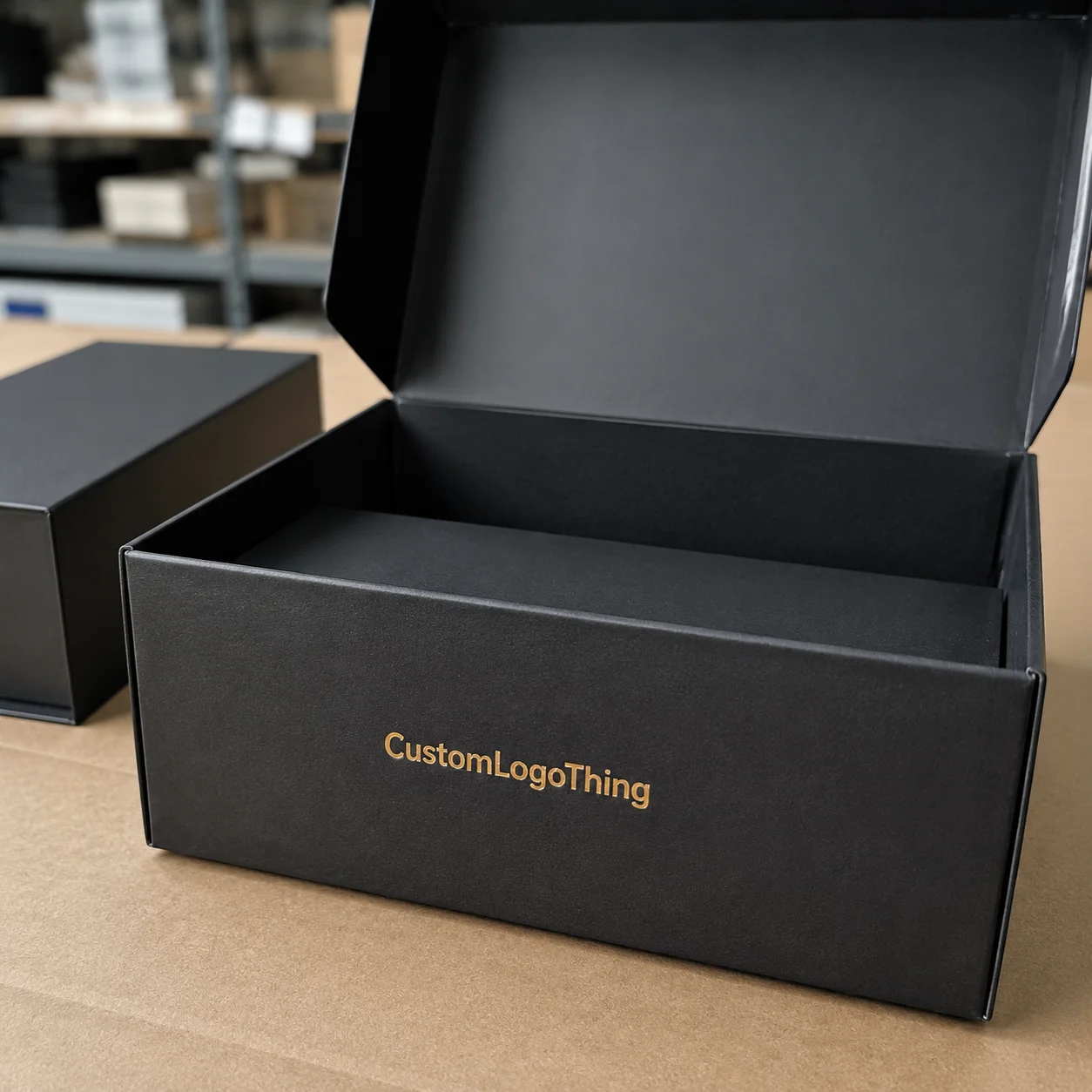
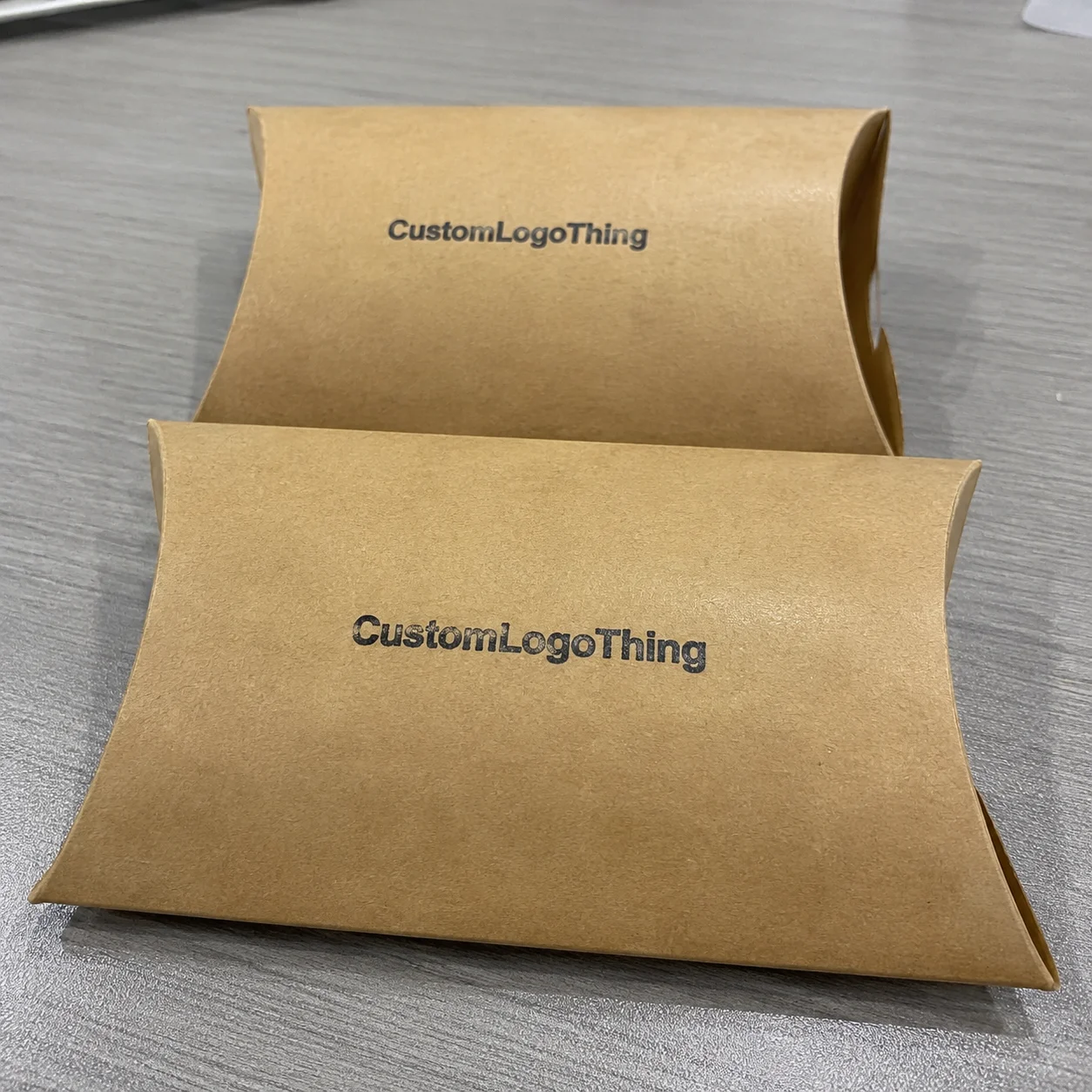
For Custom Logo Things, the right carton is not about hype. It is about fit, print accuracy, shelf impact, and unit economics. Custom Folding Boxes wholesale can do all of that at a lower cost than many people expect, especially if the structure is chosen carefully and the spec sheet is complete before the first quote lands. And yes, complete spec sheets are boring, but a carton built around a precise 4 x 3 x 2 inch product footprint and a 350gsm C1S artboard spec will save money in a way that glossy mockups never will.
Why Custom Folding Boxes Wholesale Often Costs Less Than You Expect
A folding carton is usually the lowest-cost branded package that still looks retail-ready. That surprises buyers because the box can carry strong graphics, clean typography, and premium finishes without the board weight or assembly labor of a rigid box. In many categories, custom folding boxes wholesale gives you the best balance of appearance, shipping efficiency, and margin control, especially on 3,000- to 10,000-piece production runs.
The reason is practical. Folding cartons ship flat, so you are not paying to move air. They store in tight stacks. They pack faster on the line. And when you compare them with rigid boxes, the material difference alone can be dramatic. A rigid setup box may feel luxurious, but it also brings higher board costs, more warehouse volume, and heavier freight. For many food, beauty, and supplement brands, custom folding boxes wholesale delivers enough premium presentation without pushing the packaging budget into the danger zone.
I remember a candle brand in Chicago that wanted rigid boxes for every SKU. Their sales volume was respectable, but not huge. We ran the math: the rigid option would have eaten nearly 11% of their gross margin on mid-priced items. Moving to custom folding boxes wholesale cut the packaging cost by roughly 42% and kept the shelf look polished. They did not lose premium perception. They gained room to advertise, which, frankly, is where the real battle often is.
There is also a retail operations angle that gets ignored. Folding cartons are easy to count, ship, and replenish. A warehouse manager in Dallas once told me he could tell which brands had disciplined packaging procurement just by looking at the pallet labels. The smart ones bought custom folding boxes wholesale in quantities that matched production cadence. The chaotic ones bought too little, reordered too late, and paid rush freight three times in one quarter, sometimes adding $450 to $900 per pallet just to cover a launch date.
Here is the business logic in plain language, with the numbers buyers actually track:
- Lighter shipping weight: lower freight charges, especially on larger campaigns from Shenzhen, Dongguan, or Ningbo.
- Efficient storage: flat-packed cartons use less warehouse space, often 60% to 80% less than assembled rigid packs.
- Faster packing: easier assembly reduces labor minutes per unit and can save 8 to 15 seconds per carton on the line.
- Strong shelf presence: print, finish, and structure create retail packaging value without a high-cost setup box.
- Better margin control: wholesale pricing improves unit economics at scale, especially at 5,000 pieces and above.
Compared with mailer boxes, folding cartons are usually slimmer and more display-focused. Mailers do better for shipping and e-commerce protection. Folding cartons are often the right answer for product packaging going directly to a shelf, counter, display tray, or secondary pack. That is why custom folding boxes wholesale is not just a packaging choice. It is a channel choice, and in many retail programs it is the difference between a carton that sells on sight and a carton that simply contains a product.
For industry context, the Packaging Institute has long emphasized the link between package performance and purchasing efficiency. I see the same pattern in factory audits from Shenzhen to Suzhou: the cleanest specs produce the cleanest runs, and the cleanest runs usually come from buyers who approve one final dieline instead of three revised ones.
Custom Folding Boxes Wholesale: Box Styles, Uses, and Print Options
custom folding boxes wholesale covers more than one box type. Choosing the wrong style can create issues with assembly speed, product protection, and how the box presents on shelf. Choosing the right one usually saves money in three places: material use, labor, and rejected cartons, sometimes reducing waste by 2% to 5% on a full production run.
Here are the styles I see most often in active production runs:
- Tuck end boxes: common for cosmetics, supplements, and small retail goods, usually with a 1/2" tuck flap and a straightforward die-cut profile.
- Reverse tuck end boxes: efficient for many lightweight items; popular because they die-cut and fold well on high-speed lines in Dongguan or Huizhou.
- Straight tuck end boxes: cleaner front-panel alignment, often chosen for premium retail packaging and front-facing displays.
- Auto-bottom boxes: useful when speed matters and the product is heavier, such as some food jars or bottles weighing 8 oz to 16 oz.
- Display-style folding cartons: designed to show product faces or group units for merchandising in pharmacies, club stores, or pop-up retail.
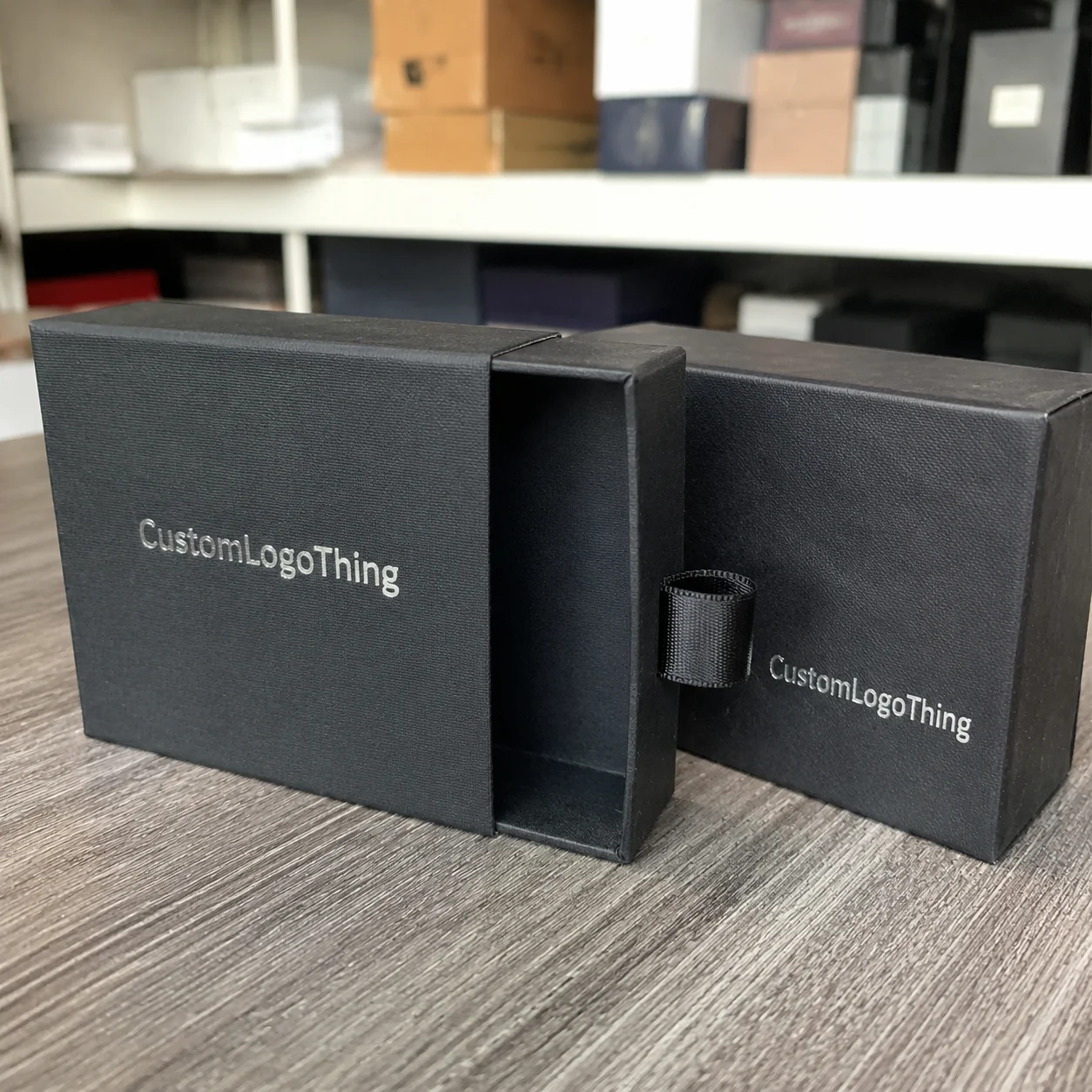
- Sleeve packaging: adds branding or tamper-evident presentation without a full carton redesign.
For cosmetics, straight tuck end and reverse tuck end cartons are common because they offer a crisp front panel and manageable structure. For supplements, you often need stronger board and a cleaner seal line. For candles, the box has to balance beauty with crush resistance, especially for glass jars that can weigh 12 oz or more. For apparel accessories, a thinner carton may be enough. That is where custom folding boxes wholesale becomes strategic: the box style should match the product, not the mood board. I have watched too many “luxury” choices turn into labor problems to pretend otherwise.
One client in a buyer meeting in Orange County insisted on foil, embossing, and a window cutout for a low-margin skincare cleanser. The problem was not the aesthetics. The problem was economics. We trimmed the finish stack to CMYK plus matte lamination and kept the window only on the hero SKU. Their custom folding boxes wholesale order stayed visually strong while dropping the print budget by 18%, and the unit price on 5,000 pieces landed at $0.22 instead of the $0.29 they had expected. They were not thrilled at first, but they were thrilled later when the invoices arrived.
Print and finish options matter, but not every SKU needs every effect.
- CMYK printing: best for full-color artwork and photo-based branding, especially on 300dpi files prepared for offset or litho-lam production.
- Pantone matching: useful when package branding requires exact color consistency across multiple SKUs.
- Matte lamination: soft, modern, and often easier to keep fingerprint-resistant on shelf.
- Gloss lamination: brighter appearance, stronger light reflection, common in promotional retail packaging.
- Soft-touch coating: premium feel, especially for luxury cosmetics or gift sets launched from New York or Los Angeles showrooms.
- Foil stamping: metalized highlights for logos or accents, often applied in gold, silver, or holographic foil.
- Embossing/debossing: tactile branding that adds perception without heavy ink coverage.
- Spot UV: selective shine that can highlight marks, icons, or product names.
- Window cutouts: helps buyers see the product itself, usually paired with PET film if visibility and protection both matter.
Structural choices affect perceived value more than most people admit. A clean tuck flap, a properly scored panel, and a well-aligned window can make a modest carton look deliberate. A sloppy dieline can make a premium product look underfunded. That is why custom folding boxes wholesale should be designed with the end shelf in mind, not just the print file, especially if the packaging will be assembled by hand in a facility outside Atlanta, Toronto, or Vancouver.
“The box sold the product before the salesperson did.” I heard that from a retailer who placed 30,000 units of skincare in an endcap display in San Diego. He was talking about fit, finish, and a carton that stood up straight on the shelf, even after 14 days of replenishment and customer handling.
If you want a broader product mix, our Custom Packaging Products page shows how folding cartons fit alongside labels, inserts, and other branded packaging formats. For volume buyers, our Wholesale Programs overview explains how production planning can lower the unit price Without Cutting Quality, whether your cartons are being sourced from Shenzhen or assembled in a Midwest fulfillment center.
Custom Folding Box Specifications: Materials, Sizes, and Construction
If a buyer sends me only a logo and says, “Can you quote custom folding boxes wholesale?” I can usually estimate the direction, but I cannot quote accurately. Material choice, board thickness, and size all shape the final number. The more exact the spec, the fewer surprises later. A quote built on a 350gsm C1S artboard spec, a precise dieline, and a 50,000-piece annual forecast will almost always be more useful than a vague request for “something premium.”
Common paperboard options include SBS, kraft, CCNB, and coated or uncoated stocks. Each has a different visual and functional profile. SBS, or solid bleached sulfate, is a favorite for crisp print and clean white surfaces. Kraft gives a natural look that pairs well with eco-minded branding. CCNB, often used where cost matters, can work well for many folding cartons but may not offer the same premium feel as SBS. custom folding boxes wholesale buyers should compare board not just by price, but by print results, fold quality, and product weight, especially if the cartons are being produced in Dongguan, Xiamen, or Qingdao.
Thickness matters too. A lighter board can reduce freight and make high-volume runs cheaper, but it may not hold up for a heavier item or a carton that needs a rigid front panel. In practical terms, I often see 14pt to 24pt board used depending on the product. That range is not a rule; it depends on whether the box is carrying a 30g cosmetic jar, a 120g candle tin, or a multi-pack supplement bottle. custom folding boxes wholesale should never be based on thickness alone, because an 18pt board with a better coating can outperform a thicker stock that scores poorly.
Size is where many packaging mistakes start. If the carton is too snug, the product scuffs the interior and slows the line. If the carton is too loose, the item shifts and looks cheap. The best quote requests include the exact product dimensions, insert needs, and whether there is any headspace for a cap, label, or closure. I once visited a packing floor in Suzhou where a 2 mm change in carton width improved line speed enough to cut weekly labor by several hours. Tiny dimension changes can have very real cost impact on custom folding boxes wholesale.
Ask for the following items in your spec sheet:
- Exact finished size: length, width, and depth in inches or millimeters, such as 4.25 x 2.75 x 1.5 inches.
- Board stock: SBS, kraft, CCNB, or another approved substrate.
- Board weight: for example 18pt, 20pt, or 24pt.
- Print method: CMYK, Pantone, or both.
- Finish: matte, gloss, soft-touch, foil, spot UV, or none.
- Structural details: glue tabs, perforations, lock bottoms, windows, or inserts.
- Artwork details: bleed, trim, and safe area.
- Compliance needs: barcode zones, ingredient copy, warning panels, or recycling symbols.
Construction details affect both performance and manufacturability. A dieline with poor glue-tab placement can cause edge lift. A perforation that is too aggressive can tear in transit. A locking mechanism that looks elegant on screen can become a headache if the board is too thick. During one supplier negotiation in Guangzhou, I watched a carton sample fail because the customer wanted a premium feel with a thin-score fold. The result was cracking on the spine. The fix was simple: a different score pattern and a better board choice, which is the kind of detail that keeps custom folding boxes wholesale production moving.
Sustainability can be built in without sacrificing function. Many folding cartons can be made with recyclable paperboard and soy-based inks, depending on the end use and local recovery systems. If you are designing for more sustainable packaging, ask whether the lamination, foil, or window film changes recyclability. Not every add-on is a bad choice, but it should be a conscious one. The EPA has useful background on materials recovery and waste reduction at epa.gov/recycle, and many buyers in Portland, Vancouver, and Amsterdam now request that guidance before approving artwork.
Custom Folding Boxes Wholesale Pricing and MOQ Factors
This is the part buyers really want: what does custom folding boxes wholesale cost? The honest answer is that pricing depends on five variables more than anything else: size, board stock, print coverage, quantity, and finishing complexity. If one of those changes, the unit price changes. Sometimes a little. Sometimes enough to matter on every shipment for the next six months, especially on a 10,000-piece campaign.
At small quantities, the setup cost is spread over fewer cartons. At larger quantities, the same setup cost gets diluted. That is why wholesale runs often surprise people with lower unit prices than short-run jobs. A carton quoted at $0.42 each for 2,000 units might drop to $0.18 each at 5,000 units if the structure is stable, the print is straightforward, and the finish stack is not overcomplicated. custom folding boxes wholesale rewards volume, but only if the specification is consistent.
Here is a practical comparison I use with clients:
| Order Type | Typical Unit Cost Direction | Best For | Trade-Off |
|---|---|---|---|
| Short-run folding cartons | Higher per unit | Testing a new SKU, seasonal launches, limited editions | Good flexibility, less efficient at scale |
| Custom folding boxes wholesale | Lower per unit | Ongoing product lines, stable demand, retail rollouts | Requires more planning and fuller specs |
| Premium enhanced cartons | Higher per unit | Luxury cosmetics, gift packaging, hero products | More finishes, more setup, more risk of delay |
MOQ, or minimum order quantity, usually reflects production efficiency. A factory cannot set up a press, cut dies, and manage proofs for tiny runs without charging for the effort. That does not mean small orders are impossible. It means the buyer needs to understand the cost structure. Some projects work at 1,000 units. Many make more sense at 3,000 or 5,000. For custom folding boxes wholesale, the MOQ should be evaluated against sell-through, not ego, because a warehouse in Houston can only hold so many cartons before carrying cost starts to erode margin.
I have seen brands order 800 cartons because they were nervous about cash flow, then reorder three weeks later at a higher unit cost because they ran out. That is false economy. I have also seen the opposite: a startup ordered 20,000 cartons for a product they had not yet validated and sat on inventory for eight months. The sweet spot is usually somewhere in the middle, and it changes based on velocity, storage, and SKU count. Packaging is supposed to calm a business down, not turn it into a storage-unit drama.
Watch the hidden costs closely:
- Tooling: die-cut plates or cutting dies may be billed separately, often $120 to $350 depending on complexity.
- Setup charges: press setup and color calibration can affect smaller orders.
- Proofing: hard proofs, digital proofs, or sample rounds may add cost.
- Inserts: cardboard inserts, dividers, or protective trays raise the unit total.
- Freight: shipping cartons from overseas or across regions changes landed cost, especially from East Asia to North America.
- Revision rounds: artwork corrections can delay approval and add charges.
To compare vendors properly, ask each one for the same exact details. Use the same dimensions, same board stock, same finish, same quantity, same shipping destination, and same print method. If one supplier quotes on 18pt SBS with matte lamination and another quotes on 20pt CCNB with gloss, the pricing gap is meaningless. The whole point of custom folding boxes wholesale is comparability, and the cleanest comparison usually starts with a single quote sheet shared across suppliers in Shenzhen, Ho Chi Minh City, and Kolkata.
Typical pricing pattern example: a 4 x 3 x 2 inch reverse tuck end carton, full-color CMYK, matte lamination, shipped flat, may land around $0.18 to $0.35 per unit depending on quantity, board, and freight. At 5,000 pieces, a comparable carton might average $0.15 to $0.21 per unit if the board is 18pt SBS and the design avoids a complex finish stack. Add foil, embossing, or a window, and the number moves. That is normal. If a quote looks unusually low, ask what was removed. Usually something was.
The FSC resource is useful if you need to align sourcing with certified fiber goals. If your brand story includes responsibly sourced materials, mention that before quoting begins so the material set matches the claim and the supplier can source from an FSC-controlled chain of custody in advance.
Custom Folding Boxes Wholesale Process and Timeline
The ordering process for custom folding boxes wholesale is straightforward when the information is clean. It becomes messy when art files are incomplete or the product dimensions are guesses. I prefer a simple workflow because it saves time on both sides, and because nobody enjoys a three-day email loop about whether “final_final_v7” is actually final, especially when the factory in Dongguan is waiting on sign-off before scheduling the press.
- Inquiry: share your product type, target quantity, and desired box style.
- Spec confirmation: confirm size, board, finish, and insert needs.
- Dieline creation: build the carton structure around the product dimensions.
- Artwork submission: upload print-ready files with bleed and safe areas.
- Proofing: review digital proof or sample carton for structure and color.
- Production: print, laminate, cut, glue, inspect, and pack.
- Shipping: coordinate freight, carton count, and delivery window.
For standard projects, the timeline can be relatively predictable. A clean order with approved specs, no structural changes, and simple CMYK print may move from proof approval to production in roughly 12 to 15 business days, with shipping added after that depending on destination. More complex custom folding boxes wholesale jobs can take longer, especially if you add foil, embossing, custom inserts, or multiple proof revisions. A 20-foot container shipment from Shenzhen to Los Angeles, for example, can still be efficient, but the production side needs to be locked before the vessel booking makes sense.
Revision speed matters more than many buyers expect. I once watched a client lose nearly a week because their marketing team and compliance team were reviewing the same proof separately, then sending conflicting edits. The factory was ready. The box was not. If you want custom folding boxes wholesale timelines to stay tight, one decision-maker should own final approval. Otherwise, the schedule gets chewed up by committee, which is a special kind of packaging misery.
Here is what buyers can do to avoid delays:
- Send final artwork in AI, EPS, or print-ready PDF format.
- Use outlined fonts and include proper bleed, usually 3 mm or 0.125 inch.
- Confirm product dimensions with a physical sample if the item is irregular.
- Approve the dieline before artwork is locked.
- Respond to proof questions within 24 hours when possible.
- Flag barcode placement, legal copy, and warning text early.
Quality control checkpoints should be part of the conversation, not an afterthought. Good manufacturers verify carton dimensions, score accuracy, print registration, adhesive strength, and folding performance. A carton that looks perfect flat can misbehave on the line if the score depth is off by even a small amount. That is why I always ask about in-process checks, not just final inspection. With custom folding boxes wholesale, a missed crease or off-color panel becomes thousands of repeated mistakes, and a 2% defect rate on 10,000 pieces is 200 cartons nobody wants to explain.
For packaging buyers who want deeper technical grounding, the ISTA standards library is worth a look if your cartons will face distribution stress or transit testing requirements. Even secondary packaging benefits from knowing how it behaves in real shipping conditions, whether the product travels by truck from Pennsylvania or by ocean freight from South China.
Why Buy Custom Folding Boxes Wholesale From Us
People do not usually choose a packaging supplier because of a slogan. They choose based on proof: accurate quotes, responsive communication, sample quality, and cartons that actually run on the packing line. That is where our approach at Custom Logo Things is built. We focus on custom folding boxes wholesale with a practical eye on what the buyer needs to sell product efficiently, from the first sample in Hangzhou to the final shipment into a U.S. distribution center.
Our team works from production realities, not design theory alone. If the artwork calls for a heavy black flood with metallic text, we will tell you where print risk can rise. If the product height is tight and the internal clearance is too generous, we will say so. That kind of design guidance saves money because it prevents rework, freight waste, and packaging that looks good on screen but fails in hand, especially when the spec uses 18pt SBS, matte lamination, and a fold-over lock style.
In one client meeting in Miami, a founder told me she had already gone through two packaging vendors because each one quoted the carton but never asked about the product insert. The bottle was slightly top-heavy. Without the insert, the carton tipped during packing and scuffed the print. We corrected the structure, matched the insert depth, and the issue disappeared. That is the difference between buying a box and buying a packaging solution. custom folding boxes wholesale should solve operational problems, not create them.
We also support branding consistency across multiple SKUs. That matters more than many buyers realize. A beauty brand with six shades and three carton sizes needs color continuity, panel alignment, and repeatable finishing. A supplement company needs the same logo position on every bottle carton so the shelf block looks intentional. A food startup needs Product Packaging That reads clearly from three feet away. custom folding boxes wholesale gives you the scale to keep that consistency without renegotiating every reorder, whether the cartons are printed in Shanghai or folded in a contract packer near Nashville.
Here is what buyers usually care about, and what we work to control:
- Clear specs: no confusion about board, finish, or dimensions.
- Proof approval: structure and artwork checked before press time.
- Stable color output: repeatable print across reorder cycles.
- On-time coordination: freight and production aligned to launch dates.
- Wholesale pricing structure: cost advantages become visible as quantity rises.
Honestly, I think most packaging disappointment comes from buying the wrong carton for the channel. The carton itself may be fine. The problem is the strategy. If you are building retail packaging, you need shelf impact and merchandising efficiency. If you are building subscription or e-commerce packs, you may need a different outer format and a different protection plan. custom folding boxes wholesale sits strongest in retail-forward programs and branded secondary packaging, particularly when the launch plan includes 3,000 to 15,000 units and a clearly defined store reset window.
If you want to see how our broader assortment supports that approach, our Custom Packaging Products page shows related formats that can pair with folding cartons, and our Wholesale Programs page explains volume purchasing Options for Brands scaling past the test phase.
How to Order Custom Folding Boxes Wholesale Today
If you are ready to move, the fastest path is also the most disciplined one. Start by gathering the product dimensions, deciding on the box style, setting the quantity, and preparing artwork or logo files. Those four items will get your custom folding boxes wholesale quote much closer to reality, and they help the factory decide whether your run belongs on a standard offset schedule in Guangdong or a shorter digital schedule closer to home.
Before you request pricing, compare quotes using the same spec set. The same board, same size, same print coverage, same finish, same shipment terms. Otherwise you are comparing apples to oranges, and often paying more for a box that looks cheaper only because something was left out. A quote for 5,000 units at $0.16 each with 350gsm C1S artboard is far more useful than a vague number with no freight, no tooling, and no finish details.
For unusual products, ask for a dieline review before you approve final artwork. I’ve seen round containers, awkward closures, and thick applicators create avoidable problems because nobody validated the structure early. A quick dieline discussion can save a full production run. That is especially true in custom folding boxes wholesale, where a tiny mismatch becomes a large inventory issue, and a 1.5 mm change in depth can determine whether the closure sits flush or bows at the corner.
What helps the quote process most?
- Product dimensions and weight.
- Desired carton style.
- Quantity target and reorder expectation.
- Board or sustainability preference.
- Finish requirements and any special effects.
- Artwork status: concept, draft, or final.
- Delivery city or port for freight planning.
Buyers who provide those details get faster answers and fewer revisions. Buyers who send only a logo and a guess usually get a delay. That is not a sales tactic; it is production reality. The better your brief, the cleaner your custom folding boxes wholesale outcome, whether the destination is Atlanta, Rotterdam, or Sydney.
If you are comparing suppliers, ask each one whether the quote includes tooling, proofing, inserts, and freight. Ask whether the finish stack affects lead time. Ask what happens if your artwork changes after proof approval. Those questions reveal whether the supplier understands packaging operations or just colorfully describes them.
For brands that want a firm next step, send the product dimensions, box style, target quantity, and artwork status to Custom Logo Things. We can review specs, flag risk areas, and help turn custom folding boxes wholesale into a repeatable purchasing process instead of a one-off purchase.
FAQ
What is the minimum order for custom folding boxes wholesale?
MOQ usually depends on box size, material, and print complexity. Standard wholesale runs become more cost-efficient at higher quantities, but some projects can still be quoted for smaller test orders if the structure is simple and the artwork is ready. In many factories in Shenzhen or Dongguan, 1,000 to 3,000 pieces is a common test range, while 5,000 pieces often starts to unlock better unit pricing.
How much do custom folding boxes wholesale typically cost?
Pricing is driven by board stock, dimensions, print coverage, finishes, and quantity. A plain folding carton in volume can sit near the low end of the range, while foil, embossing, windows, or special coatings raise the unit cost. The fastest estimate comes from a quote with exact size and artwork details. For example, a 4 x 3 x 2 inch carton in 18pt SBS with CMYK printing and matte lamination may land around $0.15 per unit for 5,000 pieces, while a more decorative version can climb to $0.28 or higher.
What file format do you need for custom folding boxes wholesale artwork?
Print-ready vector files are best, usually AI, PDF, or EPS with outlined fonts, correct bleed, and a clear safe area. If you do not have production-ready artwork, a dieline plus design support can help avoid layout mistakes and panel misalignment. Most factories ask for a 3 mm bleed and a high-resolution linked image set at 300 dpi for best print stability.
How long does production take for custom folding boxes wholesale?
Timeline depends on approval speed, order size, and finishing options. Simple jobs move faster than projects with special coatings, inserts, or complex structural changes. A clear proofing cycle usually shortens the overall schedule more than anything else. A typical production window is 12 to 15 business days from proof approval, plus freight time based on destination, which can add 5 to 8 business days by air or 25 to 35 days by ocean.
Can custom folding boxes wholesale be made with recyclable materials?
Yes, many folding cartons can be produced with recyclable paperboard and eco-conscious inks. Material choice should match product weight, print needs, and your sustainability goals, especially if you want package branding that supports an environmental claim. In many cases, FSC-certified SBS or kraft board works well, and water-based coatings can help keep the carton aligned with recycling expectations in North America and Europe.
custom folding boxes wholesale is a smart buy when the box, the product, and the production plan all line up. Get the size right, keep the spec tight, and compare quotes on equal terms. If you do that, custom folding boxes wholesale becomes a practical margin tool, not just another line item on a purchase order, and it can support a 5,000-piece launch at a predictable landed cost instead of a stressful last-minute rush.