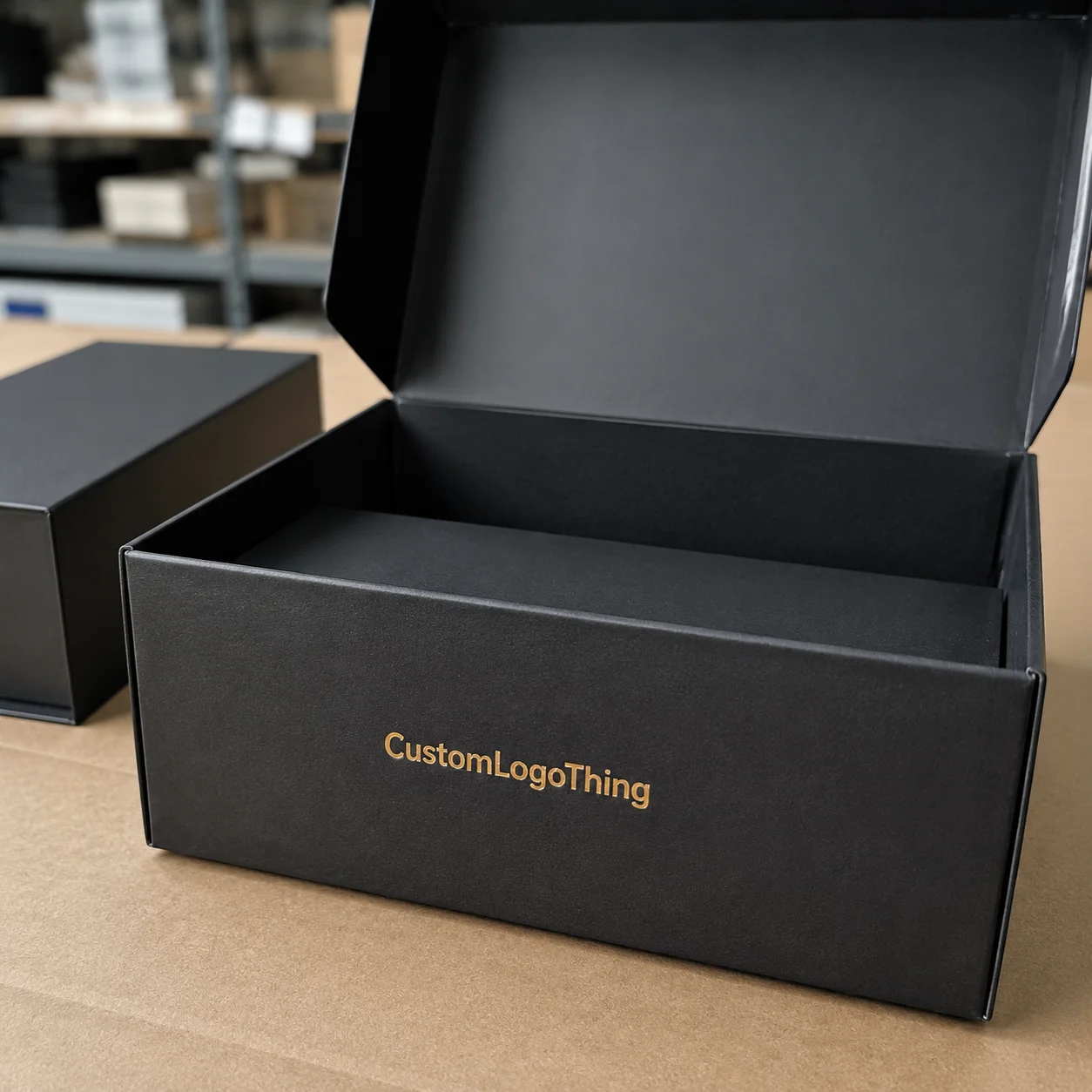
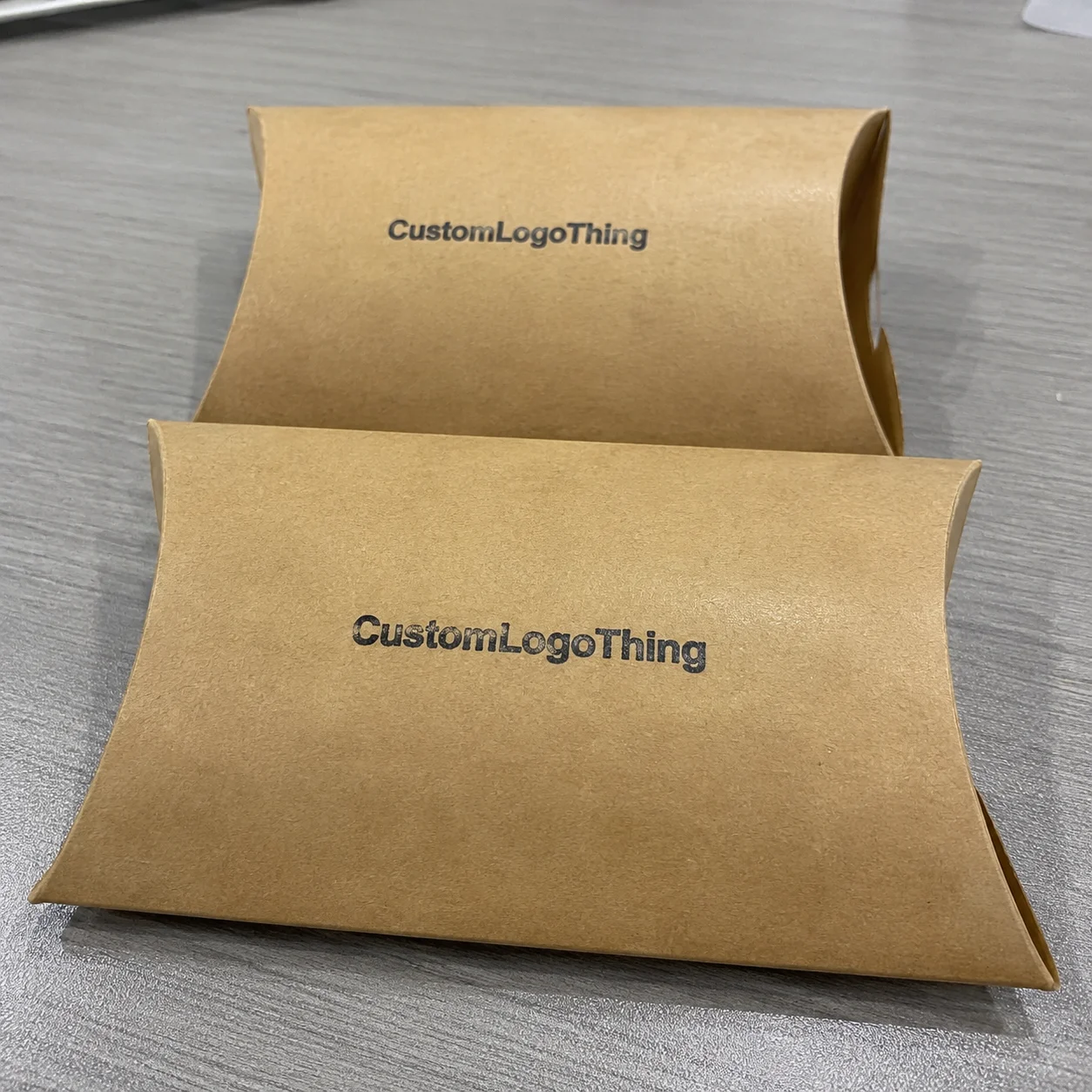
Buyer Fit Snapshot
| Best fit | Custom Folding Boxes with Logo Printing projects where brand print, material claims, artwork control, MOQ, and repeat-order consistency need to be specified before quoting. |
|---|---|
| Quote inputs | Share finished size, material target, print colors, finish, packing count, annual reorder estimate, ship-to region, and any compliance wording. |
| Proofing check | Approve dieline scale, logo placement, barcode or warning zones, color tolerance, closure strength, and carton packing before bulk production. |
| Main risk | Vague material claims, crowded artwork, missing packing details, or unclear freight terms can make a low unit price expensive after revisions. |
Fast answer: Custom Folding Boxes with Logo Printing: Structure, Print Proof, Packing, and Reorder Risk should be specified like a repeatable production item. The safest quote records material, print method, finish, artwork proof, packing count, and reorder notes in one written spec.
Production checks before approval
Compare the actual filled-product size with the drawing, then confirm tolerance on folds, seals, hang holes, label areas, and retail display edges. Reserve space for logos, QR codes, warning copy, and material claims before decorative graphics fill the panel.
Quote comparison points
Review material grade, print process, finish, sampling route, tooling charges, carton quantity, and freight assumptions side by side. A quote is only useful when the supplier can repeat the same color, closure quality, and packing count on the next order.
I still remember a factory floor in Dongguan where a buyer walked in, picked up a plain white folding carton, and said, “This looks cheap.” Ten minutes later, after we swapped to 350gsm C1S artboard, added matte aqueous coating, and ran a clean black logo with a small foil stamp, that same box looked like it belonged on a premium shelf. I’ve watched that same little transformation happen in Shenzhen, Ningbo, and even in a subcontract shop outside Guangzhou where the lighting was terrible and the tea was strong, which probably helped us survive the afternoon. That’s the funny part about custom folding Boxes with Logo printing: they can look ordinary in the mockup and expensive in real life, or the other way around, which is how people end up wasting money.
If you’re trying to sell cosmetics, supplements, candles, skincare, or a small electronic item, custom folding Boxes with Logo printing can do a lot of heavy lifting without the weight and cost of rigid packaging. I’ve seen brands spend $2.40 on a rigid setup when a well-built folding carton at $0.32 to $0.68 a unit would have done the job better. At 5,000 pieces, a standard carton in Guangdong can sometimes land near $0.15 per unit before freight when the spec is simple, such as 350gsm C1S artboard, one-color logo printing, and a basic reverse tuck end. That’s not me being dramatic. That’s just bad packaging math, and I’ve had to explain that math more times than I’d like to admit.
Here’s the real value: custom folding boxes with logo printing combine shelf appeal, product protection, and package branding in one format that ships flat and assembles fast. You get room for your logo, ingredients, compliance copy, barcode, and a design that actually matches the product inside. Nice idea, right? Apparently still rare. I remember one brand sending me a “finished” box design where the logo was buried under a barcode and two legal paragraphs. I had to laugh a little, because if the customer can’t find the brand, what exactly are we doing here?
What Are Custom Folding Boxes with Logo Printing?
Custom folding boxes with logo printing are paperboard cartons that arrive flat, fold into shape, and present your product in retail-ready packaging. The box structure is usually die-cut from paperboard, scored, printed, then folded and glued at one seam. Once the product is inserted, the carton can display branding on every visible panel. That’s where the logo printing earns its keep, because a well-placed mark on the front panel can do more selling than a whole page of copy nobody reads.
I’ve had clients confuse folding cartons with Corrugated Shipping Boxes more times than I can count. They are not the same thing, and no, a kraft mailer with a big logo slapped on it is not a proper substitute for retail packaging. Folding cartons are thinner, cleaner, and better for shelf presentation. Corrugated boxes are built for shipping abuse. Rigid boxes are thick, premium, and expensive. Mailer boxes sit somewhere in the middle and work well for DTC shipping. And yes, I’ve had someone insist that a mailer box was “basically the same as a carton.” It was not, and the sample they brought from a factory in Yiwu proved the point in about thirty seconds.
For products like lip balm, gummies, candles, face masks, or earbuds, custom folding boxes with logo printing usually make more sense than heavier packaging formats because they’re lighter, cheaper to store, and easier to print in high detail. In a client meeting last spring, I watched a supplement brand cut freight costs by nearly 18% just by switching from rigid setups to folding cartons with an insert. That saved real money, not fantasy money, the kind finance people actually care about when a carton line in Shenzhen quotes a 20-foot container instead of a pallet of pricey rigid trays.
The four big jobs of custom folding boxes with logo printing are simple:
- Shelf appeal so the product gets noticed in a 3-foot retail bay.
- Protection from scuffs, crushed corners, and handling damage.
- Unboxing that feels intentional instead of improvised.
- Brand recognition so the customer remembers the name after one purchase.
Good packaging design is not just about “looking premium.” It’s about making the box work hard in the chain from factory to retailer to customer. Custom folding boxes with logo printing can do that better than people expect, especially when the structure matches the product weight and the print layout matches the shelf reality. I’ve seen a box with plain structure and sharp branding outsell a much fancier carton that was overdesigned and awkward to open, which happened on a beverage launch out of Ningbo where the buyer wanted luxury but the customers wanted speed.
They also fit branded packaging programs where consistency matters across multiple SKUs. If your line has three serums and two moisturizers, you can keep the same structure and vary the print and inserts. That keeps your product packaging organized instead of turning your warehouse into a guessing game. I’m biased, but I think consistency is one of the most underrated parts of packaging systems. It saves your team from a lot of annoying little mistakes, especially when the cartons are printed in batches of 3,000 in Foshan and 7,000 in Dongguan for the same brand family.
How Custom Folding Boxes with Logo Printing Work
The production process for custom folding boxes with logo printing starts with a dieline. That’s the flat technical drawing showing panel sizes, folds, flaps, glue areas, and cut lines. I’ve seen brands skip this step and jump straight to artwork. That usually ends with a logo sitting half an inch too close to a crease, which is a lovely way to make an expensive box look careless. I still cringe when I think about one job where the client had the product name crossing a fold line like it was trying to escape the carton.
Here’s the normal flow. First, the supplier confirms dimensions based on the product. Then the dieline is created or adjusted. After that, the artwork is placed, proofed, printed, die-cut, glued, and packed flat for shipment. For many projects, the total timeline runs 12 to 15 business days from proof approval, plus shipping. A standard order from a carton factory in Shenzhen might spend 2 to 3 days on final proofing, 4 to 6 days in printing and finishing, and another 3 to 5 days on die-cutting, gluing, and flat packing. Rush jobs are possible, but they cost more and often make everyone miserable. I’ve done them, and nobody looked rested afterward.
Common folding carton styles include the following:
- Tuck end box: simple, economical, and widely used for cosmetics and supplements.
- Reverse tuck end: the top and bottom tuck in opposite directions for easy assembly.
- Auto-lock bottom: stronger base, useful for heavier items like candles.
- Seal end: often used where tamper evidence matters.
- Window patch box: includes a clear film window so shoppers can see the product.
For inserts, I usually recommend paperboard or molded pulp if the product rattles around. Foam inserts have their place, but not every box needs a plastic-looking solution from a bad trade show booth. Custom folding boxes with logo printing can also work with interior partitions for multi-piece sets, like skincare kits or sample bundles. I’ve had buyers insist on foam just because they’d seen it once in a luxury gadget box, and then we ended up paying more for a material that was wrong for the product and, frankly, looked a little dated.
Printing methods matter too. I’ve negotiated all three of the main ones, and each has a place:
| Printing Method | Best For | Typical Strength | Typical Limitation |
|---|---|---|---|
| Offset printing | Medium to large runs with detailed graphics | Sharp color, excellent consistency, strong for premium branding | Plate cost and setup time |
| Digital printing | Short runs, sampling, fast turnaround | No plates, quick changes, great for test launches | Higher unit cost on larger volumes |
| Flexographic printing | Simple graphics and repeat runs | Efficient for certain packaging runs and some carton applications | Not ideal for highly detailed brand work |
For most custom folding boxes with logo printing, offset printing is the workhorse because it handles fine lines, solid fills, and branding detail better than most people expect. Digital printing is smart for samples or low quantity launches. Flexographic printing shows up more often on some retail packaging and secondary packaging programs, though not every carton supplier uses it the same way. I’ve always found offset the most dependable for brand colors, especially when the client has a picky Pantone standard and a sharp eye for “just a little too dull.”
Finishing changes everything. I’ve seen the same artwork go from “meh” to “why does this look expensive?” with one finishing decision. Matte aqueous coating softens glare and gives the carton a clean retail look. Gloss varnish adds shine. Soft-touch lamination makes the box feel velvety, which luxury skincare brands love. Foil stamping adds metallic detail. Embossing lifts the logo physically. Spot UV gives contrast by making selected areas glossy. If you want your custom folding boxes with logo printing to feel intentional, finishing is not optional decoration. It’s part of the sales job.
One real factory story: I once stood next to a Heidelberg press in our Shenzhen facility while a buyer insisted on printing dark blue on uncoated board because the sample looked “more natural.” The first run came out dull and muddy, exactly as expected. We reran it on coated artboard and the brand color snapped back into place. That’s why I keep telling people that custom folding boxes with logo printing depend on substrate choice as much as artwork. Your screen never tells the whole truth. Your screen is, honestly, a bit of a liar.
For authority and compliance standards, I always point clients toward references like the International Safe Transit Association for transit testing and the Forest Stewardship Council for responsibly sourced paper. If the packaging will ship through rough channels or claims sustainable sourcing, those references matter more than a pretty sales deck. I’ve had buyers wave away testing once and then act shocked when a corner crushed in transit. Packaging does not care about optimism.
Key Factors That Affect Cost and Pricing
The cost of custom folding boxes with logo printing comes down to a handful of things, and every supplier will price them slightly differently. That’s normal. What isn’t normal is when a buyer asks for “just a simple box” and then hands over a seven-color layout, foil, embossing, a die-cut window, and a custom insert. Simple? Sure. If you ignore math. I’ve sat through that meeting, and I can tell you the silence after the quote lands is usually louder than the packaging line itself.
The biggest cost drivers are size, board thickness, print complexity, finish, insert type, and quantity. Bigger boxes use more material and may need heavier board. A 2-ounce supplement box is not priced like a 16-ounce candle carton. A box with one logo color is cheaper than a full-bleed artwork layout. And a custom insert adds tooling plus assembly cost. If the box needs a reinforced base or special scoring, that affects pricing too, because paperboard has limits even when everyone wishes it didn’t. A factory in Dongguan may quote a standard reverse tuck carton at $0.18, then move to $0.31 the moment you request a window patch, foil logo, and molded pulp insert.
Here’s a practical pricing range I’ve seen from suppliers in China and Southeast Asia, though your exact quote will depend on MOQ, artwork, and shipping:
| Order Quantity | Typical Spec | Approx. Unit Price | Notes |
|---|---|---|---|
| 500 to 1,000 pcs | Standard tuck box, 4-color print, matte coating | $0.65 to $1.40/unit | Higher per-unit cost because setup is spread over fewer boxes |
| 3,000 to 5,000 pcs | Custom dieline, 4-color print, basic finish | $0.22 to $0.58/unit | Common range for many retail launches |
| 10,000 pcs and up | Offset print, coating, optional foil or embossing | $0.12 to $0.32/unit | Lower unit cost, but tooling and freight still need attention |
I’m being careful here because pricing depends on supplier minimums, board source, and shipping lane. Still, those ranges are realistic enough to help you plan. For example, custom folding boxes with logo printing for a skincare brand at 5,000 pieces might land around $1,900 to $2,800 before freight if you add soft-touch lamination and a foil logo. Same box without special finishes could be much lower. I always tell clients to price the packaging as a system, not as a single unit, because the carton, insert, storage, and freight all tug on the final number.
Hidden costs are where people get burned. Plate charges for offset printing can run $80 to $250 per color, depending on the factory. Physical samples can be $45 to $150. Special coatings and inserts add more. Rush fees can jump by 10% to 25%. International shipping is not a rounding error either; I’ve had a carton order where ocean freight was 22% of the landed cost because the boxes were oversized and the buyer waited too long to book space. That one stung, and the buyer was not thrilled, which to be fair was a very polite way of putting it.
One negotiation I remember clearly: a client wanted 8,000 custom printed boxes with a window patch and gold foil, but he refused to pay for a die sample. The factory quoted low, then found out the box needed a reinforced bottom because the product weighed 410 grams. The price increased by $0.09 per unit, and suddenly everyone acted surprised. That’s not a supplier trick. That’s what happens when the structure does not match the product. I wish I could say that lesson only needed to be learned once. It did not.
The best way to reduce waste and rework is to work with a supplier who understands production tolerances and color control. Good suppliers can explain why one Pantone shade prints cleanly on coated board while another turns dull. Bad suppliers just say “yes, no problem” until the proof arrives. That’s why choosing the right partner matters as much as the design itself for custom folding boxes with logo printing.
If you want to compare service depth, look at Manufacturing Capabilities and the range of Custom Packaging Products. A supplier that can show you board options, structural samples, and finishing methods is usually less likely to wing it. Winging it is fun on a Friday, not on a purchase order. And if someone claims they can “just figure it out” later, well, I’ve heard that before, and it rarely ends with a calm email thread.
Step-by-Step: How to Order Custom Folding Boxes with Logo Printing
Ordering custom folding boxes with logo printing gets much easier once you stop treating it like a mystery and start treating it like a technical purchase. I’ve watched smart founders waste two weeks because they asked for quotes before they knew their product dimensions. That’s backwards. The supplier is not a mind reader, and “around the size of a candle” is not a spec. I remember a buyer once saying, with complete sincerity, “It’s sort of medium.” That was the entire brief. I nearly needed another coffee just to recover.
Step 1: Measure the product properly
Start with the product’s exact length, width, height, and weight. If the item has a pump, cap, shrink band, or display insert, include that too. For glass jars or heavy cosmetics, add a little clearance only if the structure can support it. For custom folding boxes with logo printing, 1 to 2 mm of tolerance can matter a lot. I’ve seen a 58 mm wide product fail to fit because someone rounded down to 55 mm on the brief. Three millimeters can be the difference between a proper fit and a very expensive headache.
Step 2: Choose the right structure and stock
Pick the box style based on product behavior. A lightweight serum bottle may fit a reverse tuck box. A candle with more weight may need an auto-lock bottom. If the package needs tamper resistance, a seal end or tamper seal label makes sense. Stock choice matters too: 300gsm to 400gsm paperboard is common for many retail uses, while heavier products may need stronger board or a reinforced insert. This is where custom folding boxes with logo printing either feel thoughtful or flimsy. Honestly, I think stock selection is one of the easiest places to get lazy, and lazy packaging always shows up later.
Step 3: Build the artwork with the dieline in mind
Use the supplier’s dieline file. Don’t freestyle on a flat rectangle and hope it works. Place the logo with enough safe margin, usually at least 3 mm from folds and cut lines. Keep bleed at 3 to 5 mm, depending on the supplier’s setup. Reserve space for the barcode, lot code, ingredients, and any regulatory text. For branded packaging, the front panel should carry the strongest visual. The side panels can support extra product information, claims, and recycled content marks.
I’ve had clients send me logos in low-resolution JPG files and ask why the print looked soft. Because pixels. That’s why. Use vector artwork, usually AI, EPS, or PDF with fonts outlined. If you care about custom folding boxes with logo printing, supply files that can actually print well. A pretty screen mockup does not rescue a blurry logo. A blurry logo is just a blurry logo, and no amount of hope will fix that.
Step 4: Approve the prototype or sample
Always ask for a physical sample or structural prototype before full production. I’m not talking about a screenshot. I mean an actual box you can fold, crease, and test with the product inside. Check the folds, corners, insert fit, barcode scan, and whether the logo lands where the customer sees it first. A good supplier will also test closure strength and carton shape. For many custom folding boxes with logo printing, this step saves money because it catches errors before 5,000 pieces are printed. It’s not glamorous, but neither is reprinting a pallet of cartons because the front panel ended up too short.
Step 5: Confirm timeline, packing, and delivery details
Once the sample is approved, lock in the timeline. Typical production after proof approval can be 10 to 15 business days for standard jobs, then add transit time. Air freight may take 5 to 9 days. Ocean freight can take several weeks depending on route. Plan where the boxes will be stored, how they’ll be counted, and whether they’ll arrive flat or pre-glued. If you don’t have warehouse space for 15 pallets, now is the time to say so. Not after the truck shows up. I’ve seen that movie, and the ending is a stack of cartons in a hallway.
For companies scaling into retail, this is also the point to check compliance. Some categories need specific label content, FSC sourcing, recyclable claims backed by actual documentation, or transport testing aligned with ISTA methods. I’m not saying every carton needs a lab report. I am saying that custom folding boxes with logo printing can get rejected if the retail buyer spots missing information. Buyers can be surprisingly precise when they’re the ones receiving the boxes, especially in chain stores across California, Texas, and the UK.
Common Mistakes with Custom Folding Boxes with Logo Printing
The biggest mistake with custom folding boxes with logo printing is assuming print quality alone makes the box strong or effective. It doesn’t. I’ve seen gorgeous cartons collapse at the bottom because the board was too light. I’ve also seen ugly cartons sell well because the structure, sizing, and copy were on point. Customers forgive a plain box faster than a broken one. They absolutely do not forgive crushed products, which is fair, because neither do I.
Another common problem is artwork that looks sharp on a monitor but fails at real size. Thin serif text, tiny legal copy, and hairline logos often disappear on carton stock. If your logo has strokes thinner than 0.25 pt, you may need to simplify it. Otherwise, your “premium branding” turns into fuzzy gray decoration. Lovely. I’ve had to tell designers that their elegant little script looked beautiful on screen and absolutely miserable on paperboard, which is always a fun conversation, especially when the carton is being printed on a 4-color Heidelberg press in Dongguan at 7:30 in the morning.
Structural testing gets skipped more often than it should. That leads to crushed corners, split flaps, and products sliding around inside the carton. If the box is supposed to protect a glass vial or candle jar, test it with actual product weight. Custom folding boxes with logo printing should survive real handling, not just a neat desk photo. A carton that only works under studio lights is a prop, not packaging, and props do not survive a 900-kilometer truck ride from Guangzhou to Chengdu.
Finish choices can backfire too. Soft-touch lamination looks great until a humid warehouse makes it feel sticky, or matte coating gets scuffed by shipping. Gloss can show fingerprints. Foil can crack on tight folds if the design ignores score lines. I once had a beauty client insist on a heavy soft-touch finish for a product that lived in chilled retail displays. The condensation made the outer layer behave badly after three weeks. We fixed it by adjusting the coating spec and adding a more resilient print build. Problem solved, though not before a very long phone call and a mildly painful redesign round.
MOQ and lead time misunderstandings are another classic headache. A factory may have a minimum of 3,000 pieces for offset printed custom folding boxes with logo printing. If you ask for 800, the quote goes up fast. And if you request a new sample on Friday and full production on Monday, well, that’s not a schedule. That’s a hope. I’ve seen people try to “push” a factory into miracles. The factory usually responds by revising the lead time, and in some cases the quote, because the work still has to pass through plate making, printing, die-cutting, and gluing.
Skipping prototype approval is probably the most expensive mistake because it hides problems until the whole batch is printed. I’ve seen wrong color matches, barcode placement errors, and awkward fold orientation all because nobody bothered to open the sample and check the actual finished shape. If a supplier tells you the sample is optional, I’d ask why they’re so eager to skip the part that protects both sides. That question alone tells you a lot about who you’re dealing with.
For quality expectations, the U.S. Environmental Protection Agency has useful guidance on packaging and materials recovery at epa.gov. That matters if your brand is making recyclability claims or planning to reduce material use. Claims should match reality. Consumers have a funny habit of noticing when they don’t. So does the retail buyer, and they usually notice faster.
Expert Tips for Better Branding and Better Results
If you want custom folding boxes with logo printing to work harder, start with design hierarchy. Put the logo first, product name second, key benefit third, and compliance information where it belongs. Don’t cram everything onto the front panel. That’s not branding. That’s panic layout. I’ve seen front panels so crowded they looked like a legal disclaimer wearing a perfume label, which tends to happen when three departments edit the same PDF at midnight.
Use the box surface strategically. The front panel should grab attention from 3 to 6 feet away. The side panel can carry ingredients, directions, or a short brand story. The back panel is where QR codes, recycling marks, and regulatory copy usually live. This structure makes custom folding boxes with logo printing feel organized, which is a nice word for “easy to shop.” The shopper should know what the product is before they need a magnifying glass, especially in retail aisles in Los Angeles, Toronto, or London where shelf competition is tight.
Choose stock and coating based on the real environment. If the box sits in a humid store, card stock with a protective coating makes more sense than bare paper. If the product ships direct-to-consumer, you may want a structure that holds up to box friction. If the brand is premium, soft-touch or matte finish often looks more refined than high gloss. There is no universal winner. The right choice depends on the product, the channel, and the way your customer actually handles the box.
One thing I tell clients all the time: print your brand colors on actual paperboard swatches before approving the run. A laptop screen lies. A lot. I’ve compared Pantone builds under daylight, warehouse light, and retail lighting, and the same blue can look rich in one setting and flat in another. That’s why custom folding boxes with logo printing should be approved against physical samples, not vibes. Vibes are nice for coffee shops. They are terrible for color control.
If budget is tight, concentrate your spend on the front panel. A strong logo, clear product name, and one well-chosen finish can carry the whole box. You do not need foil on every side just because the competitor did it. Most buyers see the front first, maybe one side, then move on. Spend where the eyeballs go. I’m pretty opinionated about this, but I’ve watched brands waste money on little decorative flourishes that nobody noticed after the box hit the shelf.
Work with a supplier who talks like a production person, not a magician. They should be able to explain board grades, glue seams, dielines, proofing, and color tolerance in plain English. If they hide behind vague sales talk, that’s a red flag. A good supplier for custom folding boxes with logo printing will tell you when a design is risky and suggest a fix before the press starts running. That kind of candor saves a lot of pain later.
“The cleanest packaging job I ever approved wasn’t the fanciest one. It was the one where the board, print, and fold all matched the product weight by a real margin, not a hopeful guess.”
For buyers who want better branded packaging, I usually recommend three testing questions: Does the logo read clearly from a shelf? Does the carton protect the product in transit? Does the finish still look good after handling? If the answer is no to any one of those, the packaging design still needs work. That’s normal. Packaging is iteration, not magic. And yes, I know iteration sounds slow, but it beats reordering an entire batch because the embossing was placed too close to a fold.
Next Steps After Designing Custom Folding Boxes with Logo Printing
If you’re ready to move forward with custom folding boxes with logo printing, create a one-page packaging brief before you ask for quotes. Include product dimensions, product weight, box style, board preference, print colors, finishing, quantity, deadline, and shipping destination. That one page can save a week of back-and-forth. I’ve watched it happen. I’ve also watched the opposite happen, where a buyer sends nine scattered emails and nobody is sure which one contains the final size. That’s not a workflow. That’s a scavenger hunt.
Then request quotes from at least three manufacturers. Compare more than unit price. Ask about tooling, plate charges, sample costs, lead time, freight options, and whether they can provide a structural prototype. A quote that looks $0.03 cheaper can end up costing more once you add setup and shipping. Buyers love low numbers. Finance loves total landed cost. I do too, honestly, because it prevents the “surprise” meeting no one wants. In many cases, a factory in Shenzhen, Dongguan, or Xiamen will also quote different prices for the same spec depending on whether the board is local or imported from a mill in Taiwan or Zhejiang.
Before you approve production, ask for a sample and check the details with the actual product inside. Look at the tuck fit, barcode scan, fold lines, and whether the colors match your brand standard. If the sample feels off, fix it now. Once custom folding boxes with logo printing are printed in bulk, every mistake multiplies. There’s a reason experienced packaging people get a little intense at sampling time. They’ve seen what one missed detail costs later.
Make sure your storage and packing workflow are ready. Flat cartons are efficient, but they still take space. If you have 10,000 boxes arriving and only one rack section cleared, you’re setting yourself up for a warehouse headache. Retail compliance matters too, especially if you’re selling through larger chains that expect clear labeling, clean barcodes, and consistent packaging dimensions. I’ve seen a buyer reject a box for a fraction of a millimeter on the spec sheet, which is rude but also, sadly, real.
The best packaging upgrade is the one that solves the biggest weak spot first. Maybe your current box dents too easily. Maybe your logo doesn’t print sharply. Maybe your unboxing feels cheap. Pick the issue that hurts sales or adds labor, then fix that with the next version of custom folding boxes with logo printing. That’s how real packaging improvements happen. One practical step at a time, not one dramatic mood board. And if the mood board is prettier than the product strategy, well, I’ve got opinions about that too.
FAQs
What are custom folding boxes with logo printing used for?
They’re used for retail packaging, product presentation, and light to medium product protection. I’ve seen them work especially well for cosmetics, candles, supplements, skincare, small electronics, and promotional kits because they print cleanly and ship flat. A 350gsm C1S carton with a tuck-end style is a common choice in factories around Shenzhen and Dongguan for this exact reason.
How much do custom folding boxes with logo printing usually cost?
Pricing depends on size, board, print complexity, finish, and quantity. Small runs usually cost more per box, while bulk orders reduce the unit price significantly. A simple 5,000-piece order can start around $0.15 per unit for a basic spec in China, while a more finished carton with soft-touch lamination, foil, or a window patch can move into the $0.22 to $0.58 range. Expect extra charges for plates, special coatings, inserts, samples, and rush production.
How long does the process take for custom folding boxes with logo printing?
The process usually includes artwork setup, dieline approval, sampling, production, and shipping. Standard jobs often take around 12 to 15 business days after proof approval, but delays happen when artwork is unclear or the sample gets revised multiple times. If you add ocean freight from a port like Yantian or Ningbo, you may need several additional weeks depending on the destination.
What file format should I use for my logo on folding boxes?
Vector files are best because they stay sharp at any size. AI, EPS, and print-ready PDF files are usually preferred. Your artwork should also include bleed, safe margins, and outlined fonts so the printer doesn’t have to guess what you meant. If your logo will be foil stamped or embossed, the factory in Guangzhou or Shenzhen will usually ask for a separate layer marking the foil area or emboss line.
What is the best material for custom folding boxes with logo printing?
Paperboard is the most common choice because it prints cleanly and folds efficiently. The right board depends on product weight, display needs, and durability requirements. For many retail products, 350gsm C1S artboard is a practical starting point, while heavier items may need stronger paperboard, an auto-lock bottom, or a molded pulp insert to hold shape through transit.
If you’re evaluating packaging right now, start by comparing your current box against what your product actually needs. That one comparison usually reveals the weak point fast. And if you want a cleaner, sharper, more sellable format, custom folding boxes with logo printing are often the most practical place to begin.