Buyer Fit Snapshot
| Best fit | Custom Folding Carton Prototype Pricing projects where brand print, material claims, artwork control, MOQ, and repeat-order consistency need to be specified before quoting. |
|---|---|
| Quote inputs | Share finished size, material target, print colors, finish, packing count, annual reorder estimate, ship-to region, and any compliance wording. |
| Proofing check | Approve dieline scale, logo placement, barcode or warning zones, color tolerance, closure strength, and carton packing before bulk production. |
| Main risk | Vague material claims, crowded artwork, missing packing details, or unclear freight terms can make a low unit price expensive after revisions. |
Fast answer: Custom Folding Carton Prototype Pricing: What Drives It should be specified like a repeatable production item. The safest quote records material, print method, finish, artwork proof, packing count, and reorder notes in one written spec.
Production checks before approval
Compare the actual filled-product size with the drawing, then confirm tolerance on folds, seals, hang holes, label areas, and retail display edges. Reserve space for logos, QR codes, warning copy, and material claims before decorative graphics fill the panel.
Quote comparison points
Review material grade, print process, finish, sampling route, tooling charges, carton quantity, and freight assumptions side by side. A quote is only useful when the supplier can repeat the same color, closure quality, and packing count on the next order.
Custom Folding Carton prototype pricing can feel a little steep at first glance, especially when you compare it with a plain board mockup or a quick white sample built just to confirm the size. The number makes more sense once the team remembers what the prototype is actually doing. It is checking fit, fold logic, shelf presence, print behavior, and the small details that decide whether a carton feels right in the hand or creates trouble later in the line.
That is why custom folding carton prototype pricing deserves a closer read than most buyers give it. A prototype is not only a sample box. It is a working test of structure, branding, protection, and assembly, all wrapped into one piece of packaging that has to tell the truth before production begins. Buyers who understand the parts inside the quote can make cleaner comparisons and avoid paying for uncertainty dressed up as convenience.
The real question is rarely, "What is the cheapest sample?" It is more useful to ask, "Which prototype gives me the right answer without creating new risk?" That shift matters when a carton has to be ready for a retailer reset, a trade show, a launch window, or a seasonal campaign with very little room for error. A sample that looks inexpensive can become costly fast if it sends the team down the wrong path.
Brands that invest in Custom Printed Boxes, retail packaging, or high-visibility product packaging tend to learn this early. The quote is never just a number. It shows how much engineering sits behind the sample, what level of proofing is required, and whether the carton will behave like the final run or only resemble it from a distance. In other words, the price is telling you how much certainty you are buying.
Custom folding carton prototype pricing: why the first sample can save the whole program
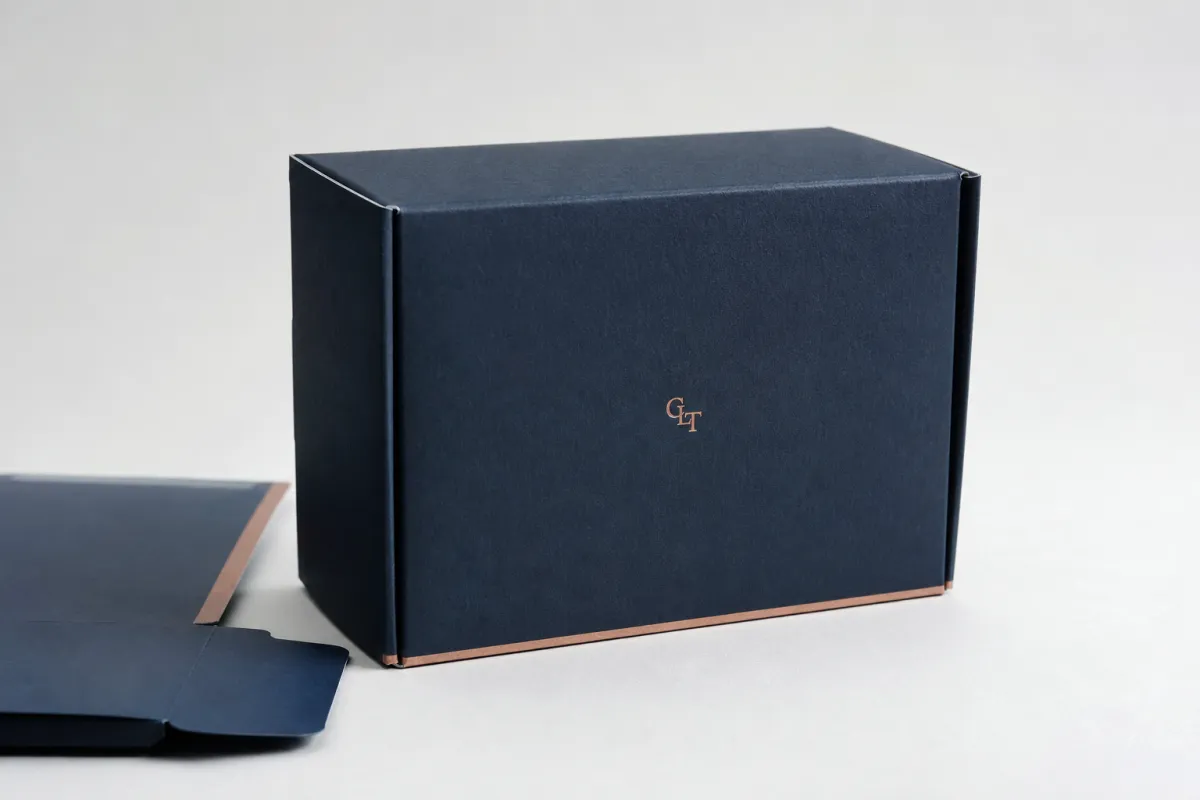
The first sample is usually treated like a checkpoint. In practice, it acts more like a guardrail. Custom folding carton prototype pricing often covers the work needed to catch structural problems before they turn into production defects. A tight product fit, a special tuck, a display-facing front panel, or an unusual insert can all hide problems that only show up once someone holds the carton, folds it, and tries to use it the way the market will.
The economics are easy to miss if the team only looks at the invoice. A prototype may cost a few hundred dollars, and a more involved sample can climb higher when engineering or finishes are in play. A production mistake, though, can trigger a rerun that burns through board, press time, freight, labor, and schedule. Compared with that, custom folding carton prototype pricing often feels modest because the real purchase is certainty, not paperboard.
Prototype pricing usually blends structural sampling, print proofing, board selection, finishing tests, and the time needed to coordinate revisions. Some projects also need dieline development, hand assembly, and a second review after the first sample arrives. The invoice reflects both the materials and the craftsmanship required to get the carton to a point where the packaging team can make a serious decision.
That matters even more when the carton carries premium package branding. Foil, embossing, soft-touch lamination, window patches, and intricate opening sequences all change the way a sample has to be built. The prototype becomes part technical trial, part presentation piece. Custom folding carton prototype pricing is really about how much confidence the buyer needs before approving a structure that has to perform in the real world.
What good looks like: a useful prototype quote explains what the sample is meant to prove. Fit, graphics, strength, opening behavior, shelf appearance, or all of the above should be clear before anyone agrees to the number.
How custom folding carton prototype pricing works
Estimates, formal quotes, and production pricing each serve a different purpose. An estimate is usually built from rough dimensions and a short description of the carton. A formal quote comes after the supplier has enough information to price materials, setup, and sample production with more confidence. Production pricing still may move if the specification changes, material availability shifts, or a prototype exposes a design flaw. Custom folding carton prototype pricing should be read as a working figure, not a promise frozen in place.
Build method usually comes first. A fast digital sample is priced differently from a more production-like prototype. After that, the variables start stacking up: structural complexity, board stock, quantity, artwork coverage, finishing, and whether the supplier can build from an existing dieline or needs to engineer one from scratch. Once custom tooling or design iteration enters the picture, the quote starts behaving more like a service than a commodity purchase.
The service side is easy to overlook. Many buyers fixate on board cost because it is visible and familiar. In a lot of prototype jobs, the raw material is only a small piece of the total. The greater share of custom folding carton prototype pricing comes from the time needed to interpret the brief, build the sample, inspect the structure, and manage changes. When the goal is a near-production sample, the supplier may also need tighter print control and more careful finishing work.
Some suppliers will reduce or waive specific prototype fees when the work connects to a larger production order. That is not universal, and it depends on the way the shop handles sampling, but it happens often enough to ask directly. A brand planning a 50,000-unit carton program may receive different treatment from a buyer asking for a few one-off samples with no follow-on volume. Even then, custom folding carton prototype pricing should still show what is discounted and what remains billable.
Here is the kind of detail a useful quote should itemize:
- Structural sampling or dieline development.
- Board type and caliper, such as 14 pt C1S, 18 pt SBS, or another specific sheet stock.
- Print method, including whether the sample is digital, offset, or structure-only and unprinted.
- Finishing items such as aqueous coating, matte lamination, soft-touch lamination, spot UV, foil, embossing, debossing, or windowing.
- Revision allowance and whether extra changes are billed separately.
- Shipping, rush handling, assembly, and any testing labor.
When a quote breaks out those pieces, a buyer can compare custom folding carton prototype pricing on equal footing instead of guessing why one supplier looks cheaper. The lowest number is not always the best value if it leaves out the work needed to answer the packaging question in front of the team.
| Prototype type | Best use | Typical price range | What it tells you |
|---|---|---|---|
| Unprinted structural mockup | Fit checks, closure tests, internal review | $75-$250 | Whether the product fits and folds correctly |
| Digitally printed sample | Graphics, brand color, shelf presentation | $150-$450 | How the carton looks as branded packaging |
| Production-like prototype | Launch approval, retail review, finish validation | $300-$900+ | How close the sample feels to final production |
| Pilot batch | Pre-launch testing or limited market release | $0.80-$2.50 per unit, plus setup | How the carton behaves at a small run scale |
The ranges above are only a working guide. A simple mailer can sit near the low end, while a cosmetics carton with foil, embossing, and special board can rise quickly. That is exactly why custom folding carton prototype pricing needs context before anyone tries to compare one number against another.
For teams building out Custom Packaging Products, the useful move is to match the sample method to the decision that has to be made. A visual sample answers a different question from a structural sample, and both differ again from a prototype built to behave like the final run.
Cost, pricing, MOQ, and unit cost drivers behind custom folding carton prototype pricing
The main cost drivers are usually plain once they are named. Board grade matters because some stocks cut, crease, and recover better than others. Print complexity matters because full-bleed graphics, tight registration, and dense color builds take more control than a one-color mark. Special coatings and finish effects matter because each one adds setup, handling, and inspection time. Custom folding carton prototype pricing moves for the same reasons production pricing moves, only the per-unit effect can feel sharper because the quantity is so small.
MOQ pressure shapes the quote too. A supplier may price a single sample one way and a 25-piece prototype batch another way, even if the structure is identical. The setup work does not shrink as fast as the quantity does. Artwork has to be loaded, fit has to be checked, score lines need to be verified, and assembly needs inspection. That labor can outweigh the board cost very quickly, which is why custom folding carton prototype pricing often looks steep on a per-unit basis.
Digital sampling and production-like sampling can pull the unit cost in different directions. A digitally printed sample is often faster and easier to justify for small counts, especially when the team needs to study packaging design and shelf impact. If the buyer needs to verify the exact feel of a coating or compare foil behavior against press output, a more production-like sample can be the better buy. The unit price rises, but the answer tends to be more dependable.
Late design changes create hidden strain on the budget. A small shift in carton height can require a new dieline. A product insert may need a second mockup. A text edit can trigger rework if artwork has already been imposed and proofed. That is where custom folding carton prototype pricing becomes less predictable, because the original quote assumed a stable brief. Once the spec moves, the cost usually follows.
Other costs tend to hide in plain sight:
- Freight if samples are rushed or shipped separately from a production order.
- Rush fees when the schedule cuts into normal plant capacity.
- Color matching if the brand needs tighter control than a standard proof allows.
- Rework if the first sample misses fit or finish expectations.
- Special materials such as FSC-certified board or premium coated stock.
That last point matters more than many teams expect. Brands that need sustainability documentation may ask for FSC-certified materials or related proof. The FSC site is a useful reference for the certification basics, but the pricing effect still depends on the paperboard, the mill, and the converter. Certified material can cost more, or it may barely shift the quote. The supply chain decides that, not the label alone.
Unit cost also changes depending on how many questions the prototype has to answer. A simple fit check is cheap to build. A sample that needs to prove fit, graphics, opening behavior, shipping durability, and retail presentation all at once will cost more, and that cost is part of the job. Custom folding carton prototype pricing should rise when the sample is doing real work.
Distribution-heavy projects often need a shipping reality check too. A carton that passes a desk review may still fail once it is stacked, palletized, or packed for parcel delivery. If shipping performance matters, ask whether the review should align with ISTA methods or a related test profile. The idea is not to overbuild the sample. The idea is to match the sample to the risk the carton will face.
A low-cost sample that answers the wrong question can be more expensive than a higher-priced sample that settles the issue on the first round. That is true for custom printed boxes, retail cartons, and any packaging program where a missed launch or a reprint would cost more than the prototype itself. I have seen teams save a few hundred dollars on a sample and spend far more cleaning up a launch that should have been resolved in the first round.
Production process and timeline: from dieline to approved sample
The process starts with a brief, and the best briefs are more specific than many teams expect. The supplier needs carton dimensions, product weight, how the item inserts into the pack, whether the box hangs or sits, and which finish matters most. Once that information is clear, the team can build a dieline or adapt an existing one. That early clarity affects custom folding carton prototype pricing almost as much as the material choice does.
A typical sequence looks like this:
- Receive the product brief and carton goals.
- Build or confirm the dieline.
- Prepare artwork or apply existing graphics to the structure.
- Produce the sample using the agreed method.
- Check folding, fit, assembly, and finish quality.
- Review feedback and revise if needed.
- Approve the sample or move to the next round.
Simple samples can move in a few business days, especially when the structure already exists and the artwork is ready. More complex jobs take longer. Structural engineering, specialty finishes, and physical product testing inside the pack all extend the schedule. That is normal. Rush work can be done, but it usually pushes custom folding carton prototype pricing higher because it compresses proofing and interrupts the supplier's normal queue.
Delays usually come from familiar places. A brand team sends dimensions that do not match the product itself. Marketing holds artwork too long. Procurement asks for a new finish after the sample is already underway. Sometimes the product changes after the carton has been built around it. None of that is rare, and all of it gets expensive when it happens late.
Many buyers misread the invoice at that point. They blame the supplier for a price increase when the real issue is a process interruption. If the dieline changes after the first proof, if the art has to be rebuilt, or if assembly checks have to be repeated, the extra labor shows up in the quote. That does not mean the supplier is padding custom folding carton prototype pricing. It usually means the project is asking for more than the original brief allowed for.
Retail packaging brings a second timeline issue: internal review. Sales, operations, marketing, and procurement may all want a look, yet not all of them see the sample at the same time. By the time comments arrive, the carton has already sat idle for a week or two. The sample did its job; the approval flow did not. In a lot of cases, the prototype was not the delay at all.
Premium shelf presence can call for one more round of review. Teams may want to check color under store lighting and compare the carton to the rest of the packaging design system. That is not overthinking. It is how product packaging avoids awkward mismatches between the box, the label, and the rest of the brand. Extra review can add cost, though, especially if the sample needs a second pass to get the finish and color where they belong.
Step-by-step: how to request a smarter prototype quote
A better request usually leads to better pricing. That sounds simple because it is. Custom folding carton prototype pricing becomes clearer when the brief is clear, and the quote usually gets tighter when the supplier does not have to fill in missing details with assumptions.
Start with the basics: carton dimensions, product weight, product orientation, quantity needed, target launch date, and the finish you want. Then state whether the carton has to support retail packaging, e-commerce shipping, or both. If the structure needs to read as premium on shelf, say that plainly. If the goal is a practical fit check, say that too. The more concrete the brief, the easier it is to price accurately.
It also helps to ask for two scenarios. One can be a lower-cost visual sample that answers branding and layout questions. The other can be a production-like sample that tests fit, fold, and finish. That comparison often reveals whether custom folding carton prototype pricing is being driven by print complexity or by genuine structural engineering. Those are different problems, and they should not be priced as if they were identical.
Before the quote is finalized, confirm whether the supplier needs a dieline, brand artwork, or a physical product to build around. Missing even one of those inputs can push the price upward because the supplier is pricing around uncertainty. That is not always a bad sign; it simply means the brief is incomplete. A complete brief keeps custom folding carton prototype pricing tied to reality.
A simple comparison checklist can save time:
- What exactly is included in the prototype price?
- What is excluded, such as freight, revisions, or special finishes?
- How many revision rounds are allowed?
- What happens if the dimensions change after proofing?
- Is the sample visual only, structural only, or production-like?
- How is rush work billed if the schedule changes?
One more habit pays off: keep marketing, operations, and procurement aligned on what the prototype is supposed to prove. If marketing wants a retail-ready presentation sample while operations only needs a fit check, the quote should reflect that split. Otherwise, the project can overspend on a sample trying to answer every question at once, which rarely produces a clean result. In a few projects I have reviewed, that mismatch was the whole problem.
For brands that already know the line will expand into other structures later, it can help to review the broader range of Custom Packaging Products before the prototype is ordered. In some cases, the most economical choice is to simplify the structure instead of forcing a complex package into a small sample budget.
Common mistakes that distort custom folding carton prototype pricing
The first mistake is vague scope. One supplier may quote a basic mockup while another prices a near-production prototype, and both numbers can seem reasonable until someone notices the gap in what was actually included. That is not really a pricing problem. It is a scope problem. Custom folding carton prototype pricing only means something once the scope is defined well enough to compare.
Another common mistake is approving dimensions that have not been checked against the product. A small fit error can trigger another sample and another bill. A carton that is 1.5 mm too tight may crush a closure; one that is too loose may look cheap or rattle in transit. In a category where perception matters, even a millimeter can carry a real cost.
Chasing the cheapest quote is a trap too. A low price can look attractive until the team learns that the supplier cannot handle the revision pace, the finish requirement, or the turnaround window. The launch slips, and the supposedly cheap prototype becomes costly in a different way. Custom folding carton prototype pricing should be judged against the total project impact, not just the invoice total.
Late finish changes also skew the budget. Many teams focus on structure first, then remember they want foil, spot UV, a matte tactile feel, or a window. Those changes are not impossible, but they are harder to add after the sample is already in motion. Once the carton is quoted as plain, moving it into a more detailed finish often changes the pricing structure entirely.
Revision policy is another place where budgets drift. If the supplier allows one proof round and the buyer needs three, the cost can climb quickly. The same is true for rush policies. A sample that seemed affordable at the start can become a budget surprise if the approval chain keeps shifting. Clear revision limits, clear lead times, and clear assumptions keep custom folding carton prototype pricing honest.
Sustainability-driven projects can stumble on vagueness too. Teams ask for eco-friendly materials but never define the target. Is the priority recyclable board, FSC-certified fiber, lower coating weight, or fewer total components? Each answer changes the price in a different way. A vague sustainability goal is harder to price than a specific one, and it is usually harder to produce well too.
"We did not lose money on the sample. We lost money on the assumption that the sample would answer the wrong question."
That kind of lesson tends to stick. The prototype was never the problem. The brief was. Because custom folding carton prototype pricing is tied so closely to clarity, vague input almost always costs more than a thoughtful request does.
Expert tips and next steps for better prototype decisions
Build a prototype budget with some breathing room. If the carton is tied to a launch, a retailer presentation, or a trade show sample, assume that one revision may be needed. The buffer does not have to be large, but it should be there. Teams that budget only for the first attempt often end up reacting to the second one.
Standardize the internal approval flow. Marketing should not review one version, operations another, and procurement a third without a shared record. The more fragmented the review, the more likely a small request becomes a fresh change order. That fragmentation is one reason custom folding carton prototype pricing feels unpredictable when the real issue is process discipline.
Keep a pricing log across projects. Record the board grade, sample method, finish type, revision count, and turnaround time. After three or four jobs, patterns begin to appear. Maybe soft-touch lamination always adds a steady premium. Maybe digital samples are enough for a certain carton family. Maybe rush orders always cost a little more than the team hoped. Those patterns are useful, and they make the next quote easier to read.
Use standards language when it helps. If the carton needs ship testing, refer to ISTA profiles or related distribution tests. If materials need certification, ask for FSC documentation. If stacking or compression matters, ask how the prototype relates to the actual performance environment instead of assuming a pretty sample will survive transit on its own.
For buyers deciding what to do next, the most useful steps are straightforward:
- Gather accurate dimensions and product weight.
- Decide what the prototype must prove.
- Ask for at least two sample methods.
- Request a quote that itemizes inclusions and exclusions.
- Compare timelines, not just prices.
- Record what changed the quote so the next project starts cleaner.
If the project sits inside a wider packaging refresh, review the carton alongside the rest of the product packaging system. A sample can look fine on its own and still feel disconnected next to a label, tray, shipper, or outer sleeve. Good packaging design works as a system, not as a stack of unrelated parts.
The most practical takeaway is simple: treat the prototype quote like a decision tool, not a shopping receipt. If the quote clearly tells you what the sample proves, what it excludes, and where the risk lives, you are in good shape. If it does not, ask for a cleaner scope before approving the work. That one step usually saves more money than any last-minute price negotiation ever will.
At the end of a good prototype cycle, the goal is not just to approve a box. It is to approve confidence. That is why custom folding carton prototype pricing belongs in planning, not just accounting. Read carefully, the quote tells you how much certainty you are buying, where the risk sits, and what kind of sample is worth the spend. For teams that need speed without guesswork, custom folding carton prototype pricing is one of the most useful numbers in the packaging budget.
Frequently Asked Questions
What does custom folding carton prototype pricing usually include?
It often covers structural sampling, basic print proofing, material selection, and setup or engineering time. Some quotes also include revision rounds, assembly checks, and shipping, but buyers should confirm what is excluded. The price can shift quickly if the prototype needs specialty coatings, foil, embossing, or rush handling.
Why is prototype pricing often higher than expected for a small carton run?
Small runs do not spread setup, design, and proofing costs across many units. A prototype is usually a problem-solving service, not just a box purchase. The more complex the structure or finish, the more labor appears in the quote, and the more the price reflects hands-on work rather than raw material.
How can I lower custom folding carton prototype pricing without hurting quality?
Provide complete specs upfront so the supplier does not need to re-quote after clarifying dimensions or finishes. Choose the least expensive sample method that still answers the real question, such as fit, graphics, or assembly. Limit revisions by getting internal approval on product size, artwork, and finish goals before ordering.
What should I compare when I receive multiple prototype quotes?
Compare what each quote includes, especially materials, revisions, shipping, and proofing support. Check whether one quote is for a visual sample and another is for a production-like sample, because the scope may not match. Look at lead time and revision policy, not just the lowest total price.
How long does the prototype process usually take?
Timing depends on dieline complexity, print method, finish requirements, and how quickly artwork is approved. Simple samples can move quickly, while engineered cartons or specialty finishes usually take longer. Rush turnaround is possible, but it often increases custom folding carton prototype pricing.

