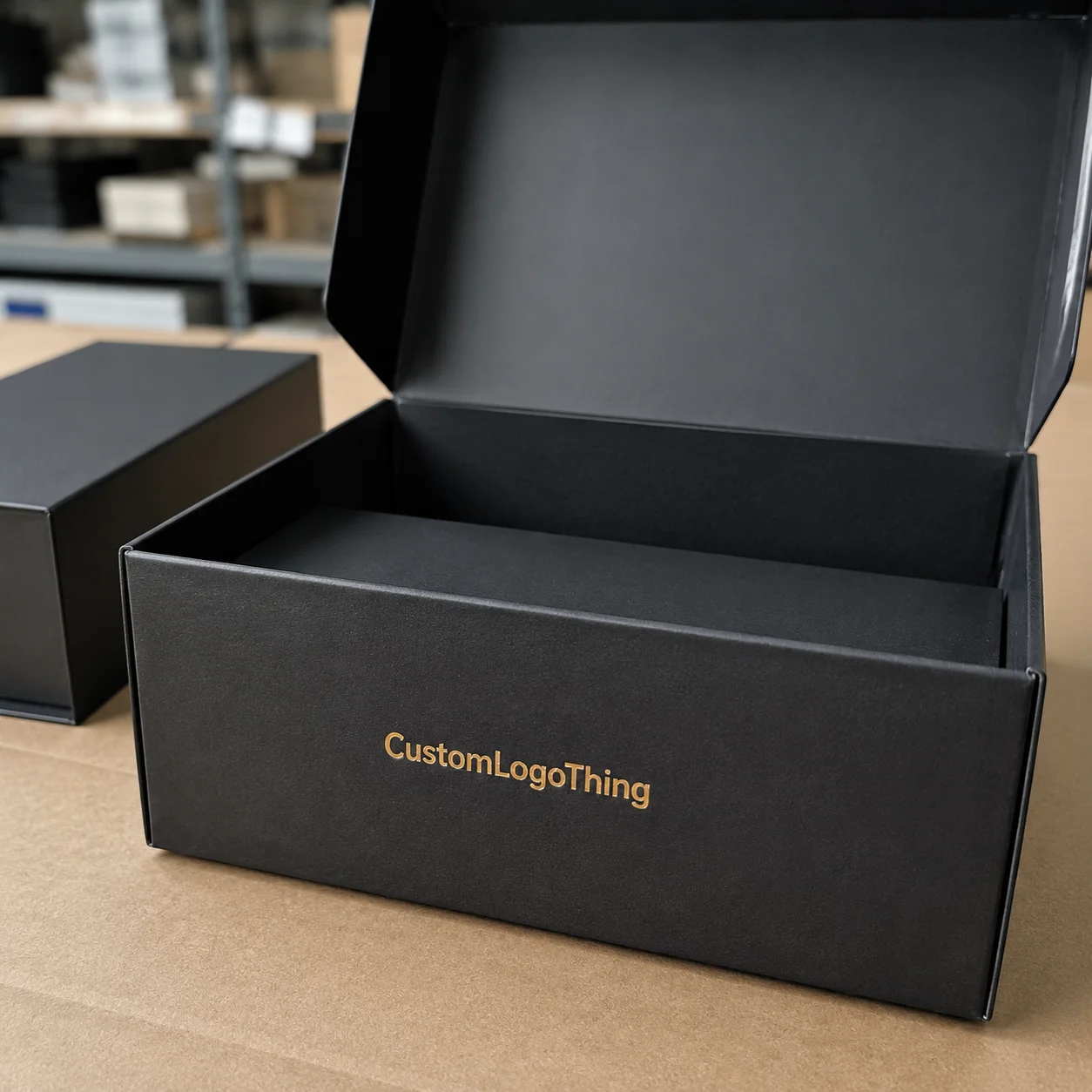
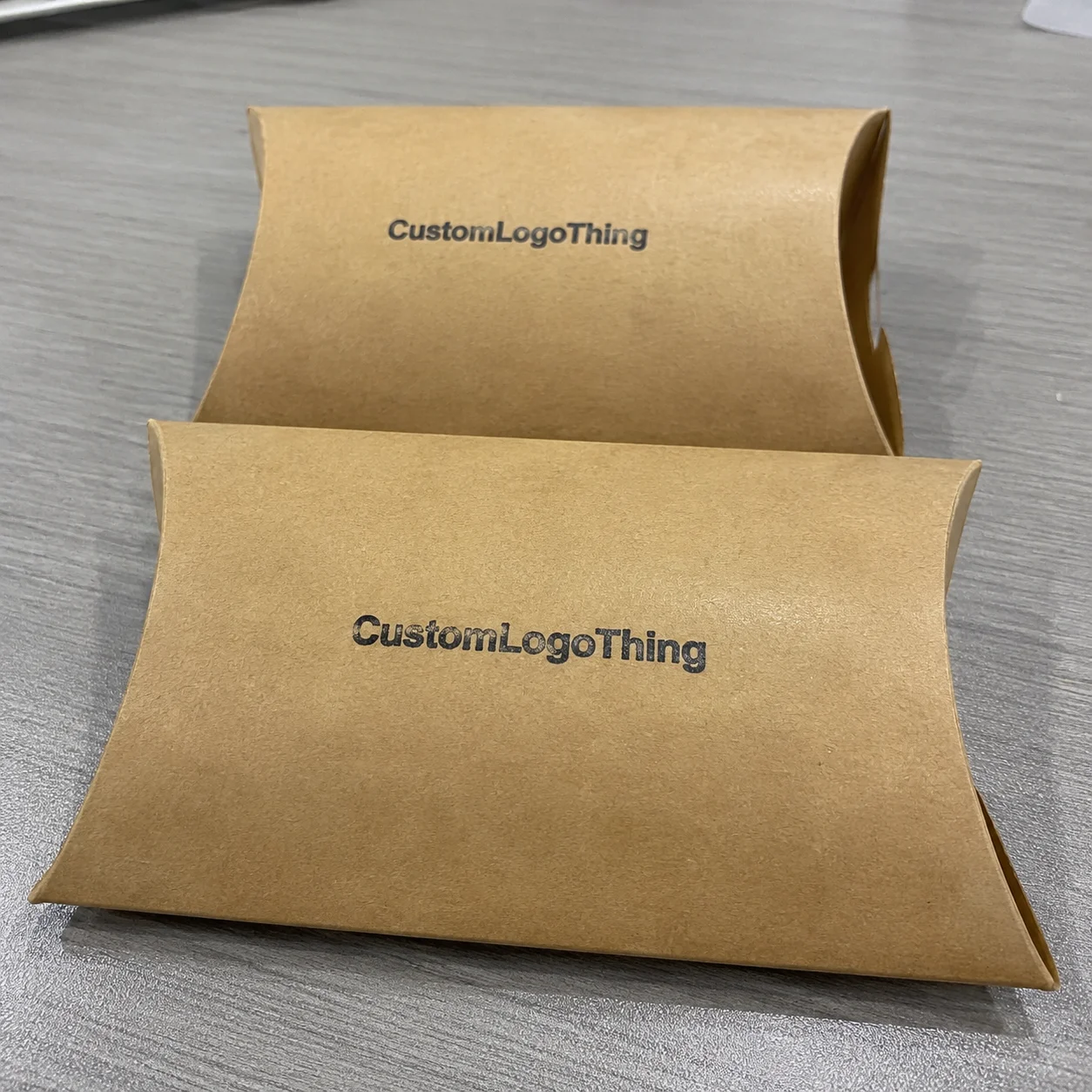
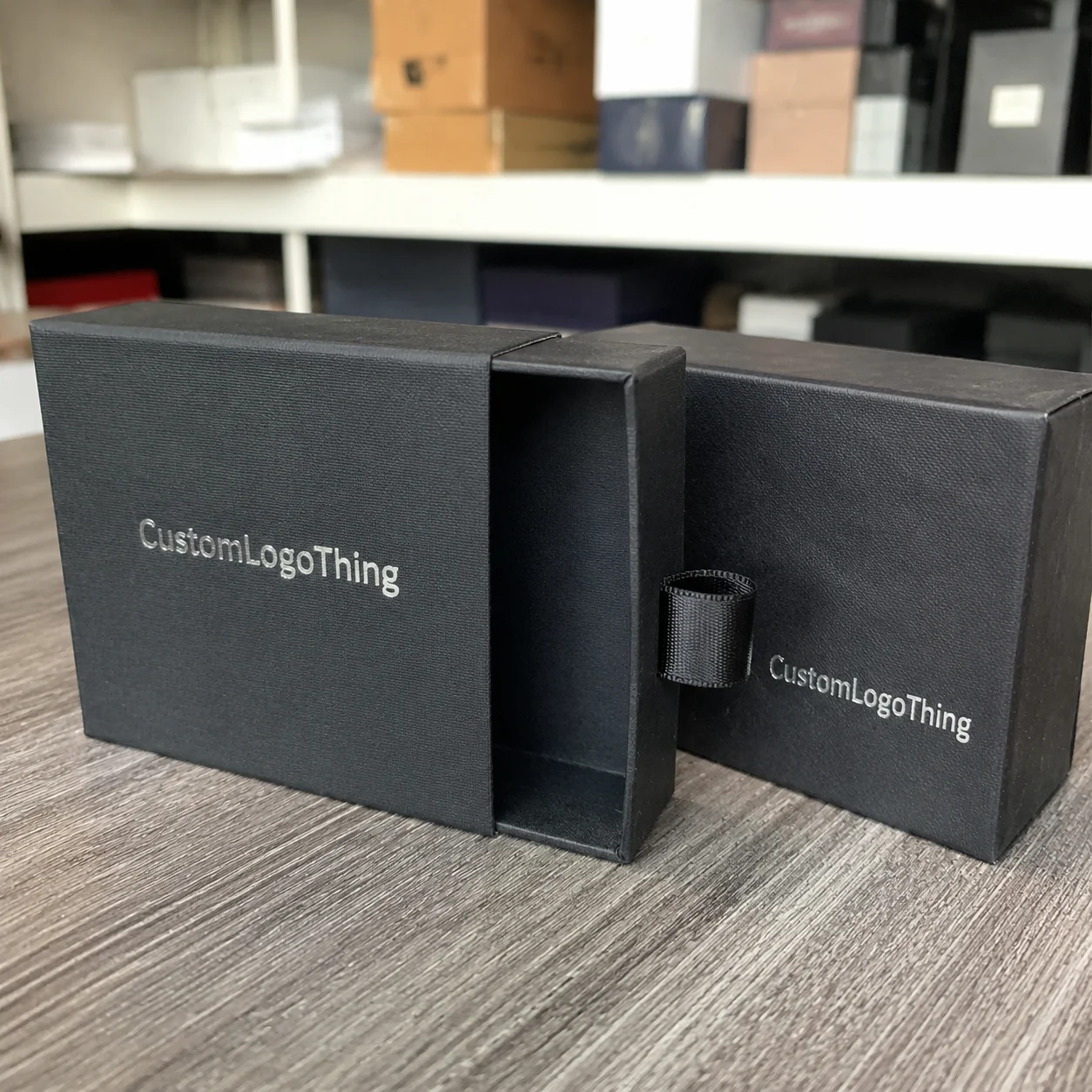
Buyer Fit Snapshot
| Best fit | Custom Food Packaging Boxes Bulk projects where brand print, material claims, artwork control, MOQ, and repeat-order consistency need to be specified before quoting. |
|---|---|
| Quote inputs | Share finished size, material target, print colors, finish, packing count, annual reorder estimate, ship-to region, and any compliance wording. |
| Proofing check | Approve dieline scale, logo placement, barcode or warning zones, color tolerance, closure strength, and carton packing before bulk production. |
| Main risk | Vague material claims, crowded artwork, missing packing details, or unclear freight terms can make a low unit price expensive after revisions. |
Fast answer: Custom Food Packaging Boxes Bulk: Costs, Specs, Ordering should be specified like a repeatable production item. The safest quote records material, print method, finish, artwork proof, packing count, and reorder notes in one written spec.
Production checks before approval
Compare the actual filled-product size with the drawing, then confirm tolerance on folds, seals, hang holes, label areas, and retail display edges. Reserve space for logos, QR codes, warning copy, and material claims before decorative graphics fill the panel.
Quote comparison points
Review material grade, print process, finish, sampling route, tooling charges, carton quantity, and freight assumptions side by side. A quote is only useful when the supplier can repeat the same color, closure quality, and packing count on the next order.
I’ve stood on factory floors in Dongguan while a press operator tossed out a full stack of Custom Food Packaging boxes bulk because the ink density was 8% off and the logo looked muddy under fluorescent lights. That kind of mistake burns cash fast. And yes, somebody always acts shocked afterward, like the box fairy is gonna absorb the loss. Buy custom food packaging boxes bulk the right way, and you stop paying for reprints, weak cartons, and freight headaches that show up with a smile and a receipt. On a 10,000-piece order, one bad run can waste $1,800 to $4,500 before freight even enters the chat.
Here’s the blunt version: custom food packaging boxes bulk usually cuts unit cost by 18% to 40% compared with short runs, because setup, tooling, and print prep get spread across more boxes. I watched a bakery client in Shenzhen drop from $0.62 a unit to $0.39 a unit by moving from 2,000 pieces to 12,000 pieces, with the same board and the same print coverage. Not magic. Just volume doing what volume does. On another run, a snack brand in Guangzhou saved $0.14 per box by moving from a 4-color short run to a 20,000-piece order on the same 350gsm C1S artboard.
Pretty boxes matter. So does margin. A box that protects product, ships flat, and keeps shelf presentation clean is worth more than a fancy mockup that falls apart in transit. Honestly, I think custom food packaging boxes bulk is a procurement decision first, a branding decision second. Smart buyers know that. Everyone else learns it after the second reorder, usually while grumbling at a spreadsheet they should have respected the first time. A $0.23 box that prevents one $6 product return beats a $0.17 box that folds in half on a delivery route in Chicago or Atlanta.
There’s another wrinkle people skip: storage. If you buy too little, you keep paying for rush replenishment. If you buy too much, you tie up cash and warehouse space. The sweet spot depends on your sales pace and how stable the packaging spec is. A run that works for a chain bakery with steady volume can be a headache for a seasonal dessert brand that changes flavors every quarter.
Why Custom Food Packaging Boxes Bulk Saves Money Fast
The biggest savings in custom food packaging boxes bulk come from spreading fixed costs across more units. Tooling, plate setup, dieline prep, and press calibration cost the same on day one whether you order 1,000 or 20,000. Raise the volume, and the unit cost drops. That’s the whole trick. No magic spreadsheet. No motivational speech. Just boring math doing useful things for once. In a Suzhou plant I visited, the make-ready fee was $180 whether the order was 1,500 pieces or 15,000 pieces, which is exactly why the per-unit number stops looking scary once the quantity climbs.
Material efficiency matters too. A Shenzhen converter I worked with quoted one snack brand at $0.44 per box for a 3,000-piece run, then $0.29 at 15,000 pieces using the same 350gsm SBS and a standard aqueous coating. The drop came from better sheet utilization, fewer press stops, and less waste trim. That’s the kind of savings you only get once you commit to custom food packaging boxes bulk instead of treating packaging like a one-off art assignment. When the press is running 30,000 sheets in one stretch, the waste rate can fall from 6% to 2.5%, and that difference shows up in the quote.
Printing efficiency is another quiet win. On larger runs, printers can lock in press settings and keep color stable across the whole batch. That reduces the odds of one pallet looking peachy and the next looking like it got printed through a fog machine. I’ve seen brands lose retail consistency because they bought piecemeal from three vendors. The logo shifted, the kraft tone changed, and the whole shelf looked like it had three different marketing teams fighting in a hallway. In one case, a tea brand in Foshan had three slightly different greens across 8,000 cartons because they split production across March, April, and June. The shelf looked confused.
Logistics savings matter too. When you buy custom food packaging boxes bulk, you usually get lower per-unit freight because cartons can be palletized efficiently and shipped flat. One coffee roaster I advised saved $740 on a single freight move by switching from mixed small cartons to full pallet stacks with tighter bundle counts. Not glamorous. Very profitable. A 20-foot container from Ningbo to Los Angeles can also move more efficiently when cartons are packed flat in standardized master cartons instead of loose bundles that leave dead space.
Here’s the business case in plain English:
- Better margins: lower unit cost leaves more room to protect profit without raising shelf price.
- Fewer reorders: bigger volume cuts the scramble for emergency replenishment.
- Consistent branding: one production run usually means steadier color and print quality.
- Less damage: stronger structures reduce crushed corners and greasy leaks.
- Cleaner planning: inventory is easier to forecast when packaging is ordered in real batches.
Weak packaging has a cost too. A flimsy takeaway box can collapse under steam, grease, or stacked delivery routes. Then you pay twice: once for the box, once for the refund. That’s why custom food packaging boxes bulk should be judged by product protection and margin, not just by how nice the mockup looks on a screen. A bakery in Vancouver once switched from 280gsm board to 350gsm C1S artboard after repeated lid crushes during morning delivery runs, and their complaint rate dropped within two weeks.
“Pretty boxes are fine. Boxes that survive freight, grease, and a Friday dinner rush are the ones that keep your accountant quiet.”
If you want to see where packaging fits into a broader product strategy, I usually tell buyers to review the full range of Custom Packaging Products before they lock in a format. For recurring orders, the Wholesale Programs page is the right place to start conversations about volume pricing and repeat production. If you’re buying out of Chicago, Dallas, or Toronto, that volume discussion matters even more because regional warehousing and replenishment cadence can add or save hundreds per shipment.
One more thing: the cheapest quote rarely wins once you count spoilage, damage, and rework. I’ve seen a “budget” box save three cents and cost ten times that in returns. That’s not savings. That’s just moving money around until it lands in the wrong column.
Custom Food Packaging Boxes Bulk: Product Types and Use Cases
There isn’t one best structure for custom food packaging boxes bulk. The right choice depends on what you sell, how it ships, and whether the box touches the food directly. A bakery box for cupcakes is not the same animal as a freezer-ready meal carton. If a supplier tells you otherwise, ask how many production runs they’ve handled. Then ask again. I have, and the silence afterward was very educational. A plant in Dongguan can usually turn a simple bakery carton faster than a multi-part meal kit box because one takes one die and the other takes three.
Here are the common formats I see buyers choose for custom food packaging boxes bulk:
- Folding cartons: good for cereal, candy, tea, snacks, and dry goods.
- Sleeve boxes: popular for branding wraps around trays, jars, or gift sets.
- Window boxes: useful when visual merchandising matters and product visibility helps sell the item.
- Corrugated mailers: better for e-commerce, subscription food, and shipping protection.
- Kraft takeaway boxes: common for deli, meal prep, and casual restaurant packaging.
- Freezer-safe food boxes: designed for cold-chain storage and moisture resistance.
- Rigid presentation boxes: used for premium gifts, confectionery, and specialty sets.
For bakery brands, I usually recommend custom food packaging boxes bulk with grease-resistant coating and a structure that holds shape after 20 to 30 minutes of handling. For frozen meals, you need board and coatings that tolerate condensation. For coffee and tea, shelf presentation matters more than impact resistance, so print detail and matte finishes often win. A pastry box that uses 300gsm board with a food-safe aqueous coating works well for short pickup windows in London, but the same construction can fail after a 40-minute delivery route in Houston heat.
One client selling snack bars wanted a rigid box because they loved the “luxury” feel. I pushed back. Hard. Their bars were shipping in case packs to grocery distribution, not sitting in a jewelry store. We switched them to a coated paperboard carton with a high-contrast CMYK design and a shelf-ready tray insert. Their packaging cost dropped by $0.51 per unit, and the product still looked premium in retail packaging. That’s the kind of decision custom food packaging boxes bulk should unlock. The final spec was a 350gsm C1S carton with spot UV on the logo, which looked sharp without making the warehouse cry.
Structural features are where good packaging design earns its keep. Buyers should care about grease resistance, stackability, tamper evidence, venting, and insert compatibility. If your fries steam up inside a closed box, you need vents. If your frozen pastry sweats, you need moisture barriers. If your box rides in a delivery bag under a soup cup, you need a stronger board spec. Fancy branding without structure is just expensive disappointment. I’ve seen a 250mm x 180mm takeaway box fail in under 12 minutes because the fold lines were too shallow and the coating couldn’t handle oil from fried chicken.
Finishes and print options matter, but they should support the product, not distract from it. Common choices for custom food packaging boxes bulk include CMYK print, spot color, matte, gloss, soft-touch, foil, and aqueous coating. Food-safe inks should be confirmed with the supplier, especially if the artwork sits near an opening or inside surface. I’ve had clients fall in love with foil, then realize the foil area would be hidden by a label. That’s $380 worth of ego, not marketing. If you’re producing in Guangzhou or Yiwu, ask for a physical side-by-side print drawdown before you approve metallic effects.
Stock-style packaging makes sense when speed and cost matter more than structural novelty. Fully custom structural design makes sense when you have a premium SKU, a fragile item, or a weird product shape that stock boxes simply won’t hold. The right answer depends on shelf life, shipping method, brand tier, and whether the package is primary packaging or secondary packaging. If the box is just a carrier, don’t overbuild it. If it protects the food directly, don’t underbuild it. A bakery chain in Melbourne once saved $0.08 per unit by moving from a rigid setup to a tuck-end carton because the product was already sealed in an inner tray.
After the second custom food packaging boxes bulk section, it helps to remember the physical side of the job. The mockup is nice. The production carton is the thing that pays the bills. The difference between the two can be a 2 mm flap adjustment and a lot of money.
Specifications That Matter for Food-Safe Packaging
If you’re ordering custom food packaging boxes bulk, the spec sheet matters more than the mood board. I’ve seen buyers approve artwork before confirming dimensions. That’s how you end up with loose inserts, crushed lids, or a carton that adds 12% more shipping volume than it should. Pretty expensive lesson. Easy to avoid. Also mildly infuriating, especially if you were the one on the hook for the rush fee. A 1 mm mistake on the lid depth can wreck a 5,000-piece run just as fast as a bad logo file.
The core specs you should confirm before placing a bulk order are simple:
- Dimensions: length, width, height, and internal clearance.
- Board caliper: the thickness and stiffness of the material.
- Print side: outside only, inside/outside, or partial inside print.
- Coating: aqueous, varnish, matte lamination, gloss lamination, or soft-touch.
- Food-contact status: direct or indirect contact, depending on use case.
- Closure style: tuck end, auto-lock bottom, sleeve, crash lock, or mailer.
For materials, SBS paperboard is a common choice for clean print and bright white graphics. Kraft board brings a natural look and usually works well for earthy, organic branding. Corrugated E-flute gives better crush resistance and works for shipping-focused product packaging. Coated paperboard sits in the middle, with decent print results and good versatility. Each option has a tradeoff, and anyone pretending otherwise is trying to sell you whatever is sitting in inventory. In practical terms, a 350gsm C1S artboard is often a sweet spot for retail bakery cartons because it gives a crisp finish without driving freight costs through the roof.
For custom food packaging boxes bulk used with oily or moist foods, grease barriers and moisture resistance are not optional. Cold foods create condensation. Fried foods leak. Saucy foods migrate. I’ve handled press checks where a glossy finish looked great in the sample room, then failed after ten minutes near a deli heat lamp. That’s why sample testing matters. Don’t trust a pretty sample alone. Test it under real conditions. I’d rather see a box get soggy in a controlled test than hear about it from a customer with a refund request and a very sharp tone. A 30-minute hot cabinet test in a kitchen in Sydney tells you far more than a perfect proof on a desk.
Compliance and safety standards should be part of the conversation from day one. Depending on the market and packaging use, you may need FDA-compliant materials, FSC-certified paper, recyclable structures, or documented grease-resistance performance. For broader packaging and sustainability references, the EPA recycling guidance and the FSC certification site are useful starting points. I’m not saying every food carton needs every certification. It depends on the use case. I am saying you should ask before production starts. If you’re shipping to California, Toronto, or the EU, ask for documentation up front instead of after the truck has already left.
Dielines are another place where buyers get burned. A 2 mm shift can make a lid feel sloppy or a window cutout misaligned. With custom food packaging boxes bulk, accurate measurements save money because they prevent waste, rework, and oversized freight. I always ask for product samples or at least a filled mockup before final art approval. It takes longer than guessing. It also prevents dumb, expensive mistakes. If the tray is 168 mm wide and the box is built for 170 mm with no clearance, you’ve already bought a problem.
Sustainability specs are worth discussing early, not after the quote lands. If you want recycled content, recyclable structures, or water-based coatings, say so before sampling. Some structures are easier to recycle than others. Some finishes look great but complicate recovery. I’ve had clients insist on soft-touch lamination, then ask for full curbside recyclability. That combination is not always friendly. Biology is not the issue. Materials are. A buyer in Portland once asked for 100% recycled content plus foil stamping plus a matte soft-touch finish on a freezer box; we fixed the spec list before the samples wasted another week.
Here’s the practical rule I use on the factory floor: if the product is new, fragile, or expensive to remake, request a sample board or prototype run before full production. That one step has saved more brands than any glossy sales pitch ever has. In practice, a prototype made in Dongguan or Shenzhen can reveal folding issues, coating cracks, and fit problems in 48 to 72 hours, which is a lot cheaper than discovering them after 20,000 units are printed.
Custom Food Packaging Boxes Bulk Pricing and MOQ
Pricing for custom food packaging boxes bulk is not random. It follows a pretty predictable pattern once you know what drives cost. Quantity is the biggest lever. Then size. Then print complexity. Then material. Then coating. Then shipping. If your quote looks confusing, somebody probably tucked one of those pieces into the fine print and hoped you wouldn’t notice until after you signed. I’ve seen that game played in factories from Dongguan to Xiamen, and it still looks silly every time.
Setup costs hit harder on small runs because the plant still has to build plates, confirm the dieline, calibrate the press, and run inspection. On larger custom food packaging boxes bulk orders, those fixed costs get diluted across more units. That’s why the per-box price falls. I’ve seen a simple folding carton move from $0.58 at 2,000 pieces to $0.21 at 25,000 pieces, same size, same print, same board, just a better quantity bracket. On a 5,000-piece order with 4-color printing and aqueous coating, a realistic target might be $0.15 to $0.28 per unit depending on box size and shipping zone.
MOQ depends on box style and supplier. Simple folding cartons usually allow lower test-run quantities than rigid boxes or structurally complex mailers. If you’re testing a new product, ask for both a sample-run MOQ and a true bulk price. That gives you a real picture of risk and savings. And no, “we can do anything” is not an MOQ answer. It’s a dodge dressed up as confidence. For a custom bakery carton in South China, an MOQ of 3,000 to 5,000 pieces is common; for a rigid gift box, 1,000 pieces may still be considered a small order.
Special finishes raise cost fast. Foil stamping, embossing, custom inserts, window cutouts, heavy board, and rush production can all push a quote up quickly. So can unusual sizes that waste sheet space. For custom food packaging boxes bulk, I often recommend buyers compare two or three sizes before locking the final dieline, because a 5 mm adjustment can change material yield enough to matter on a 10,000-piece run. A small shift in width can save 3 to 5 sheets per 1,000 cartons, which is not glamorous but absolutely shows up in the final invoice.
Hidden costs are where bad quotes hide. Ask about tooling, plates, proofing, palletizing, and freight. I once reviewed a quote for a dessert brand that looked 14% cheaper than the others. Then the supplier added plate fees, special carton lining, export crating, and inland delivery. Surprise. The “cheap” quote ended up 11% higher than the clean one. Cheap quotes are like cheap umbrellas. They fail exactly when you need them. If the supplier is based in Shenzhen or Guangzhou, ask whether the quote includes trucking to Yantian Port or Shenzhen Bao’an Airport, because those charges add up fast.
Use a comparison table when you review custom food packaging boxes bulk quotes. It keeps everyone honest.
| Option | Typical Cost Driver | Best For | Tradeoff |
|---|---|---|---|
| Folding carton, 4-color print | Low setup, efficient sheet use | Snacks, tea, dry goods | Less crush protection |
| Kraft takeaway box with coating | Grease barrier, die cutting | Meals, bakery, deli | Limited premium finish options |
| Corrugated mailer | Thicker board, more freight volume | Delivery, subscription food | Higher shipping cost |
| Rigid presentation box | Labor, assembly, specialty wrapping | Gift sets, premium retail packaging | Highest unit cost |
If you want to anchor your buying strategy, compare unit price, tooling, sample cost, and freight in one sheet. That’s how you evaluate custom food packaging boxes bulk properly. Not by staring at one line item like it’s a fortune cookie. A decent quote from a factory in Dongguan can still be a bad deal if it leaves out the 18% inland freight surcharge or the $75 proof charge.
A final pricing note: the cheapest material is not always the cheapest total cost. If a weaker box causes product damage, return claims, or ugly shelf presentation, you lose money three times. Better to buy the right box once than to buy the wrong box twice. On a 12,000-piece run, saving $0.03 per unit is pointless if the damage rate climbs from 0.8% to 4% and wipes out the savings.
MOQ is not just a factory number. It also affects your cash flow and your buying rhythm. If a supplier’s minimum is too high, you may overbuy and sit on inventory for months. If it’s too low, you may pay more per box and spend too much time reordering. The goal is a number that matches your sales cycle, not somebody else’s production schedule.
Ordering Process and Production Timeline for Bulk Orders
The ordering workflow for custom food packaging boxes bulk is usually straightforward if you give the supplier clean information. The standard path looks like this: inquiry, spec review, quote, dieline confirmation, artwork setup, proofing, sample approval, production, inspection, and shipment. Miss one step and the schedule slips. That’s just how factories work. They are not psychic, despite what some sales reps imply. If they were psychic, they’d also know where the missing pallet went. They never do. In practice, a typical order in Guangzhou or Dongguan will move much faster if the first email includes dimensions, board spec, finish, and quantity.
Simple printed cartons move faster than fully custom structural packaging with inserts or special coatings. A clean folding carton order can often move from proof approval to production in 12 to 15 business days. More complex boxes may need 18 to 30 business days, depending on tooling and finish. For custom food packaging boxes bulk, speed depends less on wishful thinking and more on whether the files are correct. If you need a rush run in 7 business days, expect a surcharge and a lot fewer finish options.
I remember a client in meal prep who kept changing the box height by 3 mm because the container supplier was “finalizing” their tray. That tiny change cost them nine days. One more revision and the run would have slipped into the next ship window. That’s why I always tell buyers: lock the product dimensions before you start packaging production. Packaging should fit the item, not the other way around. I’ve seen a 220 mm carton become a 226 mm carton by the third revision, and every single change meant another sample, another email, and another excuse.
Most delays come from the same few places:
- Late artwork files with missing bleed or low-resolution images
- Dimension changes after the dieline is already approved
- Unclear food-contact requirements or coating specs
- Approval bottlenecks from too many decision-makers
- Sample revisions that should have been resolved earlier
Sampling matters more than people think. A physical sample shows fit, strength, folding behavior, and print reality. I’ve seen a box pass digital review and fail when the closure tab curled under heat and humidity. A sample is cheaper than a full reprint, and a full reprint is always more expensive than the supplier promised. Always. That sentence should be tattooed on half the inboxes I’ve seen. A good sample should be checked under real conditions in a kitchen, a packing line, or a delivery bay in Mumbai, not just under office lighting.
Shipping and warehousing should be considered before production starts. Bulk orders usually ship flat, but pallet count, carton dimensions, and delivery access still matter. If your dock can’t take a full truck, say so. If you need cartons stored flat in a warehouse with 8-foot racking, say that too. I’ve had a freight booking stall because the buyer forgot to mention a narrow alley entrance. Logistics loves those little surprises. A standard pallet of flat food cartons from Shenzhen to Sydney can also require tighter bundling to meet sea freight cube limits, which affects the final count per pallet.
File prep is another easy place to save time. Send vector artwork, outlined fonts, and correct color references. Confirm whether the factory wants AI, PDF, or EPS files. If you’re using custom food packaging boxes bulk for multiple SKUs, keep a file naming system that includes size, flavor, and version number. Nobody wants to print “final_final2” on 18,000 cartons. It happens more than anyone wants to admit. Use a simple format like SKU-size-color-v3, and your production team will thank you with fewer mistakes.
A good supplier will check artwork placement, structural fit, and production tolerances before the press starts. If they don’t, ask why. Better to spend an extra day on proofing than ten days fixing a mistake after production. In my experience, the best plants in Dongguan, Shenzhen, and Foshan will spot alignment issues before you even ask. That’s the kind of boring competence buyers should want.
For clean execution, the buyer also Needs to Know who signs off on what. One person for artwork. One person for structure. One person for shipping. If five people are sending edits from different time zones, the timeline gets weird fast. And “weird” is usually code for late.
Why Choose Custom Logo Things for Bulk Food Packaging
Custom Logo Things should be thought of as a manufacturing partner, not a design-only shop. That matters because custom food packaging boxes bulk is not just about making a nice-looking carton. It’s about getting the right board, the right finish, the right fold, and the right landed cost without wasting time on preventable errors. If the packaging comes out of Dongguan and lands in New York at a sane price, the process worked. That’s the bar. Not “looks cool on a mockup.”
What buyers usually need is clarity. A quote that breaks down unit cost, tooling, and freight. Guidance on whether SBS, kraft, or corrugated makes the most sense. Help with dielines. A real person who can explain why one finish adds $0.06 and another adds $0.14. That’s the stuff that saves money. Pretty websites don’t reduce spoilage. Good manufacturing support does. If your order is 8,000 cartons for a bakery in Austin, you need someone who can tell you whether 300gsm or 350gsm makes more sense before you spend money sampling both.
I’ve worked with enough suppliers to know the difference between a vendor and a partner. Vendors send numbers and hope you figure out the rest. Partners ask what the food is, how it ships, how much grease it gives off, and whether the box will sit on a retail shelf or in a delivery bag. That level of detail changes the packaging recommendation. It also changes the final price in a way that makes sense. A real partner will ask whether the cartons are going to supermarkets in Sydney, quick-service restaurants in Texas, or gift sets in Singapore, because the answer changes the structure.
For custom food packaging boxes bulk, consistency is critical. A strong packaging team should help control print variation, confirm material availability, and coordinate sampling so the production run matches the approved proof. That’s especially useful if you sell seasonal items or multiple SKUs under one branded packaging system. One bad carton can damage the whole line. I’ve seen it happen. It’s annoying and expensive, which is the worst possible combination. A batch variation of even 5% in shade or coating can make a retail display look sloppy.
Another reason to work with a serious packaging partner is structural know-how. Some products need better closures. Some need stronger corners. Some need food-safe liners or insert trays. The right supplier should tell you when your idea is too expensive for the margin. Honestly, that honesty is rare. But it saves you from ordering the wrong thing because it looked good in a mockup. I once told a client in Auckland to drop the magnetic closure and move to a tuck-end structure, and they saved nearly $1.20 per unit before shipping.
And yes, responsiveness matters. If a supplier takes four days to answer a basic question about a dieline, imagine how they’ll behave when the press operator finds a problem at midnight. I prefer teams that answer quickly, show the spec sheet, and own the process. That’s how custom food packaging boxes bulk projects stay on schedule and on budget. A 24-hour response time is reasonable; a 72-hour silence is how schedules die.
One more thing: branded packaging only works if the brand and the box agree with each other. Your visual system, print finish, and box structure should all tell the same story. If you sell premium tea, a kraft mailer with sloppy print won’t do much for package branding. If you sell freezer meals, a soft-touch rigid box is probably overkill. Match the packaging to the product and the channel. That’s the job. A carton designed for boutique shelves in Melbourne should not be the same carton used for wholesale distribution in Chicago.
Next Steps to Order Custom Food Packaging Boxes Bulk
If you’re ready to order custom food packaging boxes bulk, gather the basics first. You need product dimensions, box style, estimated quantity, print colors, coating preference, and delivery zip code. If you can also tell the supplier whether the box is direct food contact or secondary packaging, even better. That one detail can change the material recommendation fast. A 5,000-piece order sent to Los Angeles should include the ship-to postal code, because freight from Shenzhen to the West Coast is not priced the same as freight to the Midwest.
I also recommend sending 2 to 3 reference images or competitor examples. Not to copy them. To align expectations. A factory can quote faster when they can see whether you want a clean retail carton, a rustic kraft look, or a premium finish with foil and matte lamination. Visual references reduce back-and-forth. Less back-and-forth means fewer delays. If your reference box came from a supermarket shelf in Toronto, say that. It helps the supplier understand the exact style you want.
Before you approve production, ask for a sample and a landed-cost estimate. Landed cost means the real total: box price, tooling, proofing, freight, and any packaging-related extras. I’ve seen buyers celebrate a low unit price, then get blindsided by shipping. That’s not cost control. That’s self-sabotage with a logo on it. A quote that shows $0.19 per box but hides a $280 freight fee is not a bargain, it’s a prank.
Here’s the sequence I suggest for custom food packaging boxes bulk:
- Measure the product accurately.
- Choose the box type and finish.
- Request quotes from at least two suppliers.
- Approve the dieline and artwork proof.
- Review a physical sample.
- Place the bulk order after confirming freight and delivery timing.
That process prevents rush fees, stockouts, and reprints. It also keeps your product packaging aligned with your sales plan. I’ve watched brands run out of cartons while product was still in stock. That is an avoidable mess, and it happens because nobody planned the packaging calendar with the inventory calendar. Don’t do that. A brand in Dallas once had 9,000 units of product sitting idle because the boxes were three weeks late from a factory in Guangdong.
If you want dependable bulk packaging support, start with a supplier that understands both retail presentation and shipping durability. That combination matters. Good custom food packaging boxes bulk planning means fewer headaches, better margins, and a box that does its job every single time. A well-run order can move from proof approval to delivery in about 15 to 25 business days, depending on finish, quantity, and route.
For the cleanest next step, send your specs, request a quote, and ask for a sample. Then let the numbers decide. That’s how smart buyers handle custom food packaging boxes bulk. If the quote is transparent, the sample fits, and the timeline is real, you’re probably dealing with the right plant in the right city.
FAQs
What is the minimum order for custom food packaging boxes bulk?
Minimum order quantities vary by box style, material, and print method. Simple folding cartons usually have lower MOQs than rigid or highly structured boxes. Ask for both a test-run MOQ and a true bulk price so you can compare risk and savings before committing to custom food packaging boxes bulk. For example, a folding carton supplier in Shenzhen may quote 3,000 pieces as the starting point, while a rigid box maker in Dongguan may want 1,000 pieces or more.
Are custom food packaging boxes bulk food-safe?
They can be, but food safety depends on the material, coating, and intended use. Secondary packaging may not need direct food-contact certification, while primary packaging usually does. Always confirm grease resistance, moisture protection, and compliance requirements before production when ordering custom food packaging boxes bulk. If the box touches baked goods directly, ask for documentation on the paperboard and coating before the first sample is approved.
How long does bulk production usually take for food packaging boxes?
Lead time depends on artwork approval, sample approval, and box complexity. Simple printed cartons are generally faster than custom structural designs with coatings or inserts. A clean file and quick approvals can save days or even weeks on custom food packaging boxes bulk orders. In many cases, production takes 12 to 15 business days from proof approval, while more complex builds can take 18 to 30 business days.
What affects the price of custom food packaging boxes bulk the most?
Quantity, material, print coverage, coatings, and special finishes are the biggest drivers. Rush orders, inserts, windows, and heavy board also increase cost. Ask for a quote that separates unit price, tooling, proofing, and freight so you can compare custom food packaging boxes bulk options properly. A 5,000-piece run in 350gsm C1S artboard with aqueous coating will usually cost less than the same box with foil, embossing, and a custom insert.
Can I order a sample before buying custom food packaging boxes bulk?
Yes, and you should if the product is new, fragile, or premium-priced. A sample helps verify fit, strength, print quality, and shelf presentation. Sampling is usually cheaper than fixing a full production mistake, especially with custom food packaging boxes bulk runs. A prototype from Dongguan or Shenzhen can expose fit issues before you commit to 10,000 or 20,000 units.