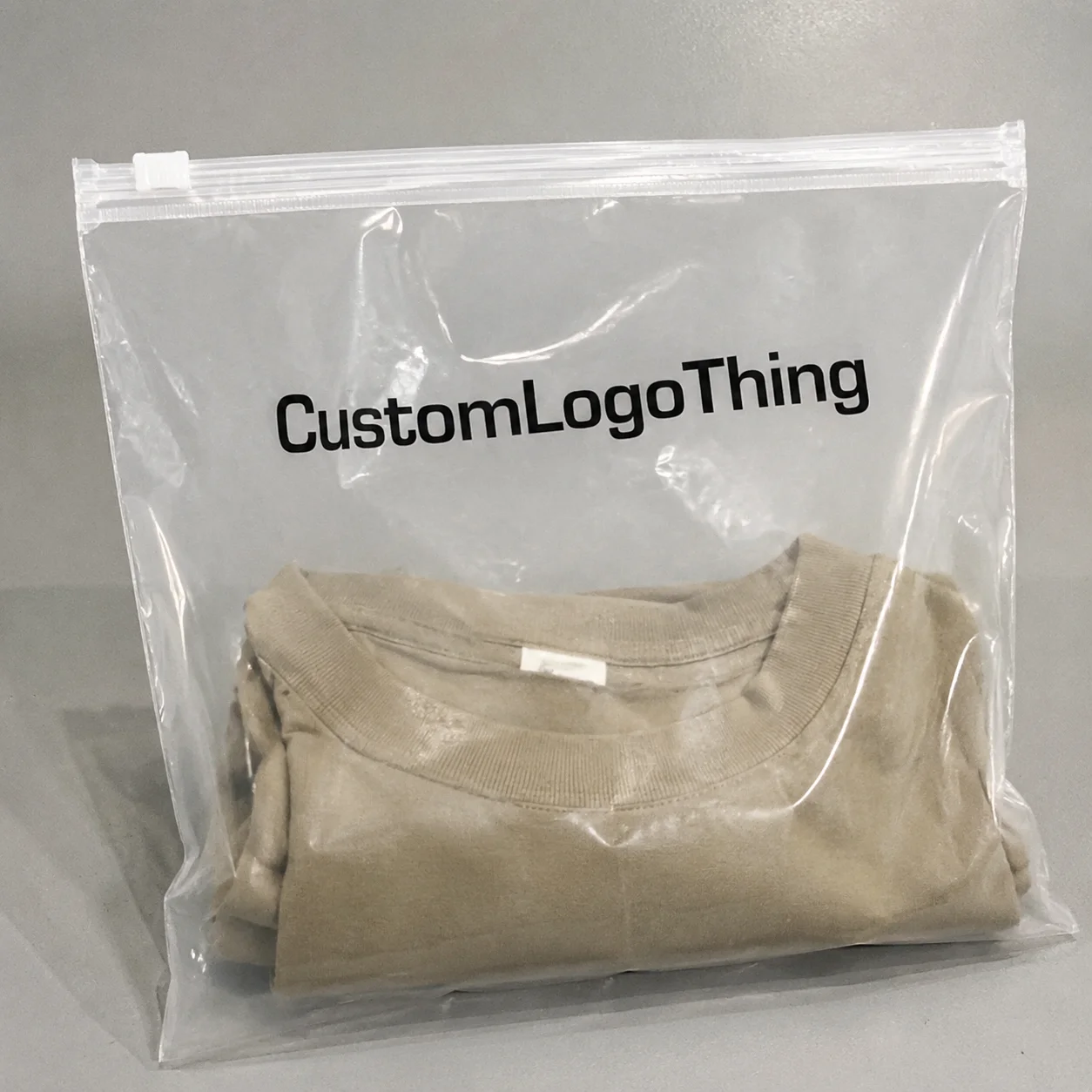
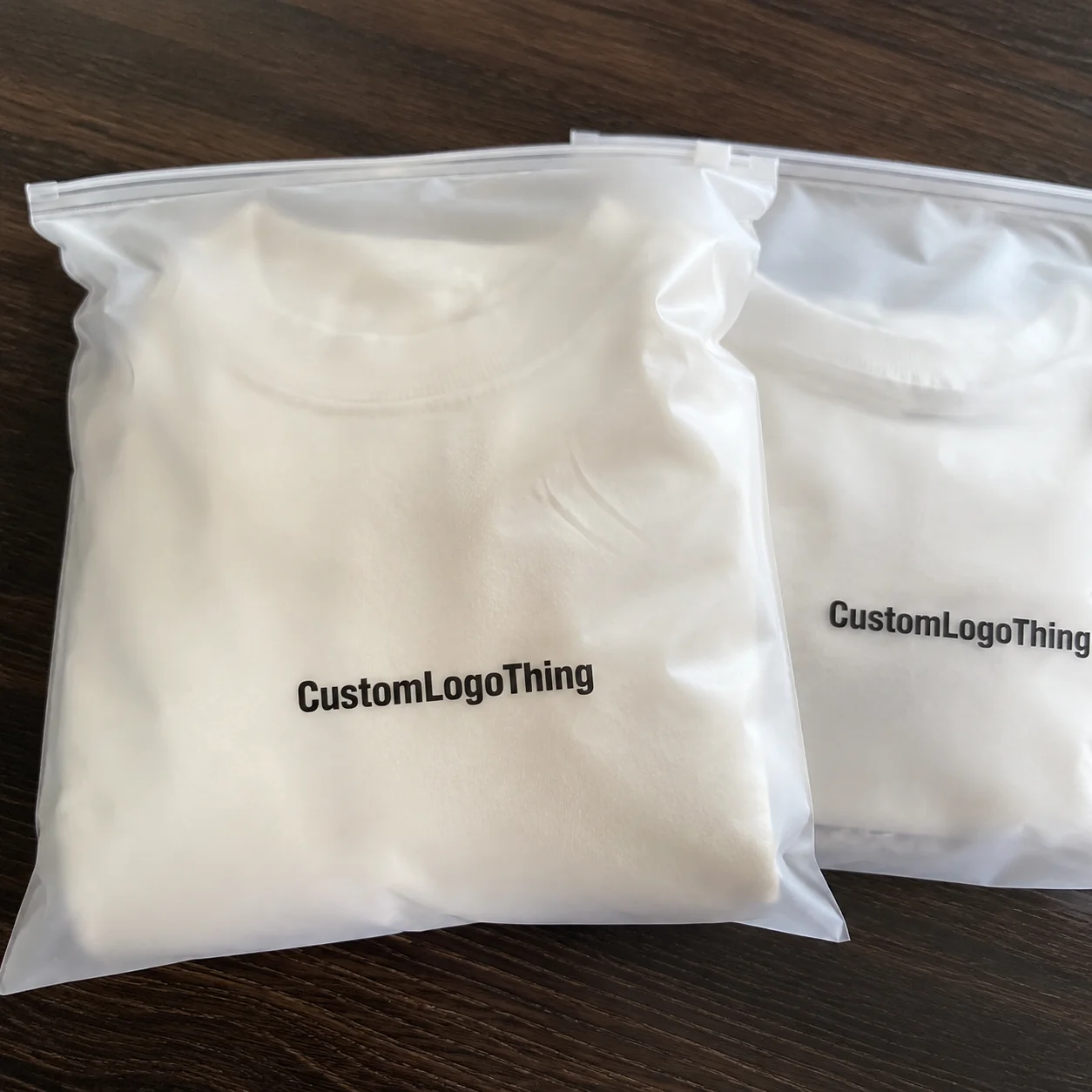
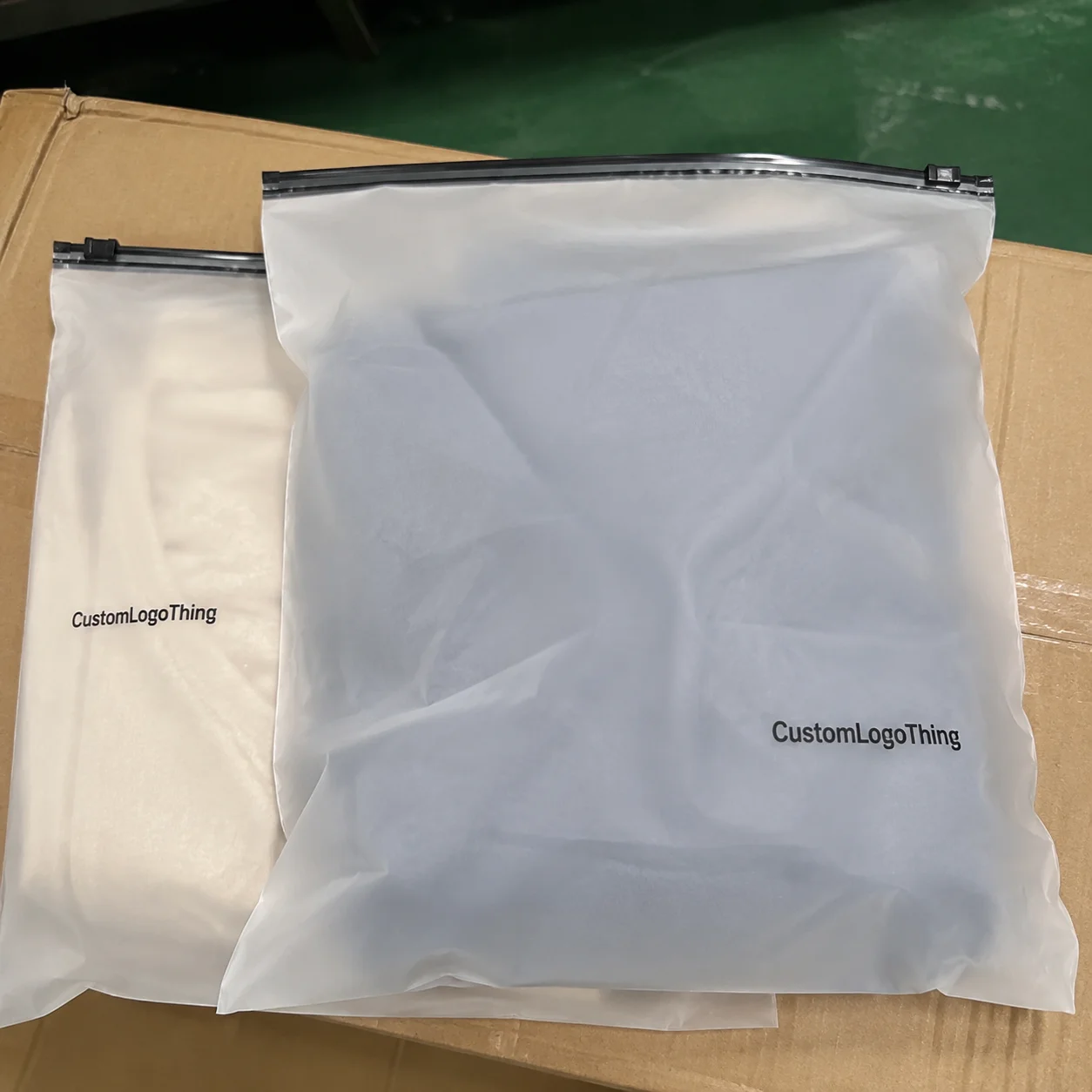
Buyer Fit Snapshot
| Best fit | Shipping Bags Pricing projects where brand print, material claims, artwork control, MOQ, and repeat-order consistency need to be specified before quoting. |
|---|---|
| Quote inputs | Share finished size, material target, print colors, finish, packing count, annual reorder estimate, ship-to region, and any compliance wording. |
| Proofing check | Approve dieline scale, logo placement, barcode or warning zones, color tolerance, closure strength, and carton packing before bulk production. |
| Main risk | Vague material claims, crowded artwork, missing packing details, or unclear freight terms can make a low unit price expensive after revisions. |
Fast answer: Shipping Bags Pricing: Artwork Proof, Packing Count, and Landed Cost should be specified like a repeatable production item. The safest quote records material, print method, finish, artwork proof, packing count, and reorder notes in one written spec.
Production checks before approval
Compare the actual filled-product size with the drawing, then confirm tolerance on folds, seals, hang holes, label areas, and retail display edges. Reserve space for logos, QR codes, warning copy, and material claims before decorative graphics fill the panel.
Quote comparison points
Review material grade, print process, finish, sampling route, tooling charges, carton quantity, and freight assumptions side by side. A quote is only useful when the supplier can repeat the same color, closure quality, and packing count on the next order.
I still remember the moment I realized one of my clients was hemorrhaging money on something so mundane it almost seemed ridiculous. We'd been working through her fulfillment operations for three weeks, optimizing warehouse layout, renegotiating carrier contracts, streamlining picking workflows. Then I noticed her stack of poly mailers in the corner and asked how much she was paying for them. Her answer—$0.22 per unit for standard 10x13 mailers she was buying in cases of 500 from a local packaging distributor—stopped me cold. She was paying nearly double market rate. That single line item was costing her over $3,000 annually, and she'd never once questioned it.
That conversation became the catalyst for this Shipping Bags Pricing guide. Most sellers treat shipping bag costs as an afterthought. They buy what they've always bought, from whoever they've always bought from, without realizing how dramatically pricing can vary—and how much those "minor" expenses compound across thousands of shipments.
Over the past eight years advising packaging buyers and operations managers, I've audited purchase orders for over 200 businesses. The pattern is remarkably consistent: shipping materials represent 8-15% of total fulfillment costs, yet they receive a fraction of the attention that goes into carrier negotiations or labor optimization. This guide will change that. By the time you finish reading, you'll understand exactly how shipping bag pricing works, what factors drive costs, and how to calculate whether you're getting a fair deal.
Why Your Shipping Bag Choice Might Be Costing You More Than You Think
The shipping bag sitting in your warehouse right now is probably 15-30% more expensive than it needs to be. I don't say that to be provocative. I've analyzed hundreds of invoices, and the markup between what sellers pay and what the market offers is consistently staggering.
The same 10x13 poly mailer that one seller pays $0.04 for costs another seller $0.35. That's nearly a 900% difference for an identical product. Sometimes that price gap reflects real value differences. But about 60% of the time, the buyer paying premium prices could get functionally equivalent mailers for a fraction of what they're spending.
Here's what this shipping bags pricing guide will cover:
- How pricing actually works across the supply chain, from resin costs to your loading dock
- The seven factors that determine your per-unit cost—and how to optimize each one
- The math behind calculating true landed costs, including factors most buyers ignore entirely
- Mistakes I see repeatedly that cost businesses thousands annually
- Actionable strategies for securing better pricing without sacrificing quality
If you're processing more than 500 shipments monthly, the insights in this guide could translate to thousands of dollars in annual savings. Even smaller operations should pay attention—margins in ecommerce are thin enough without accidentally throwing money away on shipping materials.
What Are Shipping Bags and Why Does Their Pricing Vary So Much?
Before diving into pricing structures, let's establish a shared vocabulary. Shipping bags—also called poly mailers, polymailers, or shipping envelopes—are lightweight plastic containers designed to protect goods during transit. Unlike corrugated boxes, they arrive flat, save warehouse space, and provide water resistance at a fraction of the cost.
The material science behind shipping bags is where pricing complexity begins. Most poly mailers are made from one of three polyethylene formulations:
- LDPE (Low-Density Polyethylene): The most common choice. Flexible, transparent-to-translucent, and affordable. Perfect for non-fragile items under 5 pounds.
- MDPE (Medium-Density Polyethylene): A middle ground offering better puncture resistance than LDPE while maintaining reasonable cost. Ideal for items requiring moderate protection.
- HDPE (High-Density Polyethylene): Stiffer, stronger, and more expensive. Used when maximum protection is required or when the bag must stand upright.
The formulation affects both package protection and price. A standard white 10x13 LDPE mailer at 2.0 mil thickness might cost $0.07 per unit at moderate volume. That same size in HDPE could run $0.14 or higher—doubling your material cost without changing the bag's dimensions.
Several shipping bag types serve different needs:
- Standard poly mailers: The workhorses of ecommerce shipping. Typically 2-3 mil thickness, tear-resistant, and water-resistant. Great for clothing, soft goods, and non-fragile hard goods.
- Bubble mailers: Combine an outer poly layer with interior bubble cushioning. Costs run 2-3x higher than standard mailers but significantly reduce damage rates for fragile items.
- Biodegradable options: Made from recycled content or plant-based materials. Often carry a 25-40% price premium but appeal to environmentally-conscious consumers and may align with EPA sustainability guidelines.
- Custom branded mailers: Feature printed logos, colors, or designs. Substantially more expensive per unit but serve as mobile advertising for your brand.
That same 10x13 poly mailer might come from a dozen different manufacturers using slightly different formulations, thicknesses, and quality control standards. The end result looks identical to the untrained eye but performs very differently in transit. Those invisible differences translate directly into your bottom line—one way or another.
How Shipping Bag Pricing Works: Understanding the Supply Chain
To understand shipping bag pricing, trace the product from resin pellet to your receiving dock. Each step in the supply chain adds cost—and crucially, offers opportunities for savings if you know where to look.
Raw Material Costs: Polyethylene resins are commodity-priced, fluctuating based on oil markets, supply-demand balance, and seasonal demand. In late 2021, resin prices spiked over 40% due to supply chain disruptions. By mid-2023, they'd retreated to near historical averages. This volatility means your January pricing might not reflect April realities—and savvy buyers adjust accordingly.
Manufacturing Variables: The actual production process involves extrusion, printing (if applicable), conversion (cutting to size), and packaging. Each step carries overhead that manufacturers pass along. A factory running at 85% capacity might offer better pricing than one pushing 100% utilization because they're spreading fixed costs across more units.
The pricing tiers become critical. Most manufacturers and distributors structure pricing like this:
| Order Quantity | Typical Price Per Unit | Savings vs. Single Unit |
|---|---|---|
| 100-500 units | $0.18 - $0.25 | Baseline |
| 500-1,000 units | $0.12 - $0.18 | 15-25% |
| 1,000-2,500 units | $0.08 - $0.14 | 30-40% |
| 2,500-5,000 units | $0.06 - $0.10 | 45-55% |
| 5,000-10,000 units | $0.05 - $0.08 | 55-65% |
| 10,000+ units | $0.03 - $0.06 | 65-80% |
These figures assume standard white poly mailers. Customization, specialty materials, or premium features push pricing up proportionally. Notice the trajectory: jumping from 500 units to 10,000 could cut your per-unit cost by two-thirds. That's not theoretical—it represents real savings on every order you place.
Where to Buy Matters Enormously:
Sellers waste money buying from the wrong source more often than I'd like to admit. Here are the options:
- Direct manufacturers: Best pricing for large orders (typically 10,000+ units). You skip distributor margins. Downside: minimum order quantities can be 5,000 or higher, and lead times run 3-6 weeks.
- Wholesale distributors: My recommendation for mid-size operations. 1,000-10,000 unit minimums are common, pricing is competitive, and lead times typically run 1-2 weeks.
- Retail packaging suppliers: Convenient but expensive. Ideal for emergency restocking or testing new products before committing to volume orders.
- Marketplace platforms: Alibaba, ThomasNet, and similar sites offer extreme price diversity. Quality varies wildly, and I've seen sellers receive mailers that were 40% thinner than the samples they ordered. Do your due diligence.
"The cheapest shipping bag is the one that arrives intact and protects your product. A $0.03 savings per bag means nothing if it results in one additional damage claim per hundred shipments."
Key Factors That Determine Your Shipping Bag Costs
Understanding supply chain pricing is foundational, but several specific factors will determine what you actually pay. I've broken these down to help you evaluate every purchase decision.
Material Grade and Thickness
Mil thickness directly correlates to both protection level and price. A mil is one-thousandth of an inch—so a 2 mil mailer is 0.002 inches thick. Here's how thickness translates:
- 1.5-2.0 mil: Budget option. Suitable for lightweight items (under 2 lbs), soft goods, or when transit conditions are predictable. Price range: $0.03-$0.07 per unit in volume.
- 2.0-2.5 mil: Standard ecommerce thickness. Handles most shipments adequately. Price range: $0.05-$0.10 per unit.
- 2.5-3.0 mil: Premium tier. Better tear and puncture resistance. Ideal for heavier items or packages that get multiple handling handoffs. Price range: $0.08-$0.15 per unit.
- 3.0-4.0 mil: Heavy-duty applications. Used for industrial parts, sharp-edged items, or shipments requiring maximum durability. Price range: $0.12-$0.25 per unit.
Every 0.5 mil increase typically adds 8-12% to material cost. For a $0.08 mailer, that's roughly $0.006-0.01 per unit. Across 10,000 shipments, you're looking at $60-100 in additional costs. The question you need to answer: does your typical product justify that upgrade?
Size Selection: The Hidden Cost Driver
Something most sellers don't consider until it's too late: you don't just pay for the bag itself. You pay for the space it takes up in transit. Carrier dimensional weight pricing means larger packages cost more to ship, regardless of actual weight.
Using a 14x18 mailer when a 10x13 would work means you're paying carrier surcharges on air instead of product. In worst-case scenarios, I've seen sellers who chose oversized bags pay $0.40-0.60 more per shipment in dimensional weight charges alone. That dwarfs any per-unit savings from buying oversized mailers.
My recommendation: map every SKU to a specific bag size. Yes, it's tedious work. But the savings compound fast. A client who reduced average mailer size by just two inches per dimension cut transit costs by 12%—while simultaneously reducing damage rates because items fit properly rather than being crammed into oversized bags.
Customization Impact
Custom Printed Mailers serve as mobile advertising. Every package becomes a brand touchpoint. Customization carries significant costs you need to understand before committing:
- Setup fees: Printing plates, cylinder engraves, or screen preparations. Typically $200-800 depending on complexity.
- Per-unit price premium: Custom printing adds $0.05-$0.15 per unit compared to blank equivalents.
- Minimum order quantities: Most printers want 5,000+ units for custom work to justify setup costs.
Here's the break-even math I use with clients: if you're shipping 500+ packages monthly and your brand impression value exceeds $0.03 per package, custom mailers probably make sense. At 2,000+ monthly shipments, customization typically pays for itself within 2-3 months through brand recognition and repeat customer value.
Shipping and Fulfillment Considerations
Your shipping bag costs don't end at the per-unit price. Consider these additional factors:
- Freight costs: For heavy poly mailers or large orders, shipping can add 15-30% to your landed cost. A $0.05 per unit price might become $0.065 after freight—worth considering when comparing suppliers.
- Storage requirements: Poly mailers ship flat, so they require less storage volume than boxes. However, climate control prevents degradation—heat and humidity can cause blocking (layers fusing together) or dimensional instability.
- Waste and damage: Factor in 1-3% for damaged or defective bags. Better to discover this during sampling than after a production run arrives.
Step-by-Step: Calculating Your True Shipping Bag Expenses
Most sellers calculate their shipping bag costs incorrectly. They take the invoice price, divide by quantity, and call it done. That's not calculating—it's counting. Let me show you how to actually analyze what you're paying.
The Complete Cost Framework
Your true shipping bag cost equals the sum of:
- Unit cost: Price per bag from supplier
- Freight: Shipping to your location divided by unit count
- Storage: Warehouse space value allocated to bag inventory
- Waste: Defective or damaged bags as percentage of total
- Damage conversion: Cost of product damage attributable to bag failure
That last item is the one most buyers ignore—but it can dwarf all others combined. If your current mailers result in one damaged shipment per 200 packages, and that shipment costs you $45 in product, shipping, and customer service time, you've incurred $0.225 in damage conversion costs per package. Paying $0.10 per bag suddenly doesn't look so cheap.
Practical Calculation Example
Let's work through a real scenario I encountered with a client selling handmade candles:
- Monthly shipments: 1,200
- Current bag cost: $0.14 per unit (bubble mailers)
- Product value: $35 average
- Damage rate: 2.5% (30 damaged shipments monthly)
Current calculation: $0.14 × 1,200 = $168 monthly
True cost including damage: $168 + (30 damaged × $45 replacement/shipping/service cost) = $1,518 monthly
That's $1.265 true cost per package, not $0.14. Yes, upgrading to higher-quality 3.0 mil bubble mailers at $0.22 per unit would add $96 to the monthly invoice. But if it reduced damage rate to 0.8% (10 damaged packages), true cost becomes:
$0.22 × 1,200 = $264 + (10 × $45) = $714 monthly
Net savings: $804 monthly by spending $96 more on bags. That's an 800% return on the price increase.
Per-Shipment Cost Breakdown
Here's a template you can apply to your own operation:
- Add up all bag purchases over the past 12 months
- Divide by total packages shipped (this is your unit cost including freight)
- Multiply by estimated damage rate
- Add product replacement value, shipping costs, and customer service hours
- Divide by total packages to get your true per-shipment bag cost
For tools to help with these calculations, I recommend the Packaging Machinery Institute's cost calculators or building a simple spreadsheet customized to your operation's specifics.
Common Pricing Mistakes When Buying Shipping Bags
In my consulting work, I've identified patterns—mistakes that repeat across businesses of all sizes. Learning from others' errors will save you time and money.
Mistake #1: Chasing the Lowest Unit Price
Price Per Unit is a vanity metric. True cost is what you pay to successfully fulfill an order. A $0.03 bag that tears and requires re-shipment costs more than a $0.08 bag that holds.
I worked with a seller who'd found "incredible" pricing through an Alibaba supplier: $0.035 per unit for 10,000 mailers. He was thrilled—until 8% of his shipments arrived damaged due to seam failures. After three months of complaints, refunds, and reshipments, he'd spent more fixing problems than he'd saved on the original purchase. His actual cost: $0.22 per successful shipment versus the $0.11 he thought he was paying.
Mistake #2: Ignoring Quality Variance
Two suppliers can offer identical specifications on paper but perform differently in practice. Seams might be weaker. Resin might be more brittle. Color might shift under UV exposure during transit.
My standard protocol: order samples from any new supplier (5-10 units), then conduct stress tests. Fill bags with product, drop from waist height onto concrete, shake vigorously, and check for failures. If a sample fails, imagine what 10,000 units might do at a fulfillment center being tossed by workers who don't share your attachment to careful handling.
Mistake #3: Overbuying Inventory Storage
Bulk purchasing drives unit costs down—that's solid logic. But it ignores the carrying cost of inventory. Every dollar tied up in shipping bag inventory is a dollar not available for operations, marketing, or growth.
At current interest rates, tying up $10,000 in inventory costs $400-700 annually in opportunity cost alone. Add warehouse space value (maybe $0.50-1.00 per square foot monthly), and you're looking at real money. Sometimes paying slightly higher per-unit prices to maintain smaller, more frequent orders makes better financial sense than maxing out your warehouse with "cheap" bags.
Mistake #4: Missing Seasonal Pricing Windows
Shipping bag demand follows predictable patterns. Q4 (October-December) sees massive spikes as ecommerce peaks for holiday shopping. Suppliers prioritize large retailers and fulfillment companies during this window, and prices often increase 10-20% or have longer lead times.
Strategic buyers front-load their purchasing in Q2 and Q3, locking in pricing and securing inventory before demand surges. This approach also provides buffer for quality testing—if a new supplier's samples fail in July, you have time to find alternatives before peak season.
Expert Tips for Reducing Your Shipping Bag Expenses
Now for the actionable insights—the strategies I've seen work for clients across a wide range of operations. These aren't theoretical concepts; they're tactics you can implement this week.
Build Strategic Supplier Relationships
Transaction-based purchasing (buy bags, move on, repeat) leaves money on the table. Strategic suppliers want long-term partnerships and offer better pricing to customers they can count on.
Approach suppliers with commitment: "I'm shipping 50,000 units monthly and looking for a 12-month supply agreement. What can you offer?" Often, you'll receive pricing 15-25% below list rates in exchange for volume commitments and payment reliability. Some suppliers offer additional discounts for annual agreements or Net-30 payment terms that simplify your accounting.
Implement a Hybrid Bag Strategy
Not every product requires the same level of protection. I've helped clients segment their product catalog by fragility and value, assigning different mailer grades to different categories.
Example: A clothing retailer might use 2.0 mil standard mailers for basic t-shirts (items under $40, non-fragile) but upgrade to 2.5 mil with extra padding for embroidered pieces. For a jewelry line selling items over $75, they'd use premium bubble mailers. The cost difference across the mix often saves 20-30% versus applying premium protection to everything.
Time Purchases to Material Cycles
Polyethylene resin prices track crude oil markets and follow seasonal patterns. January typically sees price reductions as holiday demand fades. July-August can be volatile due to hurricane season affecting Gulf Coast petrochemical facilities.
My recommendation: track resin pricing indices (ICIS, Platts publish these publicly) and build inventory when you see favorable trends. Purchasing 3-4 months of supply when resin costs dip can lock in savings that hold through subsequent price increases.
Establish a Quality Testing Protocol
Never buy a product you haven't tested. Before committing to volume orders, request samples from every potential supplier. Then test systematically:
- Physical inspection: Check seam strength, material consistency, print registration
- Stress testing: Fill with representative product, simulate transit conditions
- Small pilot: Send 50-100 units through your actual fulfillment process, track results
- Damage audit: Compare return rates and damage reports before and after switching
This protocol costs time but prevents the much larger expense of being stuck with 10,000 bags you can't use.
Your Shipping Bags Pricing Action Plan
Here's where most people kinda check out—they've read the guide, felt informed, and then... nothing changes. Don't let that be you. This plan is designed for immediate implementation. Four weeks from now, you should have a clearer picture of where your money's going and concrete steps to stop overpaying.
Week 1: Audit Current Costs
Pull your last six months of packaging purchases. Calculate:
- Actual cost per shipped package (include waste and damage estimates)
- Total annual spending on shipping bags
- Current average per-unit price
- Damage rate attributable to packaging failures
Document everything. This baseline becomes your measurement tool for improvement.
Week 2: Supplier Research
Request samples from 3-5 suppliers offering competitive pricing. I'd suggest:
- 1-2 established distributors you've worked with before
- 1-2 wholesale suppliers you haven't tried
- 1 marketplace option (for price benchmarking only)
Test their samples using the protocol above. Quality matters as much as price.
Week 3: Product-to-Bag Mapping
For every SKU in your catalog, determine the optimal bag size and protection level. Consider:
- Product dimensions and weight
- Monetary value
- Fragility classification
- Transit conditions (international vs. domestic, carrier handling reputation)
Document your sizing matrix. Use it when setting up fulfillment protocols.
Week 4: Calculate Break-Even Points
For customization or bulk purchasing, run the math:
- How many units until setup fees recover through per-unit savings?
- What's your cost of capital, and does inventory carrying cost exceed bulk discounts?
- At what damage rate does premium packaging pay for itself?
Make purchasing decisions based on analysis, not assumptions.
Quarterly: Pricing Review Triggers
Establish recurring checkpoints:
- Review supplier rates against market benchmarks
- Check resin price trends and adjust inventory strategy
- Audit damage rates for statistical changes
- Reassess whether your bag strategy still matches your product mix
Packaging optimization isn't a one-time project—it's an ongoing discipline.
Frequently Asked Questions About Shipping Bag Pricing
What is a realistic price range for poly mailers in bulk quantities?
Standard white poly mailers typically range from $0.04-$0.12 per unit at bulk quantities of 1,000 or more, depending on size and thickness. Bubble mailers generally cost $0.15-$0.40 per unit depending on bubble size and outer material. Custom printed mailers start around $0.25-$0.50 per unit, with setup fees often adding $200-500 for initial orders. The exact pricing depends heavily on your volume commitments, supplier relationships, and quality specifications.
How much can I save by switching shipping bag suppliers?
Price differences of 20-40% are common between suppliers for equivalent quality products. Moving from retail pricing (buying small quantities) to wholesale pricing (1,000+ units) typically yields 35-50% savings on the same bags. Long-term contracts with guaranteed volume commitments can reduce costs an additional 10-15% from wholesale baseline pricing. However, remember that the cheapest supplier isn't always the best—factor in quality, reliability, and service when comparing offers.
Does bag thickness significantly affect shipping bag pricing?
Yes, thickness is one of the biggest cost drivers. Going from 2.0 mil to 3.0 mil typically increases cost by 40-60% per unit. For most standard ecommerce shipments (clothing, soft goods, non-fragile items under 5 lbs), 2.0-2.5 mil provides adequate protection without overpaying. Reserve heavier thicknesses for items with sharp edges, heavy components, or high breakage risk. The extra investment makes sense when the alternative is frequent damage claims and re-shipments.
How do I know if I'm paying too much for shipping bags?
Compare your per-unit pricing against the volume tiers in the table above. If you're buying 2,500+ units monthly and paying more than $0.12 for standard poly mailers, you're probably overpaying. Also calculate your true cost including damage rates—a $0.05 bag with a 5% damage rate might actually cost more than a $0.10 bag with 0.5% damage. Get quotes from multiple suppliers, and don't assume your current distributor is offering competitive rates just because you've been ordering from them for years.
Should I buy directly from manufacturers or through distributors?
It depends on your volume and operational complexity. Direct manufacturer orders make sense when you're buying 10,000+ units of a single style and can commit to annual volume. You'll typically save 20-40% versus distributor pricing, but you'll need storage capacity and capital to support large upfront purchases. Distributors work better for most mid-size operations (1,000-10,000 units monthly) because they offer flexibility, faster turnaround, and the ability to mix styles without massive inventory commitments. The pricing difference is usually worth the convenience.
What's the biggest mistake sellers make with shipping bag pricing?
Focusing solely on unit price without calculating true landed cost. I've seen sellers celebrate saving $0.02 per bag while racking up $0.10+ per shipment in carrier dimensional weight charges from oversized bags. Or they buy the cheapest option available, then spend three times the savings on damage claims, refunds, and customer service. The right approach: calculate your actual cost per successful shipment, then optimize from that baseline. Your shipping bag shouldn't cost more than the product it protects—but it also shouldn't be so flimsy that protection becomes nonexistent.
Here's the thing nobody tells you: shipping bag pricing isn't a problem you solve once. It's a lever you adjust continuously. Markets shift, your product mix evolves, new suppliers enter the space. The businesses that consistently win on packaging costs are the ones that treat this as an ongoing discipline, not a one-time audit.
Start with Week 1. Don't try to overhaul everything at once. Get your baseline numbers, request those samples, and run the math on whether your current bags are actually serving you well. You'd be amazed how often a $0.05 per unit price difference—or a 1% reduction in damage rate—translates to meaningful savings at scale.
Your move.