Buyer Fit Snapshot
| Best fit | Custom Freight Cartons Wholesale projects where brand print, material claims, artwork control, MOQ, and repeat-order consistency need to be specified before quoting. |
|---|---|
| Quote inputs | Share finished size, material target, print colors, finish, packing count, annual reorder estimate, ship-to region, and any compliance wording. |
| Proofing check | Approve dieline scale, logo placement, barcode or warning zones, color tolerance, closure strength, and carton packing before bulk production. |
| Main risk | Vague material claims, crowded artwork, missing packing details, or unclear freight terms can make a low unit price expensive after revisions. |
Fast answer: Custom Freight Cartons Wholesale: Specs, Pricing & More should be specified like a repeatable production item. The safest quote records material, print method, finish, artwork proof, packing count, and reorder notes in one written spec.
Production checks before approval
Compare the actual filled-product size with the drawing, then confirm tolerance on folds, seals, hang holes, label areas, and retail display edges. Reserve space for logos, QR codes, warning copy, and material claims before decorative graphics fill the panel.
Quote comparison points
Review material grade, print process, finish, sampling route, tooling charges, carton quantity, and freight assumptions side by side. A quote is only useful when the supplier can repeat the same color, closure quality, and packing count on the next order.
Custom freight cartons wholesale is not a box-buying exercise; it is a damage-control decision that affects claims, labor, freight efficiency, and customer confidence all at once. A carton failure rarely shows up as a carton expense. The real bill usually arrives later, in rework hours, delayed shipments, replacement product, and the awkward call that follows a crushed pallet.
I have watched good product get written off because the outer carton was chosen by habit instead of by shipping reality. The carton looked fine on paper. It even looked fine on the dock for the first 20 minutes. Then vibration, compression, and a sloppy pallet pattern did their work. That is why experienced buyers treat custom freight cartons wholesale as part of the shipping system rather than a commodity line item.
The right spec can shrink cube waste, lock in better pallet patterns, and keep product from shifting enough to crush corners or split seams. The wrong spec can bleed margin shipment after shipment, and it does so quietly. Freight packaging also sits in a different category from retail packaging or decorative branded packaging. It still touches package branding in some programs, especially B2B replenishment and direct-to-retail supply chains, but the main job is harder and less glamorous: keep the product intact, keep the pallet stack predictable, and keep the dock moving.
Why Custom Freight Cartons Wholesale Reduces Damage Costs
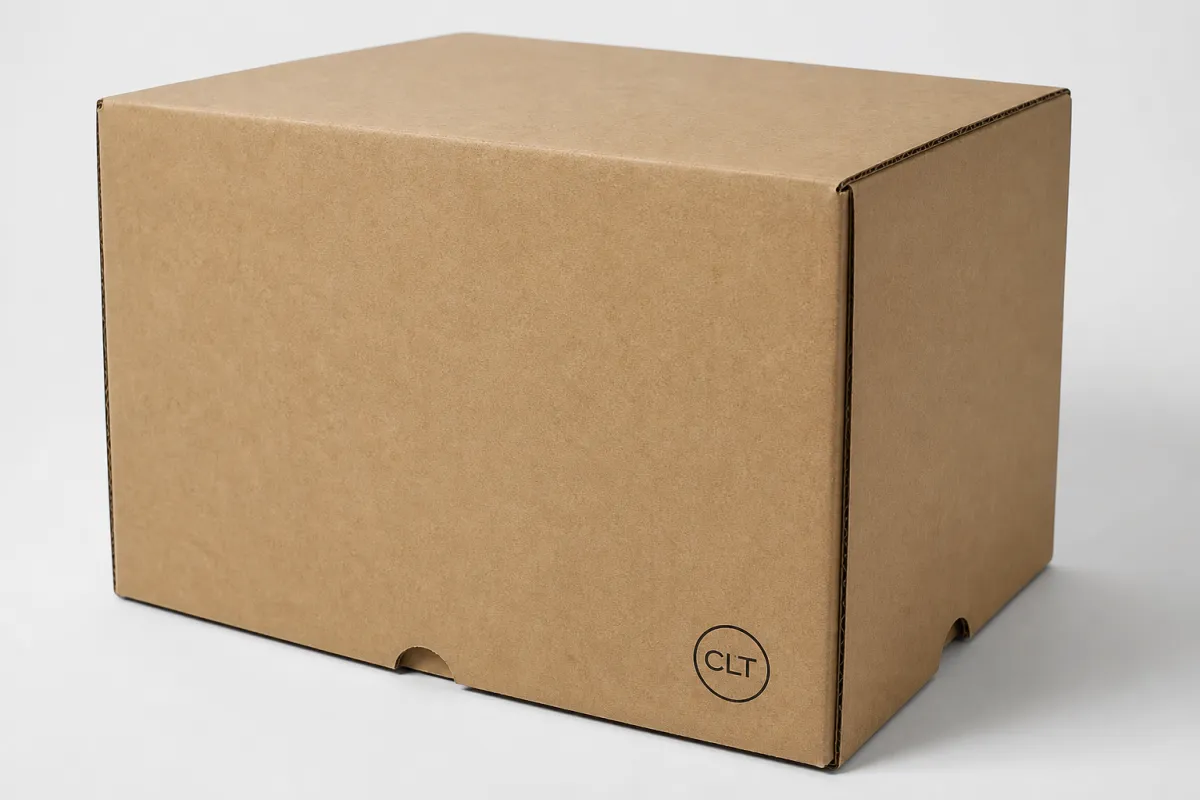
Custom freight cartons wholesale reduces damage costs because it addresses the three failure points behind most freight damage: poor fit, weak stacking, and inconsistent handling. A carton that is too large creates movement. A carton that is too small forces the product to fight against compression. Either way, the shipment starts working against itself before the truck rolls out.
On a pallet, one weak carton can trigger a chain reaction. A crushed corner can spread load into the next case. A shifted carton can push against an adjacent unit and warp the stack. A torn bottom seam can force a repack that burns labor and throws off the schedule for the next trailer. That is the practical reason custom freight cartons wholesale often returns more than its box price. It lowers claims, reduces void fill, and cuts the odds that a shipment needs to be rebuilt before delivery.
Cube matters too. Size the carton to the product instead of around it and pallet utilization improves quickly. Better cube means fewer pallets, less wasted air in the trailer, and a cleaner stack pattern that holds up under vibration. A buyer shipping 600 units a week may barely notice a ten percent cube improvement on a single load, but over a month that can mean fewer truck positions, lower damage exposure, and a real drop in freight cost per unit.
From a packaging buyer's point of view, the real question is not whether custom freight cartons wholesale is more engineered. The question is whether that engineering costs less than overpacking. Often, it does. A stronger board grade, a tighter footprint, and a more suitable corrugated style can cost less than oversized stock cartons plus extra dunnage, tape, and labor. If a standard carton needs double the void fill and still arrives dented, the "cheaper" option is already expensive.
"The least expensive carton is the one that ships cleanly, survives the lane, and never turns into a claim."
The business case gets sharper on longer freight lanes, repeated warehouse transfers, and mixed freight environments where cartons face compression from other shipments. Custom freight cartons wholesale helps because it gives the carton a job description. The carton is not trying to be everything at once. It is built for a specific weight, a specific pallet footprint, and a specific route profile.
Comparisons work best when they focus on total cost, not carton price alone. If a stronger carton adds twenty cents but avoids a five-dollar return, a thirty-dollar rush repack, or a missed delivery window, the math is not even close. That is the practical logic behind custom freight cartons wholesale.
- Fewer returns: less product damage means fewer replacement shipments.
- Less rework: packaging crews spend less time rebuilding failed pallets.
- Cleaner freight bills: optimized dimensions reduce wasted cube and dead air.
- Better receiving performance: customers get stable cartons that are easier to unload and count.
For teams comparing packaging options, a simple rule usually holds: if the carton will travel far, stack high, or sit in storage, custom freight cartons wholesale deserves attention before anyone accepts a standard size and hopes it holds up. That is not a flashy idea. It is just cheaper than learning the lesson the hard way.
Custom Freight Cartons Wholesale Product Details
Custom freight cartons wholesale covers a wide range of carton styles, and that range matters because not every product asks for the same structure. The common starting point is the regular slotted container, or RSC, because it is efficient to manufacture and easy to run through manual or semi-automated packing lines. From there, buyers often move into heavy-duty corrugated, multi-depth cartons, die-cut shippers, and pallet-ready cases with reinforced edges or hand holes.
Customization is where the value shows up. A supplier can adjust dimensions to match the product stack, choose flute profile, specify single-wall or double-wall construction, add print, and build in inserts or partitions. Custom freight cartons wholesale also supports details that tend to stay invisible until something fails: reinforced corners, tear-strip openings, glued tabs, and hand holes sized for actual lifting conditions rather than ideal drawings.
Product fit should drive the design. Industrial parts may need a tight, low-movement carton with dividers. Retail bundles often need a cleaner presentation because the freight carton will be opened and repacked downstream. Replenishment programs for retail packaging may need consistent outer dimensions so store backrooms can stack and count quickly. In those cases, custom freight cartons wholesale supports both logistics and presentation.
There is still a connection to package branding, even in freight. Buyers do not always want a decorative finish, but they may want clear product identification, handling marks, part numbers, destination codes, or a simple one-color logo that keeps the line organized. That is where branded packaging and Custom Printed Boxes overlap with freight performance. A carton can stay utilitarian and still support process control.
Different shipping models push the spec in different directions. Long-haul LTL usually rewards stronger board and better corner integrity because cartons see more handoffs. Export shipments may need moisture-resistant coatings or stronger edge crush values because the load sits longer in mixed conditions. Repeated warehouse transfers may call for a box that survives multiple touchpoints before it reaches the customer. With custom freight cartons wholesale, the use case should be clear before the first sample is made.
Buyers also need to decide whether the carton must work once or multiple times. Some distribution programs reuse outer containers across internal moves, which changes the design brief. If the carton is expected to be handled several times, printed surfaces, adhesive choices, and seam strength matter more than they would in a simple one-way shipper. That is one reason custom freight cartons wholesale cannot be specified from a catalog alone.
The best place to start is with the product, then work outward. Measure the item, define the pack count, determine how the carton will be lifted, and decide whether the box is serving pure transit protection or also supporting retail packaging, product packaging, or internal identification. Once those answers are clear, custom freight cartons wholesale becomes much easier to specify correctly.
Custom Freight Cartons Wholesale Specifications to Compare
Choosing custom freight cartons wholesale starts with the numbers that actually predict performance. Inside dimensions matter first, because outside dimensions can hide fit problems. Board grade comes next, because it tells you how much load the carton can tolerate before it buckles or crushes. Flute profile, edge crush test, burst strength, and compression resistance follow close behind. Those specs are not decoration; they are the carton’s operating limits.
Board strength deserves careful attention. A carton that looks stout can still fail under stacking pressure if the board is wrong for the load. For many freight programs, 32 ECT works for lighter loads, 44 ECT or double-wall construction is better for heavier stacks, and burst-rated board still appears in some supply chains where legacy specs never disappeared. Custom freight cartons wholesale should match the load and the route, not just chase the biggest number on a spec sheet.
Pallet fit is another major variable. A carton footprint that matches the pallet size reduces overhang, and overhang is a frequent cause of crushed corners. Standard 48 x 40 pallets, 40 x 48 pallets, and square pallet platforms behave differently once the truck starts vibrating. When a shipment needs to stack cleanly in multiple layers, custom freight cartons wholesale is often the easiest way to keep the footprint controlled.
Handling details matter too. Hand holes can improve lifting safety, but only if they are placed so they do not weaken the load path. Cartons used on automated or semi-automated packing lines may need dimensions held within tighter tolerances so the line does not jam. If a case includes inserts, partitions, or inner trays, those parts belong in the compression story because they change how force travels through the pack. That is why custom freight cartons wholesale needs more than a rough sketch.
Freight conditions should enter the spec conversation early. Moisture exposure, long dwell times, cold storage, and repeated terminal transfers all change performance. If the carton will sit in a humid cross-dock, light board can absorb enough moisture to lose strength before delivery. If the load will be stacked high, compression resistance matters more than print or finish. For transit testing, many buyers refer to standards from the ISTA community and general packaging guidance from Packaging.org when they compare options and ask better questions.
That does not mean every job needs laboratory-level complexity. It means the carton should be checked against the lane, the stack, and the product. A carton carrying metal parts, a 30-pound kit, or a mixed retail bundle should say so in the brief. FSC-certified fiber should be stated early if required. If the shipment will be dropped, shaken, or compressed in transit, the spec needs to reflect that reality. Custom freight cartons wholesale works best when the carton is built around actual conditions instead of assumptions.
| Option | Typical Construction | Best Fit | Typical Unit Price at Higher Volume | Notes |
|---|---|---|---|---|
| Standard RSC | Single-wall, 32 ECT or similar | Lighter freight, short lanes, lower stacking pressure | $0.75-$1.45 | Good starting point, but not always enough for heavy pallet loads |
| Heavy-Duty RSC | 44 ECT, 275# burst, or double-wall options | Heavier parts, long-haul LTL, layered pallet stacks | $1.10-$2.85 | Common sweet spot for custom freight cartons wholesale |
| Die-Cut / Pallet-Ready Shipper | Custom footprint, reinforced edges, inserts | Precision fit, high-value freight, repeat handling | $1.85-$4.25 | More tooling and design work, but better control over fit and protection |
Use a checklist instead of a guess. Start with product weight, then stack height, then pallet count, then route length. Add a moisture or export note if needed. Ask whether the carton must protect a finished item, an industrial component, or a mix of parts. That sequence helps buyers compare custom freight cartons wholesale options without paying for strength that never gets used.
Custom Freight Cartons Wholesale Pricing and MOQ
Custom freight cartons wholesale pricing is shaped by more variables than many buyers expect. Board grade changes price. Larger dimensions change price. Print coverage changes price. Tooling for die-cuts or partitions changes price. Even shipping destination can move the number if pallet freight has to travel farther or if the order needs special handling. That is why apples-to-apples quote comparisons are often harder than they look.
MOQ, or minimum order quantity, matters because setup costs spread differently across production runs. A supplier may quote a better unit price at 1,000 pieces than at 250 pieces simply because machine setup, die cost, and labor preparation are divided across more cartons. In custom freight cartons wholesale, volume usually lowers unit cost faster than buyers first expect, especially once the order crosses a production-friendly threshold.
For many programs, a practical range looks like this: smaller initial runs may land in the low hundreds, while repeat programs often move into the 1,000 to 5,000 piece range for stronger price efficiency. Unit cost might sit around $0.95-$2.75 for simpler heavy-duty cartons and climb higher for reinforced, printed, or die-cut structures. That range is not universal, but it is a realistic starting point for custom freight cartons wholesale conversations.
Quote variables should be read carefully. One supplier may include sample support while another charges separately. One may quote palletized delivery, another may quote dock pickup. One may offer a lower carton price but higher freight charges. The smart move is to compare total landed cost, not just the line item in the quote. That includes damage reduction, labor savings, and freight efficiency. A slightly higher carton price can still win if it reduces breakage or cuts the need for void fillers.
Here is a useful comparison approach for custom freight cartons wholesale:
- Low volume: setup charges matter more, so unit price is usually higher.
- Mid volume: price breaks often become meaningful and easier to justify internally.
- High volume: tool cost and setup get diluted, and per-unit savings can compound quickly.
- Repeat orders: consistent specifications can help stabilize cost and reduce re-approval time.
Ask for tiered pricing before you place the order. A quote at 500 pieces, 1,000 pieces, and 5,000 pieces tells you more than a single number ever will. It shows where the cost curve bends and whether a slightly larger run creates real savings. In custom freight cartons wholesale, that visibility can matter almost as much as the carton itself.
The cheapest quote is not always the best procurement result. If the carton fits poorly, compresses on the pallet, or arrives with inconsistent dimensions, the hidden cost can erase the savings fast. For finance teams, the most useful metric is not carton cost alone. It is cost per successful shipment. Custom freight cartons wholesale is a stronger investment when it improves that number instead of only lowering the invoice amount.
Custom Freight Cartons Wholesale Process and Timeline
Custom freight cartons wholesale usually follows a straightforward process, but the quality of the outcome depends on the quality of the input. The typical path starts with a requirements review, then moves to a structural recommendation, a quote, sample approval, production, and final shipment. If any one of those steps is vague, delays tend to show up later, where they are more expensive.
The fastest way to speed the process is to send complete information up front. Product dimensions should be inside measurements, not just approximate outer sizes. Weight should be stated per unit and per carton. Shipping method matters too, because an LTL lane behaves differently from parcel replenishment or export freight. Include stack height, pallet pattern, and destination region. In custom freight cartons wholesale, that data helps the supplier recommend a carton that is realistic rather than merely acceptable on paper.
Timelines usually break into three pieces: sample turnaround, production scheduling, and transit time. A sample often returns faster than the full production run, but actual lead time depends on structural complexity. Simple RSC cartons may move more quickly than multi-part or reinforced designs. Production often lands in the 12-18 business day range after proof approval for many standard custom runs, though that shifts with order size and press load. Transit time still has to be added after production.
Delay points are predictable. Unclear measurements create a second round of questions. Late artwork approvals push the job back. Changing quantity after the quote can affect machine scheduling and price. If the product changes after the carton design has been approved, the sample may need to be revised. That is why custom freight cartons wholesale benefits from a disciplined approval process before the run starts.
If the cartons support a launch or replenishment cycle, plan backward from the packing window. Start with the date when cartons must be in the building, not the date when the order is placed. That extra step helps prevent a familiar failure: packaging becoming the bottleneck in an otherwise ready supply chain. From a buyer's perspective, custom freight cartons wholesale should remove friction, not create it.
Useful input checklist for a quote:
- Inside carton dimensions and target pack count
- Product weight and any fragile or sharp edges
- Pallet size, stack height, and load pattern
- Shipping mode: parcel, LTL, truckload, or export
- Moisture, temperature, or storage concerns
- Artwork needs, part numbers, or handling marks
That kind of detail shortens the back-and-forth and lowers the chance of an expensive revision. It also helps the supplier recommend whether the job needs a basic carton, a heavier board, or a more specialized structure. In custom freight cartons wholesale, a clean brief often saves days.
Why Choose Us for Custom Freight Cartons Wholesale
We approach custom freight cartons wholesale as a packaging decision with freight consequences, not as a simple box sale. That distinction matters because buyers do not just need cartons; they need a structure that fits the product, survives the lane, and keeps the operation moving. If a carton solves the shipping problem but creates packing delays, it is only half a solution.
The value we try to bring is practical engineering support. That means helping buyers match board strength, size, and style to the actual route and load, instead of specing a carton by habit. It also means asking the questions that protect margin: How high will it stack? Will it be lifted by hand? Does it need print for identification? Does the pallet ever travel through humid storage? In custom freight cartons wholesale, those answers change the recommendation.
Procurement teams also care about consistency. A carton That Ships Well once but varies from run to run can create bigger problems than it solves. Reliable reorders, consistent dimensions, and stable quality control reduce the risk of surprise at the dock. That is especially true for programs that also touch product packaging, retail packaging, or custom printed boxes downstream. Custom freight cartons wholesale should support repeatability, not add another variable.
Responsiveness matters too. Clear quotes, practical spec sheets, and plain-language guidance help buyers compare options quickly. If a program needs a lower-cost version and a more protective version, that should be visible early so the tradeoff is easy to evaluate. The best decisions happen when the options sit side by side instead of hiding inside vague language. That is one reason customers working through our Wholesale Programs often start with a broad spec review before they commit.
For teams building a larger packaging system, our Custom Packaging Products range helps connect freight outer cartons to the rest of the pack-out. That can include inserts, retail-ready components, or branded packaging elements that keep the supply chain organized. Custom freight cartons wholesale works better when it fits into the broader packaging design instead of standing alone as a disconnected purchase.
Good freight packaging disappears when it works. The order arrives intact, the dock team moves it quickly, and nobody has to explain a failure.
Trust comes from the small things: sample support, honest lead times, and clear communication when a spec needs adjustment. A supplier should be able to explain why a heavier board is justified, or why a tighter footprint will lower damage claims. That kind of guidance is what buyers should expect from custom freight cartons wholesale, especially when the shipment is too valuable to treat casually. We would rather tell you a carton is overbuilt than ship something that looks nice and fails in transit. That’s just the truth.
Next Steps for Ordering Custom Freight Cartons Wholesale
If you are ready to request custom freight cartons wholesale, start by gathering the information that removes guesswork. Measure the product inside dimensions. Record the unit weight and the weight per full carton. Note how many cartons go on a pallet and what pallet size you use. Add the shipping mode, destination region, and any special handling needs. A supplier can work with partial data, but complete data makes the quote far more useful.
Photos help more than many buyers expect. A picture of the current pack-out, a damaged carton, or a pallet that already failed tells the story faster than a short email. If the current design is crushing corners or using too much void fill, the image gives the supplier a starting point. That is especially helpful in custom freight cartons wholesale because the issue is often structural, not cosmetic.
Ask for a sample or prototype before a full run whenever the carton carries heavy, fragile, or high-value freight. A sample can reveal fit issues, hand-hole placement problems, or compression concerns that a drawing will not show. If the design has to survive export, cold storage, or repeated handling, a sample is cheap insurance. In many cases, custom freight cartons wholesale becomes easier to approve once the buyer can test the real carton against the real product.
Request at least two spec options. One can be the lower-cost version, and the other can be the more protective version. That side-by-side comparison usually clarifies the tradeoff quickly. Often the higher-spec carton looks expensive until you factor in damage reduction, labor time, and freight efficiency. That is the point where custom freight cartons wholesale stops feeling like an expense and starts acting like a control on the supply chain.
The practical takeaway is simple: build the carton around the product, the pallet, and the lane, then price it against total shipment cost rather than unit cost alone. That approach usually exposes the real winner pretty quickly. If the design brief is solid, the rest gets a lot less messy.
What information do I need for custom freight cartons wholesale quotes?
Provide inside dimensions, product weight, pallet size, and shipping mode so the quote reflects the real freight conditions. Include quantity targets and likely reorder cadence, because MOQ and price breaks are tied to volume. If the shipment needs export handling, moisture resistance, or stack-heavy storage, say so early. That is the fastest way to get a meaningful custom freight cartons wholesale quote.
How do I choose the right board strength for wholesale freight cartons?
Match board strength to weight, stacking pressure, and travel distance instead of choosing the highest spec by default. Ask for edge crush test or burst strength guidance if the carton will sit on pallets or move through multiple facilities. If the lane includes humidity, cold storage, or long LTL transit, note that too. The best custom freight cartons wholesale choice is the one that fits the load, not the one with the biggest number.
What is a typical MOQ for custom freight cartons wholesale?
MOQ varies by size, construction, and print requirements, but heavier custom cartons often need a production-friendly volume. Higher quantities usually improve unit cost and make setup charges easier to absorb. Ask for tiered pricing so you can see whether a larger run creates real savings. That comparison is especially helpful in custom freight cartons wholesale because the price curve can change sharply with volume.
How long does the custom freight carton production process usually take?
Timeline depends on spec complexity, sample approval, and production schedule, so ask for separate sample and production lead times. Simple cartons can move faster than multi-part or highly reinforced designs. Build in transit time after production so the cartons arrive before your packing window opens. A clear schedule keeps custom freight cartons wholesale from becoming the bottleneck.
Can custom freight cartons wholesale reduce damage claims?
Yes, when the carton is sized correctly and built for the actual load, damage risk usually drops. Better fit reduces shifting, corner crush, and void-related impact during transit. The biggest gains usually come from matching the carton to the pallet pattern and shipping lane, not from adding excessive material. That is the practical value of custom freight cartons wholesale: lower claims, cleaner handling, and less waste across the shipment cycle.

