Buyer Fit Snapshot
| Best fit | Custom Gift Boxes for Brand Launches projects where brand print, material claims, artwork control, MOQ, and repeat-order consistency need to be specified before quoting. |
|---|---|
| Quote inputs | Share finished size, material target, print colors, finish, packing count, annual reorder estimate, ship-to region, and any compliance wording. |
| Proofing check | Approve dieline scale, logo placement, barcode or warning zones, color tolerance, closure strength, and carton packing before bulk production. |
| Main risk | Vague material claims, crowded artwork, missing packing details, or unclear freight terms can make a low unit price expensive after revisions. |
Fast answer: Custom Gift Boxes for Brand Launches: Strategy & Impact should be specified like a repeatable production item. The safest quote records material, print method, finish, artwork proof, packing count, and reorder notes in one written spec.
Production checks before approval
Compare the actual filled-product size with the drawing, then confirm tolerance on folds, seals, hang holes, label areas, and retail display edges. Reserve space for logos, QR codes, warning copy, and material claims before decorative graphics fill the panel.
Quote comparison points
Review material grade, print process, finish, sampling route, tooling charges, carton quantity, and freight assumptions side by side. A quote is only useful when the supplier can repeat the same color, closure quality, and packing count on the next order.
Custom Gift Boxes for Brand Launches: Strategy & Impact
Custom gift boxes for brand launches do more than hold a product. They frame the first physical encounter with a new brand, and that encounter happens quickly. A box is seen before ingredients are read, before features are compared, and before anyone decides whether the product feels worth talking about.
That timing matters. A strong launch package can raise perceived value, support press mailers, and make a new release easier to remember. A weak one can flatten the entire reveal. The product may still be good, but the introduction feels improvised.
Buyers comparing formats, finishes, and budgets usually get better results when they treat packaging as part of the launch system rather than as decoration at the end. For teams building a reveal kit or a mail program, useful starting points are Custom Packaging Products and a few relevant Case Studies that show how structure, print, and fulfillment work together in real launches.
The sections below look at the decisions that shape identity, cost, timing, and the unboxing experience. The goal is practical: choose Custom Printed Boxes that support the launch instead of quietly draining the budget.
Why custom gift boxes for brand launches change the first impression
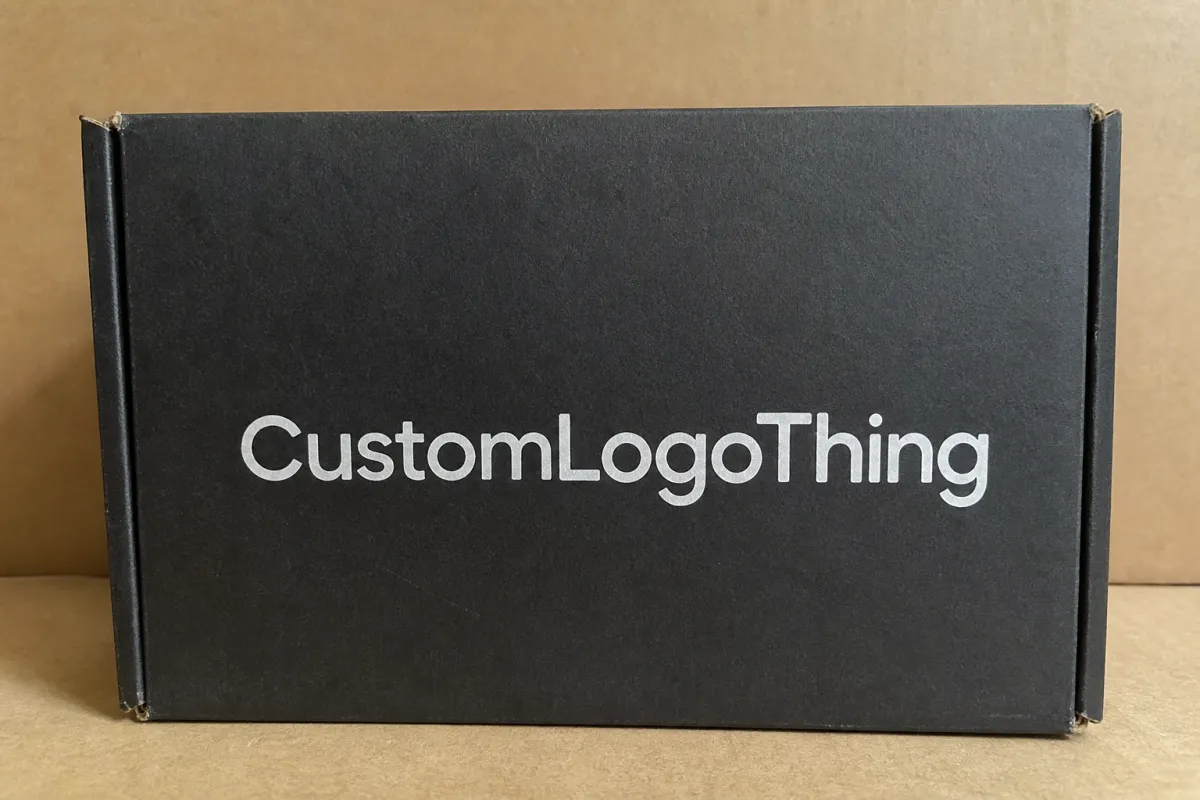
The first thing people see is rarely the product itself. It is the mailer on the desk. The shipping box at reception. The press kit opened under a camera light. That sequence gives packaging an unusual job: it has to speak before the product gets a turn.
Custom gift boxes for brand launches are built to introduce a new product, category, or company with intent. They are not generic gift boxes with a logo added as an afterthought. Structure, insert, print, and finish are chosen together so the box feels considered, protects the contents, and says something specific about the brand.
Packaging psychology explains part of the effect. Weight can suggest value. Texture changes expectation. A rigid lid that lifts with slight resistance feels different from a thin carton that flexes under pressure. Color matters too, although not in a simple one-color-equals-one-feeling way. A bold outer shell can catch attention fast, while a calmer interior can make the product feel more premium. The opening sequence is where package branding turns into memory.
"The box is often the first proof that a brand knows what it is doing. Before the product is touched, the launch has already started making its case."
Retail packaging and launch packaging are not built for the same purpose. Retail boxes usually need shelf visibility, repeatable packing, and logistics efficiency. Launch packaging often needs a moment. The structure may be more theatrical. The insert may be tighter. The message may be shorter and sharper. A launch box can hold a welcome card, a QR code, a product story, or a few supporting pieces, but every item has to earn its space.
The real question is usually not, "How luxurious can this be?" It is, "What signal does the brand need to send?" A young brand trying to appear polished may only need a clean folding carton, strong artwork, and a well-fitted insert. A premium brand entering a crowded category may need a rigid box, soft-touch lamination, and a reveal that holds attention for 15 or 20 seconds on video. Both approaches can work. They solve different problems.
That is why custom gift boxes for brand launches should be treated as a branding tool, not just a container. The box is carrying the introduction, the protection, and the story at the same time. If one of those jobs slips, the launch feels smaller than it should.
Process and timeline: how custom gift boxes for brand launches move from brief to delivery
Packaging projects usually go sideways when the team starts with artwork instead of structure. A better sequence begins with the launch brief. The box has to fit the campaign, the product, and the shipping path before anyone starts choosing foil or embossing.
The work usually starts with a creative and technical brief. That brief should list product dimensions, product weight, fragility, quantity, audience, and delivery method. A press send box may need to survive parcel shipping and still look camera-ready after transit. A retail gift box may need a cleaner shelf presentation and less movement inside. Those are not the same job, even if the branding is identical.
Once the brief is clear, the structural decision follows. Box style, insert structure, print method, finish level, and quantity should be settled early because they influence the schedule more than many teams expect. A small artwork tweak can move fast. A new dieline, a custom foam insert, or a magnetic closure usually adds sampling and approval time. If a supplier says the box can be rushed without any tradeoff, ask what gets removed from the process. Usually something does.
- Brief and dimensions: confirm the product size, accessory count, weight, and shipping method first.
- Structure selection: decide between mailer, folding carton, rigid box, sleeve system, or a hybrid construction.
- Sample and revision: check fit, closure strength, print accuracy, and any problem spots in the insert.
- Production: approve artwork, lock the spec, and move into manufacturing.
- Receiving and packing: allow time for count checks, assembly, and any kitting work.
- Freight coordination: align delivery with PR kits, launch events, or retail ship dates.
Timing depends on complexity and the number of approvals. A well-defined mailer box with standard print can often move from approved spec to production in about 10 to 15 business days after final approval, depending on supplier capacity and whether the artwork is already press-ready. A rigid presentation box with specialty wrap, insert tooling, and custom finishing often needs 4 to 6 weeks after sample approval, and sometimes longer if the launch team keeps revising the contents or the copy.
The slowest point is often not the press run. It is the decision-making. Late logo changes, incomplete measurements, and indecision about inserts create delays that look minor at first and painful later. Another common hold-up appears when the final contents are still shifting. If a card, sample vial, accessory, or printed insert changes after the dieline is approved, the layout can unravel quickly. That is especially true when the box has tight tolerances or a multi-compartment insert.
Launch calendars make the pressure worse. Boxes that have to land before a press drop, retailer review, or event cutoff need buffer time. If the product also needs photography or influencer seeding, packaging approval should close even earlier. A box cannot be an afterthought when the campaign depends on it to create the first wave of response.
A useful rule is simple: the earlier the box needs to support content creation, the earlier structure and sample approval need to happen. Photography days, sample mailers, and press outreach compress timelines faster than internal presentations ever do.
Key factors that shape the look, feel, and performance
Good launch packaging looks polished because several practical choices point in the same direction. The structure fits the product. The material supports the visual concept. The insert protects the item without making packing miserable. The result feels deliberate, not improvised.
Structure is the first major decision. Rigid boxes create a premium presentation and keep their shape well in transit. Folding cartons are lighter and usually better for lower-cost programs or inner product packaging. Mailer-style boxes fit direct-to-consumer shipping because they combine branding, protection, and packing speed. Sleeve systems work well when the product already has a strong form factor and the outer pack needs to frame it rather than hide it. For many teams, the right answer is the box that protects the item and still makes sense when printed in bulk.
Materials and finishes shape the first tactile impression. A 16 pt or 18 pt board can be enough for a printed mailer, while a rigid setup box may use wrapped board or chipboard with specialty paper. Soft-touch coating changes how the surface feels in hand. Foil sharpens key details when used sparingly. Embossing and debossing add depth. Magnetic closures signal care, but they should fit the brand rather than appear for their own sake. A closure style that does not match the product can feel dramatic in the wrong way.
There is also a technical side that buyers sometimes miss. Print method affects consistency, turnaround, and cost. Digital printing is often useful for shorter runs and faster iterations, while offset printing may be the better fit for larger quantities and tighter color control. Pantone references, coated versus uncoated paper, and proofing method all change how the final box reads under real light. A color that looks rich on screen can shift after coating or lamination. That is not a failure of the printer; it is the physics of the substrate.
Inserts deserve more attention than they usually get. A well-designed insert protects and presents at the same time. It keeps the product centered, reduces shifting, and makes the opening sequence feel organized. A poor insert does the opposite. The item rattles, sits too low, or appears at an awkward angle. Even a beautiful box can feel messy if the insert lets the product wander. In a launch kit, that is more than a nuisance. It can change how the brand is perceived on camera and in the hand.
Unboxing experience is really a chain of small decisions: what the customer sees first, what they touch second, and what message lands last. Outer graphics should establish the mood. Interior printing can reinforce the story. Tissue or wrap can slow the reveal. A card can explain the launch in a few lines. Product placement should make the hero item unmistakable. The best openings feel edited rather than crowded.
Sustainability belongs in the conversation, but it needs precision. Recycled content helps, yet it does not automatically make a box better if the material crushes easily or ships badly. Recyclability matters only when the material choices and coatings actually fit local recycling streams. FSC-certified paper and board are a useful reference point when sourcing responsibly; the standard is explained by the Forest Stewardship Council at fsc.org. The claim should match the construction, not just the copy.
Transit performance matters just as much. If the product shifts, chips, or arrives with damaged corners, the launch box has failed its basic job. Packaging teams sometimes focus so heavily on the reveal that they forget the route to the recipient. That is a mistake. A box that looks premium on a table but arrives dented is still damaged packaging.
When parcel shipping is part of the plan, transport testing should happen early. The International Safe Transit Association publishes widely used transit test methods that many packaging teams use when checking shipping durability. The standards are outlined at ista.org. A launch box does not need to become a laboratory project, but it should be tested against the handling conditions it will actually see.
One more practical issue matters for regulated products. Cosmetics, supplements, food, and some electronics may have labeling or material requirements that sit outside packaging design itself. A beautiful box does not replace compliance checks. If the product category has rules, verify them before artwork is locked.
The strongest custom printed boxes are the ones where brand identity and product packaging point in the same direction. The result looks intentional because it is intentional.
Cost, pricing, and MOQ: what drives the quote
Pricing for launch packaging is usually less mysterious than it first appears. Once the structure, finish, and quantity are known, the quote starts to make sense. The hard part is that several variables move together, so buyers often compare packages that are not truly equivalent.
The biggest price drivers are box construction, size, print coverage, finishing, insert complexity, and order quantity. A small rigid box with specialty wrap will cost far more than a simple printed carton because the materials, labor, and setup are different. A full-wrap printed interior with custom inserts will also cost more than a plain interior with a single card pocket. Freight, assembly, and storage can change the final bill in ways that are easy to miss if the quote is read too quickly.
MOQ matters because setup costs are spread across the run. A thousand boxes can absorb tooling, plate prep, and production setup much more efficiently than a few hundred. That is why small launch runs often feel expensive per unit. The unit price usually drops as quantity rises, although the pattern is not always linear and depends on the supplier's production method.
| Box style | Typical use | Common unit range | Budget notes |
|---|---|---|---|
| Folding carton | Lightweight product launch, inner packaging, simple retail programs | $0.65-$1.20 at 2,500+ units | Best for keeping costs down when the product already has strong shelf appeal |
| Printed mailer box | Direct-to-consumer sends, influencer kits, small launch shipments | $1.10-$2.40 at 1,000+ units | Good balance of branding, protection, and shipping efficiency |
| Rigid presentation box | Premium launch reveals, press kits, VIP gifting | $4.50-$9.00 at 1,000+ units | Higher perceived value, but sample and labor costs rise quickly |
| Magnetic closure rigid box | High-end launch moments, luxury or high-ticket products | $8.00-$16.00 at 500+ units | Strong presentation, but not the right answer for every campaign |
These ranges are directional, not universal. Print coverage, paper stock, insert design, coating, and freight can move the final number fast. A box with minimal print and standard inserts may stay near the lower end. A box with foil, embossing, specialty wrap, and a custom cavity insert climbs much faster. Buyers comparing quotes should confirm that the specs are identical before deciding which option is cheaper. Otherwise, the lowest price can hide the thinnest board or the smallest insert allowance.
Hidden budget items can matter just as much as the headline price. Prototyping adds cost, especially if more than one sample round is needed. Plate or tooling fees may apply to certain print methods or structural elements. Freight can become significant for bulky rigid boxes. Storage matters if the boxes arrive early and sit in inventory. Assembly labor can become a real line item when the pack-out is complex or the launch includes multiple SKUs.
A useful quote review asks three questions: What is included? What is optional? What affects lead time and reorders? If a supplier's quote does not separate the base box from the insert, the finishing, and the pack-out cost, the team may end up comparing incomplete numbers. That is how budgets slip without anyone noticing.
Budget for overages and QA units too. A few extra unbranded samples help with internal testing, photography, and last-minute content checks. Replacement samples are often worth the cost because launch campaigns rarely survive a perfect first draft.
For brands balancing retail packaging with gifting, the key is to match the spend to the role the box plays. A box expected to drive social reach, media visibility, or premium perception deserves more investment than a shipper that only needs to protect the item. The quote should follow the function.
Step-by-step guide to planning custom gift boxes for a launch
A launch packaging project becomes much easier once the team treats it like a sequence rather than a pure design exercise. The steps below reduce expensive backtracking and keep custom gift boxes for brand launches aligned with the campaign.
-
Define the launch goal.
Decide whether the box supports press outreach, retail gifting, influencer seeding, internal reveal, or direct-to-consumer sales. Each path needs a different level of drama, protection, and budget. A box built for social content does not need the same structure as a box built for warehouse shipping.
-
Document the product clearly.
Record exact dimensions, weight, accessory count, and fragility. If the item includes multiple parts, note how they should sit inside the package. Precision here prevents the insert from being rebuilt later and helps the supplier quote the right board thickness from the start.
-
Select the right format.
Mailer, folding carton, rigid box, sleeve, or hybrid construction should be chosen based on the channel and the reveal. If shipping cost is the main constraint, a mailer may be the better choice. If the unboxing sequence is the experience, a rigid presentation box may justify the spend. The format should fit the route as well as the moment.
-
Build the creative system.
Choose the colors, copy tone, print finish, and interior message so the box reflects the launch story. This is where package branding and brand identity need to match. A clean, restrained visual system often holds up better than a crowded one, especially when the product is the hero.
-
Approve samples and test the fit.
Do not stop at artwork approval. Check the physical sample with the actual product. Confirm that the insert holds the item securely, the lid closes correctly, and the opening sequence feels right. If the box will be packed at scale, test how long one unit takes to assemble and close. A box that takes twice as long to pack may be too expensive even if the unit price looks reasonable.
-
Schedule production and shipping backward from the launch date.
Set the deadline from the recipient outward. If the campaign depends on photography, influencer delivery, or event handoff, work backward through production, transit, receiving, and packing. A box arriving late cannot compensate for good design.
That sequence sounds simple, but it prevents one of the most common launch mistakes: designing the exterior before the interior is settled. If the contents are still changing, the box is not ready for artwork lock. It is still in concept mode.
It also helps to bring fulfillment into the conversation early. If a box is elegant but awkward to pack, the labor cost can erase the design win. If the interior layout takes too long to assemble, the launch team may miss the shipping window even though the boxes are technically on hand.
One practical way to keep the project moving is to freeze decisions in the same order they affect the build: product contents first, structure second, print third, finish fourth. That order is not glamorous, but it prevents endless rework.
Common mistakes that weaken brand-launch packaging
The costliest mistakes in launch packaging are not always the obvious ones. Many come from small disconnects between what the box is supposed to do and what the team actually approved.
Designing only the exterior is a classic problem. A strong outside with a weak interior reveal can feel like an expensive shell. The recipient opens the box, and nothing happens. No visual rhythm. No story. No moment. That is a missed opportunity, especially when the whole point of the box was to create anticipation.
Oversizing the box is another one. A larger box may feel substantial in the sample room, but it can raise freight cost, increase damage risk, and make the product feel oddly small. Extra empty space is not always premium. Sometimes it is just empty space. It can also trigger unnecessary void fill, which adds labor and turns a polished kit into a packing exercise.
Letting the branding drift weakens the campaign faster than many teams expect. If the box uses one tone, the product uses another, and the landing page uses a third, the launch loses coherence. Typography, color palette, and copy style should feel related. The package should not look like it came from a different company than the product.
Ignoring assembly and fulfillment can wreck a tight schedule. A beautiful box that takes too long to pack becomes a liability when the team has hundreds of units to ship. If fulfillment requires hand-folding inserts, tying ribbons, adding cards, and placing multiple components, the labor time should be priced and tested before production. In many projects, labor becomes the real surprise, not the board cost.
Overusing finishes is a subtler issue. Foil, embossing, gloss, specialty paper, magnetic closures, and heavy graphics can all work, but too many signals at once can make the package feel busy instead of premium. The better answer is often one or two strong details, not five competing ones.
Approving artwork before fit is probably the most common technical mistake. Once the physical sample shows that the product needs more headroom, a deeper cavity, or a different insert shape, the artwork may need to move too. If the team has already signed off on the design in a vacuum, the correction becomes slower and more expensive.
There is also the problem of underestimating handling. A package that looks fine on a desk may perform badly in parcel networks. If the launch depends on postal or courier delivery, it should be tested in conditions that resemble the real route. Transit is not a theory. It is a sequence of bumps, drops, compression events, and hurried hands.
Custom printed boxes work best when the campaign team sees the packaging as part of the operational plan. The pretty version and the practical version have to be the same box.
Expert tips and next steps for a stronger launch
For most launches, the smartest packaging choice is not the most expensive one. It is the one that creates the strongest result for the money and the time available. That often means choosing one moment to emphasize and supporting it properly.
Use the box as a content asset. A launch package can feed photography, social media, and press coverage if it contains one clear reveal moment. Plan for the angle, the first lift, and the detail shot. When the interior is visually organized, the box does part of the media work for you.
Simplify when time is tight. If the calendar starts moving faster than expected, reduce complexity before you cut branding. A cleaner box that arrives on time will outperform a more elaborate one that misses the launch window. Delays cost attention, and attention is what launch packaging is supposed to earn.
Create a decision hierarchy. Everyone on the team should know which elements are fixed and which can flex. For example, the product fit and logo placement may be non-negotiable, while the foil color or interior print coverage can change if needed. That keeps review cycles from spiraling.
Measure the outcome. Before production starts, decide how the packaging will be judged. Useful metrics include damaged-unit rate, social mentions, influencer feedback, reorder interest, and response from buyers or press. Packaging teams often track cost per unit and forget to track impact per unit. Both matter.
Bring standards into the conversation. If the box is shipping by parcel, ask whether the design should be tested against a relevant transit method. If the sourcing story includes responsible forestry, specify it clearly and align the paperboard choice with the claim. That is where packaging design becomes a trust signal, not just a visual one.
A launch box does not need to be extravagant to feel premium. It needs coherence: the size fits, the materials support the story, and the opening sequence gives the product a proper introduction.
For teams starting from scratch, a practical 72-hour plan helps. First, finalize the product list and exact dimensions. Second, lock the campaign objective and channel. Third, request samples or dielines and compare quotes on the same specification sheet. That one habit removes a surprising amount of confusion.
If you already have a base concept, review whether the box supports the business goal or merely decorates it. That distinction separates good branded packaging from launch packaging that actually moves the needle.
Custom gift boxes for brand launches work best when creative ambition is matched with a practical production plan. For a first order, freeze the product specs, choose one hero finish, and approve a transit-tested sample before artwork lock. That sequence gives the box a better chance of arriving on time, arriving intact, and doing the job it was meant to do.
FAQ
What should custom gift boxes for brand launches include besides the product?
A strong insert or cavity so the item stays centered and protected. A short brand message or card that explains why the launch matters. Optional extras like tissue, ribbon, or collateral only if they support the story rather than add clutter. The best launch kits usually feel edited, not crowded.
How far in advance should I order custom gift boxes for a brand launch?
Start as early as possible once product dimensions and the launch date are known. Leave time for sampling, revisions, and final production before shipping. Build extra buffer if you need specialty finishes, custom inserts, or multi-location fulfillment, because each of those can add another approval loop. For a fast-moving campaign, even a few missed days can affect the mail date.
How do I keep custom gift boxes for brand launches within budget?
Limit the number of premium finishes and prioritize the one or two details customers will actually notice. Choose a structure that fits the product cleanly instead of oversizing the box. Request quotes at multiple quantities so you can see how MOQ changes the unit cost, and compare the same spec sheet every time. Budget discipline usually comes from reducing variables, not from cutting one random line item.
What box style is best for press kits or influencer sends?
Rigid presentation boxes work well when the reveal matters and the budget supports it. Mailer-style boxes are often better when shipping cost and assembly speed matter most. Pick the style based on what the recipient opens first: the box, the product, or the story card. That decision usually tells you which format fits the campaign.
Can custom gift boxes for brand launches be sustainable and still look premium?
Yes, if you use strong materials, efficient sizing, and thoughtful print choices. Recycled or recyclable board can still feel high-end when paired with smart structure and restrained finishes. The key is aligning sustainability claims with the actual material and the campaign story, rather than treating the claim as decoration. Honest sourcing language builds more trust than overpromising on a recyclable symbol alone.
What is the most practical takeaway for a first-time launch buyer?
Start with the product, the timing, and the channel, then build the box around those constraints. A box that fits well, ships well, and tells the story clearly will outperform a more elaborate concept that misses the deadline. That is usually the smartest way to approach custom gift boxes for brand launches without wasting budget.

