Buyer Fit Snapshot
| Best fit | Custom Gift Boxes for Branding Brands Memorable projects where brand print, material claims, artwork control, MOQ, and repeat-order consistency need to be specified before quoting. |
|---|---|
| Quote inputs | Share finished size, material target, print colors, finish, packing count, annual reorder estimate, ship-to region, and any compliance wording. |
| Proofing check | Approve dieline scale, logo placement, barcode or warning zones, color tolerance, closure strength, and carton packing before bulk production. |
| Main risk | Vague material claims, crowded artwork, missing packing details, or unclear freight terms can make a low unit price expensive after revisions. |
Fast answer: Custom Gift Boxes for Branding Brands Memorable: Board, Finish, Dieline, and Unit Cost should be specified like a repeatable production item. The safest quote records material, print method, finish, artwork proof, packing count, and reorder notes in one written spec.
Production checks before approval
Compare the actual filled-product size with the drawing, then confirm tolerance on folds, seals, hang holes, label areas, and retail display edges. Reserve space for logos, QR codes, warning copy, and material claims before decorative graphics fill the panel.
Quote comparison points
Review material grade, print process, finish, sampling route, tooling charges, carton quantity, and freight assumptions side by side. A quote is only useful when the supplier can repeat the same color, closure quality, and packing count on the next order.
Custom Gift Boxes for branding can change the feel of a product before anyone even reaches for the lid. A plain carton can carry the item from one place to another, yet custom gift boxes for branding turn the package into part of the message, and that difference often separates something ordinary from something people remember long after the product is gone.
From a packaging buyer's point of view, the real value reaches beyond decoration. Structure, print, texture, and product fit all work together to shape perception, protect the contents, and support a consistent brand identity across client gifts, retail packaging, influencer kits, launch sets, and milestone packages.
I have seen projects where the product itself was solid, well-made, even carefully priced, but the packaging did almost nothing for it. The moment the team upgraded to a box that fit properly and carried the same visual language as the rest of the brand, the whole presentation felt calmer and more credible. That kind of shift is not flashy, but it is real.
What Custom Gift Boxes for Branding Actually Do
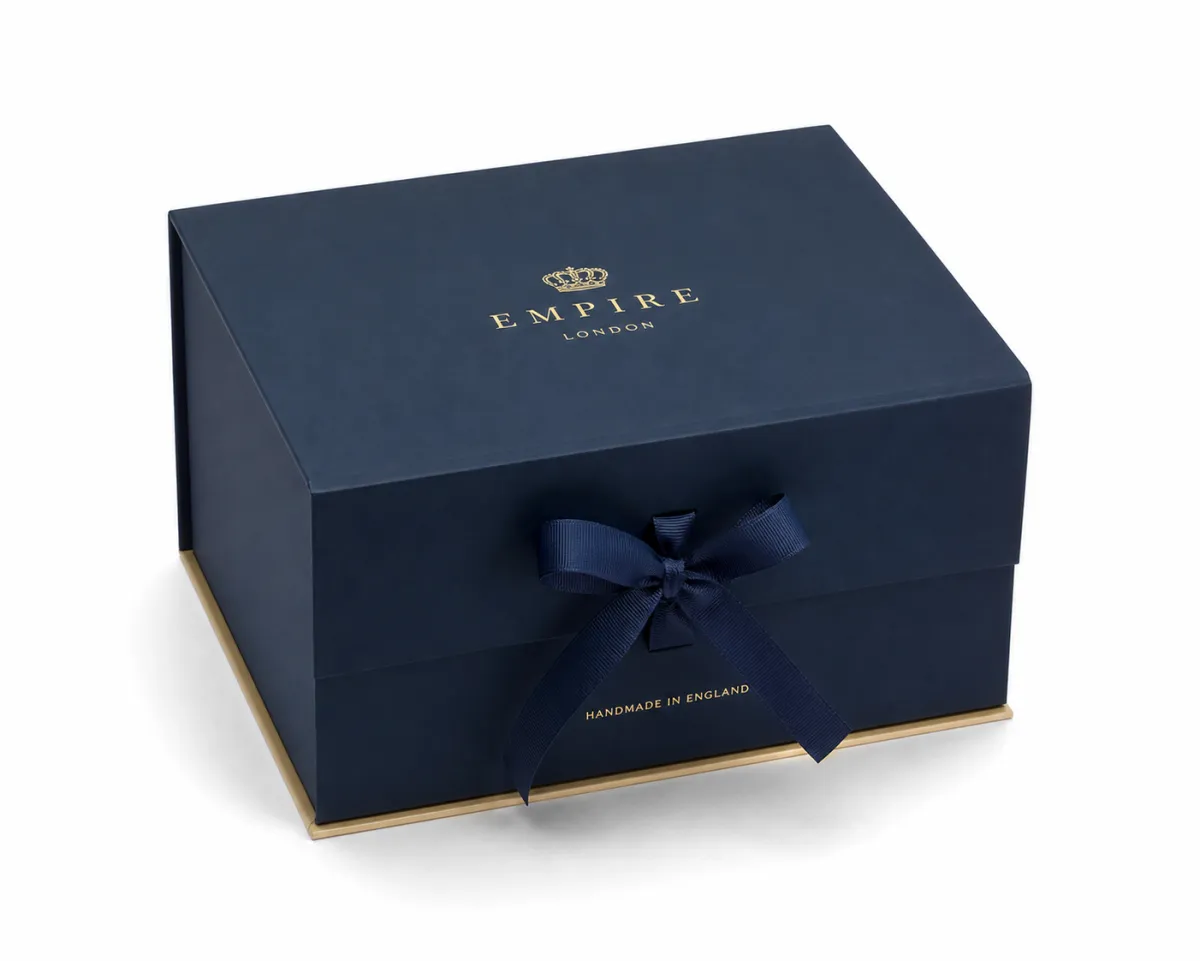
Most people notice the package before they notice the product. That sounds simple, though the effect is powerful in practice. A sturdy, well-made box can make a modest item feel considered and worth opening with care, while a flimsy or generic package can drain value from the experience before the product is even seen. For that reason, Custom Gift Boxes for branding do far more than decorate a shipment; they become part of the brand story itself.
At their core, Custom Gift Boxes for branding are built to reinforce identity through shape, print, color, texture, and opening sequence. The lid lifts in a certain way. The insert holds the item in a precise position. The inside panel may carry a logo, a short message, or a restrained field of color that keeps attention on the brand. Even small decisions, such as matte versus gloss, alter the way the box feels in hand. Package branding, then, is not one isolated choice but a set of connected choices that all point in the same direction.
These boxes appear in more places than people usually expect. They support product launches, thank-you gifts, retail purchases, event giveaways, subscription add-ons, press mailers, internal recognition kits, and seasonal campaigns. A team may choose one format for client gifts and another for e-commerce, yet the goal stays the same: make the package feel like it belongs to the brand, not simply to the shipment.
Custom gift boxes for branding also help create recognition across repeated touchpoints. A customer may forget a banner ad, but the color, texture, and opening experience of a box that arrives at a desk or front door tends to stay in memory. That is one reason branded packaging performs well in categories where presentation carries nearly as much weight as the product itself, including cosmetics, apparel accessories, beverage gifts, corporate gifting, and premium accessories.
A box does not need to shout to do serious work. The strongest results usually come from a clear structure, clean print, and one or two memorable details that fit the brand personality instead of competing with it.
The gap between decorative packaging and strategic branding is small on paper and obvious in the hand. Decorative packaging may add a logo and a polished surface. Strategic branding builds a system. It uses the same visual logic on the outside, inside, and even in the way the box opens. That kind of consistency helps custom gift boxes for branding feel intentional rather than promotional.
For businesses building a wider packaging program, that consistency matters across formats as well. A rigid box for a premium set, a mailer for e-commerce, and a hang tag for a retail item should all feel related. If you are mapping that broader system, it helps to review Custom Packaging Products alongside the box design so the entire line feels coordinated. Brands that want a more applied view can also study Case Studies to see how different structures support different product goals.
One practical way to think about custom gift boxes for branding is simple: the box works before opening, during opening, and after the product is out. Before opening, it signals quality. During opening, it controls pacing and reveal. After opening, it may stay on a desk, shelf, or counter for days, which keeps the brand in view longer than a disposable mailer ever could.
And honestly, that after-effect is where a lot of the value hides. A box that gets reused as storage, or even just sits around because it feels too nice to toss, keeps working for the brand in a way people do not always account for in the initial quote.
How Custom Gift Boxes for Branding Are Made
The production flow usually starts with the product itself. Before anyone talks about foil, embossing, or coated paper, the packaging team needs real dimensions, weight, and any handling requirements. That is the step people often rush through, and it creates trouble later. A box that fits a product loosely may look fine in a mockup, yet once the goods begin moving through packing, shipping, and shelf handling, that loose fit often becomes a visible flaw.
From there, custom gift boxes for branding move into dieline creation and structural planning. The dieline is the flat template that maps folds, cuts, flaps, closures, and panels. It is where the packaging design becomes manufacturable. Once that foundation is set, artwork is prepared, and the printer can confirm whether the logo, color blocks, typography, and interior messaging will line up correctly after folding and gluing. That step matters because a design that feels balanced on a screen can shift in real life once the board is creased and wrapped.
Structure choice changes nearly everything. A tuck box is efficient and familiar. A mailer style gives a clean retail or shipping presentation. A two-piece rigid box feels more premium and supports a ceremonial reveal. A tray-and-sleeve system can showcase the product nicely when the opening sequence matters. Each of these options can work for custom gift boxes for branding, though each one also changes cost, print setup, and assembly flow.
Inserts deserve special attention. A well-engineered insert holds the product securely, prevents movement, and often improves the perceived value more than a larger box ever could. That is one of the less glamorous truths of product packaging: empty space is expensive, and it rarely impresses anyone. A fit that feels deliberate communicates more care than extra board ever will.
Branding enters the process in several places. There is exterior logo placement, of course, but there is also interior panel print, color matching, foil stamping, embossing, debossing, spot UV, soft-touch coatings, and the choice between a bright coated finish or a more natural uncoated look. For many custom gift boxes for branding projects, the inside matters almost as much as the outside because that is where the unboxing experience turns from promise into payoff.
Quality control is the final guardrail. Creases need to fold cleanly, cuts need to stay true, closures must align, and print registration should remain consistent from sample to shipment. Transit testing belongs in this stage too, especially for e-commerce or distributor programs. If a box needs to survive vibration, drop events, or stacking pressure, it is smart to check guidance from organizations such as ISTA, whose procedures are widely used for distribution testing. When people treat custom gift boxes for branding as a one-stage graphic project, they miss the part that actually protects the brand in the field.
For brands that want a cleaner sourcing path, FSC-certified paperboard can be a useful specification when the marketing story includes responsible fiber use. That is not a cure-all, and it does not replace good design, yet it does help align the packaging with broader sustainability claims when the fit and construction are already sound.
Key Factors That Shape the Right Box
Choosing the right materials is where many packaging programs either sharpen up or drift off course. Folding carton, corrugated board, and rigid board each serve a different purpose. Folding carton works well for lighter goods and detailed print. Corrugated board brings structure and protection to shipping-heavy applications. Rigid board, which is thicker and more board-like in hand, gives custom gift boxes for branding a premium feel that suits higher-value presentation.
Material choice should follow use case first and style second. If the box is going to move through parcel networks, stacking, and handling from multiple touchpoints, corrugated or rigid construction may be the safer choice. If the package is mostly handed out at events or placed on retail shelves, a lighter structure may be enough. The goal is not to overbuild or underbuild. Both mistakes cost money, and both can weaken brand perception.
Size matters more than many teams expect. A right-sized box reduces movement, trims void fill, and lowers shipping waste. It can also improve shelf appeal because the package looks more deliberate. For custom gift boxes for branding, a snug fit often creates a better perceived value than a larger box with padding trying to cover poor planning. That is especially true in premium gift packaging where the product should feel presented, not merely packed.
Finish choices change the story the moment someone touches the box. Matte surfaces feel quieter and more modern. Gloss tends to push color and give a brighter retail look. Soft-touch lamination adds a velvety feel that many buyers associate with higher-end custom printed boxes. Spot UV can highlight logos or pattern elements. Foil adds sharp contrast and works well when used with restraint. A textured wrap or uncoated stock can help a natural or artisanal line feel grounded and authentic.
Sustainability belongs in the decision set too, though it needs to stay practical. Right-sized packaging often reduces materials better than a slogan does. Water-based coatings can support recyclability goals. Recyclable fiberboard, FSC-certified substrates, and reduced filler all matter when the design is well thought out. The Environmental Protection Agency offers useful packaging and waste resources at epa.gov/recycle, which can help teams think beyond the box itself and into end-of-life handling. That point matters especially for custom gift boxes for branding meant to support eco-conscious positioning without turning clumsy or fragile in real use.
There is also a brand-fit question. A luxury label may want deep black board, foil accents, and a tight lid. A playful consumer brand might choose brighter color, inside-print messaging, and a more casual mailer style. A corporate program may need muted colors, clean typography, and a restrained closure that feels professional. The same structural logic can support each of these approaches, but the visual language must match the brand identity or the package feels disconnected.
If you are exploring the broader range of branded packaging options, it helps to compare structure, finish, and product use together rather than in isolation. The best custom gift boxes for branding are rarely the most complicated ones. They are the ones that match the product, the budget, and the audience without adding friction.
That balance is also where experience matters. A packaging spec can look tidy in a spreadsheet and still be wrong for the hand, the shelf, or the courier belt. The real test is whether the box feels inevitable once you hold it.
Cost and Pricing for Custom Gift Boxes for Branding
Pricing is usually the first real-world constraint, and it should be. Good packaging has to make sense on a spreadsheet as well as on a shelf. The main cost drivers are box style, material grade, print coverage, finishing, insert design, order quantity, and whether the project uses a standard size or a custom dieline. Once you understand those pieces, custom gift boxes for branding become much easier to budget with a steady hand.
For simple directional planning, a basic folding carton with one or two colors may land in a much lower price band than a rigid box with foil, embossing, and a custom insert. That is not because one is "better" in some absolute sense; it is because each step adds setup, labor, and material cost. In larger runs, the per-unit price usually drops, while sample pieces and short batches carry a higher premium because the press setup and finishing time are spread across fewer units.
Here is a practical comparison that buyers often use when evaluating custom gift boxes for branding:
| Box Style | Typical Use | Indicative Unit Range | What Drives Cost |
|---|---|---|---|
| Folding carton | Light retail goods, inserts, small gifts | $0.45-$1.10 at moderate volume | Print coverage, coating, die complexity |
| Corrugated mailer | E-commerce shipments, event kits | $0.80-$2.00 at moderate volume | Board strength, print method, size, shipping weight |
| Rigid set-up box | Premium gifts, launches, corporate presentation | $1.80-$6.50+ depending on finishes | Board wrap, hand assembly, inserts, foil, embossing |
| Two-piece lid-and-base | Luxury retail packaging, ceremonial reveal | $2.10-$7.50+ depending on specification | Board thickness, wrap quality, insert fit, finishing steps |
Those figures are directional, not quotes, and they can move quite a bit depending on quantity, artwork, and sourcing region. Still, they provide a useful frame. The fastest way to overspend is to add premium finishes before the structure is locked. The fastest way to underspend into trouble is to strip the box down until it no longer matches the product value. With custom gift boxes for branding, the goal is not to buy the most expensive option; it is to spend where the customer will actually notice it.
Set-up costs deserve attention too. Tooling, plates, proofing, and custom insert development all create one-time expenses. If a team is launching a recurring seasonal program, those costs may be worth it because they get reused over multiple orders. If the project is a one-off event kit, a simpler construction may make better business sense. That is why the best packaging conversations usually begin with use case, not with finish menus.
Another pricing mistake is forgetting about the total packaging cost. The box price matters, but so do assembly time, inbound freight, warehouse space, and damage reduction. A slightly more expensive box that lowers breakage and speeds packing can beat a cheaper box that creates headaches on the floor. In real operations, the best custom gift boxes for branding usually save money in several places even if the unit price is not the lowest number on the quote.
For teams that need a place to start, a sensible budget method is to divide the project into "must-have" and "nice-to-have" elements. Must-have might include custom size, logo print, and a secure insert. Nice-to-have might include foil, soft-touch coating, or inside-panel print. That keeps the core brand identity intact while protecting the budget from feature creep.
If the team is debating two options and the only difference is one extra finish, I usually tell them to ask which version will still make sense after a year of use. That question tends to cut through the noise pretty quickly.
Process and Timeline: From Brief to Delivery
A smooth project starts with a clear brief. The packaging team needs to know what the product weighs, how it ships, whether it sits on a shelf or goes straight to a customer, and what the unboxing moment should feel like. That brief should also cover logo files, color references, branding rules, and the practical target for unit cost. When those basics are clear, custom gift boxes for branding move faster and with fewer revisions.
The usual workflow follows a sensible order: discovery brief, size confirmation, structure recommendation, artwork preparation, proof approval, sampling, production, finishing, packing, and delivery. Each step matters because a mistake early in the sequence multiplies later. If the product dimensions change after the dieline is approved, the whole system may need to be adjusted. If artwork is not print-ready, the proof cycle slows down. If the sample is skipped, the team may discover fit or closure issues only after the full run is already scheduled.
Realistic timelines depend on complexity. A simple printed carton with straightforward artwork may move in roughly 10-15 business days after proof approval, depending on workload and supply. A rigid presentation box with custom inserts, specialty coating, or multiple proof rounds can take 15-25 business days or more. If materials are not in stock or the project requires special matching, the schedule can stretch further. That is why custom gift boxes for branding should be planned early when they are tied to a launch, holiday window, or event date.
Sampling is worth the time. A flat proof can tell you if the artwork is aligned, but it cannot tell you how the lid feels in hand or whether the product rattles inside the cavity. A prototype reveals whether the closure is stiff, whether the insert is too deep, and whether the product clears the walls properly. In packaging design, those tactile checks often reveal more than the render ever will.
It also helps to test how the box behaves in transit and in storage. Does it stack cleanly? Does it crush under reasonable pressure? Does the closure spring open? Does the printed surface scuff when rubbed against another carton? These are practical questions, not academic ones, and they matter a lot when the order scales up. The best custom gift boxes for branding are the ones that look finished and still function when the job turns physical.
One useful production habit is to build a revision window into the schedule. That buffer gives the team room to refine typography, tighten the insert fit, or adjust a finish choice without forcing a rushed approval. In my experience, rushed packaging almost always costs more than planned packaging, even when the unit quote looks similar at first glance.
For teams that want to connect packaging to product strategy, it can help to align the project with existing Custom Labels & Tags. That keeps the same visual language moving across the box, the closure, and any secondary touchpoints. When the packaging line is coordinated, custom gift boxes for branding feel like part of one system instead of a collection of separate parts.
Common Mistakes That Weaken the Brand Impact
The first mistake is treating the box like a billboard and stopping there. A logo on the top panel is useful, but it is not enough. Strong packaging uses hierarchy, structure, and interior details to shape the experience. If the outside is polished but the inside feels generic, the package only does half its job. That is one reason custom gift boxes for branding need to be planned as a whole, not as a surface treatment.
The second mistake is choosing a material for its appearance while ignoring how the box will actually be used. A board that looks refined on a sample table may fail under shipping stress, stacking pressure, or product weight. I have seen teams fall in love with a finish, then discover that the material choice creates cracking, edge wear, or poor closure behavior. The product does not care how the box looked in a mockup. It cares whether the box holds up.
Over-design is another common trap. Too many finishes can make a package feel busy, expensive, and oddly less premium. A foil logo, spot UV pattern, textured wrap, inner print, and multiple colors all at once may sound exciting, but the result can lose clarity. The strongest custom gift boxes for branding often choose one or two focal points and let the structure do the rest of the talking.
Poor fit is probably the most visible failure. Excess empty space makes the item look like an afterthought, and weak inserts let the product shift during handling. That shift can scuff surfaces, damage corners, or simply make the package feel less thoughtful. It can also increase freight costs because larger-than-needed packaging eats space on pallets and in parcel shipments. Good product packaging should protect the item without wasting room.
Inconsistent color and typography can quietly erode recognition over time. If one campaign uses a slightly different red, another uses a different typeface weight, and a third changes the logo spacing, the packaging line stops feeling like one family. That may not matter for a one-time promo, but it matters a lot once the brand starts repeating the box across launches, seasons, or customer tiers. Consistency is part of trust.
There is also the issue of mismatched ambition. Some programs need restrained, elegant packaging. Others need lively, high-visibility retail packaging. When the box style does not match the audience, the presentation feels off even if the print quality is excellent. The right custom gift boxes for branding feel believable for the company using them.
For brands that want to avoid those missteps, a useful habit is to check the box against three questions: Does it protect the product, does it express the brand clearly, and does it make sense at scale? If the answer is no to any of those, the design needs another round. That simple filter catches a surprising number of problems before production starts.
That kind of check also keeps the process honest. Fancy finishes can hide a weak concept for only so long. Once the box starts moving through packing tables, delivery trucks, and customer hands, the weak spots show up fast.
Expert Tips and Next Steps for Better Results
Start with one core system instead of reinventing the box every time. A good base structure can support different seasons, customer segments, and launch styles with only a change in print, insert, or sleeve. That approach keeps tooling manageable and helps build recognition over time. When a package family evolves from one reliable platform, custom gift boxes for branding become easier to scale without losing coherence.
Test two or three prototypes with the real product in hand. Not in theory, not just on a render. Put the actual item inside, close the lid, carry the box, stack it, and open it the way your customer or recipient would. That is where details surface: a cavity that is too tight, a magnetic closure that snaps too hard, a lid that lifts unevenly, or a finish that fingerprints too easily. Good packaging gets better when you stress it in realistic ways.
It also helps to align the box with the brand guide before artwork begins. Logo rules, approved color values, typography, and tone should all be checked against the packaging plan. A box is not a separate universe; it is another expression of the same system. When custom gift boxes for branding follow the same rules as the website, collateral, and product labels, the whole identity feels more credible.
Here is a practical rollout sequence that works well for many teams:
- Confirm dimensions, weight, and product handling requirements.
- Choose the box structure that fits the use case.
- Set the print budget and identify the must-have branding elements.
- Approve a physical sample or prototype before full production.
- Plan inventory, fulfillment, and launch timing together.
That sequence may sound basic, but basic is often where packaging succeeds. The most polished custom gift boxes for branding are usually built on disciplined decisions, not flashy ones. A clean plan saves time, reduces revisions, and keeps the final package tied to the product it is meant to support.
If you want a wider lens on how packaging choices translate into business results, review more Case Studies and compare how different box types were used for different product stories. You can also pair the box with secondary branding tools, such as Custom Labels & Tags, to keep the look consistent across the entire customer touchpoint chain. That matters when the goal is not just to ship something, but to build a stronger memory around it.
The last step is simple: audit the packaging you use now, list the brand signals that matter most, and map those signals to the next custom gift boxes for branding project. If the box protects well, fits well, prints cleanly, and feels true to the brand, it is doing real work for the business, not just dressing up the shipment. That is the kind of packaging that earns its keep.
Frequently Asked Questions
What are custom gift boxes for branding used for in practice?
They are used for product launches, client gifts, event kits, influencer mailers, premium retail purchases, and internal recognition packages. In each case, custom gift boxes for branding help create a stronger first impression while also carrying the same color, structure, and messaging through the unboxing moment.
How much do custom gift boxes for branding usually cost?
Pricing depends on box style, board thickness, print coverage, finishing choices, inserts, and order quantity. A simple folding carton is usually less expensive than a rigid presentation box, and specialty finishes raise the cost further. In most programs, the unit price drops as volume rises, while samples and small runs carry a higher per-box cost.
How long does it take to produce branded gift boxes?
The timeline depends on artwork readiness, structural complexity, proof cycles, and production volume. Simple printed cartons can move faster than Custom Rigid Boxes with inserts or special coatings. A smart schedule gives room for prototype review, because custom gift boxes for branding often improve noticeably after a physical sample is tested.
Which materials work best for custom gift boxes for branding?
Folding carton works well for lighter retail items and detailed print. Corrugated board is the better choice when shipping protection matters. Rigid board is often used when the goal is a premium presentation or a more ceremonial reveal. The right material depends on product weight, shipping conditions, and the level of finish the brand wants to project.
How do I choose the right style for my branded gift box?
Start with the product size, how the box will be used, and the level of protection required. Then match the structure to the brand personality and budget instead of choosing the most elaborate option by default. A prototype helps confirm fit, closure, and presentation before committing to full production, which is especially useful for custom gift boxes for branding that need to look good and perform reliably.

