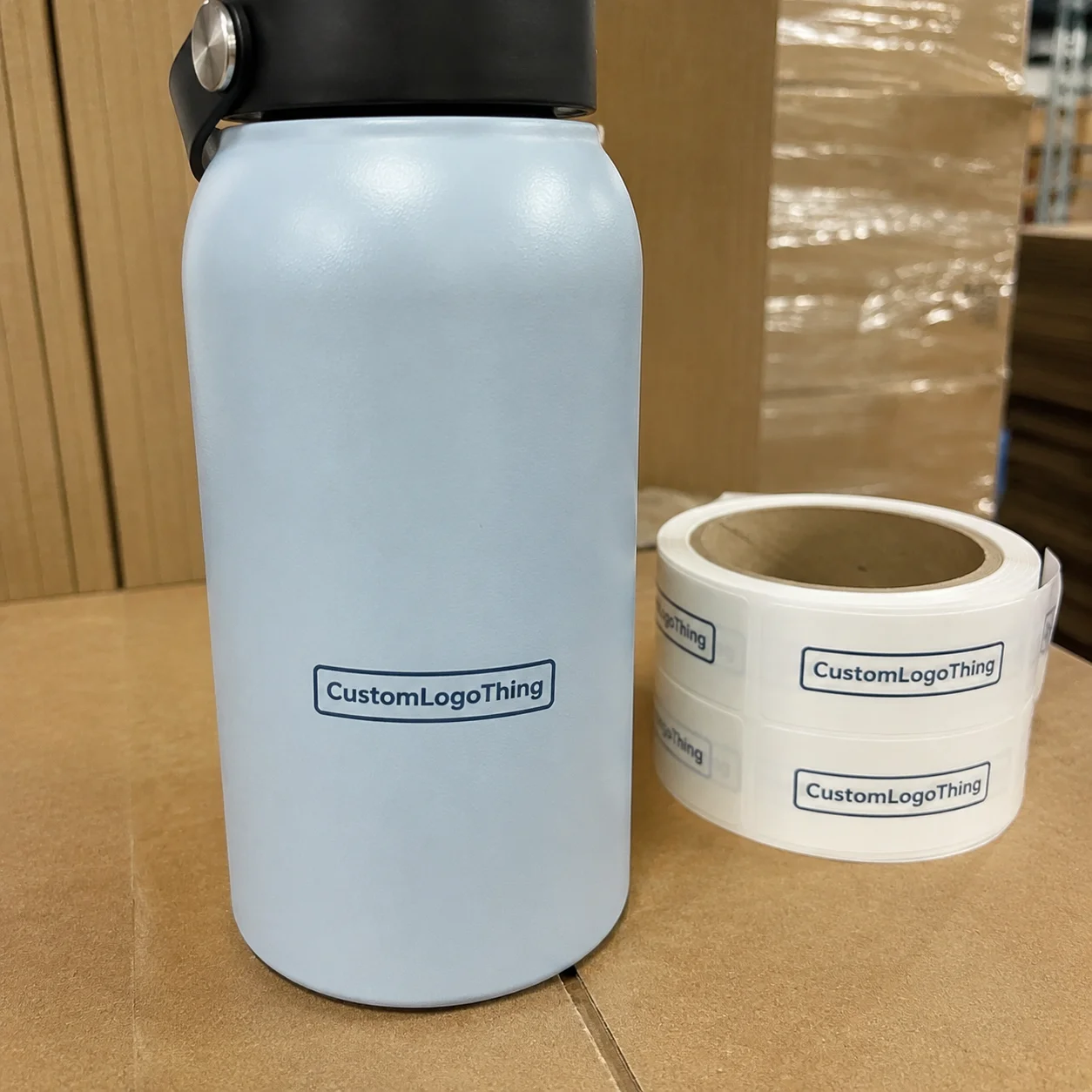
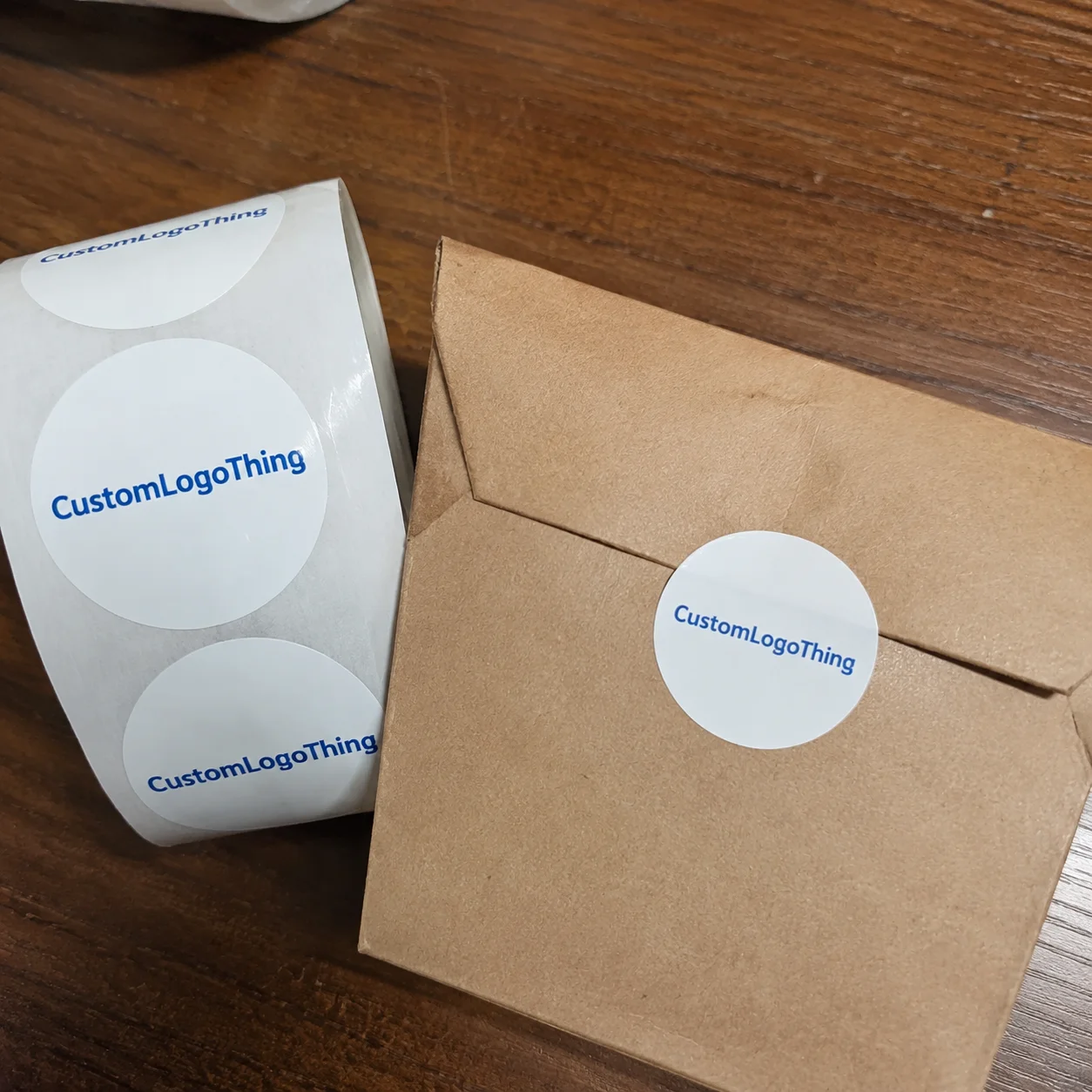
Two identical jars sit side by side on a shelf. Same wax weight, same scent family, same amber glass. The jar with a small gold seal feels more giftable before the shopper reads a single word, which is why custom gold stickers keep appearing on candles, cosmetics, gourmet foods, stationery, subscription boxes, and Premium Retail Packaging.
That small metallic flash carries more visual weight than its size suggests. It catches light. It breaks up matte paper, kraft cartons, soft-touch boxes, and frosted containers. It borrows from the language of award seals, certificates, luxury goods, authentication marks, and holiday wrapping. A 25 mm gold circle can make a $14 candle look more deliberate; a 40 mm brushed gold logo can make a subscription box feel packed with care rather than assembled by default.
Gold is not one look, though. Champagne gold feels soft and modern. Yellow gold reads louder and more festive. Antique gold suits heritage products, apothecary labels, and craft food packaging. Rose gold leans cosmetic and gift-oriented. Mirror gold signals luxury fast, but it also exposes every weak artwork edge, fingerprint, scratch, and alignment issue.
What Custom Gold Stickers Are and Why They Signal Value Fast
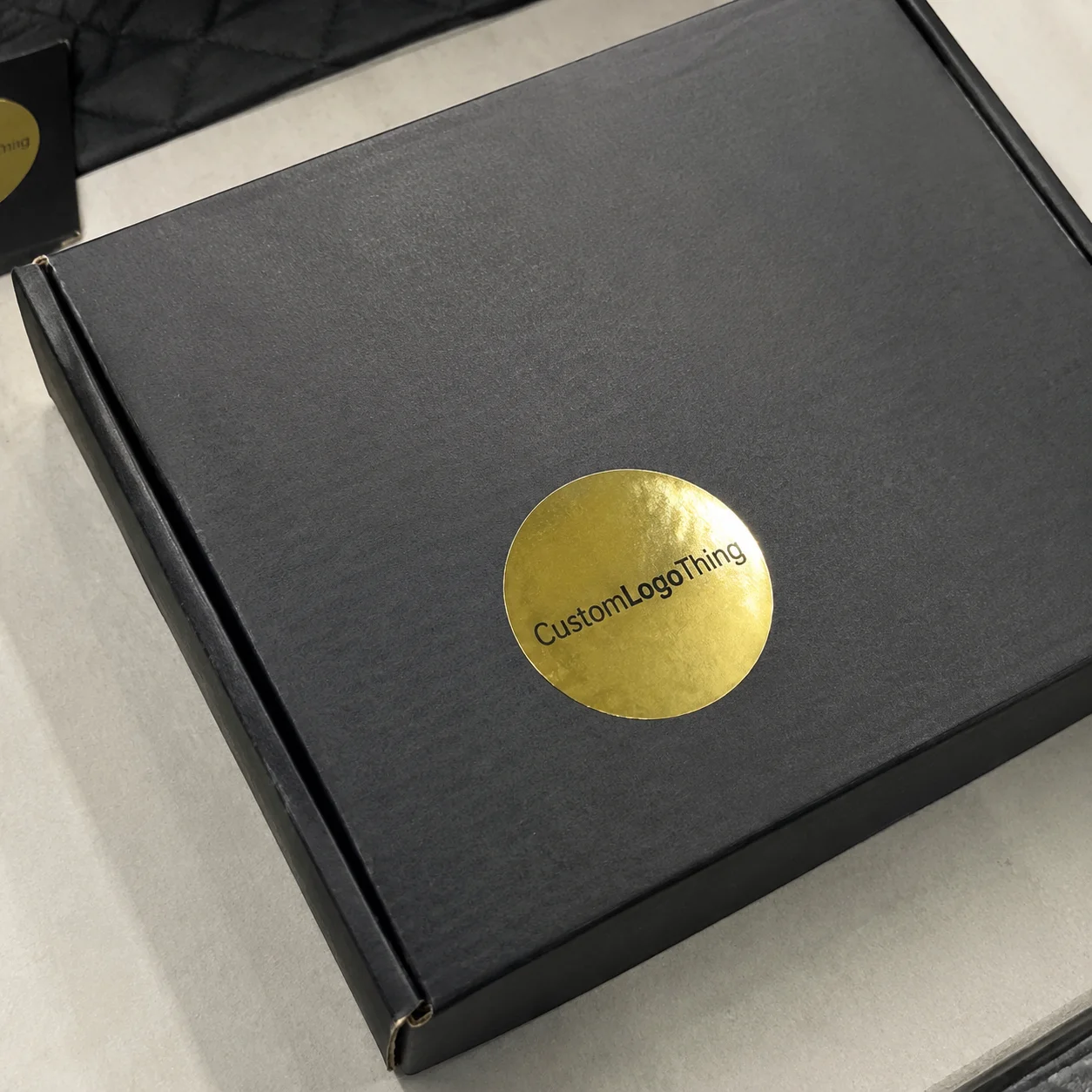
Custom gold stickers are adhesive labels, seals, decals, or promotional pieces made with a metallic gold effect. That effect can come from hot foil stamping, cold foil, metallic inks, reflective films, or digitally printed gold-look color. The format matters as much as the finish. A decorative sticker for tissue paper has a different job than a compliant product label on a refrigerated jar.
The practical categories are worth separating. Decorative stickers add polish to bags, boxes, mailers, envelopes, and gift wrap. Product labels carry brand names, ingredients, scent names, warnings, barcodes, net weight, or batch details. Packaging seals close tissue, sleeves, folding cartons, rigid boxes, and belly bands. Certificate seals suggest approval, authenticity, limited-edition status, or award value. Promotional decals may be handed out at events, tucked into orders, or used on laptops, bottles, notebooks, and packaging inserts.
The trap is assuming one gold sticker can do all of those jobs. It cannot. A paper gold seal may be perfect for a jewelry box or wedding favor, yet fail on an oily cosmetic jar. A vinyl decal may survive outdoor use, but feel too thick and industrial on a delicate folded carton. A mirror foil logo can look expensive on a white label, then become unreadable on a busy patterned box.
Gold works because contrast works. On matte black, deep green, cream, navy, kraft brown, blush, or frosted clear film, metallic gold gives the eye a resting point. In packaging design, that resting point often becomes the remembered brand cue: the monogram, the seal, the edition mark, the flavor badge, or the thank-you detail.
Packaging reality check: the best premium sticker is not always the shiniest one. It is the sticker whose material, adhesive, finish, size, and application format match the package it has to live on.
How Metallic Sticker Printing Actually Works
Metallic sticker production usually follows one of four routes: hot foil stamping, cold foil, metallic substrate printing, or simulated gold printing. Each method has its own cost structure, shine level, tolerance, and artwork requirement.
Hot foil stamping uses heat, pressure, a die, and metallic foil. The die presses foil onto selected areas of the sticker surface, leaving a crisp reflective mark. It works well for logos, borders, seals, initials, short phrases, monograms, and premium package branding. It is less forgiving with tiny serif type, hairline rules, distressed textures, and dense reverse-out copy.
Cold foil applies foil with adhesive and curing rather than a heated die. It can be efficient for roll-fed label production and larger foil areas, although availability depends on the printer’s equipment. Metallic substrate printing flips the process: the sticker begins as a gold or metallic film, then ink covers the non-gold areas. Designers leave selected zones uncovered so the shine remains visible.
Simulated gold uses CMYK or specialty inks to imitate a warm metallic tone. It is usually less reflective, but useful for short runs, mockups, event stickers, low-risk launch batches, and designs where subtle warmth matters more than mirror shine. Simulated gold gets dismissed too quickly. On a soft cream candle box or a small thank-you card, a printed champagne tone can look calmer than foil and cost less.
White ink deserves separate attention. On clear film or metallic stock, white ink acts as an opacity layer. Without it, colors can look muddy, translucent, or darker than expected. A common production setup may include a cut line, CMYK artwork, a white ink layer, and a separate foil or metallic mask. Clean files reduce prepress delays.
Sticker format also affects production and application. Die-cut singles are good for giveaways and retail inserts. Kiss-cut stickers peel easily because the sticker is cut but the backing remains larger. Sheets suit small teams, event tables, and boutique packing benches. Roll labels suit fulfillment teams, dispensers, and machine application. If you are comparing gold labels with broader Custom Labels & Tags, confirm how each option will be supplied before approving a quote.
Materials, Adhesives, and Finishes That Change the Result
Material choice is where premium intent either becomes premium execution or expensive waste. Paper face stocks are common for indoor packaging, gift seals, stationery, bakery boxes, and dry retail use. They can look beautiful, especially with textured paper or matte coating, but they are not built for condensation, ice buckets, shower shelves, freezer cases, or oily hands.
Polypropylene and BOPP films are the workhorses for moisture-resistant product packaging. They are common on cosmetics, supplements, sauces, candles, beverages, and jars. Vinyl is typically used for more durable decals, outdoor promotional stickers, or applications where flexibility and abrasion resistance matter. Clear film creates the minimal-label look on glass or plastic, though clear materials often need white ink behind color and gold details.
Adhesive choice is less glamorous and more consequential. Permanent adhesive is the default for retail packaging. Removable adhesive suits temporary promotions, pricing, and event use. Freezer-grade adhesive helps in cold storage, where ordinary adhesive can become brittle or lose tack. High-tack adhesive is often considered for textured kraft paper, powder-coated tins, rough cartons, and surfaces with low surface energy.
Surface compatibility should be tested on the actual package when risk is high. Glass, kraft paper, rigid boxes, plastic jars, tins, mailers, candle vessels, coated cartons, flexible pouches, and custom printed boxes all behave differently. Curves matter too. A wide rectangular label on a small-diameter jar can wrinkle even if the adhesive is technically correct. The face stock may be too stiff for the radius.
Finish options change both appearance and durability. Gloss lamination increases shine and scuff resistance. Matte lamination reduces glare and often makes gold look more controlled. Soft-touch coating creates a velvety premium feel, but it can show fingerprints. Spot UV adds selective gloss. Embossing raises the design. Debossing presses it down. Textured papers add tactility, although fine foil detail can break up over heavy texture.
Readability is the quiet constraint. A mirror-gold logo can look excellent; mirror-gold microcopy can fail under store lighting. For labels carrying ingredients, warnings, batch codes, barcodes, or regulatory text, keep essential information in high-contrast ink rather than reflective gold. Use metallic finish for hierarchy, not burden.
Sustainability claims also need restraint. Recyclability depends on the sticker material, adhesive, package substrate, decoration method, and local recovery stream. The EPA’s recycling guidance is a useful reminder that “recyclable” is rarely about one component alone. A paper label on a paperboard box is not automatically acceptable in every recycling pathway; a film label on a plastic jar may be reasonable in one system and problematic in another.
Cost, Pricing, MOQ, and What Drives Unit Cost
Sticker pricing is usually built from size, shape, material, adhesive, finish, color count, metallic coverage, order quantity, setup, proofing, and supply format. Rolls, sheets, and individually cut stickers can all have different finishing costs. Shipping changes quickly if rolls are heavy, cartons are split by location, or deadlines require expedited freight.
Metallic effects can cost more than standard printed stickers because they add setup and quality control. Hot foil may need a die. Specialty films cost more than basic paper. Registration checks slow production when foil must align tightly with printed artwork. Spoilage allowance can rise because metallic defects are visible; a tiny scratch on matte white may disappear, while the same scratch across mirror gold catches light.
MOQ is better understood as math than punishment. Very small digital batches may be possible, especially for simulated gold or short-run sheets. Premium foil methods often become more economical once setup costs are spread across higher quantities. A 250-piece order may feel expensive per sticker, while 2,500 or 10,000 pieces can drop sharply because fixed work is amortized.
| Order Scenario | Typical Use | Likely Cost Behavior | Buyer Watch-Out |
|---|---|---|---|
| 250 to 500 pieces | Launch test, event batch, prototype packaging | Higher unit cost; setup has fewer stickers to spread across | Simulated gold or sheet format may be more practical |
| 1,000 to 2,500 pieces | Small retail run, seasonal packaging, boutique fulfillment | Better unit pricing; more finish options become reasonable | Confirm adhesive and material before scaling |
| 5,000 to 10,000 pieces | Ongoing product line or subscription packaging | Unit cost can drop meaningfully as setup is amortized | Roll direction and packing format become operationally critical |
| Custom premium run | Foil, embossing, specialty stock, complex die shape | Higher setup, slower production, more proofing value | Physical samples may prevent expensive rework |
As a rough planning frame, simple printed paper stickers may land in the low cents at higher quantities, while custom gold stickers using film, foil, lamination, or custom shapes can move into a higher per-unit range. A 5,000-piece premium seal might be quoted around $0.06 to $0.18 per sticker depending on size and finish; a short 250-piece run could be several times that. Supplier, artwork, material, tooling, freight, and lead time all affect the final number, so treat ranges as budgeting clues rather than promises.
Prepare quote details before asking for pricing: finished size, shape, quantity, material preference, indoor or outdoor use, roll direction, application method, artwork file, delivery deadline, and whether the sticker touches food packaging directly or only the outside of a container. The cheapest quote may omit lamination, white ink, proofing, testing, or the correct adhesive. A $0.06 premium seal on a $28 skincare item can be commercially rational. A $0.02 sticker that peels off in transit is not.
Process, Timeline, and Production Steps Before You Order
A reliable order starts with the job. Define the use case, choose the sticker format, prepare artwork, Request a Quote, review a digital proof, approve production, receive samples if needed, then move into printing and finishing. That sounds linear. In practice, the loop often circles back once a printer spots a thin foil line, missing bleed, wrong file type, low-resolution logo, or unclear roll direction.
Artwork review is not clerical. It protects the run. Prepress teams typically check bleed, safe margins, cut lines, font outlines, foil masks, resolution, color mode, barcode quiet zones, and whether fine details can hold in metallic production. Vector artwork is strongly preferred for logos, borders, cut paths, and foil areas because edges stay clean at any size.
Proofing has limits. A digital proof confirms layout, dimensions, copy, layers, and general placement. It does not reliably show shine, texture, opacity, adhesive behavior, or how champagne gold changes under warm retail lighting. Physical proofs or material samples are more useful for first-time orders, high-value launches, and packaging that will face moisture, abrasion, refrigeration, oils, or curved application.
After approval, production may include printing, foil application or metallic stock printing, lamination or coating, die cutting, rewinding, sheet trimming, inspection, packing, and shipping. Quality checks often focus on registration, scratches, foil coverage, color consistency, die-cut accuracy, liner release, and roll winding. For transit performance, packaging teams sometimes use standards from groups such as ISTA to think more clearly about shipping stress, vibration, compression, and handling.
Timelines vary. Simple digitally printed stickers may move quickly after proof approval. Foil dies, specialty materials, large quantities, complex registration, multi-location shipping, and holiday demand can add days. For a first production run, planning 12 to 20 business days is safer than building a launch calendar around best-case timing. Trade shows, subscription box drops, influencer mailers, and retail resets punish optimism.
Confirm roll direction early if labels are machine-applied. Core size, unwind position, gap spacing, liner type, outside or inside wound rolls, and maximum roll diameter can make or break application. A beautiful label in the wrong orientation can slow a fulfillment line to hand-application speed, which is how a print win becomes an operations problem.
Step-by-Step Guide to Choosing the Right Gold Label
- Define the job. Is the sticker sealing tissue paper, branding a jar, authenticating a limited edition, decorating a box, closing a belly band, or adding a premium thank-you touch?
- Map the environment. List moisture, oil, refrigeration, sunlight, abrasion, shipping friction, curved surfaces, and hand contact. A candle label and a freezer label should not be specified the same way.
- Select the gold effect. Mirror foil delivers maximum luxury impact. Brushed gold adds texture. Champagne gold feels softer. Antique gold supports heritage, craft, and apothecary positioning.
- Choose the format. Rolls are efficient for packing benches and applicators. Sheets suit small teams and events. Singles are strong for giveaways. Kiss-cut pieces are easier to peel cleanly.
- Simplify the artwork. Choose one hero element, clear typography, enough contrast, and realistic line weights. Foil is strongest on bolder icons, borders, seals, and short copy.
- Request a complete quote. “Gold stickers” is not a spec. Include size, shape, quantity, material, adhesive, finish, roll direction, deadline, and application surface.
- Test before scaling. This matters for textured cartons, powder-coated tins, frosted glass, oily products, condensation, cold storage, or any launch with no room for rework.
Broader packaging decisions enter here. If a gold seal sits on a mailer, a rigid box, a paper wrap, and a jar label across the same brand, the finishes should relate. They do not need to match perfectly, but they should feel intentional. A warm antique gold on the seal and a cold yellow-gold foil on the box may look mismatched even if each item is well printed.
Custom gold stickers can support branded packaging when they echo the carton stock, logo geometry, or accent color already present in the system. If you are still comparing label formats against boxes, bags, inserts, or other launch materials, review the broader range of Custom Packaging Products before locking the sticker spec. A gold label may be the finishing detail, but it should not be designed in isolation from the package it completes.
Common Mistakes That Make Gold Stickers Look Cheap
The first mistake is using too much gold. More shine does not automatically mean more value. If every border, icon, word, and background element is metallic, hierarchy collapses. The sticker starts looking like a generic party favor rather than a controlled brand asset.
Tiny reverse-out text is another repeat offender. Reflective surfaces change under different light angles, so small white text knocked out of gold can disappear. Dense paragraphs, legal copy, ingredients, or instructions should stay in readable ink with adequate contrast. Use gold for emphasis, not heavy lifting.
Adhesive mismatch causes more practical failures. Kraft paper can be fibrous. Frosted glass can be slick. Oily containers contaminate the bond. Textured boxes reduce contact area. Flexible pouches bend. Refrigerated products create condensation. A design that looks excellent on a PDF can peel, tunnel, flag, or wrinkle once it meets the real surface.
Low-resolution artwork becomes especially obvious with metallic finishes. Jagged logo edges, fuzzy borders, and rasterized foil masks catch light in all the wrong ways. Send vector files whenever possible. If raster art is unavoidable, keep it high resolution and avoid using it for cut lines or fine metallic edges.
Skipping protection is another false economy. Stickers that will be handled, shipped, chilled, rubbed, or exposed to moisture often need lamination or coating. It may add cost, but it can prevent scuffing, ink wear, and dull-looking presentation by the time the package reaches the buyer.
Then there is the operational mistake: wrong roll direction. If a fulfillment team uses a dispenser or applicator, unwind orientation matters. A roll that feeds left-edge-first instead of top-edge-first can slow packing, increase skewed application, and create avoidable waste. Print quality does not rescue a format that does not fit the line.
Actionable Next Steps Before You Request a Quote
Start with a one-page spec brief. Include sticker size, shape, quantity, use case, surface material, indoor or outdoor exposure, preferred gold finish, and delivery deadline. Add whether the stickers will be hand-applied, machine-applied, included as loose decals, or used as seals on cartons, tissue, or mailers.
Gather packaging samples or clear photos. Show curves, texture, coating, seams, existing label placement, and any area where the sticker may cross an edge. If the package uses soft-touch lamination, powder coating, uncoated kraft, recycled paperboard, or oily cosmetic residue, say so early. The adhesive recommendation may change.
Prepare artwork with organized layers: cut line, printed artwork, white ink if needed, and metallic or foil areas. Use vector files such as AI, EPS, or print-ready PDF. Outline fonts. Keep foil masks clean. Mark spot colors clearly. This reduces delay and helps prepress flag fragile details before money is committed to production.
Ask for quotes that separate setup, material, finish, quantity breaks, proofing, shipping, and optional upgrades. That structure reveals what is actually driving price. Maybe foil is affordable but embossing pushes the budget too far. Maybe a slightly smaller diameter improves yield on the sheet. Maybe moving from 1,000 to 2,500 pieces lowers the unit cost enough to justify the larger run.
For food, cosmetics, candles, beverages, outdoor decals, and cold-chain packaging, ask for material recommendations rather than defaulting to the cheapest stock. If the product carries required information, confirm readability and durability. If the package must align with FSC-certified paperboard or other responsible sourcing goals, review the packaging system as a whole and consult resources such as FSC for chain-of-custody context.
The smartest gold sticker order starts with the package, the handling environment, and the buyer’s first three seconds of attention. Get those three right, and the gold stops being decoration. It becomes a small, useful signal that the product was built with care.
FAQ
Are custom metallic gold stickers waterproof?
They can be water-resistant or waterproof if printed on film materials such as BOPP, polypropylene, or vinyl with the right adhesive and protective finish. Paper gold stickers are better for dry indoor packaging, gift seals, stationery, and short-term use. For bottles, cosmetics, refrigerated products, or shower-adjacent items, test the sticker on the actual container before ordering a large run.
What is the best file format for custom foil stickers?
Vector files such as AI, EPS, or print-ready PDF are best because they preserve clean edges for logos, cut lines, and foil areas. Metallic elements should be supplied as a separate spot-color layer or clearly labeled mask. Fonts should be outlined, and raster images should be high resolution if they are part of the printed artwork.
How small can gold sticker details be?
Minimum detail depends on the production method, material, and equipment, but very thin lines, tiny serif type, and small reverse-out text are risky with reflective finishes. Foil usually looks best on bolder marks, borders, icons, seals, and short text rather than dense paragraphs. Ask the printer to review line weight and spacing before proof approval.
Do gold logo stickers cost more than regular printed stickers?
Usually yes, especially when real foil, metallic substrates, special coatings, or custom dies are involved. The unit cost often drops as quantity increases because setup and proofing costs are spread across more stickers. A simulated gold print can be a lower-cost option when high reflectivity is not required.
Can custom gold labels be used on food packaging?
Yes, they are commonly used on jars, boxes, bags, bakery packaging, coffee bags, and gourmet food gifts. The sticker should be applied to the outside of the package and selected for the storage environment, such as room temperature, refrigeration, or freezer use. If the label needs regulatory information, confirm readability, durability, and compliance requirements before production.