Most skincare launch delays are not caused by the formula or the carton. They start with a small printed item that runs out first, then everyone scrambles for a reprint. This custom Hang Tags for Skincare launches reorder planning guide focuses on the practical side: keep the tag program repeatable, price it with the next run in mind, and avoid rush fees for a problem that should have been solved at approval.
Hang tags get treated like a side note because they are small. That is a mistake. In branded packaging, the tag sits between package branding, retail packaging, and product packaging. If the spec is loose, the second run becomes a new job. If the spec is tight, a reorder is routine.
Skincare assortments also expand quickly. A cleanser becomes a trio, then a regimen, then seasonal sets, creator kits, and retail resets. The tag system has to survive that growth without forcing a redesign every time inventory changes.
Why reorder planning starts before the first box ships
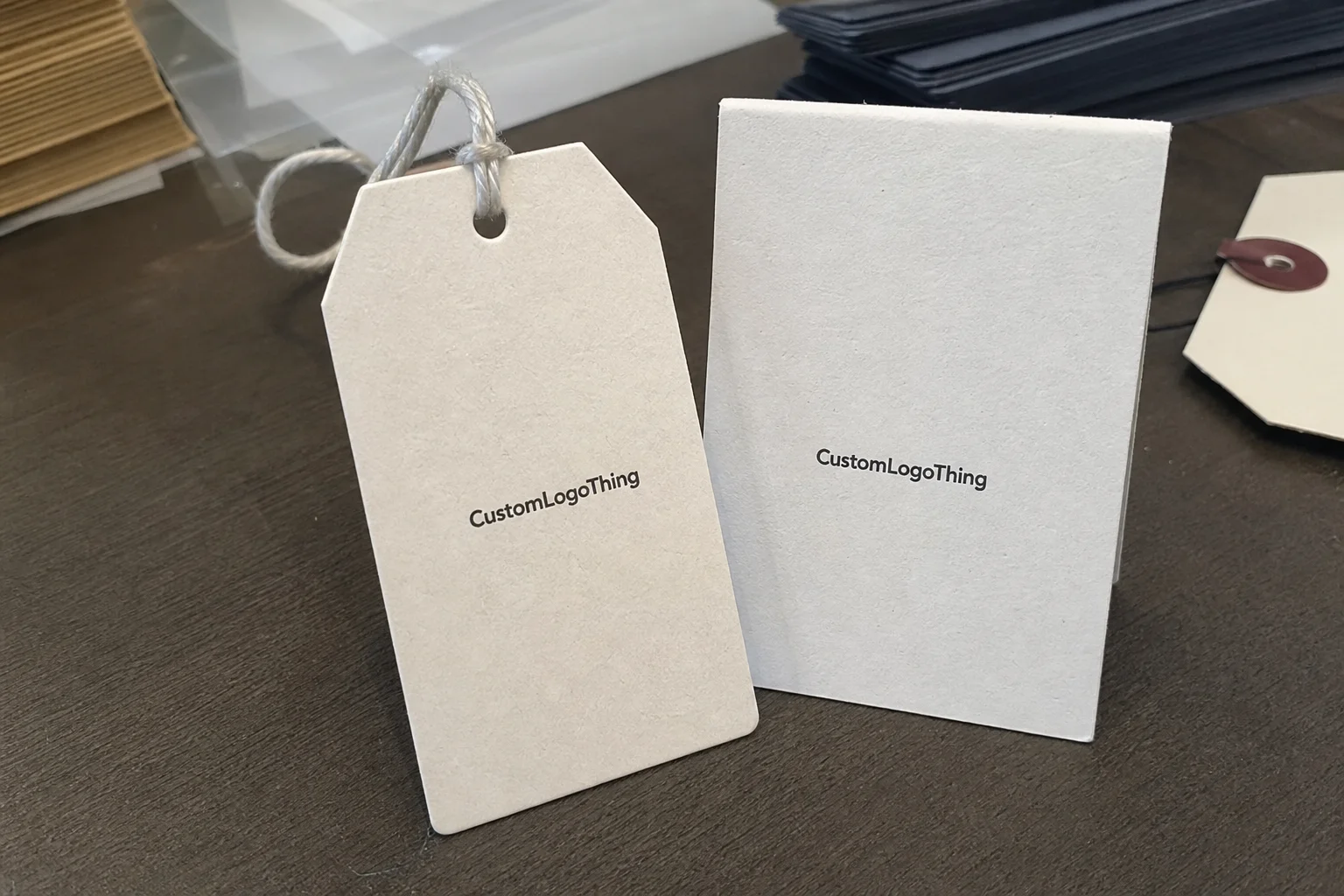
Launches rarely fail because the print run was impossible. They fail because the order was treated as a one-time purchase instead of a repeatable supply item. A hang tag is small, but it sits in a chain that includes artwork approval, paper stock, finish choice, packing, and shipping. If any of those change later, the reorder stops being simple.
That is why reorder planning should start before the first box leaves the dock. Once a product starts moving, tag inventory starts shrinking. A fast-selling serum, a holiday gift set, or a creator-driven launch can burn through stock faster than the original forecast. The same thing happens on the slow side too: a second production run can land sooner than expected, and suddenly the brand needs more tags while the first order is still being counted in the warehouse.
From a cash-flow point of view, reorder planning is not just design work. It is timing. It decides whether the brand holds a clean buffer, pays a rush fee, or accepts a color mismatch because the old file was not archived properly. If the team wants the next run to match the first, the base specs need to stay locked: one approved dieline, one final art file, one finish, and one color reference that can be checked every time.
A reorder plan is not a design exercise. It is inventory control with a color standard attached.
Good planning also keeps the tag system flexible enough to support launch, replenishment, seasonal bundles, influencer kits, and retail resets without rebuilding the structure every time. If the brand also uses Custom Labels & Tags for companion items, the same discipline should apply there too.
One detail that gets missed in early planning is pack-out. Tags that arrive unstrung may be cheaper, but they add labor on the packing line. Tags that arrive pre-strung can speed assembly, yet they also need tighter count control and cleaner carton packing. The right choice depends on where the labor actually sits.
What custom hang tags need to communicate on a skincare SKU
A skincare hang tag does more than look polished. It carries the information that helps the product sell, move, and restock without confusion. Buyers and merchandisers do not want to open every unit to figure out which bottle is which, and they do not want to guess at claims or usage.
- Product name and variant, especially when a line has multiple serums, moisturizers, or sizes.
- Key claims, such as fragrance-free, vegan, cruelty-free, or dermatologist-tested, when those claims are approved and supported.
- Usage instructions or a short product note that helps the shopper understand the difference between SKUs.
- Barcode or QR code for retail, inventory, or a landing page with deeper product details.
- Pricing or MSRP if the tag is used in-store or in a display tray.
- Compliance notes where required, especially if the tag is part of the retail packaging story rather than just a decorative add-on.
Skincare tags also need more durability than people expect. They sit close to bottles, pumps, oils, steam, sleeves, shipping dust, and repeated handling. Thin stock can curl, scuff, or become hard to read. That is bad for shelf presence and bad for the brand. A better stock and finish protect legibility and keep the product looking intentional.
This is where a tag earns its place in the system. It helps the sales team, the retailer, and the customer. It also supports the rest of the package branding when the product line includes matching cartons, inserts, or Custom Packaging Products.
There is a useful comparison here. A tag with the right variant callout can prevent returns, while a cleaner finish can help a shelf set look aligned from three feet away. One saves money in operations. The other protects sell-through.
Specs that make reorder-friendly hang tags easy to repeat
A strong reorder program keeps the specification stable enough that the second run looks like the first. That starts with the physical choices that should not change unless the brand is intentionally updating the line.
- Tag size: standard sizes like 2 x 3.5 in or 2 x 4 in are easier to repeat than a custom shape that needs a fresh setup every time.
- Paper stock: 14pt C1S, 16pt SBS, or a coated artboard are common for beauty tags; the right choice depends on look, stiffness, and budget.
- Corner shape: square, rounded, or custom die-cut should stay fixed so the reorder does not become a new tooling job.
- Punch location: keep the hole in the same place unless the hardware changes.
- Print layout: front and back should follow one approved structure, especially if the back carries ingredients, instructions, or a QR code.
- String or fastener type: cotton string, elastic loop, or plastic fastener each changes both look and packing time.
One die and one approved file reduce friction later. If the brand changes the tag size every run, the reorder is no longer a reorder. It is a new job with a new quote, new proofing, and more room for error.
Finish choice matters too. Matte reads softer and works well for clean beauty. Soft-touch adds a more premium feel, though it can show rub marks if the tag is handled a lot. Gloss can make color pop, but it also shifts the visual tone of skincare packaging. Foil, spot UV, and embossing are fine when they support the positioning. They just add setup, and setup adds cost.
Color control deserves its own discipline. If the brand relies on a specific skin-tone neutral, botanical green, or clinical white, keep a master sample and approve every repeat run against it. Paper stock, coating, and print method all affect appearance. A good vendor will hold production notes so the next batch matches the first instead of guessing.
Cost, pricing, and MOQ for repeat tag orders
Repeat pricing is driven by quantity, stock choice, print sides, finish complexity, die work, variable data, and packing requirements. The good news is simple: if the tooling and files already exist, a reorder is usually cheaper than the first run. The bad news is also simple: if the brand changes the spec, the pricing resets.
MOQ matters because it changes where the setup cost lands. A small run can be the right answer for a launch test, but the unit price will be higher. A larger run lowers unit cost, though it only makes sense if the inventory will move before the design changes.
| Order size | Typical unit price | Typical lead time | Best use case |
|---|---|---|---|
| 500 to 1,000 | $0.18 to $0.45 | 8 to 12 business days | Launch tests, influencer kits, small DTC drops |
| 2,500 | $0.09 to $0.22 | 8 to 12 business days | Initial retail rollout, regional programs |
| 5,000 | $0.05 to $0.14 | 10 to 15 business days | Steady replenishment, bundled offers, seasonal stock |
| 10,000+ | $0.04 to $0.10 | 12 to 18 business days | National sell-through, repeated retail resets |
Pricing note: those ranges assume a straightforward printed tag on standard stock. Foil, embossing, soft-touch coating, custom stringing, or variable data can push the price up. That is normal. Buyers should compare quotes at the quantity they expect to use inside the next selling cycle, not just the cheapest line on paper.
There are real savings available. Standardize the size. Keep the same die. Reduce specialty finishes if they do not support the shelf story. Order enough buffer to avoid rush charges, but not so much that the stock sits in a box until the formula changes. If the program is recurring, ask about Wholesale Programs so the reorder math reflects actual volume instead of one-off purchase behavior.
Cheap tags that sit in storage are not cheap. They are cash on a shelf. The hidden cost is not only the paper itself; it is the capital tied up, the warehouse space it occupies, and the chance that a formula update makes the inventory obsolete before it is used.
Production steps, lead time, and turnaround for restocks
Reorder speed depends on how clean the process is. A repeat job should move faster because the file, die, and spec already exist. But that only happens when the first order was organized properly and the brand did not leave approvals scattered across email threads.
- Quote the repeat spec with the same size, stock, print method, and finish.
- Check artwork for barcode quality, bleed, safe area, and any changed copy.
- Approve proof quickly and only after someone confirms the content is still current.
- Confirm stock so the run is not delayed by a paper change.
- Print the job using the retained production notes.
- Finish with the same coating, foil, or die-cut process as the prior run.
- Quality control against the master sample or retained approved proof.
- Pack and ship with the count and packing style the warehouse expects.
That path sounds basic because it is. The schedule gets longer when any one of those steps changes. A plain matte tag and a foil-stamped tag do not share the same timeline. Neither do a stocked size and a fully custom shape. Lead time is a mix of material availability, finishing complexity, press load, and shipping method. A repeat order can move in roughly 8 to 12 business days for simple specs, while premium finishes often need more cushion.
Skincare Brands That use traceable paper or test packaging for distribution should keep one eye on standards, not just visuals. For paper sourcing, FSC remains a clear reference for responsible forest management and chain-of-custody documentation. For pack-out and transit testing, ISTA gives buyers a practical framework when tags ride alongside custom printed boxes, kits, or retail packaging that will be handled, stacked, and shipped.
Do not wait for the low-stock panic email. Set the reorder trigger before the shelf looks thin.
A smart reorder trigger is based on sell-through, not panic. If the SKU moves faster than forecast, the second run should already be queued before inventory gets uncomfortably low. Seasonal launches, creator spikes, and retail resets do not care about the internal calendar.
Quality control should be visible, not assumed. Inspect trim against the dieline, confirm punch placement, verify barcode scanability, and compare color to the retained sample under consistent light. Those checks catch more mistakes than a rushed email ever will.
How to lock a reorder plan before sell-through
The right reorder plan starts with a fixed spec sheet. Keep the approved size, stock, finish, punch, and artwork in one place. Add the target reorder threshold, the backup supplier contact, and the quantity breaks that matter for pricing. That turns the next order from a search exercise into a routine purchase.
Then look at the SKU family instead of only the single launch item. If three serums share the same base design and only the color band changes, the brand can simplify production and reduce the odds of a mismatch. A shared structure also makes it easier to forecast inventory across the line. One setup serves multiple products, which is usually cheaper and cleaner than creating three separate tag systems.
Inventory discipline matters more than optimism. A reorder should be triggered by actual movement, not a hopeful calendar date. If a launch is trending above forecast, place the next order while the first run still has cushion. If sell-through slows, reduce the second run and preserve cash.
Handled this way, the process becomes part of the operating system instead of a one-off print decision. The goal is not to make tags dramatic. The goal is to make them repeatable, accurate, and cheap enough to reorder without friction. The best reorder plan is already in place before the first run disappears.
For brands that also manage cartons, inserts, or retail-ready bundles, the same discipline should carry across the whole package system. One approved spec, one archive, and one production note set are usually enough to keep the next cycle moving.
How many custom hang tags should I order for a skincare launch and first reorder?
Start with launch quantity plus a safety buffer for samples, damaged pieces, photo shoots, and early retail spillover. If the SKU is seasonal or likely to sell through fast, place the second run before the first batch is nearly gone. For a family of products with shared art, keep extra stock of the common design so you can reorder without redesigning.
What specs should stay the same on custom hang tags for skincare reorders?
Keep the size, paper stock, corner shape, punch location, and finish consistent so the reorder matches the first run. Reuse the same approved dieline and artwork file to avoid setup delays and color drift. Only change variable details when needed, such as scent, shade, barcode data, or compliance copy.
How do pricing and MOQ affect reorder planning for skincare hang tags?
Lower quantities usually cost more per tag because setup is spread across fewer pieces. Higher quantities reduce unit cost, but only make sense if you will use the inventory before the next design update. Ask for quotes at a few volume breaks so you can compare the real cost of stock versus flexibility.
What is the typical lead time for custom hang tag reorders?
Repeat orders are usually faster than first-time jobs because the file, die, and spec are already approved. Lead time still depends on finish complexity, paper availability, and current production load. Build in extra time for seasonal launches or influencer-driven restocks, because demand spikes do not care about your calendar.
How can I keep skincare hang tag colors consistent across multiple reorders?
Approve a master sample and keep it as the color reference for every repeat run. Use the same print method, paper stock, and finish whenever possible, because those variables affect color appearance. Ask the supplier to retain production notes so the next order follows the same setup instead of guessing.


