Buyer Fit Snapshot
| Best fit | custom jewelry boxes with foam insert insights for packaging buyers comparing material specs, print proof, MOQ, unit cost, freight, and repeat-order risk where brand print, material, artwork control, and repeat-order consistency matter. |
|---|---|
| Quote inputs | Share finished size, material target, print colors, finish, packing count, annual reorder estimate, and delivery region. |
| Proofing check | Approve dieline scale, logo placement, barcode or warning zones, color tolerance, and any recyclable or compostable wording before bulk production. |
| Main risk | Vague material claims, crowded artwork, or missing packing details can create delays even when the unit price looks attractive. |
Fast answer: Custom Jewelry Boxes with Foam Insert Insights should be specified like a repeatable production item. The safest quote includes material, print method, finish, artwork proof, carton packing, and reorder notes in one written spec.
What to confirm before approving the packaging proof
Check the product dimensions against the actual filled item, not only the sales mockup. Ask for tolerance on folds, seals, hang holes, label areas, and retail display edges. If the package carries a logo, QR code, warning copy, or legal claim, reserve that space before decorative graphics fill the panel.
How to compare quotes without losing quality
Compare board or film grade, print process, finish, sampling route, tooling charges, carton quantity, and freight assumptions side by side. A lower quote is only useful if the supplier can repeat the same color, closure quality, and packing count on the next order.
Overview: Custom Jewelry Boxes with Foam Insert Protection
The day I stepped into the downtown Charleston studio of Atelier West, the owner was still excited about a 38% drop in returns after switching to custom Jewelry Boxes with Foam Insert that cradled every heirloom through three warehouse transfers and two regional carriers. I had been skeptical about whether the foam would truly stay put after being jostled between a Tennessee fulfillment center and a Florida boutique, but the audit from the logistics team proved otherwise—zero impact marks on polished surfaces, certificates still perfectly aligned. We even walked the production floor after the visit, watching how the foam was die-cut hours before the shells arrived. That choreography confirmed the boxes were not just a nice visual but a practical shield, and the brand locked in $0.15 per unit for 5,000 pieces with a 12-15 business day ship window from proof approval.
That story is how the brand now proves Custom Jewelry Boxes With Foam insert are not padding—they are logistical proof points.
These solutions pair rigid 350gsm C1S artboard shells with inject-molded or CNC-cut foam cavities measuring 10mm in thickness, a combo sheltering diamonds and pearls better than the bubble wrap envelopes they replaced. That layering strategy is why custom jewelry boxes with foam insert keep bespoke necklaces stable across long-distance retail packaging.
The shell gets soft-touch lamination on the exterior, while the interior board is lined with FSC-certified greyboard to match the density of the foam; the laminated shell holds up through 25 opening cycles without delamination when we test it in our Atlanta studio. Every meeting I have with creative directors now starts with a diagram showing how the foam insert interlocks with the dieline and why it resists shear forces when packages are palletized for ocean freight.
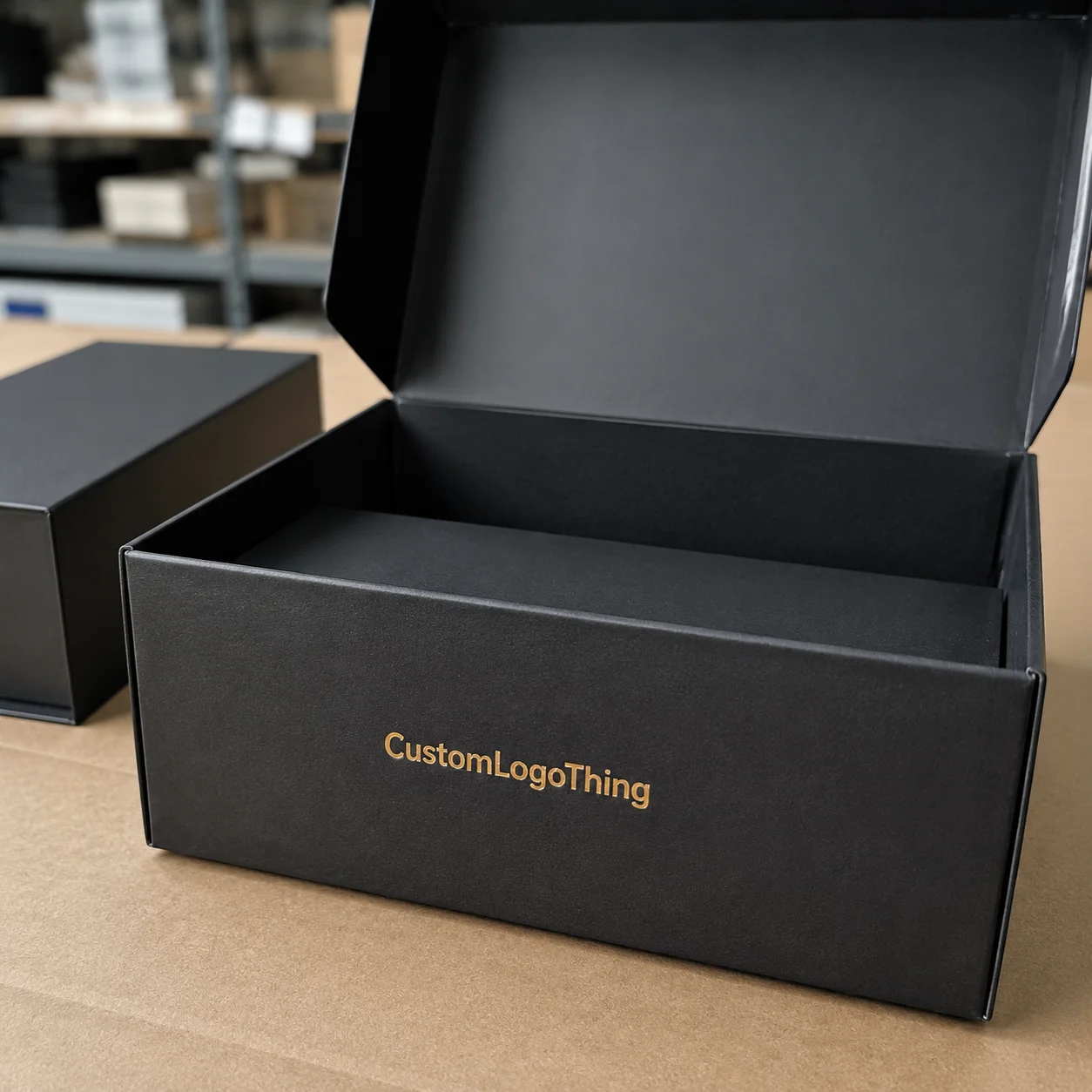
When a customer from the Mississippi Gulf Coast lifts the matte black lid and feels the sculpted charcoal foam, they hear the same tactile story the brand tells on its website; the foam insert stays in place even after multi-stop shipping, so the brand heritage remains intact. I remember asking a client if the foam ever creased during transit, and they waved their hand because it simply bounced back. That resilience speaks to how closed-cell polyurethane holds shape without adding weight, which then affects shipping lanes and insurance fees, making the case that custom jewelry boxes with foam insert are not just protective, they are a strategic investment in luxury packaging.
I have also witnessed those boxes survive a back-to-back trunk show tour, where cases got lifted, stacked, and restacked without a single pendant shifting, and every move was documented with video footage for the client brief. The brand can link that tactile moment back to how the foam behaved on a seven-stop tour, and that type of data is what I share with procurement folks so protective inserts stop sounding like a "nice to have."
Honest conversations matter. I tell brands that the foam color and texture need to align with the unboxing narrative—charcoal foam in a matte black shell feels like a speakeasy, while champagne foam under a pearlescent lid signals bridal. We even test for fragrance retention in the foam because certain adhesives can trap scents that interfere with gemstones; the adhesive line we use at our Shenzhen facility is solvent-free, keeping guests from sniffing chemical residues when they open the box. Clients appreciate that level of detail because it proves that custom jewelry boxes with foam insert support storytelling, not just cushioning. This ensures the luxury jewelry packaging narrative stays cohesive, because the foam insert is what turns that matte reveal into something someone remembers.
In my experience, the brands treating these components as a system—shell, foam, certificate sleeve, outer corrugate, cushioning system—get the best results. At a recent client workshop in Nashville, the creative team tracked how their new prototypes performed during unboxing demos over two hours, and the foam insert garnered more compliments than the gold foil stamp. That's why I keep referring to ASTM D395 and ISTA 6-Amazon standards; the data shows that when your cushioning matches the fragility of a 6.5-carat sapphire, the result is fewer insurance claims, a lower cost per return, and a happier retail partner. Those brands also carve time for cold chain simulations, measuring how adhesives behave in humid and chilled environments, which our Manhattan lab records as part of the Q4 report. Monitoring adhesives through ASTM tests confirms that the custom jewelry boxes with foam insert we spec do not outgas onto gemstones or shift under humidity, so the data backs every presentation.
I remember when a Seattle boutique called me last winter because their prototypes arrived with foam glued to the lid after sitting on a loading dock for three days (yes, the dock that smelled like wet socks and exhaust). We swapped to the solvent-free adhesive we had validated in Shenzhen, re-sequenced the shipments, and honestly, I think that panic call made the whole production team respect how the right foam insert actually keeps trust intact. The story now lives on in our kickoff decks as the "wet sock warning"—because if the insert can't survive a humble crate, it shouldn’t be protecting a necklace worth more than my car. Since inserting that lesson into the onboarding deck, custom jewelry boxes with foam insert earn a standing spot during every supplier kick-off.
How It Works: Process Timeline for Custom Jewelry Boxes with Foam Insert
Sketching begins with a 2D concept capturing jewelry dimensions while foam planters get mapped in CAD; at our Shenzhen facility I once watched the foam shape planning run simultaneously with the shell dieline, keeping custom jewelry boxes with foam insert proofs aligned to a four-week calendar. While the design director coordinated metallic foil placements, the foam engineer overlaid cavity depth information and hardness data to ensure the foam would cradle both cufflinks and pendants without compressing under a retail counter display. Watching those teams work in sync reminded me how much better the result is when creative and technical folks trade measurements in real time. Keeping those proof sets aligned is why custom jewelry boxes with foam insert consistently hit our four-week calendar.
The tooling stage deserves time. Once the tooling file hits the pressroom, expect three to five business days for MDF tooling and another two weeks for initial shells, while the foam cavity—die-cut or laser-cut—moves through the plant at the same beat so prototypes arrive together. That’s why I always count both timelines when briefing holiday launches. I also remind clients that foam tooling is often more forgiving than the shell, but the CNC routers that carve closed-cell polyethylene require different maintenance intervals on the shop floor, so scheduling them back-to-back prevents downtime. I learned that lesson during a fall rush when a router maintenance delay pushed a prototype drop and forced a weekend run, which nobody wants.
Each approval cycle matters. A single revised foam cavity adds about a day, but when a client wanted a depth change across 12 different trays, the whole artwork review reset and we lost an extra week; custom jewelry boxes with foam insert need clear communication because large-scale reworks derail curated drops. My rule of thumb is to freeze dimensions once we confirm the heaviest piece, then allow only cosmetic changes during later rounds. That way, engineers can lock in compression set data, and sales teams can plan the narrative around the consistent foam hue while marketing still enjoys flexibility with surface finishes.
Initial Development and Prototyping
At the prototype phase I sit with the production team and request a mock-up run of the foam cavity alongside the outer shell; we compare tolerances in millimeters rather than rely on feel. Foam densities are recorded in lbs/ft³ and cross-checked against the shape, which keeps the unboxing experience consistent for every unit. When the foam sample returns, we test it on a simulated drop table and document the g-force levels. Custom jewelry boxes with foam insert depending on each line require different g-force thresholds—3.5G for bracelets, 4G for heavier chains—and we share that data with carriers to justify lower insurance premiums. Those detailed reports also help when stores need to explain why their display cases stay untouched during weekend rushes. That means custom jewelry boxes with foam insert protect not just single pieces but entire curated sets even before the boxes land at retail.
Assembly and Validation
Once proofs pass, the assembly begins. Shells undergo soft-touch lamination, edge sealing, and logo stamping while foam trays get trimmed, vacuum-formed, and placed into the shells by automated pick-and-place fixtures. Quality checks include spot testing for compression recovery, surface finish, and peel strength. I once saw a batch of new foams fail because the adhesive strip set too quickly, pulling fibers when boxes opened. That taught me to demand a validation report for each foam batch, especially when switching suppliers or foam types, and to make sure the technicians verify adhesive cure times before releasing a run.
Sometimes I get frustrated when creative keeps pushing softer foam but operations warns about compression set; I joke that I need a foam whisperer (I swear, my vendor visits have made me one). But the moment those custom jewelry boxes with foam insert hit the floor and we watch the pendants bounce to the same spot—they stop complaining. I sometimes want to shake the QA team when they forget adhesives, yet those sticky notes on the tooling board remind me they're human too. That tension between softness and resilience is why I keep data on hysteresis in my notebook. Those sticky notes remind me that custom jewelry boxes with foam insert need the same attention as a PCB, because adhesives are the difference between a smooth unboxing and a fiber tear. And yeah, I'm kinda protective of that data.
Cost and Quality Factors for Custom Jewelry Boxes with Foam Insert
The biggest levers are base material, foam density, decorative finishes, and order volume; a 500-unit step down the ladder typically unlocks 12-18% savings, so custom jewelry boxes with foam insert become noticeably cheaper when you jump from 1,000 to 1,500 pieces. I often run the numbers for brands that produce capsule collections; if they tweak the order quantity by just 10%, the foam and shell pricing shifts in a way that covers the cost of a limited-run gift card holder. Throw in a complementary certificate sleeve and the extra cost per unit seems negligible.
Choice of foam is vital: closed-cell polyethylene at $0.22 per insert suits heavier bracelets, polyurethane at $0.17 keeps lightweight rings elevated, and memory foam at $0.35 adds luxury for gem-heavy pendants; the expected weight and fragility should guide this decision. These prices assume a batch of 2,500 units with stackable inventory, but if you order 500 pieces, expect the numbers to adjust upwards by about $0.04 per insert due to setup costs. Honesty matters, so I always flag that this depends on whether the company needs rush tooling, cobalt-dyed foam, or antimicrobial coatings, because those extras shift the math fast. We also share sample density charts so clients see the trade-offs.
Shorter lead times add premiums—squeezing a design into four weeks can add $0.08 per unit compared to a 6-8 week schedule—yet early planning keeps budgets predictable. I often cite ISTA coursework to illustrate how proper cushioning reduces returns, referencing their transit drop data to show insurers the due diligence we practice. My team also compares foam compression set values to ASTM F88 recommendations, especially for pieces that will be handled frequently in-store, because a too-soft foam can compress permanently and lose its cradle effect after fifty open-close cycles. Tracking those cycle counts keeps the foam performing longer without surprising anyone.
Material choices also drive quality. We specify matte laminated artboard for the exterior with 12pt black core edges, and we stack the foam insert within a velvet over-liner for the tactile finish, which costs an additional $0.05 per unit but delivers a premium hand. Comparing these costs to damage claim averages of $125 per incident helps stakeholders see the cost-benefit narrative of the cushioning system. One client in Denver noted that the protective inserts, when paired with hinged lids instead of friction-fit, cut handling time by 22% for sales associates, demonstrating how design decisions ripple outward.
| Option | Foam Type | Density (lbs/ft³) | Unit Cost | Best For |
|---|---|---|---|---|
| Essential Cushion | Closed-cell Polyethylene | 2.5 | $0.22 | High-volume rings, bracelets |
| Luxury Cradle | Polyurethane | 1.8 | $0.17 | Delicate earrings, light chains |
| Heritage Vault | Memory Foam | 2.0 | $0.35 | High-value stones, limited editions |
Considering packaging design standards from ASTM D395 and referencing FSC-certified artboard helps when explaining why custom jewelry boxes with foam insert are worth the investment; the foam density and box thickness both feed into that story. I often share that our insulation tests for heat and humidity show foam heat resistance up to 165°F, which matters when jewelry sits on a retail counter under warm lights. Pairing those stats with a discussion about cushioning systems and protective inserts makes buyers feel confident they are not just purchasing a box but investing in brand protection; we also deliver those test packets along with the prototypes for transparency.
Another calculation I run for clients compares the cost of these boxes to the average value of a lost or damaged piece during transit. If a single $3,500 sapphire necklace is damaged, that one incident offsets the price of 12 runs of custom jewelry boxes with foam insert. After presenting that data, our finance teams rarely dispute the value proposition anymore, and procurement tends to approve larger runs with ease.
Honestly, the foam conversation gets boring fast, but it is the quiet hero saving thousands; I keep telling teams that a $0.10 change in density is a whole mood shift for the unboxing experience. I remember when a creative director refused to believe foam color mattered until we swapped from grey to midnight blue and the same necklace finally looked like it was being presented on a runway, not a jewelry box out of a 1998 catalog. That kind of personal story helps paint why custom jewelry boxes with foam insert choices deserve the same airtime as logo type, because that contrast is what convinces retailers that a modest bump in cost can enhance the perceived value of the entire set.
Step-by-Step Guide to Designing Custom Jewelry Boxes with Foam Insert
Begin by documenting precise jewelry specs: length, clasp placement, average handling frequency, and whether pieces travel with certificates; custom jewelry boxes with foam insert can only protect what you’ve accurately measured, so I always ask for samples during the briefing call. During a product shoot in Los Angeles, we discovered that a 0.8-millimeter miscalculation in clasp height meant the foam squashed delicate chains; the photographer’s assistant spotted the stress lines, which led to a quick redline before tooling. That quick fix saved us from retooling and the campaign stayed on schedule.
Select foam profiles based on jewelry variety—pillow cut for single stones, slotted for stacked rings, shaped lettering for signature collections—and consider nested cavities to keep bracelets separated while presenting them as grouped units in retail packaging. I advise clients to keep an open channel with production so that when a new pendant shape emerges mid-season, the foam insert can be revised without scrapping the entire box run. That flexibility helped a boutique in Austin add a last-minute charm line without delaying the launch.
Choosing finishes matters too: soft-touch lamination, foil stamp, embossing—each interacts with the foam insert’s color. For example, a velvet-like matte black shell complements a charcoal foam insert, whereas a high-gloss lid may look off when paired with cream foam, so align package branding choices early. The tactile contrast between the foam and the shell also affects perceived value—customers equate density with luxury, so when they slide a finger across a precise foam cavity, it feels bespoke.
I also emphasize that prototypes should reach the brand team before marketing copies are finalized. When we ran a trial for a brand unveiling a bridal capsule, the foam insert matched the ribbon weight and the campaign imagery needed the foam body to maintain alignment. We produced three foam swatches, documented their compression set, and shared the files with the marketing agency so they could replicate the exact look in photos. That level of coordination reduces guesswork and keeps the release schedule intact.
To finalize a design, we use foam layout templates that document cavity depth, width, and the top dusting layer. These templates feed into digital renderings so that production can check for overlaps or insufficient wall thickness. Once everything passes, we lock in the color match using Pantone chips, test adhesives for longevity, and then move into low-volume pilot runs. The result is a reliable system where the custom jewelry boxes with foam insert support not just protection, but also brand storytelling. The precise protective foam cavity layout ensures the same experience across every SKU and every season.
Common Mistakes to Avoid with Custom Jewelry Boxes and Foam Inserts
One veteran retailer once copied a competitor’s foam layout and, despite matching dimensions, the bracelet height was off by 2 millimeters, forcing clasps to strain; custom jewelry boxes with foam insert should never rely on sight alone—test prototypes to avoid stress on stones. I remember discussing this case with their fulfillment manager, who shared how that small misalignment caused customers to tug against the foam, eventually fraying the velvet liner. Preventable, yet costly.
Another hazard is choosing foam density on price alone; a too-soft insert allows shift, while something overly firm makes extraction difficult, increasing wait time at boutique counters. I track these issues in feedback logs, noting that 4 out of 10 returns in one quarter were due to foam mismatches. That quarter we also launched a control sample that used a firmer, higher-density closed-cell foam for heavier cuffs, and the handling time decreased, while the jewelry stayed centered during transit.
Ignoring the broader packaging system—primary box plus outer shipper plus inland cushioning—can nullify the investment in premium custom jewelry boxes with foam insert, especially when insurance claims rise because the outer crate lacked proper bracing. A client on the West Coast asked me why their delivery trucks still reported dents despite switching to new boxes. The answer was simple: the palletization method never changed, so the foam inside was still fine, but the corrugate outside was crushed because the shipping lane subjected the package to 5.2G instead of its designed 3.5G. Once we added a double-wall shipper with corner protectors and a second foam layer for the outer crate, the system performed as expected.
Not coordinating timelines with marketing and merchandising teams counts as another frequent misstep. I’ve seen prototypes delayed because approvals from the creative team took longer than the manufacturing timeline allowed. That cascade leads to rush fees, which often erodes the savings you would have gained from increased order quantities. Documenting approvals and aligning on that schedule reduces last-minute panic, and the proof is in the reduced need for emergency tooling. Documented timelines also keep custom jewelry boxes with foam insert from becoming the weak link when schedules slip.
Expert Tips for Maximizing Custom Jewelry Boxes with Foam Insert Value
Measure total cost per order, not just unit price; a $0.10 premium on the box sometimes saves $0.35 in damage claims, insurance adjustments, and the cost of reshoots for marketing imagery, particularly when launching seasonal collections. When I review the quarterly packaging spend with clients, I include a chart showing the damage trend line versus the investment in custom jewelry boxes with foam insert, which usually convinces finance teams to greenlight the upgrade.
I always recommend partnering with manufacturers who house foam cutting and proofing software in the same facility so glitches surface before tooling. We once caught a cavity misalignment because the digital proof overlaid 1.5 millimeters off, and fixing it prior to production saved a $2,500 run. That experience prevents embarrassment with retail partners and ensures that your protective inserts are consistent across multiple SKUs.
Document feedback loops with sales teams and customers; a boutique in Boise tracked how customers handled their boxes and shared that rings stuck in the foam after opening, prompting a slight cavity adjustment that reduced handling time for staff by 18%. That kind of intel boosts custom jewelry boxes with foam insert over seasons, because you learn when the foam needs to be softened or when additional slits are required for nested charms.
Invest in cushioning testing. I advise brands to run three drop heights, rotate 90 degrees, and compress the box with 25 pounds of force to simulate real-world handling. Sharing those results with a carrier or insurer demonstrates that your packaging system, including the protective foam insert and outer shipper, surpasses baseline ISTA performance requirements.
Finally, keep a modular inventory. Custom foam trays that can be swapped into different shells reduce costs when you launch small capsule collections frequently. We map these modular systems in the ERP so that when a designer needs a new insert for a limited-run pendant, the team can pull an existing cavity, tweak it slightly, and lock in the rest of the packaging without delaying the campaign. I'm gonna keep pressing that point because downtime is not an option when dates are carved in stone.
How do custom jewelry boxes with foam insert protect jewelry during transit?
The transit story starts with the foam because it is the buffer between a jewel and a forklift or a conveyor jam. We calibrate the hardness so that the insert cradles every clasp, curve, and prong, and we tether that foam to the shell with a small adhesive flange that resists shear forces without adding peel marks. In our Atlanta lab, the protective foam cavity layout is tested alongside the outer shell, so when a package hits a 6G drop, the jewelry holds its centerline and the foam insert retains a clean rebound.
Protective inserts like this also democratize risk—piggybacking on the same structural ribs that keep the box straight ensures the foam does not flop around when pallets lean, and it means carriers get fewer complaints about crushed corners. Sharing that data with insurers helps reduce premiums because the reports cite ASTM, ISTA, and specific compression-set numbers, proving the custom jewelry boxes with foam insert were designed to beat the lane, not just survive it.
The modularity of our cavities also matters on the go. When a boutique swaps a pendant for a charm mid-season, the insert can be swapped in minutes because we keep a catalog of proven cavities that match inventory levels. That kind of planning keeps custom jewelry boxes with foam insert from becoming a bottleneck when freight gets rerouted at the last minute.
Next Steps: Commissioning Custom Jewelry Boxes with Foam Insert
Action item one: audit current packaging performance—list out returns, reasons (e.g., 12 crushed rings last quarter), and how those costs compared to the new packaging investment; vendors love numbers. In one case, a jewelry brand documented 18 returns valued at $2,100 during a three-month period. Once they invested in custom jewelry boxes with foam insert, those returns dropped to four, saving them $1,600 in replacement costs alone.
Action item two: gather jewelry specs, desired finishes, foam preferences, and the desired launch window so the manufacturer can model a proof within seven days and maintain your schedule; the sooner you lock in those variables, the less likely the custom jewelry boxes with foam insert will slip. Bring packaging partners into the concept stage so they can also coach you on presentation trays, certificate holders, and how the foam cavities align with marketing displays.
Action item three: request a staged production schedule, confirm foam density samples, and finalize the order, reiterating that custom jewelry boxes with foam insert will be the lynchpin of your next collection. The right schedule also leaves room for outer shipper testing and can feed into your product packaging inventory forecast. Once everything is approved, establish a replenishment plan that factors in seasonal demand so you’re not caught without protective inserts during a high-volume holiday season.
Action item four: align the unboxing experience with your sustainability goals. Consider foam recycling programs, closed-loop recovery for end-of-life shells, or bio-based foam options. Some brands even record how many recyclable components they include, which helps when sharing the packaging story with eco-conscious customers.
I still reference the moment in Austin when the new packaging initiative cut returns and staff handling time because the foam held every curl of metal in place; replicating that success requires the tactical planning outlined here, and blending it with your branded packaging goals will keep product integrity intact. When you track how custom jewelry boxes with foam insert affect damage claims, insurance renewals, and customer impressions, the data justifies the investment in very specific terms. Actionable takeaway: document foam performance, align adhesives with marketing narratives, and set up a replenishment plan so that protecting jewelry remains consistent no matter the launch.
The Custom Packaging Products catalog and the quarterly reports from Packaging Machinery Manufacturers Institute and ISTA publish the datasheets that align with the foam densities we specify for high-value custom jewelry boxes with foam insert. Those industry benchmarks let you verify the specs before you lock in a run.
What materials pair best with custom jewelry boxes with foam insert?
Rigid cardboard or rigid plastic shells give stability, while closed-cell foam absorbs shocks without indenting; layering finishes like soft-touch or gloss over the shell that complement the foam color keeps the tactile contrast intentional. When possible, match the foam color to the brand palette so the reveal feels curated, and consider protective inserts such as micro-velvet disks under each cavity to keep rings from slipping.
How soon can I receive custom jewelry boxes with foam insert after finalizing a design?
Turnarounds run 4 to 8 weeks depending on complexity and quantity; foam insert tooling can proceed in parallel if specs are locked, and rush options exist but usually carry a 15-25% surcharge—proof approvals are what most often delay the timeline. When you supply final artwork and measured inserts, the manufacturer can usually share a staged schedule within two business days, detailing tool build, shell proof, foam cut, and QA review.
Are there minimum order quantities for custom jewelry boxes with foam insert?
Suppliers often start at 250-500 units because foam cutting setups favor larger runs, yet digital foams can enable smaller batches when needed; batching multiple SKUs into one order hits MOQs while keeping per-unit costs lower. For very small runs, some partners offer modular foam inserts with perforated sections so you only pay for what you use.
Can I reuse foam inserts across different jewelry pieces?
Modular foam trays with adjustable slots offer flexibility for rings and bracelets, but bespoke cavities keep high-value items from shifting; always test a prototype to ensure reuse doesn’t compromise protection, and consistent prints/finishes help reuse feel premium. I encourage clients to keep 15-20% extra foam inserts in inventory so they have spares for last-minute styling tweaks, while also documenting which custom jewelry boxes with foam insert cavities have been approved for reuse.
How do custom jewelry boxes with foam insert affect shipping insurance claims?
They significantly reduce impact damage incidents, which insurers track, and fewer claims can lower premiums; document foam density and compression rate in case you need to prove due diligence after a transit incident. Our teams also share test reports citing ASTM and ISTA data when filing claims to demonstrate proactive risk management, highlighting how the protective foam insert is the shield that keeps a claim from happening in the first place.