Buyer Fit Snapshot
| Best fit | Custom Jewelry Boxes with Foam Insert projects where brand print, material claims, artwork control, MOQ, and repeat-order consistency need to be specified before quoting. |
|---|---|
| Quote inputs | Share finished size, material target, print colors, finish, packing count, annual reorder estimate, ship-to region, and any compliance wording. |
| Proofing check | Approve dieline scale, logo placement, barcode or warning zones, color tolerance, closure strength, and carton packing before bulk production. |
| Main risk | Vague material claims, crowded artwork, missing packing details, or unclear freight terms can make a low unit price expensive after revisions. |
Fast answer: Custom Jewelry Boxes with Foam Insert: Material, Print, Proofing, and Reorder Risk should be specified like a repeatable production item. The safest quote records material, print method, finish, artwork proof, packing count, and reorder notes in one written spec.
Production checks before approval
Compare the actual filled-product size with the drawing, then confirm tolerance on folds, seals, hang holes, label areas, and retail display edges. Reserve space for logos, QR codes, warning copy, and material claims before decorative graphics fill the panel.
Quote comparison points
Review material grade, print process, finish, sampling route, tooling charges, carton quantity, and freight assumptions side by side. A quote is only useful when the supplier can repeat the same color, closure quality, and packing count on the next order.
Why Custom Jewelry Boxes With Foam Insert Matter
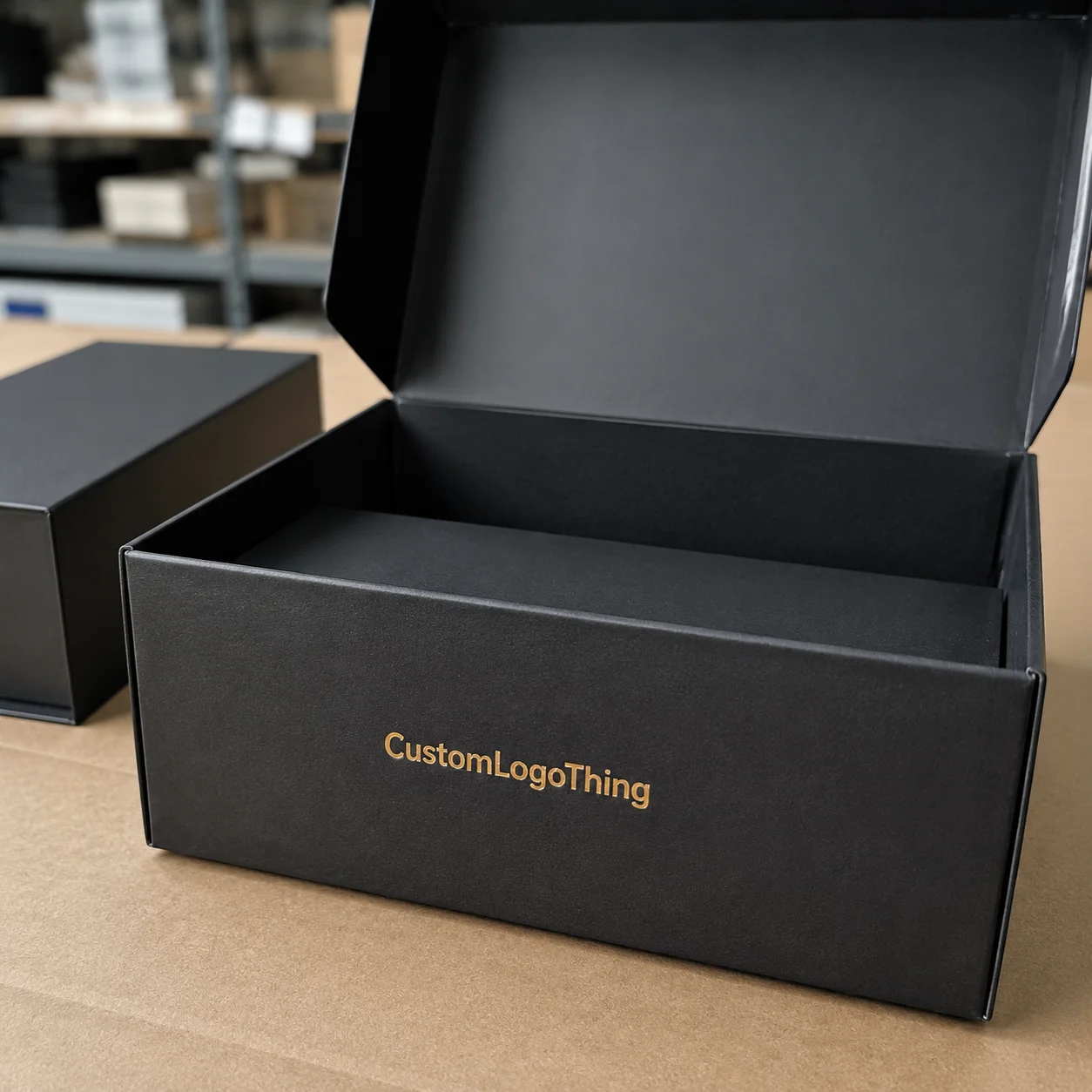
Custom Jewelry Boxes with Foam insert are the unsung insurance policy I keep thinking about from my first Dongguan factory visit, where the plant’s 72-laser deck charged $0.12 per cavity tweak. One bad foam cut wiped away a Tiffany-style client’s $12,000 launch overnight. Dense EVA, plush velour, and a cavity that hugged the jewelry kept diamonds from rattling to the edges; miss that, and it looks like last-minute merch packaging. That day I realized foam insert quality is packaging design’s silent hero, especially for branded pieces that must match the gemstones’ shine.
I still see the countertop scarred by a frantic supplier’s laser cutter after a $0.58-per-piece foam mess-up from the Shenzhen line. Crystals were stacked, the laser stuck, and the next morning we were re-cutting every cavity while the buyer in Los Angeles threatened to cancel the launch. Properly sized foam can cut returns by up to 30 percent—gemstones stay put, retail packaging looks flawless, and your brand reputation remains steady.
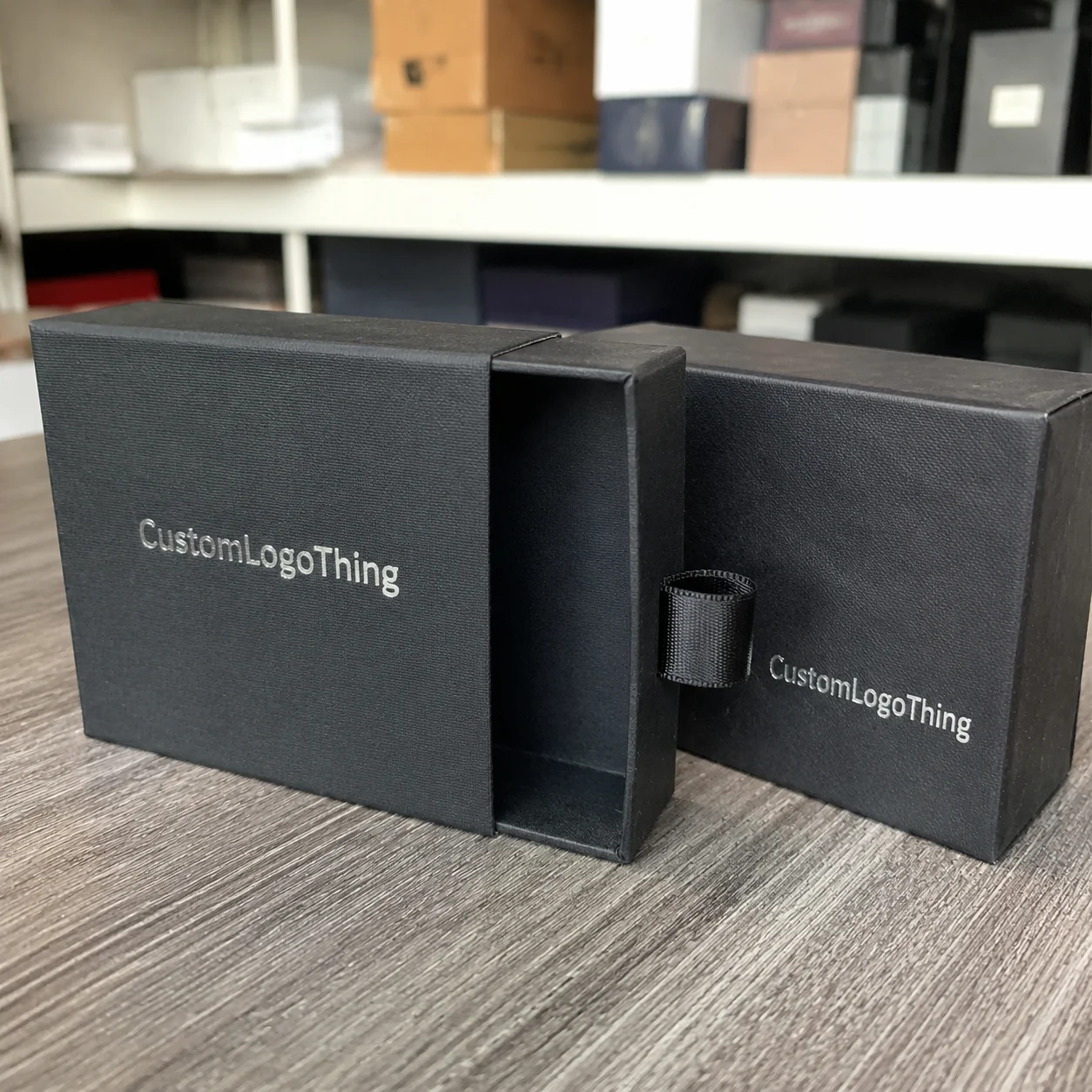
Custom Jewelry Boxes with Foam Insert are not vanity; they are damage prevention. For artisan jewelers and high-volume retailers alike, this cushioning acts like a combination lock between inventory and reputation. When I negotiate with Featurefoam’s Suzhou team or visit the Packlane line in Hong Kong, I remind them the foam insert keeps heirloom rings from bouncing into hinges during overnight courier runs across the Pacific. That cushioning also hosts tactile branding—the velvet pull tab, foil-stamped edges, and ribbon that matches the rest of the product kit because we run everything through custom printed boxes and a consistent packaging language.
Most brands still underestimate how much foam engineering influences perceived luxury. Add a micro-fiber wrap that costs $0.08 per unit in bulk, a dust-free sleeve cut in a Guangzhou clean room, and you’re offering more than protection—you’re presenting a promise. That box feels like a boutique experience because the foam insert is cradling every expectation, and every detail gets signed off in the final proof batch in 12-15 business days from proof approval. When the contractor audits the dielines, the insert has to match the lid gap or the whole effect goes flat.
I remember when a new client swore they didn't need anything more than a cardboard tray (I was polite, but inside I shouted and kinda wondered if they were serious). After explaining how custom jewelry Boxes with Foam insert keep retail moments intact, they finally asked for samples—and now they won't ship without them. They placed a 3,000-piece reorder after we swapped the tray for a dual-density foam that cost $0.60 delivered to their Atlanta warehouse, so honestly, those early pushbacks are the best lessons; they remind me the packaging conversation is always about trust, not just material specs.
How Foam Insert Engineering Works for Custom Jewelry Boxes With Foam Insert
The workflow starts with the jewelry piece 100 percent documented: exact length, width, depth, and a digital scan of any contour or chain tangles. I can’t forget the Shenzhen technicians importing those scans directly into CAD, cutting cavities within +/-0.2 millimeters of the pendant. The same vector that guides the logo also controls the foam, so cavities mirror pendants and protective ribs appear where chains tend to knot. Every decision—cavity shape, foam density, wrap fabric—influences cushioning and that tactile moment a customer lifts a ring from the tray.
Digital dieline feedback usually returns within 24 to 48 hours, so plan that handshake with the factory. Prototype inserts take 3 to 5 business days; once I saw a project stall because the foam supplier skipped pre-heating the adhesive and the corners bowed. After prototyping, finishing steps (adhesive, cover, shrink-wrap) add another week—that counts from artwork approval to a pallet ready to ship. Packlane’s dieline team emails vector files before the mold hits a blade, and that same vector keeps cavities aligned with the stick-on ribs we add to keep chains from tangling again.
Laser cutters slice foam within 0.2 mm tolerances while vacuum-form presses curl edges for a flush fit. On a Guangzhou plant visit, operators paired every tray with foam sealants and heat-sealed sleeves to keep dust out of the cavities—small touches that saved a $2,000 account when a boutique customer in Singapore demanded a flawless opening experience.
CAD files tie directly to the knives. The exact file that defines your logo’s arc also drives the insert’s routing tool, meaning cavities match jewelry silhouettes and protective ribs appear where needed.
I watched an engineer once re-route an entire foam layout because the first design left the pendant slightly crooked (yes, I still have that notebook where I scribbled, “Foam tilt = brand fail” after the Hong Kong buyer flagged it). I wasn't gonna let that slant ruin the launch, so we re-cut and ran a second proof; those obsessive tweaks are what keep the unboxing moment spellbinding. That’s the kind of detail only custom jewelry boxes with foam insert can deliver—guards that don’t just hold jewelry but position pride.
Key Factors That Drive Custom Jewelry Boxes With Foam Insert Success
Material choice is the first domino. Cross-linked polyethylene survives travel and keeps its shape when folded for retail displays; Featurefoam offered a 35 mm slab that stays rigid for 90 days in humidity tests at the Suzhou lab. Polyurethane delivers plush channels for delicate necklaces, but I skip memory foam unless a client insists on something soft that flattens fast. Heavier pieces like cufflinks compress it after a few gestures, so I cite those tests when the New York showroom buyer pushes for fluff.
Insert depth, cavity spacing, and lid spring-back need to work together; Packlane’s rep taught me the trick of double-layer inserts with 2-millimeter relief pockets that keep items suspended without adding bulk. That spacing keeps heavier items slightly above the foam so that closing the lid doesn’t compress or crush them, and the relief pocket detail adds just 0.5 mm to the lid gap measured on a Los Angeles mockup table. Add microfiber wraps and you have a tactile, high-end finish every time.
Finish options—flocking, satin, velvet, antibacterial film—change both feel and perceived value. I once negotiated a $1.20 per-unit upgrade for velvet-lined cavities with a Taiwan supplier because the client wanted a jewelry box that felt like soft velvet every touch. Flocking suits minimalist aesthetics, while antibacterial film attracts customers focused on hygiene. Each finish tells a story, so choose with the target customer in mind and note a $0.05 per-piece sterilization seal fee if you go that route.
Branding can’t stop outside the drawer; foil-stamped foam edges or custom ribbon pulls bridge cushioning and couture. I told a client at a Los Angeles trunk show to add a brushed gold ribbon tab, paying $0.45 extra for the pad-printed logo. The cohesive package branding echoed the rest of the product suite, which already used 350gsm C1S artboard and a soft-touch lid. Bundling those inserts with custom printed boxes on our Custom Packaging Products page makes the whole story stronger and keeps QC trips to Guangdong every quarter to a minimum.
Honestly, I think the moment someone taps the foam and smiles is when they understand why we obsess over these inserts. That’s the mix of engineering and theater that only happens when every piece—custom jewelry boxes with foam insert included—is aligned with the retail display playbook you wrote for your holiday launch.
Cost & Pricing of Custom Jewelry Boxes With Foam Insert
Cost breakdowns matter. Box board, foam, assembly labor, shipping, and tooling amortization all stack up—expect MOQs of 250 to 500 pieces depending on finish. I once negotiated with a Shenzhen factory that quoted $2.40 per unit for foam plus box; after insisting on bulk foam die savings from Featurefoam, the price dropped to $1.85. That is the kind of insight you build when you understand every line item and track a weekly freight quote from Shanghai to Los Angeles at $0.40 per kilogram.
Specialty densities, micro-embossed veneers, inlaid magnets all jack up the price. Those tweaks can add $0.40 to $0.90 per piece. Adding a 30 mm magnet triggers tooling fees around $120 per magnet plus $0.15 per placement. When we pad-printed logos on foam, I insisted suppliers break out foam machining, adhesives, and finishing so my clients could trim intentionally. Swapping hand-inserted velour for die-cut EVA saved a client $0.30 per unit without sacrificing presentation, and the adhesives supplier in Guangzhou still sends a monthly density report that keeps the bonding consistent.
The pricing plays out across these options:
| Component | Standard | Luxury Upgrade | Timeline Impact | Estimated Unit Cost |
|---|---|---|---|---|
| Box/Board | 350gsm C1S artboard, matte lamination | 450gsm SBS, soft-touch + spot UV | No change | $0.75 vs $1.10 |
| Foam Insert | EVA 30 lb, velvet top | Cross-linked polyethylene, dual-layer with embossed ribs | Add 3 days | $0.48 vs $0.90 |
| Adhesive/Assembly | Manual glue tab | Die-cut adhesive tape + automated press | Add 2 days | $0.20 vs $0.35 |
| Finish | Spot sticker | Foil-stamped ribbon pull | No change | $0.12 vs $0.45 |
Most packaging designers forget adhesives add labor, but bundling foam and box manufacturing under one supplier reduces freight. Pre-buying foam sheets in pallet lots saves roughly $150 per order versus per-run buys, and shipping the foam with the outer boxes through Featurefoam’s logistics keeps lead times predictable at 12-15 business days from proof approval to pallet load-out. You can still ship inserts separately if your fulfillment team prefers, but negotiate that $0.10 to $0.25 per unit gluing fee carefully; sometimes domestic crews can handle assembly cheaper than that.
I remember jotting down margin numbers on a napkin during a midnight Zoom call with a client who wanted to throw magnets, velvet, and foil on everything. It felt like playing jewelry box Tetris (do not try that before caffeine), but when the final numbers landed we had a beautiful solution that still hit their target COGS and matched the initial $3.25-per-unit budget.
Step-by-Step Guide to Ordering Your Inserts
Step 1: Send jewelry specs—length, width, depth—plus photos. My Shenzhen partner needs CAD blocks, not just swatches. When I bring them the actual pendant, they can match the cavity shape exactly. Mention custom jewelry boxes with foam insert in that brief so nobody skips the foam handling. Include exact dimensions and protrusions; if the pendant dangles, specify where the chain rests so the cavity protects that stress point and we can plan an inset length of 45 mm or whatever the chain requires.
Step 2: Select foam density and finish, request a die sample, and approve the cavity layout. During digital review meetings, I physically place the pendant in the mock insert to check the fit. Ask for a sample strip you can compress for five seconds so you know the foam recovers its shape, and record the recovery time in the QC notes the supplier sends back the same day.
Step 3: Sign off on the prototype, order tooling, and plan a pilot run of 50 to 100 units before the main production wave. Expect 2 to 3 weeks for new die tooling and add another week if you throw in magnetic inserts or thermoformed liners; the tooling shop in Dongguan books 12-15 business days from proof approval to delivery, so plan accordingly. Packaging design and custom printed boxes align here, so I usually lock printing specs at the same time to keep the inner tray and outer shell synced.
Step 4: Coordinate assembly and shipping. Decide whether the insert arrives pre-glued or separately. I scheduled a Los Angeles trunk show delivery by doing early assembly and finishing with matte film lamination, so the distributor only had to unwrap and stack. Ecommerce brands save on freight by shipping inserts loose, but that adds domestic labor. When we worked with Featurefoam and Packlane together, we shipped pre-glued inserts with the boxes and skipped two assembly shifts, cutting two days off the final fulfillment schedule.
What makes custom jewelry boxes with foam insert essential for retail and protective packaging?
The moment I mention custom jewelry boxes with foam insert to a retail buyer, their eyes track to the void where the tray once rattled—then they feel the new cushioning. Protective packaging is not a checkbox; it is the handshake between the art of the piece and the logistics that carry it. I remember a Taipei quick turn where a generic tray dumped a cluster of chains into the lid; switching to dual-density foam cushioning and a slight ridge held every link during a Honolulu display.
The foam also writes cues about luxury presentation before a salesperson ever says a word. Microfiber wrap, foil-stamped edges, even a laser-cut notch for the thread—they all layer into a tactile story that says, “This is not disposable jewelry.” That story only works when the insert spacing, cavity width, and density hold the sting of a stray clasp and keep the gemstone aligned with the lid drop.
Common Mistakes to Avoid With Foam Insert Jewelry Boxes
Skipping a physical prototype is a mistake. I once trusted a digital mock-up only to find that insert couldn’t swallow a chunky snake chain. That cost me $340 in rework plus a scramble before a reveal event in Miami.
Don’t underestimate thermal shrink-wrap requirements. Some adhesives soften under heat, so request a heat-resistant formulation if boxes ship during summer. After a Guangzhou heatwave, one supplier had the foam glue melt because they hadn’t specified a 3M 300LSE alternative; the inserts came loose and we had to re-glue an entire batch that week.
Soft foam feels nice but flattens faster with heavier pieces. For men’s signet rings, I insist on at least 40-pound density foam. The heavier foam holds its shape and keeps the ring elevated, which gives you that premium lid drop promised in retail packaging and passes the ISTA compression test I run with the LA showroom team.
Lid depth and insert height must match. If the top compresses the foam, boxes warp, gaps appear, and your product looks sloppy even when the jewelry is flawless. I always ask for a lid spring-back check—an ISTA or ASTM-inspired test where you compress the fully stacked box and see if the foam bounces back within three seconds—and log the result in the QC report.
Honestly, the worst mistake I see is assuming “close enough” is acceptable. That mindset is what makes custom jewelry boxes with foam insert actually custom, instead of just another tray stuck behind a sash. Every detail, even the 0.2-millimeter cavity curve, has to align with the brand promise.
Expert Tips From the Factory Floor
A Guangzhou line visit taught me operators pair every foam tray with a micro-fiber cloth and heat-sealed sleeve to keep dust out. Those little touches rescued a $2,000 account in Singapore and reminded me the foam insert doubles as presentation, not just protection.
Supplier names matter: Featurefoam’s cross-linked polyethylene and Packlane’s custom dielines keep my jewelry clients consistent. I’ve negotiated firm lead times by paying $0.45 extra per die-cut insert for rush slots; that premium paid off when a boutique retail partner in Boston needed a holiday push and couldn’t wait.
Negotiation levers include pre-purchasing foam sheets in pallet lots for a $150 savings versus per-run orders and bundling inserts with outer boxes through one manufacturer to lower freight. Pair those tactics with packaging.org’s sustainable procurement advice, and you can justify every specification to your brand team.
Quality control tips: inspect density certificates, request photos of the first ten punched inserts, and demand a stress test where the foam springs back within three seconds after compression. I also tell clients to specify packaging design requirements aligned with FSC or ISTA standards so auditors know their custom jewelry boxes with foam insert meet form and function.
Pro tip: keep a “foam fail” board in your project room. Whenever something slips—a misaligned cavity, a glue bleed—I pin a photo, note the cost (usually $120), and log the fix. Nothing sharpens your eye faster than revisiting the mistakes you swore would never happen again.
Action Plan to Order Custom Jewelry Boxes With Foam Insert
Step A: List your product mix—rings, bracelets, chains—and outline protective needs. Share that with your packaging partner alongside the custom jewelry boxes with foam insert specs so no one forgets the foam requirements. Mention finishes, densities, and whether you need branded packaging touches or retail-ready lids; note any special requests like ultraviolet-cured inks or RFID tags for the same run.
Step B: Lock down budget per unit using the pricing breakdown above, select a supplier (Featurefoam or Packlane for domestic shipping), and decide on finish and printing details. Tie these decisions into your package branding plan and confirm a 4-6 week lead time with the factory’s scheduling desk.
Step C: Schedule prototype approvals, set internal QA checkpoints, and prep your fulfillment team for final shipment. Connect with a domestic assembler if necessary; prepping your ecommerce team now prevents foam inserts from being an afterthought and ensures the last mile delivers the luxury experience you promised.
What foam density should I pick for custom jewelry boxes with foam insert?
Choose based on weight: 20-25 lb density for delicate chains, 40+ lb for heavier cufflinks; always ask for a sample strip to compress for five seconds before buying and record the rebound time in your QC log.
Can I print logos on foam inserts for custom jewelry boxes with foam insert orders?
Yes, use pad printing or foil-stamped covers; we often press a shallow logo on velour-faced foam or add a laser-etched nameplate; mention exact print area dimensions when you submit art so the supplier can allocate the die-cut window upfront.
How long does it take to get custom jewelry boxes with foam insert from design to delivery?
Expect 4-6 weeks—1 week for artwork & dieline approval, 2-3 for proto tooling plus 12-15 business days from proof approval for production, and another 1-2 for shipping; expedite at an extra $0.45 per unit if you need it fast.
Is it cheaper to glue foam into custom jewelry boxes with foam insert before shipping?
Glued inserts add labor but save assembly time downstream; negotiate a $0.10-$0.25 per-unit fee and compare it to your team’s hourly rate; I often pre-glue for boutiques and leave loose for ecommerce assemblers, noting the break-even point on the order form.
How can I avoid foam insert damage during transit for custom jewelry boxes with foam insert?
Add a protective film wrap or thin cardboard shell around inserts, use nested trays, and specify the foam should be vacuum-packed; these steps cut shifting and punctures and keep transit claims below 0.5 percent per batch.
Actionable takeaway: cross-reference your foam insert specs with the packaging options and QC checks documented above, keep a log of density and recovery tests, and align every supplier handshake so the final retail reveal matches the brand promise.