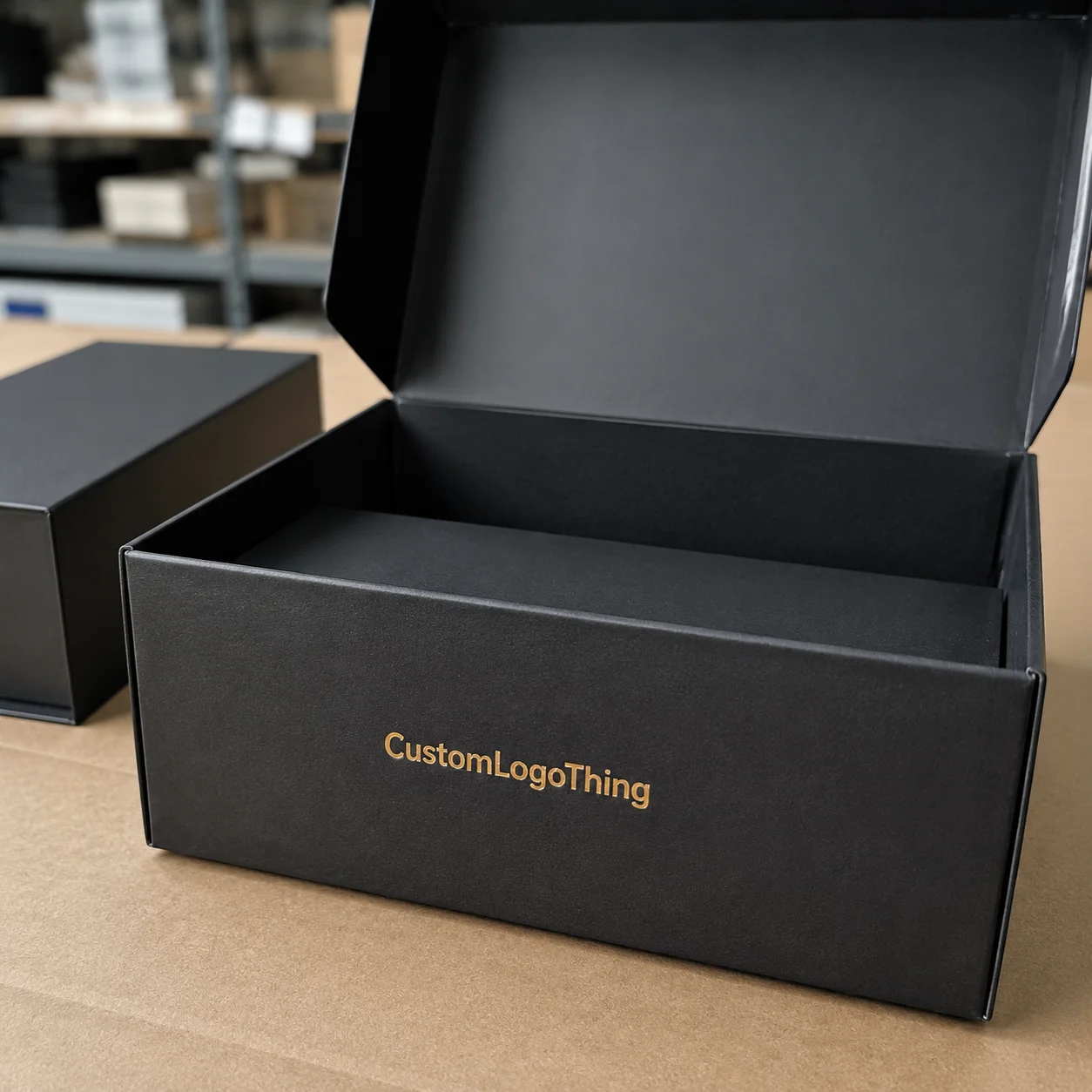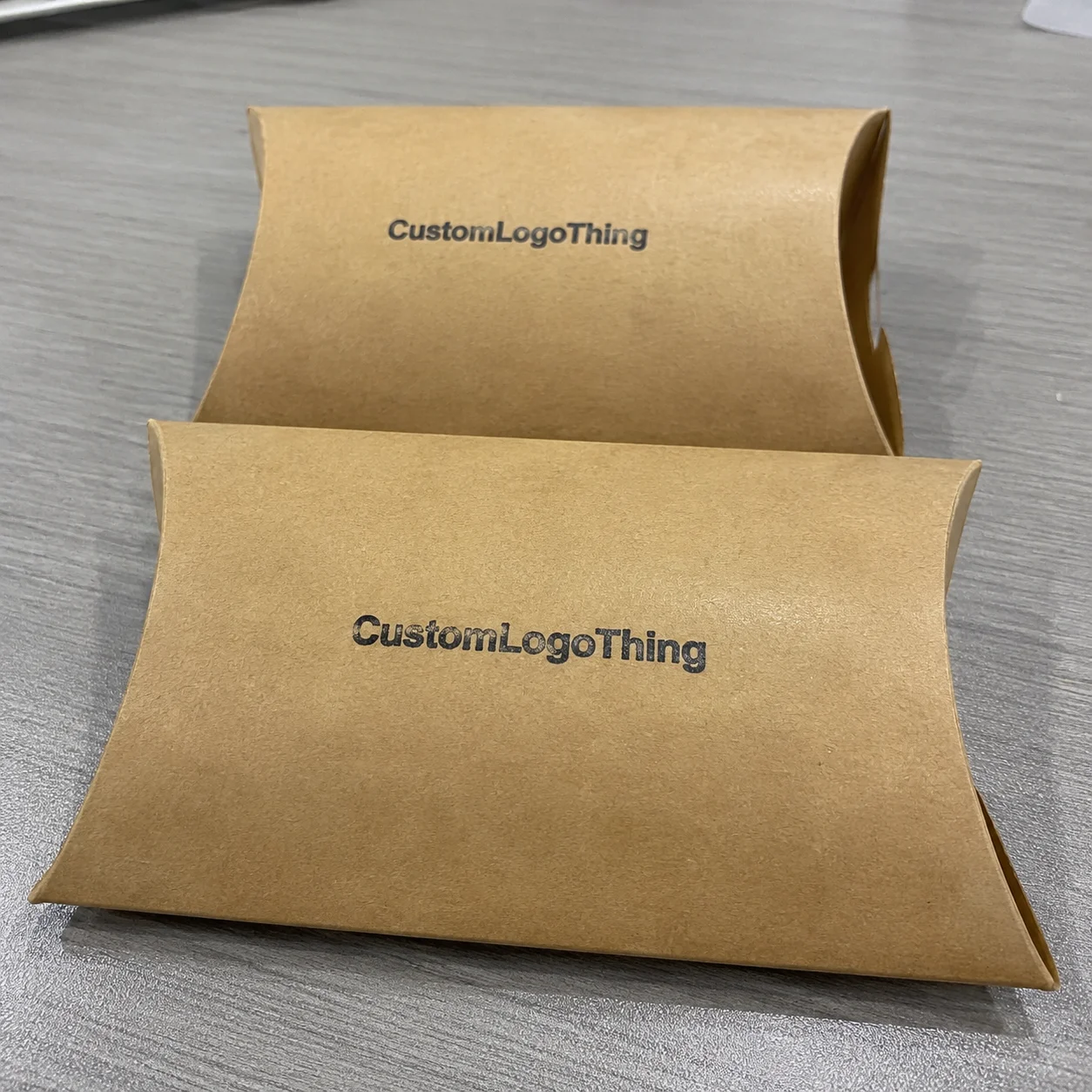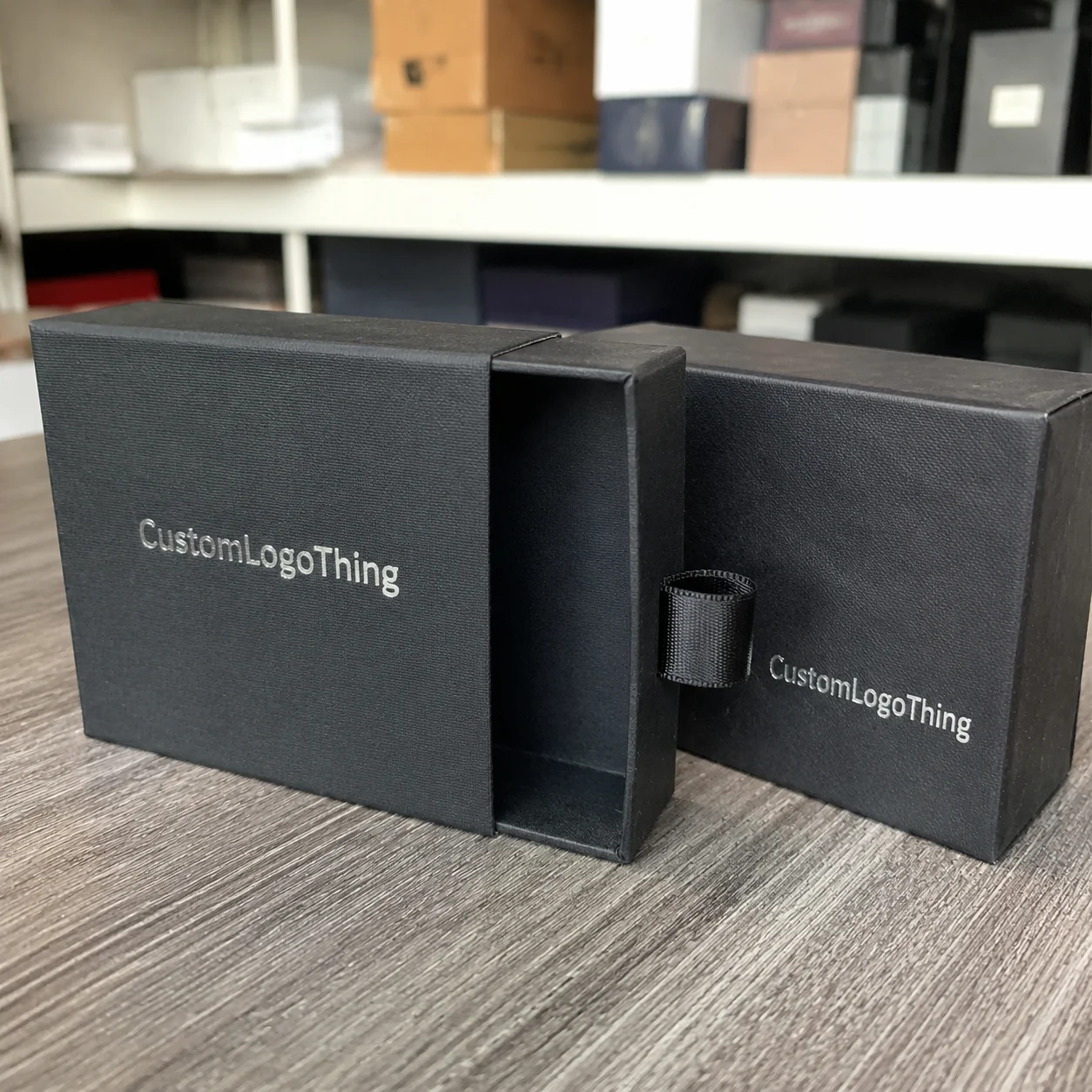
Buyer Fit Snapshot
| Best fit | Custom Jewelry Boxes with Foam Insert projects where brand print, material claims, artwork control, MOQ, and repeat-order consistency need to be specified before quoting. |
|---|---|
| Quote inputs | Share finished size, material target, print colors, finish, packing count, annual reorder estimate, ship-to region, and any compliance wording. |
| Proofing check | Approve dieline scale, logo placement, barcode or warning zones, color tolerance, closure strength, and carton packing before bulk production. |
| Main risk | Vague material claims, crowded artwork, missing packing details, or unclear freight terms can make a low unit price expensive after revisions. |
Fast answer: Custom Jewelry Boxes with Foam Insert: Quote Scope, Sample Proof, MOQ, and Lead Time should be specified like a repeatable production item. The safest quote records material, print method, finish, artwork proof, packing count, and reorder notes in one written spec.
Production checks before approval
Compare the actual filled-product size with the drawing, then confirm tolerance on folds, seals, hang holes, label areas, and retail display edges. Reserve space for logos, QR codes, warning copy, and material claims before decorative graphics fill the panel.
Quote comparison points
Review material grade, print process, finish, sampling route, tooling charges, carton quantity, and freight assumptions side by side. A quote is only useful when the supplier can repeat the same color, closure quality, and packing count on the next order.
A ring can be beautiful and still arrive in the wrong box, and that single detail can change the whole sale. I remember one shipment early in my career where the jewelry itself was perfect, but the packaging had caved in during transit between Ningbo and Los Angeles, and the customer returned it before anyone even had a chance to admire the stone, which was, frankly, maddening. That kind of headache is exactly why custom jewelry boxes with foam insert deserve far more attention than they usually get. For fine jewelry, fashion jewelry, or gift sets, the box is not just a container; it belongs to the product packaging, shapes the brand story, and often carries the first real promise of quality before the lid is even lifted.
In my experience, the strongest packaging decisions are rarely the loudest ones. They are the choices that keep a chain from tangling, stop prongs from scraping the interior, and make a customer pause for a breath before opening the lid. That pause matters. It is the moment when perceived value rises, and honestly, I think that moment is half the sale for premium jewelry, especially when the box uses a 1.5 mm rigid board wrapped in 157gsm art paper and paired with a 10 mm EVA insert.
Custom jewelry boxes with foam insert sit right where protection and presentation meet. They can be built for single rings, bridal sets, earrings on cards, bracelets, pendants, watches, or mixed SKUs, and they can serve retail packaging as well as e-commerce shipping. Too many brands still treat the box like an afterthought, even though it should be part of package branding from the first spec sheet. I have seen entire product lines feel more expensive simply because the box was handled properly, from the paper stock to the cavity depth.
Custom Jewelry Boxes with Foam Insert: Why They Matter
One pattern I’ve seen again and again in customer returns is simple: the jewelry itself is often fine. The failure happens around it. A clasp rubs against the interior. A necklace shifts half an inch in transit. A pair of earrings arrives loose enough to scratch a polished surface. That is where custom jewelry boxes with foam insert prove their value, because protection and presentation start working as one system. A $0.65 box can prevent a $120 return, and in a 5,000-piece program that math gets attention quickly.
At a factory visit in Shenzhen’s Longhua District, I watched a QA team shake sample trays for 30 seconds each. The rigid box looked polished from the outside, but the foam insert was what kept the items centered after repeated handling. One worker told me, with no sugarcoating at all, that a pretty lid does not save a loose product. He was right. In jewelry packaging, movement is the enemy, and the foam is the quiet hero nobody photographs enough.
Custom jewelry boxes with foam insert are usually rigid boxes or premium paperboard boxes fitted with precision-cut foam that holds the jewelry in place. The foam cavity may be shaped for one item or several, and it can be designed for rings, stud earrings, drop earrings, necklaces, bracelets, watches, or full sets. I have also seen these inserts used for subscription-style product packaging, where the same outer box houses different SKUs with only a small change to the foam layout. A 55 x 55 x 35 mm ring box and a 180 x 120 x 45 mm gift set may share the same print family while using completely different interior engineering.
Foam does more than cushion. It reduces abrasion, helps prevent tangling, creates a cleaner reveal, and keeps the jewelry centered for photography and unboxing. Black foam can make diamonds or polished metal stand out under store lighting. White or pale gray foam can feel softer and more bridal. That visual contrast is a small detail, but I have watched it influence buying behavior at the counter more than once, especially when paired with a matte laminated rigid box and a gold foil logo.
Compared with velvet inserts, molded pulp, or cardboard dividers, foam often performs best when exact positioning and a tighter premium fit matter. Velvet can look elegant, yes, but it does not always hold a piece as firmly. Molded pulp is more sustainable in some cases, but it usually gives up precision. Cardboard dividers are economical, though they rarely deliver the same feel as custom jewelry boxes with foam insert. I know that sounds a little blunt, but packaging has a habit of being brutally honest, and a ring that slides 4 mm off center tells the truth very quickly.
The practical framing is straightforward. The box is doing two jobs at once: it protects the jewelry in transit and it carries the brand experience in the customer’s hands. That combination is why so many premium and mid-premium jewelry brands keep coming back to custom jewelry boxes with foam insert instead of generic cartons. A supplier in Dongguan once told me their repeat orders were strongest from brands that tracked return rates down to 0.3% differences, because the right box paid for itself faster than people expected.
Packaging lesson I keep repeating: if the item can rattle, it can disappoint. And if it disappoints once, the customer remembers the noise, the dent, or the scratch longer than the product name.
How Custom Jewelry Boxes with Foam Insert Work
At a structural level, custom jewelry boxes with foam insert are straightforward. The outer box supplies protection, branding, and stackability. The foam insert supplies product restraint. Add a lining, wrap, or magnetic closure, and you get Packaging That Feels engineered rather than improvised. A typical premium build might use 350gsm C1S artboard wrapped over a 2 mm greyboard shell, then finish with a 12 mm EVA insert cut to the exact cavity size.
The outer shell is often made from rigid board, usually 1.5 mm to 3 mm thick, then wrapped in printed paper, textured paper, or specialty stock. Some brands prefer paperboard folding boxes for lower weight and lower freight cost. Inside, the insert is typically EVA, PU, or EPE foam, cut to the exact shape needed for the jewelry piece. The more precise the cut, the better the item sits, and the less it moves. I’ve watched a package go from “fine” to “premium” in a single sample revision just because the insert was tightened by a few millimeters, and the change cost only $0.04 per unit at 3,000 pieces.
The working logic inside custom jewelry boxes with foam insert is simple. The jewelry is placed into the cavity, the cavity grips the object at a few contact points, and the lid closes without pushing the item upward. If the fit is too loose, the piece can slide. If it is too tight, clasps bend, post backs pinch, and delicate settings can stress under pressure. That tiny window between snug and strained is where good packaging either earns its keep or becomes a very expensive annoyance, especially for sterling silver chains and plated brass pieces that show wear quickly.
Foam types you will hear about
EVA foam is the material many premium brands ask for first. It cuts cleanly, holds shape well, and often gives a crisp, professional appearance. I have seen it used in branded packaging for engagement ring boxes because the edges stay sharp and the presentation feels controlled. If the brand wants that neat, luxury-store kind of polish, EVA is usually the first sample I ask to see, and I often specify 10 mm or 12 mm thickness depending on the cavity depth.
PU foam is softer and often used where cushioning matters more than a sharp edge. It can work well for lightweight jewelry or gift sets, though it may not have the same polished cut line as EVA. EPE foam is more economical and lighter, which can help with shipping cost, but it is usually not the first choice for high-end display packaging. I’ve had clients try to save $0.02 to $0.05 per unit here and then act surprised when the box feels a little too “warehouse shelf” instead of “jewelry counter.”
The cut method matters too. Die-cutting works well for repeatable layouts, while CNC cutting gives flexibility for intricate or irregular shapes. In one supplier negotiation I sat through in Guangzhou, the brand wanted a custom pendant slot with a hidden chain channel. The first sample looked good on paper, but the chain pocket was 3 mm too shallow. That small measurement change forced a second prototype. The lesson was clear: precision is not optional in custom jewelry boxes with foam insert, and the millimeter is never as small as people think it is until production starts arguing back.
Single item, set, or modular layouts
A ring-only box needs different engineering than a bridal set box. One item may require a narrow slot with a finger-safe pull tab. A two-piece set may need separate cavities to stop earrings from touching a necklace pendant. Modular layouts are useful when you sell several SKUs under the same outer box style, because the interior can be adapted without redesigning the whole package. I have seen a brand in Suzhou keep three product lines under one 65 mm square outer format simply by changing the foam cavity map.
That flexibility is one reason brands keep investing in custom jewelry boxes with foam insert. The same brand family can support a ring, a bracelet, and a necklace line without making customers feel like they are buying from three unrelated companies. I’ve always thought consistency here does more branding work than a hundred social posts, especially when the same Pantone color, logo foil, and insert density stay consistent across shipments.
Key Factors That Affect Design, Cost, and Pricing
Packaging buyers usually ask about cost within the first few minutes, and they should. Custom jewelry boxes with foam insert cost more than generic stock boxes at the start, but they can reduce damage claims, improve shelf appeal, and support a higher perceived price point. That tradeoff matters more than a small unit-price comparison, especially when your average order value sits in the $45 to $250 range.
The main cost drivers are box size, foam type, print complexity, finishing, quantity, and special accessories like ribbons, magnetic closures, or embossed logos. A 65 x 65 x 40 mm ring box with a simple hot-stamped logo will price very differently from a 180 x 120 x 45 mm magnetic closure box with soft-touch lamination and a multi-slot insert. I have seen the same design family swing by 35% just from finishing changes, which is enough to make even a calm buyer start muttering at the spreadsheet.
For a practical reference, custom jewelry boxes with foam insert in smaller runs may start around $0.75 to $1.40 per unit at 1,000 pieces, depending on structure and decoration. At 5,000 pieces, a simpler setup might fall closer to $0.38 to $0.72 per unit, and some standardized rigid builds with basic hot foil can land near $0.15 per unit for 5,000 pieces if the design is simple and the foam cut is already approved. Those numbers are not universal; they shift with board thickness, foam grade, and shipping lane. Still, they are a realistic starting point for planning.
Low-volume orders usually carry higher setup fees because tooling, samples, and color matching are spread across fewer units. Bulk pricing changes the picture. Once the die line, foam cut program, and print plates are approved, per-unit savings can be meaningful. That is especially true for custom jewelry boxes with foam insert, where the insert can be nested efficiently during production. I’ve seen a team get very excited about a two-cent savings per unit and then forget the Shipping Carton Cost entirely, which is how budgets wander off a cliff.
| Option | Typical Use | Estimated Unit Cost | Notes |
|---|---|---|---|
| Stock box with generic insert | Fast retail replenishment | $0.22 - $0.55 | Lowest upfront cost, limited branding |
| Custom paperboard box with foam insert | Entry-premium jewelry lines | $0.38 - $0.72 | Good for branded packaging and e-commerce |
| Rigid custom jewelry boxes with foam insert | Premium retail and gifting | $0.75 - $1.40 | Higher perceived value, better structure |
| Rigid box with specialty finish and premium foam | Luxury collections | $1.20 - $2.50+ | Foil, embossing, magnetic closure, custom foam cutouts |
Finish options can move the price more than people expect. Foil stamping, embossing, debossing, matte soft-touch lamination, spot UV, and magnetic closures all add cost. Soft-touch, for example, can make a box feel more premium, but it can also show scuffs sooner than a matte laminated surface. I have had clients choose a more durable finish after a single round of sample handling on the showroom floor in Hong Kong, and I think that was the right call every time.
Sustainability can affect both cost and positioning. Recycled paperboard, FSC-certified paper, and recyclable foam alternatives may command a premium or require different sourcing. If sustainability is part of your brand promise, say so clearly and verify it. For reference, FSC information is available at FSC, and general packaging sustainability context is outlined by the EPA. In some cases, recycled content is a selling point; in others, it is just a line on the spec sheet unless the customer can feel the difference.
The best buyers compare total value, not just unit price. A box that costs $0.20 less but causes one extra return per hundred orders is not cheaper. It is just cheaper on paper. Custom jewelry boxes with foam insert often pay back through reduced damage, fewer replacement shipments, and a stronger conversion rate in store, especially in boutiques where the packaging sits in the customer’s hands for 10 to 20 seconds before the sale closes.
Step-by-Step Process and Timeline for Ordering
Most suppliers handle custom jewelry boxes with foam insert through a predictable sequence, though the pace depends on how prepared you are. The fastest projects I have seen were the ones where the brand sent exact jewelry dimensions, a clear logo file, and a target quantity in the first email. The slowest projects? Usually the ones with “we’ll know it when we see it” written all over the brief, which is a phrase that makes any production manager twitch a little.
The process begins with product measurement. Don’t guess. Measure the jewelry item with clasps, prongs, chains, and any raised detail included. A necklace that is 48 mm wide on the card can behave very differently once the clasp is extended. Then choose the outer box style, select foam density, and confirm whether the box will support shipping, retail display, or both. A 40 mm-deep ring box and a 55 mm-deep bracelet box can require different board wraps, even if the logo placement stays the same.
After that comes the dieline or mockup. This is where the supplier maps the outer dimensions, interior depth, insert cutouts, and logo placement. For custom jewelry boxes with foam insert, the mockup stage is where fit issues are easiest to catch and cheapest to fix. I always advise teams to request a physical prototype if the order value justifies it, especially for higher-margin collections. A PDF proof might look perfect, but the box itself can still behave like a stubborn little gremlin, and a prototype costs far less than reworking 4,000 finished units.
Typical timeline
A simple order with standard paper wrap, a single logo treatment, and a basic foam cutout may take 12 to 15 business days from proof approval. If you add multiple cavities, special finishes, or a rigid structure with magnetic closure, plan for 18 to 25 business days. Highly customized projects can stretch longer because of sampling, revisions, and material sourcing. For example, a custom box made in Dongguan with imported specialty paper may need an extra 3 to 5 business days if that stock is not already on hand.
Sampling is where many teams lose time. The first sample of custom jewelry boxes with foam insert may look close, but a 2 mm depth issue or a 4 mm logo shift can send it back for revision. That is normal. What causes delays is not the revision itself; it is late feedback, unclear approvals, or missing artwork files. I’ve been in meetings where one missing dieline note held up a whole launch week, and nobody in the room was especially cheerful about it.
Information that speeds things up includes exact product dimensions, quantity, preferred foam type, color references, logo vector files, and the shipping destination. If you are working with a launch date tied to retail display or influencer mailers, share that deadline early. Suppliers can plan production slots more intelligently when they know the calendar, and a team in Foshan can often reserve a finishing line more easily when the launch date is pinned down to a specific Friday.
One client meeting I remember well involved a bridal brand that wanted 3,000 units shipped to two warehouses in separate states. The box design was simple, but the logistics were not. Once we split the shipment plan and locked the artwork in one revision round, the packaging timeline dropped by nearly a week. That is a typical example of how operational clarity helps custom jewelry boxes with foam insert move faster.
Common Mistakes to Avoid with Foam Insert Packaging
Some packaging mistakes are expensive. Others are embarrassing. A few are both. The most common issue I see with custom jewelry boxes with foam insert is choosing foam that looks good in a photo but behaves badly in real handling. Too soft, and the item drifts. Too dense, and the jewelry can feel forced into place. Too loose, and you have a box that protects almost nothing. I have watched a beautiful sample turn into a noisy little disaster the moment it hit a shipping carton on a Shanghai loading dock, which is not the kind of drama anyone wants.
Fit issues show up more often than brands expect. A ring may seem simple, but a setting can rise above the band. A pendant may be tiny, but the chain can protrude. A bracelet with a large clasp may need a deeper cavity than its overall footprint suggests. If you do not account for those details, the insert will fail the actual product even if the measurements looked fine on the drawing. I always ask for a sample piece from the actual production lot, because a 1.5 mm variation can matter more than a neat spec sheet.
Another mistake is overdesigning the packaging. I have seen brands spend on magnetic closures, foil, and heavy rigid board for items that retail at a modest price point. The box ended up feeling more expensive than the jewelry. That mismatch can hurt trust. The right level of packaging should support the item, not outshine it by a factor of three. Honestly, I think this happens when people fall in love with a sample and forget they still have to sell the product inside it.
Testing is not optional
Before mass production, test custom jewelry boxes with foam insert using drop tests, squeeze tests, and unboxing checks. A box that survives a desk drop may still fail after corner pressure in a shipping carton. I like to see at least three real-world checks: a 90 cm drop simulation, a compression check in transit packaging, and a display test under store lighting. If your box has a 2 mm tolerance on the insert cavity, that tolerance should be tested under real handling, not only on a monitor.
Brands also overlook visual fit. The insert might hold the item, but does it present the item well? A chain tucked awkwardly into a slot can look messy on camera. A ring that sits too deep can disappear in a dark foam cavity. If the box will appear on social media, not just in person, you need to think about the unboxing angle, the lighting angle, and even the shadow line around the cavity. A 360-degree camera can reveal things that a flat proof never will.
Color mistakes happen too. Black foam is popular, but it is not always the right answer. For pearl pieces, a softer tone may feel more elegant. For colorful stones, a neutral background may be better. The point is to align the interior with the jewelry category and the customer’s expectation of retail packaging. That is where packaging design and brand judgment meet, especially if your outer box uses a bright Pantone color or metallic wrap.
Finally, do not skip supplier quality checks. Ask for foam density, board thickness, and cut tolerance. A reputable supplier should be able to tell you whether the insert is EVA, PU, or EPE, and they should provide tolerances in millimeters, not vague promises. That level of detail is standard in professional product packaging discussions, and in a good factory in Shenzhen or Dongguan, the answer should come back with a spec sheet instead of a shrug.
Factory-floor reality: a 1 mm fit problem can become a 1,000-unit complaint if you discover it after production starts.
Expert Tips for Better Presentation and Protection
If you want custom jewelry boxes with foam insert to do more than hold a product, start with the item category. Black and charcoal usually enhance sparkle and contrast, especially for silver, diamonds, and polished metal. Ivory, blush, and light gray tend to feel softer and are often used for bridal lines or gift-oriented collections. I have seen a color choice alone change how expensive a piece appears under showroom lighting in Milan, and that effect is hard to unsee once you notice it.
Design the insert with photography in mind. Many brands now shoot packaging for website headers, social posts, and marketplace listings. That means the cavity should look balanced from above and at a 45-degree angle, not just when viewed directly from the front. If the box is part of your branded packaging story, the inside matters almost as much as the exterior print, especially when a 2.5 mm shadow line can make the whole presentation feel off-center.
Consider multi-use storage. Customers often keep jewelry in the box long after purchase, especially if the packaging feels substantial. A good foam insert can support that habit. It gives the customer somewhere to store the piece safely, which adds after-sale value. That extra utility can reduce lost earrings, scratched pendants, and tangled chains at home, and it helps justify a box price that may be $0.30 higher than a basic carton.
If you sell sets, use the box to encourage higher basket value. I have seen a well-planned foam layout create room for a ring, a pair of earrings, and a necklace in one coordinated presentation. That is not just an aesthetic decision; it is a sales decision. Custom jewelry boxes with foam insert can make a set feel like a complete purchase instead of three separate items, and a 3-cavity insert often sells the package better than a single-item tray with extra empty space.
Prototype with real products, not only CAD drawings. That sounds obvious, but it gets skipped constantly. A rendering cannot show whether a chain clasp lifts the lid, whether a prong catches foam fibers, or whether the necklace lies flat after being tucked into the cavity. Real samples reveal the things that a spec sheet hides. That is especially true for custom printed boxes with interior features that must align down to a few millimeters, such as a hidden necklace notch or a ring tab at the 8 o’clock position.
For sourcing strategy, keep a close eye on consistency. If the supplier can maintain the same board wrap, same foam density, and same cut alignment across multiple SKUs, you save time later. Consistency is underrated in packaging design. It is also one of the main reasons companies stay loyal to a supplier once they find one that gets custom jewelry boxes with foam insert right, batch after batch, from the first 500 units through the 20,000-unit reorder.
For brands building out a wider range of packaging, pairing this format with other formats from Custom Packaging Products can help unify the line. A ring box, an earring box, and a necklace mailer do not need to look identical, but they should feel related. That is package branding in practice, not just in a mood board, and it is easier to maintain when the same supplier manages the paper stock, foil color, and insert cut files.
Another practical tip: think about handling time on the line. If store staff or warehouse teams need to place 500 units a day, an insert that is too tight slows them down. If it is too loose, they will waste time adjusting pieces. The best custom jewelry boxes with foam insert strike a balance between a snug fit and fast loading. I usually aim for a fit that allows a trained packer to place each item in under 8 seconds without forcing the clasp or bending the prongs.
How do custom jewelry boxes with foam insert improve product protection and presentation?
Custom jewelry boxes with foam insert improve product protection by keeping each piece centered and reducing movement during shipping, storage, and display. They improve presentation by creating a cleaner reveal, a more premium feel in hand, and a stronger visual contrast around the jewelry. In practice, that means fewer scratches, fewer tangles, fewer returns, and a more polished Unboxing Experience That supports brand value from the first glance.
Choosing the Right Supplier and Next Steps
Supplier selection is where many projects either become easy or become expensive. A low unit price is nice, but it does not mean much if the samples are inconsistent or the foam cutout is off by 2 mm across batches. When evaluating custom jewelry boxes with foam insert, I would look at material options, sample policy, minimum order quantities, turnaround time, and print capabilities before I looked at price alone. If a supplier can quote a 12 to 15 business day turnaround from proof approval and back it up with a factory schedule, that carries real weight.
Ask for sample structures, not just photos. If a supplier can send EVA, PU, and EPE samples, you can compare feel, cut quality, and resilience in hand. Ask for the dieline too, because good packaging design depends on clear measurement. If they cannot provide a clean dieline, I would be cautious. That usually means you will do more of the problem-solving later. A supplier in Shenzhen or Dongguan should be able to send a vector dieline in PDF and AI formats without making it a special favor.
Also ask about price breaks by volume. A supplier should be able to tell you what 1,000 units, 3,000 units, and 5,000 units look like, including tooling or plate charges. Freight matters as well. Sometimes a lower unit price from a distant supplier disappears once sea freight, customs, and delay risk are counted. That is why total landed cost beats unit cost as a decision metric for custom jewelry boxes with foam insert. A quote from Ningbo may look attractive until you add the extra 9 to 14 days on the water and the inland transfer fee.
Here is a practical checklist I would use before placing an order:
- Measure the jewelry with all protruding parts included, down to the nearest millimeter.
- Identify the top-selling SKU that needs the strongest packaging first.
- Request 2 to 3 sample structures with different foam densities.
- Test the box in transit, on shelf, and in an unboxing scenario.
- Confirm logo file format, color values, and finish preferences.
- Ask for production and shipping timelines in writing.
- Review compliance or sourcing claims, especially if you want FSC paper or recycled content.
If your packaging must meet transport testing standards, ask whether the supplier is familiar with ISTA testing methods or ASTM-based validation. That does not mean every jewelry box needs certification, but it does mean the supplier understands how packaging performs under stress. For higher-value shipments, that knowledge matters, especially when international freight is involved and the cartons might change hands 6 or 7 times before delivery.
My advice, plain and simple, is to treat custom jewelry boxes with foam insert as a packaging system, not a single box. The outer material, the foam density, the print finish, the closure style, and the shipping use case all have to work together. If one of those parts is off, the whole experience feels cheap or fragile, even if the box cost $1.20 per unit and the jewelry inside cost far more.
When I visited a packaging line that served several fine-jewelry brands, the manager pointed to a shelf of rejected samples and said, “Every one of these looked acceptable until we put the actual product inside.” That stuck with me. Real packaging only succeeds when it survives reality. That is the standard custom jewelry boxes with foam insert should meet, even if it takes a few stubborn prototypes to get there.
The next step is straightforward: measure your jewelry, identify your most important SKU, request samples, and compare at least two foam structures before committing. If you do that, you are far more likely to land on packaging that protects the product, strengthens branded packaging, and makes the unboxing feel worth the price tag. That is the real job of custom jewelry boxes with foam insert, and it is usually worth the 12 to 15 business day production window from proof approval.
For brands that want to tighten up product packaging, improve retail packaging, and refine package branding all at once, custom jewelry boxes with foam insert remain one of the most practical tools in the category. Done well, they do not just hold jewelry. They help sell it.
Frequently asked questions
What are custom jewelry boxes with foam insert used for?
They are used to hold jewelry securely during shipping, storage, and retail display. The foam insert reduces movement, helps prevent scratching and tangling, and improves the presentation when the customer opens the box. A ring box with a 10 mm EVA cavity can keep a delicate setting centered far better than a loose cardboard tray.
Which foam is best for jewelry box inserts?
EVA foam is often preferred for a premium, clean-cut look and strong support. PU foam can be a good fit for softer cushioning needs, while EPE foam is usually chosen when budget and lighter weight matter more than crisp presentation. For a luxury line in a rigid box, 10 mm to 12 mm EVA is a common starting point.
How much do custom jewelry boxes with foam insert cost?
Pricing depends on box size, foam type, print finish, and order quantity. Smaller runs often cost more per unit because setup and sampling are spread across fewer boxes, while bulk orders usually bring the per-unit price down. As a rough reference, a simple 5,000-piece order may fall near $0.15 to $0.72 per unit depending on structure and decoration.
How long does it take to produce custom jewelry boxes with foam insert?
Timelines vary based on design complexity, sampling rounds, and material availability. Simple projects may take 12 to 15 business days after proof approval, while more customized boxes can take longer because of finishing and revision steps. If the order includes special paper stock or a custom foam tool, add a few extra business days.
How do I make sure the foam insert fits my jewelry properly?
Measure the jewelry with clasps, prongs, chains, and any raised elements included. Then request a prototype and test it with the actual product before full production. That is the safest way to confirm the fit, and it is especially useful for pieces with uneven profiles or chain extensions that add 2 mm to 5 mm of depth.