Buyer Fit Snapshot
| Best fit | Custom Kraft Boxes with Insert Trays projects where brand print, material claims, artwork control, MOQ, and repeat-order consistency need to be specified before quoting. |
|---|---|
| Quote inputs | Share finished size, material target, print colors, finish, packing count, annual reorder estimate, ship-to region, and any compliance wording. |
| Proofing check | Approve dieline scale, logo placement, barcode or warning zones, color tolerance, closure strength, and carton packing before bulk production. |
| Main risk | Vague material claims, crowded artwork, missing packing details, or unclear freight terms can make a low unit price expensive after revisions. |
Fast answer: Custom Kraft Boxes with Insert Trays: Quote Scope, Sample Proof, MOQ, and Lead Time should be specified like a repeatable production item. The safest quote records material, print method, finish, artwork proof, packing count, and reorder notes in one written spec.
Production checks before approval
Compare the actual filled-product size with the drawing, then confirm tolerance on folds, seals, hang holes, label areas, and retail display edges. Reserve space for logos, QR codes, warning copy, and material claims before decorative graphics fill the panel.
Quote comparison points
Review material grade, print process, finish, sampling route, tooling charges, carton quantity, and freight assumptions side by side. A quote is only useful when the supplier can repeat the same color, closure quality, and packing count on the next order.
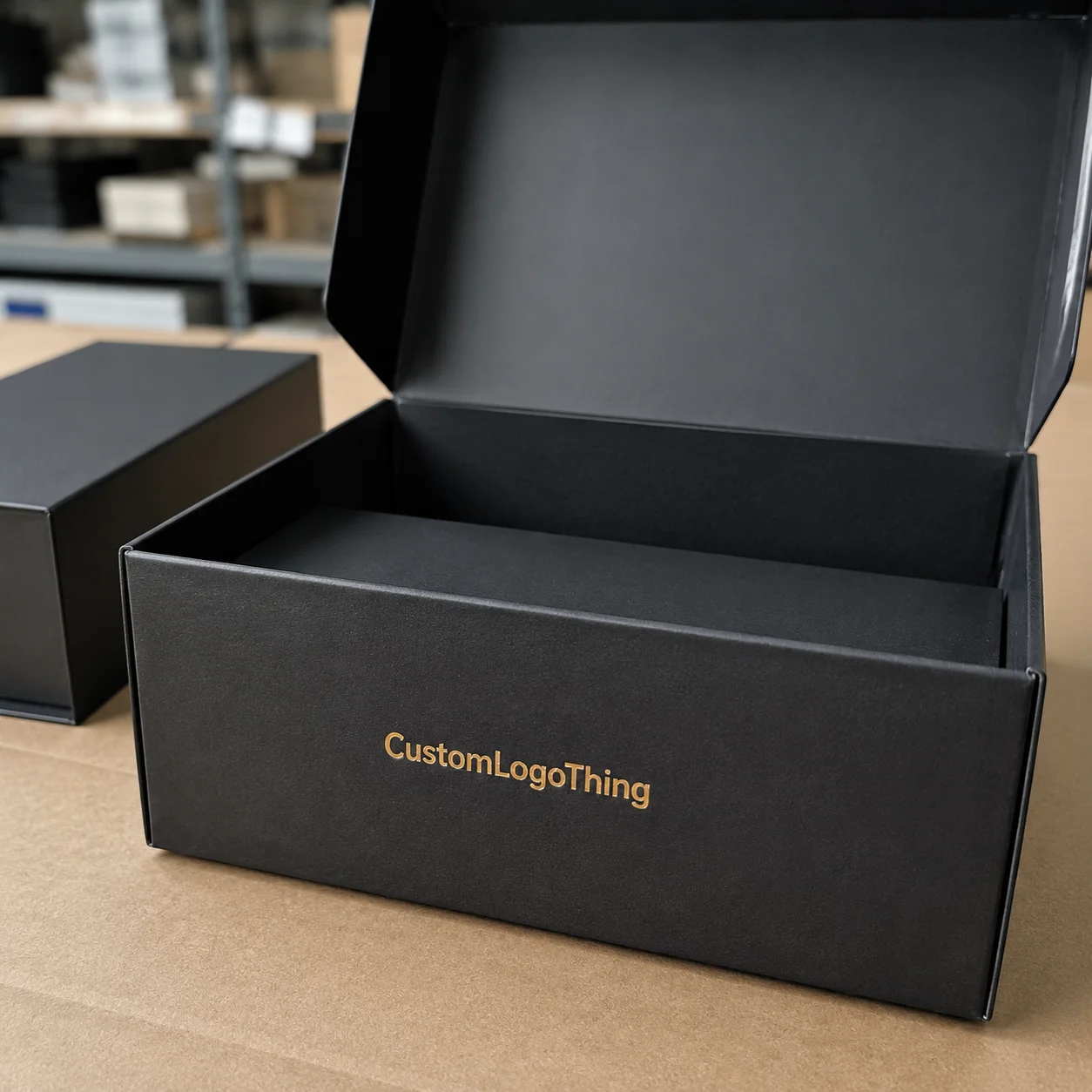
I walked through the Las Vegas Convention Center during the Fancy Food Show—way too early, coffee还没有喝完—when a booth selling candles stopped me in my tracks. Not fancy candles, mind you. The kind you'd find at a craft fair for $12. But placed inside a custom kraft box with an insert tray, with the logo debossed on the lid and a little window cut to show the label? They were charging $28 and people were happy about it.
The owner admitted she'd spent $4 extra per unit on the custom insert tray. Four dollars. That's less than a fancy coffee. That $4 upgrade transformed her product from "craft fair find" to "gift worth giving." That's the power we're talking about today.
The $4 Upgrade That Doubled This Company's Perceived Value
I visited that candle company's warehouse in Portland last year—yes, I actually visited; I fly out to see my clients' operations because I want to understand their business, not just sell them boxes—and saw stacks of those same kraft boxes waiting to ship. The owner showed me her before-and-after sales data. After switching to branded packaging with a properly designed insert tray, her average order value increased by 34% and her gift-giving category sales tripled.
Most people assume Custom Kraft Boxes with insert trays are purely about aesthetics. The psychology behind them runs much deeper than surface appearance. Perception and protection working together—that's the actual value proposition.
Consider the consumer's perspective. When someone receives a product in a flimsy poly bag, they assume the product inside is cheap. When they open a sturdy kraft box and find a precisely fitted insert holding everything in place like a jewelry display, their brain immediately assigns more value to what they're holding. It's psychological, sure, but it's also practical—nothing shifted during shipping.
For direct-to-consumer brands especially, this matters enormously. Your packaging is your brand experience for the first three seconds. I always tell clients: you can spend $3,000 on a product photoshoot for your Instagram, or you can spend $3,000 on exceptional packaging that creates a real moment of delight when someone opens their door. Which do you think converts better?
The sweet spot I've found with kraft plus insert trays is that it hits the balance between premium perception and sustainable positioning. Kraft paperboard carries an inherent message of natural, craft, authentic—perfect for DTC brands who want to signal values without the $2-per-unit cost of a rigid setup with magnetic closure.
What Are Custom Kraft Boxes with Insert Trays?
Let me get specific about what we're actually discussing, because "custom kraft boxes with insert trays" covers a lot of territory.
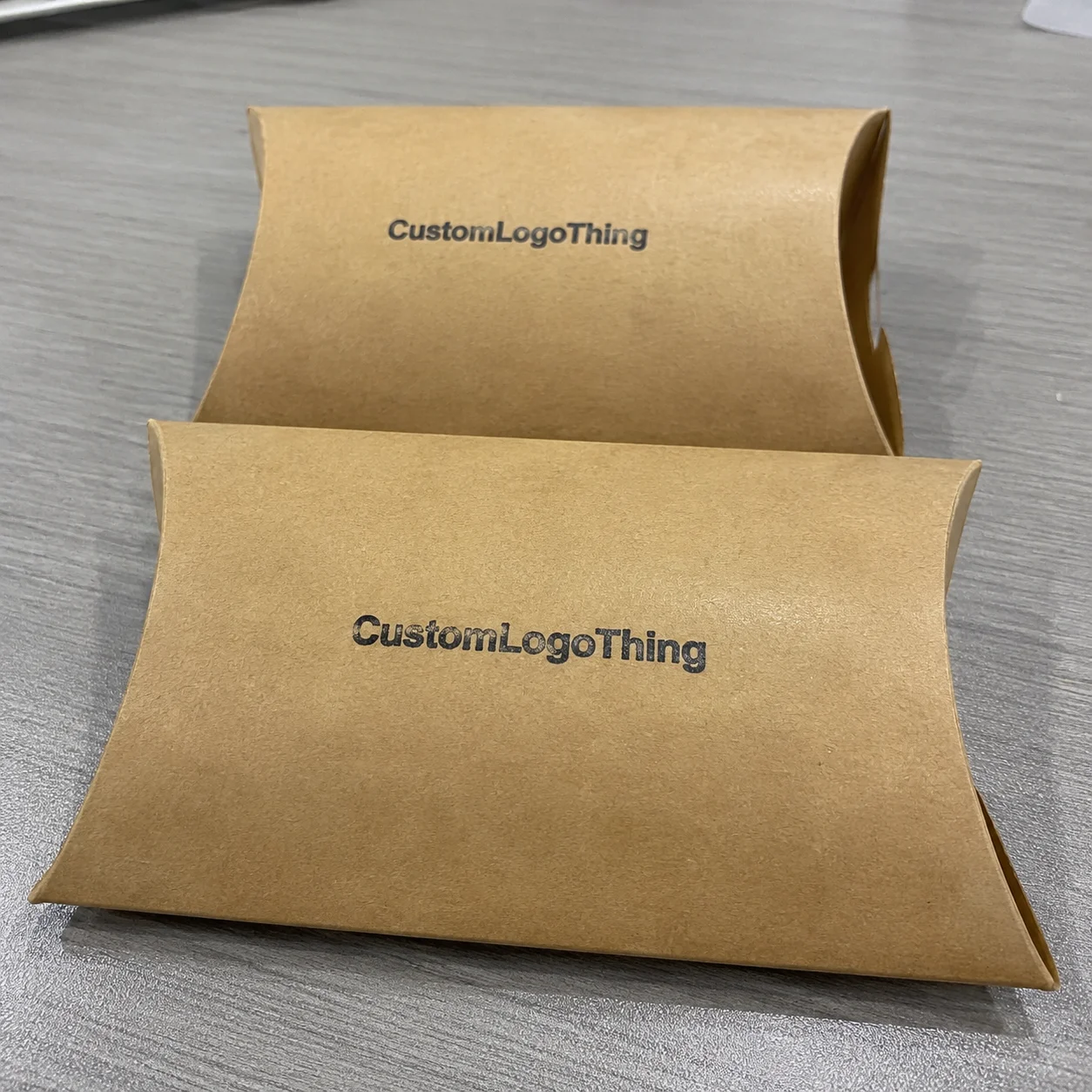
Kraft paperboard is made from wood pulp using the kraft process, which separates the lignin from the cellulose fibers. The result is an exceptionally strong paper product that maintains its structural integrity even when made thinner than alternatives. Standard kraft comes in natural brown (unbleached) or can be bleached to white. The natural kraft color signals eco-conscious positioning without requiring you to market it—it's inherent.
Material weights for packaging typically range from 80pt to 120pt. Here's what that means in practice:
- 80pt kraft: Ideal for lightweight products (under 1 lb). Think individual cosmetics, small jewelry, dried food. Flexible enough to score and fold cleanly.
- 100pt kraft: The workhorse. Handles products up to 3 lbs comfortably. This is what I'd recommend for most subscription boxes, candles, and crafts.
- 120pt kraft: Heavy-duty applications. Electronics, larger kitchen tools, multi-item sets. Provides genuine rigidity.
Now, the insert trays. These are the internal structures that hold your products in place. You have several options, and choosing correctly will make or break your packaging's functionality:
Die-cut foam inserts: Custom-cut to your exact product shapes. Provides cushioning and visual presentation. Typical cost adds $0.35-$0.80 per unit. Best for products with irregular shapes or that need shock protection.
Cardboard partitions and dividers: Often called "crush lock" dividers in the industry. Made from corrugated or solid-core board. I visited a supplier in Guangzhou whose entire business is making custom honeycomb cardboard dividers for electronics packaging. They're incredibly efficient at absorbing impact. Cost adds $0.15-$0.50 per unit.
Thermoformed plastic trays: Vacuum-formed from PET or PVC. Great for products needing semi-rigid containment. However, some thermoform plastics aren't recyclable in standard streams—be aware of this limitation. Adds $0.40-$1.20 per unit.
Molded pulp inserts: Made from recycled paper products, these are pressed into custom shapes and are fully recyclable/compostable. I've been pushing more clients toward molded pulp because the sustainability story is so strong. Cost adds $0.30-$0.90 per unit, though prices have come down significantly since 2020 as manufacturing processes improved.
Depth consideration matters too. Full-depth inserts extend to the bottom of the box, providing maximum product isolation. Half-depth (or "top-set") inserts hold products in the upper portion, leaving a cavity for additional items or tissue paper. For a subscription box company I consulted for last year, we designed a system with a half-depth molded pulp insert that could accommodate three different product configurations without retooling. They shipped 12,000 units monthly of the same box style.
Key Design Factors for Custom Kraft Boxes with Insert Trays
When I design packaging design for clients, I walk them through these variables in this order. Skip any of them and you'll pay for it later.
Structural integrity first. Before you think about colors or finishes, determine what your insert needs to actually do. If you're shipping glass bottles, your insert needs to prevent lateral movement, cushion vertical impacts, and keep items from touching each other. I once reviewed a client's packaging that looked gorgeous on the CAD render but failed catastrophically in real shipping tests—bottles shifted into each other and broke. The fix cost them $8,000 in retooling.
Calculate weight capacity before finalizing material thickness. A general rule: for every pound of product weight, add about 10pt to your material specification. So a 2-pound item in 100pt kraft with a foam insert should survive normal shipping, but you might want to bump to 120pt if you're shipping internationally where handling is rougher.
Customization options beyond basic printing:
- Embossing/debossing: Creates a raised or indented texture on the kraft surface. Debossing works particularly well on natural kraft because it emphasizes the organic feel. Premium effect with minimal cost addition ($0.05-$0.15 per unit).
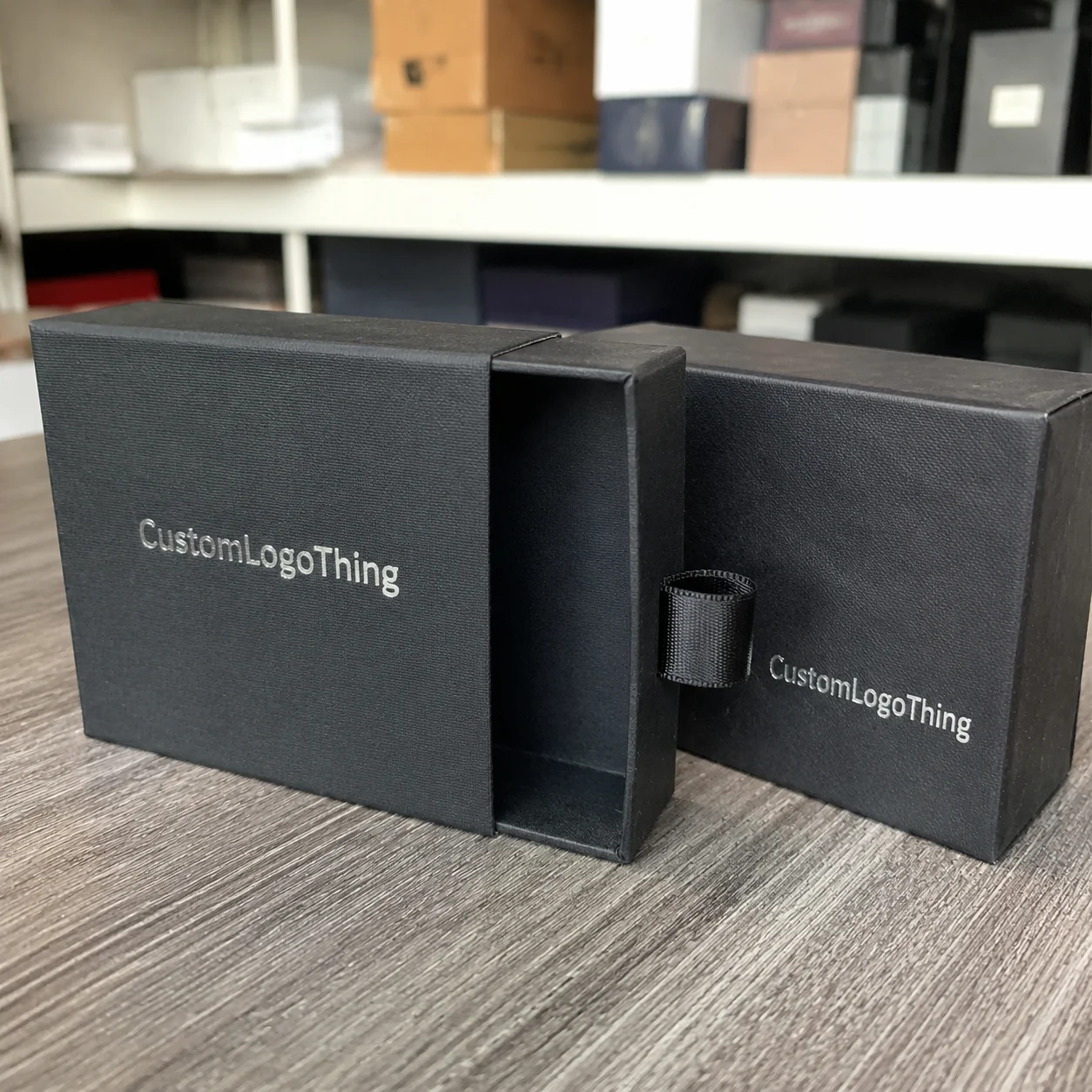
- Foil stamping: Metallic (gold, silver, copper) or pigment foil applied to the surface. On kraft, I'd recommend testing first—some foil adhesives don't bond well to the natural oils in unbleached kraft. Budget $0.12-$0.30 per unit.
- Window patching: Clear acetate window adhered to a die-cut hole in the box. Allows product visibility while maintaining structural integrity. Adds $0.15-$0.35 per unit for the window plus die-cutting.
- Spot UV: High-gloss coating applied to specific areas of the box. Works on kraft but requires precise registration. Good for highlighting logos or creating contrast against the matte kraft surface.
Sustainability claims require honesty. I've seen brands market "100% recycled kraft boxes" when the recycled content was actually 30%. The FTC guidelines on environmental marketing claims are enforceable, so be specific. If you're claiming compostability, verify that your specific materials meet ASTM D6400 standards. For a client in the organic food space, we explicitly documented their 40% post-consumer recycled content with documentation from their supplier, because "recycled" without qualification can be legally ambiguous.
FSC certification from the Forest Stewardship Council (fsc.org) is the gold standard for responsible forestry sourcing. Most major kraft manufacturers can provide FSC-certified materials, though it typically adds 5-8% to material costs. For brands with strong sustainability positioning, the marketing value justifies the price increase.
Understanding the Cost: Custom Kraft Box Pricing Breakdown
Let me break down what you'll actually pay. This is the part most articles gloss over, but I've negotiated these contracts dozens of times and I want you to know the real numbers.
The base Custom Printed Boxes pricing structure typically looks like this:
| Quantity | Basic Kraft Mailer Box | Kraft Box + Cardboard Dividers | Kraft Box + Die-Cut Foam | Kraft Box + Molded Pulp |
|---|---|---|---|---|
| 100-250 units | $2.80 - $4.50 | $3.50 - $5.20 | $4.20 - $6.50 | $4.00 - $6.00 |
| 500 units | $1.60 - $2.40 | $2.00 - $2.90 | $2.50 - $3.80 | $2.40 - $3.60 |
| 1,000 units | $1.10 - $1.70 | $1.40 - $2.00 | $1.80 - $2.60 | $1.70 - $2.50 |
| 2,500 units | $0.75 - $1.10 | $1.00 - $1.40 | $1.30 - $1.90 | $1.25 - $1.80 |
| 5,000+ units | $0.55 - $0.85 | $0.75 - $1.10 | $1.00 - $1.50 | $0.95 - $1.40 |
These prices assume standard single-color printing. Adding second colors increases costs by approximately 15-25%. Full CMYK (4-color process) printing typically adds $0.15-$0.35 per unit depending on complexity.
The insert tray typically adds $0.15-$1.50 per unit depending on complexity. A simple cardboard divider (two cuts and folds) might be $0.15 at high volume. A custom-machined foam insert with specific cutouts could be $0.80-$1.50 per unit. When I was sourcing packaging for a skincare brand with six different product shapes going into the same box style, we designed a modular foam insert that required a single die but accommodated all six shapes through strategic cutout patterns. The die cost $1,200 but the per-unit insert cost came in at $0.45, versus $0.90+ for individual custom inserts.
Hidden costs that surprise people:
- Die setup fees: $200-$500 per die. If you have a custom box shape plus a custom insert, that's potentially two die fees. Some suppliers waive this at higher quantities (typically 2,500+ units).
- Artwork preparation: If your files aren't print-ready, expect $50-150 in prep fees. Always request a template from your supplier and follow their bleed/spacing specifications exactly.
- Proof revisions: First proof is usually included. Second proof with changes? $75-150 typically. Third? Don't make a third proof.
- Shipping from overseas: If you're manufacturing in China or Vietnam, ocean freight for a full container is actually reasonable ($2,000-4,000 total), but you need to account for import duties (6-8% for paper packaging), customs brokerage ($300-500), and inland freight to your warehouse. For smaller orders, air freight or express shipping can cost more than the actual boxes.
Prototyping deserves its own budget line. Expect to spend $150-400 for a prototype run of 10-25 units. Yes, some suppliers include one prototype in their quote. But if you need the prototype to be production-quality (not just structural proof), budget for a small separate run.
The Manufacturing Process and Timeline for Custom Kraft Boxes
Here's what actually happens when you place an order for custom kraft boxes with insert trays. Understanding the process helps you plan realistic timelines and know where delays typically occur.
Phase 1: Artwork and Prepress (3-5 business days)
You submit your artwork files (AI, EPS, or high-resolution PDF). The supplier's prepress team checks for color profiles, font embedding, bleed settings, and die line accuracy. If they find issues, they'll send back revision requests. This is the phase where simple mistakes get caught before they become expensive problems on the press. Budget 24-48 hours for each revision cycle.
Phase 2: Die Creation (3-7 business days)
Custom dies are cut for your specific box shape and insert configuration. Steel rule dies for basic shapes take 2-3 days. Complex combination dies (box plus insert in one operation) can take a week. This is non-negotiable time—you can't rush steel cutting.
Phase 3: Material Sourcing (2-5 business days)
For common kraft weights and standard colors, this is quick. For specific FSC-certified materials, specialty colors, or unusual thicknesses, your supplier may need to source specially. I always ask suppliers to confirm material availability before I give clients a timeline. I've seen orders delayed two weeks because a supplier assumed they had 120pt kraft in forest green when they actually had none in stock.
Phase 4: Printing (2-4 business days)
Flexographic printing for high-volume runs (5,000+). Sheet-fed offset for mid-volume (500-5,000). Digital printing for short runs and prototypes. Each method has different setup times and per-unit economics. Digital printing's advantage is no setup fees, making it economical for quantities under 500 units.
Phase 5: Die Cutting and Finishing (2-3 business days)
The printed sheets go through the die cutter, which cuts the shape and scores fold lines in one pass. For inserts, a separate die cutting operation creates the foam or cardboard shapes. Window patching requires another operation—usually 1 day.
Phase 6: Assembly and Packaging (1-2 business days)
Boxes are folded and (if applicable) glued. Insert trays are cut, milled, or formed and packaged separately or nested into the boxes, depending on the design and supplier process. Quality control happens here—random sampling for structural integrity and print accuracy.
Total timeline: 12-18 business days for standard orders after artwork approval for straightforward projects. Complex orders with custom insert trays, multiple components, or specialty materials? Plan for 21-28 business days.
Rush orders typically add 25-50% to the production cost. I've negotiated rush surcharges down to 15% for loyal clients ordering 5,000+ units, but it's not something to rely on. The better strategy: build buffer time into your product launch schedule.
Domestic (U.S.) production runs are typically 3-5 days faster than overseas because there's no ocean transit. But the per-unit cost difference usually outweighs the time savings unless you're working with very tight launch windows or need frequent design iterations.
Quality control checkpoints you should request: print proof approval before production runs, pre-shipment sample inspection (either in-person or via detailed photos/video), and documentation of any deviations from spec before shipping.
Common Mistakes Brands Make with Kraft Box Inserts
I've watched dozens of brands walk into these pitfalls. Let me save you the painful learning experiences.
Choosing style over function. The most beautiful insert tray in the world doesn't help you if it fails in shipping. I reviewed a situation where a boutique candle company spent months perfecting their "Instagram-worthy" kraft box with a custom molded pulp insert. It looked amazing in unboxing videos. But during fulfillment testing, they discovered the insert couldn't handle the weight of four candle jars stacked in the shipping box. Two of every four shipments arrived with crushed inserts. They ended up redesigning everything, spending an additional $6,000 they hadn't budgeted for.
Ignoring dimensional weight for shipping calculations. This one catches people constantly. If your product plus kraft box plus insert measures 10" x 8" x 4" and weighs 1.2 pounds, your shipping cost isn't based on 1.2 pounds—it's based on dimensional weight, which shipping carriers calculate as (L x W x H) / 139 for domestic ground. That's 10 x 8 x 4 = 320 cubic inches. 320 / 139 = 2.3 pounds. You'll pay for 2.3 pounds even though your product weighs less. Before finalizing your box dimensions, run actual shipping cost estimates through UPS, FedEx, and USPS for your target weights and zones.
Underestimating insert complexity for automated fulfillment. Manual fulfillment? You can use inserts with multiple pieces, complex configurations, and require-some-care positioning. Automated fulfillment requires inserts that drop in cleanly, maintain alignment, and don't require adjustment between picks. I've seen brands design gorgeous Inserts That Worked perfectly hand-packed but completely failed on conveyor systems because they didn't account for how the packaging would actually move through a fulfillment center.
Skipping the prototype phase. I know, prototypes cost money. But do you know what costs more? A 10,000-unit reorder of packaging that doesn't fit your product. We always recommend at least a 10-25 unit prototype run before committing to full production. At minimum, physically verify that your product fits exactly as designed, that the insert holds securely during simulated shipping conditions, and that the unboxing experience works as intended.
Not testing with actual products. I'm constantly surprised by how many brands approve packaging designs based on product dimensions alone, without testing the actual product inside the actual insert. Products vary. Batches vary. One batch of your product might measure exactly to spec; the next might be 2mm taller because of manufacturing variance. Build tolerance into your insert design—there's typically no cost difference between designing for exact dimensions and designing for dimensions plus 2mm clearance.
Expert Tips for Getting the Best Results
Here are the things I tell every client about working with custom kraft boxes with insert trays. These come from years of watching what works and what doesn't.
Always request physical samples before bulk orders. No exceptions. Digital proofs are great for catching print errors, but they can't tell you how a foam insert actually holds your product, how much force it takes to remove items, or whether the cardboard dividers collapse under weight. Most suppliers will provide 2-5 samples for $50-100, often credited to your first order. Some will send samples for free if you're a serious prospect. I once negotiated free samples by committing to a 5,000-unit order pending sample approval—a tactic that works when you actually have the budget.
Design inserts for multiple product configurations. If you offer multiple products in the same box style, design your insert system to accommodate variations. A candle company I worked with had a "discovery box" that needed to hold either four standard candles, two large candles, or one set with a matching diffuser. We designed a modular foam insert with removable sections—same box, same insert die, three configurations. It maximized their manufacturing efficiency while giving them product line flexibility.
Sustainability positioning requires documentation. If you're marketing your custom kraft boxes with insert trays as sustainable, have the paperwork ready. Consumers are increasingly skeptical of unverified green claims. One client started including a small card in their packaging explaining that the kraft was 50% post-consumer recycled content, the foam insert was made from plant-based materials (they used a glucose-derived foam), and the entire package was curbside recyclable. Their customer service team reported fewer questions about packaging waste and positive social media mentions of the sustainability messaging.
Know your supplier options. Major players like WestRock and International Paper serve large brands well but often have high minimums and slower timelines for custom work. Regional converters often offer more flexibility. And yes, overseas manufacturing (particularly in Vietnam, India, and China for paper packaging) can offer 30-50% cost savings for large orders, but you'll need to factor in shipping time, communication challenges, and minimum quality testing on your end. For a client launching a subscription box, we split the difference—first run from a domestic supplier for speed and quality verification, subsequent runs from an overseas partner after we confirmed the design worked.
Pro tip: Ask about forward-collapsing trays for retail display. If your product will be sold through retail channels with standing displays, standard inserts with vertical sides won't work—they'll obstruct product visibility. Forward-collapsing or "display-ready" trays fold flat for shipping and snap into position when the box is opened. They're slightly more expensive ($0.05-$0.12 per unit) but can make the difference between your product getting facings on the shelf or being relegated to the back.
Test your packaging for ISTA certification if you're shipping fragile products or working with major retailers. The International Safe Transit Association (ista.org) has specific test protocols that simulate real shipping conditions. Passing ISTA 3A or 3E tests is often required by large retailers. Your supplier should be able to tell you which test protocol applies to your product category.
Next Steps: Getting Your Custom Kraft Boxes Made
Ready to move forward? Here's your action plan in the exact order I recommend.
Step 1: Define your exact specifications before reaching out to suppliers. Know your product dimensions (length, width, height, and weight), your outer box dimensions (or the maximum size that works for your brand and shipping costs), and your insert requirements (what needs to be held, separated, or displayed). Have your target quantity in mind—quotes are meaningless without knowing your order size. And know your timeline. If you need packaging in 3 weeks, that eliminates some suppliers and pushes others into rush pricing.
Step 2: Gather your artwork files in print-ready format. PDF with embedded fonts and bleed marks is the universal standard. AI and EPS files are also acceptable. If you don't have print-ready artwork, either hire a graphic designer with packaging experience or ask your supplier if they offer artwork preparation services (they typically do, for a fee). Bad artwork is the #1 cause of delays in custom packaging projects.
Step 3: Request quotes from at least three suppliers with identical specifications. "Give me a quote on custom kraft boxes" is not a useful request. "Please quote 2,500 units of kraft mailer boxes, 8" x 6" x 3", with 2-color printing, containing die-cut foam Inserts for Product dimensions of 3" x 2" x 1.5" each, with a 14-day lead time" is useful. Identical specs from multiple suppliers lets you compare apples to apples on pricing, lead times, and payment terms.
Step 4: Order a prototype run before committing to bulk production. Start with 50-100 units if your supplier offers that option. Some manufacturers like Custom Logo Things specialize in lower-MOQ options for brands in the growth phase. Test the packaging with real products, real shipping conditions, and real customers if possible. If you're introducing the packaging at a trade show or product launch, build in extra time—prototypes often reveal adjustments you didn't anticipate.
Step 5: Plan for ongoing reorders. Once you have working packaging, think about reorder logistics. Most suppliers offer price breaks for scheduled standing orders. If your supplier uses materials that could be discontinued or updated, ask about backward compatibility—will future print runs match your existing inventory?
The fastest way to get started is to fill out an instant quote form with your exact dimensions and quantities. At Custom Logo Things, we typically respond within 24 hours with pricing that includes material options, insert configurations, and shipping estimates. You can browse our custom packaging products to see examples of what's possible, and our team can walk you through material selections, customization options, and timelines based on your specific project.
Packaging design isn't just about making your products look good—it's about making your products feel good. And that feeling translates directly to customer loyalty, repeat purchases, and the kind of word-of-mouth marketing that no advertising budget can buy. The $4 upgrade that transformed that candle company's business? It wasn't actually about the $4. It was about understanding that every unboxing is a moment of truth, and well-designed custom kraft boxes with insert trays make that moment count.
Frequently Asked Questions
What is the minimum order quantity for custom kraft boxes with insert trays?
Most suppliers require 250-500 units minimum for custom sizes with custom insert trays. However, some manufacturers offer low-MOQ options starting at 50-100 units for brands in early growth phases or testing new packaging concepts. Be aware that lower quantities result in higher per-unit costs—expect to pay $2.50-$5.00 per unit at 50-100 quantity versus $0.80-$1.50 per unit at 5,000+ quantity. The trade-off between carrying inventory costs and per-unit pricing is a decision each brand needs to make based on their cash flow and sales velocity.
How much do custom kraft box inserts cost compared to standard boxes?
Basic kraft mailer boxes without inserts typically run $0.50-$1.20 per unit at 1,000 quantity depending on size and print complexity. Adding die-cut foam inserts adds $0.35-$1.00 per unit, bringing your total to $0.80-$1.80 per unit. Premium molded pulp inserts add $0.30-$0.90 per unit, resulting in $0.95-$2.50 total per unit. If you want custom printing on the insert itself (branding, product information, decorative patterns), add another $0.15-$0.35 per unit for the additional printing operation. The insert typically accounts for 25-40% of your total packaging cost.
Can insert trays be made from sustainable materials?
Absolutely. Molded pulp inserts are made from recycled cardboard and paper products using a wet forming process—they're curbside recyclable and commercially compostable. Most standard kraft paperboard uses 30-100% post-consumer recycled content depending on the grade. For brands with strong sustainability positioning, plant-based foam alternatives exist (made from materials like glucose or soybean oil), though they typically cost 20-30% more than standard EVA or polyurethane foams. If sustainable sourcing matters for your brand, request FSC certification from your supplier—it's the most credible verification of responsible forestry practices, and you can verify certifications at fsc.org.
How long does it take to produce custom kraft boxes with insert trays?
Standard production runs are typically 12-18 business days after artwork approval for straightforward projects. If your project involves complex multi-component packaging with custom inserts in multiple materials, plan for 21-28 business days. Rush production is available for a 25-50% premium with 7-10 day turnarounds, though I've successfully negotiated lower rush surcharges for loyal clients ordering 5,000+ units. If you're manufacturing overseas, add 3-5 days for ocean shipping plus customs clearance, bringing international orders to 4-6 weeks total from artwork approval to warehouse receipt. Build buffer time into your product launches to account for QC holds, revision cycles, and unexpected delays.
Do kraft boxes with insert trays work for subscription box businesses?
They're ideal for subscription box businesses. Insert trays provide the organization and presentation quality that subscribers expect while allowing flexibility to change included products without redesigning the box itself. I've helped several subscription box companies design modular insert systems that accommodate different product configurations—a single box size can work with different insert layouts for various subscription tiers or seasonal offerings. This manufacturing efficiency is significant: instead of managing multiple box SKUs, you manage one box style plus one or two insert styles. For subscription businesses planning monthly recurring orders, work with suppliers who offer scheduled standing orders for consistency and pricing advantages.