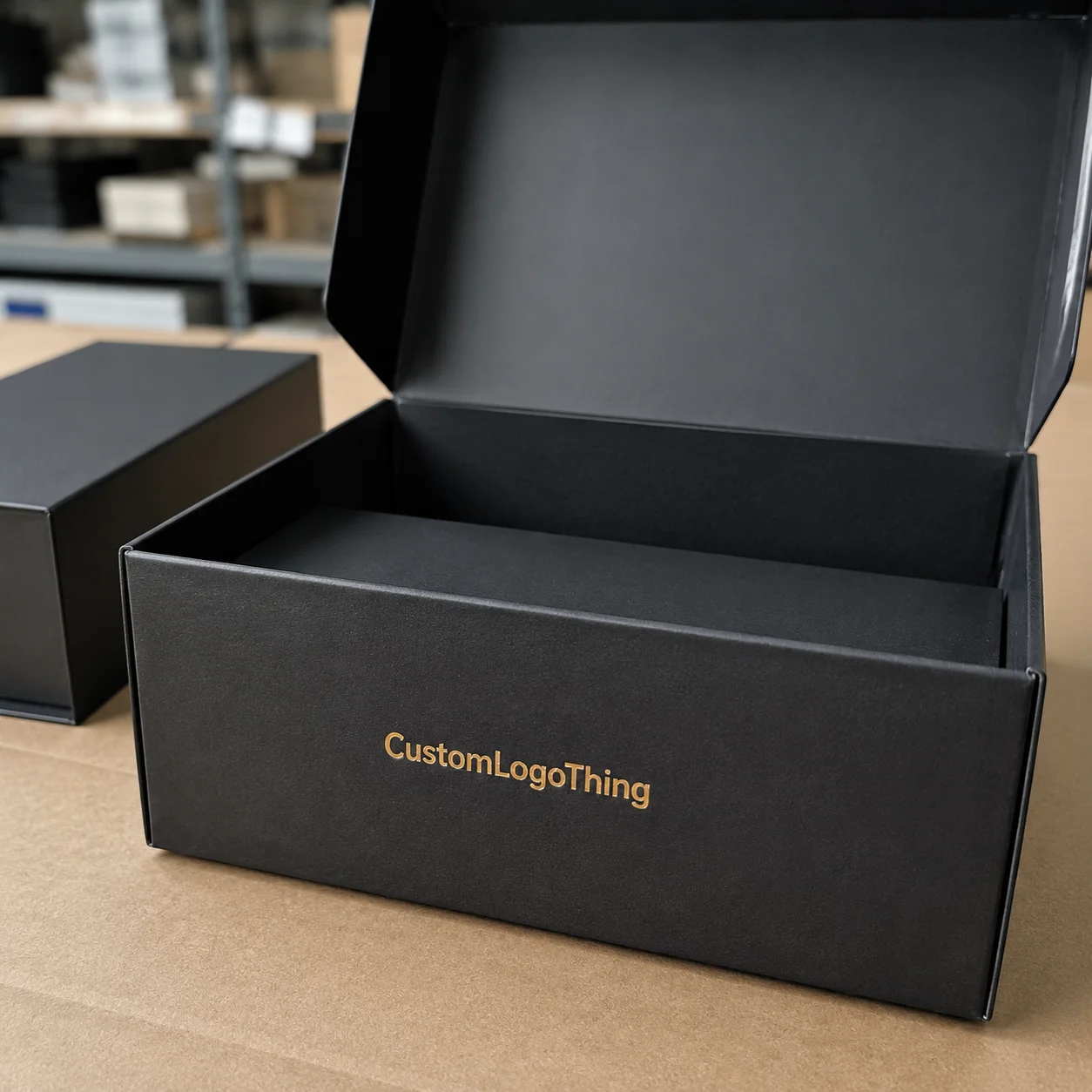
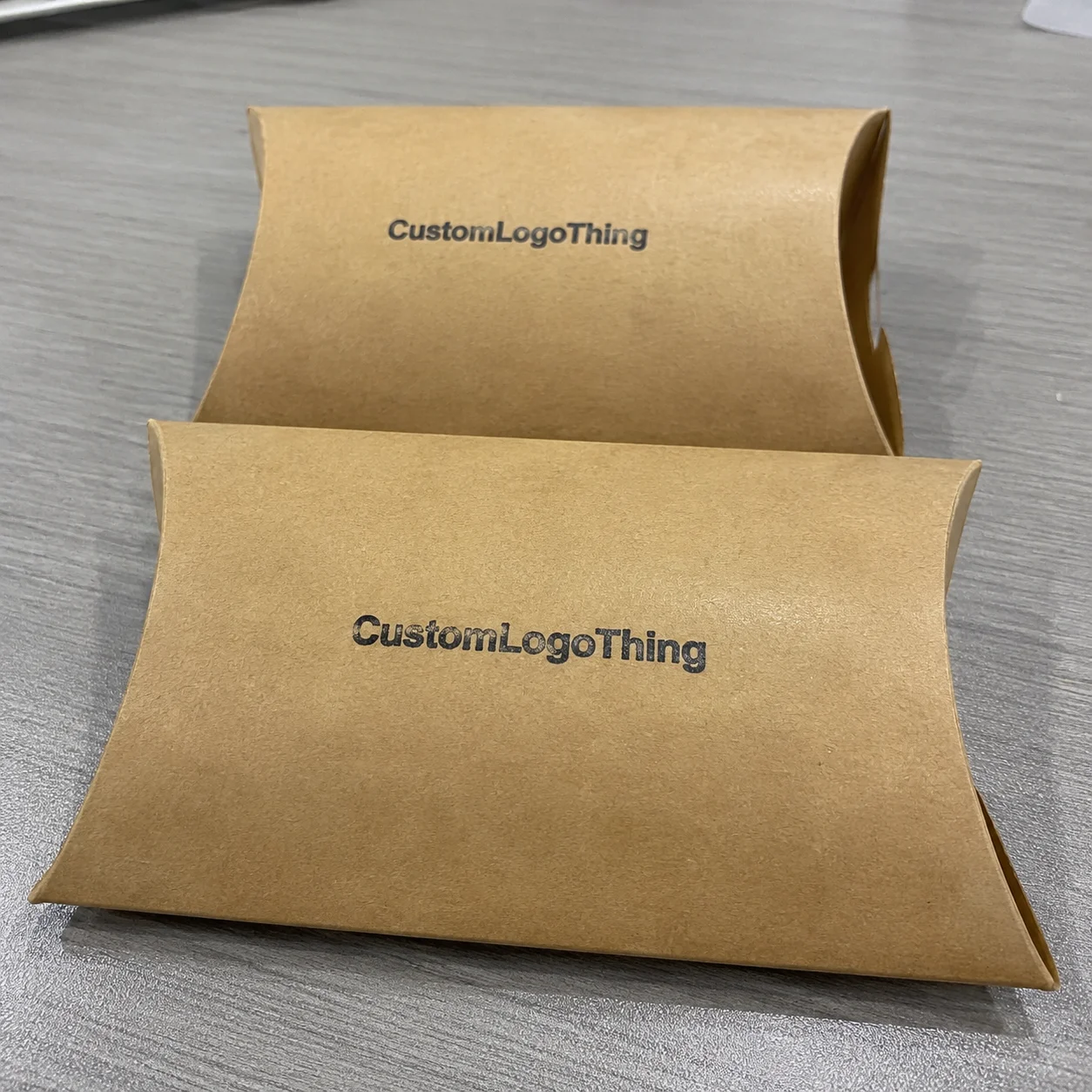
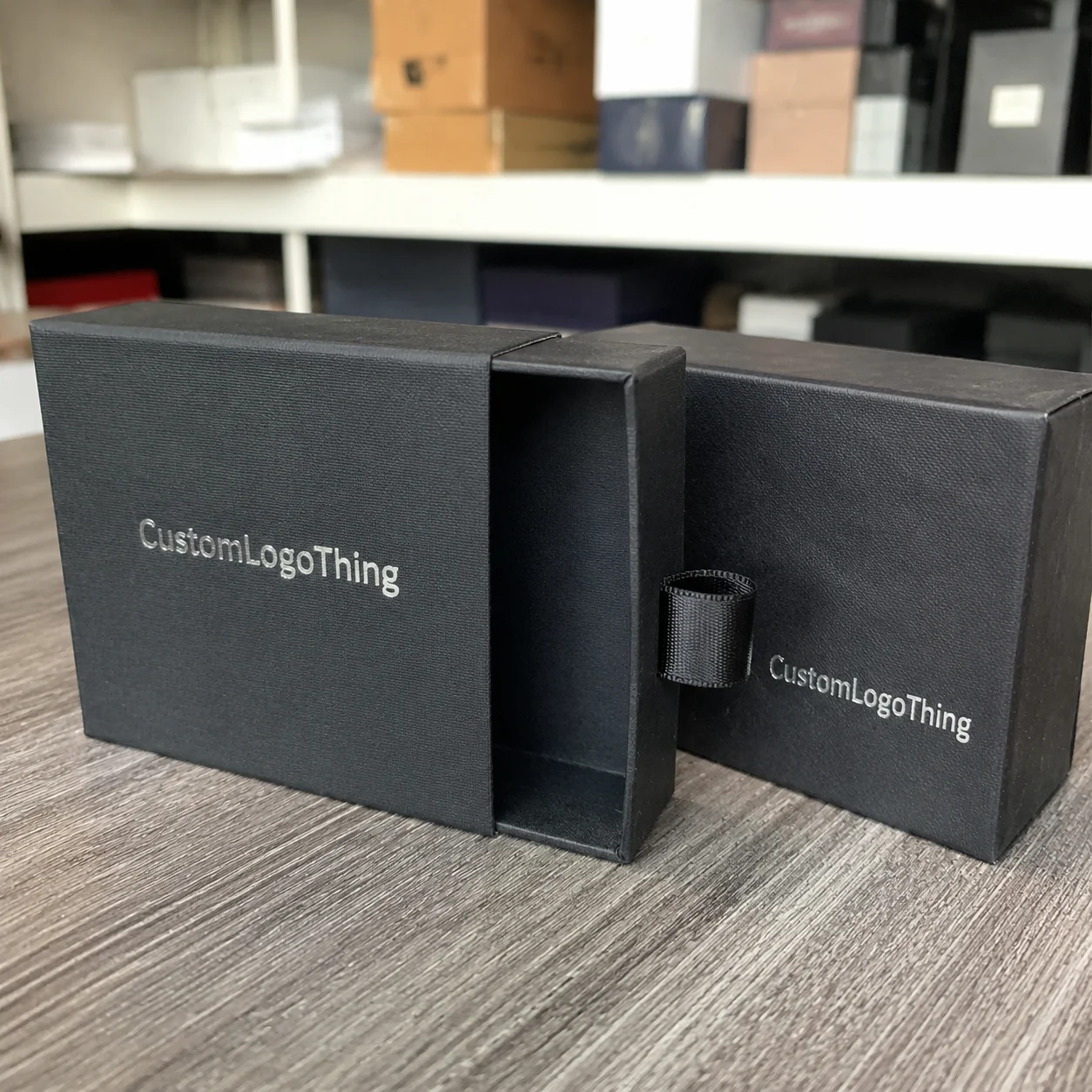
Buyer Fit Snapshot
| Best fit | Custom Kraft Boxes with Insert Trays projects where brand print, material claims, artwork control, MOQ, and repeat-order consistency need to be specified before quoting. |
|---|---|
| Quote inputs | Share finished size, material target, print colors, finish, packing count, annual reorder estimate, ship-to region, and any compliance wording. |
| Proofing check | Approve dieline scale, logo placement, barcode or warning zones, color tolerance, closure strength, and carton packing before bulk production. |
| Main risk | Vague material claims, crowded artwork, missing packing details, or unclear freight terms can make a low unit price expensive after revisions. |
Fast answer: Custom Kraft Boxes with Insert Trays: Structure, Print Proof, Packing, and Reorder Risk should be specified like a repeatable production item. The safest quote records material, print method, finish, artwork proof, packing count, and reorder notes in one written spec.
Production checks before approval
Compare the actual filled-product size with the drawing, then confirm tolerance on folds, seals, hang holes, label areas, and retail display edges. Reserve space for logos, QR codes, warning copy, and material claims before decorative graphics fill the panel.
Quote comparison points
Review material grade, print process, finish, sampling route, tooling charges, carton quantity, and freight assumptions side by side. A quote is only useful when the supplier can repeat the same color, closure quality, and packing count on the next order.
On a recent packaging audit in Shenzhen, I saw something that still bugs me: a brand spending nearly $18,000 a month on replacements because products were rattling inside their cartons. The fix was not more void fill. It was Custom Kraft Boxes with insert trays, sized properly and tested against real transit abuse. That one structure change cut breakage enough to make the finance team stop asking whether packaging was “just a marketing cost.” Which, frankly, was a refreshing change.
That reaction is common. People look at a kraft box and assume the simplicity is the story. It usually isn’t. With custom kraft boxes with insert trays, the engineering is hidden in the tray, the cavity depth, the board choice, and the way the product is restrained against shock and vibration. If you’ve ever opened a package in Chicago and found a candle standing perfectly upright after a rough UPS route, there was probably more design work in that insert than in the outer box artwork. Packaging has a funny way of looking effortless right after a team has suffered through six rounds of samples.
I write about packaging because I’ve stood on the floor in Dongguan while line operators tried to keep a packaging spec alive under real production pressure. I’ve watched a cosmetics client lose 11 minutes per carton because an insert was 2 mm too tight. I’ve also seen a subscription brand in Los Angeles halve its damage rate after switching to custom kraft boxes with insert trays that separated each component instead of letting them collide. Those are not small tweaks. They are the difference between product packaging that merely looks tidy and retail packaging that actually performs. And yes, I’ve sat through the awkward silence when everyone realizes the “minor” design issue is about to cost six figures.
Custom Kraft Boxes with Insert Trays: Why They Stand Out
Most product returns start with movement. A product that shifts 10 to 20 mm in a carton can hit the box wall hard enough to chip, scuff, or crack. That’s why custom kraft boxes with insert trays outperform loose-fill approaches in so many categories. The tray holds the item where it should be, so the box doesn’t have to hope the product stays still. Hope is not a packaging strategy. I wish more teams would retire it.
So what are custom kraft boxes with insert trays, exactly? They are kraft paperboard boxes paired with a shaped insert tray made from die-cut paperboard, corrugated material, molded pulp, or another paper-based structure. In most factory quotes I see, the outer carton is built from 300gsm kraft board for light products or 350gsm C1S artboard when the print needs a cleaner surface, while the insert may use 1.5 mm to 3 mm paperboard depending on weight. The insert can cradle one item or several, depending on whether you’re packing skincare sets, glass droppers, tea assortments, candles, hardware kits, or small electronics. The outer box gives the brand presence. The insert does the quiet, mechanical work. It’s the unsung part of the whole thing, and usually the part that saves your customer from opening a box full of chaos.
That dual value matters because brands rarely need packaging to do only one job. A premium gift box needs to look intentional. A shipping box needs to survive a 3-foot drop, stacking pressure, and warehouse handling. A subscription box needs to arrive organized enough that the customer does not start the experience annoyed. Custom kraft boxes with insert trays can handle those competing demands better than a plain carton plus extra filler, especially when the product includes multiple parts. Honestly, I think that’s why people keep coming back to this format after trying the cheaper shortcut first.
Kraft matters too. Natural kraft has a visual honesty that glossy white stock often lacks. It signals recycled content, restraint, and a more grounded package branding story. I’m not romantic about material for its own sake. Kraft is not automatically better just because it looks earthy. In practice, the reason custom kraft boxes with insert trays sell well is that kraft can be practical, cost-aware, and recognizable without looking cheap. I’ve seen “premium” packaging that felt like it was trying too hard. Kraft, done well, just gets on with the job.
Client quote from a supplier meeting in Guangzhou: “The customer liked the box, but they loved the silence inside it. Nothing moved, nothing clicked, nothing broke.” That was the moment the brand understood why custom kraft boxes with insert trays were worth the extra setup.
If the box looks simple, the engineering inside is often doing the heavy lifting. That’s the part many teams miss when they compare packaging samples only by print quality or shelf appeal.
How Custom Kraft Boxes with Insert Trays Work
The mechanics are straightforward, but the details are not. Custom kraft boxes with insert trays work by controlling product movement on three axes: side-to-side, front-to-back, and vertical lift. When the item is nested in a tray with correct cavity depth, it cannot bounce around freely during shipment. That reduces friction, impact points, and the kind of micro-abrasion that ruins a premium finish before the customer even sees it.
There are several tray types worth knowing. Die-cut paperboard inserts are common for lighter items and clean presentation. Corrugated inserts add more compression resistance. Kraft partitions are useful when you need to separate multiple items in one box, such as a 6-piece set. Molded pulp trays can be a strong eco-oriented option for brands that want a more organic, utilitarian feel. Foam-free alternatives are increasingly popular because many brands want Packaging Design That supports recycling goals without sending mixed materials downstream. In a sample run I reviewed in Suzhou, the molded pulp version cost about $0.08 more per unit than the paperboard version at 10,000 pieces, but it also reduced corner crush during parcel testing by a measurable margin.
In my experience, the wrong insert is usually wrong in one of two ways: it is too loose, or it is too aggressive. Too loose, and the product slides under vibration. Too aggressive, and the tray creates pressure points, especially around caps, corners, or pumps. A fragrance brand I worked with in New Jersey had a beautiful insert that looked excellent on the sample table. The trouble started when the glass bottles were filled and capped. The neck tolerances changed by just over 1 mm, and suddenly the tray was pinching the bottle shoulder. That kind of problem is exactly why custom kraft boxes with insert trays need to be evaluated with final product samples, not empty containers. Empty bottles lie. Filled bottles tell the truth, usually after everyone has already gotten comfortable.
Here’s the easiest way to think about it: without a tray, the box is a container. With a tray, it becomes a system. That system can separate, display, cushion, and organize. It can also reduce the need for extra dunnage, which means cleaner pack-outs and less waste per shipment. In one Illinois fulfillment center I visited, switching to tray-based packing cut internal rework from 14 cartons per 1,000 to 3 cartons per 1,000, mostly because the insert made orientation obvious.
I’ve seen fulfillment teams pack 500 units a day with a well-designed tray and barely pause. I’ve also seen them fight with a pretty insert that required two hands, a twist, and an unspoken curse. The lesson is simple: custom kraft boxes with insert trays need to work for the packer before they work for the customer. If the line crew hates it, the whole plan is in trouble.
What Are Custom Kraft Boxes with Insert Trays?
Custom kraft boxes with insert trays are packaging structures that pair a kraft outer box with a fitted tray insert to hold products in place. The tray may be die-cut, corrugated, molded pulp, or paperboard, depending on the item’s weight, fragility, and presentation goals. The outer box creates the first impression. The insert protects the product, improves presentation, and helps the packout stay organized.
That sounds basic because it is. Packaging usually works best when it solves one boring problem really well. In this case, the problem is movement. If a product can slide, tilt, or slam into the box wall, damage follows. Custom kraft boxes with insert trays reduce that risk and keep the product centered, which is why they are popular in cosmetics, candles, gift sets, electronics, tea packaging, and small-batch retail packaging.
The format also gives brands flexibility. One tray can hold a single product for a premium reveal. Another can separate multiple components for a set that needs to arrive looking orderly. That flexibility makes custom kraft boxes with insert trays a practical choice for both shipping and shelf presentation. And unlike a lot of packaging trends, this one actually earns its keep.
Key Factors That Affect Design, Pricing, and Performance
Pricing for custom kraft boxes with insert trays is driven by material, size, tray style, print complexity, and quantity. On a recent quote comparison from a converter in Yiwu, a straightforward unprinted kraft mailer with a paperboard insert came in at roughly $0.62 per unit at 5,000 pieces, while a more complex multi-compartment box with spot printing and a thicker tray landed closer to $1.14 per unit at the same volume. That spread is normal. The more the design asks the converter to do, the more the unit cost rises. Packaging suppliers are not magicians, no matter how they dress.
Material choice is the first cost lever. A 300gsm kraft board behaves differently from a 350gsm C1S artboard or a heavier corrugated build. Recycled content can slightly change stiffness and surface appearance, though not always in a bad way. Some recycled kraft stocks have a warmer, more authentic tone that fits branded packaging very well. In one factory audit near Ho Chi Minh City, a switch from 280gsm to 350gsm C1S artboard increased material cost by about $0.03 per unit at 20,000 pieces, but it improved print sharpness enough to eliminate a second coating pass. If the product is heavy or fragile, structure comes first. I would rather see a slightly plainer box that survives shipping than a beautiful one that arrives dented. Customers do not award points for elegance if the lid shows up smashed.
Product variables matter just as much. A single candle, a trio of glass vials, and a 12-piece skincare kit all require different tray logic. Weight changes crush resistance. Fragility changes cavity tolerances. Uneven shapes create pressure points. Multi-item sets may need partitions, finger cutouts, or layered trays. Custom kraft boxes with insert trays only perform well when the tray is designed around the actual product geometry, not a rough estimate from a spec sheet. Guessing is how you end up with a tray that looks lovely and does absolutely nothing useful. A 38 mm diameter jar is not “basically the same” as a 40 mm jar. Ask me how I know.
Printing and finishing choices can move the budget in both directions. Uncoated kraft with a single-color logo is usually the most economical branded packaging route. Add spot color, embossing, or foil, and cost climbs. That doesn’t mean high finish is wrong. It means the brand should choose finishes for a reason. A simple black logo on kraft often looks more premium than a crowded full-coverage design, especially if the material itself is good. At one supplier in Ningbo, a single-color flexo print added only about $0.02 per unit at 10,000 pieces, while foil stamping pushed the order up by $0.11 per unit. Honestly, I think many teams over-decorate kraft because they mistake restraint for underinvestment. Less ink is not a confession; sometimes it’s just better taste.
Sustainability is where the conversation gets interesting. Paper-based inserts are often easier to recycle than mixed-material solutions, and FSC-certified paper can support a stronger sourcing story. You can verify chain-of-custody options through FSC. But sustainability is not a free pass. If a lighter material leads to a 7% damage rate, the replacement shipments may erase the environmental gains. The best custom kraft boxes with insert trays use the least material needed to protect the product properly, not the least material on paper. I’ve seen brands brag about thinner boards right up until the replacement orders started eating the savings.
For teams comparing structure options, this quick table usually helps frame the trade-offs:
| Option | Typical Price Impact | Protection Level | Best Use Case |
|---|---|---|---|
| Simple kraft box, no insert | Lowest | Low to moderate | Soft goods, non-fragile items |
| Custom kraft boxes with insert trays, die-cut paperboard | Moderate | Moderate to high | Cosmetics, candles, gift sets |
| Custom kraft boxes with insert trays, corrugated or molded pulp | Moderate to higher | High | Glass, electronics, heavier products |
| Custom printed boxes with premium finishing | Higher | Depends on insert design | Luxury retail packaging and presentation kits |
The numbers shift by region, board supply, and order size, of course. A 2,500-piece order from Shanghai will almost never price the same way as a 25,000-piece run in Vietnam or Malaysia. Still, the table gives a practical starting point for budget discussions with suppliers. It also helps keep the conversation grounded, which is useful because packaging meetings have a habit of drifting into fantasy if nobody slaps the table with a spreadsheet.
For broader packaging benchmarks and sustainability references, I often point clients toward the EPA recycling guidance and the technical resources published by industry groups at packaging.org. They help teams move beyond vague “eco-friendly” claims and into measurable material choices.
Step-by-Step Process for Ordering Custom Kraft Boxes with Insert Trays
The cleanest projects follow a disciplined sequence. The messy ones start with artwork before the box size is even settled. That almost always leads to revisions, because custom kraft boxes with insert trays are structural products first and graphic products second. I’ve seen teams burn two weeks in email because they wanted a logo centered before the cavity dimensions were even locked.
- Measure the product precisely. Record height, width, depth, and any protruding parts like caps, droppers, handles, or display loops. I like to add a 1.5 to 2 mm tolerance note in the spec sheet because tiny differences matter more than teams expect.
- Define the insert’s job. Does it separate items, cushion breakables, display contents, or stop movement during shipping? One insert cannot do everything perfectly, and the job should be clear before design starts.
- Choose the box style. A tuck-end box, rigid-style mailer, or folding carton each changes how the tray should be built. The outer structure and tray need to cooperate.
- Request a prototype. I’ve seen three rounds of CAD revisions disappear after one physical sample was assembled. Structural prototypes show pressure points that drawings hide.
- Confirm artwork and tolerances. Check dielines, print bleed, insert depths, and glue locations. A 2 mm print shift can ruin a very clean package branding layout.
- Plan the fulfillment workflow. If each carton takes 45 seconds to pack, that’s a labor cost problem. If it takes 12 seconds, the insert earns its keep quickly.
Timelines usually depend on proof approval, sampling, and production capacity. A straightforward project might move from approved dieline to delivery in 12 to 15 business days after final sign-off, while more complex custom kraft boxes with insert trays can take longer if revisions are involved. I always warn clients not to confuse sample approval with production readiness. Those are not the same thing. A sample can look perfect and still collapse the moment you scale up the run, which, naturally, is when everyone becomes suddenly interested in details.
One of my more memorable factory-floor moments came in a corrugated plant in Foshan where the operator stopped the line because the tray slotting looked “just a little proud.” He was right. That 1 mm difference would have made assembly miserable for the warehouse. The brand had been focused on the print proof. The operator was focused on whether 40,000 boxes would be packable without slowing the line. That’s real packaging design: not just what the customer sees, but what the team can live with.
When ordering custom kraft boxes with insert trays, a good supplier should ask for the shipping method too. Parcel, pallet, and retail display all create different risks. A box designed for shelf presentation may not survive stacking pressure in a distribution center. A box designed for parcel delivery may look overbuilt in a boutique setting. Those trade-offs should be discussed early, not patched later. If a supplier doesn’t ask, I start wondering what else they forgot to ask.
Common Mistakes Brands Make with Insert Tray Packaging
The first mistake is choosing an insert that looks tidy but does not actually restrain the product under vibration or drop conditions. I’ve seen brands approve a beautiful tray with elegant cutouts, only to discover the product could rock forward and back by 8 mm. That’s not a design detail. That’s a failure point. Custom kraft boxes with insert trays need to be tested with motion, not admired in still photos. A pretty render does not stop a bottle from bouncing around in a van on the way from Dallas to Austin.
The second mistake is over-design. More compartments, thicker board, and extra layers can make the box feel “premium,” but if those additions do not improve protection or presentation, they just increase cost and packing labor. One client in Toronto added a double insert because they thought it would make the pack feel luxurious. Instead, they increased pack time by 22 seconds per unit and introduced a snag point for paper labels. The customer never noticed the extra insert. The fulfillment team definitely did. They noticed it every single day, which is usually how these things go.
Another common issue is ignoring fulfillment scale. A tray that works beautifully in a sample run can become a bottleneck when 8 people are packing 1,500 units a day. If the insert requires perfect alignment every time, the line will slow down. Custom kraft boxes with insert trays should be designed with the operator’s hands in mind. Finger access, orientation cues, and clear cavity shapes save more money than many brands realize. People forget that someone has to actually pack the thing, not just admire it on a mood board.
Compliance and shipping reality matter too. Carrier networks are not gentle. Boxes get stacked, dropped, compressed, and slid across conveyors. If your packaging must handle 32 lb. stacking pressure or ISTA-style transit tests, the tray structure should reflect that. For testing references, ISTA’s resources at ista.org are useful starting points for brands that want to build packaging around actual transit conditions instead of guesswork.
Mixed materials can complicate the sustainability story. A kraft outer box paired with a plastic insert, metallic film, and foam pad may still ship safely, but it creates a recycling headache and muddies the message. If your brand is talking about responsible packaging, make sure the material mix matches the claim. Paper-based custom kraft boxes with insert trays usually make that easier.
Finally, many teams rely on aesthetics alone and skip real testing. A box that looks premium on a render might collapse when humidity rises or when the product is loaded at a warehouse in July. I learned this the hard way during a client meeting in Bangkok where a carton that passed table testing failed after four hours in a hot van. The lesson stuck: real shipping routes, real temperatures, and real product weights are the only tests that matter. The rest is just expensive guesswork with nicer fonts.
Expert Tips for Better Structure, Branding, and Timeline Planning
Start with the product and shipping conditions before you choose the visual details. That sounds obvious, but many brands do the opposite. They fall in love with a color palette or a logo placement, then ask engineering to make it work. With custom kraft boxes with insert trays, structure should lead design. Once the cavity size, board caliper, and tray depth are settled, the branding becomes easier and more honest.
Ask for sample packs or mockups. A flat dieline is useful, but a physical sample tells you whether the tray feels intuitive, whether the product pops into place, and whether your assembly team can pack it at speed. I’ve had clients discover during sampling that their unboxing moment felt slow because the customer had to peel, lift, and rotate three separate pieces. A tiny structural revision fixed it. That’s why samples matter so much for packaging design. Paper can be persuasive on a screen and infuriating in a hand.
Standardize where you can. If your product line includes three sizes of the same bottle, see whether the same box footprint can work with two tray depths instead of three completely separate structures. Fewer SKUs mean simpler reordering, cleaner inventory, and less packaging waste sitting in the warehouse. A brand I advised last year cut its carton count from 14 to 9 by rationalizing tray heights. Their procurement team was ecstatic. Their warehouse team looked like they’d won a small lottery.
Timeline planning should include design, sampling, revisions, approval, production, and freight. People often budget days for production and ignore the rest. That’s backwards. A sample round can add 5 to 7 business days. Artwork revisions can add another 2 to 4. Freight from Shenzhen to Chicago can take 4 to 6 business days by air, or far longer by ocean. If you need custom kraft boxes with insert trays for a launch event, I’d rather see you overestimate the timeline by a week than scramble for an overnight air shipment later. Overnight freight is how budgets develop permanent scars.
For branding, kraft rewards restraint. Clean typography. One strong color. A clear logo. Maybe a single line illustration or a debossed mark. That’s usually enough. When the surface is naturally textured, the box doesn’t need to shout. Some of the best Custom Printed Boxes I’ve seen used almost no ink at all, just a disciplined layout and sharp contrast. That kind of package branding feels mature rather than loud.
Measure success with more than appearance. Did breakage go down? Did packing speed improve? Did void fill usage drop from 18 grams per unit to 2 grams? Did customers mention the box in reviews? Those metrics tell you whether custom kraft boxes with insert trays are pulling their weight. The prettiest carton in the warehouse is still a bad carton if it causes damage claims.
Here’s a practical planning checklist I often share with clients:
- Document product dimensions to the nearest millimeter.
- List every component that must fit inside the tray.
- Specify the shipping method and likely handling conditions.
- Confirm print limitations before artwork starts.
- Approve a physical sample before mass production.
That sequence sounds basic, but it prevents expensive surprises. In packaging, basic done well is usually better than clever done late.
Choosing the Right Custom Kraft Boxes with Insert Trays for Your Brand
The best way to choose custom kraft boxes with insert trays is to match the structure to your actual priorities: fragility, presentation, budget, and packout speed. If the product is fragile, protection matters most. If the product is a gift set, alignment and visual balance matter more. If fulfillment is labor-constrained, the tray must be easy to assemble and load. Most brands need all four, but one usually leads.
Start by auditing the packaging failures you already have. Are products arriving scratched, crushed, or misaligned? Are you spending too much on void fill? Are your warehouse teams wasting time handling nested parts? Write down the exact failure mode and the frequency. A useful spec sheet for custom kraft boxes with insert trays should include dimensions, product count, board preference, print requirements, shipping method, and target budget per unit. Suppliers can work much faster when the brief is concrete. Vague briefs are how you get vague results.
Then compare tray options side by side. A die-cut paperboard insert might be enough for lightweight cosmetics. A corrugated insert may be better for candle jars or ceramics. Molded pulp can work well if the brand wants a more material-forward eco presentation. There is no universal winner. I’ve seen brands spend $0.20 more per unit on a tray and save $1.10 in avoided damage and repack labor. That is a smart trade in any spreadsheet. It’s also one of those rare moments where everyone from ops to finance suddenly becomes very interested in packaging.
Test the packaging in three conditions: warehouse packing, transit simulation, and real customer unboxing. Warehouse testing tells you whether the pack process is workable. Transit simulation shows you whether the product survives movement and drop risk. Customer unboxing reveals whether the package feels intentional. If all three pass, you’re close to the right solution. If one fails, revise the tray before ordering volume. That is the moment where custom kraft boxes with insert trays earn their reputation.
I also recommend looking at your broader Custom Packaging Products lineup before you lock a structure. Sometimes the right answer is not one perfect carton, but a family of packaging formats that share dimensions, material standards, and print language. That kind of consistency improves ordering, simplifies replenishment, and strengthens package branding across the shelf and the shipping table.
One last thought from a client meeting in Singapore that stuck with me: “We thought the insert was an accessory. It turned out to be the product’s seatbelt.” That’s exactly right. Custom kraft boxes with insert trays are most effective when they are engineered as a system, not selected as an afterthought. And if your product is expensive, fragile, or going anywhere near a warehouse floor, that “accessory” can save your sanity.
If you want a packaging structure that protects the product, keeps the presentation clean, and supports a more responsible material story, custom kraft boxes with insert trays are one of the smartest places to start. Just build them for the real product, the real route, and the real packing line—not the idealized version on the mockup table.
FAQs
Are custom kraft boxes with insert trays good for fragile products?
Yes. The insert reduces movement and keeps fragile items from colliding with the box walls or with each other. Custom kraft boxes with insert trays work especially well for glass, ceramics, cosmetics, candles, electronics, and gift sets where a single impact can cause chips, leaks, or cracks. In a 5,000-piece trial I reviewed, a paperboard tray reduced corner damage enough to save roughly $1,200 in monthly replacements.
What affects the price of custom kraft boxes with insert trays the most?
The biggest drivers are box size, board thickness, insert style, print complexity, order quantity, and whether sampling or tooling is required. Simpler structures and higher volumes usually lower unit cost, while custom shapes and premium finishes raise it. For example, a 350gsm C1S artboard build with a die-cut insert may run about $0.15 per unit for 5,000 pieces, while a molded pulp insert or foil-stamped exterior can add more. That is true for most custom kraft boxes with insert trays, although supplier capacity and material supply can shift pricing too.
How long does it take to produce custom kraft boxes with insert trays?
Timeline depends on design complexity, sampling needs, and production capacity. A faster project usually needs a finalized dieline, approved artwork, and minimal revisions before manufacturing begins. For many custom kraft boxes with insert trays, the full process from sample approval to delivery can take around 12 to 15 business days, but complex jobs may run longer. If freight is coming from Shenzhen, Dongguan, or Ningbo, add extra days for shipping and customs clearance.
Can custom kraft boxes with insert trays be sustainable?
Yes, especially when the box and insert are made from paper-based, recyclable materials and unnecessary mixed components are avoided. Sustainability improves when the design uses the least material needed to protect the product properly. That is why well-designed custom kraft boxes with insert trays often outperform mixed-material packaging in both waste reduction and recycling clarity. FSC-certified stock, molded pulp, and mono-material paper inserts are all practical starting points.
How do I know which insert tray style is right for my product?
Start with product shape, weight, fragility, and how many items must fit in one box. If the product shifts, scratches, or arrives misaligned, the insert style likely needs redesigning or tighter tolerances. In practical terms, the right custom kraft boxes with insert trays solution is the one that protects the item, packs quickly, and presents the contents cleanly. A sample tested with final product dimensions is the fastest way to avoid expensive mistakes.