Buyer Fit Snapshot
| Best fit | Custom Kraft Carton Packaging Cost projects where brand print, material claims, artwork control, MOQ, and repeat-order consistency need to be specified before quoting. |
|---|---|
| Quote inputs | Share finished size, material target, print colors, finish, packing count, annual reorder estimate, ship-to region, and any compliance wording. |
| Proofing check | Approve dieline scale, logo placement, barcode or warning zones, color tolerance, closure strength, and carton packing before bulk production. |
| Main risk | Vague material claims, crowded artwork, missing packing details, or unclear freight terms can make a low unit price expensive after revisions. |
Fast answer: Custom Kraft Carton Packaging Cost: Board, Finish, Dieline, and Unit Cost should be specified like a repeatable production item. The safest quote records material, print method, finish, artwork proof, packing count, and reorder notes in one written spec.
Production checks before approval
Compare the actual filled-product size with the drawing, then confirm tolerance on folds, seals, hang holes, label areas, and retail display edges. Reserve space for logos, QR codes, warning copy, and material claims before decorative graphics fill the panel.
Quote comparison points
Review material grade, print process, finish, sampling route, tooling charges, carton quantity, and freight assumptions side by side. A quote is only useful when the supplier can repeat the same color, closure quality, and packing count on the next order.
Custom kraft carton packaging cost surprises buyers for a simple reason: the box on a rendering is not the box a factory has to produce, pack, and ship. Two cartons can look almost identical and still land in very different price bands once board grade, print coverage, structural reinforcement, and freight weight are counted. The gap is not random. It usually comes from design choices that affect material yield, tooling, labor, and transit risk.
Most brands choose kraft cartons for good reasons. They give a natural look, they protect products well enough for many use cases, and they can stay cost-conscious at scale. The catch is that packaging decisions often hide inside the quote. One supplier shows a low unit price. Another includes tooling, proofing, inserts, and freight in the figure you see. From a buyer's point of view, the second quote may be the more honest one.
A useful carton quote is not just a number per unit. It is a specification summary, a production plan, and a freight assumption in one line.
If you are comparing Custom Printed Boxes for e-commerce, retail shelves, or subscription packaging, the real question is not “what is the cheapest carton?” The better question is “what is included, what is excluded, and what will the landed cost look like after approval, production, and shipping?” That is the lens I would use any time I review supplier proposals for Custom Packaging Products.
Why Custom Kraft Carton Costs Can Surprise Buyers
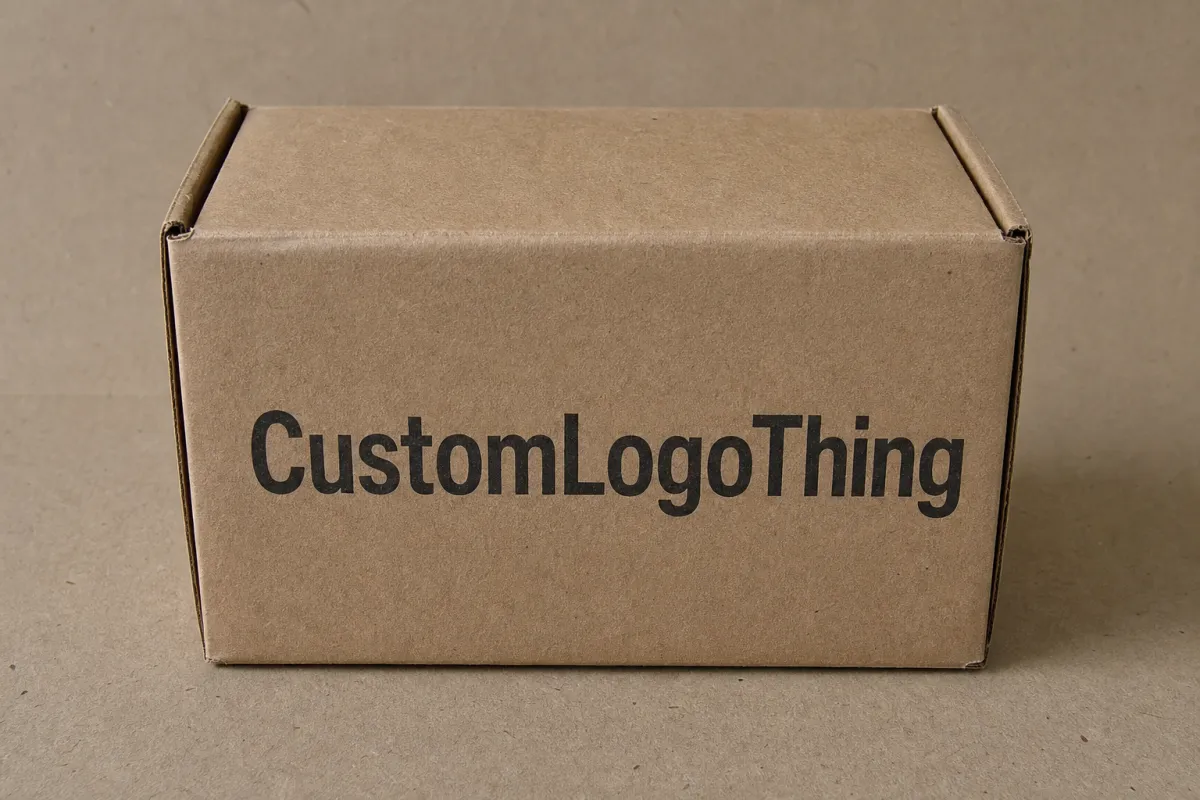
Two cartons can share the same outer dimensions, carry the same logo, and still price out very differently. The buyer sees appearance. The factory sees board usage, print setup, die cutting, finishing, and packing efficiency. A basic tuck-end carton made from 300-350gsm kraft paperboard has a very different cost profile from a reinforced mailer with heavier linerboard, locking tabs, or a double-wall structure.
That is why custom kraft carton packaging cost gets misunderstood early in sourcing. Buyers often start with a mockup and a target budget, then discover the structure they imagined was designed for visual simplicity, not for production economics. If the carton is meant to protect a glass bottle, a candle set, or a subscription kit, the hidden expense is usually not decoration. It is the extra board, tighter tolerances, and the labor needed to assemble or glue the format correctly.
Kraft cartons remain popular because they balance three things well: a clean brand look, practical strength, and broad compatibility with many product types. That is why they show up in product packaging for cosmetics, apparel, food gifts, supplements, and direct-to-consumer shipments. The same balance can create false confidence. Buyers see a brown carton and assume the cost will stay low, even if the spec includes spot color printing, matte lamination, internal dividers, and a custom insert.
Freight is another piece that gets missed too often. A lighter folding carton may cost less to ship, but a rigid mailer can reduce damage claims, replacement shipments, and customer service work. That tradeoff matters. A box that saves two cents on unit cost but raises breakage even slightly can become more expensive at the order level. Smart buying compares carton cost, damage risk, and fulfillment speed together instead of treating them like separate decisions.
When the format moves from a basic tuck-end box to a rigid or reinforced mailer, three cost buckets usually move at the same time:
- Material usage rises because heavier board or multiple layers are required.
- Tooling and setup rise because the dieline, cutting rule, or gluing pattern becomes more complex.
- Labor and freight rise because the carton may take longer to make, pack, or palletize.
That is why a quote should never be judged by unit price alone. A carton that looks expensive at first may be the lower-risk option once the full supply chain is in view. A low quote can also hide weak board strength, tight tolerances, or a finish that looks fine in a rendering and then disappoints in production.
One more source of confusion: sample pricing. Some suppliers absorb sample cost into the final run, others do not. Some charge for shipping the sample, some bundle it. That does not mean one supplier is better than the other. It does mean the buyer has to compare scope, not just the headline number.
Custom Kraft Carton Product Details: What You Are Actually Buying
Custom kraft cartons are not one product. They cover several formats, each with a different mix of presentation, protection, and shipping efficiency. Common types include mailer-style cartons, folding cartons, product sleeves, shipping cartons, and retail-ready boxes. Each serves a different job inside the supply chain, and that job shapes the spec more than the artwork does.
A mailer carton usually makes sense for direct-to-consumer shipping or subscription use. It ships flat, folds quickly, and can deliver a strong unboxing experience without a separate outer shipper. A folding carton shows up more often in retail packaging and shelf display because it carries product information cleanly and stacks efficiently. A shipping carton is built for transit first; visual branding still matters, but compression strength and closure security matter more.
From a package branding perspective, the carton does more than hold a product. It carries logos, regulatory copy, recycling marks, ingredient or care information, and a visual cue about value. Buyers often underestimate how much trust gets built before the consumer even touches the product. A well-specified carton signals consistency. A weak one makes even a strong product feel unfinished.
Use case matters. A luxury gift set may justify thicker board, a richer print finish, or an insert that locks the product into place. A food carton may need grease resistance, food-safe inks, or a surface that stays readable after handling. A subscription box may prioritize fast assembly and stacking efficiency because packing speed affects labor every day. Packaging design should start with the product journey, not with decoration alone.
Format choices that change the buying decision
Most buyers end up choosing between a lighter carton that lowers unit cost and a heavier one that improves feel and protection. The right choice depends on what costs more in the operation: damage, labor, shipping, or brand perception. A luxury carton with premium board may be the right call for a high-margin item. A simple kraft sleeve can be smarter for a low-margin accessory line. No drama required.
Think of the carton as one layer in a wider system. The carton may need to coordinate with labels, tissue, void fill, inserts, and outer shippers. When those pieces are planned together, packaging feels intentional instead of patched together. That matters for branded packaging because consumers usually judge the weakest element, not the strongest one.
Where sustainability fits in
Many brands choose kraft because it supports a natural look and, in the right configuration, can fit a lower-material strategy. If sustainability claims matter, ask for proof of fiber sourcing and, where relevant, FSC-certified stock. The Forest Stewardship Council explains certification criteria at fsc.org. That does not make a carton environmentally superior by default, but it does help separate verified supply from vague marketing language.
Recycled content deserves a real check, not a hand-wave. Recycled kraft can be cost-effective and brand-friendly, but not every product benefits from the same board composition. Some products need cleaner print surfaces or stronger burst and compression performance. Sustainability only helps when it supports product performance. Packaging that fails in transit is not sustainable. It is just waste with better copy.
If the package touches food, cosmetics, or pharma-adjacent products, ask for the supplier's compliance documents. Some programs need migration testing, food-contact declarations, or material traceability. Those documents do not belong in the marketing deck, but they matter a lot in procurement.
Specifications That Change Cost and Performance
Any serious quote request should include the same core details. If a supplier prices without them, the quote is incomplete at best and misleading at worst. At minimum, the brief should cover dimensions, board type, thickness, print sides, finish, insert requirements, packing format, and the destination warehouse or country. Those details drive material selection, production method, and shipping calculations.
Size matters more than many buyers expect. A change of a few millimeters can affect sheet utilization, waste rate, and the number of cartons that fit on a pallet. That has a direct effect on unit cost. If a factory can nest two carton layouts efficiently on one sheet, pricing may improve. A similar-looking design with awkward dimensions can leave offcut waste behind. Carton design deserves a production lens, not only a graphic one.
Board choice is another major driver. Virgin kraft, recycled kraft, flute type, and folding board behave differently. Virgin board may give a cleaner surface and better strength consistency. Recycled board may lower cost or support an environmental story, but it can change stiffness and print appearance. A flute-based structure, such as E-flute or B-flute, can add protection for shipping cartons, while paperboard can be lighter and more retail-friendly.
Core specs buyers should request in every quote
- Exact dimensions for the product and the finished carton.
- Material specification such as kraft paperboard, corrugated board, or recycled board.
- Thickness or caliper so the supplier is not guessing.
- Print coverage including inside print, outside print, or both.
- Finish such as uncoated kraft, matte varnish, soft-touch lamination, spot UV, embossing, or foil.
- Insert or partition requirements if the product can shift in transit.
- Packing format flat packed, pre-glued, or fully assembled.
Print and finish deserve close attention because they change cost and production time. Uncoated kraft is usually the simplest and most economical option. It feels honest and practical, which suits many branded packaging programs. Once you add premium inks, foil, embossing, or full-wrap graphics, the carton gets more expensive and the setup process gets more involved. That does not make the upgrade wrong. It just means the buyer should expect a different timeline and a higher minimum order commitment.
Structural details matter just as much. Inserts, dividers, and custom locking tabs can prevent product movement, but they also add tooling complexity and assembly steps. If the carton needs a crash-lock bottom, a reinforced corner, or a specific closure pattern, say so early. A supplier can often suggest a more efficient structure if they understand the actual product weight, fill method, and damage sensitivity.
For buyers comparing samples, compression and distribution testing should be part of the conversation. If a carton is intended for shipping, ask whether the supplier tests to relevant ISTA procedures or uses compression criteria such as ASTM D642. Testing does not guarantee perfection, but it reduces the odds of expensive surprises after launch.
If a carton is expected to protect a product during transit, the structure has to be judged by performance, not by render quality.
There is also a practical detail buyers often forget: print tolerance. Kraft stock is not a glossy artboard. Ink can shift slightly in tone, fibers can show through, and large solid fills may read differently than they do on a monitor. A supplier that tells you that upfront is useful. A supplier that hides it until the first run is not.
Custom Kraft Carton Packaging Cost, Pricing, MOQ, and Quote Drivers
The cleanest way to talk about pricing is to break it down by what actually drives the number. Custom kraft carton packaging cost usually comes from material usage, printing plates or digital setup, die cutting, finishing, labor, packing method, and shipping. A low quoted unit price may look attractive, but it can leave out one or more of those steps. Once those pieces are added back in, the landed cost often looks very different.
MOQ matters because setup costs do not shrink much when the quantity is small. If a carton requires a die, printing plates, a proof, and a manual packing step, those costs have to be spread across every unit in the run. That is why low-volume orders usually carry a higher unit price. Large orders tend to improve unit cost, but they also increase inventory commitment and cash tied up in stock. There is no magic number. The right MOQ is the one that balances demand certainty with working capital.
Another source of quote variation is what the supplier includes. One vendor may include artwork adjustment, preproduction samples, and freight. Another may quote only the carton itself. Both quotes can be valid, but they are not comparable until the scope is aligned. Buyers should insist on an itemized breakdown so they can compare apples to apples.
Here is a practical budget view using common custom carton scenarios. These are indicative ranges only, because board grade, print coverage, tooling, and shipping lane can move the number in either direction.
| Carton type | Typical spec | Indicative unit cost at lower quantity | Indicative unit cost at higher quantity | Common MOQ | Best fit |
|---|---|---|---|---|---|
| Simple kraft folding carton | 300-350gsm kraft board, 1-color print, no special finish | $0.22-$0.55 | $0.10-$0.24 | 1,000-3,000 units | Retail inserts, light product packaging, sample sets |
| Kraft mailer box | Corrugated or heavier paperboard, inside/outside print, pre-glued | $0.35-$0.85 | $0.18-$0.42 | 500-2,000 units | E-commerce, subscription packaging, gifting |
| Reinforced shipper | E-flute or stronger board, locking tabs, shipping-focused structure | $0.60-$1.40 | $0.28-$0.70 | 1,000-5,000 units | Fragile items, higher transit risk, multi-item kits |
| Premium branded carton | Special finish, foil or embossing, insert, tighter quality control | $0.85-$2.50+ | $0.45-$1.20+ | 1,000-10,000 units | Gift sets, prestige retail packaging, launch programs |
These ranges show a pattern experienced buyers already know: lower quantities usually raise unit cost sharply, while simplifying the structure often saves more money than shaving a tiny amount from the print spec. In plain terms, the fastest way to reduce cost is rarely a cosmetic tweak. It is usually a change in carton architecture, board selection, or print scope.
Hidden costs are where many projects drift. Revised proofs can add days and fees. Expedited production can raise labor cost. Special inserts may require new tooling. Test samples can be charged separately. Split shipments can change the freight math completely. If a quote does not state whether these items are included, ask before approval. That one habit avoids a lot of friction later.
There is a buyer-side cost decision that gets ignored too often: storage. A lower unit price on a large run sounds smart until it fills warehouse space for months. If the carton is large, flattened poorly, or sensitive to moisture, carrying cost can matter almost as much as production cost. The best procurement team is not only hunting the lowest sticker price. It is looking at the true cost of holding and using the packaging across the entire run.
A useful way to compare suppliers is to request three price tiers at once. Ask for one quote at your test quantity, one at a mid-volume threshold, and one at a scale volume that would matter if the product performs well. That shows the point where lower unit cost starts to offset higher inventory exposure. It also shows whether the supplier understands how to price production intelligently rather than tossing out a generic margin and calling it done.
If you are buying internationally, add duties, customs clearance, and inland delivery to the comparison. A carton that looks cheap at origin can lose its advantage once it lands at the warehouse door. That is not a trick. It is just the math of procurement.
Production Process and Timeline: From Brief to Delivery
The production process should feel predictable. If it does not, the quote may be cheap but the project will be expensive in time and stress. A standard carton project usually moves through brief intake, specification review, quotation, artwork setup, sample approval, tooling, production, quality inspection, packing, and shipment. Each step matters, and each one can slow down if the buyer changes direction late.
Delays usually come from avoidable issues. Missing dimensions are a classic one. So are artwork changes after dieline approval. If the product team, marketing team, and operations team all have opinions but no single sign-off owner, approvals drag for days. The cleanest projects are the ones where the brief is complete before the factory starts work.
Lead time depends on structure. A straightforward folding carton can move faster than a rigid or highly finished box. Cartons with custom inserts, specialty inks, embossing, or reinforced internal elements usually need more setup time. Larger orders take longer because production and packing time scale upward. A realistic supplier will not promise an absurd schedule just to win the order. They will state where the schedule could shift and what must happen to keep it on track.
What a realistic timeline often looks like
- Quotation and spec review: 1-3 business days if the brief is complete.
- Artwork and dieline setup: 2-5 business days depending on revisions.
- Sample or mockup approval: 3-7 business days, sometimes longer for complex structures.
- Production: often 10-20 business days for common carton types, longer for premium finishes or larger volumes.
- Freight and receiving: depends on route, customs, and warehouse scheduling.
That last line is where many sourcing plans break. Production time is only part of the calendar. Packing, export paperwork, freight booking, customs clearance, and warehouse receiving can add real time. A carton is not usable when it leaves the press. It is usable when it arrives, clears, and is ready to feed the packaging line. That is the timeline that matters.
Good suppliers manage this risk by confirming dimensions early, identifying manufacturability issues before production begins, and communicating approval checkpoints clearly. They will also flag whether a design is likely to require a new die or additional sampling. That kind of transparency is worth real money because it helps the buyer avoid rework, late fees, and missed launch dates.
If distribution testing belongs in your packaging program, fold it into the timeline at the start. A carton that passes a visual check may still fail once it meets real distribution handling. ISTA test plans help here because they simulate shipment stress instead of assuming the freight network will be gentle. For shipping-heavy programs, that is not overengineering. It is basic risk control.
One practical note from the buying side: ask whether the supplier keeps approved samples on file. If there is ever a dispute over shade, fold behavior, or print placement, the approved sample becomes the reference point. That helps prevent arguments later.
Why Choose Us for Branding, Consistency, and Scale
For buyers, the right supplier is not just a vendor. It is part of the packaging system. A strong partner helps balance brand impact, product protection, and repeatable cost control across multiple runs. That matters because a carton that works once is not the same as a carton that works every time, at the same price, with the same print result.
Quality control is a commercial issue, not just a visual one. Tight color checks keep brand presentation stable. Dimensional accuracy keeps filling lines running. Material inspection lowers claim risk. If the carton arrives undersized or the fold lines are off, the costs show up far beyond the packaging line: labor interruptions, rework, damaged products, and missed shipments. A good supplier prevents those costs before they start.
Consistency also supports package Branding at Scale. When cartons, labels, inserts, and outer shipping packs are coordinated, the customer sees a controlled experience instead of a pile of disconnected parts. That matters especially for brands moving from small-batch work into repeat volume. A packaging system that looks aligned on launch should still look aligned on the twentieth production run.
Buyers often ask whether a carton supplier can support more than one format. That matters because many brands need a mix of retail packaging, e-commerce shipping packs, and promotional sleeves. A supplier who understands the full line can help reduce design fragmentation. A buyer who manages one set of specs across several uses usually gets better price discipline and fewer approval headaches.
What to expect from a supplier that is worth the order
- Transparent specs with clear material and construction descriptions.
- Documented sampling so the buyer can approve the structure before mass production.
- Responsive quoting that separates product cost, tooling, and freight assumptions.
- Plain-language tradeoff advice instead of vague “premium” language.
- Repeatable quality across batches, not just a good first shipment.
That final point matters a lot. Anyone can deliver a decent first run if the project is simple and the team is lucky. The real test is whether the supplier can repeat the result with the same fold accuracy, print clarity, and board performance after the product line grows. Buyers who scale quickly should look for evidence that the manufacturer can support volume without losing control of the details.
There is also a sourcing benefit in working with a supplier who can explain the cost tradeoffs clearly. If the quote shows why a 1-color uncoated carton costs less than a full-wrap premium version, the buyer can make a rational choice. If the supplier can explain where a stronger board adds value and where it does not, the buying decision gets easier. That kind of clarity is often more valuable than a small price concession.
Experience matters here. A supplier that has handled launch programs, seasonal reorders, and volume scale-up knows where things usually break: artwork files that arrive in the wrong format, specs that assume the product is lighter than it really is, or finishes that look great on screen but not in a warehouse. That practical knowledge saves time.
Next Steps: How to Request a Quote That Saves Money
The fastest way to reduce quoting friction is to prepare the right brief. Before you request pricing, gather the finished product dimensions, carton style, print requirements, quantity range, delivery address, and any insert or retail-display needs. If the product is fragile, say so. If the box must stack on a shelf, say so. If the carton will be handled by a fulfillment center with a strict packing workflow, say so. Every missing detail increases the chance of a revision.
Ask every supplier for three things: an itemized quote, a sample or mockup path, and a timeline that separates artwork approval, production, and shipping. That structure keeps comparisons fair. It also helps expose quote gaps quickly. A low number is not a real saving if it excludes tooling, freight, or proofing support that you need later.
Use a short checklist before approving any spec:
- Does the carton need to be shelf-ready, e-commerce durable, or gift-friendly?
- Can the structure be simplified without hurting product protection?
- Is the print coverage larger than the brand actually needs?
- Would a standard dimension improve material yield?
- Are the MOQ and lead time realistic for your launch plan?
That checklist matters because over-specifying a carton is one of the easiest ways to inflate cost without improving the customer experience. A heavier board, a premium finish, and a custom insert can all be justified. They are not automatically justified. The right version of the box is the one that matches the product, the channel, and the margin target.
Compare more than price alone. Review MOQ, payment terms, proofing support, freight assumptions, and how clearly the supplier explains the tradeoffs. A supplier that gives direct answers usually saves time downstream. A supplier that is vague during quoting is usually even harder to manage during production.
For buyers planning a new launch or refreshing an existing line, the practical move is straightforward: request a written custom kraft carton packaging cost breakdown, compare at least two specification sets, and choose the version that best fits margin, timing, and branding goals. That gives you a buying decision based on facts, not guesswork.
If the brief is still rough, start with the product first and the box second. The product weight, fragility, and shipping route should shape the carton. That order of operations saves money because it prevents overbuilding the package just to feel safe.
FAQs
What affects custom kraft carton packaging cost the most?
The biggest drivers are carton size, board type, print coverage, and the amount of finishing or reinforcement required. MOQ also matters because setup costs get spread across fewer units in smaller runs. Freight, inserts, and special packaging requirements can change the final landed cost quickly.
How do I compare kraft carton pricing from different suppliers?
Ask each supplier to quote the same dimensions, material, print method, finish, and quantity. Confirm whether the price includes tooling, artwork support, samples, and shipping. Compare unit cost and total landed cost together so one low quote does not hide extra charges.
What MOQ should I expect for custom kraft cartons?
MOQ depends on the carton style, print method, and tooling required for production. Simple designs often allow lower quantities than highly customized structures or premium finishes. If volume is uncertain, request tiered pricing so you can see the cost difference between test runs and larger orders.
How long does production usually take for custom kraft cartons?
Timelines depend on artwork approval, sample sign-off, and production complexity. Straightforward cartons move faster than designs with inserts, special coatings, or structural reinforcement. Shipping and customs can add time, so the full delivery schedule should always include logistics.
Can I reduce custom kraft carton packaging cost without hurting branding?
Yes, by simplifying the structure, reducing print coverage, or choosing a finish that still supports the brand look. Using standard dimensions where possible can improve material yield and lower unit cost. The best savings usually come from aligning the design with the real product and avoiding unnecessary upgrades.
Is the lowest quote always the best option?
No. The lowest quote is only useful if it covers the same scope as the other bids. A cheap number can leave out samples, freight, tooling, or quality checks. Buyers should compare landed cost, not just the unit price printed at the top of the page.

