Buyer Fit Snapshot
| Best fit | Custom Kraft Paper Mailers Wholesale projects where brand print, material claims, artwork control, MOQ, and repeat-order consistency need to be specified before quoting. |
|---|---|
| Quote inputs | Share finished size, material target, print colors, finish, packing count, annual reorder estimate, ship-to region, and any compliance wording. |
| Proofing check | Approve dieline scale, logo placement, barcode or warning zones, color tolerance, closure strength, and carton packing before bulk production. |
| Main risk | Vague material claims, crowded artwork, missing packing details, or unclear freight terms can make a low unit price expensive after revisions. |
Fast answer: Custom Kraft Paper Mailers Wholesale: Specs & Pricing should be specified like a repeatable production item. The safest quote records material, print method, finish, artwork proof, packing count, and reorder notes in one written spec.
Production checks before approval
Compare the actual filled-product size with the drawing, then confirm tolerance on folds, seals, hang holes, label areas, and retail display edges. Reserve space for logos, QR codes, warning copy, and material claims before decorative graphics fill the panel.
Quote comparison points
Review material grade, print process, finish, sampling route, tooling charges, carton quantity, and freight assumptions side by side. A quote is only useful when the supplier can repeat the same color, closure quality, and packing count on the next order.
If you are comparing custom kraft paper mailers wholesale options, start with the part nobody likes to say out loud: the cheapest mailer can become the most expensive one once the damage reports start rolling in. A low quote looks great until the product shows up bent, scuffed, or split at the seam. Then the savings turn into replacements, refunds, and a support inbox nobody asked for.
Kraft mailers make sense for brands that want a branded outer layer without paying for rigid boxes on every shipment. They are lighter than Custom Printed Boxes, easier to pack than heavy corrugated systems, and usually a better fit for apparel, books, flat goods, and stationery than overbuilt packaging. The smart move is not chasing the fanciest structure. It is Choosing the Right build, the right print, and the right quantity so the math actually works.
That is the job here. You need the structure, the specs, the pricing logic, the timeline, and the parts of the ordering process that usually get ignored until they become a problem. If you are building a packaging design plan for a launch or a reorder, the goal stays simple: keep shipping lean, keep the presentation clean, and stop paying for features your product does not need.
Why Custom Kraft Paper Mailers Wholesale Wins on Cost
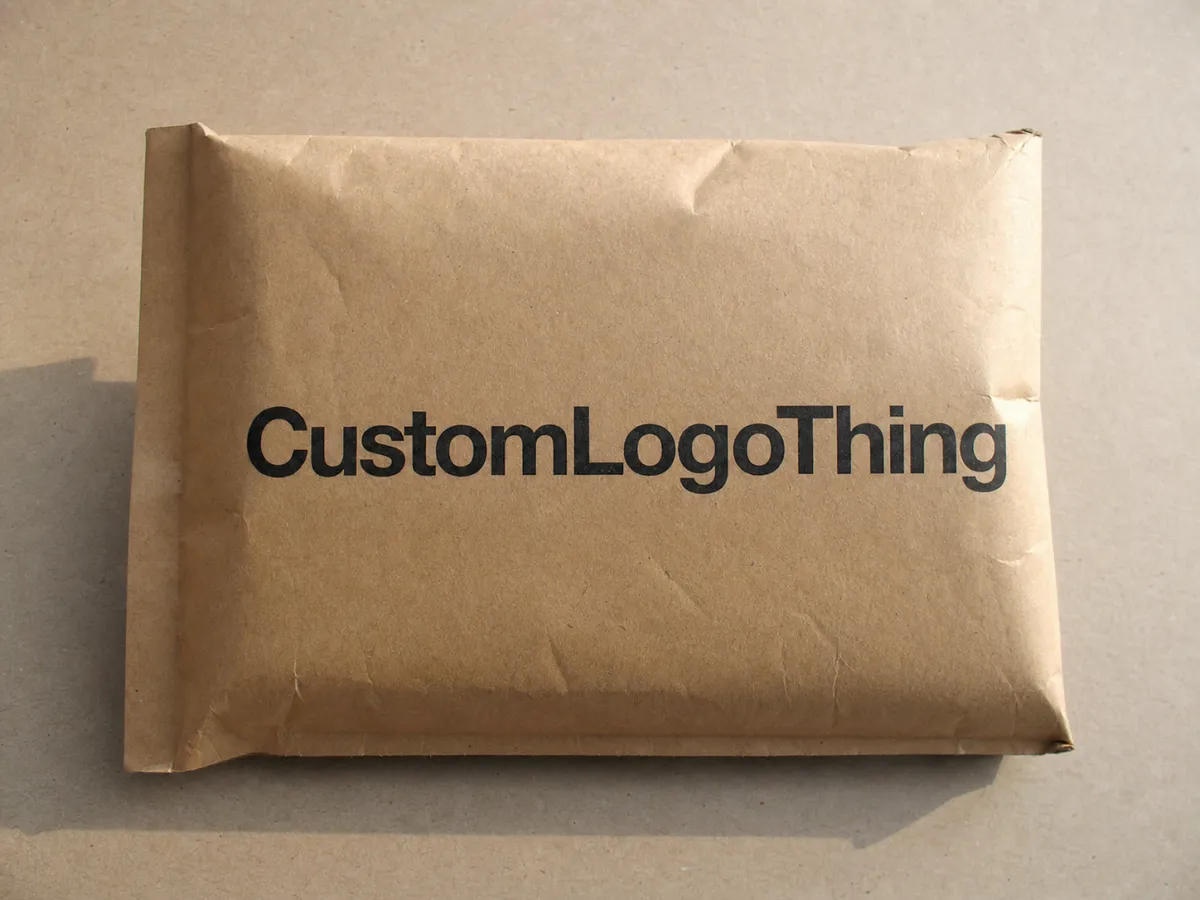
Custom kraft paper mailers wholesale works best when the product does not need a rigid shipper but still needs a branded outer layer that holds up during transit. That is the sweet spot. Apparel, socks, books, print pieces, light accessories, and slim retail kits all fit well. A mailer can protect the item, keep the presentation tidy, and trim the cost stack that comes with heavier packaging systems.
The real number is the landed cost, not the headline unit price. A mailer that saves a few cents but adds packing labor, extra void fill, or a higher carrier bracket is not actually saving anything. Returns make the picture uglier. A crushed corner on a shirt pack may look minor in the warehouse, but the customer sees sloppy handling, and that hurts package branding even if the product inside is fine.
Compared with custom printed boxes, kraft paper mailers usually cut weight and make fulfillment easier. They also reduce the amount of material in each shipment, which can help with freight and handling. Lighter, flatter packages often cost less to move, especially at scale. That is why a lot of DTC brands use mailers for everyday orders and save boxes for premium bundles, fragile items, or special campaigns.
From a buyer’s point of view, the best use case is obvious: low-fragility items that still deserve a clean, branded presentation. Think apparel, journals, inserts, small textiles, and thin retail kits. If the item needs crush protection, real corner strength, or serious stiffness, corrugated cardboard or a hybrid structure still makes more sense. No need to force every product into the same shape and pretend that works.
A mailer that saves 3 cents but adds 1% damage is not saving you money. It is just making the problems cheaper to buy in bulk.
That is why custom kraft paper mailers wholesale gets judged as a system, not a single line item. Material cost matters. Packing labor matters. Shipping weight matters. Storage footprint matters. So does the customer’s first impression. A good mailer cuts dead space, reduces rework, and still looks intentional. A bad one makes the whole product feel mishandled before the seal is even broken.
If you are comparing packaging formats, it helps to look at the broader lineup too. Many buyers move between Custom Packaging Products and the wholesale program depending on order size, and some use Custom Poly Mailers for certain SKUs while keeping kraft paper for eco-facing launches. The point is not to force one material into every job. The point is to match the structure to the use case.
Product Details: What You Are Actually Buying
A kraft paper mailer is not just “paper.” That kind of vague description leads to bad quotes and worse expectations. The build is what matters. At minimum, you are buying an outer kraft face, an internal layer or barrier, a closure style, and a format that fits the product shape without wasting material. Some builds are plain and flat. Others use gussets, padded paper interiors, or stronger seams for better handling.
The outer kraft layer usually carries the brand print. Depending on the construction, the inside may be another paper layer, a protective liner, or a cushioning insert made from paper-based material. Closure can be peel-and-seal, tuck style, or another pressure-sensitive system. For shipping, self-seal options usually save packing time. For retail packaging, a cleaner open-and-close feel may matter more than raw speed.
Flat mailers are the most efficient choice for slim goods. They work well for tightly folded apparel, cards, inserts, books, and thin merchandise. Expandable mailers add depth or gusseting, which helps when the packed item is a little thicker or has a zipper, seam, or folded bulk. Padded-style paper mailers are for buyers who want more surface protection without moving all the way to corrugated cardboard.
That structure choice affects more than performance. It affects how the brand reads. A basic kraft mailer with a sharp one-color logo can feel deliberate and modern. A full-panel design with heavy coverage can feel more premium, but it also increases print cost and can push the mailer toward a retail packaging look instead of a pure shipping function. Nothing wrong with that. It just needs to fit the budget and the SKU.
Buyers should ask practical questions instead of fuzzy ones:
- Does the closure hold under normal carrier handling? Seal strength matters more than a polished mockup.
- Does the paper resist scuffing and tearing? Ask for a sample, then test corners and folds.
- Can it survive a standard parcel network? Transit is not a showroom.
- How does it handle moisture? Paper and humidity do not get along.
- What actually makes it recyclable? Construction matters more than marketing copy.
On sustainability claims, keep the wording precise. Many kraft mailers can be made with recycled content, and some can be sourced with FSC-aligned materials depending on the build and supply chain. Recyclability is not automatic. Coatings, liners, adhesives, and mixed materials can change local recycling rules. The right answer is the one that describes the actual construction, not the one that sounds nicest on a product page.
For buyers who want to sanity-check sustainability claims, public resources from the EPA recycling guidance and the FSC are useful starting points. For shipping performance questions, the ISTA testing framework is worth a look. Those standards will not pick the package for you, but they do keep the conversation grounded.
Specifications: Sizes, Paper Weight, and Print Options
Good quoting starts with clean specs. If you want accurate numbers on custom kraft paper mailers wholesale, send the finished size, product weight, required depth or gusset, closure type, and print method. Leave those out and the quote turns into a guess wearing a spreadsheet costume. That is not useful to anyone.
Size matters more than many buyers expect. Too small, and the mailer strains at the seams or refuses to close properly. Too large, and you waste paper, increase carton count, and sometimes pay more in freight because the shipper dimension creeps up. A slightly oversized mailer is often safer than a tight one, but “slightly” has limits. Leave room for seal overlap and folding tolerance, not a whole extra inch because someone wanted a feeling of security.
Paper weight should match the item and the handling environment. Lighter kraft builds work well for apparel and soft goods that are folded cleanly. Heavier builds are better when the mailer needs more stiffness, abrasion resistance, or puncture resistance. If the item has a rigid edge, a sharp insert, or uneven bulk, step up the material weight or move to a structure with more body. That is basic product packaging logic, not magic.
Print method changes the economics too. Flexographic print usually makes sense for larger runs and simple graphics. Digital print can work better for shorter runs or frequent artwork updates. If the design is just a logo and one line of copy, a one-color mark often gives the best balance of price and visual impact. Full flood print looks dramatic, but it burns through budget fast. Pretty is fine. Pretty with a reason is better.
In practical terms, here is how the major spec choices usually shake out:
| Mailer Style | Best For | Typical MOQ | Ballpark Unit Cost at 5,000 Units | Notes |
|---|---|---|---|---|
| Flat kraft mailer, one-color print | Apparel, books, stationery | 1,000-3,000 | $0.24-$0.42 | Lowest cost if the product stays slim and consistent. |
| Expandable kraft mailer | Thicker folded goods, kits | 1,500-3,000 | $0.30-$0.56 | More room, but the added depth raises material use. |
| Padded-style paper mailer | Light protection, premium feel | 2,000-5,000 | $0.38-$0.68 | Better surface protection, usually more labor and material. |
| Full-panel printed kraft mailer | Brand-heavy launches | 3,000-5,000 | $0.36-$0.70 | Good for package branding, but print coverage drives cost. |
Those ranges are not promises. They are realistic wholesale bands for planning, and the final number depends on paper weight, dimensions, print coverage, closure style, carton packing, and freight. If a quote lands far outside those ranges, ask what changed. Sometimes there is a real reason. Sometimes the wrong structure got priced.
Buyers should also think about how the mailer fits into the rest of the packaging design system. A mailer with a clean logo mark may pair well with inserts, tissue, labels, or a branded sticker. If your line already uses kraft tones across boxes, tags, and tape, the mailer should fit that visual language instead of fighting it. Consistency is what makes branded packaging feel intentional rather than assembled from leftovers.
Pricing, MOQ, and Unit Cost
Pricing on custom kraft paper mailers wholesale comes down to five main levers: material weight, print coverage, size, closure style, and order volume. Change one of those and the quote moves. Change three and the comparison may stop being useful. That is why buyers should always compare apples to apples, not “this sample” to “that estimate from three weeks ago.”
MOQ, or minimum order quantity, usually reflects setup cost and production efficiency. Smaller minimums help with launches, seasonal tests, and SKU checks. Larger minimums lower unit cost and spread setup over more pieces. Neither one is automatically better. If a new collection is unproven, a lower MOQ can protect cash flow. If the design is stable and the product sells predictably, a bigger order usually gives better cost control.
The real comparison is landed cost, not just unit cost. Freight, sampling, plate or setup charges, carton packing, and palletization all change the final number. A quote that looks cheaper on the line item may cost more once the freight bill lands. That is especially true if the supplier ships in inefficient cartons or if the order volume forces a split shipment. The cheapest line on the page is not always the cheapest order in the warehouse.
Here is a simple way to judge the quote structure before you sign off:
- Confirm the exact size. Finished dimensions need to match the packed product, not just the item itself.
- Check the paper weight. A lighter sheet may save money but can reduce rigidity and puncture resistance.
- Review the print coverage. One-color logo work is cheaper than full-panel art, and the gap is real.
- Compare the freight terms. A low ex-works price can become a bad deal once shipping is added.
- Ask for tiered pricing. Two or three quantity breaks usually reveal where the best value sits.
Wholesale pricing usually improves when the artwork is stable, the size is standard, and the buyer can commit to repeat ordering. That is not sales talk. That is how production behaves. When the supplier can keep the same tooling, the same paper spec, and the same print setup across runs, labor cost per unit falls. If the design changes every reorder, expect more setup time and less friendly pricing.
For planning purposes, many buyers find the best balance in the 3,000 to 10,000 unit range. Below that, setup costs bite harder. Above that, storage and inventory risk matter more. The right quantity depends on sell-through, storage space, and whether the mailer supports a campaign or a core product line. If you do not know where you land, ask for quotes at two or three levels and compare the actual break point. Guessing is a hobby. Procurement is not.
If you are evaluating broader wholesale options, the Wholesale Programs page is usually the fastest place to start because it gives you the framework for tiers and reorders. That helps when you are trying to line up a packaging system that does not force a redesign every time the product line shifts.
Process, Timeline, and Production Steps
The order process should be boring. Boring is good. The cleaner the handoff, the faster the project moves. A typical run starts with an inquiry, then a spec review, then artwork checks, then proof approval, then production, then inspection, then dispatch. Each step has a reason. Skip one and the schedule becomes a delay with tracking.
Simple stock-based customization usually moves faster than a fully custom structure. A one-color print on an existing mailer style may be ready much sooner than a build that needs new dimensions, new tooling, or multi-color artwork. The more custom the item, the more time the supplier needs for proofing and production setup. That is not a flaw. It is what happens when the package is built to fit the product instead of forcing the product to fit the package.
Typical production windows vary by run size and print complexity, but many buyers see straightforward orders move in roughly 12 to 20 business days after proof approval, with larger or more detailed runs taking longer. Freight transit adds its own timing, especially if the destination is not close to the production point or if the shipment needs pallet booking. If you have a launch date, build the schedule backward and leave margin. There is no prize for cutting it close.
Most delays come from bad inputs, not bad machines. The common culprits are obvious:
- Missing dimensions or unclear fit requirements
- Low-resolution artwork or broken file formats
- Late changes after proof approval
- Unclear shipping address or receiving hours
- Freight booking delays near the end of the job
If you want the order to move quickly, send the full package up front: logo files, target dimensions, estimated monthly volume, desired closure type, delivery zip code, and hard deadline. If you have a sample photo or a current mailer that works, include that too. A good supplier can usually spot the traps before they become expensive. That is part of the job, not a favor.
Communication should include milestones, not vague reassurance. You should know when the proof is coming, when production starts, when inspection is complete, and when the goods are booked for shipping. That level of visibility matters if your warehouse is planning receiving labor, if your launch is tied to a promo calendar, or if you are trying to avoid running out of packaging in the middle of a sales push.
For brands that want to keep the process clean, the best move is usually to align the mailer with the rest of the packaging system before production begins. A mailer that matches your labels, inserts, and outer carton language makes the whole product packaging stack feel coordinated. That is especially useful if your brand also uses custom printed boxes for higher-ticket products and wants the mailer to feel like part of the same family.
Why Choose Us for Sustainable Packaging
Eco-friendly claims are cheap. Good packaging is not. What matters is whether the mailer is specified correctly, printed cleanly, and delivered consistently. That is the gap between a decent supplier and a headache that happens to use kraft paper. If you are buying for a brand, the package has to function first. Sustainability only counts when the structure performs and the claim is accurate.
From a buyer’s perspective, value lives in controlled specs and stable output. Consistent sizing helps the warehouse. Clean print registration helps the brand. Clear sourcing details help the sustainability team and the customer service team. If the supplier can explain the construction without vague language, that is a strong sign. Vague eco talk usually shows up when somebody wants credit for something they have not defined.
A practical sustainable packaging program starts with waste reduction. That can mean using the right mailer size so you are not shipping air. It can mean choosing the least complex print spec that still supports the brand. It can also mean right-sizing production runs so you are not sitting on piles of excess inventory. The greener option is often the one that removes waste, not the one that says “green” the loudest.
Quality control matters here too. A proper production run should include dimensional checks, print inspection, seal testing, and shipment inspection before goods leave the floor. If a mailer fails at the seam or misfeeds in packing, the savings disappear fast. You do not need a lab coat to know that a bad seal is a bad seal. You just need enough volume to see the pattern.
For brands that are balancing cost and presentation, kraft mailers can deliver a cleaner look than plain shipping sacks and a leaner cost profile than many rigid packages. They are not the answer for every product. Nobody serious says they are. For the right SKU, though, they do a lot: they support branded packaging, reduce shipping weight, and keep the unboxing experience sharp without overspending on structure the product never needed.
If you want broader options in the same family, compare this format with other Custom Packaging Products and see where kraft mailers sit relative to other mailer and box systems. The right mix often includes more than one format. A smart line uses the right container for the job, not a single material because somebody liked the sample.
It also helps to check the supplier’s language against independent standards. The Packaging Alliance resources at packaging.org are useful for general packaging context, and shipping performance claims should be judged with transit realities in mind. If a supplier can speak plainly about material specs, closure strength, and recycling considerations, they are usually easier to work with over the long term.
Next Steps: What to Send for an Accurate Quote
If you want a real quote, send real information. Start with the product dimensions, the expected packed weight, and whether the item is flat, folded, or slightly bulky. Add the quantity you want to order, the print coverage you have in mind, and the delivery window. If you do not know the exact size yet, say that clearly. A supplier can help shape the spec, but only if they know what problem they are solving.
Before asking for pricing, decide whether you need a sample first, a pilot run, or a full wholesale order. Those are different scenarios, and they should not be priced the same way. A sample is for fit and finish. A pilot run is for testing sell-through and packing flow. A wholesale reorder is for scale. Mixing those up is a great way to get confused and then blame the quote.
When you compare quotes, use the same size, same paper weight, same print coverage, same quantity tier, and the same freight assumptions. Then compare landed cost against your current packaging system, including labor and damage rate. If the new mailer saves money but increases pack time, that is a real tradeoff. If it cuts breakage and improves presentation, even better. If it does neither, keep looking.
A simple approval path usually works best:
- Review the proof and confirm the artwork placement.
- Check the spec sheet against the packed product.
- Lock the timeline before production starts.
- Schedule receiving so the warehouse is ready.
That is the cleanest way to move from concept to shipment without wasting a week on avoidable back-and-forth. For brands buying custom kraft paper mailers wholesale, the best pricing starts with clean information. The second-best pricing comes from repeat orders. If your specs are ready, request the quote, compare it against your current system, and decide based on the numbers instead of the mood.
Use the detail you have now and ask for custom kraft paper mailers wholesale pricing that matches your actual product, your actual volume, and your actual deadline. That is how you get a quote worth reading.
Frequently Asked Questions
What is the minimum order for custom kraft paper mailers wholesale?
MOQ depends on size, print method, and how custom the build is. Simple one-color runs usually allow lower minimums than full-coverage or specialty builds. Ask for tiered pricing so you can compare the MOQ against the per-unit savings before you commit.
How do I choose the right size for custom kraft paper mailers wholesale?
Measure the packed product, not the bare item, because inserts, folds, and closures change the footprint. Leave room for seal overlap and a small production tolerance so the mailer closes cleanly. If you are between sizes, ask for a sample or fit guide before ordering volume.
Are custom kraft paper mailers wholesale recyclable?
Many are recyclable, but the exact answer depends on paper weight, coatings, inks, and any barrier layers. Check whether the mailer uses plastic liners, heavy laminations, or mixed materials that can affect recycling. A supplier should tell you the construction clearly instead of handing you a vague eco claim.
How long does production usually take for custom kraft paper mailers wholesale?
Lead time depends on artwork approval, print complexity, and order size. Straightforward runs move faster than custom structures that need new tooling or multiple proofs. The fastest way to avoid delays is to send final artwork, target quantity, and shipping details together.
What should I compare when getting quotes for custom kraft paper mailers wholesale?
Compare unit cost, setup fees, freight, sample charges, and any packaging or palletization costs. Make sure every quote uses the same size, paper weight, print coverage, and quantity tier. The cheapest line item is not always the cheapest order once shipping and defects are added.

