Buyer Fit Snapshot
| Best fit | Custom Kraft Shipping Cartons projects where brand print, material claims, artwork control, MOQ, and repeat-order consistency need to be specified before quoting. |
|---|---|
| Quote inputs | Share finished size, material target, print colors, finish, packing count, annual reorder estimate, ship-to region, and any compliance wording. |
| Proofing check | Approve dieline scale, logo placement, barcode or warning zones, color tolerance, closure strength, and carton packing before bulk production. |
| Main risk | Vague material claims, crowded artwork, missing packing details, or unclear freight terms can make a low unit price expensive after revisions. |
Fast answer: Custom Kraft Shipping Cartons: Board, Finish, Dieline, and Unit Cost should be specified like a repeatable production item. The safest quote records material, print method, finish, artwork proof, packing count, and reorder notes in one written spec.
Production checks before approval
Compare the actual filled-product size with the drawing, then confirm tolerance on folds, seals, hang holes, label areas, and retail display edges. Reserve space for logos, QR codes, warning copy, and material claims before decorative graphics fill the panel.
Quote comparison points
Review material grade, print process, finish, sampling route, tooling charges, carton quantity, and freight assumptions side by side. A quote is only useful when the supplier can repeat the same color, closure quality, and packing count on the next order.
Custom Kraft Shipping Cartons: A Practical Buyer's Guide
Custom kraft shipping cartons look plain in the best possible way. That understatement is not a flaw. It is a kind of packaging discipline. A carton that disappears into the shipping process can still decide whether a product arrives intact, whether the box lands with crisp corners, and whether the customer opens a package that feels deliberate instead of improvised. The product may be identical, but the carton changes fit, protection, handling time, brand perception, and how much filler the pack line burns through.
That is why buyers keep moving toward custom kraft shipping cartons instead of grabbing another stack of generic brown boxes. Right-sizing the carton reduces dead space, lowers wasted board, and shaves a few seconds off pack-out. Those seconds sound tiny until you multiply them across hundreds or thousands of orders. Then the savings start showing up in labor, freight, and fewer damage claims.
From a packaging buyer's perspective, the logic is pretty blunt. Too much empty space and the shipper pays to transport air. Too little space and the item rubs, shifts, or crushes itself against the walls. Custom kraft shipping cartons sit in that narrow middle band where a better spec often matters more than a fancy finish.
The kraft part matters too. Natural kraft liners signal fiber-based construction, a less processed appearance, and a visual language that still matches current sustainability expectations. That does not make every kraft carton environmentally superior by default, and anyone who says otherwise is overselling it. The material story only holds up when the board choice, structure, and print decisions are honest. Still, custom kraft shipping cartons can support a stronger packaging narrative than glossy alternatives that say a lot and explain very little.
Why Custom Kraft Shipping Cartons Matter More Than You Think
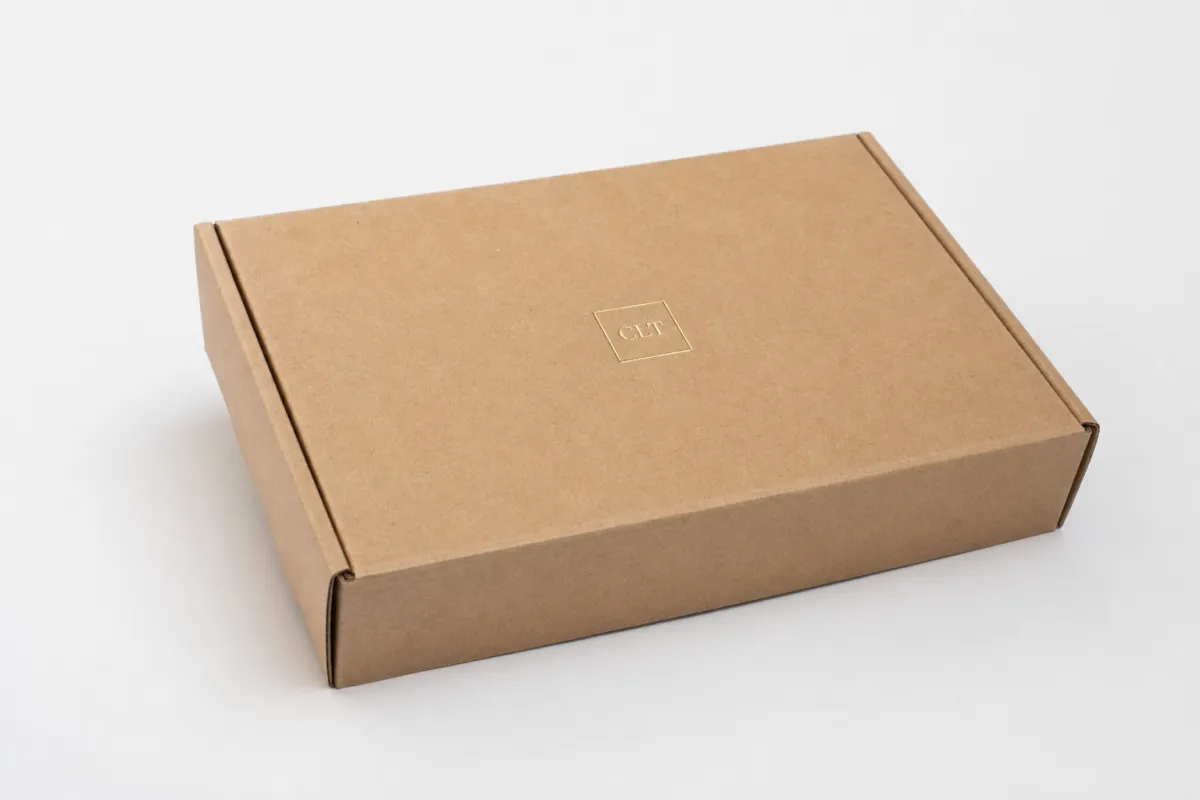
Most teams start with the product and treat the box as an afterthought. That sequence usually causes trouble later. The carton is part of the packaging decision from the start because it affects shipping performance, brand presentation, and cost per order. Custom kraft shipping cartons give buyers control over dimensions, board grade, and appearance in one move, which is rare in packaging.
A carton can separate a clean delivery from a costly return even when the item itself never changes. Better fit means less product movement. Less movement means fewer crushed edges, fewer scuffs, and fewer claims. Fewer claims mean less time spent sorting out replacements, refunds, and apologetic emails that nobody wants to write. In order fulfillment, the hidden costs usually show up first at the weakest spec point.
The sustainability angle deserves sharper language than the usual green marketing claims. Custom kraft shipping cartons can lower void fill, reduce overboxing, and trim the amount of board needed to ship a product safely. That is a stronger argument than simply saying something is recyclable. The real measure is whether the carton uses the least material that still survives the trip the package will actually take.
Kraft also has a visual advantage that is easy to underestimate. It looks intentional without shouting. Many brands want package branding that feels calm, deliberate, and durable rather than overdesigned. A single-color mark, a clear panel layout, and the natural surface of kraft board can do more than a busy full-coverage print. That is one reason custom kraft shipping cartons often outperform generic custom printed boxes in ecommerce programs. They read as practical, not promotional.
"The best box is the one customers barely think about." In packaging terms, that means no re-packs, no crushed corners, no missing product, and no unhappy call to support.
For buyers comparing options, the business case usually lands in four areas:
- Lower damage risk through better fit and stronger board selection.
- Lower material waste because the carton can match the product instead of surrounding it with air.
- Stronger brand presentation through restrained graphics and a natural surface that feels credible.
- Faster pack-out because workers are not improvising with oversized cartons and extra fillers.
That is why custom kraft shipping cartons keep appearing in branded packaging discussions next to more obvious pieces like Custom Packaging Products. They are not the flashiest line item in the mix, but they often shape the customer experience more than labels, tape, or stickers ever will.
For teams that handle ecommerce shipping and retail packaging at the same time, the box is not just a container. It becomes part of the cost model, part of the sustainability story, and part of the customer's first physical contact with the brand. Custom kraft shipping cartons tie those pieces together better than most stock cartons can.
How Custom Kraft Shipping Cartons Work in Real Shipping Flows
Custom kraft shipping cartons are built from a few working parts, and each one changes performance. The board grade controls compression and puncture resistance. The flute profile affects cushioning and crush strength. Panel design sets the fit. Closure style changes pack speed and security. When those choices line up, the carton disappears into the process in the best possible way.
Board structure comes first. A light accessory moving a short distance may do well in a single-wall carton with E-flute or B-flute board. Heavier goods or fragile components often need C-flute or double-wall construction. That choice is not only about thickness. It is about how the carton behaves under stacking pressure, vibration, and the occasional rough toss inside the carrier network.
The route matters as much as the spec sheet. A carton leaves the pack bench, gets stacked in staging, rides through parcel sortation, sits in a trailer, and gets handled again near delivery. Along the way, it faces compression, edge drops, vibration, temperature swings, and sometimes moisture. Custom kraft shipping cartons should be designed for that route, not for a spotless lab condition that never exists in real shipping.
Customization earns its keep at this point. A good dieline can trim excess corners. An insert can lock a product in place without stuffing the whole box full of filler. Print placement can leave room for branding or warnings. Tamper evidence can be added without making the carton annoying to open. Compare custom kraft shipping cartons with off-the-shelf stock and the difference usually becomes obvious once the line starts running.
A test-based mindset helps. Ask whether the carton can survive the roughest 10 percent of the route. That is the real benchmark, not whether a sample looks tidy on a desk. Transit testing standards such as ISTA help buyers check drops, vibration, and compression in a repeatable way. For fiber sourcing, FSC is useful when documentation matters and claims need chain-of-custody records behind them.
Small design choices matter more than most people expect in order fulfillment. A carton that opens from the right side can shave seconds off pack time. A fold that locks cleanly can reduce tape use. A panel that takes one-color graphics well can make the box feel like branded packaging rather than a shipping afterthought. At scale, small inefficiencies become expensive very quickly.
When buyers ask why custom kraft shipping cartons are worth the effort, the answer is usually not dramatic. It is practical. The carton protects the item, keeps the line moving, and cuts waste. That is a better use of packaging design than spending money on surface effects that do not improve transit performance.
- Board grade affects strength and weight.
- Flute profile affects cushioning and compression.
- Dieline geometry affects fit and packing speed.
- Print placement affects brand visibility and production complexity.
- Closure style affects both security and labor time.
Key Factors That Change Performance, Sustainability, and Fit
Size and weight are the first filters. A 12-ounce accessory does not need the same carton as a 6-pound component with sharp edges. The heavier or more fragile the item, the tighter the tolerance window has to be. Custom kraft shipping cartons work best when internal clearance is just large enough for protective wrap, inserts, or a little movement without allowing the product to slam into the walls.
Board selection comes next. Recycled content is common, but recycled content alone does not tell you how the box will perform. A carton made with recycled fiber can still be strong, and a carton made with virgin fiber is not automatically better for the planet. Buyers should ask for board grade, basis weight, and compression performance rather than leaning on vague green language. That is the difference between a real spec and a slogan.
For sustainability claims, FSC-certified fiber can help when chain-of-custody documentation matters. If the carton is printed, a restrained design usually keeps the recovery path simpler. One-color print, water-based inks, and minimal coatings tend to preserve recyclability better than heavy lamination or layered finishes. Custom kraft shipping cartons can still look sharp, but the finish should support recovery instead of making it harder.
Print and finish choices also shape price. A plain kraft exterior with a single logo hit is usually more economical than a full-coverage printed surface. Spot coatings, aqueous coatings, and special varnishes can improve scuff resistance or visual depth, but they can also increase cost and complicate production. Buyers comparing custom printed boxes should ask a blunt question: does the finish improve shipping performance, or does it only improve the mockup?
Real-world conditions deserve more attention than they usually get. Humidity can soften board performance. Temperature swings can affect adhesive behavior. Stacking pressure in storage can crush weak cartons before they ever touch a carrier. Retail packaging programs may need cleaner graphics, while ecommerce shipping boxes need more abuse tolerance. Custom kraft shipping cartons need to serve the channel they actually live in, not an idealized version of it.
A practical rule works better than a polished theory: design for the roughest environment first, then trim only where the data allows it. That keeps custom kraft shipping cartons honest. It also reduces the risk of approving a box that looks efficient in a spreadsheet and fails during a humid week or a dense shipping cycle.
For buyers managing product packaging across several channels, standardizing around a few carton families often makes more sense than building a maze of one-off sizes. Inventory becomes easier to manage. Replenishment becomes cleaner. The packing team learns a small set of good options instead of fighting with a long list of awkward ones.
If a shipment also needs lighter secondary packaging, Custom Poly Mailers may be the better fit for flat, low-profile orders. And if you are building a broader line, compare Custom Shipping Boxes against your carton spec so the structure matches the actual use case. The goal is not to force one format into every role. The goal is to match format to function.
Process, Timeline, and Lead Time for Custom Kraft Shipping Cartons
The production path for custom kraft shipping cartons is usually straightforward, but each step has consequences. It starts with a brief that should include product dimensions, weight, shipping method, branding needs, and the expected MOQ. If the brief is vague, the sample stage turns into guesswork. If the brief is tight, the whole job moves faster and the final carton is more likely to fit the packing line without drama.
After the brief comes the dieline. That structural map should account for product clearance, flap overlap, glue areas, and any insert. A clean dieline can prevent several revisions later. A sloppy one can create a chain of small problems, from print panels that do not line up to closures that fight the packer every time the box gets folded.
Most suppliers then move to a prototype or sample. For simpler custom kraft shipping cartons, a sample can often be ready in a few business days once dimensions are settled. More complex structures, heavy print coverage, or custom inserts can push that longer. Speed only matters if the carton actually works. A sample should prove the box before production starts, not merely prove that the box exists.
Approval usually covers appearance and function. The buyer checks print placement, carton fit, stacking behavior, and closure integrity. If the carton is meant for ecommerce shipping, the pack team should test it in a live packing scenario, not only examine it on a table. A carton that passes a desk review can still be awkward on the line if the opening direction, flap size, or tape requirement slows people down.
Once approval is signed off, production planning begins. This is where lead time gets sensitive. Material availability, press schedule, finishing requirements, and freight booking can all add days. For many custom kraft shipping cartons, a practical estimate is 12 to 18 business days after final approval for a standard run, while more complex jobs may take longer. If tooling, structural testing, or unusual board grades are involved, add more room to the calendar.
Here is a simple way to view the schedule:
- Brief and dimensions - 1 to 3 days if the data is ready.
- Dieline and artwork placement - 2 to 5 business days depending on complexity.
- Prototype or sample - often 3 to 7 business days.
- Approval and revisions - same day for clean projects, longer if stakeholders are involved.
- Production - commonly 12 to 18 business days after approval.
- Freight and delivery - varies by lane, pallet count, and destination.
There are easy ways to shorten the timeline. Lock dimensions early. Approve artwork before the sample arrives. Decide on the print method before asking for quotes. Avoid late changes to copy or insert thickness. Those are the edits that quietly add days. In packaging operations, delay usually does not come from the press room. It comes from indecision upstream.
One more practical point: custom kraft shipping cartons should not be treated as a one-time creative exercise if the goal is repeatable order fulfillment. Strong programs build a reusable spec sheet that can be re-quoted, re-ordered, and adjusted without starting from zero. That discipline matters more than most brand teams expect.
Cost, Pricing, and MOQ for Custom Kraft Shipping Cartons
Pricing for custom kraft shipping cartons comes from a handful of basic inputs: material, size, board grade, print setup, finishing, inserts, and freight. Buyers often focus on unit price alone, but the quote is really a bundle of choices. A slightly larger box can cost more in fiber and freight. A richer print layout can add setup time. A special insert can change the economics of the run.
Quantity is the biggest lever. Once setup costs are spread across more units, unit price usually drops. That is why MOQ matters so much. For some simple runs, a supplier may accept 500 to 1,000 units. For others, especially where print setup or tooling is heavier, the minimum can shift to 2,500 or 5,000 units. There is no single number because custom kraft shipping cartons are not one fixed format.
To make quotes easier to compare, here is a practical view of typical options. The numbers are directional, not a promise, and they depend on size, print coverage, board availability, and freight. Still, they give a buyer a useful starting point.
| Option | Typical Use | Approx. Unit Cost at 5,000 Units | Notes |
|---|---|---|---|
| Plain single-wall kraft carton | Light to medium ecommerce orders | $0.45-$0.90 | Best when structure matters more than print and the product is not overly fragile. |
| Single-color printed kraft carton | Branded shipping with clean package branding | $0.65-$1.20 | Often the sweet spot for custom kraft shipping cartons that need branding without heavy finish costs. |
| Heavy-duty double-wall carton | Heavier, denser, or more fragile items | $1.25-$2.50 | Better for rougher transit conditions, though the board cost rises quickly. |
| Carton with custom insert | Higher-value products that must stay fixed | $1.50-$3.50+ | Insert style can change the quote as much as the outer shell, so compare specs carefully. |
The table matters because it forces apples-to-apples comparison. A quote that looks cheaper may leave out the insert, the sample, or the freight palletization charge. Another may include a stronger board grade that reduces damage later. That is why the lowest quote is not automatically the lowest cost.
For buyers building branded packaging across product lines, cost control often comes from standardization. A family of custom kraft shipping cartons with shared widths or shared flute profiles can simplify inventory. It can also make it easier to pair the program with other items from a supplier's line, whether that means secondary packaging or related Custom Packaging Products. If the business also ships flat items, compare the cost structure against Custom Shipping Boxes so the carton format stays aligned with actual order volumes.
When comparing quotes, ask these questions:
- Is the price based on the same dimensions and board grade?
- Does the quote include print setup, tooling, and proofing?
- Are inserts, coatings, and freight included or excluded?
- What testing support is available before production?
- How does the MOQ change if the print coverage changes?
That level of scrutiny can feel tedious, yet it protects margin. Custom kraft shipping cartons often look similar on a quote sheet while being very different in structure and performance. The details are where the value sits.
Common Mistakes When Ordering Custom Kraft Shipping Cartons
The first mistake is sizing the carton only to the product. That sounds precise, but it usually ignores inserts, protective wrap, and the real tolerance of the packing team. If the item barely fits on a clean mockup, it may be too tight once production starts. Custom kraft shipping cartons need breathing room for speed and consistency, not just neat geometry.
The second mistake is chasing the lowest board cost without checking the route. A carton that performs well in a calm warehouse may fail in a rough parcel network. Moisture, stacking, and vibration are normal shipping conditions, not edge cases. If the box is meant for ecommerce shipping, it has to survive more than a single handoff and a friendly test push.
The third mistake is treating sustainability like a label instead of a system. A recyclable kraft liner does not mean much if the box is oversized and stuffed with excess void fill. A carton with recycled content can still create waste if the product shifts inside. Custom kraft shipping cartons should reduce material use across the whole shipment, not only in one visible layer.
The fourth mistake is skipping sample approval or testing. That is where small spec errors become real losses. A carton that is 5 mm too narrow can slow the line. A flap that sits awkwardly can require extra tape. A fold that looks fine on screen may collapse under stack load. Even a modest trial run can surface these issues before they become expensive.
A fifth mistake is overbranding the box. Loud graphics can make sense in retail packaging, but shipping cartons have a different job. If transport is the main function, a restrained layout often performs better. One-color branding, clear product identifiers, and a clean kraft surface can feel more premium than a crowded print area. That is especially true when the goal is package branding that looks confident rather than busy.
Here is the part many buyers miss: order fulfillment teams live with the design every day. If the carton is awkward to fold, difficult to label, or irritating to tape, labor costs climb. Custom kraft shipping cartons should be judged on real pack speed, not just on a rendering that looks tidy in a presentation.
Finally, do not assume every supplier means the same thing by "custom." Some are quoting a true structural custom carton. Others are quoting a size adjustment on a standard box style. The difference matters. A tight spec sheet and a sample approval process keep everyone honest and prevent surprise charges later.
Expert Tips and Next Steps for Custom Kraft Shipping Cartons
Start with the shipment itself. Measure the product, note the weight, define the fragility level, and write down the worst handling condition you expect. Is it one parcel trip, or a multi-step route through a fulfillment center and carrier hub? That answer should shape the spec. Custom kraft shipping cartons are strongest when they are designed from the route backward.
Standardize where you can. A small family of carton sizes usually beats a long list of one-off dimensions. It keeps procurement simpler, reduces pack-line confusion, and makes reordering easier. It also helps the team see where custom kraft shipping cartons are truly earning their keep and where a shared box can do the same job with less complexity.
Ask for a sample or prototype and test it in a live packing scenario. Check fit with actual inserts, actual tape, and actual people. Time the pack-out. Shake the carton. Stack a few units. If possible, compare it against a rough transit test plan or a formal standard such as ISTA 3A or ASTM-style performance thinking. That does not mean every order needs a full lab program. It means the carton should earn approval through evidence, not optimism.
Compare cartons as systems, not isolated shells. If your program also needs poly mailers for lighter orders, or more display-driven retail packaging for a separate channel, use the same lens of fit, labor, and cost. A connected packaging line usually performs better than a patchwork of unrelated items. That is where branded packaging becomes a supply-chain decision, not only a design one.
For brands building a larger product packaging strategy, custom kraft shipping cartons can act as the backbone. They are not always the most visible piece, but they are the part that keeps everything else moving. Good packaging design should make the box easy to spec, easy to pack, and easy to receive.
If I had to reduce the decision to one sentence, it would be this: choose the lightest carton that still survives the route, supports the brand, and keeps the pack line moving. That is the sweet spot for custom kraft shipping cartons, and it is usually closer to the middle of the price curve than buyers expect.
So the next step is straightforward. Gather your dimensions, product weight, shipping method, branding needs, and target MOQ. Build one spec sheet. Send the same sheet to every supplier. Compare board grade, print method, testing support, lead time, and what is included in the quote. The Best Custom Kraft shipping cartons are not the cheapest on paper; they are the ones that save money across damage, labor, freight, and returns.
Done well, custom kraft shipping cartons protect the product, present the brand cleanly, and support sustainability claims with real structure instead of vague language. That combination is why they keep outperforming generic options in modern ecommerce shipping programs.
Frequently Asked Questions
What makes custom kraft shipping cartons better than standard cartons?
They are sized around the product, which reduces empty space and can lower damage risk. They also let you choose the board grade, print placement, and closure style instead of taking whatever is already on the shelf. For many buyers, that combination improves order fulfillment speed and makes the shipment feel more intentional without pushing the design into unnecessary complexity.
How do I choose the right board grade for custom kraft shipping cartons?
Start with product weight, fragility, and shipping distance, then match the board to the roughest route the carton will face. If the shipment will be stacked in storage or moved through a dense parcel network, compression strength matters a great deal. Ask for samples or testing data before approval, and do not assume a thicker board is always the right answer for custom kraft shipping cartons.
What is the usual process for ordering custom kraft shipping cartons?
Expect a brief, dieline, sample or prototype, approval, and then production. Simple jobs move faster when dimensions and artwork are finalized early. Complex structural changes, inserts, or custom print can add review time. The cleanest projects are the ones where the buyer, designer, and supplier are working from the same specs before production begins.
What affects the price of custom kraft shipping cartons the most?
Quantity is a major driver because setup costs are spread across more units as volume rises. Size, board type, print coverage, and finishing all change the quote, and freight can matter more than buyers expect. Inserts and sample runs can also add cost, so compare quotes with the same assumptions before deciding which option is actually cheaper.
Can custom kraft shipping cartons still be sustainable if they are printed or reinforced?
Yes, if the design keeps the carton recyclable and avoids unnecessary mixed materials. Minimal, water-based, or low-impact decoration usually supports better end-of-life outcomes than heavy finishing. Reinforcement is not automatically a problem either; the real sustainability test is practical. Use the least material that still protects the product, and custom kraft shipping cartons can stay efficient without losing strength.

