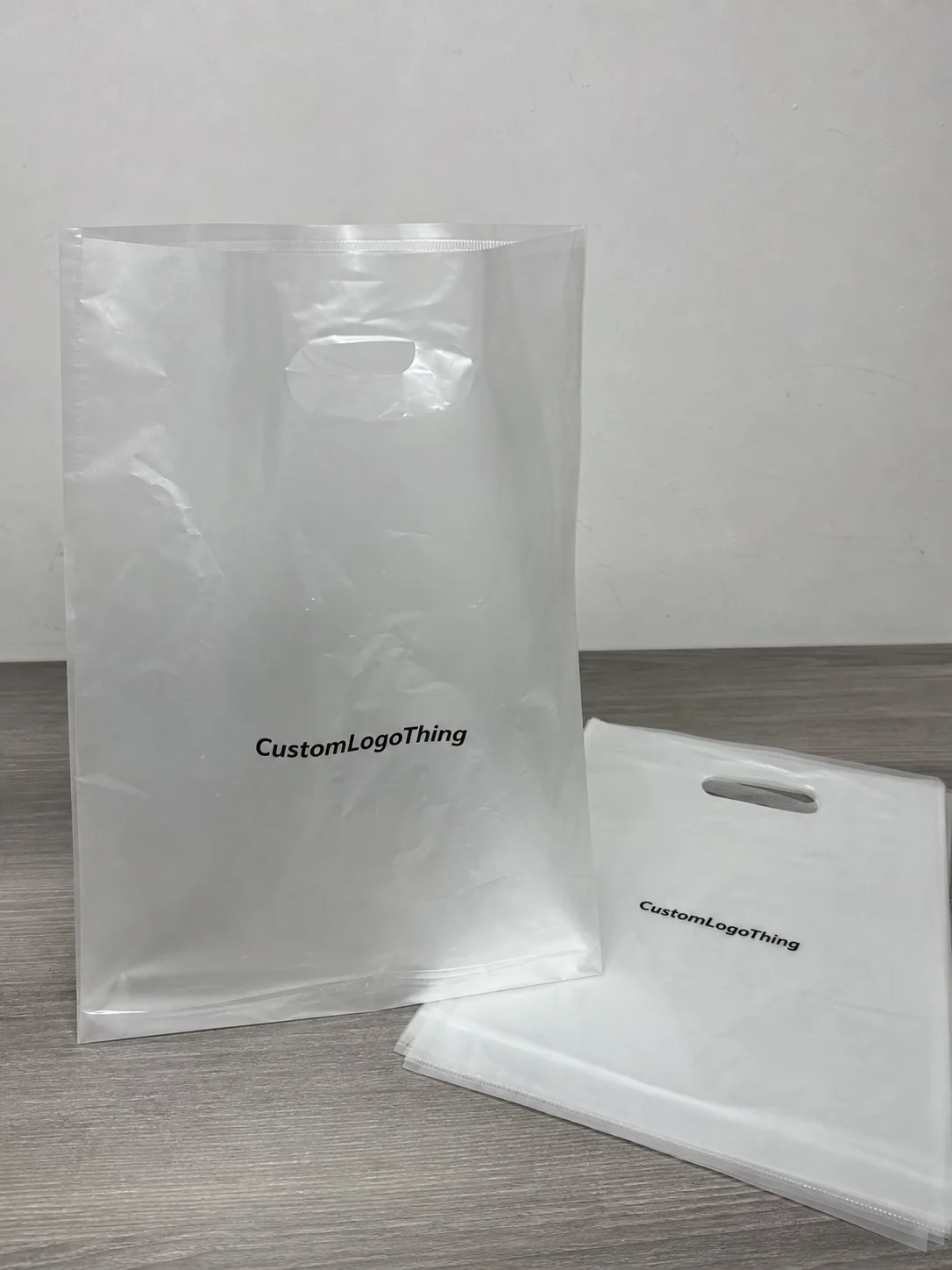
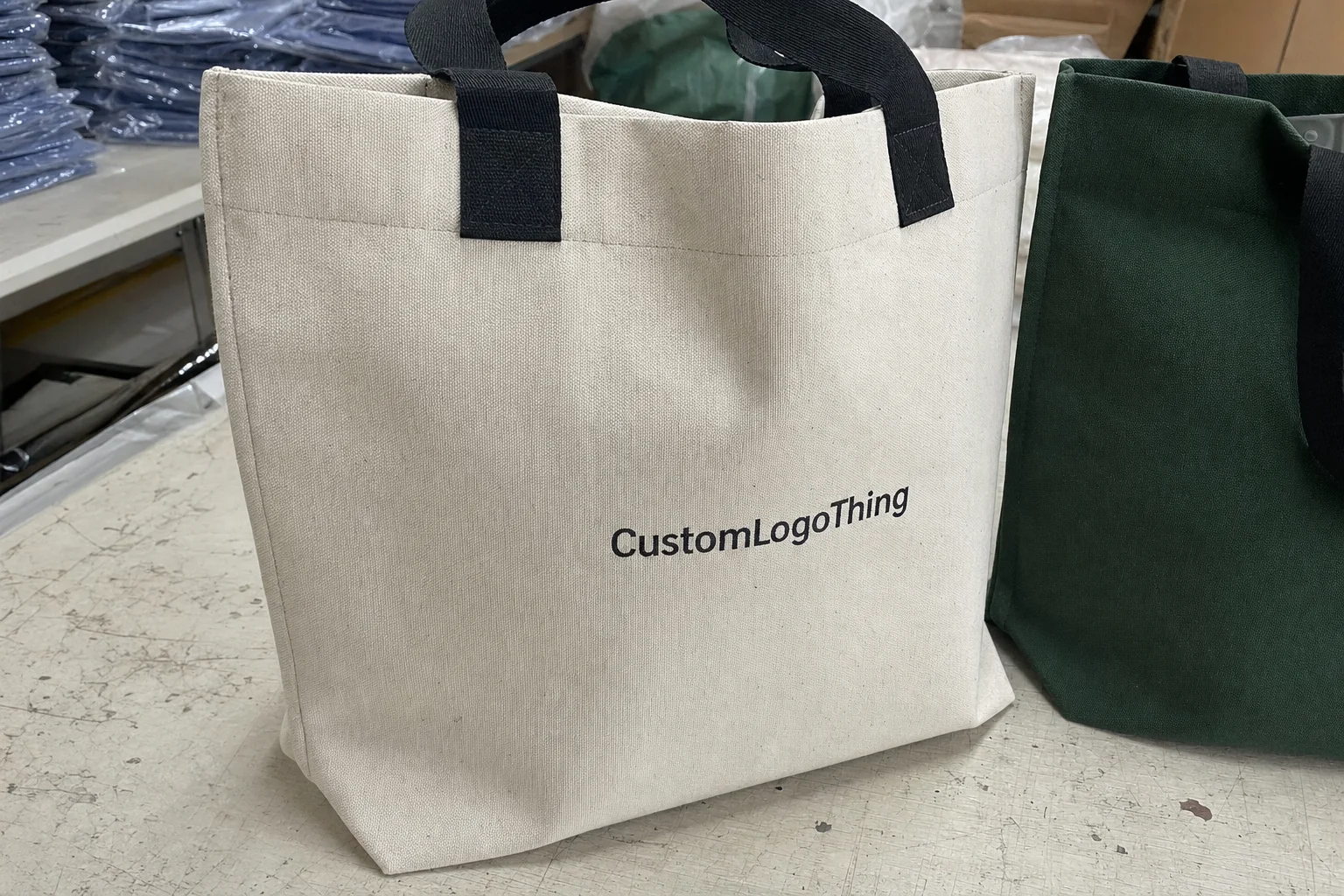
Custom Labels for Baked Goods: How to Order with Confidence
A muffin bag can look ordinary until the label does the real work. That small surface is often the first thing a customer reads, and sometimes the only thing they remember after leaving the counter. Custom labels for baked goods are not just decoration; they are a compact piece of packaging that carries branding, product identification, and trust in a few square inches.
From a buyer’s standpoint, a good bakery label has three jobs. It needs to identify the product quickly, support any required information, and make the package feel finished rather than temporary. The strongest label programs are rarely the flashiest ones. They are the ones that fit the package, survive handling, and still read cleanly after a morning in the case.
That is why label choices matter even for businesses that still use simple bags or plain cartons. A well-built label can make a standard kraft pouch feel intentional, and that is often a more practical move than redesigning every box or switching to expensive custom printed boxes for the whole line.
Why a plain package can lose the sale fast
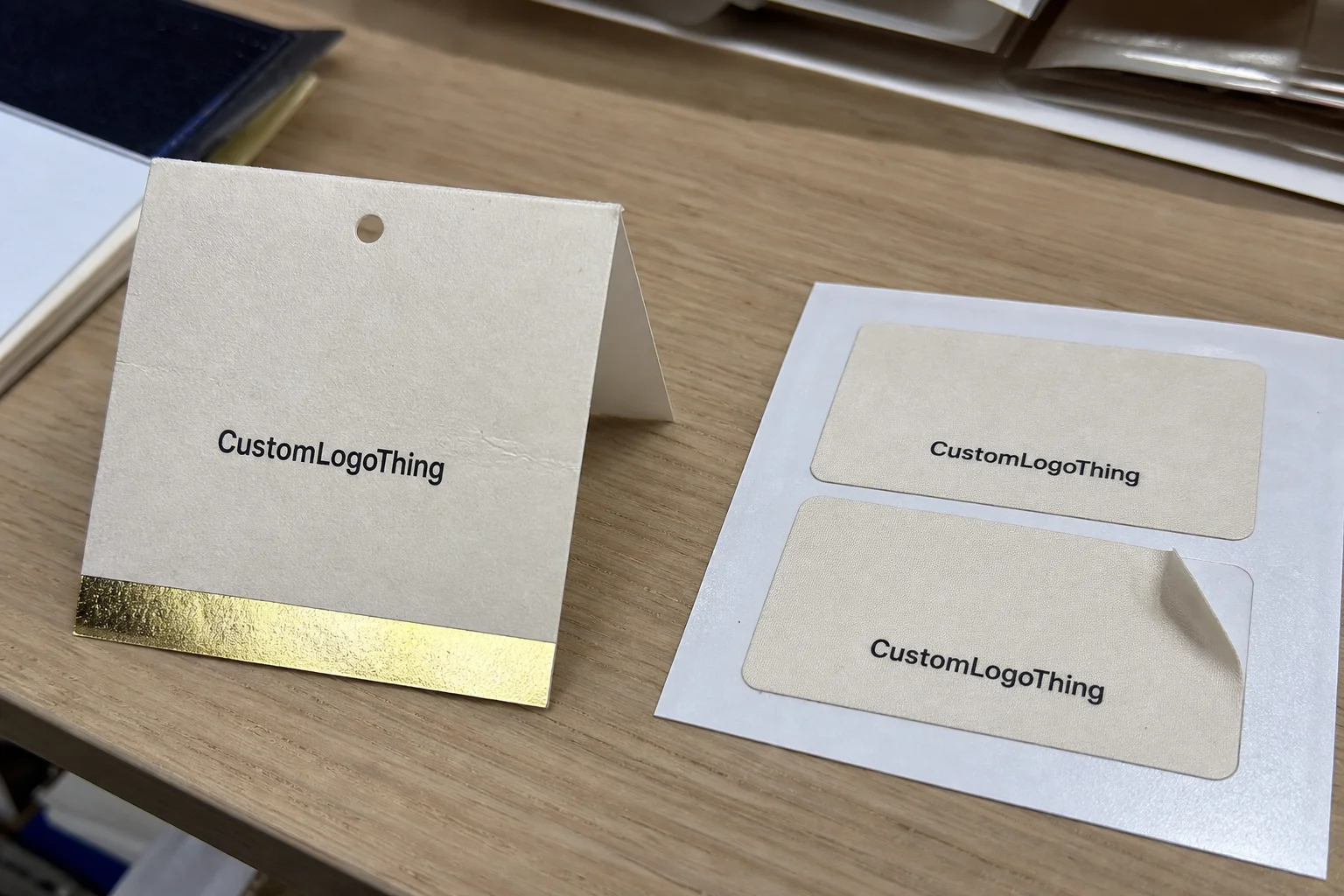
Most bakery packaging starts with a functional container that does not say much on its own. A cookie pouch, pastry box, or folded paper bag can all look nearly identical until a label introduces the brand, the flavor, and the reason to trust what is inside. That is where custom labels for baked goods become more than a finishing touch. They turn a generic package into one that looks chosen.
Shoppers move quickly through bakery cases. They scan the product, check the name, read any important claims, and make a decision in seconds. If the package looks unfinished, the product can seem less fresh or less established, even when the baked good itself is excellent. A clear label reduces that hesitation.
There is also a practical side to label-driven presentation. Small-format product packaging often carries more weight than the container itself because the label is where most of the information lives. A bakery that keeps using standard bags can still look premium if the label size, typography, and color system are disciplined. That tends to cost less and move faster than reworking every package into something fully custom.
The same label can also support recognition over time. If customers buy a lemon loaf on Tuesday and come back a week later looking for it again, the label has to help them find it quickly. Consistent labeling makes the product easier to spot, which is one reason packaging decisions often affect repeat sales more than teams expect.
For shops that sell at farmers markets, grocery counters, or café grab-and-go cases, this matters even more. The package has to do a lot of work at once: it has to communicate freshness, accommodate required information, and still look like a product someone would be glad to hand to a guest. A weak label makes the item feel temporary. A strong one makes it feel ready for retail.
“A good bakery label should answer three questions instantly: what is it, what makes it different, and can I trust it?”
How labels function across bags, boxes, and wraps
Different bakery formats need different label constructions. Folded bags usually work best with a front-facing label that stays clear of the fold line and top crimp. Clear pouches need a label that preserves product visibility. Cake boxes and cookie boxes often use a seal label, a top-panel label, or a corner application that keeps the package neat without interfering with opening. Tamper-evident seals have a separate function: they show whether the package has been opened, which can matter for transport and customer confidence.
There is a practical workflow behind all of this. Artwork is prepared, checked against the die line, proofed, and then printed on the chosen stock. After printing, finishing may include die cutting, varnish, lamination, or roll conversion if the labels will be applied quickly on a packing line. For smaller bakeries, hand application is common and perfectly workable. For higher volume, roll format usually reduces labor and keeps placement more consistent.
The construction details matter more than most people expect. The face stock is the visible material. The adhesive determines whether the label holds on paper, film, glassine, or coated board. The liner affects how the label dispenses. The finish changes both the look and, in some cases, the wipeability. A matte paper label can read as handmade and warm. A gloss film can hold up better near condensation or refrigeration. Those are not just style choices; they affect whether the label still looks decent after the package has been handled all morning.
Labels can also carry more than branding. For custom labels for baked goods, it is common to include:
- Product name and flavor
- Net weight or count
- Allergen callouts
- Storage or freshness guidance
- Barcode or internal SKU
- Seasonal or dietary claims, if accurate
If the line uses several packaging formats, consistency helps. A label on a window box should not block the product view. A seal on a pastry pouch should not tear when the bag flexes. A box label should stay readable after stacking. Many buyers also pair labels with other branded pieces from Custom Packaging Products so the visual system stays aligned from the shelf to the carry-out bag.
For teams that need a simpler way to standardize recurring menu items, Custom Labels & Tags is often the most efficient place to start because the physical spec can stay consistent even as flavor copy changes.
Specs that decide durability, readability, and food presentation
Material choice is where a lot of label orders succeed or fail. Paper is usually the first instinct, and for dry shelf items it often works well. Film and moisture-resistant stocks make more sense when the package may see condensation, cold storage, or repeated handling. Specialty stocks can support a seasonal premium line, but they should solve a real need rather than simply looking expensive in a proof.
Finish matters too. Gloss can sharpen color and help graphics stand out under case lighting. Matte usually reads as more handmade and reduces glare. Soft-touch and textured stocks can suggest a higher-end product, but they should be tested before committing to a run. On a sticky bakery counter, elegant is only useful if the type is still readable after several customers have handled the package.
Legibility deserves more attention than most brand teams give it. The product name should be one of the largest elements on the label. Flavor, dietary claim, or limited-edition messaging can sit beneath it. Any allergen information needs enough contrast to read quickly, because that is not a decorative detail. If the type is too thin or the color contrast too low, the label may look polished in a mockup and fail in real use.
Label shape and placement also affect performance. Rounded corners help reduce lifting on pouch edges. Narrow strip labels can fit around clamshells, but they should not force the layout into a cramped vertical stack. A label placed across a fold line is likely to crack or curl. That sounds obvious. It is still one of the most common mistakes in bakery procurement.
For food-adjacent use, the practical questions are blunt: does the adhesive hold on grease, will the stock survive refrigeration, and does the label stay intact during transport? If the answer is uncertain, test it on the actual package before the full order. Shipping and handling standards such as those discussed by the International Safe Transit Association are useful because they force buyers to think about transit stress before it becomes a problem.
Sustainability claims should stay grounded as well. If a brand wants responsibly sourced paper, the FSC system is a familiar reference point, though not every bakery label needs certified fiber. The point is fit. A label should match the package environment first, then support the brand story.
Cost, pricing, and MOQ: what changes the unit cost
Pricing for custom labels for baked goods is shaped by a fairly predictable set of variables: size, shape, material, finish, quantity, color count, and any special requirement such as freezer-grade adhesive or variable data. The more the order departs from a standard spec, the more the unit price moves. That is normal. The real question is which upgrades are worth the money.
MOQ, or minimum order quantity, is where small bakeries often feel the tension. A lower MOQ reduces inventory risk, especially when flavors rotate or the business tests seasonal items. The tradeoff is that the unit cost usually rises. For a smaller bakery, that can still be the better choice if it prevents boxes of obsolete labels from sitting in storage for half a year.
In practice, small-run bakery labels often price somewhere from a few cents to low double-digit cents per piece, depending on size and complexity. Specialty materials, custom die cuts, and narrow quantities can move that higher. Larger runs and simpler artwork usually bring the cost down, but only if the artwork is stable enough to justify the inventory.
Here is a practical comparison of common label buying paths:
| Order Type | Typical Use | Unit Cost Tendency | Best Fit |
|---|---|---|---|
| Short-run paper labels | Daily bakery items, test flavors, seasonal specials | Higher per label, lower inventory risk | Small bakeries and rotating menus |
| Mid-run film labels | Cold items, higher handling, moderate volume | Moderate per label, better durability | Retail packaging with some moisture exposure |
| High-volume standardized labels | Core SKUs sold every week | Lowest per label, best economy | Established lines with stable artwork |
Watch the hidden costs. Setup fees matter on short runs. Proof revisions can add time, and time has a cost when launch dates are fixed. Freight can change the total more than people expect, especially for rush orders or heavier roll stock. Multi-SKU orders are another trap: a bakery may think it is buying one label job, when it is really managing several variants with separate artwork, package approvals, and stock counts.
A better way to compare quotes is to look at three numbers: cost per label, cost per pack, and the revenue impact of better shelf presentation. A label that costs a little more can still be the right answer if it supports a higher price point or helps the product sell faster. In many cases, buyers underinvest here because they focus on label price instead of package performance.
Standardizing one label format across multiple products can also lower cost and simplify reordering. If every cookie bag and muffin pouch uses the same size, production gets easier and the line looks more organized. The design can still change through flavor copy, color, or seasonal art while the physical spec stays stable.
Process and timeline: from proof to production steps
The cleanest order starts with a simple sequence. First comes spec selection: size, shape, stock, adhesive, finish, and whether the labels will be applied by hand or by machine. Then artwork is submitted. After that comes proof review, where die lines, colors, bleeds, and text are checked before anything is printed. Once approved, the job moves into production, finishing, packing, and shipping.
Lead time is never just one number. Proof turnaround can be fast if the artwork is clean and the die line is already approved. Production turnaround is separate. A simple label order may move in about 10 to 15 business days after proof approval, while more complex jobs can take longer, especially if they involve multiple SKUs, specialty finishes, or limited material availability. Rush service can shorten the calendar, but it also narrows the options.
What slows things down most? Low-resolution art is common. Missing bleed is another. Unclear dielines create avoidable back-and-forth. Late ingredient changes are especially disruptive because the label text often has to be checked again for accuracy. For custom labels for baked goods, that last point matters more than many teams expect. Bakery menus change quickly, but printed compliance copy does not forgive shortcuts.
Planning around seasonality helps. If a product launches for a holiday, the approval window should open before the packaging itself is ordered. If the bakery uses rotating flavors, it is smarter to build a reorder calendar that accounts for transit time, proof time, and a small safety stock. A two-week delay on labels can stall a whole product run if the package is otherwise ready.
It also helps to treat label planning with the same discipline used for shipping tests. Packaging that will move through distribution needs to be ready for the handling stress the box or pouch will face. For broader context on materials and packaging methods, the Sustainable Packaging Coalition at packaging.org is a useful reference point.
Common mistakes that make bakery labels underperform
The first mistake is size mismatch. Oversized labels can overwhelm a small pastry pouch and make the package look crowded. Tiny labels disappear from a shelf and waste the visual space they were supposed to protect. The right size is the one that fits the package surface and still leaves room for the product itself to breathe.
The second mistake is weak information hierarchy. If the decorative graphic is louder than the product name, the shopper has to work too hard. That is poor packaging design, even if the artwork looks attractive. The product name, variant, and any critical allergen note should be easy to find in one quick glance.
The third mistake is choosing a finish or adhesive because it looked right on screen. Screen mockups do not reveal grease, condensation, or curved corners. A label that is perfect in proof can fail on a cinnamon roll box or an iced pastry pouch. That is why testing on the actual substrate is worth the time.
The fourth mistake is inconsistency across SKUs. If the cake labels are wide, the cookie labels are narrow, and the muffin labels are a different shape again, the brand can look fragmented. That does not help a buyer, and it does not help the shelf story. Consistent sizing and placement make the line feel intentional.
Finally, some buyers order before confirming the package measurements or application method. That is how a dieline lands on a fold, a seal peels at the corner, or a label covers a window panel that was supposed to show the product. It is a small oversight that can force a reorder.
Expert tips and next steps for custom labels for baked goods
Start with a packaging audit. Measure the flat usable area on every bag, box, pouch, or wrap. Note where folds, seals, windows, and closure points sit. Decide whether the label is branding, sealing, informing, or all three. That simple exercise prevents a surprising number of problems before an order is placed for custom labels for baked goods.
Build a short spec sheet before requesting quotes. Include quantity, dimensions, finish, material, adhesive type, and whether the order is one design or several. That makes vendor comparisons fairer because the quotes are built from the same inputs. Vague requests produce vague pricing, which usually costs more time than money at first and more money later.
Test samples in real conditions, not just on a desk. Put the label on the actual package, then check it under case lighting, refrigeration, and handling. If the package will travel, run a few pieces through basic transport stress. Labels that look fine in a file can behave differently once the package is cold, curved, greasy, or stacked.
Standardize the parts of the label that do not need to change. Keep the size, core layout, and information hierarchy consistent. Customize the elements that influence selling power: flavor, seasonal art, limited-edition messaging, and allergen callouts. That balance keeps the brand coherent while leaving room for product variation.
The most reliable label programs are built around package fit, readable copy, and a realistic production schedule. Once those pieces are aligned, it becomes much easier to order custom labels for baked goods with fewer surprises, fewer revisions, and a layout that still works when the product reaches the case.
What size should custom labels for bakery bags and boxes be?
Measure the flat usable area on the package, not the full container size. Leave room for seals, folds, windows, and handling so the label stays readable. A single standard size can simplify reordering across multiple products.
Which label material works best for baked goods with moisture or grease?
A film or moisture-resistant stock usually performs better than standard paper in cold or humid conditions. If the package may pick up grease or condensation, test the adhesive and face stock on the actual package first. Choose finish based on shelf look and handling needs, not appearance alone.
How do I estimate pricing before requesting a quote?
Start with quantity, size, shape, colors, finish, and whether you need special adhesives or variable data. Unit cost usually falls as quantity rises, but setup and shipping can change the total. Ask for pricing in both per-label and per-order terms so the comparison stays honest.
How long do custom labels usually take to produce?
Timeline depends on proof approval speed, material availability, quantity, and finishing complexity. Simple jobs move faster than orders with multiple SKUs or special effects. Build in extra time for revisions, shipping, and any last-minute ingredient or compliance changes.
What information should appear on labels for baked goods?
At minimum, include the product name, flavor or variant, and any required ingredient or allergen information. Add storage or freshness guidance if the package or product needs it. Use the label to support branding without sacrificing clarity or compliance.