Printed reusable bags do quiet but important work for a brand. A customer may only think about the purchase inside the bag, yet the bag itself can keep moving through stores, offices, cars, and homes for months. That gives the print a long life, but only if the bag is built well enough to survive folding, friction, weight, and the rough handling that comes from actual use. Good results usually come from practical decisions made early: the right material, the right structure, and the right print method for the job.
If you are buying printed reusable Bags for Retail, events, grocery programs, or giveaways, start with function before decoration. A bag can look sharp in a mockup and still disappoint in hand if it is too small for the load, awkward to carry, or printed in a way that does not suit the surface. The best orders are usually the least glamorous ones at the specification stage, because the details line up with how the bag will actually be used.
What printed reusable bags actually are, and why they stick
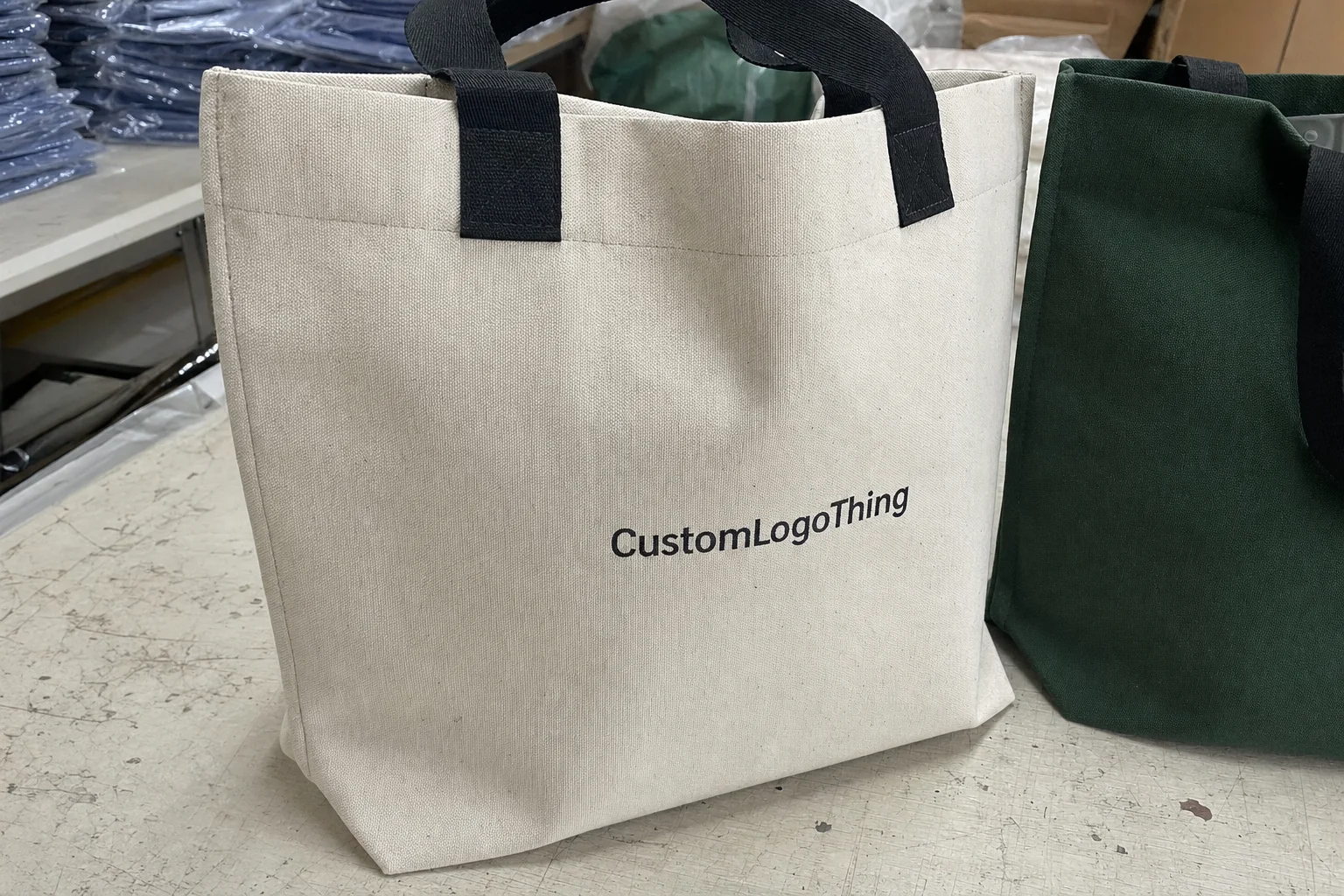
At the most basic level, a reusable bag is a carrier intended to be used repeatedly instead of once. In production terms, that includes woven polypropylene totes, nonwoven shopping bags, laminated promo totes, gusseted carriers, insulated food bags, and other formats built for repeat handling. The category is broad, but the buying logic is similar across the board: utility first, branding second, and enough durability that the bag stays in circulation long enough to earn its keep.
That repeated use is what makes printed reusable bags valuable. A carton disappears as soon as the product is unpacked. A bag often keeps traveling, which means the logo can keep working after the transaction is over. For retail, that supports brand recall. For events, it turns a handout into a moving impression. For grocery and takeaway programs, it can make the business feel more organized and more intentional without adding much complexity.
The print is only one part of the system. The material, load rating, dimensions, gusset depth, and carry style matter just as much. From a buyer’s point of view, the first question should be simple: what will the customer put in it, and how often will they reuse it? If the bag must carry books, bottled drinks, boxed meals, or heavier retail purchases, that choice should drive the specification more than the artwork does.
A reusable bag is not just a print surface. It is a functional package that happens to carry your logo.
Before comparing suppliers, define the use case in plain terms: retail purchase bag, trade show giveaway, grocery tote, cooler bag, or premium gift carrier. That single decision narrows the field quickly and prevents spending on features that do not change the customer experience.
How the bag structure and print method work together
The bag is built from a few core parts: the body material, the handles, seam construction, gusset depth, and any coating or lamination. Each one affects durability and also changes how the print behaves. A flat, stable panel prints differently than a soft, textured one, and a smooth laminated surface behaves differently from matte nonwoven fabric. That means the print method should be chosen with the substrate in mind, not just the artwork.
Screen printing remains a strong choice for bold spot colors and simple logos because it lays down opaque ink with clear edges. Flexographic and gravure methods are better suited to higher-volume programs with straightforward graphics. Heat transfer and digital methods can handle more complex artwork or short runs, but they bring their own limits around surface type, coverage, and wear. Fine text, thin rules, and gradients need to be checked against the actual bag material, not only the proof on screen.
Artwork quality matters more than many buyers expect. Clean vector files, a sensible color count, and a print area that respects seams and folds usually produce a better result than a large graphic forced into an awkward panel. Thin fonts can disappear on textured surfaces. Heavy ink coverage can look strong, but it also increases the risk of cracking or scuffing if the bag is folded hard or flexed constantly.
| Common print approach | Best for | Typical strength | Watchouts |
|---|---|---|---|
| Screen printing | Simple logos, bold spot colors | High opacity and good economy on repeat runs | Fine detail and blends can be limited |
| Digital decoration | Short runs and more complex art | Flexible artwork handling | Coverage and durability vary by substrate |
| Heat transfer | Small batches and multicolor graphics | Good visual flexibility | Needs careful heat and pressure control |
| Flexographic/gravure | Higher-volume repeat programs | Efficient for simpler graphics | Setup makes very small orders less attractive |
The real tradeoff is visual impact versus daily function. A full-panel graphic may look excellent in a mockup, but if it lands across fold lines, seams, or heavily handled areas, the bag may age poorly. Good production planning makes the artwork support the structure instead of fighting it.
Materials, finishes, and specs that change the final result
Material choice drives both feel and performance. Lightweight nonwoven polypropylene is common for economical promo bags because it is light, flexible, and easy to brand. It is often used in the rough range of 80 to 100 gsm, depending on the desired stiffness and cost target. Woven polypropylene brings more strength and better shape retention, which is why it shows up in heavier-duty retail and grocery applications. For a more premium appearance, laminated versions add a smoother print surface and often make color look sharper.
Finish changes the user experience in ways that are obvious in hand. Matte surfaces reduce glare and hide minor scuffs better. Glossy or laminated bags give a brighter presentation, but they can show abrasion sooner if the bag is thrown into carts, cars, or back seats. Neither is automatically better. The right choice depends on whether the bag is supposed to feel soft and utilitarian, bright and promotional, or somewhere between the two.
Size and load rating matter just as much as the print. A bag that is technically large enough can still feel awkward if the base is too narrow or the gusset is too shallow. A bag that is too small may stretch at the seams, which makes the branding look cheap even if the logo itself is flawless. Handle length matters too, because hand carry and shoulder carry are very different experiences.
A practical material guide looks like this:
- Nonwoven PP for lightweight promotions, events, and lower-cost retail carry.
- Woven PP for repeated grocery use, heavier loads, and better longevity.
- Laminated totes for a brighter look and stronger graphic presentation.
- Insulated bags for temperature-sensitive contents, where function matters as much as branding.
Closure type changes the utility more than many buyers expect. Open-top bags are simple and economical. Zippers, hook-and-loop closures, and snap tops improve containment but add cost and usually add time. Gusset depth affects capacity and also changes how square the bag looks on a shelf or at checkout. If the bag needs to stand upright, that detail becomes visible fast.
For buyers who want a specific feel, ask for the construction in writing. Material thickness, handle attachment, stitching or heat-seal method, lamination type, and print coverage all influence the final result. A clear specification makes comparison much easier than trying to decide based only on price and a logo size on a mockup.
Production steps, timeline, and realistic lead times
The production flow for printed reusable bags usually follows a familiar path: quote, artwork review, proofing, material sourcing, printing, conversion, packing, and shipment. The first stage is often the slowest if the artwork is still changing or the bag size has not been locked down. Once the spec is stable, the rest tends to move more predictably.
The proof stage is where time is often won or lost. If the proof exposes a color issue, a placement problem, or a handle interference issue, the job may need another round of edits before it can move forward. That is normal. What causes delays is waiting too long to notice the issue. A clean proof cycle is usually faster than a rushed correction after production has already been scheduled.
Typical lead times depend on bag style, print method, and order size. A simple run using standard materials can move faster than a laminated tote with custom finishing or imported components. As a practical range, many orders land around 12 to 15 business days after proof approval, though special colors, unusual construction, or higher quantities can push that longer. Shipping time sits on top of that.
Rush orders are possible in some cases, but they narrow the options. You may need to accept a smaller material range, fewer finish choices, or a tighter proof window. That can work for a fixed event date, but it raises risk. The safer plan is to leave room for one clean proof cycle, one round of corrections if needed, and a little buffer for freight.
There is also a quality-control side to production that buyers should expect to hear about. Good suppliers check print registration, color consistency, handle attachment, seam strength, and carton packing before shipment. Some programs also benefit from simple load or drop checks, especially when the bag will carry heavier groceries or retail purchases. Those checks are not fancy, but they catch issues that matter once the bag reaches the customer.
A realistic sequence looks like this:
- Request a quote and submit artwork.
- Review material and construction options.
- Approve the digital proof or sample reference.
- Begin print setup and material allocation.
- Run production, inspect, pack, and ship.
For programs that need transit confidence, it can be useful to align packaging expectations with the ISTA testing framework, especially for larger orders or bags shipped with rigid components. If recycled content or responsible sourcing matters, check certification language carefully rather than assuming a material is automatically compliant. The FSC system matters when paper components are involved, but not every reusable bag contains paper-based materials.
Cost, pricing, MOQ, and what drives unit cost
Price is shaped by a few predictable variables: bag size, material thickness, number of print colors, print coverage, handle style, special finishes, and total quantity. If two quotes are far apart, the difference is usually hiding in one of those areas. A larger bag with more ink coverage and a laminated finish will not price like a plain single-color tote in lightweight fabric.
MOQ, or minimum order quantity, matters because setup and press time have to be recovered somewhere. When a run is small, those fixed costs are spread across fewer pieces, so the unit price rises. Larger runs usually lower the per-bag price, though they also require more storage and more cash tied up in inventory.
For buyers, the job is to compare quotes on the same basis. Check whether freight is included, whether proofs are included, whether color matching carries a fee, and whether packaging or carton labeling is part of the quoted price. A low line-item price does not help if the landed cost climbs once every extra charge is added back in.
| Order driver | Effect on price | Buyer takeaway |
|---|---|---|
| Higher quantity | Lowers unit cost | Best for recurring programs and stocked inventory |
| More print colors | Raises setup and production complexity | Keep artwork clean if budget matters |
| Heavier or laminated material | Raises material cost | Use only if durability or appearance justifies it |
| Special closures or finishes | Adds labor and component cost | Useful for premium programs, not every promo |
As a rough market reality, lightweight printed reusable bags in volume can land in the $0.40 to $1.25 range per unit, depending on size and decoration. Heavier woven, laminated, or insulated bags can move into the $1.50 to $4.00+ range, and premium specialty builds can go higher. Those numbers are only useful as a starting point. The real question is what the bag costs over its useful life. A cheaper bag that tears early or prints poorly can end up costing more through replacements, complaints, or lost brand value.
The best purchasing habits here are plain and effective: compare apples to apples, request the same spec from each supplier, and ask what is not included before you approve the order. That one habit prevents a surprising amount of friction later.
Common mistakes that cause rework, delays, or weak branding
The first mistake is artwork. Low-resolution files, thin fonts, weak contrast, and logos placed too close to seams or gussets can all create trouble. A file that looks fine on a laptop may print poorly once it is mapped onto a real bag panel, especially if the surface has texture or the print area wraps around a corner.
The second mistake is under-specifying the bag for the actual load. A tote intended for lightweight giveaway items should not be expected to carry heavy retail purchases without some thought to material and construction. If the bag will be reused often, the handle attachment and seam strength deserve attention, not just the print placement.
The third mistake is skipping a physical sample or proof review when color accuracy, handle feel, or print placement matters. Screens are useful, but they do not tell you how a woven bag feels in the hand or how a laminated surface catches light under store lighting. A proof can also reveal issues with bleed area, fold lines, and how the artwork sits near the gusset.
Late changes are expensive because they can force a new proof, new setup, or a different production slot. Even a small change in print color or bag size can shift the schedule. If the event date is fixed, that kind of revision has real consequences.
Another common miss is ignoring quality control at the end of production. A bag can pass visual review and still fail in use if the seam is weak, the handle attachment is inconsistent, or the print cracks on the fold line after a few trips. Those are the defects that matter once the order leaves the dock.
The cheapest way to buy a bag is usually to get the spec right the first time.
One practical rule helps a lot: if the bag will be handled by customers, not by staff in a controlled setting, design it for real-world abuse. Bags get tossed into cars, dragged across counters, and folded into backpacks. They do not live in a display case.
What to send your supplier before you request a quote
If you want a clean quote for printed reusable bags, send the details that actually affect production. The essentials are straightforward: target quantity, finished size, intended contents, preferred material, handle style, number of print colors, artwork files, and the delivery date you are working toward. If any of those items are vague, the quote will be vague too.
It also helps to ask for a spec check or sample plan before production starts. That gives the supplier a chance to flag issues such as too-small typography, a print area that collides with seams, or a material choice that does not fit the intended load. Those warnings are much easier to act on before approval than after the press has been set.
If you are balancing appearance, durability, and budget, compare two or three construction options instead of choosing the lowest line item automatically. Sometimes the middle option is the right one: slightly better material, slightly better print longevity, and still inside budget. That is often the practical middle ground for retail and promotional programs.
- Share the artwork in vector format when possible.
- Confirm whether PMS or CMYK matching is expected.
- State the intended contents and approximate weight.
- Ask what freight, proofing, and packaging are included.
- Request the estimated lead time after proof approval.
Once the specs are locked, the quote becomes easier to compare and the approval process gets cleaner. That is the best way to keep printed reusable bags aligned with the brand, the budget, and the actual job the bag has to do.
FAQ
How long do printed reusable bags usually take to produce?
Lead time depends on the bag style, print method, order size, and how quickly the artwork is approved. A simple run may move in roughly 12 to 15 business days after proof approval, while custom colors, special finishing, or a revised proof cycle can add time.
What affects printed reusable bags pricing the most?
Material, size, print colors, print coverage, and total quantity are the biggest cost drivers. MOQ and setup costs also matter, which is why small orders usually cost more per bag than larger runs.
Which material is best for durable printed reusable bags?
Woven polypropylene and laminated options usually offer stronger durability and better shape retention. The right choice depends on the intended load, how often the bag will be reused, and the look you want customers to associate with your brand.
Can I print detailed artwork on reusable bags?
Yes, but clean vector files and enough contrast are important for readable fine detail. Very thin lines, small text, and complex gradients may need simplification depending on the print method and bag surface.
What should I check before approving a printed reusable bag proof?
Confirm the size, print placement, color expectations, handle style, and any seam or gusset interactions. Make sure the proof matches the actual use case so the finished bag feels right in hand, not just on screen.
Printed reusable bags work best when the specification reflects the real job. Choose the material for the load, keep the artwork honest about the surface, confirm the timeline before approval, and compare quotes on the same basis. Do that well, and the finished bags can look good, carry well, and keep representing the brand long after the first purchase.