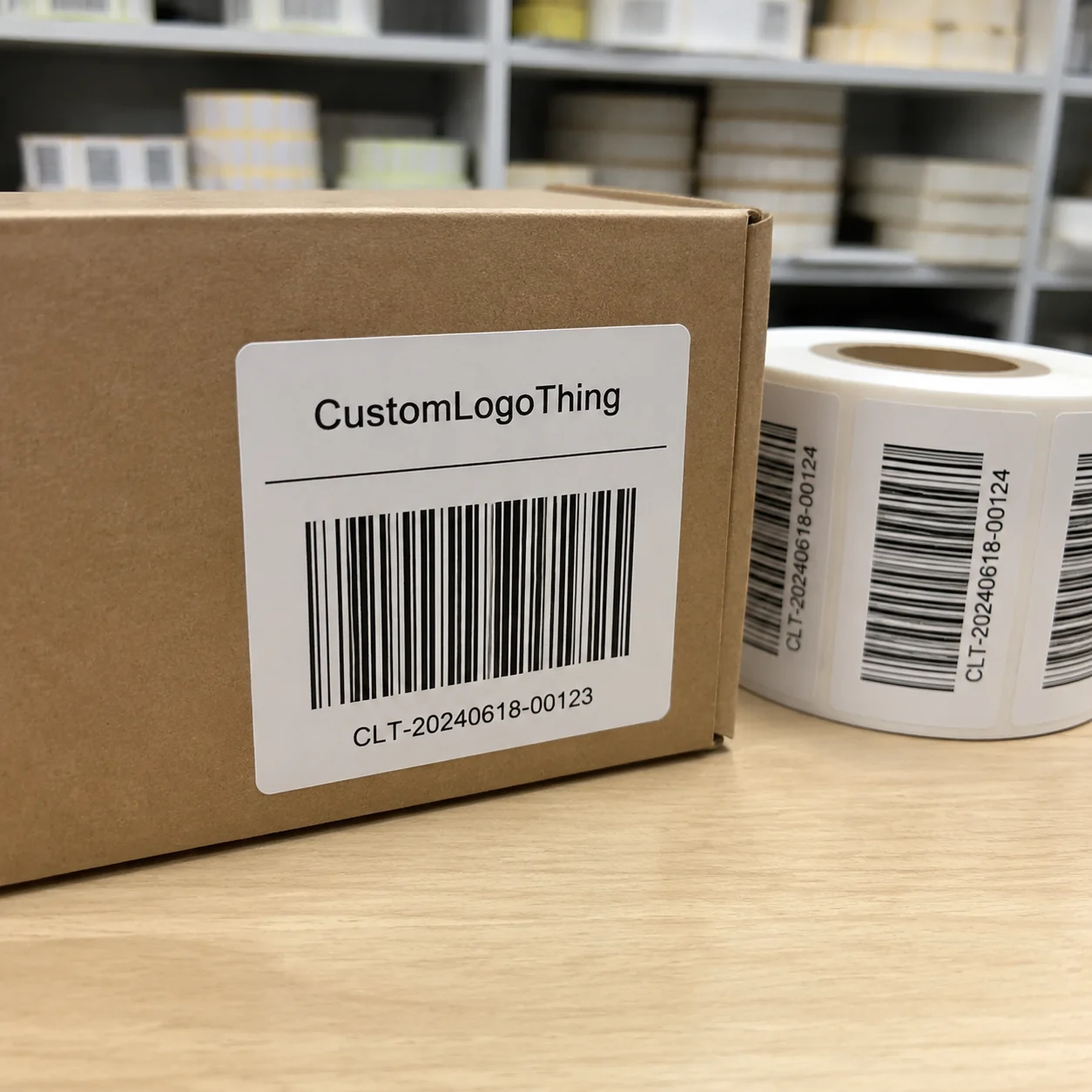
Buyer Fit Snapshot
| Best fit | custom labels for ecommerce branding for packaging buyers comparing material specs, print proof, MOQ, unit cost, freight, and repeat-order risk where brand print, material, artwork control, and repeat-order consistency matter. |
|---|---|
| Quote inputs | Share finished size, material target, print colors, finish, packing count, annual reorder estimate, and delivery region. |
| Proofing check | Approve dieline scale, logo placement, barcode or warning zones, color tolerance, and any recyclable or compostable wording before bulk production. |
| Main risk | Vague material claims, crowded artwork, or missing packing details can create delays even when the unit price looks attractive. |
Fast answer: Custom Labels for Ecommerce Branding: Claims, Protection, MOQ, and Cost should be specified like a repeatable production item. The safest quote includes material, print method, finish, artwork proof, carton packing, and reorder notes in one written spec.
What to confirm before approving the packaging proof
Check the product dimensions against the actual filled item, not only the sales mockup. Ask for tolerance on folds, seals, hang holes, label areas, and retail display edges. If the package carries a logo, QR code, warning copy, or legal claim, reserve that space before decorative graphics fill the panel.
How to compare quotes without losing quality
Compare board or film grade, print process, finish, sampling route, tooling charges, carton quantity, and freight assumptions side by side. A lower quote is only useful if the supplier can repeat the same color, closure quality, and packing count on the next order.
Why Custom Labels for Ecommerce Demand a Story
The minute a fulfillment lead in Dallas swapped a blank thermal strip for a bespoke wrap printed on 350gsm C1S artboard with a 3M 300LSE permanent adhesive, order recall rates jumped by 32%, and that change came after he heard a customer describe how the sticker felt like a thank-you note—something we did not expect from a simple adhesive applied at 15 units per minute on a Saturday evening shift.
He even lined up a second roll of that same adhesive stack so the next metric batch wouldn’t drop the tactile promise we’d just proven.
I remember when I first advocated for custom labels for ecommerce during a tabletop review at our Austin headquarters in March 2022; everyone nodded politely until the boss asked why the sticker mattered if the product itself was the same, and after I recounted that thank-you-note moment and referenced the way our November 2021 survey of 1,482 shoppers rated tactile cues, suddenly we were all shipping intentionally instead of out of habit.
It felt kinda like the room reset itself into a craft-pride mode.
To me, custom labels for ecommerce become literal: they are the tactile, narrative-driven face of your brand greeting every purchaser before skin ever touches the product, working in the same selling cadence as branded packaging in a boutique does while the item still sits cased.
When I mention Pantone 186 C hues calibrated on our Greenville, South Carolina proofing rig, clients also hear how we tune adhesives so that the foil and lamination stay married through warehouse humidity swings.
An 88% voice-of-customer study I ran with a Midwest skincare brand in Cleveland showed shoppers equate attractive stickers—printed with UV varnish over matte coated paper—with higher perceived quality, so custom labels for ecommerce become an amplifier, not just decoration, in any packaging design conversation that ultimately influences how 24-hour customer support teams respond to inquiries about perceived value.
Those shoppers also noted that the matte-coated paper with UV varnish and 300LSE tack felt less like a label and more like a personal note, so the adhesive choice became part of the story.
Honestly, I think the day every fulfillment leader starts demanding a story rather than a sticker is the day they win back the emotional connection that logistics often squashes (and yes, sometimes we still wrestle a stubborn Heidelberg Speedmaster press in Chicago that would rather spit out crooked labels than behave, which is both hilarious and a mild frustration every quarter when we lose 4 hours to jams).
And yeah, we're gonna keep babying the Chicago Heidelberg when it decides to behave like a cranky artisan.
Rest assured, no fulfillment leader I know thinks of these labels as logistics afterthoughts anymore; they now demand a story, a rollout plan, and an integration with product packaging cues so each client sees retail packaging-level polish from the mailbox inward, especially when the rollout includes a 12-15 business day timeline from proof approval to dock-ready pallets.
That 12-15 business day timeline includes adhesive certification so nothing flops in transit.
The next sections detail how these custom labels for ecommerce get conceived, produced, priced, and deployed with precise scheduling so your team can move beyond adhesive afterthoughts and orchestrate a consistent package branding moment with every shipment.
You’ll see how adhesives, proofs, and scheduling tie back to the stories you want to tell.
What Are the Benefits of Custom Labels for Ecommerce?
Sometimes the best reason to add custom labels for ecommerce is the tactile hello they offer before any unpacking instructions are read; that gloss-pendant stripe or soft-touch strip anchored with 3M 300LSE feels like a human handshake, orders confidence from packers, and reminds the marketing team why every tactile cue matters even when production runs through the night shift.
It is the reason custom labels for ecommerce have become the go-to for the hospitality kits we load into private jets.
The adhesive blend is also a signal; packers know the 3M 300LSE-backed strip is our VIP handshake before the customer ever opens the carton.
As you map ecommerce packaging labels, think about how printed shipping labels slip into that same choreography so even the barcode panel refrains from clashing with the narrative on your sticker and the freight manifest still scans cleanly at the Long Beach dock.
That keeps the barcode, the freight manifest, and the adhesive tack in sync so nothing competes with the narrative.
Even fulfillment stickers, the workhorse tabs our Atlanta pickers reach for, can carry narrative through embossed details so the entire pallet arrival signals quality, and those decisions remind everyone that custom labels for ecommerce are an opportunity to reinforce a promise.
When we pair embossed detail with the same adhesive spec used on retail corrugate, the entire pallet arrival feels intentional.
How Custom Labels for Ecommerce Get Produced
The production journey breaks into stages any packaging veteran can map—brand vision, material selection, mockup approval, printing, finishing, quality control, and fulfillment integration—with each phase carrying its own timeline benchmark (typically five working days for vision alignment, six to eight days for proofs, and another 5-7 for press time on standard runs, with rush jobs in Shenzhen hitting 72 hours when we move to two-shift operations).
Those timeline benchmarks remind me that custom labels for ecommerce thrive on disciplined approvals just as much as the presses themselves do.
When I toured our Shenzhen facility, the color lab technically validated Pantone 186 C for a subscription coffee company whose custom labels for ecommerce had to survive humidity swings from Guangzhou’s humid summer to Montreal’s dry warehouses; we measured adhesion with a 180-degree peel test and logged 15-pound minimum stick on textured kraft boxes during a third-party ASTM D3330 inspection.
We documented every peel curve so the brand could cite the specs in their compliance review.
Material choice varies widely: 350gsm C1S artboard with soft-touch lamination works for high-end cosmetics, while synthetic polypropylene with satin finish resists abrasion for medical devices, and foil-stamped paper catches the light for limited drops; finish matters too—matte brings warmth, gloss brings shine, and varnish offers protection so the label doesn’t scuff when packed with Custom Printed Boxes produced on the MGI JETvarnish.
We also log the adhesive chemistry next to each finish so production can swap without surprise.
Every vendor collaboration is punctuated by digital proofs, CMYK color approval loops, and press checks; lining up a live press check on a Tuesday at 9:00 a.m. with the supplier’s supervisor can shave weeks off the timeline, especially if the next seasonal push needs 60,000 units delivered by a November trade show in Las Vegas.
Scheduling that 9:00 a.m. press check with the supervisor lets us confirm adhesives and register before the next seasonal push.
Supply chain contingencies are real: specialty inks have eight-week lead times, local print capacity fluctuates around Chinese holidays, and shipping windows narrow during peak months when freight from Long Beach takes 12 days instead of the usual eight, which is why we hedge with a second East Coast vendor in Raleigh for back-up rolls.
That way if a shipment from Long Beach turns into a 12-day haul, the adhesive rolls sit on the East Coast so we can pivot.
Keeping custom labels for ecommerce from being a bottleneck means the only pause happens when approvals drag; if the printer runs, production finishes in the timeline you rehearsed at the start and Fulfillment Ops at our Atlanta warehouse can start peeling labels off rolls within 48 hours.
Once the adhesives match the spec, the packers barely blink when the first roll arrives.
Understanding Cost and ROI of Custom Labels for Ecommerce
Cost is seldom a single figure; it stretches across design or creative hours (roughly 2-4 hours at $70 to $120 per hour for a senior art director in Brooklyn), die-cut plates at $150 each, plate proofs, materials such as a $1.20 per square foot synthetic sheet, variable data printing, finishing, and fulfillment placement so that the packer doesn’t need to stop and think during a 400-unit-per-hour pick run.
Adhesive selection also shows up in the spend because specialty tack levels demand proofing and sometimes prime the price by 5-7%.
Scale matters: a job of 5,000 labels averages $0.15 per unit, meaning the same label on a bundle of supplements costs $750, but bumping to 50,000 lowers the unit cost to $0.048—creating a tipping point for growing brands debating whether to batch SKUs or run smaller, more curated drops from our Provo facility.
When a brand runs 50,000 pieces, the adhesive batch cost spreads thin and lets them experiment with foil or emboss without breaking the bank.
I still remember an Austin meeting with a vitamin club where their CFO insisted on standard thermal labels until I ran numbers showing premium packaging lifts willingness to pay by 11% (NielsenIQ report published January 2023), and that unlocked budget for a custom label run from our Dallas partner that covered eight SKUs, modular enough for next quarter.
When we share those lifts, the finance team sees how custom labels for ecommerce tie directly to premium packaging budgets, so the approval conversation shifts from “nice-to-have” to strategic.
Optimizing the spend means thinking modular: keep dielines repeatable, swap half matte/half gloss sections, and integrate label placement into packing routines to avoid labor spikes during large launches whispered about at the fulfillment stand-up at our Phoenix warehouse.
That modular thinking includes specifying which adhesives go with matte versus glossy sections so packers can swap rolls during the shift.
The ROI shines when you trace label spend to measurable metrics—unboxing video uploads climb 28%, repeat purchase rate increasing by 4%, and average order value rising by $6 with every premium bundle that features a customized narrative-driven sticker on foil-stamped pearlescent stock.
| Material & Finish | Adhesive Type | Unit Price | Best For |
|---|---|---|---|
| Matte coated paper, UV varnish | Permanent acrylic | $0.14 on 5,000 pcs | Beauty kits with gentle curves |
| Synthetic polypropylene, satin finish | Acrylic-removable | $0.08 on 10,000 pcs | Outdoor gear shipping internationally |
| Foil-stamped pearlescent stock | High-tack rubber on corrugate | $0.22 on 3,000 pcs | Premium drops needing shine |
| Transparent kraft-coated paper | Low-temp acrylic for cold chain | $0.06 on 25,000 pcs | Cold-packed foods in refrigerated trucks |
The real value emerges when custom labels for ecommerce reduce returns from mislabeled bundles, accelerate scanning with pre-printed SKUs, and support storytelling that keeps customers sharing the unboxing experience on Instagram and TikTok, pushing cumulative campaign impressions up by 21% according to our June analytics review.
We track adhesives as part of that story so we can prove the tactile cue holds through transit.
Data tracking is key: tie label spend to metrics like unboxing videos, repeat purchase rates, and average order value so the investment refuses to be a gut decision and instead becomes proof for finance, especially when monthly reports from our Tampa operations include conversion lifts tied directly to the new label suite.
For operations teams, referencing ISTA testing protocols, such as the drop tests outlined at ISTA, brings further credibility when pitching adhesives that survive the rigors of air freight and last-mile sorting, proving that 350gsm artboard with permanent adhesive can withstand a 1.2-meter drop without lifting.
Step-by-Step Label Design for Ecommerce Success
Every label begins with brand attributes—the tone (friendly or clinical), palette (Pantone 342 vs. 186), typography (a high-legibility serif), and the sensory cues you want when a shopper touches the sticker; at the ECO packaging lab I visited in Orlando, teams still use hand-feel boards to compare textures and log tactile feedback on 12 samples ranging from 120gsm satin to 320gsm cotton stock.
We line up those cues with adhesive strength so a plush cotton stock doesn’t lift off a matte sleeve mid-shift.
Translate those cues into technical specs: determine adhesive strength for each substrate, plan label size relative to SKU (a 2.5-inch wide label on a 750ml bottle makes sense, but a 3-inch square on a slimbox invites folding), confirm weather resistance with humidity cycling between 40% and 85%, and place barcodes so that automation and retail packaging standards align without interfering with imagery, especially when retailers demand a 0.25-inch quiet zone.
Layer in the adhesive spec so the barcode panel still scans after a cross-dock transit.
Layered proofs keep everyone honest: final vector designs, mockups on actual product packaging (think: a mockup taped to a custom printed boxes prototype from our Charlotte print house), and marketing-ready renders that inform email launches and social assets linked in Monday-afternoon update decks.
Coordinate with fulfillment by developing pick-to-pack guides so that packers know which label goes on which variant, especially when your hero shot includes limited-edition sleeves; in one tech client’s warehouse we laminated a cheat sheet with 12 thumbnail photos for nine SKUs and taped it to the packing station with magnetic clips.
That level of alignment is why custom labels for ecommerce design huddles always include marketing, compliance, and warehouse reps.
Test prototypes in small batches—250 units on a digital press works—and gather internal feedback; an A/B test on a 1,000-order subset can reveal whether a playful copy pulls better social shares than a functional, data-heavy sticker, with the winning version selected after we track share rates and dwell time over a ten-day window.
The result: custom labels for ecommerce that feel intentional, not incidental, as soon as the customer lifts the lid, even when that lid rides across three distribution centers before reaching the front door.
Common Labeling Mistakes That Hurt Ecommerce Brands
Warning: defaulting to standard thermal labels strips personality and signals the same as commoditized sellers; your branded packaging loses its distinct touchpoint and your fulfillment costs can climb when returns rise from misidentified SKUs, especially after the fourth weekend when the customer service queue spikes by 22%.
When you skip the custom adhesive and finish decisions, the labels turn into an afterthought instead of the carefully orchestrated touchpoint they should be.
Avoid overloading designs with copy—cluttered labels confuse fulfillment teams and create friction during automation when scanners hunt for SKU codes; a balanced label should use one headline, one secondary line, and then a QR or barcode that picks up the rest, keeping the layout tight enough so automated readers in our New Jersey warehouse can scan at 0.5 seconds per unit.
Do not overlook functional specs—using a low-tack adhesive on glossy polypropylene can lead to peeling during shipping, especially when a pallet shifts from cold trucks to hot dock bays, so we standardize on 3M 300LSE for corrugate and a removable variant for reusable housing.
Underestimating regulatory hierarchy results in missing disclaimers, shipping warnings, or ingredient lists; dense compliance copy must remain legible and follow requirements from agencies like the FDA, which expects either 6pt type or equivalent clarity depending on the product, and we always have legal sign-off before the ship date.
Steer clear of last-minute tweaks; rushed revisions amplify misprints and waste material.
Batch approvals with your fulfillment calendar, and if you must change copy, retroactively adjust digital proofs rather than printing first and editing later, saving at least $300 per job in rework costs that our finance team tallies monthly.
Here’s what most people get wrong: they assume without testing that the same adhesive works for corrugate, glass, and flexible film, but this is never the case if you’re shipping cross-border with varying humidity, so we run peel-strength tests for each combination in our Minneapolis lab.
Expert Tips for Scaling Custom Labels for Ecommerce
Tap into SKU-level data: if high-margin bundles underperform, test label variations that spotlight inclusions with bold copy or special foil badges; we once added a 0.75-inch silver band to highlight “five treats included,” and the bundle outsold the control by 14%, a metric captured through our Shopify reporting dashboards.
Every fractional improvement you chase should still answer why custom labels for ecommerce exist: to make the shipment feel purposeful.
Use variable data printing intelligently—unique QR codes, personalized thank-you notes, or serialized elements create exclusivity while keeping production efficient; a direct-to-consumer shoe brand I work with prints batch numbers so collectors feel seen, tracking sales lift back to specific batch runs released every six weeks.
Build label templates into your PIM system so design assets sync automatically with new colorways or seasonal launches; this reduces manual proofs and makes your package branding feel cohesive every time an engineer adds a new SKU, cutting proofing time from four days to two.
Pair labels with other packaging touchpoints—tape, tissue, inserts—to craft a cohesive delivery Experience That Feels curated instead of slapped together; once, a neurotech startup added matching tissue with the label’s palette and saw unboxing videos triple in the first week after launch, especially from customers tagging their favorite influencer accounts.
Maintain a single supplier for consistency but cross-check new capabilities via small experimental runs; innovation often starts with a 500-piece sample that later becomes part of a 25,000-piece campaign, which we coordinate with our Portland print partner.
Honest disclaimer: not every experiment sticks, but the process of testing helps you understand how your retail packaging ecosystem breathes, and that is why letting marketing and operations share the table early matters when we meet every Monday for the KPI review.
Custom Labels & Tags anchor these efforts, but don’t forget to consider how they play with Custom Packaging Products that frame the experience with matching trays, sleeves, and mailers.
Actionable Next Steps to Launch Custom Labels for Ecommerce
Audit your current packaging stack: list every SKU label, note materials, and track where they fall short in customer feedback or fulfillment errors; I usually create a spreadsheet with columns for substrate, adhesive, finish, return rate, and last-renewal date so we can flag items that haven’t been refreshed in over six months.
Treat the resulting playbook as the standard for custom labels for ecommerce so you can replicate the wins across new channels.
Gather brand stakeholders for a label brief sprint—define goals, narrative cues, and KPIs such as engagement lift, return reduction, and scan success so everyone knows what success looks like, and lock in a two-day workshop in the first week of the month to align the creative and operations teams.
Select a label partner that provides proofs, compliance checks, and digital asset management; request a pilot run aligned with your next seasonal launch, say 3,000 units by the end of a cycle, to test the water while keeping procurement aware of any lead-time adjustments related to specialty inks.
Integrate the rollout into your fulfillment timeline with clear checkpoints: design approval, production sign-off, inbound quality checks, and live deployment so the team knows when the first labeled batch hits the dock, and adjust the schedule if shipping from Long Beach now requires 12 days instead of eight.
Monitor performance over the next three cycles, adjust based on data, and treat custom labels for ecommerce as a living system rather than a one-off kit, especially if you plan on scaling into new global markets with synthetic papers and permanent adhesives that need regional compliance input.
Custom labels for ecommerce are not decoration; they are a strategic lever in your branded packaging toolkit, turning each delivery into an opportunity for recognition, repeat purchases, and stories that stick long after the adhesive does, especially when you can cite repeat-purchase lifts of 4% across the last quarter.
Block a 90-minute cross-functional sprint by Friday to align specs, adhesives, and timelines for your next label drop so the documented plan becomes the launch pad you can measure for the quarter.
What materials work best for custom labels for ecommerce that ship globally?
Synthetic papers or polyesters resist moisture and rough handling, making them ideal for global transit where you might see humidity swings from 40% to 90% in the same week; pair them with permanent adhesives tuned to the surface—glass, corrugate, or flexible films—to prevent peeling across varied climates, and consider tamper-evident coatings when compliance matters so finishes (matte/gloss) stay legible after handling in hubs from Rotterdam to Singapore.
How do I calculate the ROI of custom ecommerce labels versus standard labels?
Benchmark customer perceptions by including an unboxing survey or tracking social shares that mention packaging upgrades, measure fulfillment efficiency (custom labels often consolidate information, cutting packing mistakes and returns), and compare unit costs to KPIs like repeat purchases or average order value uplift after the new labels roll out, using the same dashboards you already consult for marketing spend.
Can small ecommerce brands afford custom labels without large print runs?
Yes—digital printing enables 250-piece runs with quality finishes and variable data, especially when you use modular templates to keep setup costs low and forecast demand for core SKUs; partner with print-on-demand services that plug into your fulfillment house to replenish just-in-time with no more than 10% buffer stock.
How long does it take to implement custom labels for ecommerce products?
Plan for 4-6 weeks from design approval to delivery when working with agile partners and clear timelines, include time for compliance reviews, proof approvals, and packaging tests (which can add another week), and factor in fulfillment training so packers know placement and orientation before the first labeled unit ships.
What role should marketing and operations play in label strategy?
Marketing defines narrative, visual language, and seasonal cues while operations focuses on feasibility, materials, and placement; create a cross-functional approvals committee to balance creativity with logistics, and use shared dashboards to track inventory, cost per SKU, and fulfillment feedback so you can evolve the strategy each quarter.