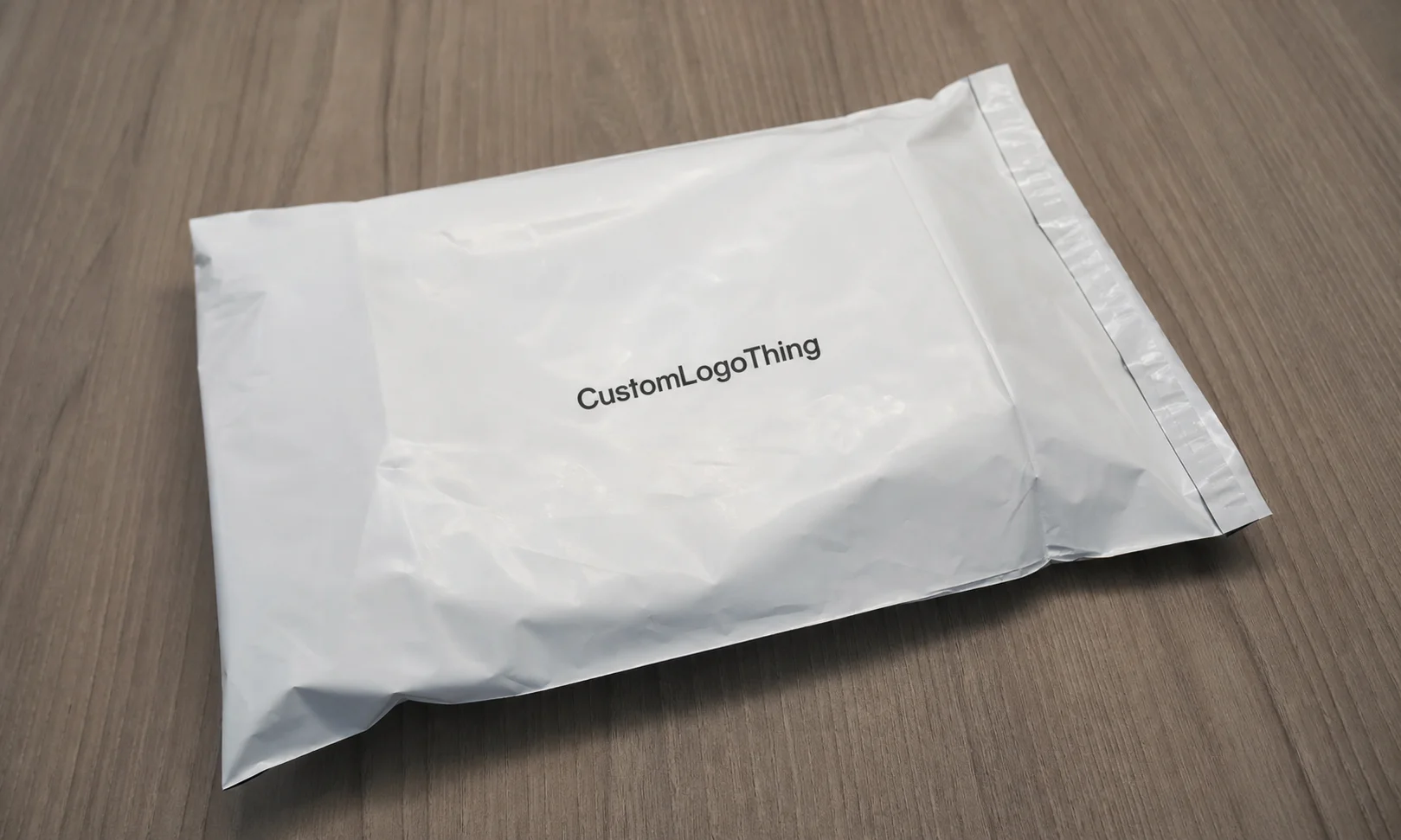
Slider Lock Bags for Ecommerce Brands Factory Pricing Guide
Packaging looks simple on a screen and then gets complicated the moment it has to move through production, packing, shipping, and customer hands. A slider bag that opens cleanly, closes evenly, and holds up after a few uses can make a refill kit, accessory set, or apparel component feel carefully made. A bag that splits at the seal or wrinkles badly under print does the opposite. That is why a Slider Lock Bags for ecommerce brands factory pricing guide needs to cover more than price alone. Film, closure style, thickness, print coverage, and packing format all shape the final unit cost and the customer experience.
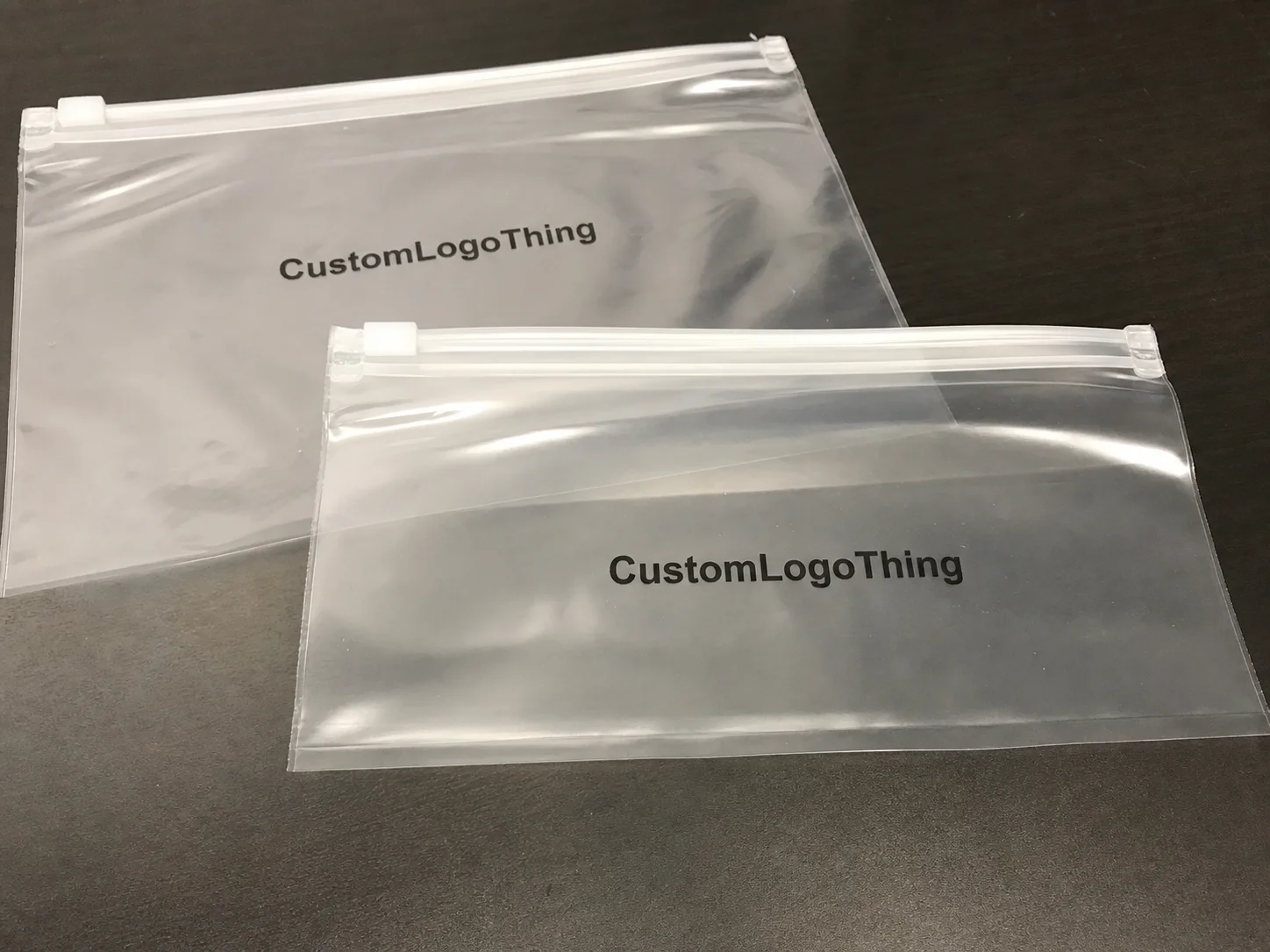
Slider Lock Bags are flexible plastic bags with a slider that travels along the zipper track to open or close the top. They are commonly made from LDPE, LLDPE, PE blends, or laminated structures, depending on the balance a brand needs between clarity, stiffness, puncture resistance, and print performance. Ecommerce brands use them for apparel sets, beauty refills, wellness kits, pet supplies, craft items, electronics accessories, and subscription components that may be opened several times before the product is used up.
The difference between a stock storage bag and a custom retail-ready slider bag is usually found in the small details. Dimensions, gauge, printing method, barcode placement, hang holes, and carton count all influence how the bag behaves in the warehouse and how it is priced at the factory. A quote that ignores those details is usually too vague to compare with anything else.
Why Slider Lock Bags Change the Ecommerce Unboxing Moment
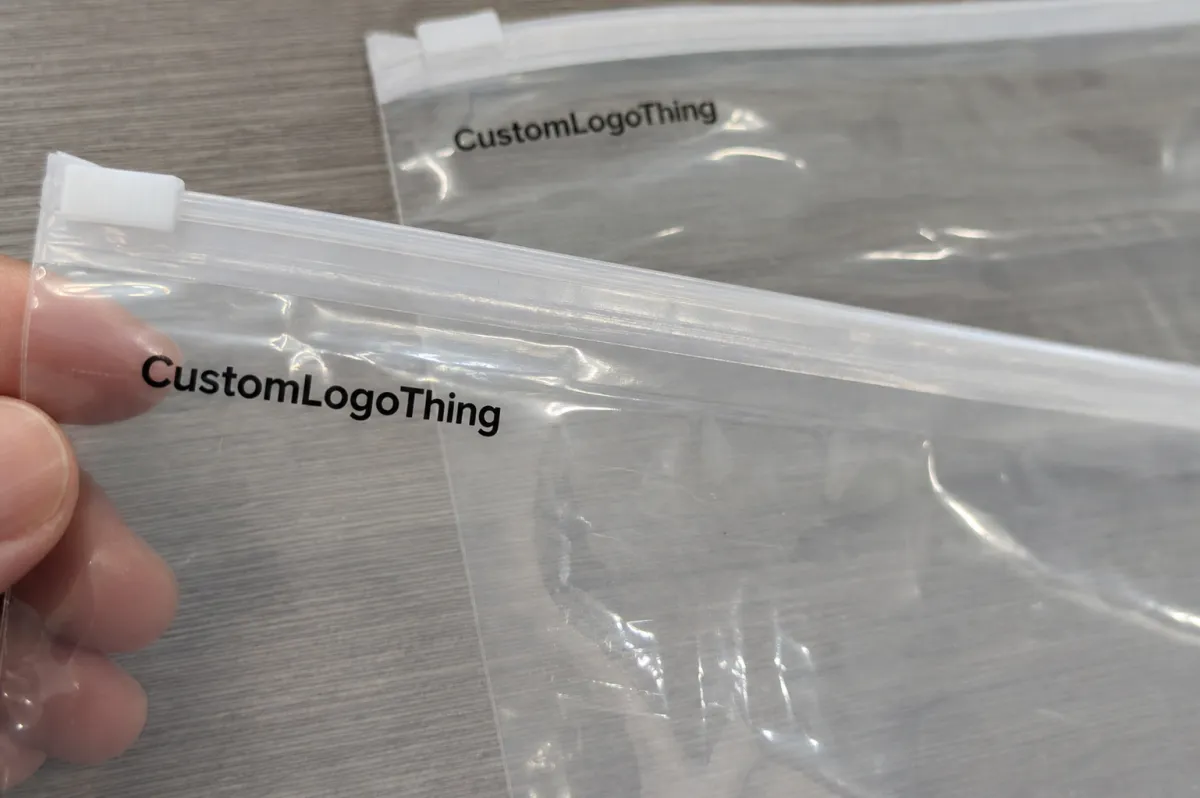
Customers judge packaging quickly. If the outer box looks fine but the inner bag feels flimsy, scratched, or hard to reopen, the product loses some of its perceived value before the customer has even touched it. A slider closure helps because it feels more deliberate than a plain press-to-close zipper and is easier to open and close repeatedly without digging at the edges.
For ecommerce brands, that matters in very practical ways. A refill pouch may be opened, closed, stored, and opened again. A garment set may be handled by a fulfillment team, then by the buyer, then by the buyer again when the item is reused or shared. A sturdy slider bag can support that behavior instead of fighting it.
The smartest buyers do not ask, “What is the cheapest bag?” They ask, “What kind of bag can survive the actual journey?” Will it sit in a carton, be packed at speed, pass through a fulfillment center, and still look presentable on arrival? Will the customer reuse it? Will it be seen through retail shelves or hidden inside a shipping box? Those questions should shape the spec before anyone starts talking about unit price.
A practical packaging evaluation also helps the finance side. Better closure performance can reduce returns, protect fragile contents, and cut down on repackaging work. Those savings are not always visible in the quote, but they matter in the final margin picture.
Packaging is not just a container. It affects presentation, handling, return rates, and how much trust the customer gives the product before they try it.
How the Slider Closure, Film, and Printing Actually Work
The slider is the visible feature, but the bag performs as a system. The slider presses the zipper tracks together and separates them in a controlled way, which is why it often feels easier to use than a standard pinch zipper. That ease becomes more important when a customer will reopen the bag many times.
Film choice is where a lot of real-world tradeoffs begin. LDPE usually gives a soft feel and good clarity. LLDPE tends to improve flexibility and puncture resistance. HDPE blends can feel stiffer and more structured. Laminated films are used when a brand needs stronger barrier properties, more opacity, or a print surface that supports a more controlled visual finish. None of those choices is universally best. The right answer depends on the product, the print, and the budget.
Thickness matters more than many buyers expect. A thinner film can lower resin use and freight weight, but if it is too light, the bag may wrinkle, tear at the corners, or feel weak in hand. A heavier gauge can improve durability and presentation, yet that extra material will show up in the factory quote and in the shipping weight. A common range for ecommerce use is roughly 2.0 to 5.0 mil depending on the product, but the right number depends on the load, the closure style, and whether the bag needs to feel premium or purely functional.
Printing method changes both cost and appearance. Flexographic printing is common for repeat runs and straightforward graphics. Gravure can produce rich coverage and consistent color at high volumes, though setup costs are higher. Digital or label-based decoration can work for lower quantities, test launches, or short-term seasonal runs. A supplier’s recommendation should match your quantity, not just the prettiest sample they show.
Small functional extras also affect price and performance: hang holes, tear notches, write-on panels, frosted finishes, opaque layers, vent holes, gussets, tamper-evident details, warning copy, and barcode zones. A strong slider on a weak bag still fails if the product is too heavy, too sharp, or loaded beyond the intended capacity.
If a factory cannot explain the closure system in plain language, that is usually a sign to slow the conversation down. A capable supplier should be able to explain which film they recommend, what gauge makes sense, how the zipper profile fits the bag size, and where the likely weak points will be.
| Option | Typical Strength | Visual Finish | Best Fit | Cost Signal |
|---|---|---|---|---|
| LDPE with basic print | Good for light to medium loads | Clear, soft, familiar | Apparel components, samples, refill kits | Lower setup, lower material cost |
| LLDPE blend with slider closure | Better puncture resistance | Slightly firmer hand feel | Accessories, pet items, mixed kits | Moderate material uplift |
| Laminated or opaque structure | Strong presentation and protection | More premium, more controlled graphics | Beauty, wellness, branded retail packs | Higher film and print cost |
Pricing Drivers, MOQ, and Unit Cost Signals to Watch
Factory pricing is usually built from several layers: resin and film thickness, bag dimensions, slider material, zipper profile, print setup, ink coverage, scrap allowance, packing labor, carton loading, inspection, and freight volume. If one of those items is vague, the quote is less useful than it first appears.
Slider bags cost more than standard zipper bags for a simple reason: the slider adds material and assembly control, and the zipper alignment needs more attention. That does not make them expensive by default. It means the buyer should compare them against the product use case rather than against a plain storage bag.
MOQ is where many ecommerce teams get caught off guard. Custom printed slider lock bags often need enough volume to justify setup time for film, print, slider assembly, and inspection. Small runs are possible, but the unit cost can rise quickly. That is a production reality, not a warning sign.
For common factory pricing, a plain or lightly printed bag in a standard size might sit roughly around 6 to 18 cents per piece at moderate volume, while custom printed slider bags with more complex graphics or heavier film can move into the 18 to 45 cent range or higher. Short runs, special films, opaque structures, or low quantities can push the cost beyond that. Freight, duties, and packaging inserts can move the landed number again. The only reliable way to compare pricing is to compare the same size, material, print method, and pack count.
Here is the pricing pattern I see most often: a larger bag with one-color print may cost less than a smaller bag with heavy flood coverage, multiple spot colors, and tight registration. Print coverage often matters more than square inches of plastic. A complicated design can also slow down line speed, which raises cost in ways that are easy to miss if you only look at the resin.
A useful supplier comparison usually includes at least three quantity points: a test run, a reorder quantity, and a growth quantity. That spread shows how setup costs are being absorbed. If the supplier gives only one number, ask what changes at the next break. The answer often tells you whether the quote is truly competitive or simply designed to get a foot in the door.
A quote is not ready for decision-making until it states material, thickness, dimensions, closure type, print method, MOQ, carton count, lead time, and freight assumptions. Without those details, the numbers are not comparable. They are just fragments with a price attached.
For quality and transit testing, some buyers also use packaging standards as a reference point, especially for products that have to survive distribution abuse before they reach the customer. The International Safe Transit Association is a useful place to start if the packaging has to hold up beyond simple shelf display.
Production Steps and Lead Time from Artwork to Delivery
The production path is fairly direct, but delays usually come from unclear inputs. First the buyer confirms the use case and product load. Then the bag size, film, print area, and closure style are chosen. After that comes artwork review, sampling if needed, manufacturing, inspection, packing, and shipment.
Artwork is one of the easiest places to reduce friction. Logos should be supplied as vector files when possible. Color references should be based on Pantone numbers or approved samples. Barcode placement needs quiet space around it so scanners can read it. Copy for warnings, ingredients, or regulatory notes should be checked before production starts, not after the proof is approved.
Sampling is worth the time. A digital proof can catch layout and spacing problems. A blank physical sample shows whether the size, gauge, and closure feel right. A printed pre-production sample is the one that matters most when color accuracy, opacity, or shelf presentation affects the buying decision. For a launch SKU, skipping that step usually creates a larger problem later.
Lead time depends on several variables: custom sliders, special film colors, heavy ink coverage, multiple sizes, new plates, and shipping method. Repeat orders with approved specs are usually faster because the setup work is already done. A first order with custom decoration and strict retail requirements needs more margin. A realistic planning window is often 20 to 35 days for production on standard custom runs, plus shipping time, though complex jobs or low quantities can take longer.
Ecommerce timelines should be counted backward from the real deadline, not from the purchase order date. Subscription box assembly, influencer mailers, launch kits, and fulfillment center intake all create their own calendar pressure. A bag that arrives after the launch window is not a good bag, even if the print is perfect.
Inspection before shipment is worth the time. Closure glide, seal strength, print placement, ink adhesion, odor, carton count, and random dimension checks can catch problems before the bags enter the warehouse. Once they arrive, any defect is harder to correct without losing time and money.
After the first order, keep one approved spec sheet. It should hold the dimensions, film type, thickness, print file version, slider type, pack count, carton dimensions, and any special handling notes. Reorders move much faster when the team is working from one clean record instead of old email threads and scattered attachments.
Spec Decisions That Make or Break Ecommerce Performance
Bag size is the first decision worth getting right. The product should fit without fighting the bag, but there still needs to be enough room for the slider and seal area to function properly. A bag that is too tight makes packing slow and stresses the closure. A bag that is too large looks loose and unfinished.
Film strength should match the product, not the mood board. Folded apparel has different needs from sharp-edged accessories, metal parts, powder refills, or mixed kits with several components. If the contents can poke, rub, or settle during transport, the film and closure need to reflect that reality.
Clarity and opacity each serve a purpose. Clear bags help the customer and the fulfillment team see what is inside, which can reduce picking errors. Frosted, white, or colored films can hide scuffs and create a more branded look. The best choice depends on whether visibility or presentation matters more for the SKU.
Print placement should account for what happens after the bag leaves the press. Many ecommerce brands still need room for fulfillment labels, product stickers, warning copy, lot codes, or barcodes. If that working area is not planned early, the team ends up covering part of the design later. That is a common and avoidable mistake.
Closure usability deserves a real check. The slider should move smoothly but not feel loose. The zipper track should close evenly across the width. The customer should not have to pinch and inspect every edge just to close the bag. Small annoyances here show up quickly in reviews and support tickets.
Packing format matters more than it sounds. Flat packing, consistent counts, and clear carton labels help the warehouse receive, count, and store the bags without confusion. That kind of orderliness is easy to ignore during sourcing and hard to appreciate until the bags are moving through a busy team.
Sustainability should stay practical. Right-sizing the bag, reducing unnecessary thickness, avoiding excessive ink coverage, and using mono-material PE structures where feasible can make more sense than chasing a headline claim. Waste reduction also means fewer damaged goods and fewer returns. The EPA’s packaging guidance is a useful reference for that line of thinking: EPA packaging resources.
The bag should also fit into the larger packaging program. If the carton, insert, and bag all require different handling steps, the overall system becomes slower and more expensive. A technically elegant bag that creates trouble in assembly is still a poor operational choice.
Common Buying Mistakes That Raise Costs or Cause Delays
The first mistake is choosing the lowest unit cost before confirming film gauge, closure quality, print method, and carton packing. That is how a quote looks good on paper and then disappoints in the warehouse.
The second is ordering the exact product size with no loading allowance. The packing team ends up fighting the bag, and the customer has to work harder every time the slider is opened or closed. A little extra room usually pays for itself in handling and durability.
The third mistake is treating artwork like a flat label instead of a flexible bag layout. That leads to awkward logo placement, distorted graphics near seams, or key copy landing too close to the zipper track. Flexible packaging rewards good layout discipline.
The fourth is ignoring ink coverage and opacity. A dark product in a thin clear bag can dull the printed result, while heavy flood coverage can raise cost and change the way the bag scuffs during transit. The visual finish on a proof does not always match the visual finish on a full production run.
The fifth is failing to test the actual product in the actual bag. Hard corners, oily items, powders, scented goods, and multi-piece kits behave differently once they move through handling and shipping. A bag that looks excellent empty can behave badly once filled.
The sixth is letting procurement drift away from the launch calendar. That is how teams end up paying for rush freight or approving a stock option that was never intended for the brand.
The seventh is asking factories for pricing without a clear spec. Different suppliers will fill the blanks differently, which makes every quote look inconsistent. Most sourcing frustration starts there and is easy to avoid with a cleaner brief.
Next Steps Before You Request a Factory Quote
Before you send an RFQ, gather the basics: product dimensions, target bag size, product weight, quantity range, material preference, thickness target, print colors, slider style, packing count, destination, deadline, and any compliance text. That gives factories something concrete to quote against.
Test one real product load before finalizing the spec. Check how the bag fills, how the slider behaves after repeated opening, and whether the contents create stress at corners or along the seal. That small test often saves more time than any spreadsheet comparison.
Artwork should be ready in practical form: vector logo, color references, barcode files if needed, and clear instructions for any label or sticker space. The cleaner the input, the better the quote and the fewer the surprises.
Ask for options instead of one fixed number. A launch-friendly option, a reorder-friendly option, and a stronger or more premium option can reveal the tradeoffs far better than a single bid. That usually makes the buying decision clearer for both operations and finance.
A useful factory response should include material, thickness, bag dimensions, slider type, print method, MOQ, unit cost, setup charges, sample path, production lead time, packing details, and freight assumptions. Once those pieces are on the table, you can compare suppliers on the same basis and judge which one fits the product, the timeline, and the margin target.
The real value of a slider lock Bags for Ecommerce brands factory pricing guide is not the lowest number on the page. It is the ability to turn packaging into a clear spec, compare quotes honestly, and choose a bag that performs well without creating hidden costs later.
What should ecommerce brands include in a slider lock bag factory quote request?
Include bag width and height, product size and weight, film type or desired feel, thickness target, print colors, slider color, order quantity, packing requirements, delivery location, deadline, and any warning or compliance text. Attach artwork files or a rough layout if available, and say whether the bag is for retail display, fulfillment protection, refill packaging, or repeated customer reuse.
Why are custom slider lock bags more expensive than regular zipper bags?
The slider component, zipper profile alignment, assembly control, and quality checks all add cost compared with a simple press-to-close zipper bag. The higher cost can be justified when customers need easier opening, repeated use, a more finished unboxing experience, or better closure consistency.
What MOQ should I expect for printed slider lock bags for ecommerce packaging?
MOQ depends on size, film, print method, slider style, and whether the factory is using standard materials or custom components. Custom printed runs usually need enough volume to cover setup time, print preparation, material ordering, and inspection, so ask for two or three quantity breaks instead of one price.
How do I choose the right thickness for ecommerce slider lock bags?
Start with the product’s weight, shape, and handling conditions. Soft apparel may need a different gauge than sharp accessories, metal parts, or refill pouches. Request a sample or test bag with the actual product inside, then check puncture resistance, corner stress, slider function, hand feel, and how the package looks after handling.
Can slider lock bags be recyclable or more sustainable for ecommerce brands?
Many slider lock bags can be designed with mono-material PE structures, which may support store-drop-off or specialty recycling streams depending on local rules and contamination. The most practical sustainability moves are right-sizing the bag, avoiding unnecessary thickness, reducing excessive ink coverage, and choosing durable packaging that prevents product damage and returns.