Buyer Fit Snapshot
| Best fit | custom labels for subscription boxes branding for packaging buyers comparing material specs, print proof, MOQ, unit cost, freight, and repeat-order risk where brand print, material, artwork control, and repeat-order consistency matter. |
|---|---|
| Quote inputs | Share finished size, material target, print colors, finish, packing count, annual reorder estimate, and delivery region. |
| Proofing check | Approve dieline scale, logo placement, barcode or warning zones, color tolerance, and any recyclable or compostable wording before bulk production. |
| Main risk | Vague material claims, crowded artwork, or missing packing details can create delays even when the unit price looks attractive. |
Fast answer: Custom Labels for Subscription Boxes Branding: Dieline, Finish, Proof, and Buyer Review should be specified like a repeatable production item. The safest quote includes material, print method, finish, artwork proof, carton packing, and reorder notes in one written spec.
What to confirm before approving the packaging proof
Check the product dimensions against the actual filled item, not only the sales mockup. Ask for tolerance on folds, seals, hang holes, label areas, and retail display edges. If the package carries a logo, QR code, warning copy, or legal claim, reserve that space before decorative graphics fill the panel.
How to compare quotes without losing quality
Compare board or film grade, print process, finish, sampling route, tooling charges, carton quantity, and freight assumptions side by side. A lower quote is only useful if the supplier can repeat the same color, closure quality, and packing count on the next order.
Custom labels for subscription boxes do more than decorate a package. They are usually the first branded detail a subscriber touches, and that tactile moment sets the tone fast. A label can make a plain mailer feel deliberate, organize product information, and signal that the brand cared about the whole box instead of stopping at the outer carton.
That matters because subscription programs run on recognition. People forget inserts. They forget filler. They remember whether the package felt polished, whether the label was easy to read, and whether the materials looked like they belonged together. For a growing brand, labels are a small line item with a loud job in package branding, product packaging, and perceived value.
At Custom Packaging Products, and especially in the range of Custom Labels & Tags, the work is rarely just printing a sticker. It means matching the label construction to the surface, the shipping conditions, the application method, and the budget that has to survive every monthly cycle. That is the practical side of branded packaging, and it is where a good label program starts earning its keep.
Why Custom Labels for Subscription Boxes Matter
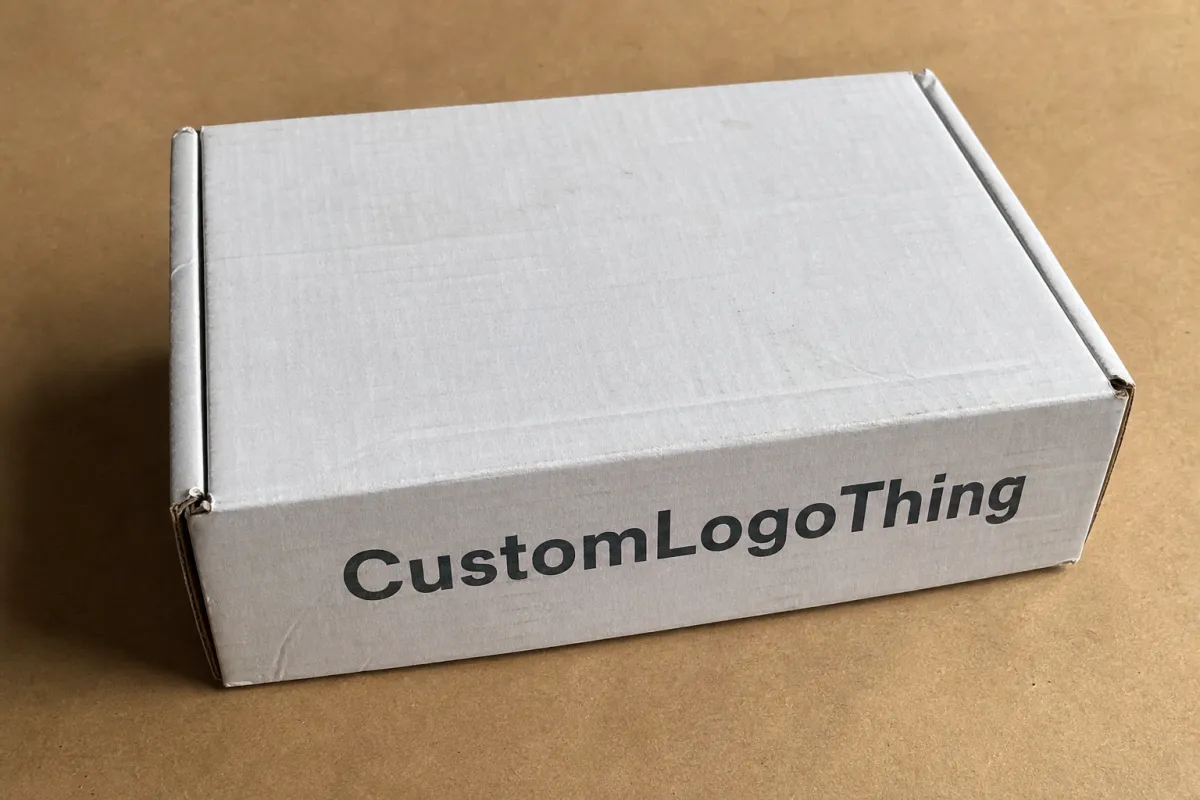
Many subscribers notice the label before they notice the product. That is not poetry. It is handling. The label is often the first branded element someone touches after opening the mailer, which makes it the package equivalent of a handshake. If it is clean, legible, and consistent with the rest of the design, the box feels intentional right away.
Custom labels for subscription boxes are printed branding elements applied to mailers, inserts, pouches, jars, wraps, sleeves, or interior packaging components. They can identify the product, reinforce a seasonal theme, mark a limited edition, or simply make a standard carton feel like it was built for one delivery instead of pulled from a warehouse stack. That is useful for brands using plain outer boxes, generic shipper cartons, or packaging that needs a lift without a full redesign.
Packaging buyers like labels because they keep options open. A subscription program may use one box size while the contents change every month. Labels help the brand stay current without reprinting full cartons for every cycle. A new color story, a scent family, a holiday cue, a trial sample callout. All of that can live on a label without rebuilding the whole package system.
Labels also do unglamorous work, which is usually the kind that matters. They can help organize SKUs at the packing table. They can separate flavors, tiers, or regional variations. They can support lot coding, ingredient callouts, or compliance details on the inner pack where people actually see them. That makes labels useful for both presentation and operations. Fancy enough for marketing. Practical enough for fulfillment. A rare combination.
A good label does not need to scream. It needs to belong to the packaging system, survive real handling, and give the subscriber a clear visual cue that the brand knows what it is doing.
That is why labels are not just decoration. They sit at the intersection of packaging design, print production, and day-to-day fulfillment. A smart label can make a simple box feel premium. A sloppy one can drag down an otherwise solid product line.
There is also a buyer-side reality that gets overlooked: subscription boxes are often assembled by people who need to move quickly. If the label helps them identify the right tier, batch, or variant in a glance, the whole operation runs better. If it creates confusion, the cost shows up later as mispacks, rework, and customer service tickets. The label is doing a job long before the subscriber opens the box.
How the Process and Timeline Work
The process usually starts with artwork review, but the real work happens before anyone hits print. A label has to fit the packaging surface, match the way the box or pouch is used, and stay readable after shipping and handling. If the design team builds for looks alone, the production team ends up cleaning up the mess later.
Prepress is where a lot of problems get caught early. The file gets checked for dimensions, bleed, color mode, image resolution, font handling, and whether the die line matches the actual label shape. If the label is going onto a matte paperboard carton, a stock that looks great on coated art paper may behave very differently once it is applied. If the label wraps a curved jar or a flexible pouch, the art may need to stay away from edges that could distort during application.
Proofing is the next step that actually matters. Digital proof, press proof, material sample. The format depends on the job. The point is not to admire artwork on a screen. The point is to catch mistakes before a full run. One careful signoff can save reprints, delay costs, and the joyless surprise of watching a pale logo disappear on a busy background once it is printed at size. No one wants that phone call.
Timelines depend on more than the calendar. Material availability matters. Finish complexity matters. A straightforward paper label on a standard roll can move quickly, while foil, clear film, soft-touch coatings, or intricate die cutting can add time. Variable data, special sequencing, and unusual core or roll requirements also affect scheduling.
Customer readiness shapes the schedule too. If artwork keeps changing, if dimensions are not locked, or if the box supplier has not finalized the surface coating, the label order slows down. Faster turnaround usually comes from having the packaging spec sheet ready before the first quote request goes out. Waiting until everything is vague is a great way to buy yourself a delay.
In a typical production flow, the steps look like this:
- Confirm packaging surface, dimensions, and label application method.
- Submit artwork and any die line or template.
- Review prepress corrections and color expectations.
- Approve the proof or sample.
- Print, finish, cut, and inspect the labels.
- Pack for shipment in rolls, sheets, or individual pieces based on use.
If the labels are part of a recurring subscription program, think in cycles. The first run usually takes longer because every detail is new. Later orders move faster when the files are organized, the specifications stay consistent, and the packing team knows exactly how the labels will be applied. Repeatability matters more than people admit, especially in retail packaging and direct-to-consumer fulfillment.
For brands that want a broader view of packaging performance, resources from ISTA can help, especially if the label is part of a package that also has to survive vibration, compression, and general shipping abuse. The label may be small, but it still lives inside a much larger logistics system.
One practical note: if a subscription brand uses more than one fulfillment site, the label spec should be written down, not just discussed in meetings. Different teams can interpret the same instruction differently. A clear spec sheet prevents the classic handoff problem where the label approved in one warehouse does not quite match the version used in another.
Key Design and Material Factors That Change the Result
The best label material depends on the surface it has to live on. Paper labels work well on many cartons and inserts, especially where a natural or matte look fits the brand. Film labels, such as polypropylene or polyester, handle moisture better and usually hold up better on flexible pouches or packages where paper would scuff too easily. Textured stocks can feel high-end, but they are not always the right choice if the design depends on tiny type or crisp photographic detail.
Adhesive choice matters just as much as face stock. A label that behaves perfectly on a smooth coated carton may struggle on an uncoated fiberboard surface with more texture. Cold storage, humidity, rough fibers, and constant hand contact all change how well the adhesive holds over time. If the box is going through a refrigerated supply chain, or if the subscription includes bath, food, or beauty items that may encounter condensation, that needs to be in the spec from the start.
Finish changes both appearance and readability. Matte reduces glare and is usually easier to read under bright retail lighting or in mixed home lighting. Gloss sharpens color and adds shine, though it shows fingerprints more readily. Soft-touch gives a velvety feel that many brands associate with premium retail packaging, but it can add cost and may be too subtle if the label needs to read quickly. Foil and metallic accents can add emphasis, though they work best with restraint. Covering the whole surface usually looks louder than it looks better.
Clear labels deserve special mention. They can look clean and modern on jars, pouches, and transparent containers, but they rely on strong contrast and precise placement. If the product or packaging underneath is busy, the clear film can make copy harder to read unless the design is disciplined. White ink can help, but it needs to be planned carefully because white underprint changes how artwork behaves on press.
Size and shape are not cosmetic details. A label has to work with seams, folds, panels, corners, and the graphics already on the package. A big front label can crowd the logo or cover useful product information. A narrow wrap label may suit a jar or tube. A square front seal may suit a mailer box that already has the brand printed elsewhere. Every shape changes how the eye moves across the package.
Color accuracy is another place where expectations need a reality check. The same red can look warmer on matte paper and sharper on film. A deep navy may flatten if the stock absorbs too much ink. A bright pastel can shift under different finishing conditions. If the subscription box already has printed graphics, the label should coordinate with that system instead of fighting it. Otherwise the result looks patched together rather than designed.
That is where branded packaging succeeds: not by using the loudest graphics, but by building a visual family that stays coherent across the box, insert, seal, and product container. Subscription programs need consistency more than one dramatic flourish. Drama is for launch day. Consistency is what keeps the customer coming back.
For buyers who want to compare material behavior in a practical way, the table below is a useful starting point.
| Material | Best For | Typical Strength | Tradeoff | Relative Cost |
|---|---|---|---|---|
| Paper label stock | Cartons, inserts, dry goods, matte boxes | Good print clarity and easy branding | Less resistant to moisture and abrasion | Low to moderate |
| Polypropylene film | Pouches, jars, chilled products, handled items | Better moisture resistance and durability | Can feel less natural than paper | Moderate |
| Polyester film | Longer wear, harsh handling, premium durability needs | Strong abrasion resistance | Usually higher cost than paper | Moderate to high |
| Textured stock | Luxury looks, tactile presentation, boutique brands | Distinctive feel and strong shelf presence | Fine details may print less crisply | Moderate to high |
| Clear film | Transparent jars, minimalist branding, modern packaging | Clean appearance and versatile placement | Needs strong contrast and careful layout | Moderate |
For sustainability-minded brands, it also makes sense to check whether the label stock or paper component fits sourcing goals. The Forest Stewardship Council is a useful reference point for responsibly sourced paper options where certification matters to the brand story. That does not make every project greener by magic. It just gives teams a clearer way to compare materials.
When packaging sits inside a broader retail presentation, a label may need to coordinate with Custom Printed Boxes, inserts, tissue, and tags. At that point, label selection is part of the whole packaging system. Not a last-minute sticker decision made five minutes before launch. That habit is how bad packaging happens.
Custom Labels for Subscription Boxes: Cost, Pricing, and MOQ
Pricing for custom labels for subscription boxes is usually driven by a few core variables: size, stock, finish, quantity, number of colors, cutting method, and any special effects such as foil, embossing, or white ink. The label itself may be small, but the decisions around it can move the cost more than many buyers expect.
Unit cost usually drops as quantity rises. That is normal print economics. Setup work, plate preparation, die cutting, and press calibration are spread across more pieces in a larger run, so the per-label price falls. The catch is that a low unit cost at a high quantity only helps if the business can actually use the inventory before the artwork changes or the subscription plan shifts again.
MOQ, or minimum order quantity, matters a lot for launches and seasonal boxes. A lower MOQ helps when a brand is testing a new tier, running a holiday edition, or ordering labels for a short promotional cycle. If the box design may change next quarter, a smaller run protects cash flow and lowers the risk of leftovers. For a recurring monthly program, though, a larger run can make sense if the artwork stays stable for many cycles.
Here is a practical way to think about pricing ranges. A simple paper label in a straightforward shape may sit in a low per-unit range at larger quantities, while specialty finishes, films, or small-batch orders push the cost higher. A brand might see something like $0.08-$0.18 per label on a larger paper run, or $0.18-$0.45 per label for a smaller run with film, foil, or custom cutting, depending on exact spec, quantity, and finish. Those are not fixed quotes, but they reflect how production variables usually behave.
There is always a temptation to spend heavily on every feature. Sometimes that is justified, especially for a flagship subscription tier or a gift box meant to feel premium. Other times, the smarter move is to keep the label construction simple and put the budget toward better print consistency, stronger adhesive, or a more precise die line. The flashiest feature is not always the one people notice once the box is in their hands.
A helpful way to compare common buying paths is shown below.
| Option | Best Use | Typical Price Behavior | Pros | Watchouts |
|---|---|---|---|---|
| Short-run paper labels | Launches, tests, seasonal drops | Higher per unit, lower total commitment | Flexible, fast, budget-friendly for small volumes | Less durable in humidity or heavy handling |
| Standard roll labels | Recurring monthly fulfillment | Better unit economics at scale | Efficient for packing lines and repeat orders | Requires the right roll direction and core size |
| Premium film with finish effects | Beauty, wellness, specialty food, gift subscriptions | Higher unit cost, stronger visual impact | Better durability and a more refined feel | Cost increases quickly with foil or specialty ink |
| Variable data labels | Batch coding, personalization, SKU differentiation | Depends on number of versions and setup complexity | Useful for tracking and individualized shipments | Needs careful data handling and proof review |
For brands building monthly programs, budgeting should also account for annual artwork changes, packaging updates, and possible size shifts. Even a modest change in box dimensions can affect label placement, so a program that looks stable in January may need adjustments by midyear. Good planning leaves room for that, because packaging loves to surprise people right when they get confident.
It also helps to think about the total packaging stack, not only the label line item. A subscription box may include the outer carton, tissue, inner product container, tag, and insert cards. The label is one piece, but it should support the whole brand system instead of competing with it. A clear spec sheet saves time and money for exactly that reason.
One more pricing reality: quoted price and landed cost are not always the same thing. Freight, split shipments, reproofs, and rush charges can move the final number. Buyers who only compare the sticker price sometimes miss the part that hits the budget later. That is how a supposedly cheap run becomes an expensive one.
Step-by-Step Guide to Ordering Labels
Start with the surface and the use case. What is the label sticking to? A coated carton behaves differently than raw paperboard. A pouch behaves differently than a rigid jar. A refrigerated product behaves differently than a dry room-temperature item. Before any design work is finalized, the packaging surface should be known, because adhesion and readability depend on it.
Next, build the artwork around the label size instead of shrinking a full box design into a small format. That mistake shows up all the time. A label has limited real estate, and tiny copy disappears quickly once the package is handled. The best label designs usually prioritize one clear message: brand identity, product name, seasonal cue, or a compliance note. Trying to cram in all four can make the label noisy and hard to use.
Then request a proof. Check spelling first, because even a strong visual design cannot recover from a typo. After that, look at contrast, barcode readability if relevant, cut shape, and placement relative to seams or folds. If the label includes a finish such as gloss, matte, or soft-touch, ask how that finish affects legibility in the intended lighting. A beautiful proof on a monitor can still create problems on the production line.
If the subscription box will be used across multiple cycles, sample approval is worth the time. A short test run can reveal whether the adhesive grabs too aggressively, whether the label lines up with the carton panel, or whether a specific color looks dull on the chosen stock. A small sample is far cheaper than a full run that misses the mark.
Finally, confirm fulfillment details. Roll direction matters if the labels are being applied by hand or through an applicator. Core size matters if the packing team uses a specific dispensing setup. Sheet format may work better for low-volume manual application, while roll format often fits higher-volume packing operations. That kind of detail is easy to ignore until the labels arrive and the line slows down.
A clean ordering checklist looks like this:
- Final package dimensions and label placement area
- Substrate type and surface finish
- Desired quantity and reorder expectation
- Artwork files in the correct size and format
- Proof approval contact and timing
- Application method, roll direction, and core size
If the project includes custom printed boxes as well as labels, lock both systems together so the colors, type, and message stay aligned. A label should feel like part of the same family, not an unrelated add-on slapped on at the last minute. That kind of mismatch is how polished packaging starts looking cheap.
A useful habit here is to save one approved sample with the job folder. Photograph it against the actual box and keep the notes with the supplier file. Six months later, no one remembers the tiny shade difference that caused an issue on the last run. The sample record solves that problem without another round of guesswork.
Common Mistakes With Subscription Box Labels
The first mistake is choosing a label stock that looks great on a sample sheet but fails on the real package surface. This is one of the most expensive errors because it often sounds like a design issue when it is really a material mismatch. A label that works on smooth coated cardboard may fail on rough kraft or on a cold, slightly damp pouch.
The second mistake is overdesigning a small label. Tiny type, too many messages, weak contrast, and decorative elements crammed into a narrow area usually reduce readability. A subscription box is not a billboard. It is handled up close, often by a customer who wants the important details fast. Clear hierarchy matters more than filling every inch.
A third issue is ignoring the application environment. If the packing room has high humidity, if the product will be stored chilled, or if the package will be touched repeatedly, the label has to be selected with that reality in mind. Otherwise the brand risks lifted corners, wrinkling, smudging, or edge failure. The label may look great on day one and still fail after a week of normal handling. Packaging loves that kind of embarrassment.
Another common miss is ordering without verifying the exact quantity needed for the subscription cycle. A brand may guess low and run short halfway through the month, or guess high and sit on extra inventory after the design changes. Both outcomes tie up money. Better forecasting is not glamorous, but it saves more than a flashy feature ever will.
Proof review is not optional. Skipping it can turn a small correction into a full reprint, especially if the error shows up in product names, pricing, or a barcode that must scan correctly. If the label is used for a subscription service that ships on a tight schedule, that extra reprint time can affect the whole fulfillment plan.
One more issue deserves a mention: forgetting how the label interacts with the rest of the package. The outer carton might be beautifully printed, but if the label clashes with the art style or covers too much of the surface, the overall retail packaging loses coherence. A label should improve the package system, not fight it.
For packaging teams that care about process discipline, ASTM-related print and material testing methods can be useful background reading, especially if the program has quality requirements tied to performance or inspection. The exact test method depends on the package and use case, but the habit of verifying materials under real conditions is always worth keeping.
One more thing: do not assume a label that survives a five-minute desk test will survive a full fulfillment cycle. Adhesives age, liners behave differently in heat, and shipping adds abuse that a sample room never quite recreates. Real-world validation is the part people skip right before they wish they had not.
Expert Tips and Next Steps for Better Results
The best label programs usually do one job very well. Some labels identify the product clearly. Some add seasonal storytelling. Some create a premium finish at the point of unboxing. A label that tries to do all three at once can get cluttered fast. Decide what the label is supposed to do first, then design around that priority.
It often helps to create a small family of labels instead of one universal version. A core SKU label can stay stable, while a seasonal version changes color or copy, and a limited-edition version gets a special treatment. That structure keeps the subscription feeling fresh without losing recognition. It is a practical way to support package branding across recurring shipments.
Test the label on the actual carton or mailer before committing to full production. A packaging surface can behave differently than expected once it is folded, glued, coated, or printed. A small sample test shows whether the label lays flat, whether the adhesive grabs correctly, and whether the artwork still reads at viewing distance. That kind of test is especially useful on textured or recycled substrates.
Organize artwork files carefully. Keep the approved version, the editable source file, and the print-ready file in clearly named folders. Save the spec sheet with the dimensions, material, finish, and quantity history. When a reorder comes up, that record shortens the approval cycle and lowers the chance of accidental changes. Clean records make reorders boring. That is a compliment.
It is also smart to coordinate timing with the broader launch plan. If the subscription box is tied to a product drop, a PR push, or a holiday campaign, build enough buffer to absorb proof review and material lead time. Simple jobs can often move in roughly 7-12 business days after proof approval, while more specialized runs may take longer depending on stock, finishing, and plant load. The exact schedule depends on the project, but early specification always helps.
If you are comparing sourcing options, ask for samples, not just prices. A low quote on paper can hide a stock that feels too thin, a finish that looks off, or an adhesive that is wrong for the package. A slightly higher quote may be the better business decision if it cuts waste and keeps the line moving. That matters even more for subscription programs, where consistency has to hold month after month.
For teams planning the next order, the practical next steps are straightforward:
- Gather your packaging measurements and surface details.
- Decide what the label must accomplish visually and operationally.
- Choose the material, finish, and quantity range.
- Request samples or a proof from the printer.
- Compare options against your timeline and reorder plan.
Handled this way, custom labels for subscription boxes stop being an afterthought and become a controlled part of the packaging system. That is where they do their best work: reinforcing the brand, protecting the product presentation, and helping every shipment feel deliberate the moment the customer opens the box. The real takeaway is simple: lock the surface, finish, and fulfillment method before you approve the artwork, and the rest of the program gets a lot easier.
FAQs
What are custom labels for subscription boxes used for?
They identify the brand and make each shipment feel intentional and recognizable. They can also seal, decorate, organize, or highlight a specific product, insert, or seasonal theme, while helping create a consistent unboxing experience across every monthly delivery.
How do I choose the right material for subscription box labels?
Match the material to the surface, such as paperboard, coated cartons, pouches, or jars. Then consider moisture, cold storage, and handling so the label stays in place and reads clearly. Finish and texture can support the look, but adhesion and readability should come first.
What affects the cost of custom labels for subscription boxes?
Size, quantity, stock choice, finish, and cutting method are the biggest cost drivers. Specialty inks, foil, clear films, and lower quantities usually increase the per-label price. A clear spec sheet helps you get a more accurate quote and compare options fairly.
How long does the process usually take for subscription box labels?
Artwork approval, proofing, and production all affect turnaround time. Simple jobs move faster when the file is ready, while specialty materials or finishes can add time. Build in buffer time for sample review if the labels need to match an exact packaging surface.
What is the best way to order custom labels for subscription boxes in small quantities?
Ask about MOQ and whether the printer offers short runs for launches or test programs. Use a clean, finalized design so you do not pay for extra revisions or reproofs. Choose a material and finish that fit your current box version so you can reorder quickly later.

