Buyer Fit Snapshot
| Best fit | custom labels for small business for packaging buyers comparing material specs, print proof, MOQ, unit cost, freight, and repeat-order risk where brand print, material, artwork control, and repeat-order consistency matter. |
|---|---|
| Quote inputs | Share finished size, material target, print colors, finish, packing count, annual reorder estimate, and delivery region. |
| Proofing check | Approve dieline scale, logo placement, barcode or warning zones, color tolerance, and any recyclable or compostable wording before bulk production. |
| Main risk | Vague material claims, crowded artwork, or missing packing details can create delays even when the unit price looks attractive. |
Fast answer: Custom Labels for Small Business: Design to Delivery should be specified like a repeatable production item. The safest quote includes material, print method, finish, artwork proof, carton packing, and reorder notes in one written spec.
What to confirm before approving the packaging proof
Check the product dimensions against the actual filled item, not only the sales mockup. Ask for tolerance on folds, seals, hang holes, label areas, and retail display edges. If the package carries a logo, QR code, warning copy, or legal claim, reserve that space before decorative graphics fill the panel.
How to compare quotes without losing quality
Compare board or film grade, print process, finish, sampling route, tooling charges, carton quantity, and freight assumptions side by side. A lower quote is only useful if the supplier can repeat the same color, closure quality, and packing count on the next order.
Why Custom Labels for Small Business Matter More Than You Think
Stepping onto the Custom Label Solutions plant floor in Elgin to inspect a run of 12,500 jar lids, the night-shift supervisor leaned over the register rail and asked me to watch how a subtle adjustment to the foil matte varnish—an extra 0.5-mil pass priced at $0.05 per lid—settled into the design.
The added sheen translated into a tangible lift in perceived value, and within seven days a regional distributor out of Milwaukee told us the jars were moving faster than anything they had tracked; sales outpaced similar SKUs by 18 percent simply because the label matched story with shelf presence, proof that Custom Labels for Small Business can deliver a disproportionate punch when art aligns with retail behavior.
By custom labels for small business I mean precise solutions for irregular keg handles in the Fulton County craft ale scene, miniature urban apothecary tubes shipped from Peoria to Brooklyn, or seven-spice sachets requiring unique QR codes.
Those accounts usually rely on lean branding teams—two people, maybe three—plus a legal checklist that flips from recall language to allergen badges in under 48 hours, and I still remember advising that three-person cooperative in Peoria where we mapped the physical cut of their dispenser tape and layered compliance-driven call-outs into the artwork so they could pivot between wholesalers and pop-ups without lag, and that level of intentionality is what separates the labels that gather dust from the ones customers slap on their favorite shelf.
Walking through the packing lines at Custom Logo Things’ North Atlanta facility in Doraville last spring, I watched operators pause before sealing cases and swipe a finished label with their thumb, nodding because it reflected the owner’s heritage—his grandmother’s syrup recipe, the hand-lettered crest, the raised ink mirroring the condensation sliding down cold-brew cans chilled to 38°F in the nearby cooler room.
Those moments showed me the emotional payoff, as custom labels for small business extend beyond identification to become pride spread across each carton.
When the night manager admitted, “This label feels like our people,” I knew the tactile result had fulfilled brand goals while letting production stay on its nightly eight-hour schedule without hiccups.
In the little aside between press checks, my own supply closet of sample labels still tells stories; a tiny tear strip from a bakery in Phoenix is practically a badge of honor because the baker insisted on a custom 0.6mm die that made peel-offs feel like ripping open a gift.
That memory—rooted in the specific moment of switching from a standard 350gsm C1S artboard to a soft-touch coated stock ready in 18 hours—informs every estimate I write.
It reminds me that every small business deserves a label that feels as soulful as the product it protects, a reverence I try to carry into each client conversation.
How Custom Label Production Works
Every project opens with a conversation at the design desk, where custom labels for small business is the phrase we hear most often, and we ease into consultations by reviewing product samples, carton footprints, the exact surface—glass, PET, aluminum—and confirming any compliance signals already in hand; the first phase extends across 12–15 business days from proof approval to shipping once we factor in plate-making, press runs, and contract freight out of Memphis or Chicago depending on the destination, though we remind clients these windows are estimates subject to raw material availability.
During the first 24 to 48 hours we develop dielines, verify plate layouts, and at the Chattanooga digital proofing station we translate high-resolution PDFs into mockups that reveal bleed, shrinkage, and registration across all eight color layers.
Once the dieline is locked, material selection follows, whether we load 350gsm C1S artboard into the Komori Lithrone for a premium food run or swing 0.3mm polyester film through the same press.
Those press runs usually last one to two days and yield anything from 10,000 to 200,000 labels depending on the sticker size.
The northern deck’s digital presses let me shift from a 500-label sample to a 1,500-label job inside a single shift without swapping plates.
That is why we’re gonna promise timelines such as artwork approval (24–48 hours), prepress checks (one day), press (1–2 days), finishing (one day for laminations and die cutting), and shipping (normally 3–5 business days unless expedited freight is arranged to New York or Los Angeles terminals); custom labels for small business often need that extra finishing buffer so we reserve a day for tweaks when adhesion or varnish registers require it.
After finishing, each reel passes through ISTA-certified quality stations to confirm adhesive tack, registration, and color density, matching the Pantone swatches the customer signed off on.
Finished rolls depart with inspection sheets so even main street retailers in places like Des Moines or Boise understand the metrics we applied, and small businesses should expect at least one proof stage for dimension checks, especially on curved bottles or pouches.
Skipping that buffer for regulatory tweaks or rush orders can knock timelines off track, so allowing two extra business days for final tweaks—particularly during new product launches—keeps expectations grounded, a habit I picked up after watching a frantic founder call from Seattle at 5 p.m. because they wanted a peel-and-stick label on a midnight launch, and that extra cushion saved the day.
I’ll be candid here: production days can feel long when an obsessed brand owner wants to monitor every varnish pass, yet once the workflow establishes trust, their relayed excitement over samples (and yes, the occasional “can we add glitter?” request for a Portland-themed drop) becomes my favorite part of the job.
The presses—displaying 1,200-linear-feet per minute capability—don’t mind staying busy; they’re happy to run custom labels for small business around the clock as long as we feed them proper files, respectful timelines, and transparent freight details to regional hubs such as Cleveland or Orlando.
That transparency keeps partners confident that we’re measuring the same adhesion and varnish specs they signed off on.
How Do Custom Labels for Small Business Shape Brand Perception?
Every new design review begins with that same question: how does the label share the story before the cap is lifted?
I tell teams that custom labels for small business act as tiny ambassadors at the shelf, much like tailored stickers we dial in for seasonal pop-ups in Nashville's Eastside.
Those labels echo the very scent, the linen-wrapped invitation, or the sharp spice profile before a shopper even lifts the jar, and the handshake between design, substrate, and the customer's hand is as intentional as the 0.4mm emboss ordered for the Charlotte finishing suite.
As we move toward narrative and scale, custom labels for small business and personalized decals become proof that bespoke label printing runs in our Chattanooga flexo line still make room for varnish layers and tactile dots for accessibility.
Every sticker or vellum patch carries the recorded data about adhesion and humidity tests from the Cleveland lab and the care protocols we share with the client.
Those data points ensure the tactile moment matches the story, whether the adhesive seals a jar in Des Moines or a pouch in Portland.
Because custom labels for small business also chart loyalty, we refer to them as social contract pieces—once we calculate their shelf life and how they align with companion pick-up displays, the same label can guide a storyteller from farmers markets in Raleigh to specialty grocers in Portland.
The impressions those labels leave are the reason brands return to the presses just as they would to a trusted co-packer.
When clients call to plan the next run, they mention the same tactile touchpoints shoppers bring up in reviews, which keeps our focus on consistency.
Key Materials and Design Factors for Custom Labels for Small Business
The substrate choice determines how well the label performs, so at the Cedar Rapids Custom Logo Things plant we test everything from 80lb uncoated kraft to 350gsm C1S artboard that ships in 40-pound pallets.
Cosmetics and beverages often demand film, metallized, or clear vinyl options; gantry-mounted slitters there handle anything from 0.2mm PET for curved bottles to 0.5mm metallic foil that resists wrinkles.
By testing adhesion on the sample jar or pouch you send we avoid disasters like the refrigerated label that peeled off after we ignored condensation and stuck a room-temperature adhesive on the cooler line, which is why custom labels for small business rely on adhesives we pretest at the Cleveland lab before committing to a roll coat.
Adhesive choices range from permanent to repositionable to freezer-safe, each with documented tack strengths, and our lab in Cleveland records that freezer-safe adhesives need to hold at -20°F and release cleanly at 70°F.
Those numbers live right in the project folder, so the next time a brand needs to ship to Alaska we already know which base coat to use.
Coatings guide texture—matte lamination offers a soft feel at about $0.08 per square inch, gloss intensifies colors, and soft-touch creates a velvet sensation that invites touching—excellent for premium personal care lines.
Design decisions must echo brand voice while answering practical limits, and Pantone matches keep colors consistent whether the labels live beside Custom Printed Boxes or stand-up pouches.
Bleed and safety zones—missing a 1/8-inch bleed can leave white slivers on 2-inch labels—remain non-negotiable, and tactile additions like dots or embossing respond to accessibility needs.
Sometimes I get into heated debates with clients about whether to go with textured paper or a glassy finish, and if you ask me (which you probably are, since you’re still reading), textured paper wins when your brand is storytelling-heavy because it magnifies the handmade vibe, while a smooth gloss often works better for high-end foodservice lines.
I’m kinda partial to textured paper when the brand leans into the artisanal story, but we always keep those use cases—like the bakery whose patrons literally rubbed the label before buying because it felt like velvet—in mind so custom labels for small business stay aligned with their narrative more than just the color swatches.
When a label needs to mirror the product’s shine, I route flexo runs through UV varnish units and reserve digital presses for tactile ink effects in smaller quantities without plate changes.
That keeps the tactile story consistent, whether we’re printing for a co-working coffee club or a regional sauce brand.
Step-by-Step Guide to Ordering Custom Labels for Small Business
Begin by placing your goals on the table: what story does the label need to tell, which regulatory statements must appear, and what limitations does your packaging impose, knowing that we zero in on specific diameters such as a 2.75-inch jar lid or a 3.5-inch pouch flap and map the artwork accordingly.
Photographs of the actual product surface, caps, and dispensers greatly accelerate planning, so I always request that clients gather previous labels they admire, even from other industries, because those references speed the consultation.
Mapping that art while thinking of custom labels for small business ensures the geometry of the packaging nudges the creative direction rather than fighting it.
When collaboration begins, send dielines; our design library includes templates for round, square, and freeform shapes, and you can decide whether a digital proof—ready in 24 hours—or a press proof—typically two days later—better suits your stage.
Request a sample pack of adhesives if you want to feel how each tack behaves, and at the same time review finishing touches such as embossing, foil blocking, window cuts, matte versus gloss, or tear strips that reveal inner packaging.
Those conversations help us price the job accurately and lock materials before the next scheduled press run on the Roland 900 series six weeks out in Sacramento.
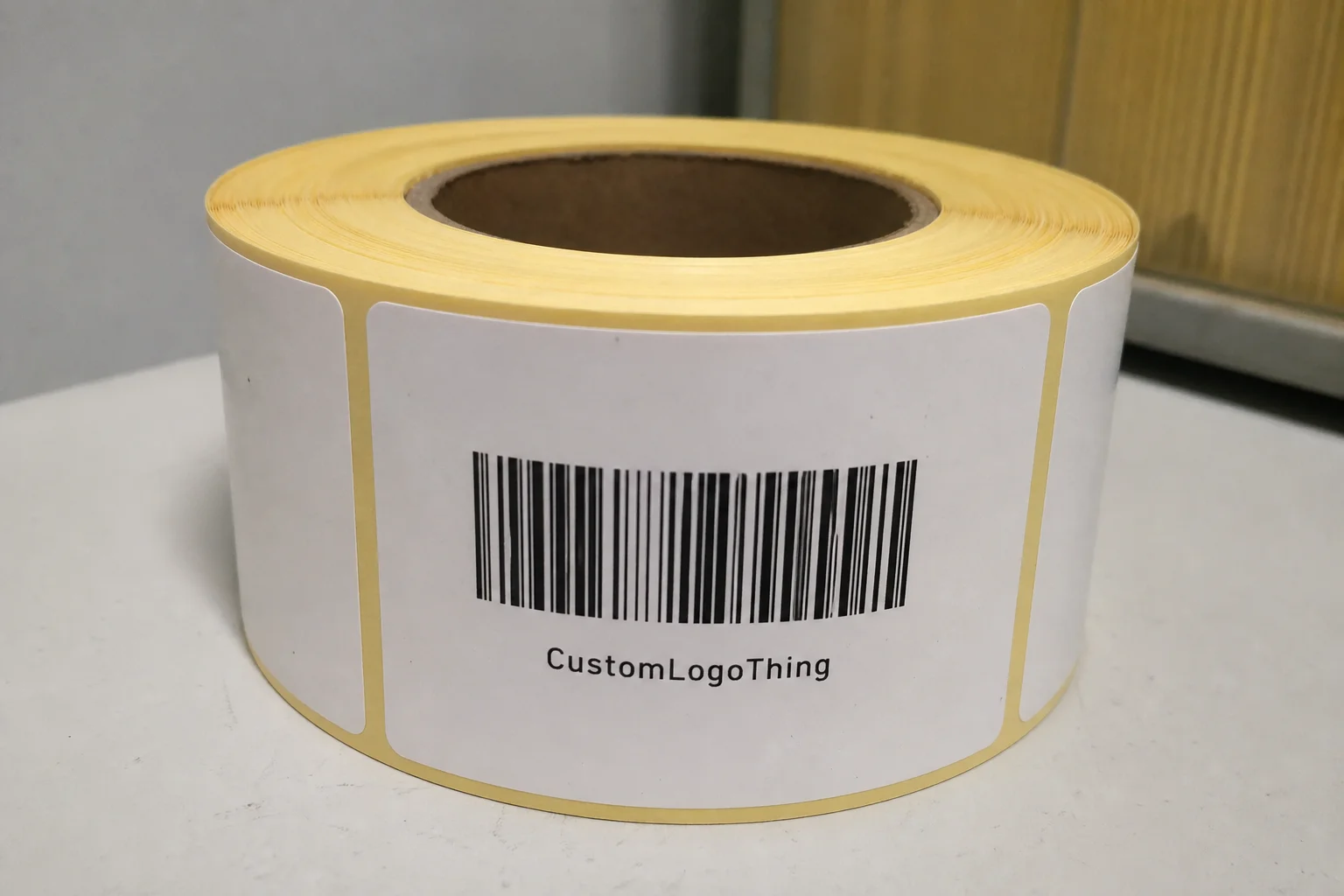
Proof review deserves a careful approach: read every line, compare colors to Pantone guides, annotate corrections on the PDF, and confirm barcode readability with scanner apps.
Final notes should include barcode data, ingredient lists, and required certifications like USDA organic or FSC claims, and scheduling a prepress sign-off holds your production slot because our operations team books Komori and Roland presses about two weeks in advance.
Once approvals and payment arrive we can lock in your run, treat single-run custom finishes like VIPs, and celebrate when the first pack emerges from the finishing suite with the tactile feel you envisioned.
Cost Considerations and Pricing Models
I urge small brands to think of label pricing as an ingredients list, and custom labels for small business deserve that same scrutiny—run length matters—shorter digital runs cost more per label but let you test variants quickly, while flexo runs on the Roland presses in Chattanooga become more cost-effective once you exceed 10,000 units.
Material choices layer on expenses, with silver metallized film running $0.28 per square inch versus standard matte paper nearer $0.12, while finishing touches such as embossing, lamination, or brushed foils each include setup fees, and die-cutting is another lever, with a custom die costing between $250 and $1,200 based on complexity yet dropping to pennies per label after serving three or more SKUs.
We track these components so you can compare total cost per SKU instead of just per label because label design sits inside the broader packaging narrative and shapes the unboxing moment.
| Run Length | Material/Finish | Price per Label | Notes |
|---|---|---|---|
| 500–1,000 (Digital) | 85lb matte paper + UV varnish | $0.45 | Fast turnaround, limited color gamut |
| 5,000–10,000 (Flexo) | Clear film + soft-touch laminate | $0.20 | Better durability, Pantone matching |
| 20,000+ (Flexo + Finishing) | Metallized foil + embossing | $0.17 | Lower per-unit with custom die |
Rush fees add 15–30 percent depending on how tight the window is, yet keeping a rolling forecast means you rarely need them; if you plan multiple SKUs across the year, budget for label inventory turnover because cleanroom cosmetics brands often order 15 percent more labels than expected for seasonal launches.
Evaluate the decision between single-run custom finishing and stock options—stock labels from Custom Packaging Products cut costs on supporting SKUs, while a signature finish from a custom run becomes the brand’s point of pride.
I’m kinda used to hearing founders debate whether that extra foil is worth it, but once the tactile cue connects with shoppers, the payoff usually justifies the choice.
And yes, there will be sticker shock the first time you see a die fee; I remember handing a quote to a founder who asked, “Why does it cost that much to cut around a circle?” and I walked them through the science—shave the edge the wrong direction and the eye simply doesn’t follow the shape.
Once that label landed on the shelf, the feedback loop from customers justified the investment, meaning the math on custom labels for small business is worth working through just like figuring out the perfect recipe for your vegan pickles.
Those conversations also keep pricing honest, because we flag every assumption about adhesive performance or finish durability so expectations stay aligned.
Common Mistakes to Avoid with Custom Labels
Artwork traps occur more often than you might expect, so I keep a checklist for low-resolution PDFs, missing bleeds, and vague Pantone notes that slow us down in the Hamilton County proofing rooms regularly.
One client sent a 72 DPI JPEG and hoped for razor-sharp type on a 3-inch circle, the press proof looked murky, and we rebuilt the file, costing three extra days.
That is why I always ask for vector files, at least a 1/8-inch bleed, and PMS values spelled out clearly.
Logistic headaches stem from under-ordering during seasonal surges, and a craft beverage company in Charlottesville faced that when they forecasted 7,000 bottles for August but actually sold 15,000.
Adhesives meant for room temperature failed in refrigerated storage, so understanding whether your product meets condensation or constant handling directs us toward permanent or freezer-safe adhesives so the label holds fast.
Talking through those scenarios upfront avoids frantic reorders.
Compliance mistakes persist; missing nutrition facts, dropped safety icons, or ingredient lists that conflict with FDA grid statements can halt a press run.
A compliance checklist before the final proof approval keeps runs moving, and I encourage asking about barcode readability, required warning language, and eco-certifications like FSC or EPA standards—reference helpful guidance on packaging.org—because catching issues before press checks avoids expensive reprints.
Those double-checks also reinforce trust with retailers who expect thorough documentation.
Another misstep I counsel against is overloading the label with every idea you’ve ever had; one founder insisted every batch needed a story, ingredient origin map, QR code, and a superhero mascot, and the result read like a novel.
We slimmed it down to the essentials plus a small icon for clarity and let the production crew breathe easier.
Keeping that focus also ensures custom labels for small business stay readable and effective instead of turning into cluttered billboards.
Actionable Next Steps for Custom Labels for Small Business
Inventory your packaging touchpoints by noting where a new label could reinforce your story, highlight ingredients, or elevate retail cues—does the current jar only have a wrap-around sticker, or could a die-cut badge with metallic foil anchor your shelf display?
Record the exact diameter or panel height to prioritize where premium custom labels for small business will deliver the most impact.
Whether prepping a wrap-around or a tiny badge, aligning those measured cues keeps creative decisions rooted in reality.
Coordinate a discovery session with Custom Logo Things to share product samples, request a material pack, and plan a three-month rollout; our team reviews adhesive requirements, assesses how the label integrates with custom printed boxes, and outlines steps from dieline creation through delivery.
That conversation also checks whether to align label inventory with rigid carton or flexible pouch suppliers based in Chicago, Miami, or Dallas, so freight lanes stay synchronized.
Before placing your first order, work through a checklist: finalize artwork and confirm Pantone values, verify dieline measurements against real product dimensions, anticipate lead times for each stage, and budget for prototype proofs that demonstrate fit and feel.
Then submit a complete job packet—including regulatory text, barcodes, and finish preferences—so we can keep press schedules for machines such as the Komori Lithrone or Roland presses locked in.
That discipline helps custom labels for small business stay on schedule and in sync with every other production partner.
Consider pairing your labels with an in-store display test, because I once helped a client set up a mini pop-up at a farmer’s market in Raleigh, and the moment someone peeled back the label’s embossing, they told us the product suddenly looked like it should cost twice as much.
That market-validated confidence becomes the payoff for treating the label as a co-star, not a footnote.
What makes custom labels for small business different from big-brand runs?
Smaller businesses often need shorter runs with faster revisions, so digital printing and flexible scheduling matter, and customization extends beyond size to include storytelling, regulatory details, and tactile finishes designed for boutique products in Atlanta, Portland, or Cincinnati.
How do I estimate costs for custom labels for a new product launch?
Factor in label size, material selection, color layers, finishing, and request tiered pricing for different volumes; include setup fees for dies or plates plus shipping and rush premiums when working with manufacturers such as Custom Logo Things in Chattanooga or Sacramento, and keep in mind that material availability can shift estimates slightly.
Can custom labels for small business meet compliance standards?
Yes—partnering with experienced suppliers ensures nutritional facts, warnings, and certifications fit cleanly; request prepress checks and digital proofs to verify text size, required language, and barcode readability before the lines lock in.
How long does it take to produce custom labels for small business orders?
Standard lead times span 12–15 business days post-approval depending on material and finishing complexity, along with prepress work, and rush options exist but require earlier proof approval to secure press time, especially during peak packaging seasons such as Q4.
What should small businesses provide before ordering custom labels?
High-resolution artwork or vector files, dielines of the product surface, and notes on material or adhesive preferences, plus regulatory or brand guidelines and tactile or finishing wishes, help the production team deliver the right label on schedule.
Plan to document adhesive specs, materials, and proof approvals in a shared folder so every partner from art to fulfillment sees the same story.
Pair that with a running forecast for inventory and a small prototype run to validate tactile cues before committing to a larger order.
When you treat custom labels for small business as a strategic layer supported by these documented steps, the packaging ecosystem stays trustworthy and your shelf presence feels intentional.