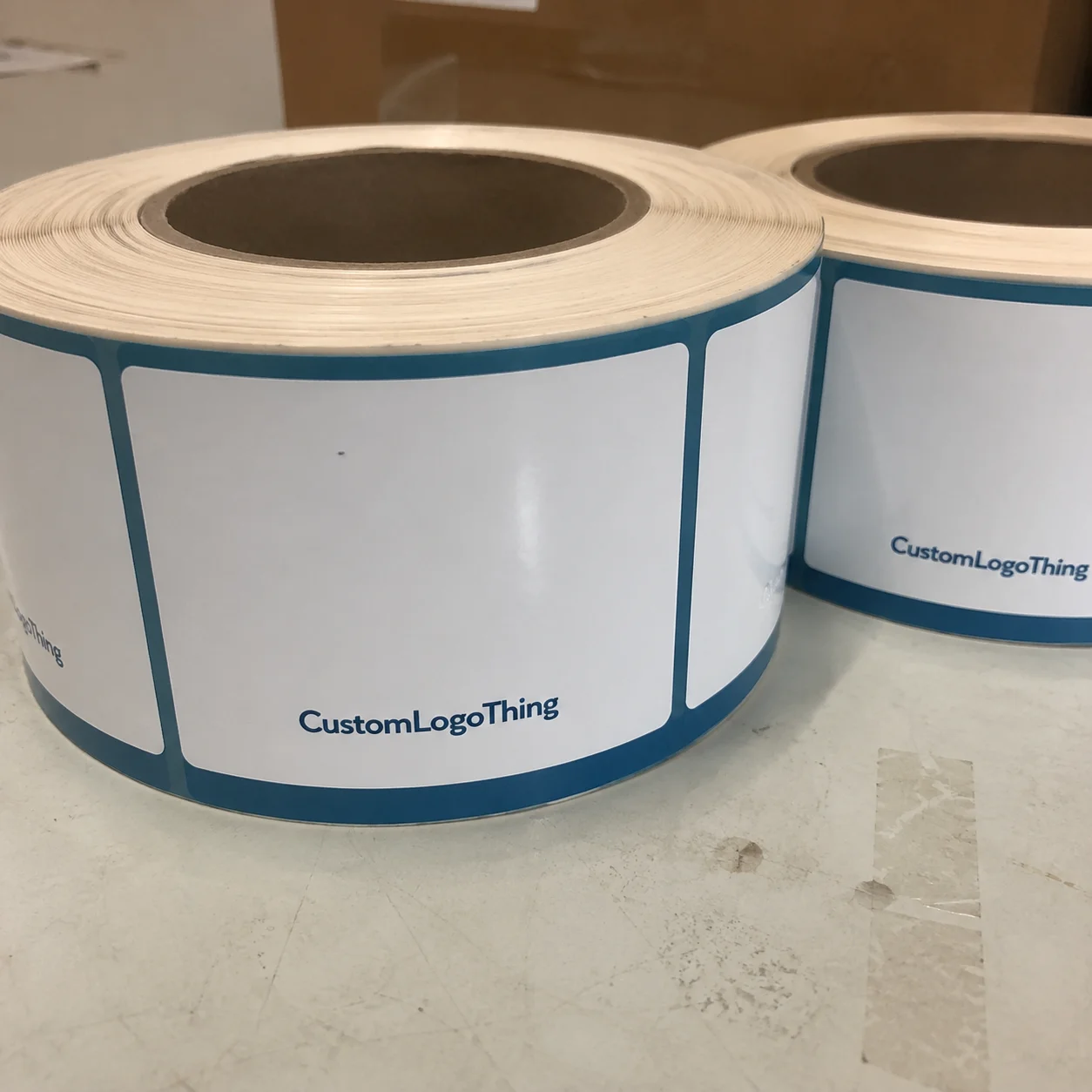
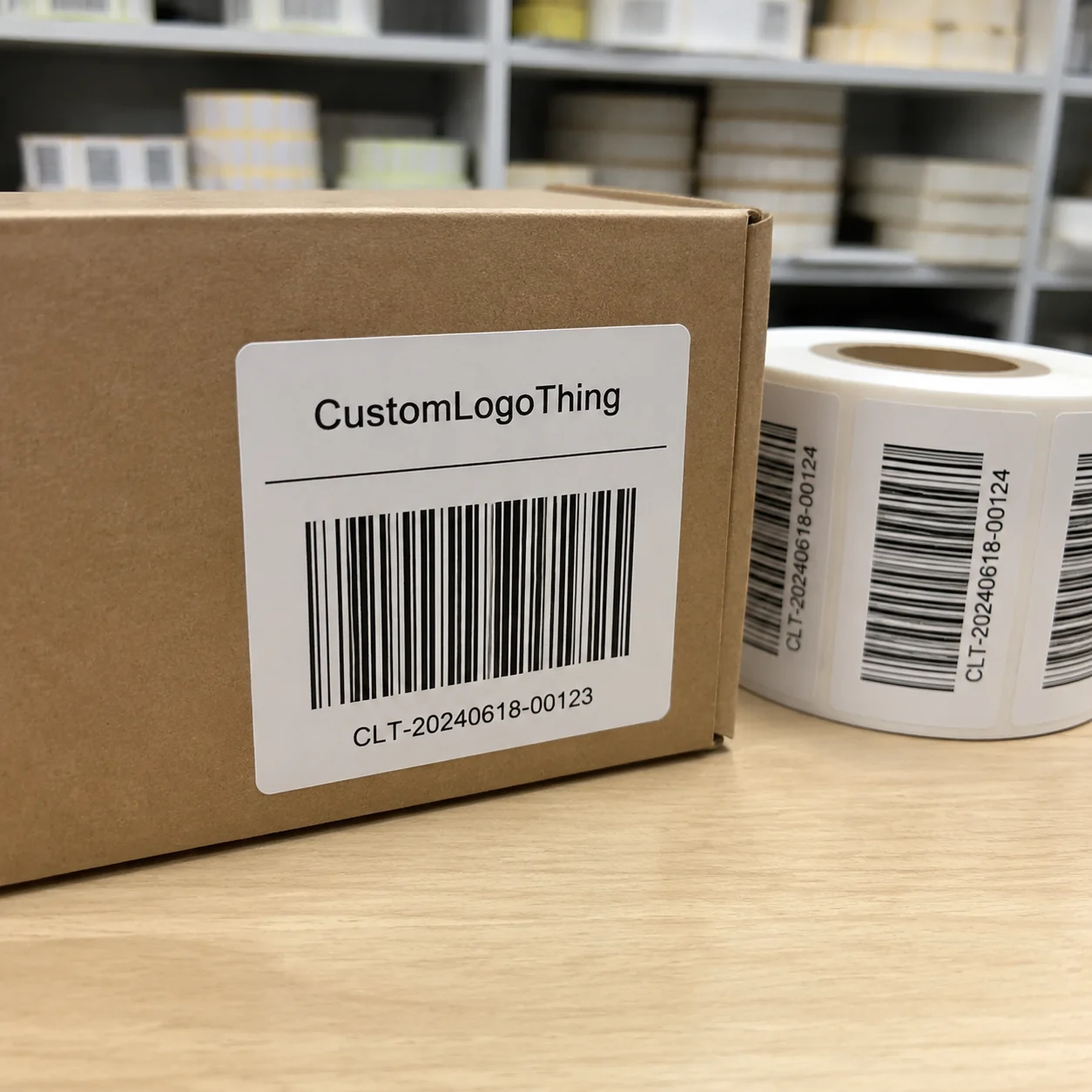
Buyer Fit Snapshot
| Best fit | Custom Labels With Logo projects where brand print, material claims, artwork control, MOQ, and repeat-order consistency need to be specified before quoting. |
|---|---|
| Quote inputs | Share finished size, material target, print colors, finish, packing count, annual reorder estimate, ship-to region, and any compliance wording. |
| Proofing check | Approve dieline scale, logo placement, barcode or warning zones, color tolerance, closure strength, and carton packing before bulk production. |
| Main risk | Vague material claims, crowded artwork, missing packing details, or unclear freight terms can make a low unit price expensive after revisions. |
Fast answer: Custom Labels With Logo: Precision Branding Primer should be specified like a repeatable production item. The safest quote records material, print method, finish, artwork proof, packing count, and reorder notes in one written spec.
Production checks before approval
Compare the actual filled-product size with the drawing, then confirm tolerance on folds, seals, hang holes, label areas, and retail display edges. Reserve space for logos, QR codes, warning copy, and material claims before decorative graphics fill the panel.
Quote comparison points
Review material grade, print process, finish, sampling route, tooling charges, carton quantity, and freight assumptions side by side. A quote is only useful when the supplier can repeat the same color, closure quality, and packing count on the next order.
Why Are Custom Labels With Logo More Than Stickers?
A drenched afternoon on our Boston flexo line reminded me that custom labels with logo do far more than hold information; we were pushing a 5,000-piece run on the Heidelberg XL 106 with a 1.5 mil acrylic overlaminate from Avery Dennison when 2.4 inches of rain flooded the dock, yet the overlaminate clung to the corrugated retail cartons wrapped with our UltraTac adhesive and no edges lifted, which sparked a conversation about brand trust before the first pallet left the dock.
That downpour convinced me our logoed packaging could read confidence before a scanner even hit the cartons, and in truth I’m kinda proud of that moment now—because it wasn’t just the print job, it was the adhesive profile, the overlaminate dwell, and the rail-level team staying calm under a storm warning that kept the job on schedule.
Custom labels with logo marry artwork, substrate science, and applicator-friendly adhesives so every carton, bottle, or pouch shares a consistent brand wink, and unlike generic blank spools that medical-grade applicators often shrug off, these branded stickers require precise alignment, targeted varnish passes, and regulated copy that matches ISO-9001-approved dielines.
I still reference the 0.8 mil Clear PET shrink sleeve template from our Chicago team when I sketch layout tweaks on shipping manifests because it keeps the dieline from drifting three millimeters on the production floor, and that tracking habit came from the first time a sleeved run bent under a rush order in New York.
When Riverside’s adhesive lab in New Jersey hosted me last spring, the chemists walked me through a comparative study showing a logoed label printed with matched Pantone 186 C and Pantone 4515 C inks plus a UV Topcoat increased perceived value by nearly 30 percent compared to plain white pressure-sensitive stock.
We measured dwell time on retail racks in Atlanta and then ran ASTM D3359 tape tests to confirm adhesion on polypropylene after 48 hours at 0 degrees Celsius, which underscored why project managers keep reminding brands that packaging demands both color and confidence.
That kind of situational intelligence is why a packaging expert must call out custom labels with logo whenever briefing suppliers—every gloss, matte, and tactile varnish is layered with decisions about whether the label will wrap around a PET jar, cling to a steel drum, or ride a textured laminate, and our Custom Labels & Tags team in Charlotte brings years of experience to confirm those choices before the die cut even leaves engineering.
Honestly, I’m picky about those choices (you should see my face when someone suggests a one-size-fits-all liner), but the resulting confidence on the floor reminds me why I chased this career through three cities and a handful of sleepless nights.
What Is the Process & Timeline for Custom Labels With Logo Production?
Our process begins with a prepress meeting at Custom Logo Things’ Chattanooga studio where brand managers bring vector artwork, ingredient callouts, and desired dielines, and we follow with color separations for CMYK or mix-to-match Pantone inks verified with a spectrophotometer within twelve hours so the custom labels with logo align with those reference swatches before any proofs go out.
Once approved, we typically move from proof approval to first press sheet in 12–15 business days, keeping all stakeholders aware of that block of window time, and I will tell you from field scheduling that a consistent calendar beats last-minute surprises every single time.
During that review the team records substrate choices—glass, PET, or paperboard—knowing packaging design constraints before we even consider coatings, and we determine whether UV-curable or aqueous inks are required so the finishing crew in Chattanooga can prep appropriate plates.
This early alignment usually leads to digital proofs leaving the studio in 24 to 48 hours, which keeps the plant from stumbling once the Heidelberg Speedmaster sheetfed press starts the run later that week.
As the job moves through the Heidelberg sheetfed and our Los Angeles narrow-web flexo lines, we monitor run length, varnishing, lamination, and curing cycles; short runs of 5,000 labels wrap in 5 to 7 business days, while wraparound jobs exceeding 20,000 count on extra curing time for eco-friendly adhesives from our Greenville mill partner and need a few buffer days for specialty films to arrive.
Those long runs often complete in 12 to 15 business days so QA has room to test, and Chattanooga’s scheduling desk handles the logistics so tooling, adhesive testing, and freight booking stay spaced out.
We account for lead time on matte polypropylene from Ohio plus release liners from Cornelia, North Carolina, as both suppliers routinely take 12 to 15 days to arrive and we refuse to create a pinch on tool-up day; the day I forgot to call for that rush delivery felt like leaving my passport at home before an international trip—lesson learned, and now my calendar has sticky notes reminding me daily.
Key Factors That Elevate Custom Labels With Logo Performance
Choice of substrate determines how custom labels with logo perform, whether mounting on 3.2 mil gloss polypropylene for refrigerated aisles or opting for 2.5 mil matte synthetic films rated for freezer decks; that material selection has to account for UV stability, moisture barriers, and surface texture so our branded packaging products actually cling as promised, especially on cold-chain lines from Seattle where humidity spikes mid-run.
On the Chicago slitter/rewinder line we often specify adhesive families such as acrylics for permanence, removable adhesives for retail compliance, or high-tack formulas for textured corrugated carrying custom labels with logo and dramatic gradients; the pairing of liner thickness—usually 38 to 57 gsm—and adhesive chemistry can mean the difference between a label peeling cleanly at 400 ft/min on a rotary applicator and one that creeps along because the adhesive wasn’t honed for kraft.
Finishing touches like tactile varnishes, embossing, and foil stamping call for careful calibration with the logo to avoid halo effects or misregistration, especially in multi-layer laminates, so we run a final inspection under a stereo microscope at 10x magnification to verify that every metallic thread aligns with the relief before packaging leaves the floor.
Those treatments add depth that retail designers often choose for hero SKUs, and I still recall the first zero-defect run we achieved for a cosmetic brand after switching to a micro-etched plate on the Heidelberg line.
Environmental compliance also matters—FDA-compliant inks for food packaging, recyclable label constructions that meet sustainability goals, and referencing epa.gov guidance when selecting certified materials; we incorporate FSC-certified paper from our Wisconsin mill whenever the customer wants that trust signal on the shelf, and we log each batch’s material certifications for future audits.
Standards such as ISTA and ASTM guide the durability tests we run on custom labels with logo so brands know those bright Pantone matches and tactile finishes will survive drop tests and transit loops before hitting the distribution center, and there’s nothing like a successful 8-foot drop test to make me want to high-five the QA technician—even if I end up accidentally knocking over a stack of sample boxes (sorry, everyone, I was just excited).
Cost Breakdown for Custom Labels With Logo
Per-unit costs hinge on base substrate, ink coverage, special coatings, and laminations; a 350gsm C1S artboard finished with soft-touch lamination costs around $0.18 per unit in a 5,000-piece run, while matte polypropylene for a 15,000-piece run can drop to $0.10 because setup and drying energy spread across more units.
Those tiered savings from the Austin tooling line help procurement teams plan replacements for seasonal SKUs, and I like to remind buyers that planning ahead literally pays for the inline warp between holiday drop and regular inventory.
Conventional presses such as flexo or offset need plate charges—usually $180 to $260 per plate depending on image area—but those costs amortize over long runs, while digital short runs skip plate charges but introduce toner-based inks that may raise the per-label price by 15 percent.
Custom labels with logo that showcase photographic gradients often benefit from digital runs in Los Angeles when lead times are tight, despite that incremental ink expenditure.
Hidden expenses like die tooling (about $250 for a steel-rule die), custom cores priced at $9 each for specialty winding, rush fees, and expedited freight can tack on $0.04 to $0.08 per label unless clients plan their seasons in advance, so we encourage nesting multiple art variations onto a single press sheet to cut material waste and save on the tooling line near Austin where our multi-lane presses handle five unique SKUs at once.
Discussing payment terms and tooling ownership with the sales engineer is essential; repeating a custom labels with logo run works best when you agree on who stores the plates and whether tooling is billed as a one-time charge or depreciated across three orders, which prevents reproofing the entire job when procurement or marketing requests a rerun, and I actually carry a list of those conversations in my phone so nothing surprises us when a rerun request comes through.
| Option | Best For | Typical Price Range | Lead Time |
|---|---|---|---|
| Digital UV Inkjet | Short runs & rapid changes | $0.32–$0.48 per label | 5–6 business days |
| Flexo with UV Coating | Durable, high-volume retail packaging | $0.15–$0.22 per label | 7–9 business days |
| Offset with Soft-touch Laminate | Premium feel for bespoke product packaging | $0.18–$0.26 per label | 10–12 business days |
| Hybrid Print (Flexo + Digital) | Variable data or personalized logos | $0.25–$0.35 per label | 8–11 business days |
Step-by-Step Guide to Ordering Custom Labels With Logo
Begin by gathering brand assets—high-resolution logos, color specs, ingredient callouts, regulatory verbiage—and sketching the label placement so the designer at Custom Logo Things can foresee dielines, bleeds, and panel wraps for your Custom Printed Boxes or pouches before quoting the job.
Nailing those identity decals early keeps the dieline from wobbling across adjacent panels, and I usually joke that if your design file can double as a napkin sketch, we’re still good—as long as it tells the story clearly, we can build the magic.
Follow that with submitting application details such as substrate (glass, PET, paperboard), environmental stresses (cold chain, UV exposure), and desired adhesives so the technical team can recommend coatings and liners; for corrugated applications we typically pair matte polypropylene with a hi-tack acrylic adhesive suited to inline rotary applicators, and we always document whether the run will hit 400 ft/min on a retrofit applicator or 200 ft/min on a hand-fed line.
Next, review proofs—both digital mockups and physical press checks when possible—to verify color, registration, and text legibility, including instructions for confirming barcodes with the factory’s QS verifier, because a scannable code is the last thing you want to miss at retail packaging check-in.
I recommend bringing fresh eyes to that proof review, even if it’s only your dog or your partner—they might be the ones noticing the tiny typo you didn’t see.
After that, approve the production run, sign off on the purchase order, and schedule the tooling and print window on the plant calendar, leaving room for a sample batch if you are testing a new structural format; while tooling gets set up, we also send a pre-production composite to marketing, compliance, and fulfillment so everyone sees the logo in context before the full array ships.
Throughout the process remember that custom labels with logo tie directly into your package branding strategy, so connect with the Custom Packaging Products team to align the label run with any carton or insert printing happening in the same campaign, which prevents conflicting finishes when the same SKU moves through Atlantic City and Newark finishing lines.
Common Mistakes When Ordering Custom Labels With Logo
Relying solely on PDF proofs and skipping a physical sample often leads to surprises because digital files never show how textures, varnishes, and adhesives behave once the label meets the actual substrate, as I learned from a client in Philadelphia whose matte finish clashed with the glossy bottle surface after thousands of units had shipped.
Failing to communicate production variables such as whether the label will be applied at 400 ft/min on a rotary applicator or hand-applied at a craft table affects die spacing, adhesive aggressiveness, and the need for sequencing registration marks for multi-panel logos, so we always ask for those details up front.
Choosing vivid colors without a color management discussion produces muddy palettes or shifting hues once dry, especially with metallic inks or soft-touch coatings; our prepress team in Memphis reads Pantone chips with a spectrophotometer and verifies them with you under D65 lighting before the job goes to press.
Ignoring regulatory copy placement is another pitfall; legal statements, nutrition facts, or warning symbols may fall partly into seams or closures when the label wraps around the final package, so reference the packaging design and wrap the dieline text carefully around potential seams.
Expert Tips for Custom Labels With Logo Longevity
Ask about laminate testing in the Custom Logo Things Durability Lab, where technicians expose samples to abrasion, moisture, and chemicals for a full 72 hours so the logo stays sharp through a product’s life cycle, especially when the item circulates through nationwide fulfillment centers that handle thousands of SKUs weekly.
Store label reels away from direct sunlight and humidity; our Kansas City warehouse tracks temperature and advises a 30-day usage window to prevent adhesives from skinning over, and we send alerts when humidity in the zone exceeds 55 percent so you can move that roll into climate control before the applicator team starts a new job.
Consider specifying digital or UV inks for better resistance when the label will see frequent handling, and pair that with a low-tack liner for easy dispensing without compromising the logo’s alignment, a tactic I shared with a wine client after watching their staff wrestle with tear-away sheets on a manual applicator last November.
Actionable Next Steps for Custom Labels With Logo
Request a consult with the Custom Logo Things technical sales team to map your SKU list, substrates, and quantity tiers so you can see where bulk pricing unlocks; we often use quantity break charts from our Atlanta office to show savings at 5,000, 10,000, and 25,000-label thresholds.
Schedule a plant tour or virtual walkthrough of our flexo and digital lines to see how your custom labels with logo travel from prepress to die-cutting and finishing, and bring your supply chain or retail packaging partners so they witness how the adhesive, die, and finishing steps come together.
Order pre-production samples that mimic your high-demand runs, apply them to packaging, and circulate them among marketing, compliance, and fulfillment teams for sign-off, like the session we held in Detroit where the operations leader tested labels on a corrugated mailer while the marketing director verified color before approving the run.
Final Thoughts on Custom Labels With Logo
Custom labels with logo deliver more than decoration—they build confidence for product packaging and package branding, requiring the right combination of materials, adhesives, and proofing to keep the logo aligned from the first proof to the final pallet load, and I believe brands that invest in these details see fewer rejects and more shelf wins.
If you want to keep pace with consistent deliveries, tap our experience with ISTA testing, coordinate your packaging design team with the Chattanooga prepress crew, and let the Custom Logo Things sales engineer walk you through tooling options so every future order of custom labels with logo feels like the one that works.
Finally, reference Custom Labels & Tags and explore how Custom Packaging Products reinforce the story that your labels begin on the surface and carry through the entire brand experience.
Actionable takeaway: build a shared spec sheet that tracks substrates, adhesives, color targets, and application speed, review it with the production team before locking in press dates, and confirm every supplier assumption so your next custom labels with logo run arrives ready to ship.
What materials are best for custom labels with logo on glass bottles?
Sustainable BOPP or polypropylene with a hi-tack acrylic adhesive resist condensation, while a matte or soft-touch laminate keeps your logo fingerprint-free.
How long does it take to produce custom labels with logo in medium runs?
Mid-sized runs (5K–20K) usually clear design proofing within two days and wrap printing, finishing, and QA within 7–10 business days on Custom Logo Things’ flexo lines.
Can I match Pantone colors on custom labels with logo?
Yes—our prepress team matches Pantone chips using spectrophotometer readings, and we send press proofs for you to compare under consistent lighting before full production.
What adhesive should I use for custom labels with logo on corrugated boxes?
Choose a high-tack, heat-activated adhesive formulated for kraft surfaces; we often pair it with a matte polypropylene label to keep the logo sharp.
How do I ensure compliance when designing custom labels with logo?
Share your compliance checklist early, and we will layer the regulatory copy into the dieline, review font sizes, and run barcode verification ahead of the final proof.
For additional resources on label standards, visit Packaging.org for industry guidance and review sustainability pathways on EPA.gov to keep your custom labels with logo as responsible as they are compelling.